
You may have noticed that trading cryptocurrencies on Coinbase comes with various fees, and understanding these costs is necessary for optimizing your trading experience. In this blog post, we’ll break down the types of fees associated with Coinbase, helping you comprehend their structure and significance. As you navigate the world of cryptocurrency, knowing how these fees work can lead to better decision-making and a more rewarding trading journey. Let’s probe why these fees are not only reasonable but also necessary for accessing the best tools and services Coinbase has to offer.
Decoding the Fee Structure: What You Need to Know
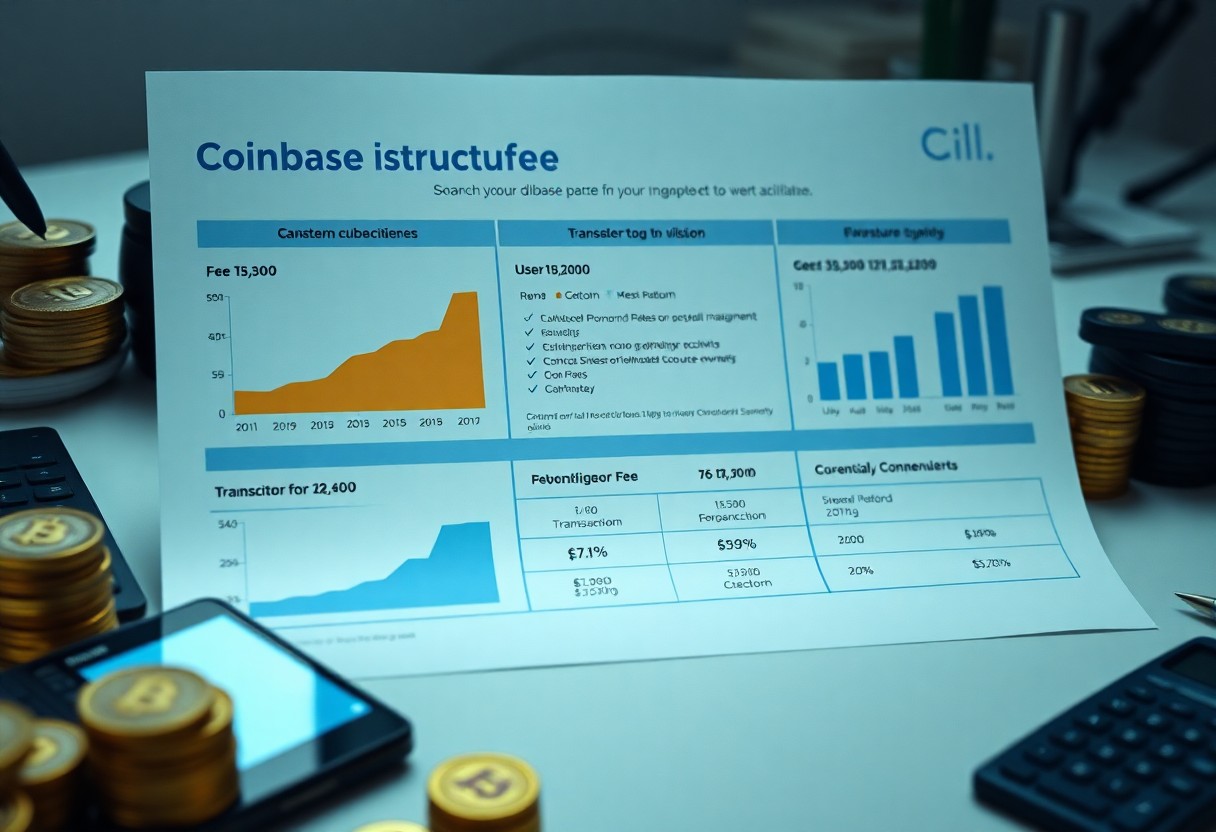
Understanding the fee structure on Coinbase is necessary for optimizing your trading experience. Its pricing model encompasses several components, allowing you to see precisely what to expect. By familiarizing yourself with these various fees, you can better navigate your trading activities and make informed decisions that fit your budget.
Breakdown of Coinbase Fees
Coinbase employs a straightforward structure that includes transaction fees, spreads, and withdrawal costs. While the specific fees can vary based on your payment method and location, the goal remains the same: transparency for users. Here is a simplified breakdown:
| Fee Type | Typical Amount |
|---|---|
| Transaction Fee | $0.99 – $2.99 |
| Spread | 0.5% – 2% |
| Withdrawal Fee | 0.00 – $25.00 |
| Deposit Fee | Varies by method |
| Credit/Debit Card Fee | 3.99% |
The Different Fee Types: Transaction, Spread, and Withdrawal
Transaction fees cover the cost of executing trades and can be a flat fee or a percentage based on the trade’s value. The spread is the difference between the buying and selling price, generally hovering around 0.50% to 2% depending on market volatility. Withdrawal fees vary significantly and depend on the method you choose to access your funds. Pay attention to these fees as they can collectively impact your overall trading costs.
- Assume that you’re making frequent transactions; a few cents here and there can add up significantly over time.
| Fee Type | Explanation |
|---|---|
| Transaction Fee | Charges incurred each time you buy or sell cryptocurrency. |
| Spread | Market fluctuation between buy and sell prices. |
| Withdrawal Fee | Cost associated with transferring your cryptocurrency to another wallet. |
| Deposit Fee | Potential fees depending on your payment method. |
| Credit/Debit Card Fee | Addition of percentage fees for using cards. |
Navigating the Cost-Benefit Analysis: Is it Worth It?
Understanding Coinbase’s fee structure helps you make an informed decision about whether the service aligns with your trading goals. By evaluating how fees affect your overall profitability, you can weigh the convenience, security, and user experience against the costs. Ultimately, if the platform enhances your trading efficiency and provides the necessary tools for success, the fees may be a worthwhile investment.
The Impact of Fees on Trading Strategies
Fees can significantly affect your trading strategies, particularly for active traders or those executing high-frequency trades. Each transaction incurs a cost that can erode profit margins. For example, a simple buy-sell cycle might cut into your returns by 1% or more depending on the fee structure. By calculating the cost per trade, you can strategize on how often you enter and exit positions to mitigate the financial impact effectively.
Comparing Coinbase Fees to Other Platforms
When comparing Coinbase fees to other trading platforms, it’s imperative to look beyond the surface. For instance, many exchanges may advertise lower trading fees but compensate with higher withdrawal charges or poor customer service. Here’s a comparison of general fees associated with popular platforms to help you gauge where Coinbase stands:
Fee Comparison Overview
| Platform | Trading Fees |
| Coinbase | 0.50% (plus fixed fee based on transaction amount) |
| Binance | 0.10% to 0.20% |
| Kraken | 0.16% (maker) / 0.26% (taker) |
While Coinbase may not have the lowest fees in the market, the platform offers significant advantages such as user-friendly design, robust security features, and regulatory compliance. These factors contribute to a broader value proposition that might justify the higher costs, particularly for new users or those prioritizing convenience and trust. With Coinbase, you’re getting a well-rounded experience that can often outweigh mere fee comparisons.
Getting the Most Out of Your Fees: Best Practices for Users
Maximizing your trading experience on Coinbase involves strategic approaches to manage fees effectively. By staying informed about transaction structures and leveraging platform resources, you can navigate costs while still enjoying the seamless trades and security that Coinbase offers. Implementing proven practices can lead to enhanced profitability and a more enjoyable trading journey.
Timing Your Trades for Optimal Cost
Identifying the right moments to execute your trades can significantly impact your overall expenses. Price volatility often fluctuates throughout the day, so monitoring market trends and timing your trades during calmer periods can help you minimize fees. Using tools like market alerts can assist in finding the most cost-effective points for making transactions.
Utilizing Coinbase Tools to Minimize Expenses
Coinbase offers several built-in tools that can help you reduce your trading fees. Features like Coinbase Pro provide advanced charting tools and order types, which can enable more precise trading strategies, thus minimizing costs. Additionally, using limit orders instead of market orders can help you control the price at which you buy or sell, potentially leading to lower fees overall.
For example, when using Coinbase Pro, you get access to lower trading fees as a maker rather than a taker, which can save you a significant amount in the long run. The platform’s fee structure rewards liquidity providers, so placing limit orders allows you to become a maker and dodge some of the higher fees associated with instant market trades on the main Coinbase platform. Engaging in volume trading or referral programs can further lower your cost base, making those fees work for you rather than against you.
The Quality Tradeoff: Value Beyond Costs
Weighing fees against the quality of service you receive highlights the tangible benefits that come with using Coinbase. While costs may seem daunting initially, they often correlate to a premium trading experience that encompasses robust platforms, diverse assets, and comprehensive features. This quality tradeoff becomes clear when considering how much smoother and more efficient trades can be executed on a well-regarded platform like Coinbase, ultimately saving you time and potential losses elsewhere.
Security and Trustworthiness in a Fee Environment
Your investment’s safety is paramount in the cryptocurrency realm, and Coinbase excels in providing a secure trading environment. The fees you pay reflect not only the quality of service but also the safeguards in place to protect your assets. With industry-leading security measures, including cold storage for 98% of customer funds and insurance for digital assets held at Coinbase, your trust is well-placed in their infrastructure.
Customer Support and User Experience: A Hidden Asset
An often-overlooked aspect of Coinbase’s fee structure is the outstanding customer support and user experience it offers. Access to responsive, knowledgeable support can make a world of difference, particularly during critical trading moments. Beyond just resolving issues, exceptional service fosters an overall smooth trading experience, mitigating stress and enhancing your confidence as you navigate your investment journey.
The value of customer support extends far beyond simply answering questions; it’s about creating an environment where you feel empowered to engage with your investments. Technical help, transaction inquiries, or platform navigation assistance are all vital when issues arise. With a dedicated support team available 24/7, having someone to turn to can be the distinction between a frustrating experience and a seamless trading journey. Invest in a platform that prioritizes your needs and builds a strong foundation for long-term success.
Evolving Landscape: Future of Fees on Cryptocurrency Trading Platforms
The cryptocurrency trading landscape is rapidly changing, and fee structures are likely to evolve alongside it. As more platforms enter the market and competition intensifies, you might see varying fee models emerging, including subscription-based services or zero-fee trading paired with premium features. Adaptation to user demands and innovation will play significant roles in shaping how fees are structured, ultimately impacting your trading experience.
How Market Trends Might Shape Fee Structures
Market trends, such as the rise of decentralized finance and the increasing popularity of alternative cryptocurrencies, will heavily influence fee structures across trading platforms. As traders seek more diverse opportunities, platforms may introduce tiered fee systems or innovative pricing models that align better with user preferences, ensuring that you receive enhanced value for your trades.
The Role of Regulation in Shaping Costs
Regulatory changes can significantly impact fee structures on cryptocurrency platforms. Compliance with evolving laws often leads companies to adjust their pricing to cover costs or implement new technologies. As regulators impose stricter guidelines, your trading fees may fluctuate depending on the platform’s investment in compliance solutions and the level of legal risk associated with specific assets.
For instance, stringent regulations concerning anti-money laundering (AML) and know-your-customer (KYC) procedures can increase operational costs for platforms, which may be passed onto you in the form of higher fees. Additionally, countries may introduce taxes and levies on cryptocurrency transactions, further influencing how platforms price their services. As these regulatory landscapes continue to evolve, staying informed about potential changes will help you navigate the associated cost dynamics effectively.
Conclusion
On the whole, understanding the fees on Coinbase is imperative for maximizing your trading experience. By grasping how these fees function and why they are structured this way, you can make informed decisions that align with your trading goals. While fees may seem like an obstacle, they often come with the convenience, security, and user-friendly interface of the platform that enhance your overall experience. Investing time in understanding these costs will enable you to navigate the platform more effectively, leading to more successful transactions in your cryptocurrency endeavors.


