
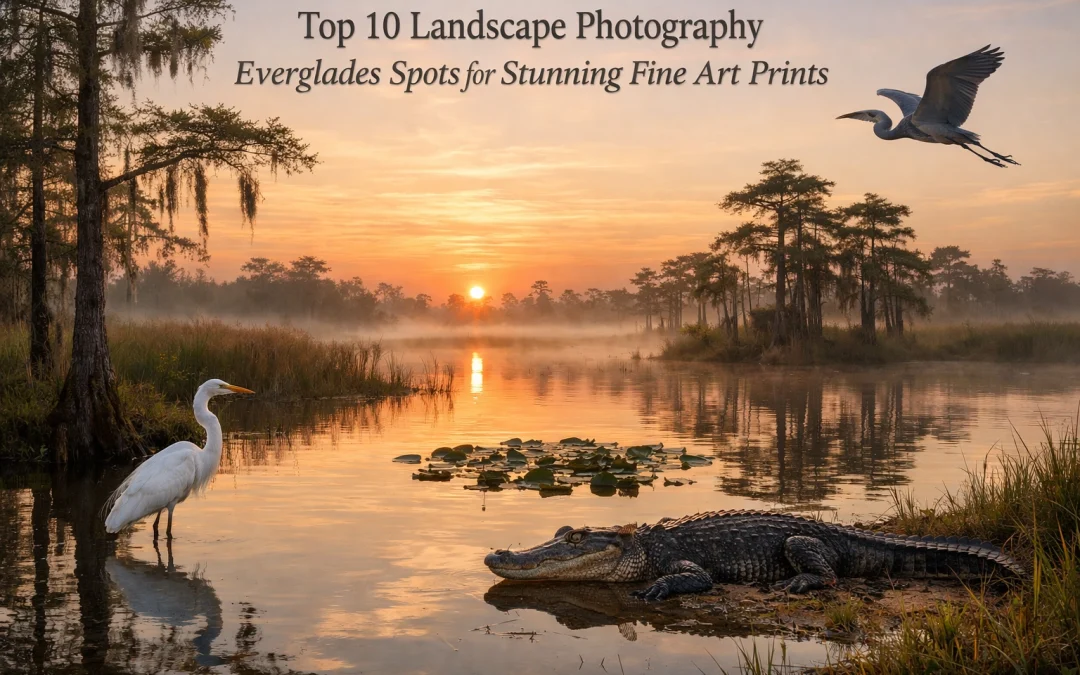
As you step into the vast, humid embrace of the "River of Grass," you aren't just entering a swamp; you’re entering one of the most complex and visually rewarding ecosystems on the planet. For the fine art photographer, the Everglades offers a masterclass in minimalism, texture, and light. But let’s be honest: if you don’t know where to point your lens, you might just end up with a lot of photos of messy grass and a very expensive collection of mosquito bites.
Your goal is to capture the essence of this wilderness in a way that deserves a spot on a gallery wall. Whether it’s the prehistoric silhouette of an alligator or the ethereal glow of a cypress dome at dawn, the landscape photography Everglades experience is about patience and precision. I’ve spent years navigating these trails and boardwalks, and I’m here to guide you to the spots that will elevate your portfolio from "vacation snapshots" to museum-quality landscape photography Everglades prints.
1. Pahayokee Road: The Sunrise Spectacle
If you want a shot that screams "Everglades" with a touch of high-drama fine art, you need to be at Pahayokee Road before the sun even thinks about peeking over the horizon. This is arguably the premier sunrise location in the park. As the light breaks, you can shoot toward the east, positioning the iconic dwarf cypress trees against a sky on fire.
To get the most out of this spot, don't just stay on the boardwalk. If you’re feeling adventurous (and have your boots on), venture a short distance into the sawgrass. This allows you to find unique compositions where the water creates leading lines toward those lonely trees. The contrast between the golden sawgrass and the deep blues of the pre-dawn sky ensures your landscape photography Everglades work has the dynamic range necessary for a stunning large-format print.
2. Shark Valley: The 360-Degree Perspective
Located about 35 miles west of Miami, Shark Valley is a photographer’s playground, but it requires a bit of strategy. The 15-mile loop is famous, but the real prize for your fine art collection is the view from the observation tower. From here, you get a sweeping, 360-degree view of the vastness that defines this park.
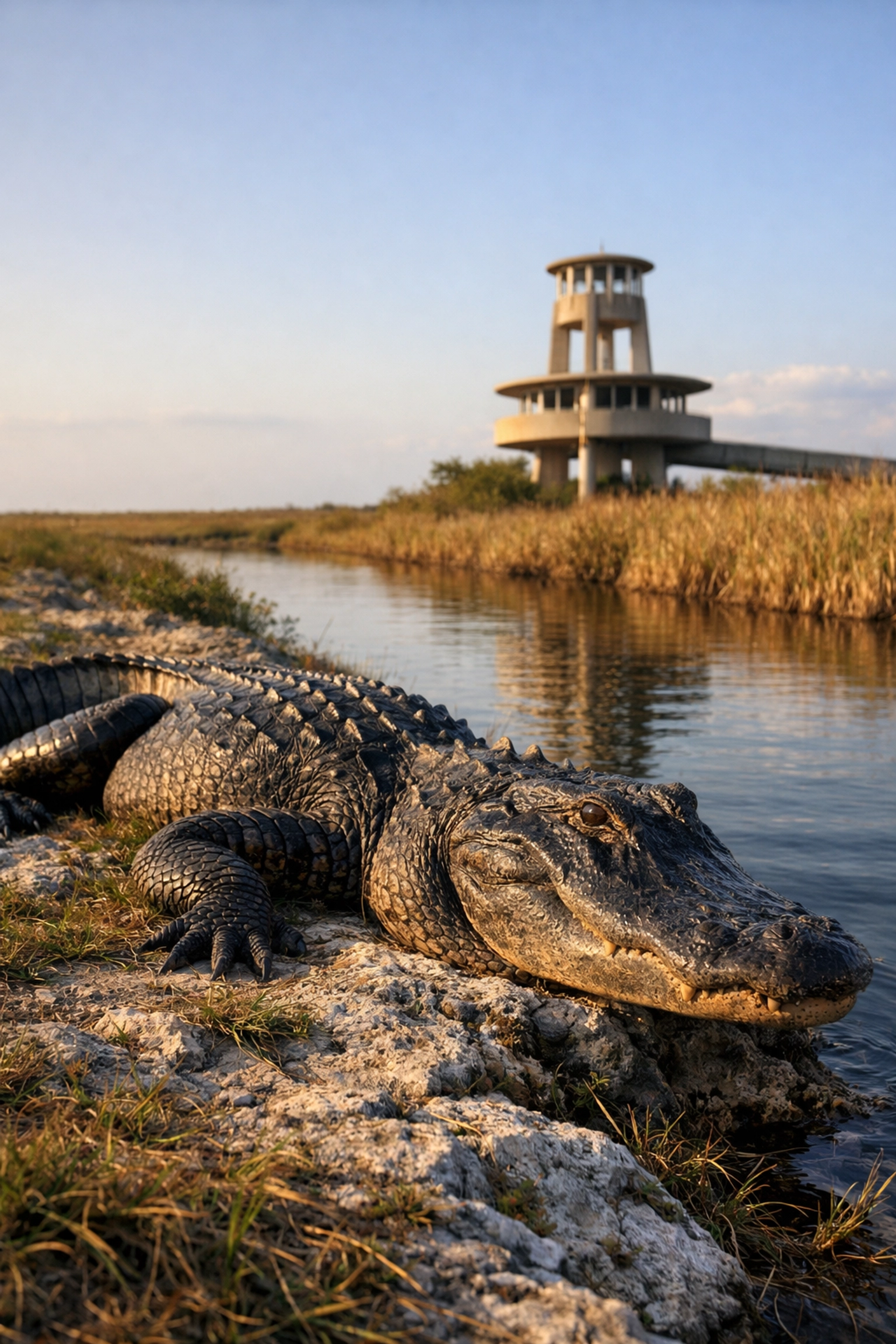
While the tower offers scale, the canal lining the path is where you’ll find some of the best wildlife photography Everglades opportunities. Alligators often sun themselves right next to the trail, and the wading birds here are surprisingly indifferent to humans. For a professional look, use a long lens to compress the background, making the textures of the reptile's skin pop against the soft bokeh of the marsh. If you’re looking to sharpen your skills in the field, I highly recommend checking out a Private Miami Photography Tour to get hands-on coaching in these unique environments.
3. Anhinga Trail: The Classic for a Reason
You cannot talk about Everglades photography locations without mentioning the Anhinga Trail. Yes, it’s popular. Yes, there will be tourists. But there’s a reason for it: the wildlife is accessible and plentiful. For fine art prints, the Anhinga Trail allows you to capture intimate portraits of anhingas, herons, and egrets.
Because the birds here are so "tame," you can focus on the artistic elements of the shot: the reflection in the water, the way the light hits a feather, or the symmetry of a bird in flight. To make these shots truly gallery-ready, consider using the Ultimate Lightroom Preset Collection to bring out those subtle tonal variations that the Florida sun often washes out.
4. Long Pine Key: The Texture of the Rocklands
Most people think of the Everglades as just water, but the Pine Rocklands at Long Pine Key offer a completely different aesthetic. This is a wide-angle lover's dream. The tall, thin slash pines provide vertical rhythm to your compositions, while the rugged limestone ground adds a tactile quality to your foregrounds.
Sunrise is your best friend here. The low-angled light filters through the pines, creating long shadows and a sense of depth that is often hard to find in the flat marshland. It’s a fantastic spot for those looking to produce moody, black-and-white landscape prints that emphasize form over color.
5. Flamingo: The Edge of the World
Drive to the very end of the Main Park Road, and you’ll hit Flamingo. This is where the freshwater of the glades meets the saltwater of Florida Bay. The photographic potential here is massive. You have the Guy Bradley Visitor Center area, the marina, and expansive views of the bay dotted with mangrove islands.
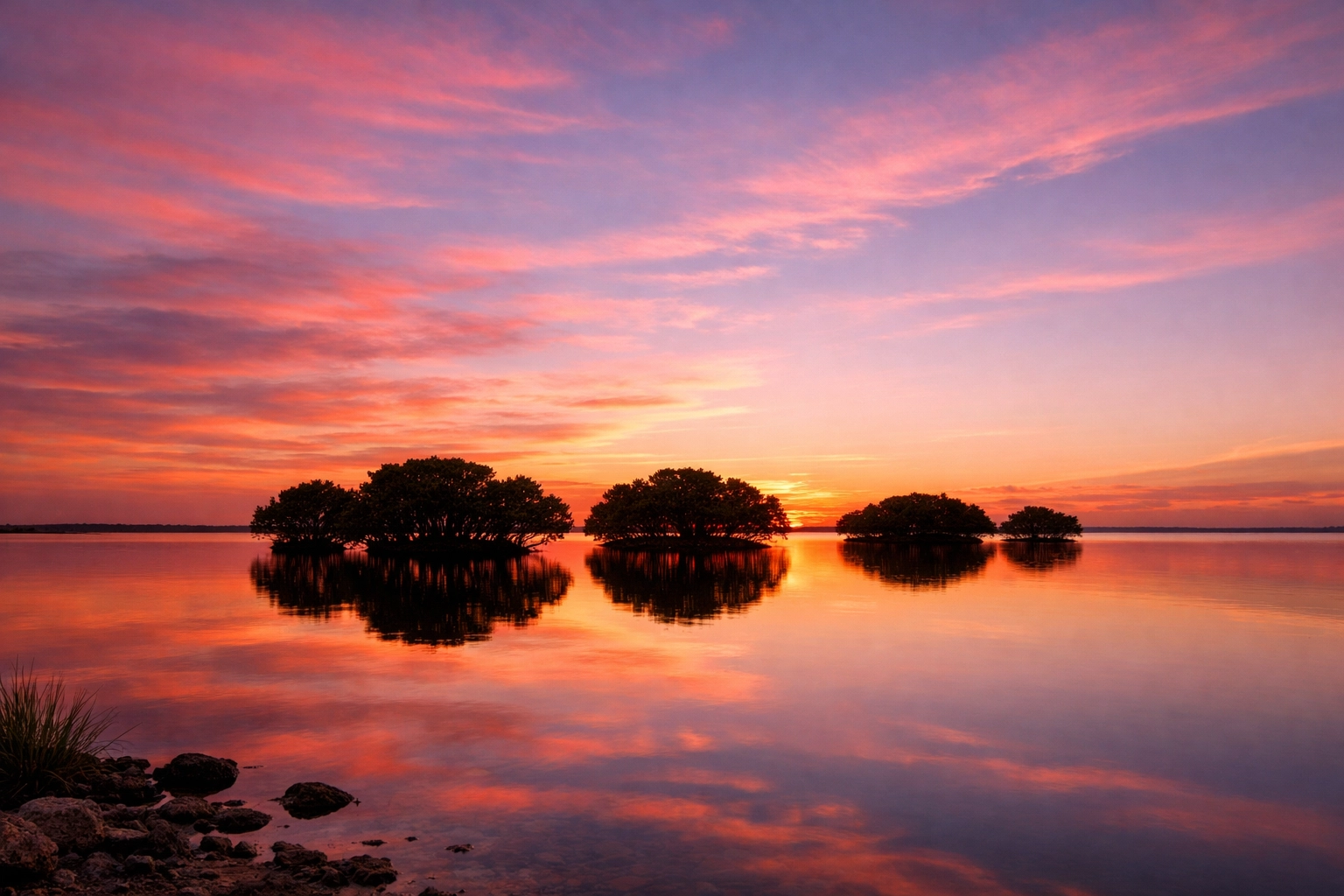
For landscape enthusiasts, the coastal prairies and the Buttonwood Canal offer unique flora that you won't find anywhere else in the park. The light here in the late afternoon is spectacular, often turning the sky into a pastel canvas of pinks and purples. It’s the perfect place to use a neutral density filter to blur the water’s surface, creating a minimalist, serene fine art piece.
6. Mahogany Hammock: The Dark Jungle
Stepping into Mahogany Hammock feels like entering another dimension. It’s a dense, cool island of trees in the middle of the sawgrass prairie. This is where you’ll find the largest living mahogany tree in the United States, and it’s a prime spot for capturing the "moody" side of the glades.
The canopy creates dappled light that is perfect for high-contrast photography. If you’re lucky, you might spot a Barred Owl perched in the shadows. For your fine art prints, focus on the intricate patterns of the ferns and air plants. This location rewards the photographer who looks at the details rather than just the big picture.
7. Fakahatchee Strand: The Wild Frontier
If you really want to get away from the crowds and capture the raw, unedited beauty of Florida, head to the Fakahatchee Strand Preserve. This is "Old Florida" at its finest. Driving down Janes Scenic Drive gives you access to 11 miles of rustic, swampy goodness.
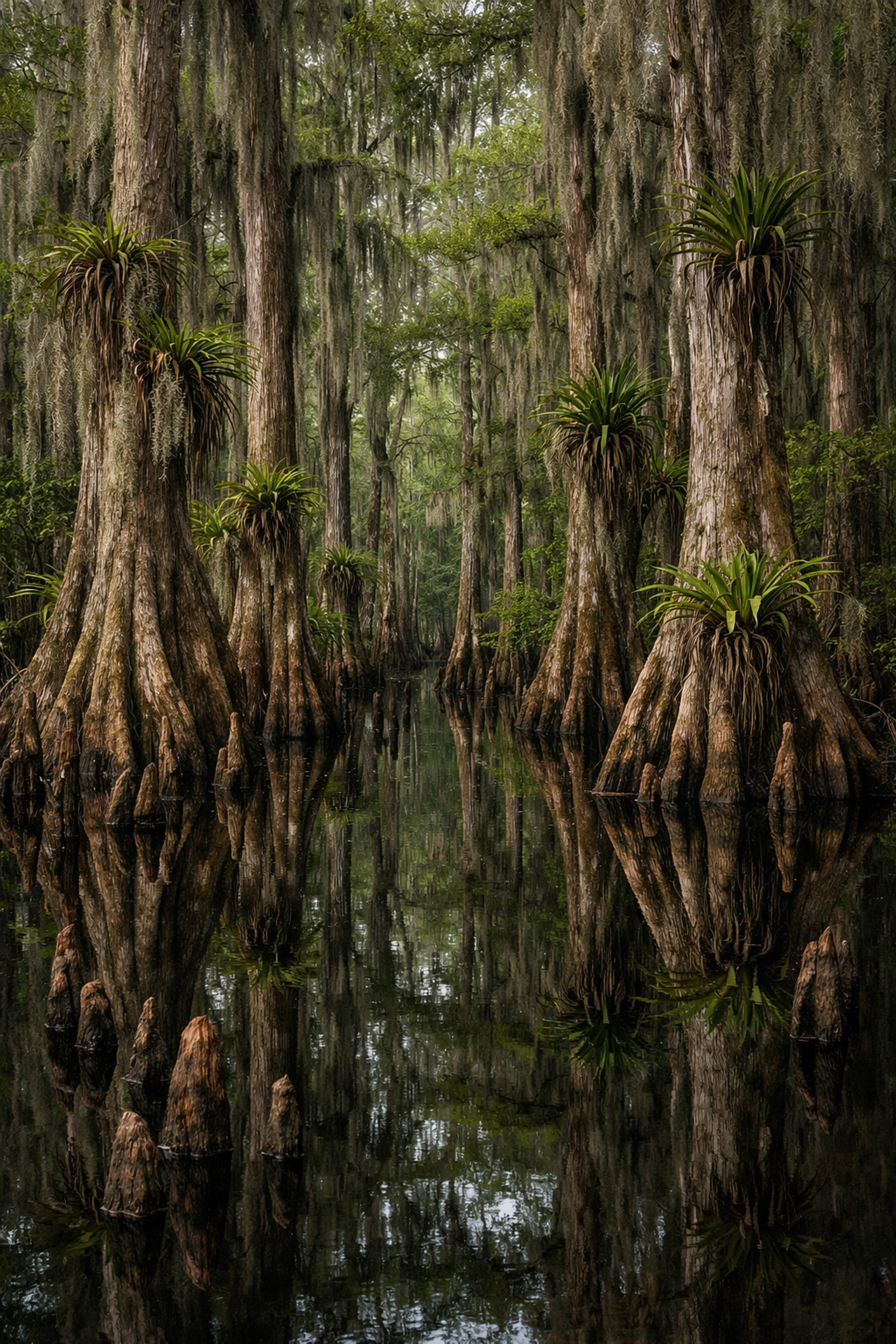
This is the home of the rare Ghost Orchid, but for landscape photographers, the attraction is the cathedral-like cypress swamps. The reflections here are often glass-like, providing perfect symmetry for your shots. It’s a rugged location, but the results are unparalleled. This is the kind of place where you truly earn your "pro" badge.
8. West Lake Trail: Mangrove Architecture
The West Lake Trail takes you through a forest of white, black, and red mangroves. The architecture of the mangrove roots is a gift to any landscape photographer. They create complex, interlocking patterns that can serve as incredible foreground interest.
The trail ends at a platform overlooking West Lake, which is a great spot for sunset. The way the mangroves silhouette against the darkening sky provides a graphic, bold look that works exceptionally well for large-scale landscape photography Everglades prints.
9. Sisal Pond: The Hidden Gem
Sisal Pond is a spot that many visitors overlook, which is exactly why you should go there. It requires a bit of a hike, but the solitude allows you to truly connect with the landscape. The pond itself is surrounded by diverse vegetation, offering a variety of textures and colors.
Bring a wide-angle lens and plan your visit for sunset. The colors of the sky reflecting in the still water of the pond create a sense of peace that translates beautifully into a fine art print. It’s a place where you can slow down, set up your tripod, and wait for that perfect moment of light.
10. Wakodahatchee Wetlands: The Bird Sanctuary
While technically located in Delray Beach, no serious Everglades-themed photography trip is complete without a stop here. It’s a man-made wetland that has become a world-class bird sanctuary. The boardwalk puts you right in the middle of the action.
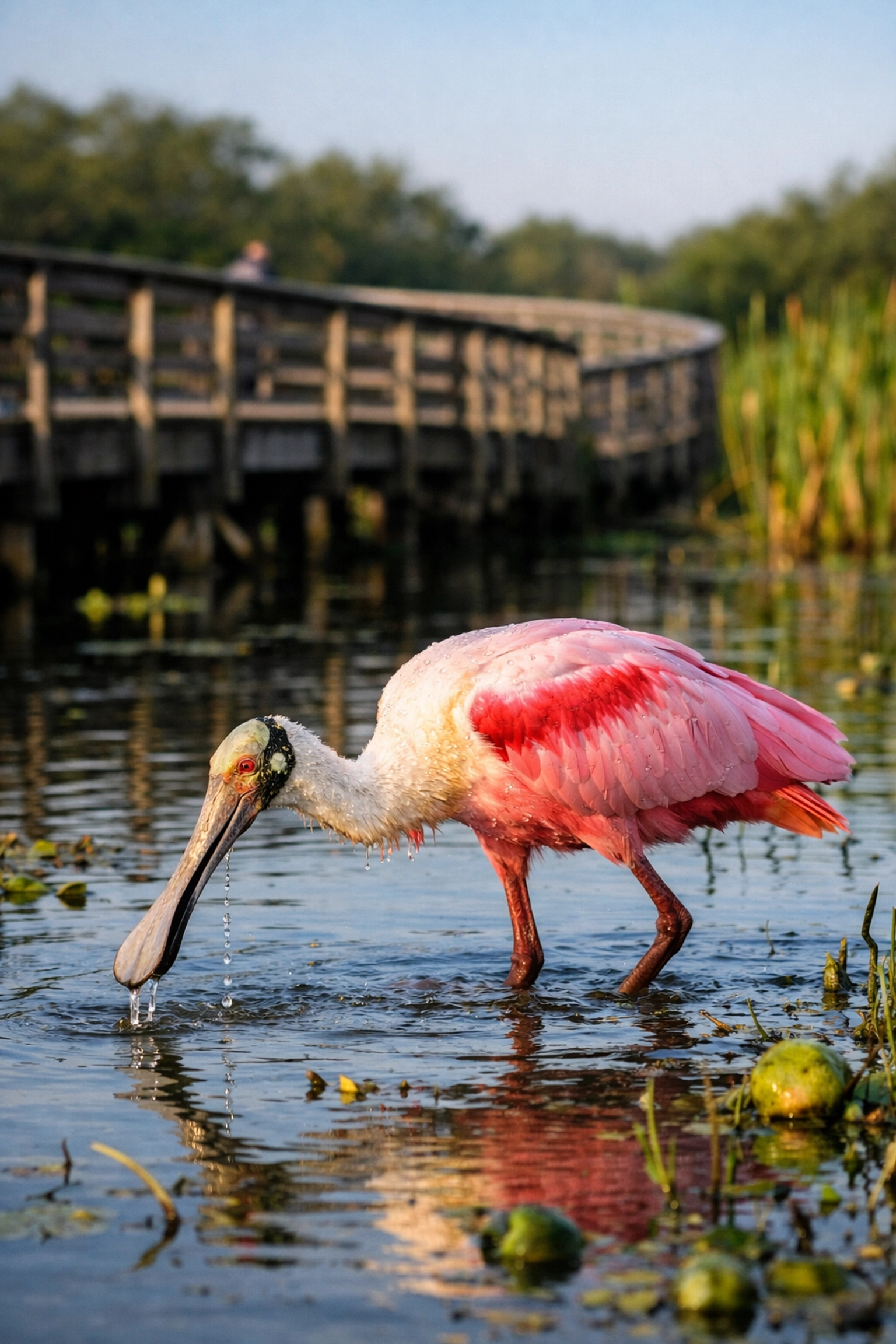
If you want to capture nesting behaviors or close-up action shots for your wildlife photography Everglades series, this is the place. Arriving right at sunrise ensures you get the best light and the most bird activity. The accessibility here allows you to experiment with different angles and compositions that would be impossible in the deeper swamp.
Summary Table: Best Times and Gear
| Location | Best Time | Primary Subject | Recommended Gear |
|---|---|---|---|
| Pahayokee Road | Sunrise | Cypress Silhouettes | Wide-angle / Tripod |
| Shark Valley | Late Afternoon | Wading Birds / Vistas | 100-400mm Lens |
| Anhinga Trail | Early Morning | Alligators / Herons | 70-200mm Lens |
| Flamingo | Sunset | Florida Bay / Mangroves | ND Filters |
| Fakahatchee Strand | Overcast / Mid-day | Cypress Swamps | Macro / Wide-angle |
Elevating Your Work to Fine Art
Capturing the image is only half the battle. To transform a raw file into a piece of art that someone would want to hang in their home, you need to master the post-processing phase. Fine art photography is about vision and intent. It’s about deciding what story you want to tell with your colors and contrasts.
I always recommend starting with a strong foundation. My Everglades Photography Guide provides you with the exact coordinates and seasonal tips you need to be in the right place at the right time. Pair that with a refined editing workflow, and you'll see your work transform.
If you’re ready to see what professional-grade prints look like, head over to Edin Fine Art to see how I’ve translated these locations into finished pieces. You can also explore more of my work and studio projects at Edin Studios.
The Everglades is a challenging environment, but it’s also one of the most rewarding. By focusing on these ten spots, you’re setting yourself up for success. Remember to respect the wildlife, stay hydrated, and keep your eyes open for the subtle beauty that this park offers. Your next masterpiece is waiting out there in the sawgrass.
For more insights on how to elevate your work, explore our site at Edin Chavez Blog for a deep dive into hundreds of tutorials and guides. Whether you're interested in more Everglades photography locations or want to branch out with a Miami Self-Driving Photography Guide, we have the resources to help you grow.
Happy shooting, and I can't wait to see what you capture in the glades!


