
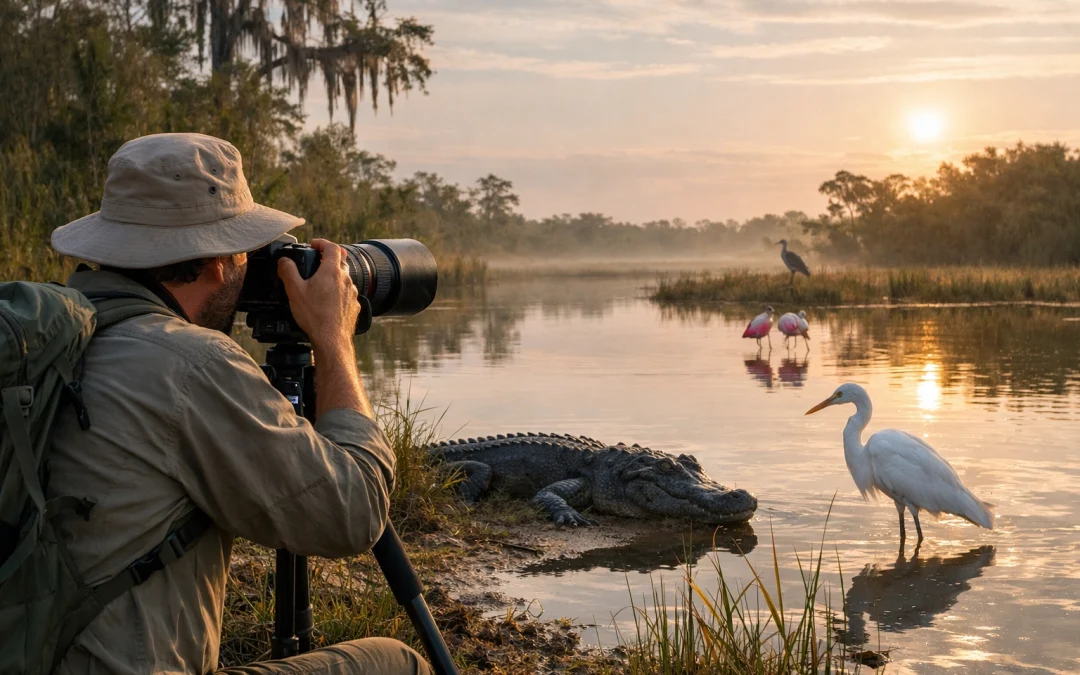
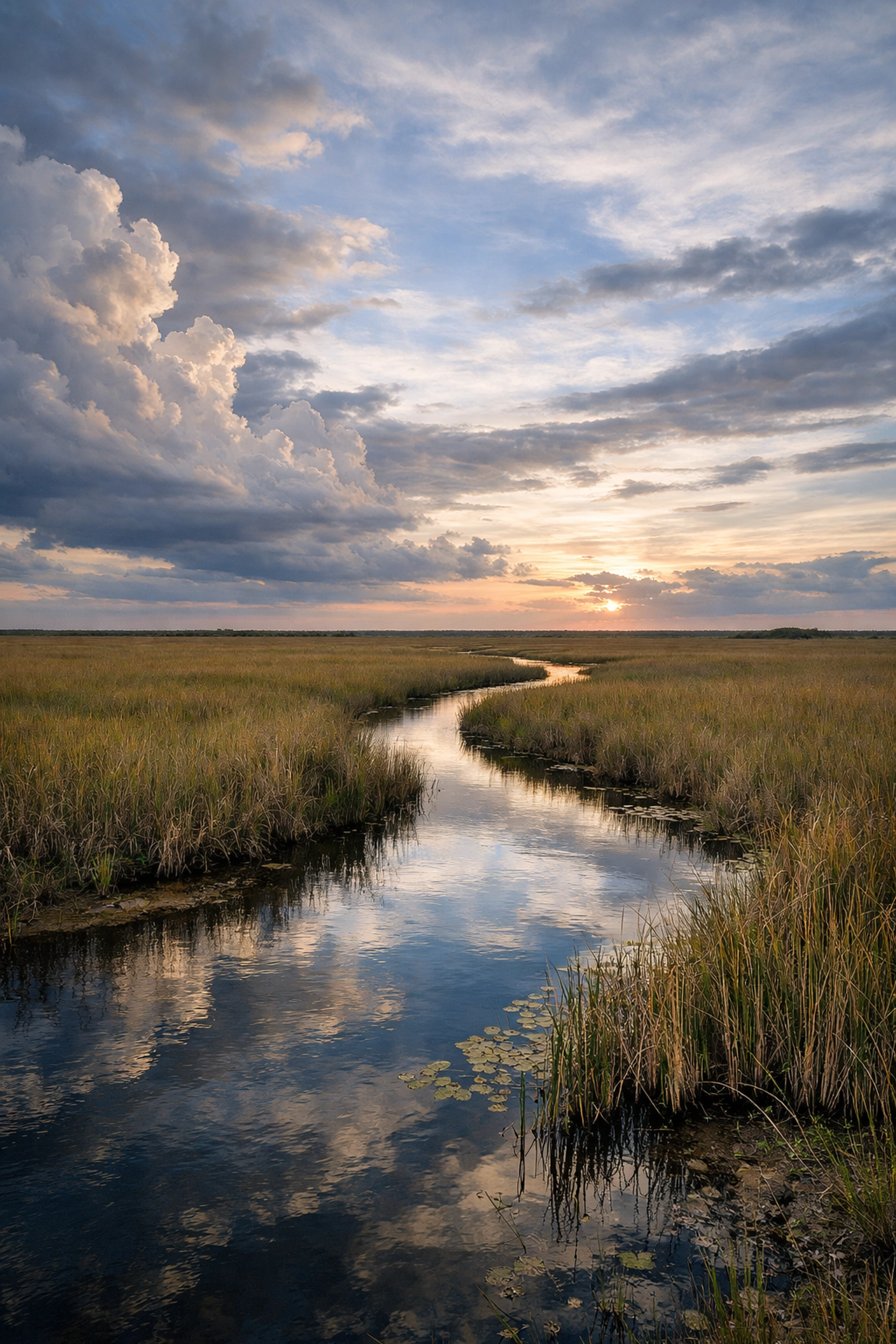
As you step into the vast, sprawling "River of Grass," you immediately realize that the Everglades is not just a national park: it is a living, breathing masterpiece of nature. For a photographer, this landscape offers an unparalleled canvas where the light, the water, and the wildlife converge to create moments of pure fine-art magic. Whether you are a seasoned pro or just picking up your first telephoto lens, mastering wildlife photography Everglades requires a blend of patience, technical skill, and local knowledge.
In this guide, I’m going to reveal the insider secrets that will elevate your work from simple snapshots to gallery-quality images. You aren't just here to take pictures; you are here to capture the soul of one of the most unique ecosystems on the planet. By the time you finish reading, you’ll have the confidence to navigate the sawgrass and swamps to find the best Everglades photography locations and return with a portfolio you’re proud to showcase.
Timing Your Adventure: The Secret to Professional Results
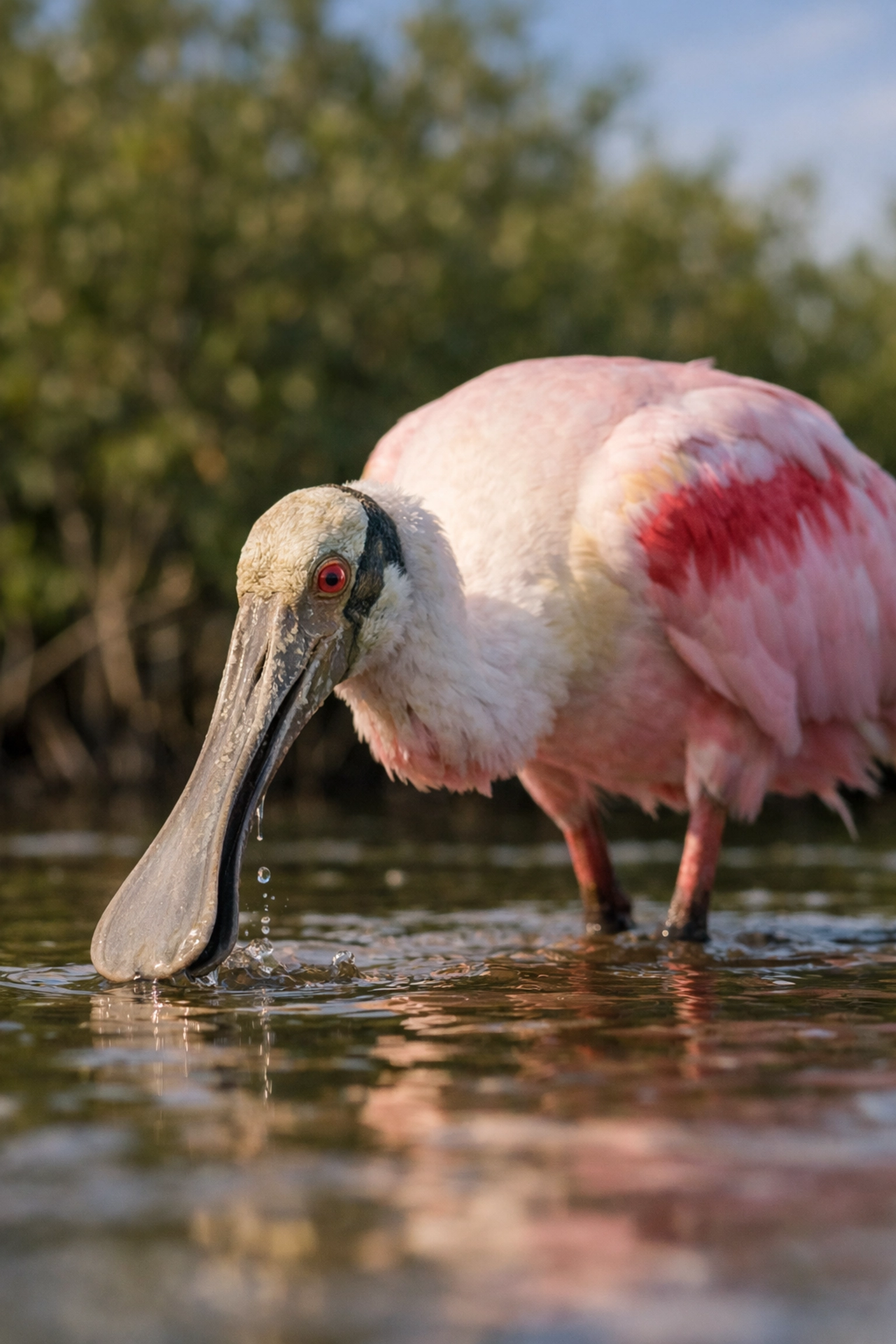
Just as a painter waits for the perfect light, your success in the Everglades depends entirely on your timing. You cannot simply show up at noon and expect to capture the vibrant textures of a Roseate Spoonbill or the prehistoric intensity of an American Alligator.
The most critical factor you need to consider is the season. The dry season (November through April) is your golden window. As the water levels drop across the marshes, wildlife is forced to congregate around the remaining deep-water holes. This concentration makes finding subjects significantly easier for you. Furthermore, the cooler temperatures during these months keep the mosquitoes at bay and bring in migratory birds that you won't see during the sweltering summer months.
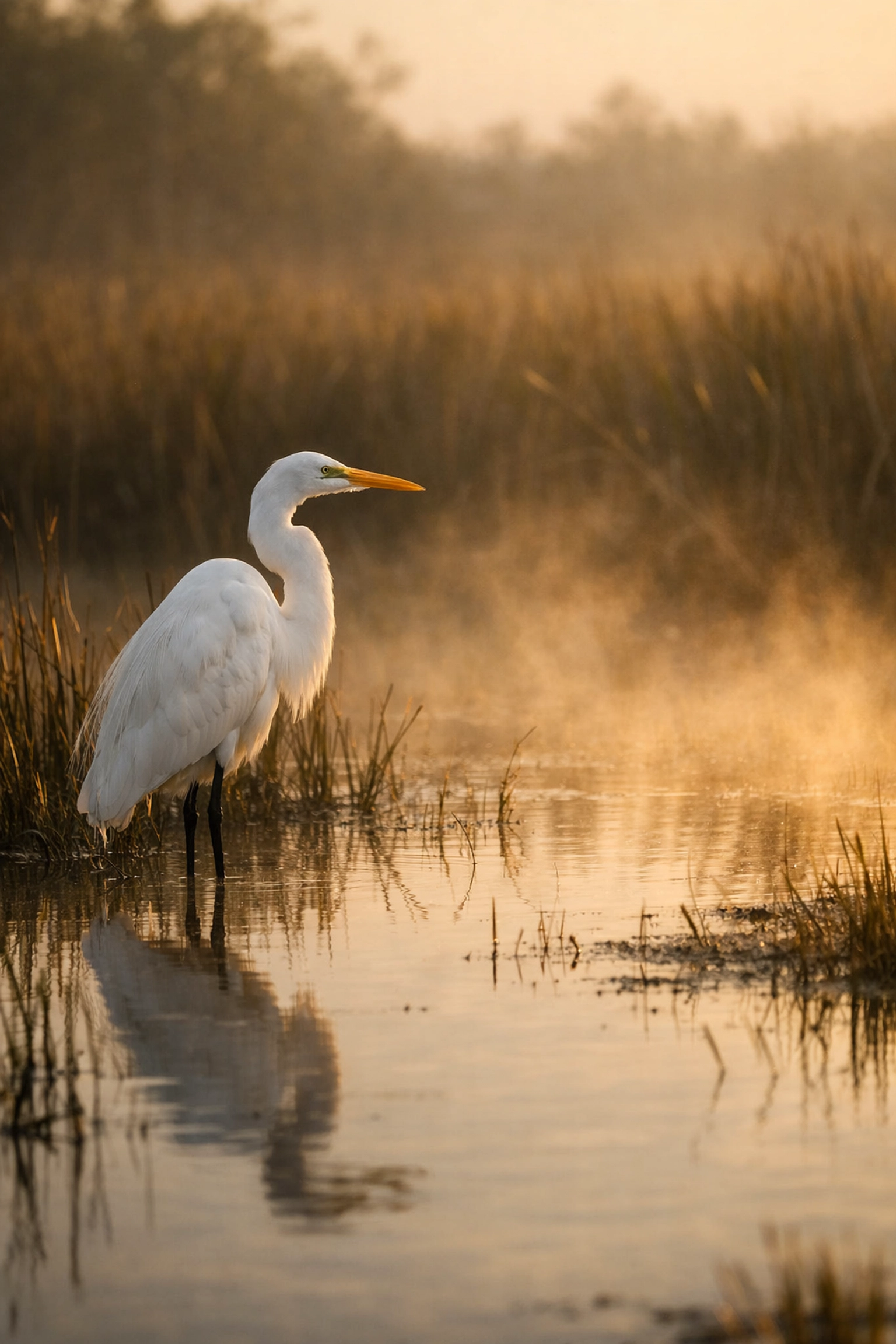
Within your chosen day, your best work will happen during the "Golden Hours." Arriving at your chosen Everglades photography locations before sunrise ensures you are in position when the first light hits the mist rising off the water. This soft, directional light adds a three-dimensional quality to your subjects that mid-day sun simply cannot replicate.
Essential Gear for the Everglades Photographer
When you are out in the field, your gear should feel like an extension of your body. Because many of the birds and reptiles in the Everglades can be sensitive to movement, having the right focal length is non-negotiable.
For high-end wildlife photography Everglades, you should prioritize the following:
| Equipment Piece | Why You Need It | Recommended Spec |
|---|---|---|
| Telephoto Lens | To capture intimate portraits without disturbing the animals. | 300mm to 600mm |
| Mid-Range Zoom | Perfect for "Environmental Portraits" where the landscape matters. | 70-200mm |
| Polarizing Filter | Essential for cutting glare on the water and saturating foliage. | High-quality glass |
| Sturdy Tripod | Necessary for sharp shots in the low light of dawn and dusk. | Carbon Fiber for weight |
| Rain Cover | Florida weather is unpredictable; you must protect your investment. | Waterproof sleeves |
While high-end gear helps, your vision is what truly matters. If you are looking to refine your eye for composition and light, I highly recommend checking out my work at Edin Fine Art to see how these tools translate into professional prints.
Top Everglades Photography Locations You Can't Miss
To truly succeed, you need to know exactly where to stand. The Everglades is massive, but for the best landscape photography Everglades and wildlife opportunities, focus your energy on these specific spots.
1. Anhinga Trail (Royal Palm)
This is arguably the crown jewel for photographers. Because the wildlife here has grown accustomed to human presence, you can get incredibly close (while maintaining a respectful distance) to Anhingas, Herons, and Alligators. The boardwalk provides a stable platform for your tripod, and the nesting season in February and March offers a rare glimpse into the life cycles of these magnificent birds.
2. Shark Valley
Located off the Tamiami Trail, Shark Valley offers a 15-mile loop that is a haven for alligators and wading birds. When you bike or take the tram through this area, you'll find alligators lounging right on the edge of the path. The observation tower at the end of the trail provides a stunning vantage point for wide-angle landscape photography Everglades, allowing you to capture the vastness of the sawgrass prairie. For a deeper dive into this specific spot, read The Ultimate Guide to Shark Valley.
3. Big Cypress National Preserve
Just north of the main park, Big Cypress offers a more rugged, prehistoric feel. If you are looking for barred owls or the elusive Florida Panther, this is where you need to be. The "Loop Road" is a famous backcountry drive where you can shoot right from your vehicle window: an excellent technique for using your car as a "blind" so the animals don't get spooked.
4. Flamingo and Eco Pond
At the southernmost tip of the park, Flamingo is where the freshwater meets the saltwater of Florida Bay. This is your best chance to photograph the American Crocodile and West Indian Manatee. Eco Pond, nearby, is a fantastic spot for sunset silhouettes of Roseate Spoonbills.
Technical Mastery: Settings for Sharp Wildlife Shots
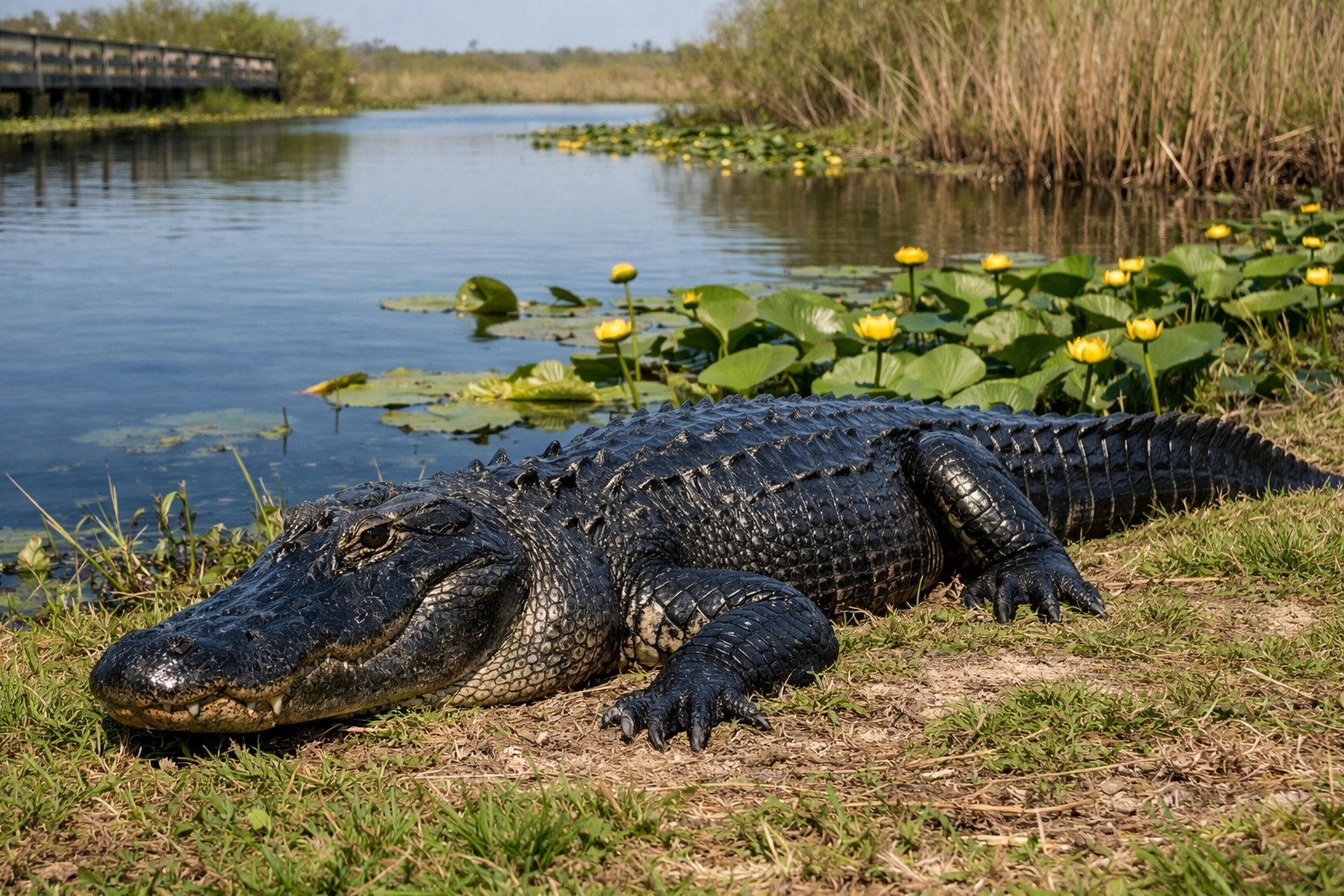
Your technical settings are what ensure your creative vision is realized. When you are tracking a bird in flight or capturing the subtle texture of a crocodile's scales, there is no room for error.
- Shutter Speed: You should maintain a speed of at least 1/1000s for stationary birds and up to 1/2500s or faster for birds in flight. This freezes the action and ensures every feather is sharp.
- Aperture: While you might be tempted to shoot wide open (f/2.8 or f/4) for a blurry background, stopping down slightly to f/5.6 or f/8 often provides the "sweet spot" of sharpness for long telephoto lenses.
- Autofocus: Set your camera to Continuous AF (AF-C or AI Servo) and use back-button focus if you are comfortable with it. This allows you to track movement without losing your focus lock.
By mastering these settings, you ensure that your images meet the standards of Edin Studios, where we prioritize technical excellence in every frame.
The Fine Art Approach: Composition and Ethics
Wildlife photography is not just about the animal; it's about the story. To create a fine-art image, you should try to get down to the animal’s eye level. This creates a sense of intimacy and connection that a high-angle shot cannot achieve. Look for "clean" backgrounds that don't distract from your subject, and always be mindful of the "Rule of Thirds" to create a balanced, professional composition.
Furthermore, your ethics define you as a photographer. Never bait animals or use calls to attract them. The goal is to capture their natural behavior without interference. Patience is your greatest asset. Often, if you sit still for 20 minutes, the wildlife will forget you are there and begin to move closer to you, providing the perfect shot.
Elevating Your Work in Post-Processing
Even the best RAW file needs a professional touch to truly shine. When you return from the field, your goal in post-processing should be to enhance the natural beauty of the scene, not rewrite it. Adjusting your white balance to reflect the warmth of the Florida sun and bringing out the shadows in the dense cypress canopies will transform your images.
To streamline your workflow and achieve a consistent, professional look, I highly recommend using the Ultimate Lightroom Preset Collection. These are the same tools I use to prepare my images for the Edin Chavez Blog, ensuring every photo tells a compelling story.
Conclusion: Your Journey Starts Here
The Everglades is a place of infinite mystery and beauty. With the right preparation, gear, and mindset, you are ready to capture the soul of this Florida icon. Remember that every trip into the swamp is a learning experience; the more you visit, the more you will understand the rhythms of the wildlife and the nuances of the light.
If you are serious about taking your photography to the next level and want a comprehensive roadmap of every hidden spot, GPS coordinate, and pro tip I've gathered over years of shooting, you need to grab the Everglades Photography Guide. It is the definitive resource for anyone who wants to conquer this landscape.
Hence, with these tools and insights at your disposal, the only thing left to do is pack your bags, clean your lenses, and head out into the wild. Your masterpiece is waiting for you in the heart of the Everglades.
Ready to master the swamp?
Don't leave your success to chance. Download the Everglades Photography Guide today and start shooting like a pro. For more tips on locations across Florida and beyond, stay tuned to the Edin Chavez Blog.


