
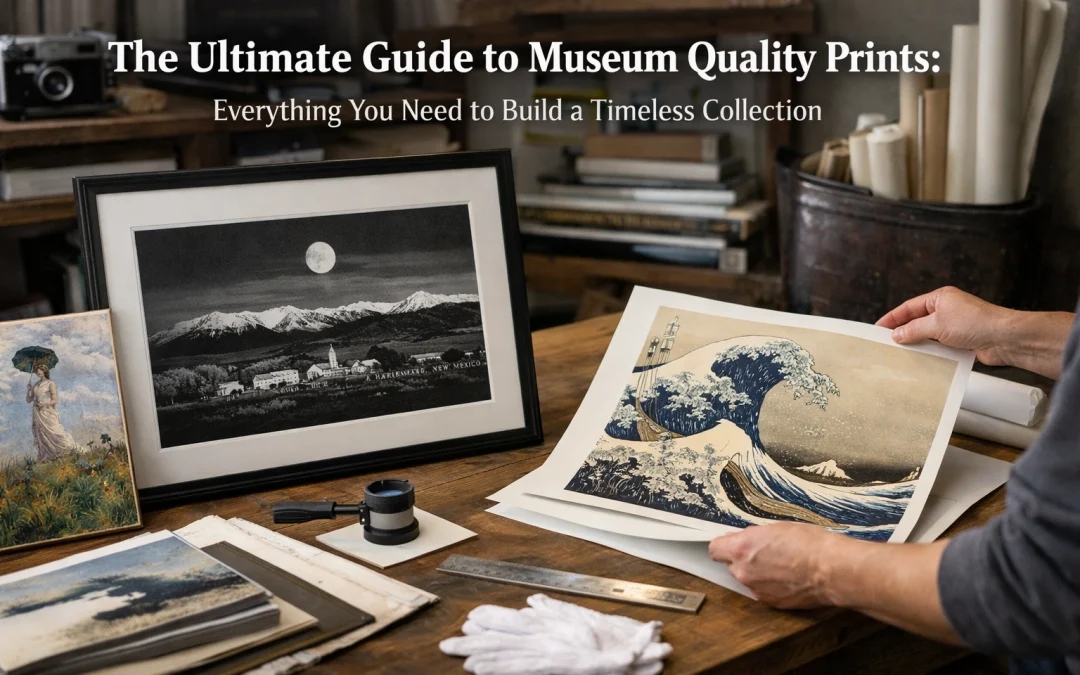
Just as a master chef wouldn't serve a Wagyu steak on a paper plate, you shouldn't treat your high-end photography like a disposable grocery store flyer. Many people think a print is just a print, but if you’re looking to build a collection that lasts longer than your favorite pair of sneakers, you need to step into the world of museum quality prints.
As someone who lives and breathes the shutter life, I can tell you that the difference between a standard print and an archival masterpiece is the difference between a flickering candle and the North Star. One is fleeting; the other is a permanent fixture. Whether you are a collector looking to invest in limited edition photography prints or an artist figuring out how to sell fine art photography prints, understanding the DNA of a high-value piece is your first step to success.
What Actually Makes a Print "Museum Quality"?
When you hear the term "museum quality," it’s not just fancy marketing jargon designed to make you reach for your wallet. It’s a technical standard. To be considered museum-grade, a print must adhere to strict archival protocols that ensure it won't yellow, crack, or fade before your grandkids are grown.
The foundation of this quality rests on three pillars: the substrate (paper), the medium (ink), and the process (resolution and color management). When you invest in archival prints, you are essentially buying a guarantee of permanence. Standard prints often use dye-based inks on cheap, acidic wood-pulp paper. Give those five years in a sunny room, and they’ll look like a ghost of their former selves. Museum prints, however, use pigment-based inks and 100% cotton rag or alpha-cellulose papers that are acid-free and lignin-free.
For a deeper dive into the technical nitty-gritty, you should check out our detailed breakdown on museum quality prints vs standard photo prints. It’s the ultimate "Which is better?" guide for your growing collection.
The Materials: Cotton, Pigments, and Longevity
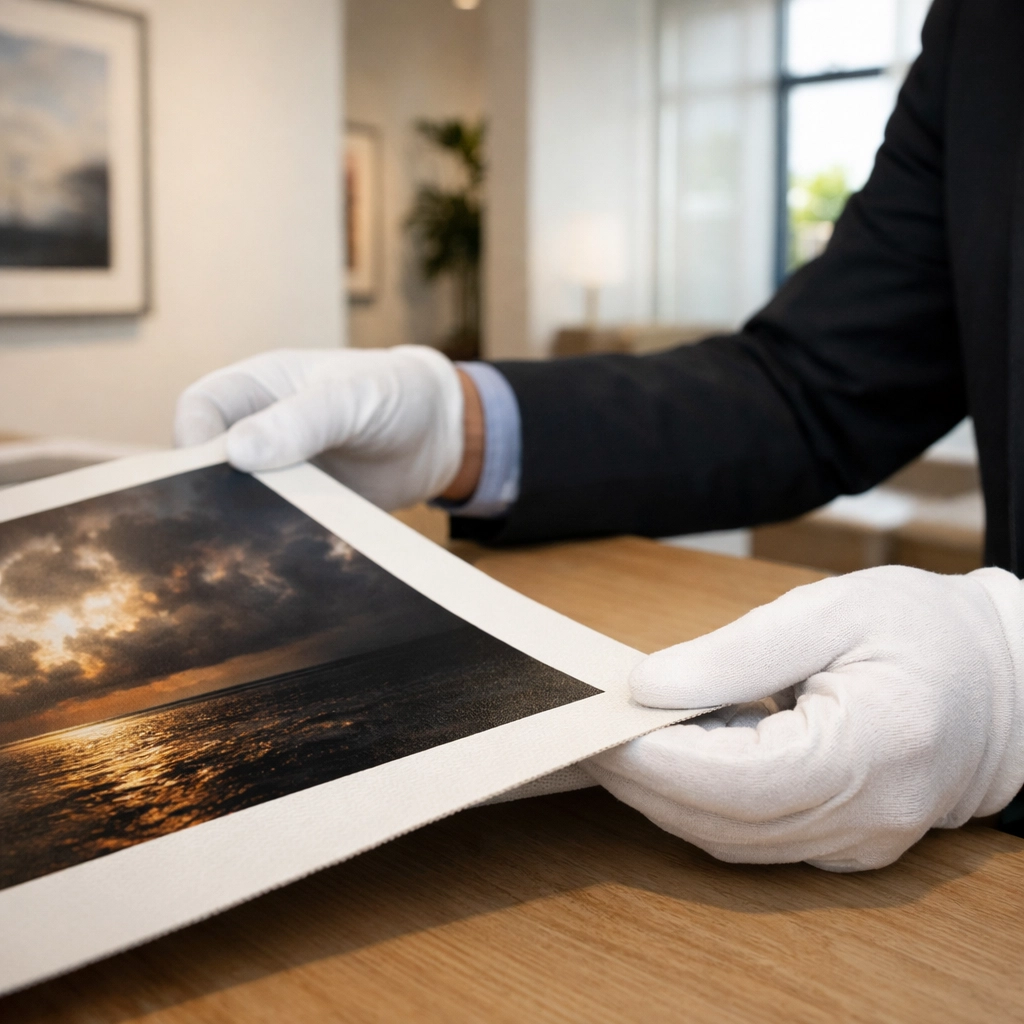
If you want your art to be a legacy, you have to care about what it’s made of. Most high-value art pieces you see at Edin Fine Art are crafted using materials from legendary mills like Hahnemühle or Canson Infinity. These aren't just papers; they are engineered textiles designed to hold ink for centuries.
1. The Paper Substrate
You want something heavy. We’re talking 300 GSM (grams per square meter) or more. This weight gives the print a tactile, premium feel. More importantly, it needs to be acid-free. Acid is the enemy of paper; it’s what causes that ugly yellowing you see on old newspapers. By using 100% cotton rag, the print stays pristine and white for over a hundred years.
2. Pigment-Based Inks
Standard printers use dyes. Dyes are basically colored water that soaks into the paper. Pigments, on the other hand, are tiny particles of solid color suspended in a liquid. They sit on the surface and bond with the fibers. This is why museum quality prints have such incredible depth and color fidelity. They don't just look better; they are chemically more stable.
3. Resolution and Detail
A museum-grade print is never blurry. We produce these at a minimum of 300 DPI (dots per inch). This ensures that every ripple in the water or every leaf on a tree is sharp enough to make your eyes pop. If you're editing your own work to reach this level, using the Ultimate Lightroom Preset Collection can help you achieve that crisp, professional look before you even hit 'Print.'
| Feature | Museum Quality Print | Standard Photo Print |
|---|---|---|
| Ink Type | Pigment-based (Archival) | Dye-based |
| Paper Base | 100% Cotton Rag / Acid-free | Wood pulp / Acidic |
| Longevity | 100 – 200+ Years | 5 – 10 Years |
| Color Accuracy | High (ICC Profiled) | Variable / Consumer Grade |
| Market Value | High (Collectible) | Low (Decorative) |
The Power of Scarcity: Limited Edition Photography Prints
For collectors, the value of a piece isn't just in its beauty, it’s in its rarity. This is where limited edition photography prints come into play. When an artist like Edin Chavez releases a limited run, they are making a legal promise that only a specific number of those prints will ever exist in that size or format.
This scarcity creates a secondary market. If you own print #1 of 10, your investment has a much higher potential to appreciate over time than an "open edition" print that can be churned out by the thousands. When you are looking to buy, always ask about the edition size. In the high-value art world, smaller is usually better.
The Paper Trail: Certificate of Authenticity for Art Prints
Never, and I mean never, buy a high-value print without a certificate of authenticity for art prints (COA). Think of the COA as the title to a luxury car or the deed to a house. It’s the document that proves the work is genuine, authorized by the artist, and part of the stated edition.
A solid COA should include:
- The artist’s name and signature.
- The title of the work.
- The edition number (e.g., 2/25).
- The date of production.
- The specific materials used (paper and ink types).
This document is your insurance policy. If you ever decide to resell the piece or donate it to a museum, the COA is what validates its worth. At Edin Studios, we treat these documents with as much respect as the art itself because we know they are vital for your collection's pedigree.
How to Sell Fine Art Photography Prints Like a Pro
If you’re an artist reading this, you might be wondering how to sell fine art photography prints to serious collectors. The secret isn't just in the image; it’s in the presentation and the story. High-value collectors aren't just buying a picture; they are buying a piece of your vision.
To command top dollar, you need to elevate every aspect of your business. This means using a professional gallery-style website, offering clear archival specifications, and providing a seamless buying experience. If you’re shooting in high-end locations like Miami, your work needs to reflect that luxury. For those looking to capture that "million-dollar shot," I highly recommend checking out our Miami Self-Driving Photography Guide or even booking a Private Miami Photography Tour to refine your portfolio.
Selling fine art is about building trust. When you can confidently tell a buyer that your work is a museum quality print backed by a COA, you’ve already won half the battle.
Caring for Your Timeless Collection
You’ve spent the money, you’ve checked the COA, and you’ve hung the masterpiece on your wall. Now what? Even the best archival prints need a little love to reach that 200-year milestone.
First, watch the light. Even though pigment inks are incredibly UV-resistant, hanging your art in direct, harsh sunlight for 12 hours a day is like asking for trouble. Use UV-protective glass or acrylic when framing. This acts as sunblock for your art.
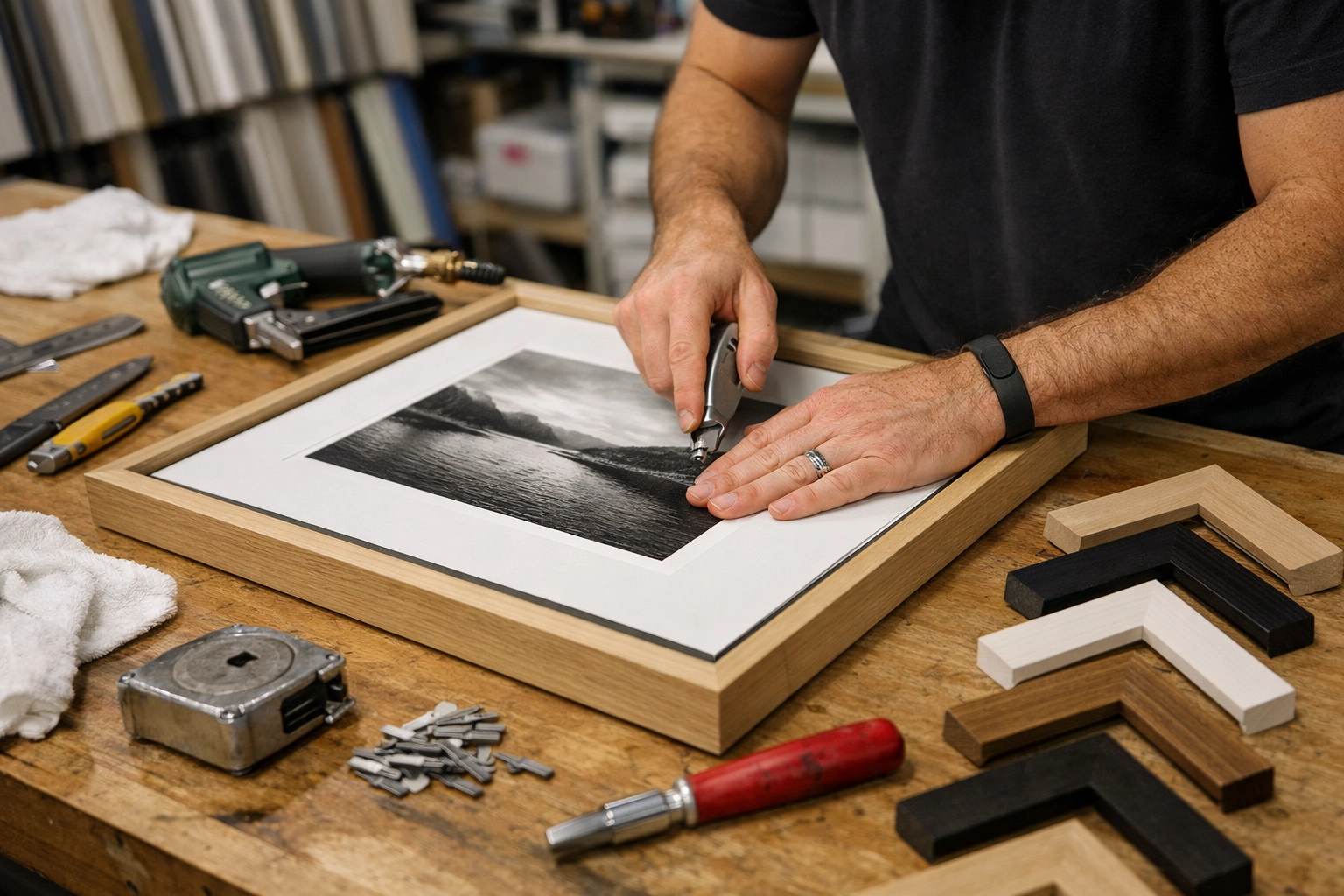
Second, mind the humidity. Extreme changes in temperature and moisture can cause paper to "wave" or cockle. Keep your collection in a climate-controlled environment. If you’re displaying art in a humid place (hello, Miami!), professional framing with a sealed backing is a must.
Building Your Legacy
Building a photography collection is a journey of passion and precision. By focusing on museum quality prints, you aren't just decorating a room; you are preserving a moment in history. You are choosing quality over convenience and legacy over the literal "now."
Whether you are browsing the galleries at Edin Fine Art or preparing to print your own landscape masterpiece, remember that the materials you choose today determine the value of your art tomorrow. Don't settle for the "standard" when you can have the exceptional.
For more insights on how to elevate your work, explore our site at Edin Chavez Blog for a deep dive into hundreds of tutorials and guides.
Hence, with these considerations in mind, you're no longer just a spectator: you're a curator. Go out there and start building a collection that will stand the test of time. Your future self (and your heirs) will thank you.


