
As you step into the world of high-end art, you’ll quickly realize that photography isn't just about capturing a moment: it’s about preserving a legacy. Whether you are looking to decorate your home with soul-stirring visuals or you are looking to diversify your investment portfolio, understanding limited edition photography prints is your first step toward mastery.
Between you and me, the difference between a poster you buy at a department store and a fine art piece is more than just the price tag. It’s about scarcity, craftsmanship, and that undeniable "wow" factor that only comes from a curated collection. I’m Penny, your guide here at the Edin Chavez Blog, and today I’m going to pull back the curtain on how you can navigate this market like a seasoned curator.
What Exactly Makes a Print "Limited"?
When you hear the term "Limited Edition," it simply means the artist has committed to producing only a specific number of prints for a particular image. Once those are gone, they are gone forever. This creates a natural scarcity that drives up value over time.
Just as a rare vintage car or a first-edition book gains value because there are so few of them, limited edition photography prints function as a store of value. You aren't just buying a picture; you are buying a piece of an exclusive run.
The Breakdown of Edition Sizes
Not all editions are created equal. Depending on your goals as a collector, you’ll want to pay close attention to the total number of prints in a series:
| Edition Type | Quantity | Collector Value | Why It Matters for You |
|---|---|---|---|
| Unique (1 of 1) | 1 | Maximum | The "Holy Grail." You own the only copy in existence. |
| Small Edition | 5 – 25 | Very High | High scarcity leads to faster appreciation and higher entry costs. |
| Medium Edition | 25 – 100 | High | A balance of exclusivity and accessibility for serious enthusiasts. |
| Large Edition | 100 – 500+ | Moderate | Great for décor, but value relies more on the artist’s rising fame. |
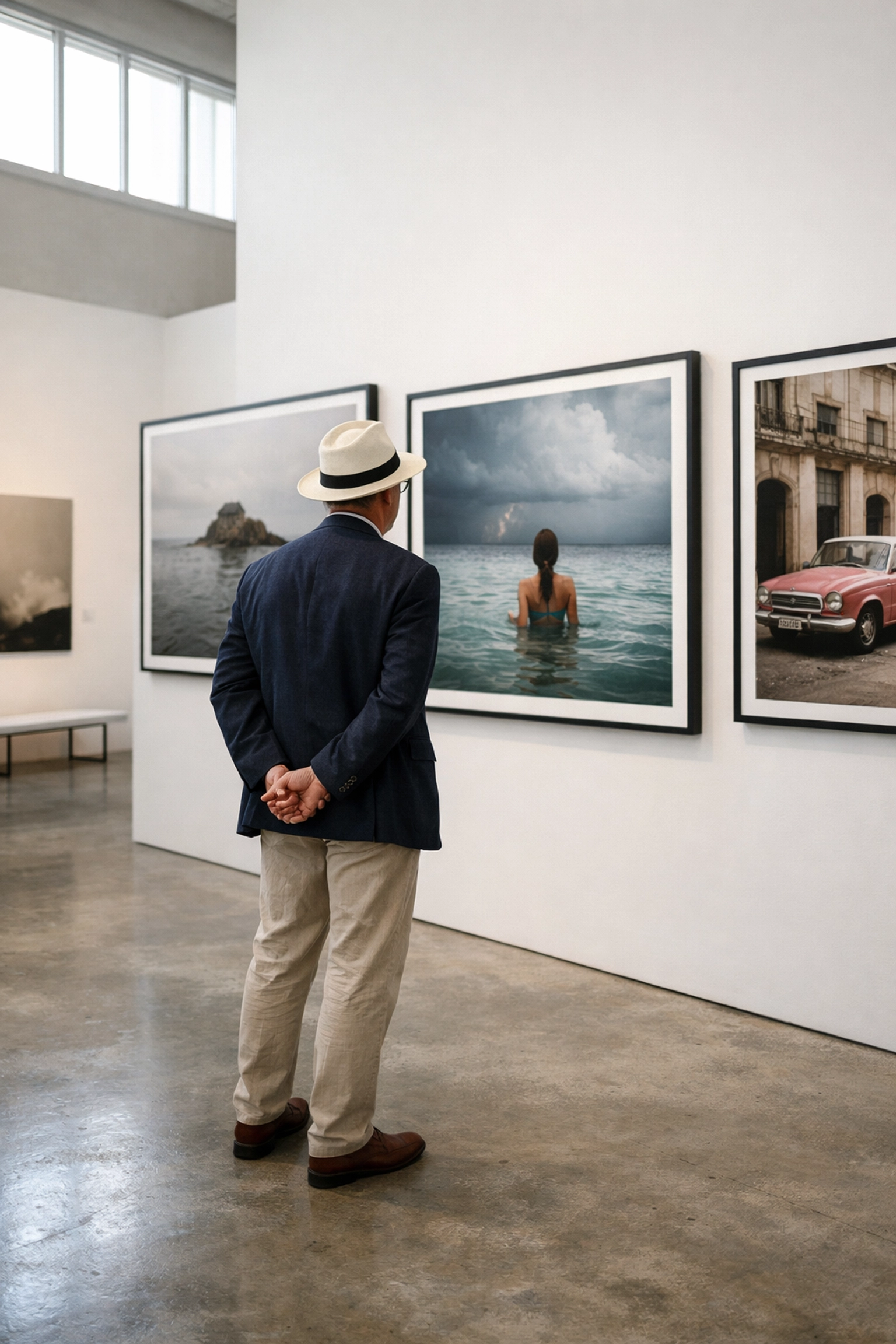
The Standard of Excellence: Museum Quality and Archival Prints
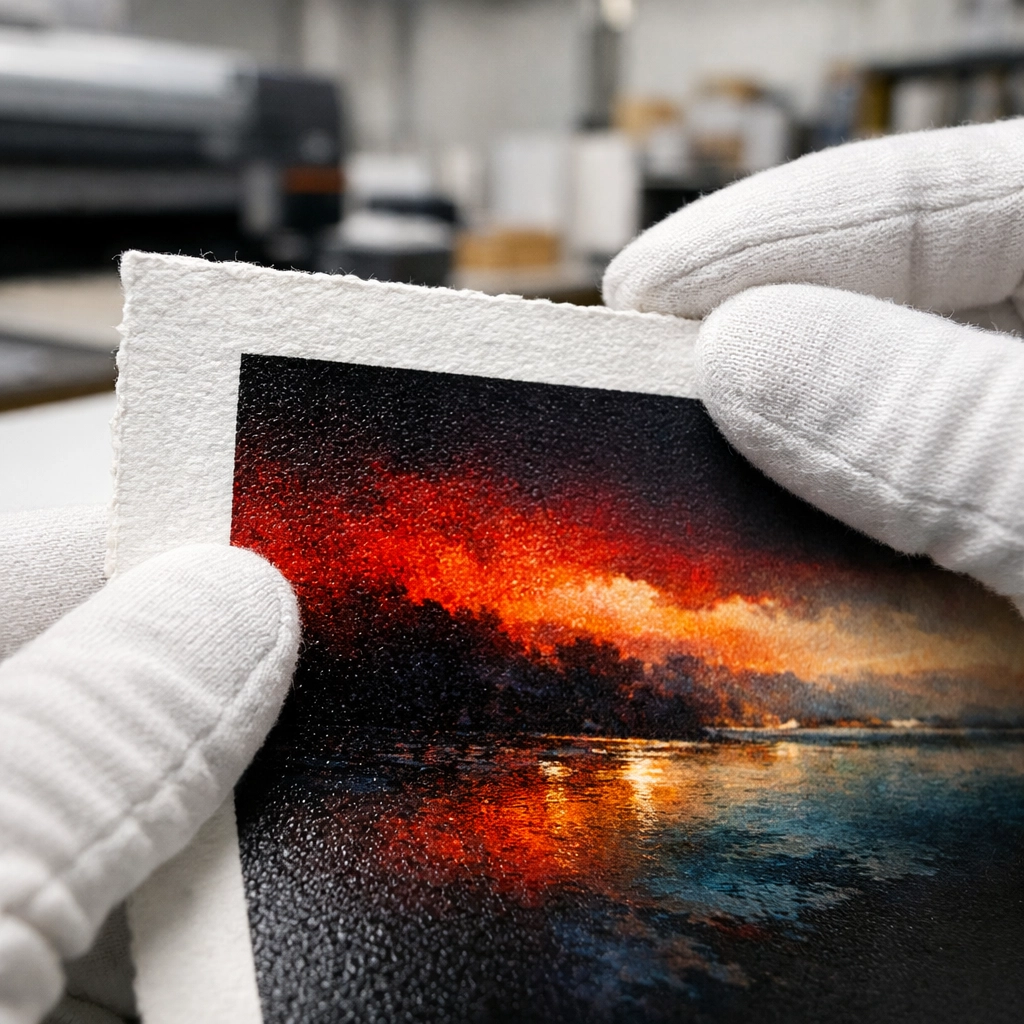
If you are going to invest your hard-earned money, you need to ensure your art won't fade by next summer. This is where museum quality prints come into play. When you buy from a professional like Edin Chavez, you aren't getting a standard inkjet print from the local pharmacy.
You are investing in archival prints. These are created using acid-free papers (often cotton rag or alpha-cellulose) and pigment-based inks rather than dyes. Why does this matter to you? Because archival materials ensure the print can last 100 years or more without yellowing or fading. As a collector, the longevity of the piece is just as important as the image itself.
Before you pull the trigger on a purchase, always ask about the substrate. Is it Fuji Crystal Archive? Is it Hahnemühle paper? Knowing these names shows the gallery you mean business. If you’re also a photographer looking to get your own shots to this level, you might want to start with the right editing foundation using the Ultimate Lightroom Preset Collection to ensure your files are "print-ready" in terms of tone and color.
Decoding the Numbers: Fractions and Artist Proofs
Have you ever looked at a print and noticed a fraction like "5/25" in the corner? That is the edition number. The first number tells you where that specific print falls in the sequence, and the second number is the total edition size.
A common myth is that #1/25 is worth more than #25/25. In reality, the value is identical across the numbered series. However, there is a "secret" category that savvy collectors hunt for: Artist Proofs (AP).
The Prestige of the Artist Proof
Traditionally, Artist Proofs were the first few prints pulled so the artist could check the color and quality. Today, they are usually a separate, smaller edition: typically 10% of the main run. Because there are so few of them and they have a more "intimate" connection to the creator, APs often command a 20-30% premium. If you want the most "exclusive" version of a piece, the Artist Proof is your target.
The "Title" to Your Investment: Certificate of Authenticity
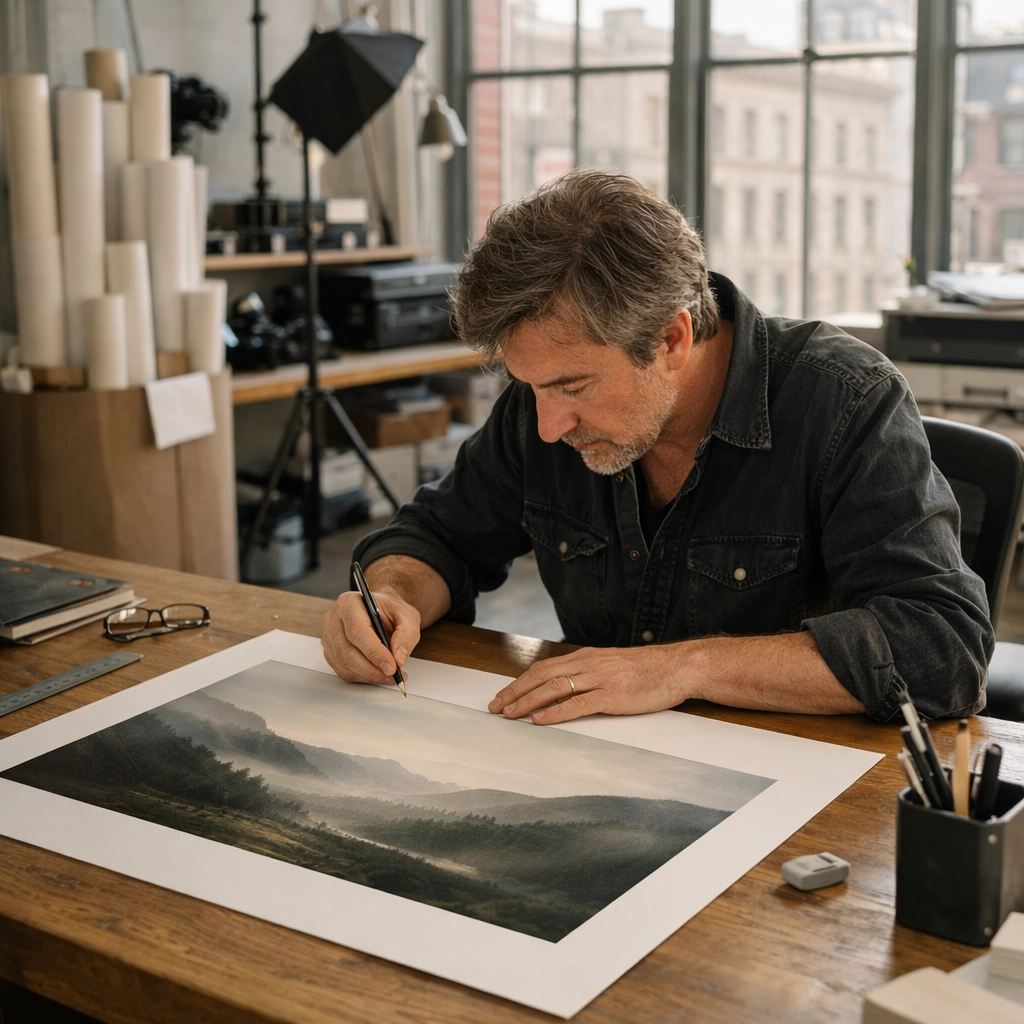
You wouldn't buy a house without a deed, right? Then don’t you dare buy a fine art print without a certificate of authenticity for art prints (COA).
The COA is the most critical document in your collection. It serves as your legal proof that the work is genuine and that the edition is truly limited. A legitimate COA should include:
- The title of the work and the artist’s name.
- The specific edition number (e.g., 12/50).
- Technical specs (paper type, ink used).
- The date of production.
- A hand-signed signature from the artist.
When you browse the collection at Edin Fine Art, you’ll find that every piece is backed by this standard. Without a COA, your "limited edition" print is essentially just a very expensive piece of paper when it comes time to resell.
How to Sell Fine Art Photography Prints (and Why You Should Care)
Even if you have no intention of selling your art right now, you should always buy with the future in mind. Understanding how to sell fine art photography prints involves knowing the "provenance" or the history of ownership.
When a photographer’s career takes off, their early limited editions often skyrocket in value on the secondary market. Collectors and curators look for prints that have been well-maintained, kept out of direct sunlight, and have all their paperwork intact. If you treat your collection like a gallery would, your "decorative piece" could eventually become a significant financial asset.
Expert Tips for New Collectors
Starting a collection can feel intimidating, but it doesn't have to be. Here is a quick checklist to keep you on the right track:
- Trust Your Gut: Buy what you love first. You have to live with it on your walls every day.
- Verify the Signature: A hand-signed print is always more valuable than a digitally signed one.
- Check the Edges: Look for an embossed seal or a printer's mark. These are extra layers of security that discourage forgery.
- Inquire About the "Total" Run: Sometimes an artist will print the same image in different sizes. Ask if the edition size (e.g., 50) covers all sizes or just the one you are looking at.
- Professional Framing: Never skimp here. Use UV-protective glass and acid-free matting to protect your investment.
As you look for pieces that speak to you, remember that the relationship between the collector and the artist is special. You are supporting a vision, and in return, you get to own a slice of that artist's world.
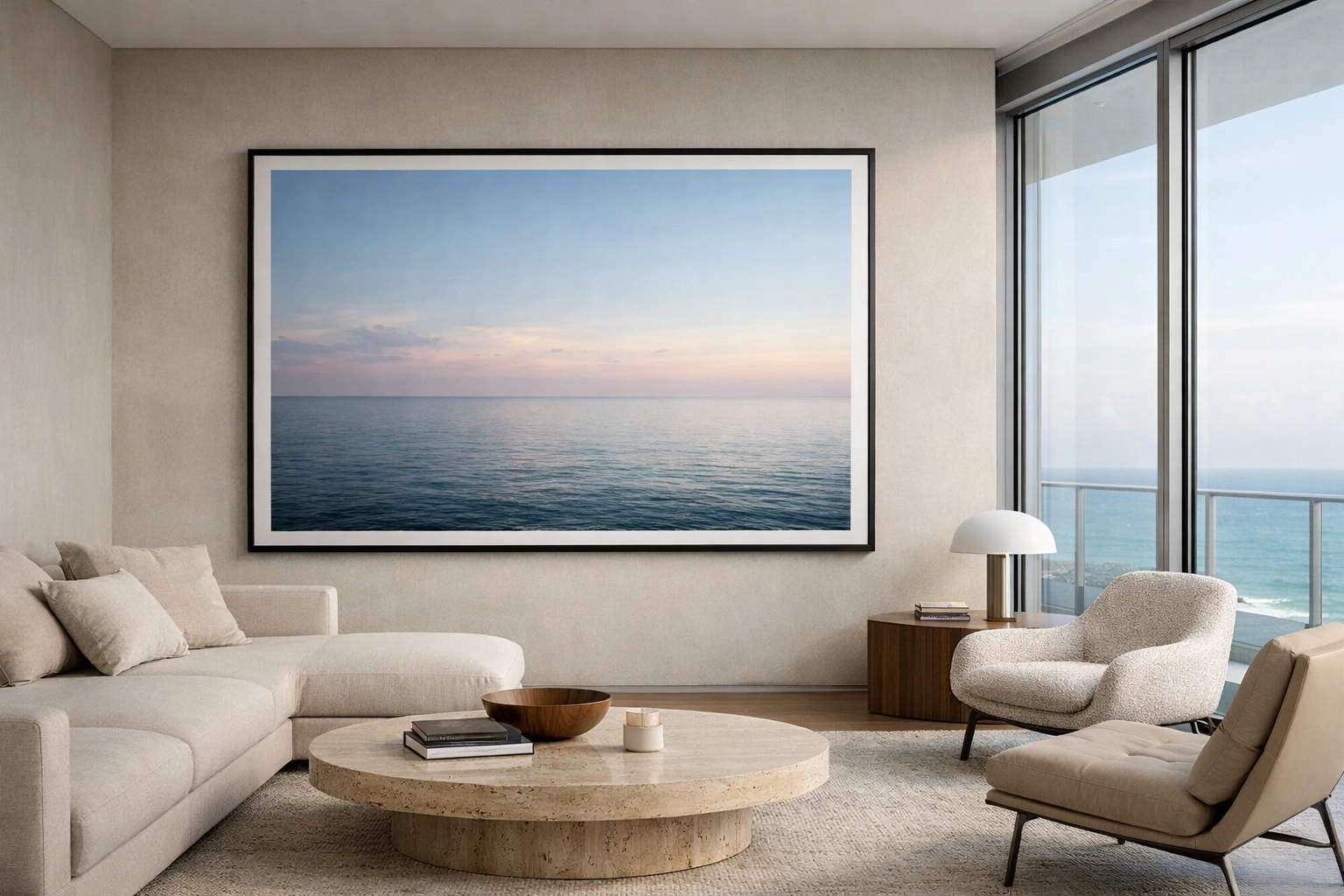
Elevate Your Space and Your Assets
Investing in limited edition photography prints is one of the most rewarding ways to engage with the art world. It’s a blend of emotional connection and smart financial planning. By focusing on museum quality prints and ensuring you have a solid certificate of authenticity for art prints, you are setting yourself up for success.
Whether you are scouting for your first piece or your fiftieth, we are here to help you make sense of the fine art landscape. At the Edin Chavez Blog, we believe that art should be accessible, educational, and, above all, inspiring.
Hence, with these considerations in mind, you are now ready to walk into any gallery or browse any online collection with the confidence of a pro. For more insights on how to elevate your work, explore our site for a deep dive into hundreds of tutorials and guides.
Happy collecting!


