
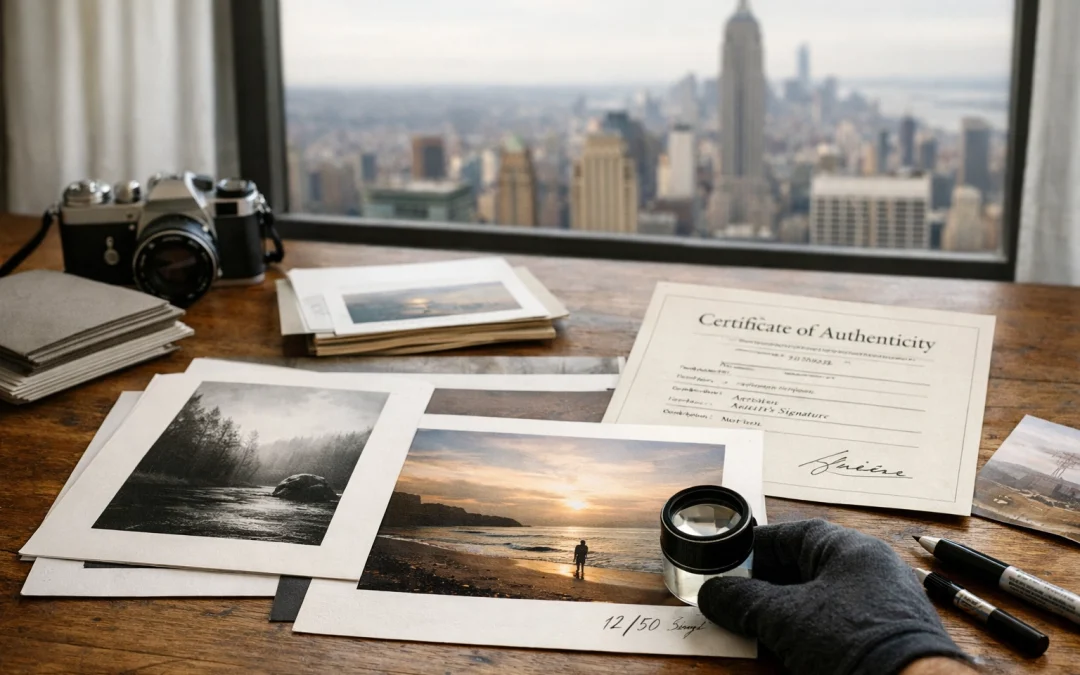
As you navigate the world of high-end art, you’ve likely noticed that the digital age has made images feel somewhat disposable. We scroll past masterpieces in seconds. But there is a massive difference between a photo on a glowing screen and a physical piece of history hanging on your wall. When you decide to move beyond the digital noise and start investing in your space, you’re stepping into the prestigious realm of limited edition photography prints.
Whether you are a seasoned curator or a first-time buyer looking to elevate your home, understanding the nuances of fine art collecting is vital. You aren't just buying a picture; you’re buying exclusivity, craftsmanship, and a tangible asset. At Edin Chavez Blog, we believe that every collector should feel empowered and informed. This guide is your roadmap to navigating the world of museum quality prints and ensuring your investment stands the test of time.
What Exactly Are Limited Edition Photography Prints?
Just as a master painter only creates one original canvas, a fine art photographer uses limited editions to create scarcity. When you purchase one of these pieces, you are entering into a legal and ethical agreement with the artist. The photographer commits to producing only a specific number of prints of that image in a particular size or format. Once they are gone, they are gone forever.
This scarcity is what drives value. Many collectors start their journey by browsing the curated selections at Edin Fine Art, where the focus is on storytelling and technical perfection. Unlike "open edition" prints, which can be printed infinitely like posters in a college dorm, limited editions are handled with the same reverence as traditional fine art.
Decoding the Numbering System
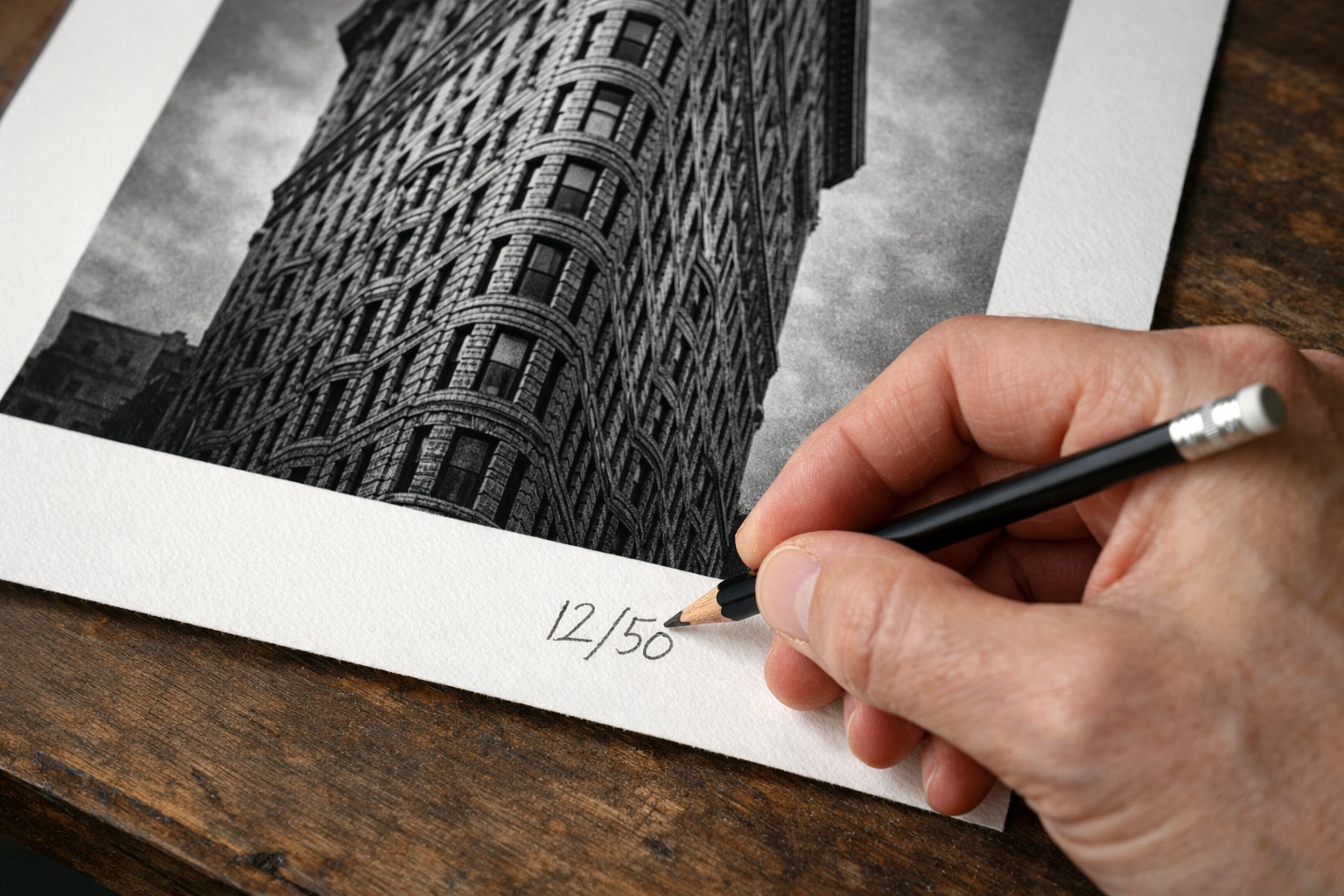
When you look at the bottom of a print, you’ll usually see a fraction written in pencil, such as "5/25." This isn't just a random scribble; it's the heartbeat of your investment.
| Term | Meaning | Impact on You |
|---|---|---|
| The First Number (e.g., 5) | Your specific print's place in the production sequence. | Identifies your unique piece within the set. |
| The Second Number (e.g., 25) | The total number of prints that will ever exist in that edition. | Dictates the rarity and long-term value of the work. |
| Edition Size | The total quantity (can range from 1 to 500). | Smaller editions (under 50) are generally more "high-value." |
Many people mistakenly believe that print 1/25 is more valuable than 20/25. In the modern photography world, this isn't usually the case. Because every print is produced to the same rigorous standards, the value is tied to the total edition size, not the order of printing. What matters to you as a collector is that the "loop" is closed.
Why Quality Matters: Archival Prints vs. The Rest
If you're going to invest in high-value art, you need to ensure it won’t fade or yellow by the time your grandkids inherit it. This is where archival prints come into play. A true limited edition isn't printed at the local pharmacy; it’s birthed in a professional lab using acid-free papers and pigment-based inks.
When we talk about museum quality prints, we are referring to a standard that meets the requirements of galleries and institutions worldwide. This involves:
- Hahnemühle or Canson Paper: These are the gold standards. They are heavy, textured, and made from cotton or alpha-cellulose, ensuring they don't degrade over time.
- Pigment Inks: Unlike dye-based inks that fade in sunlight, pigment inks provide incredible depth and longevity, often rated to last 100+ years.
- The Human Touch: Each print is inspected by the artist or a master printer to ensure the color grading is exactly as intended.
For those of you who are photographers yourself, achieving this look starts long before the printer warms up. If you want your digital files to have that "gallery-ready" look from the jump, using the Ultimate Lightroom Preset Collection can help you establish the tonal consistency required for high-end work.
The Artist Proof: The Insider’s Choice
In your search, you might encounter prints marked "A.P." instead of a number. These are Artist Proofs. Traditionally, these were the first few prints pulled off the press so the artist could check the color and contrast.
Today, Artist Proofs are a separate, smaller edition, usually only about 10% of the main edition size. Because they are more rare and have a more intimate connection to the photographer’s process, they often command a 20-30% price premium. As a collector, owning an A.P. is a bit like having a "director's cut" of a movie. It shows you know the inner workings of the art world.
The Non-Negotiable: Certificate of Authenticity for Art Prints
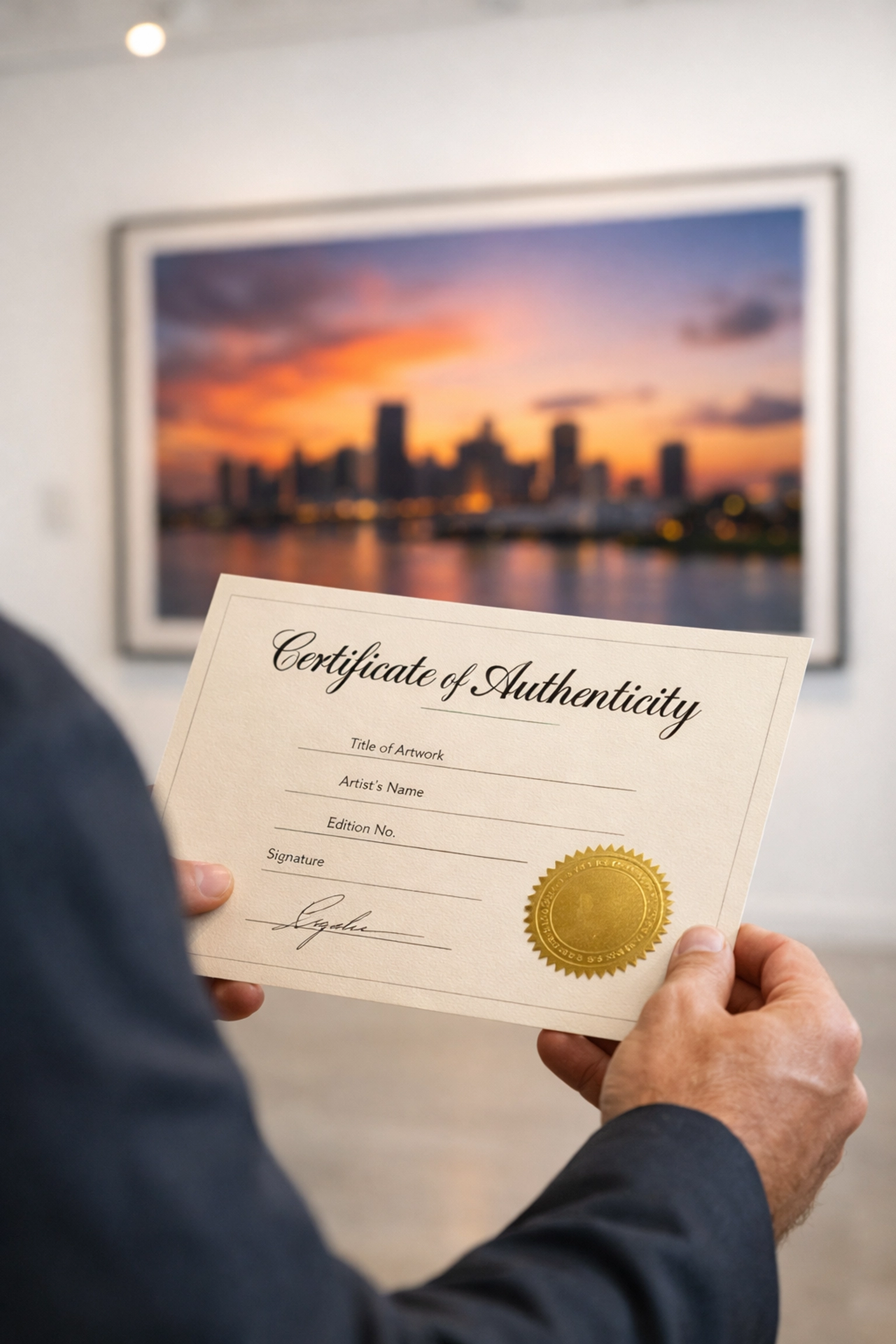
Never, and I mean never, buy a limited edition print without a certificate of authenticity for art prints (COA). Think of this as the "title" to your car or the deed to your house. Without it, you simply have a very expensive piece of paper.
A legitimate COA provides the "provenance" or the history of the piece. It should include:
- The title of the work and the artist’s name.
- The exact edition number (e.g., 12/50).
- The dimensions and the materials used (paper and ink types).
- The date it was printed.
- A holographic seal or a hand-signed signature from the artist.
When you purchase from Edin Studios, you aren't just getting an image; you're getting the peace of mind that your piece is documented and authenticated. This documentation is essential if you ever decide to sell your piece in the future.
How to Sell Fine Art Photography Prints
Perhaps you aren't just a buyer; perhaps you are an artist wondering how to sell fine art photography prints to the very collectors we’re talking about. The transition from "taking photos" to "selling art" is all about presentation and trust.
To attract high-value buyers, you must treat your work with the respect it deserves. This means:
- Limiting Your Editions: Don't be greedy. A smaller edition of 10 at a higher price often sells better to serious collectors than an edition of 500 at a lower price.
- Consistency: Use a consistent style. Collectors want to see a "body of work," not a random collection of snapshots.
- Professionalism: Your website and your packaging must reflect the quality of the art.
If you're just starting out on the business side, I highly recommend checking out our resources on how to create a photography business. It takes more than just a good eye; it takes a strategic mindset to succeed in the fine art market.
The Investment Perspective
Is photography a good investment? The short answer is: yes, if you buy correctly. Fine art photography has seen a massive surge in the secondary market over the last decade. As an artist’s career progresses and their editions sell out, the value of the remaining prints in private hands naturally rises.
When you buy a piece from a living artist, you are participating in their journey. As they win awards, get featured in galleries, or publish books, your piece of their history becomes more significant. It’s a beautiful cycle of supporting the arts while potentially growing your personal wealth.
Final Thoughts for the Discerning Collector
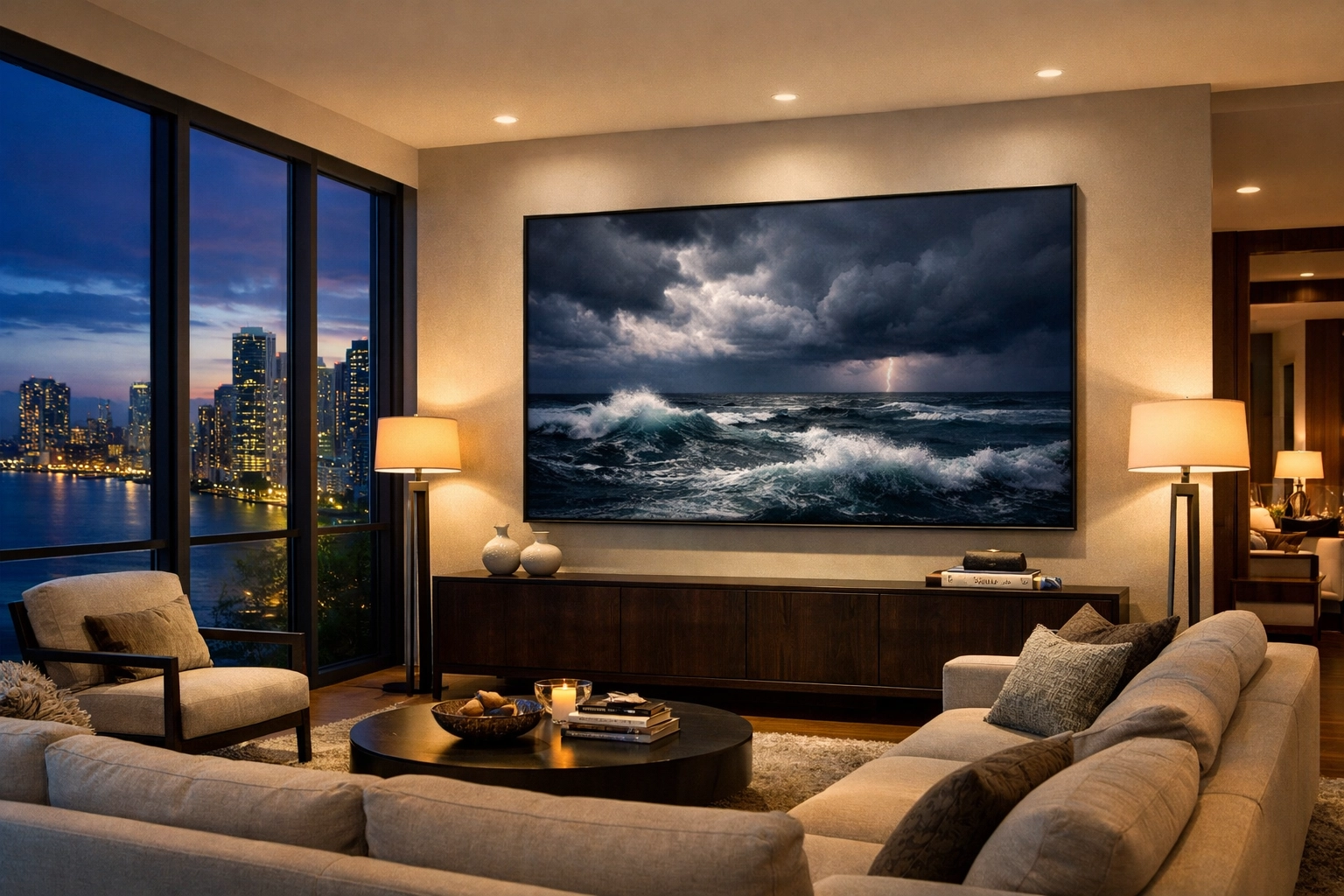
Buying art should be an emotional experience first and a financial one second. You should buy the piece that makes you stop in your tracks every time you walk past it in your hallway. However, by paying attention to the details: the archival prints, the edition numbers, and the COA: you ensure that your emotional connection is backed by a solid, high-value asset.
Whether you're looking for a breathtaking landscape or a gritty urban scene, your walls are a reflection of your taste and your legacy. Take your time, do your research, and don't be afraid to ask the artist questions about their process.
For more insights on how to elevate your work, explore our site for a deep dive into hundreds of tutorials and guides. If you are ready to start your collection or simply want to see what museum-quality work looks like, head over to Edin Fine Art and find the piece that speaks to you.
Happy collecting!


