
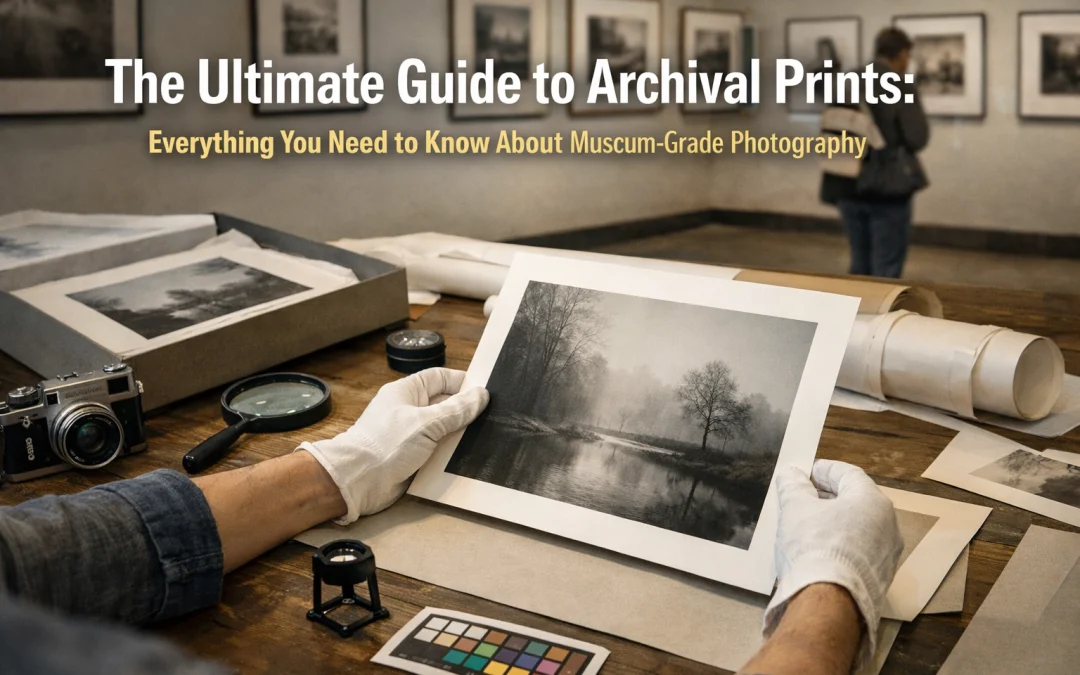
Just as a master chef selects the finest ingredients to ensure a dish is unforgettable, you must choose the right materials to ensure your photography stands the test of time. When you are operating in the world of high-value art, "good enough" doesn't cut it. Your collectors aren't just buying an image; they are investing in a legacy. This is where archival prints come into play.
In the fine art world, the term "archival" isn't just a buzzword used to hike up prices: it’s a scientific standard. It represents a commitment to longevity, ensuring that the vibrant colors and deep blacks you captured in the field remain just as striking a hundred years from now. Whether you are selling your first piece or curating a gallery exhibition, understanding the mechanics of museum quality prints is what separates the hobbyists from the pros.
What Exactly is an Archival Print?
Many photographers believe that any high-quality inkjet print is archival, but the reality is much more specific. An archival print is a photograph produced with pigment-based inks and acid-free, lignin-free paper. This combination is engineered to resist fading, yellowing, and chemical deterioration for over a century.
When you hold a museum-grade print, you’re holding a product designed to outlast the person who bought it. Standard prints: the kind you might get from a local pharmacy or a budget online lab: often use dye-based inks and wood-pulp papers. Over time, the acids in that paper will eat away at the image, and the dyes will shift in color, leaving your once-beautiful sunset looking like a faded orange blob.
By choosing to produce archival prints, you are guaranteeing your collectors that their investment is safe. This level of quality is what allows you to command premium prices and build a reputation in the fine art community.
The Chemistry of Longevity: Inks and Substrates
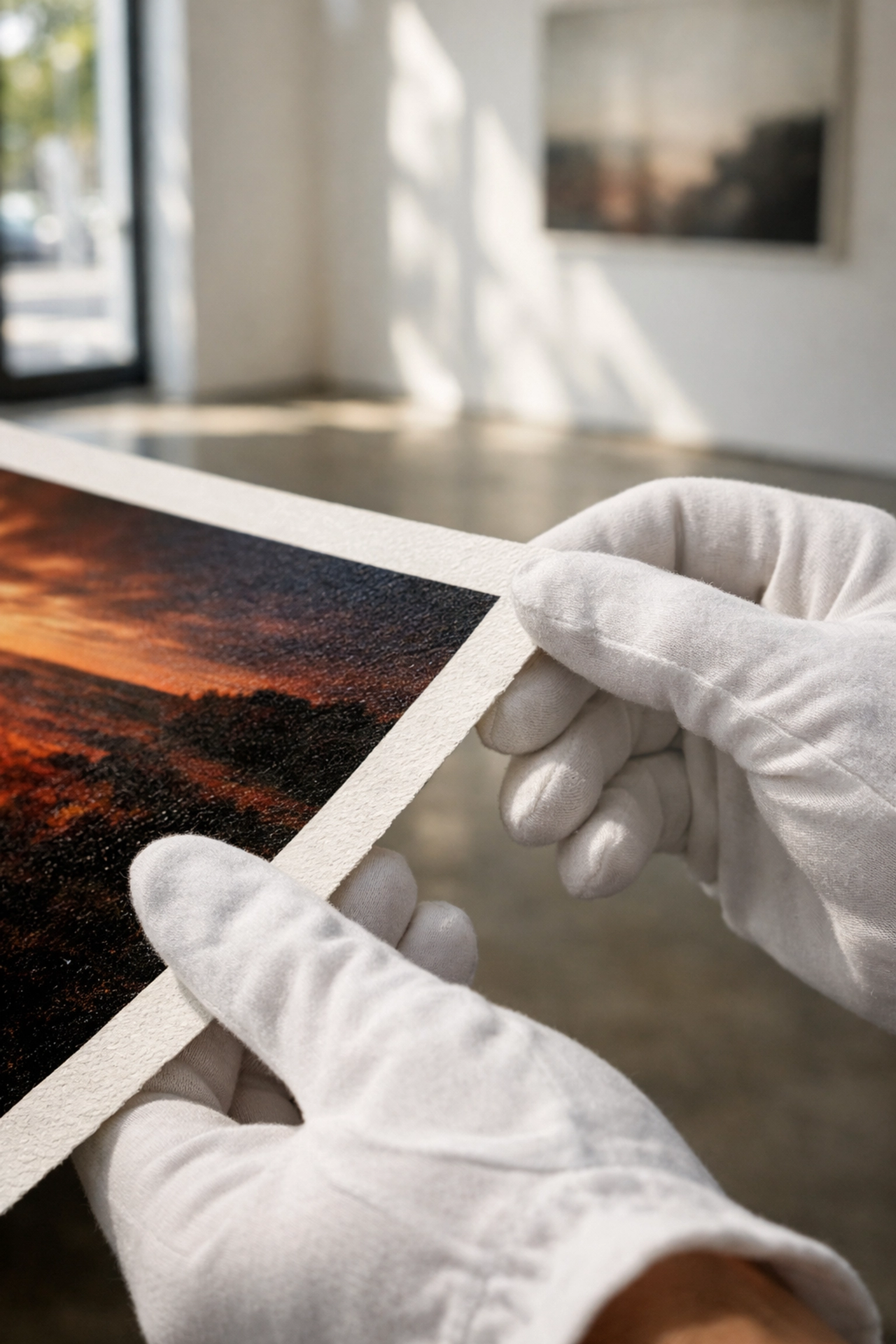
To truly understand why museum quality prints cost more and last longer, you have to look at the chemistry involved. It comes down to two main components: the ink and the paper.
Pigment vs. Dye-Based Inks
The difference here is night and day. Dye-based inks are liquid-based; they soak into the paper and provide incredible vibrancy, but they are highly susceptible to UV light and environmental pollutants. Pigment-based inks, however, consist of tiny solid particles of color suspended in a liquid carrier. These particles sit on the surface of the paper and are incredibly stable.
| Feature | Dye-Based Inks | Pigment-Based Inks |
|---|---|---|
| Longevity | 10-25 years before fading | 100-200+ years |
| Water Resistance | Low (smudges easily) | High |
| Color Depth | Very vibrant, but short-lived | Rich, stable, and accurate |
| Collector Value | Decorative only | Investment grade |
The Role of Acid-Free Paper
The paper you choose is the foundation of your art. Most standard papers contain lignin, a natural component of wood that turns yellow and brittle when exposed to light (think of an old newspaper). To achieve a museum standard, you must use paper that is 100% acid-free and lignin-free. Most high-end artists opt for 100% cotton rag or alpha-cellulose papers.
When you print your shots from the New York City photography guide or the Miami self-driving photography guide on these materials, the texture and weight alone communicate luxury to your buyer.
Why Collectors Demand Limited Edition Photography Prints
If you want to know how to sell fine art photography prints at a high level, you have to understand the psychology of the collector. Collectors aren't just looking for beauty; they are looking for scarcity and provenance.
Limited edition photography prints are the gold standard for high-end sales. By limiting the number of prints available for a specific image, you immediately increase its market value. When a collector knows they own 1 of only 10 prints in existence, the emotional and financial value of that piece skyrockets.
To make this work, your production process must be flawless. Every print in that edition must be identical in quality, which is why using an archival workflow is non-negotiable. You can’t sell a limited edition piece for thousands of dollars if it’s going to fade in a decade.

The Essential Paperwork: Certificate of Authenticity for Art Prints
You wouldn’t buy a diamond without a grading report, and a serious art collector won’t buy a high-value photograph without a certificate of authenticity for art prints. This document is your "proof of life" for the artwork. It bridges the gap between a beautiful picture and a valuable asset.
Your certificate should include:
- The title of the work.
- The artist’s name (Edin Chavez).
- The edition number (e.g., 2/25).
- The date of the print.
- The specific materials used (e.g., Hahnemühle Photo Rag, Epson UltraChrome Pro Inks).
- A statement of archival quality.
- Your signature.
This document provides peace of mind for the buyer and ensures the piece can be appraised or resold in the future. It’s a small detail that makes a massive impact on your professional presentation. For more insights on how to elevate your work, explore our site for a deep dive into hundreds of tutorials and guides at https://blog.edinchavez.com/.
Elevating Your Workflow: Post-Processing for Print
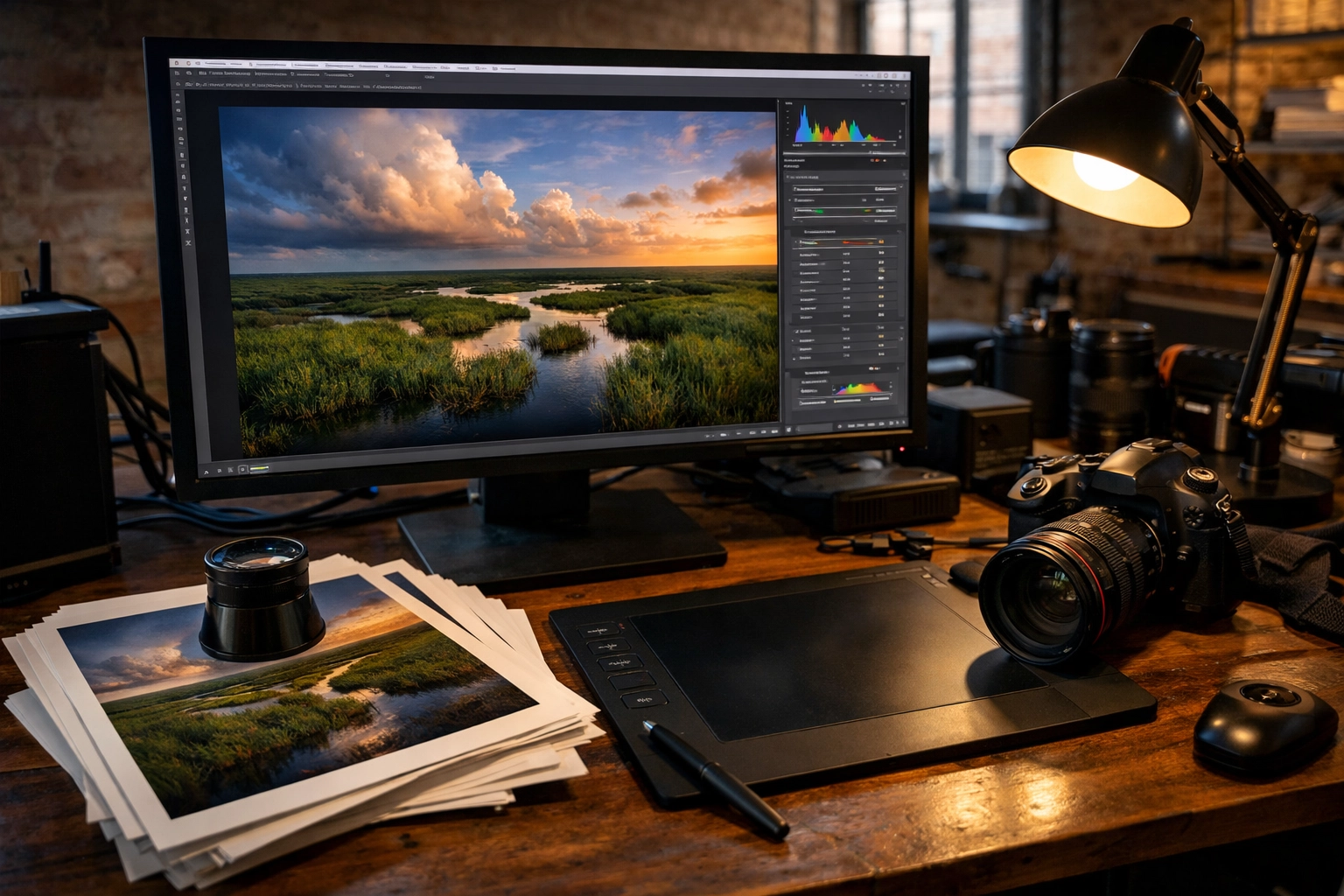
Before you even send a file to the printer, your post-processing needs to be dialed in. What you see on a backlit LED screen is often very different from what comes out on a matte cotton paper. Achieving that "museum look" requires a mastery of light and color.
To ensure your images have the tonal range and clarity required for large-format archival printing, I highly recommend using the Ultimate Lightroom Preset Collection. These tools are designed to streamline your workflow and ensure your files are optimized for the high-end printing process. Whether you are processing a moody shot of the Atlantic or a vibrant landscape, starting with a solid foundation is key.
How to Sell Fine Art Photography Prints to High-End Clients
Selling high-value art is less about "marketing" and more about "positioning." You aren't selling a product; you are offering an experience. When you talk to curators or high-net-worth individuals, your language should focus on the permanence and exclusivity of your work.
- Focus on the Material: Don't just say it's a "print." Say it is a "Pigment-on-Cotton Archival Masterpiece."
- Showcase the Longevity: Mention the 100-year guarantee. This justifies the price point.
- Leverage Location: Collectors love stories. If you’ve captured a stunning, rare moment while on a private Miami photography tour, share that narrative. It adds a layer of depth that a generic stock photo can't match.
- Partner with Experts: Work with professional labs that specialize in Giclée and archival standards. Your reputation is only as good as the physical product the client receives.
For those looking to see how these prints look in a real-world gallery setting, you can browse the current collection at https://www.edinfineart.com/. Seeing the final result of an archival workflow is the best way to understand its value.
Care and Display: Protecting the Investment
Even the best archival prints can be damaged if they aren't handled correctly. As a guide to your clients, you should provide basic care instructions to ensure the longevity of their new acquisition.
- Framing Matters: Always use UV-protective glass or acrylic. Even though pigment inks are stable, constant direct sunlight is the enemy of all art.
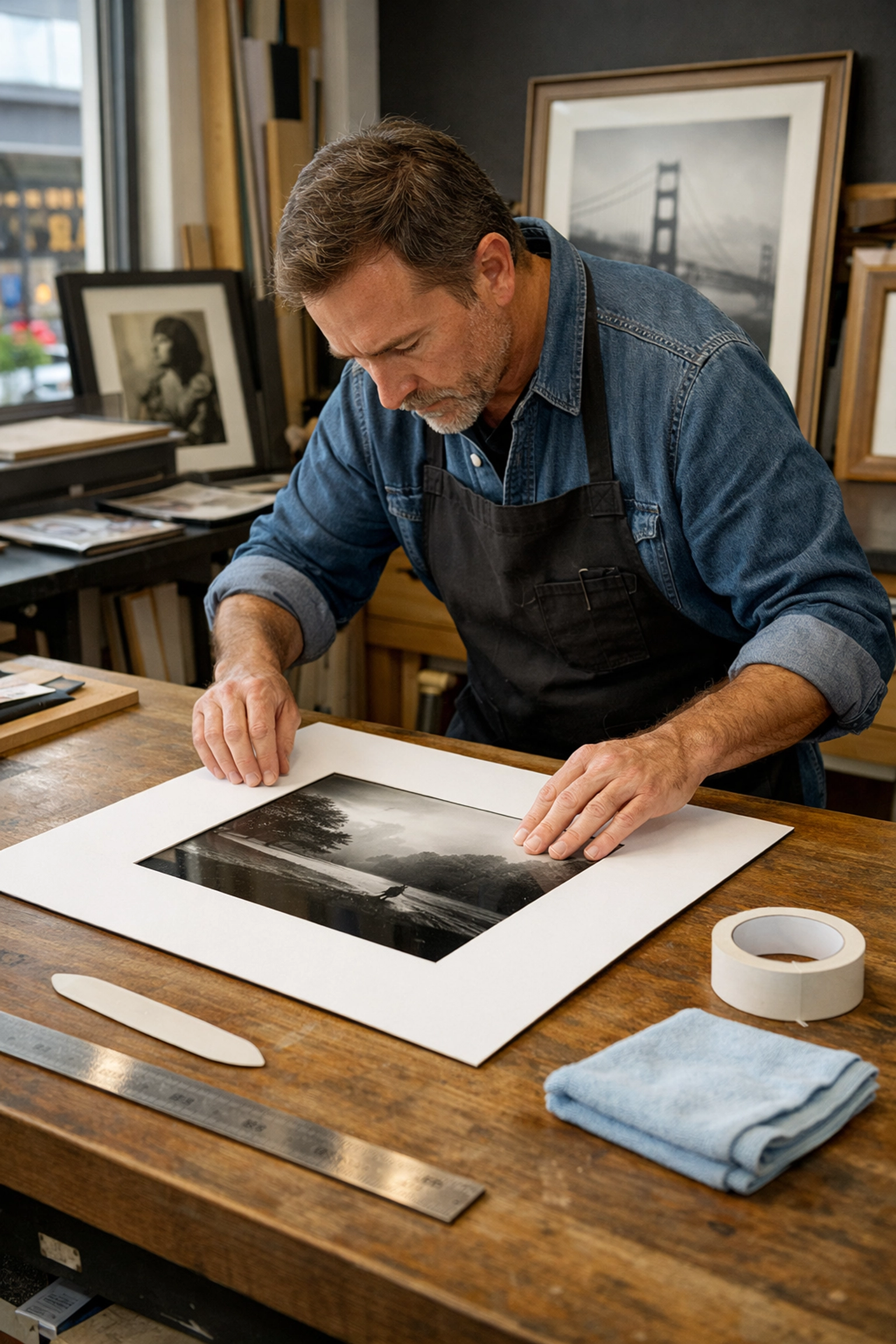
- Matting: Ensure that the mats used in framing are also 100% acid-free. A "cheap" mat will eventually "gas off" and cause a yellow line around the edge of your print.
- Environment: Keep prints away from high humidity. If you've sold a piece to a collector in a humid climate like Florida, this is especially important.
Final Thoughts on Archival Excellence
Investing in an archival workflow is a commitment to your craft. It shows that you value your work enough to ensure it survives for future generations. When you choose to produce limited edition photography prints on museum-grade materials, you are signaling to the world that you are a serious artist.
From the ink droplets to the certificate of authenticity for art prints, every step of the process matters. Whether you are capturing the wild beauty of the Glades or the urban energy of Nashville, your goal should be to create something that lasts.
For more insights on how to elevate your work, explore our site for a deep dive into hundreds of tutorials and guides. You can find everything from gear reviews to business strategies at https://blog.edinchavez.com/. Your journey into fine art photography is just beginning: make sure you're building it on a foundation that lasts.


