
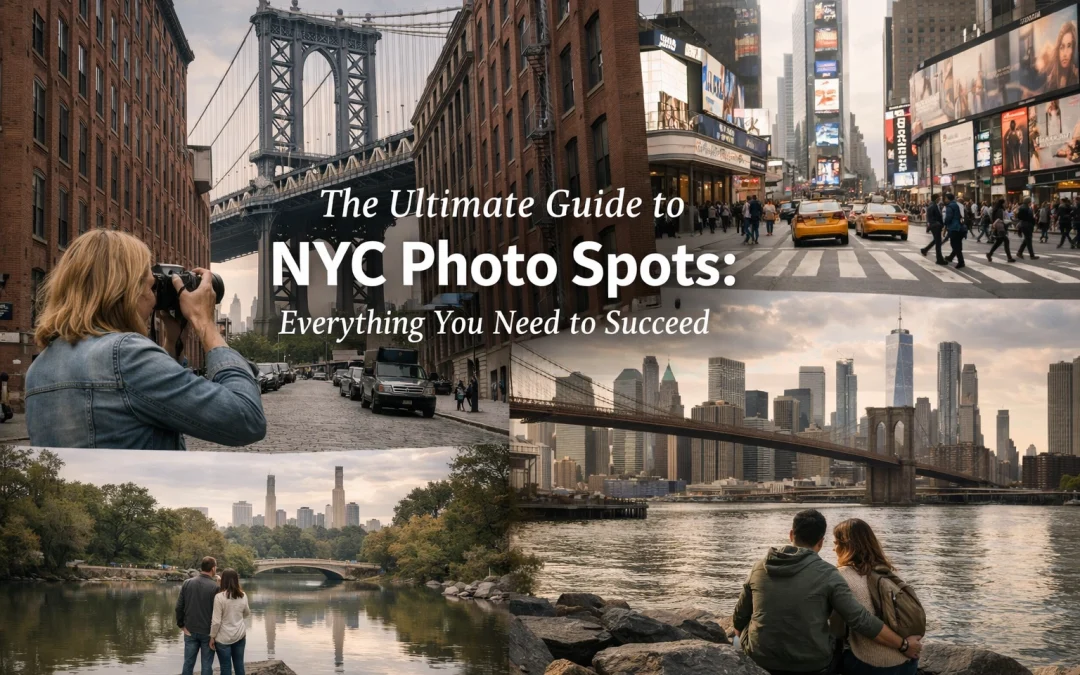
Just as the first light of dawn hits the steel spires of Manhattan, you realize that New York City isn't just a destination; it’s a living, breathing canvas waiting for your lens. Whether you are aiming to capture a masterpiece for luxury home decor or you’re building a portfolio of fine art photography, the city offers a visual density that is unmatched anywhere else on the planet.
But here is the truth: NYC can be overwhelming. If you show up without a plan, you’ll spend more time navigating subway delays than capturing light. This guide ensures you skip the frustration and head straight to the spots that deliver world-class results. From the iconic symmetry of the Brooklyn Bridge to the neon-drenched chaos of Times Square, I’m showing you how to conquer the concrete jungle.
The Heavy Hitters: Iconic NYC Locations
When you think of New York, certain images immediately flood your mind. These are the "Heavy Hitters." They are iconic for a reason, but capturing them in a way that feels like fine art rather than a tourist snapshot requires strategy.
DUMBO and the Manhattan Bridge
You’ve seen the shot: the Manhattan Bridge perfectly framed by the red brick buildings of Washington Street. It’s a classic, but it’s also a magnet for every influencer with a smartphone. To win here, you must arrive at sunrise. The soft, directional light hitting the cobblestones creates a depth that mid-day sun simply flattens. By getting there early, you ensure your frame is clean, allowing the architecture to speak for itself.
The Brooklyn Bridge
Walking the wooden planks of the Brooklyn Bridge is a rite of passage. For your photography, the cables create incredible leading lines that propel the viewer's eye toward the skyline. Pro tip: Don't just look forward. Turn around and capture the Gothic arches against the modern glass of the Financial District. This contrast between old and new is the heartbeat of emotional storytelling in photography.
Times Square at Night
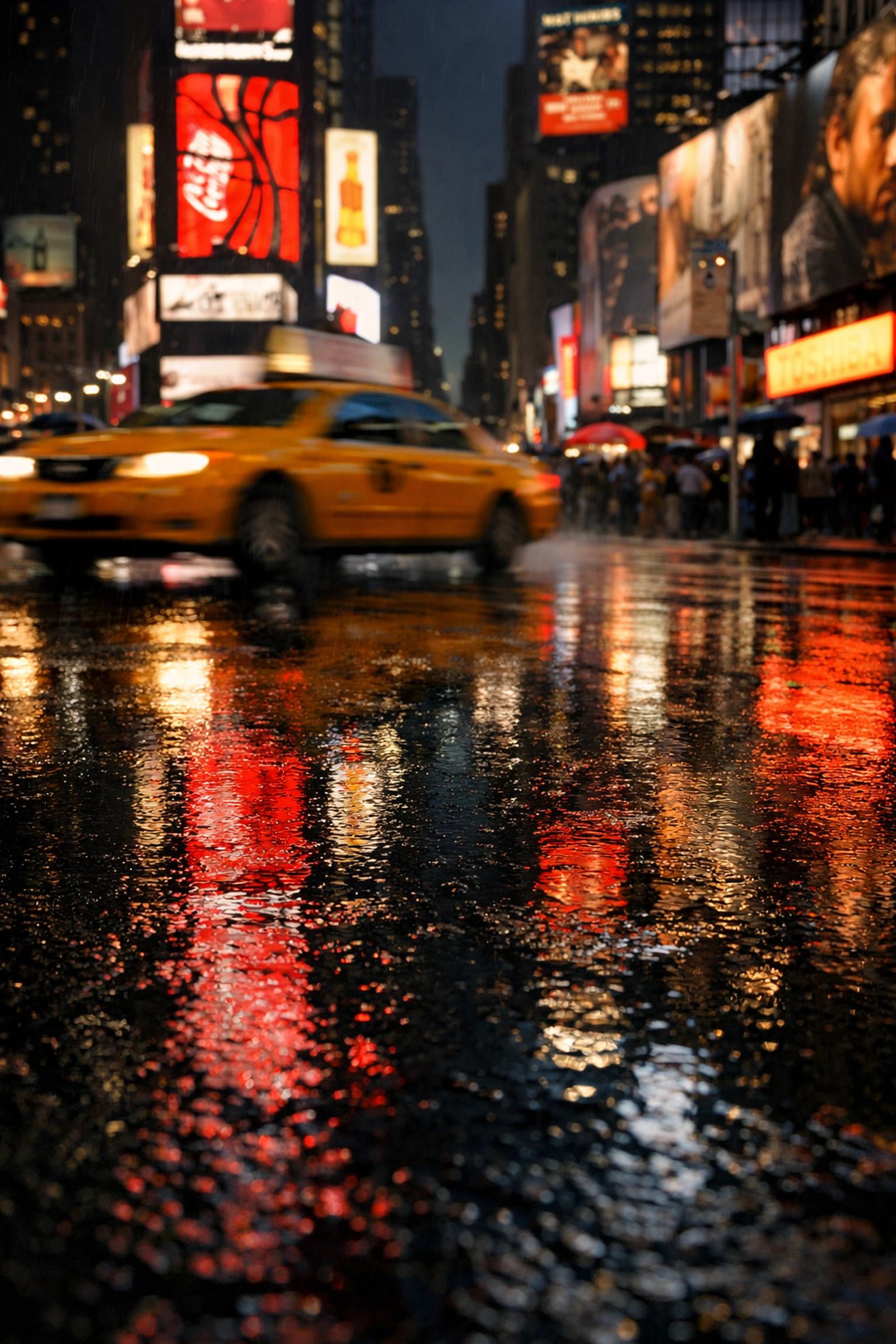
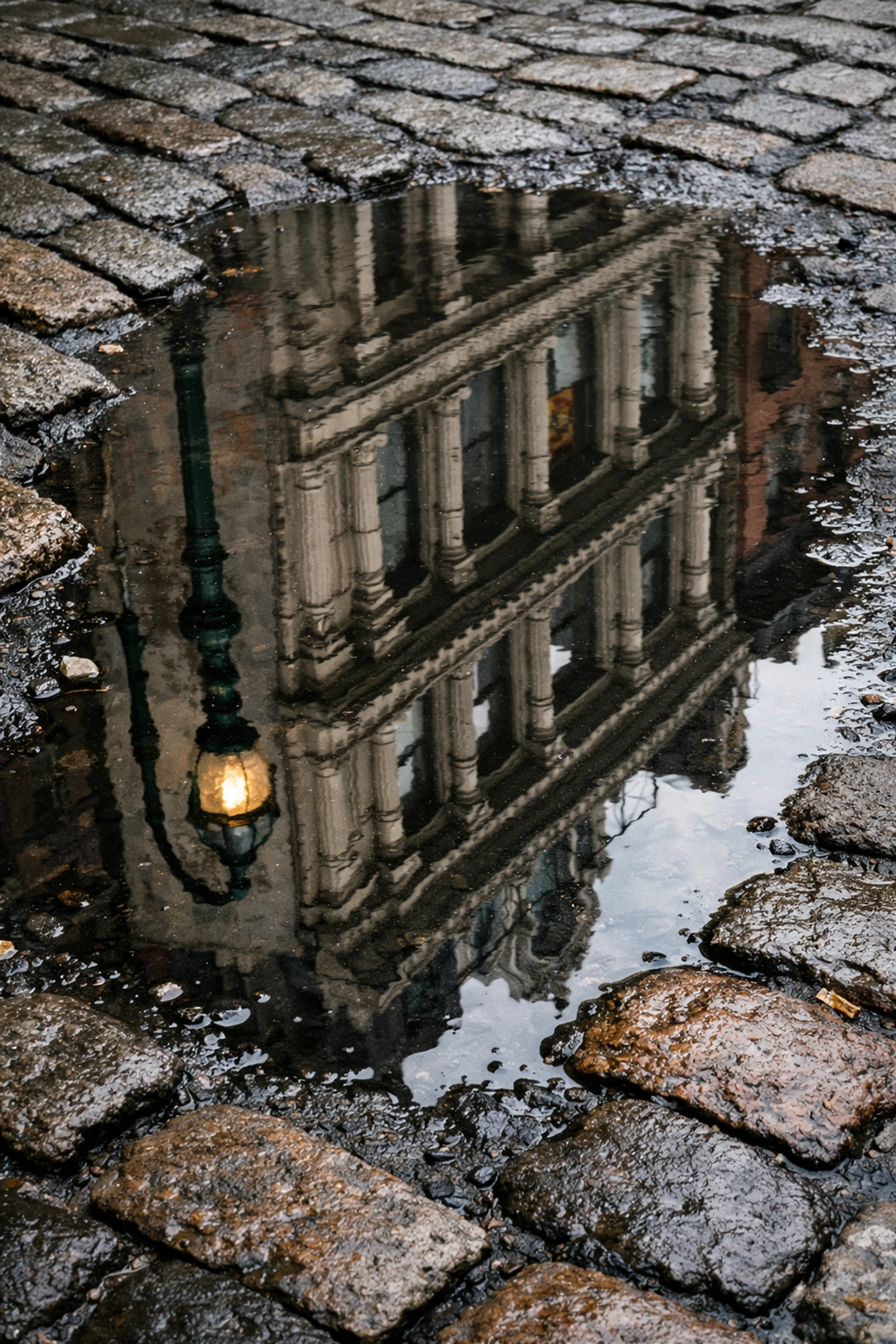
Most photographers avoid Times Square because it’s "too touristy." That’s a mistake. When you embrace the chaos, especially on a rainy night, the results are electric. The wet pavement turns into a giant mirror, reflecting the neon lights and creating a dreamlike, cinematic aesthetic. This is where your night photography skills truly shine.
Scaling the Heights: Best Observation Decks
If you want to capture the scale of the city, you have to get above it. New York’s observation decks provide a perspective that feels almost ethereal, perfect for creating museum quality photo prints.
Top of the Rock
For many professionals, this is the gold standard. Why? Because from the Top of the Rock, you can actually see the Empire State Building. The 360-degree views are unobstructed by glass in many areas, which is a massive win for your composition. It allows you to use filters and long exposures without worrying about internal reflections.
The Edge at Hudson Yards
As the highest outdoor sky deck in the Western Hemisphere, The Edge offers a dizzying perspective of the city. The glass floor and angled glass walls provide a sense of floating over the streets. When you visit during the golden hour, the sun sets behind you over the Hudson River, bathing the entire Manhattan skyline in a warm, amber glow that is pure magic for your portfolio.
| Spot | Best Time | Primary Vibe | Recommended Lens |
|---|---|---|---|
| Top of the Rock | Sunset / Blue Hour | Classic Skyline | 24-70mm |
| The Edge | Golden Hour | Modern / Vertigo | 16-35mm (Wide) |
| Empire State | Night | Historical Grandeur | 70-200mm (Details) |
| Summit One Vanderbilt | Mid-day | Surreal / Reflective | Prime 35mm |
The "Hidden" Gems and Textures
While the landmarks pay the bills, the neighborhoods provide the soul. This is where you find the textures that make for incredible fine art nature photography: even in an urban environment.
Stone Street
Located in the Financial District, Stone Street is NYC’s first paved street. The cobblestones and low-rise historic buildings feel like a trip back in time. It’s a fantastic spot for capturing the "old world" charm of the city. Because the street is narrow, the light filters down in beautiful, moody pockets that are perfect for high-contrast black and white shots.
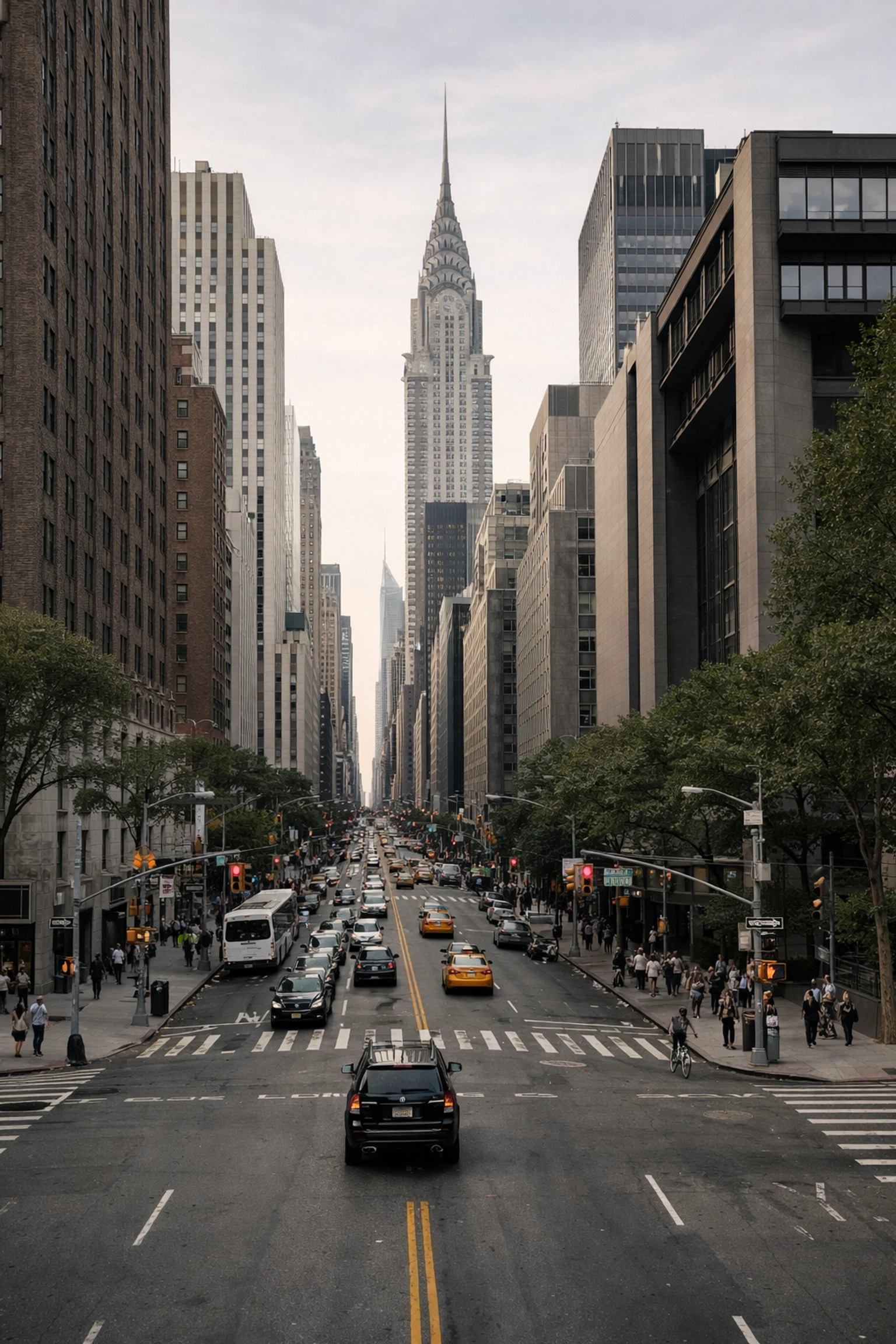
Tudor City Bridge
If you want the ultimate shot of the Chrysler Building, this is your spot. Overlooking 42nd Street, the bridge provides a perfectly centered view of the city grid. This is also the premier location for Manhattanhenge, that rare moment when the sun aligns perfectly with the cross streets. If you're aiming for this, bring your patience: you’ll be sharing the bridge with a few hundred of your closest photography friends.
Essential Gear for the NYC Photographer
Your gear choice can make or break your day in the city. Since you’ll likely be walking miles, your setup needs to be efficient but powerful.
- A Versatile Wide-Angle Zoom: A 16-35mm is your best friend in New York. Between the towering skyscrapers and the cramped subway platforms, you need the width to tell the full story.
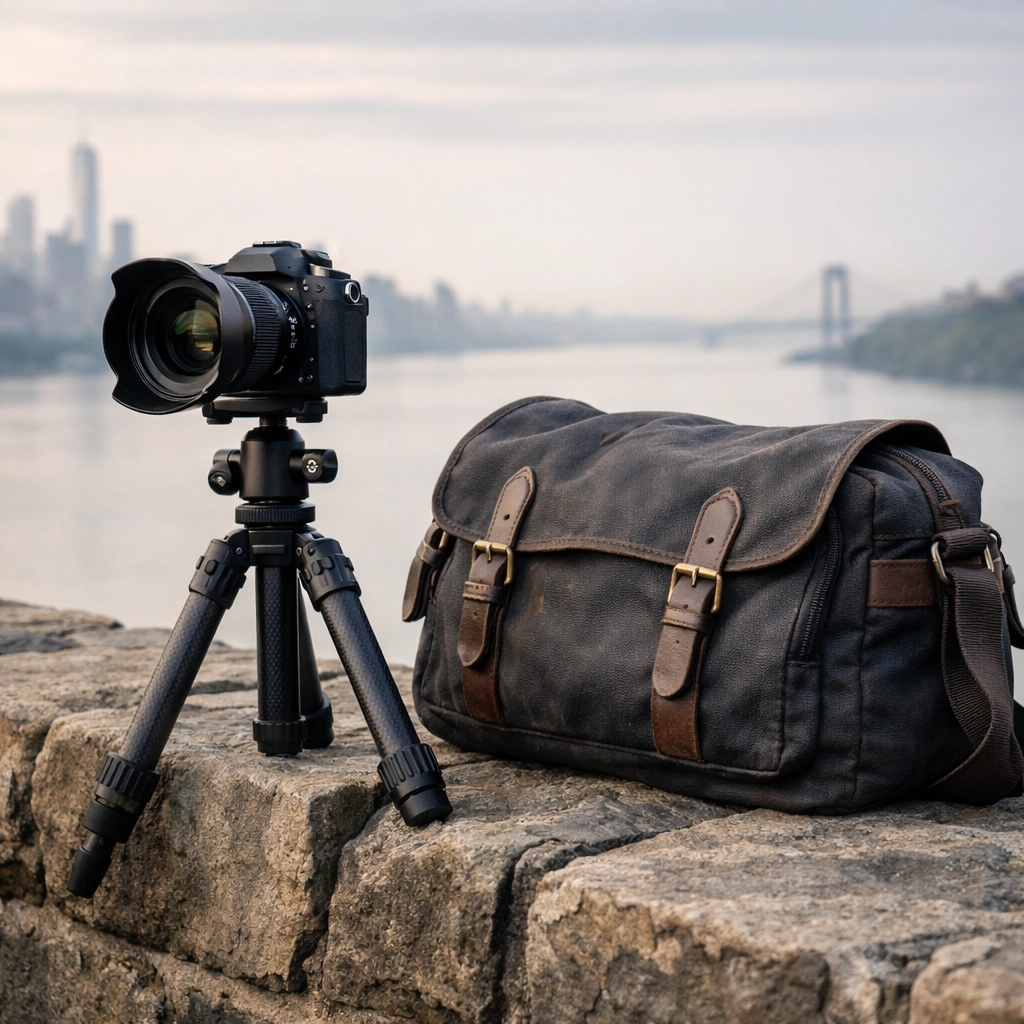
- A Sturdy, Lightweight Tripod: For those blue hour skyline shots or long exposures in Times Square, stability is non-negotiable. Carbon fiber is worth the investment to save your shoulders.
- Circular Polarizer: This is essential for cutting glare on glass buildings and making the clouds pop against the deep blue sky.
- Comfortable Footwear: This isn't strictly "camera gear," but your ability to reach the best spots depends on your feet. Don't underestimate the NYC trek.
When you are ready to take your skills to the next level and learn the "why" behind the "how," checking out professional Photography Workshops/Tours can accelerate your growth faster than any YouTube tutorial. And if you want your NYC frames to carry a consistent, gallery-ready mood from sunrise haze to neon nights, the Ultimate Lightroom Preset Collection gives you a streamlined starting point for that soft, dreamlike finish.
Master the Light: Timing is Everything
In New York, the light changes by the minute. Understanding the "Golden Hour" and "Blue Hour" is what separates a snapshot from a work of art.
- Golden Hour: The hour after sunrise and before sunset. This is when the city glows. The shadows are long and soft, adding a layer of romance and drama to your images.
- Blue Hour: The period just after sunset when the sky turns a deep, saturated blue, but the city lights are fully illuminated. This is the sweet spot for skyline photography. The balance between the natural sky and the artificial city lights creates a vibrant, high-end look.
By mastering these windows of time, you ensure that your work has the professional polish required for investing in limited edition photography prints. People don't just buy a picture of a building; they buy the mood and the light you captured.
Elevating Your Craft to Fine Art
Photography in NYC isn't just about pointing your camera at something tall. It's about emotional storytelling. Every corner of this city has a story, from the weary commuter to the grandeur of Grand Central Terminal.
To truly succeed, you need to look beyond the obvious. Find the reflections in a puddle. Look for the way the light hits a gargoyle on a 1920s skyscraper. When you start seeing the city as a collection of shapes, textures, and emotions, your work elevates from "travel photo" to "fine art."
If you’re looking for a deep dive into specific settings, GPS coordinates, and secret angles for every single one of these spots, you should grab the comprehensive NYC Photography Guide. It’s the ultimate shortcut to getting the shots you’ve always dreamed of.
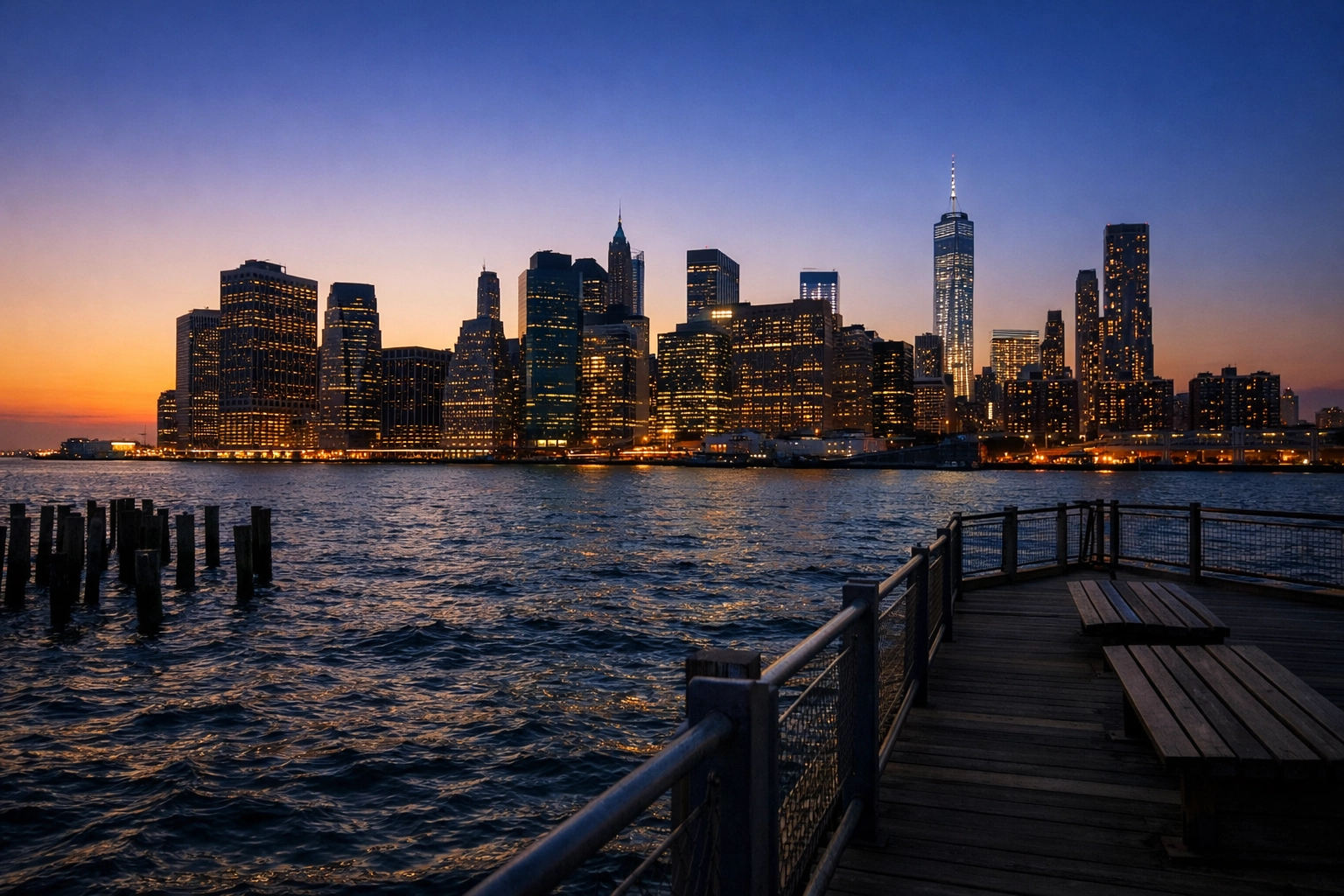
Final Thoughts for Your NYC Journey
Conquering NYC photography requires a blend of technical skill, physical endurance, and a creative eye. By focusing on iconic locations during the best light and exploring the hidden textures of the neighborhoods, you build a body of work that stands out in a crowded digital world.
Remember, your perspective is unique. No one sees the city exactly like you do. Whether you are capturing images for your own home or for a high-end gallery, treat every shutter click as a step toward mastering your craft. For more inspiration on how to turn your captures into stunning physical pieces, explore the collections at Edin Fine Art or see how we bring professional visions to life at Edin Studios.
With these strategies in your arsenal, you aren't just taking pictures; you are documenting the heartbeat of the greatest city in the world. Now, get out there and start shooting. The city is waiting for you.
For more insights on how to elevate your work, explore our site for a deep dive into hundreds of tutorials and guides. (https://blog.edinchavez.com/)


