Just as the Atlantic tide shapes the pristine shores of South Beach, the cultural evolution of Miami continues to redefine what it means to visit the Magic City. While the neon lights of Ocean Drive have their charm, you are likely looking for something deeper: the rhythmic pulse of the city that only the locals truly know. As you navigate the palm-lined streets, your experience is elevated when you step away from the tourist traps and into the miami hidden gems that define our local identity.
At Edin Chavez Photography, we believe that seeing a city is about more than just looking; it is about capturing the soul of a place through a lens of authenticity. Whether you are a seasoned traveler or a first-time visitor, these 15 curated experiences ensure you see the city with the clarity of a resident. For a deeper dive into the technical side of capturing these vistas, your primary resource should always be our guide to the best photography spots in Miami, which provides the precise coordinates for the most stunning visuals in Florida.
1. Immerse Yourself in Wynwood Photography
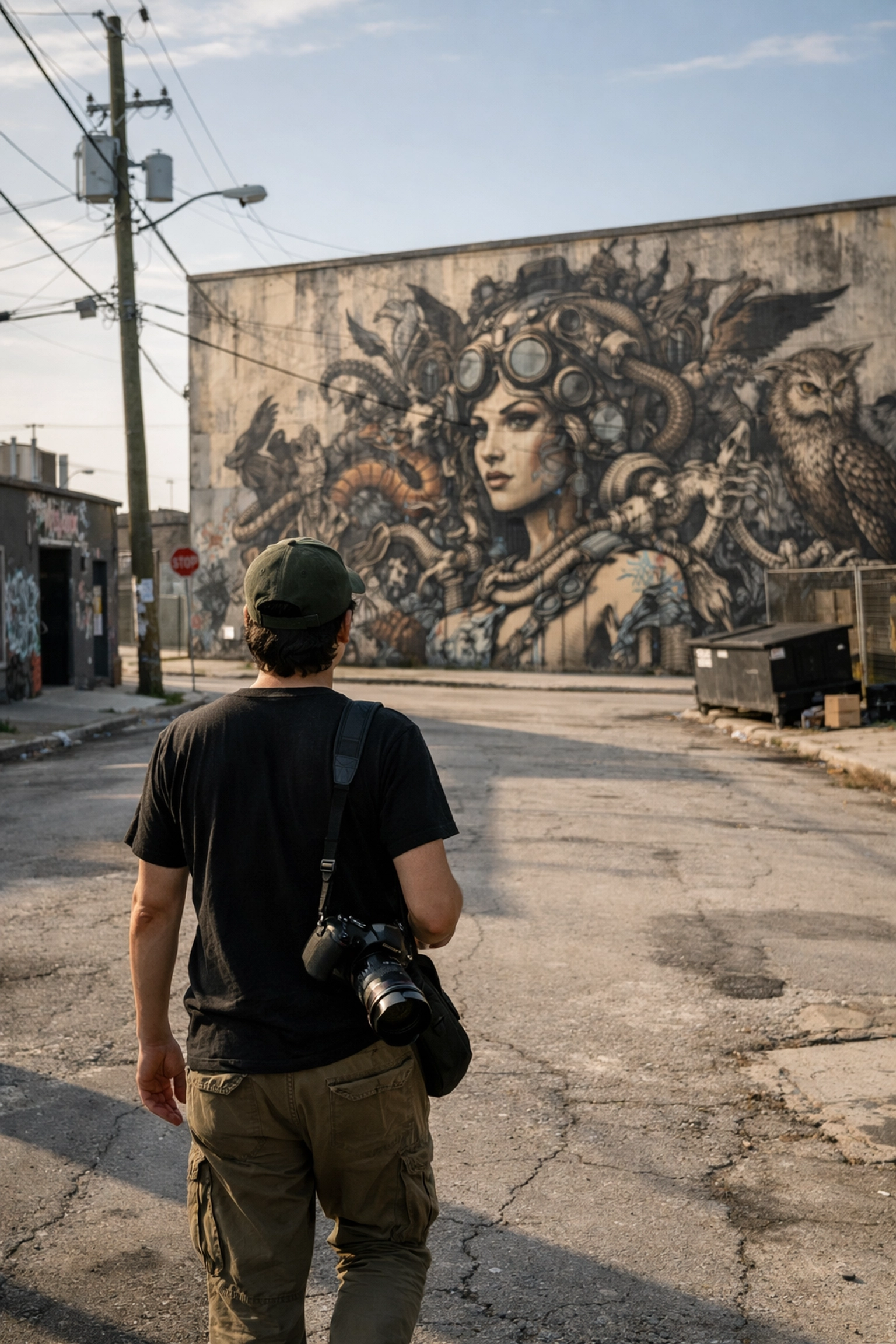
While the world knows the Wynwood Walls, your local experience begins in the surrounding streets where the art is raw and ever-changing. Wynwood photography is a high-octane sport; the murals by world-renowned street artists serve as a vibrant tapestry that propels your creativity. By wandering the back alleys, you'll discover craft breweries and Puerto Rican eateries that offer a taste of the neighborhood's grit and glamour.
2. Walk Through the Clouds at Superblue Miami
Experience the future of art at Superblue Miami. This isn't just a gallery; it’s an interactive ecosystem. You will find yourself stepping into "Massless Clouds Between Sculpture and Life," an installation where you literally walk through a sea of evanescent bubbles. It provides an unparalleled sensory experience that challenges your perception of space and form.
3. Discover the Bohemian Magic of Upper Buena Vista
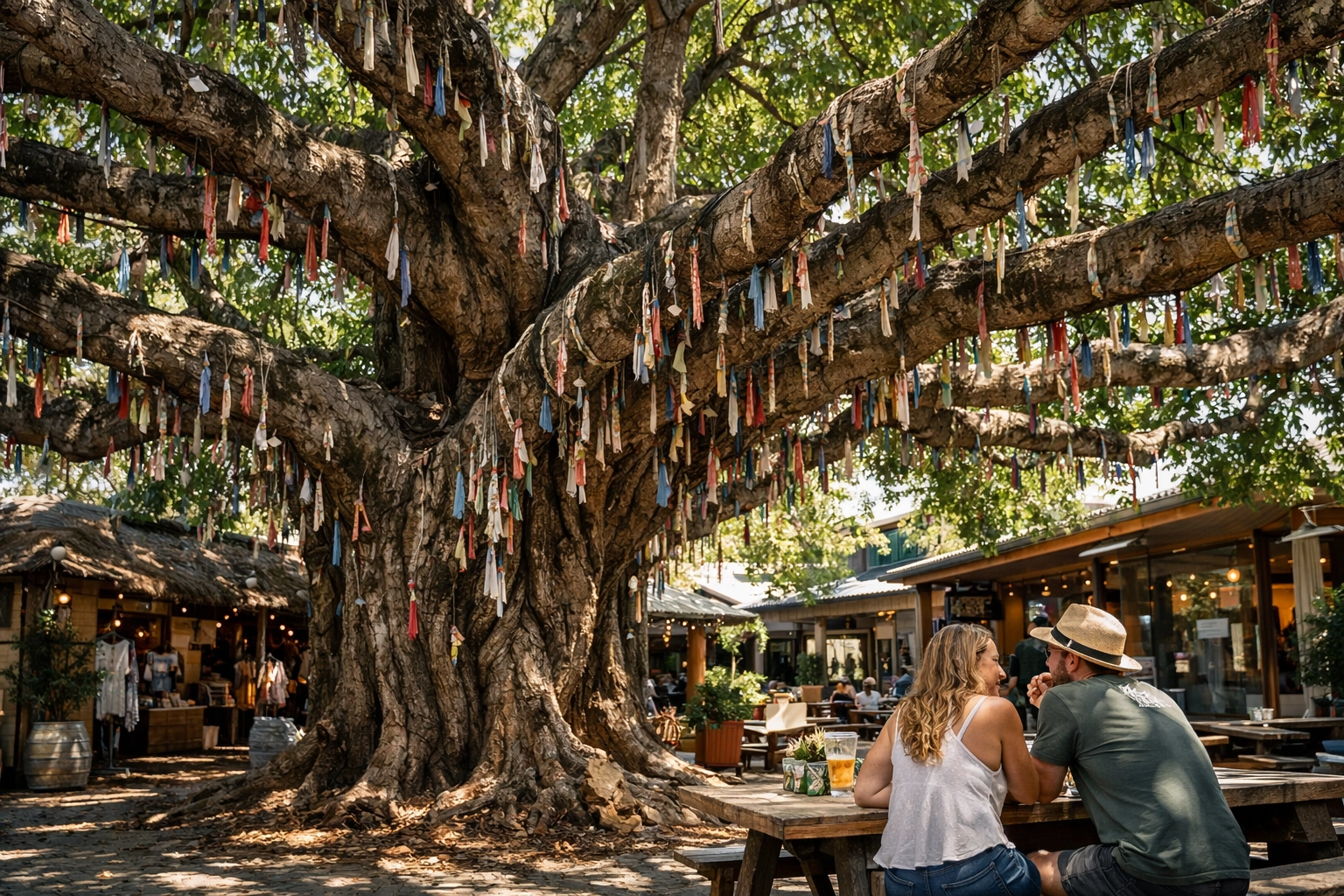
As you seek out fun things to do in miami, you must visit Upper Buena Vista. This nature sanctuary and shopping plaza is built around a 120-year-old Bodhi Wishtree. The atmosphere is smooth as butter, featuring micro-boutiques and open-air music performances at Palapa. It is a sanctuary for those who appreciate the intersection of nature and design.
4. Golden Hour at South Pointe Park
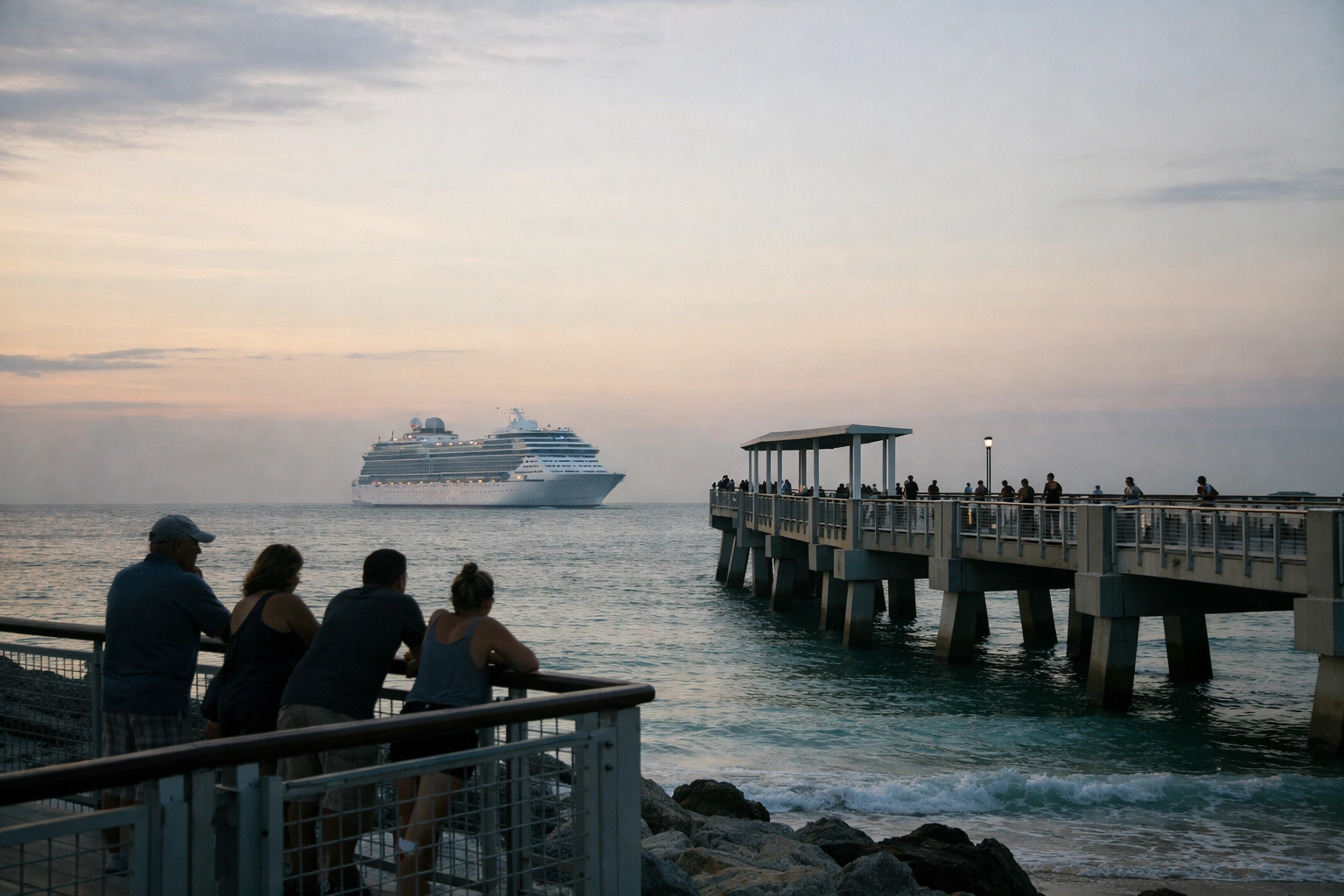
For the best miami beaches and panoramic views, South Pointe Park is unmatched. This is where locals go to watch the massive cruise ships glide out to sea. The park features winding trails and a pier that offers a unique perspective of the Art Deco skyline. To make your journey easier, our Miami self-driving photography guide outlines the best times to arrive to beat the crowds and secure the perfect shot.
5. Explore the Ancient Echoes of Pinecrest Gardens
Once the original home of Parrot Jungle, Pinecrest Gardens is a lush botanical destination that remains a hidden gem. For a modest $5 admission, you gain access to cypress forests, waterfalls, and a sensory garden. It is a masterclass in tropical preservation, offering a peaceful respite from the urban hustle.
6. Cultural Immersion at the Little Haiti Cultural Center
To understand the heartbeat of Miami, you must experience the Little Haiti Cultural Center. Your visit should coincide with market days, where the air is thick with the scent of authentic Haitian spices and the sound of traditional drum classes. This commitment to cultural heritage ensures a raw and honest look at one of Miami's most vibrant communities.
| Experience Type |
Recommended Location |
Best For |
| Street Art |
Wynwood Walls |
Bold colors and urban energy |
| Nature |
Pinecrest Gardens |
Tranquility and lush foliage |
| History |
The Barnacle |
Old Florida charm |
| Coastal |
South Pointe Park |
Sunset views and ocean breezes |
| Immersive Art |
Superblue Miami |
Modern tech and sensory play |
7. Boat Out to the Historic Stiltsville
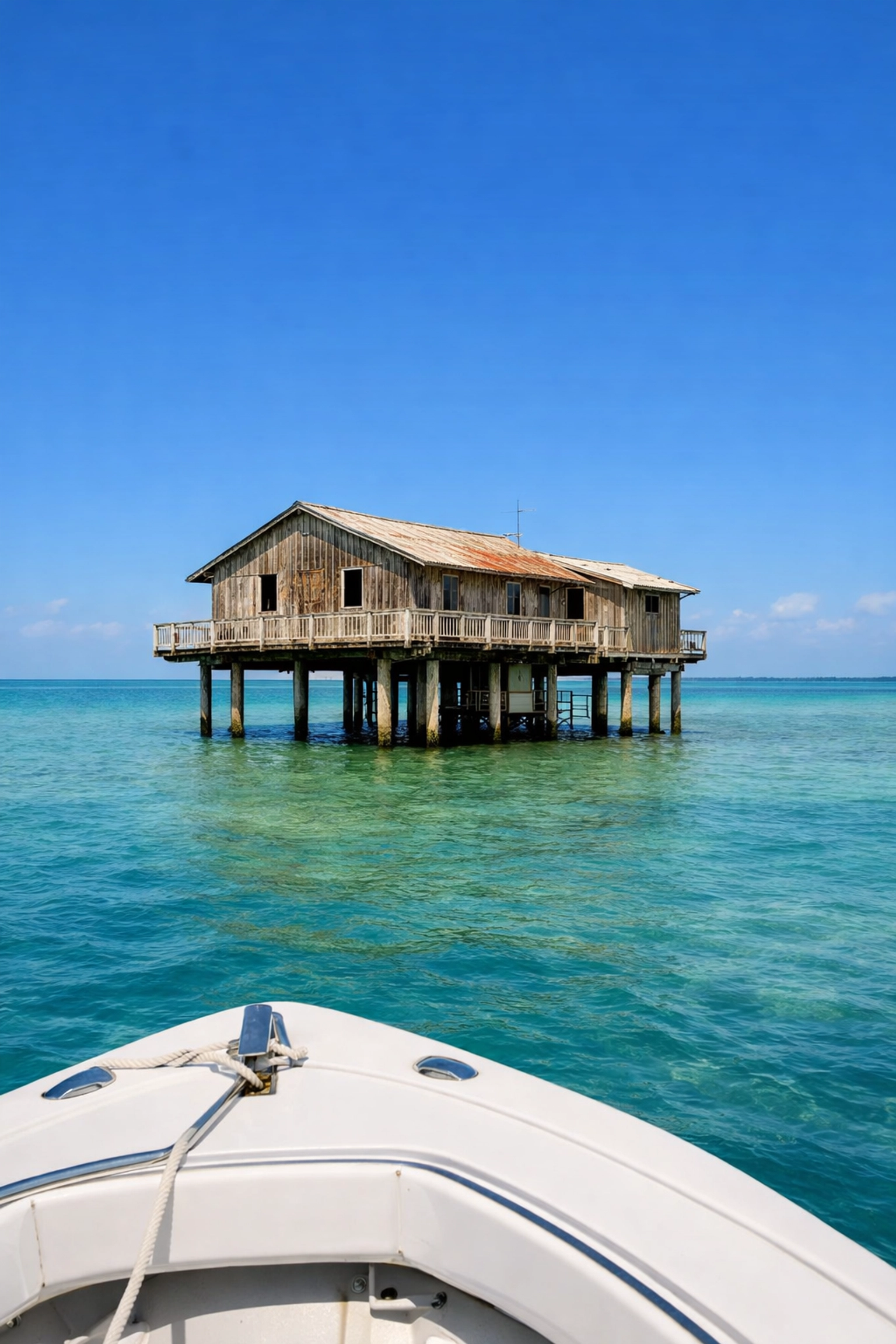
Rising from the turquoise waters of Biscayne National Park, Stiltsville is a collection of historic houses built on wood and reinforced concrete pilings. These structures are some of the most unique miami hidden gems. Booking a boat tour is essential, as it allows you to see this curious sea community and learn about its colorful history during the prohibition era.
8. Step Back in Time at The Barnacle
Located in the heart of Coconut Grove, The Barnacle Historic State Park offers a glimpse into "Old Florida." The former home of Ralph Middleton Munroe features original period displays and mangrove walks. It is the oldest house in Miami-Dade County that remains in its original location, providing a robust historical context for your Miami journey.
9. Find Solitude at Bill Baggs Cape Florida State Park
At the southern tip of Key Biscayne lies Bill Baggs, home to the historic 1825 lighthouse. This park offers some of the best miami beaches without the South Beach intensity. You can rent a bike and explore the nature trails, or simply enjoy a quiet afternoon overlooking the Atlantic. This location is a staple in our private Miami photography tour, where we show you how to frame the lighthouse against the shifting Florida sky.
10. Architectural Wonders in the Miami Design District
The Miami Design District is a curated neighborhood dedicated to innovative fashion, design, and architecture. From the "Buckminster Fuller Fly’s Eye Dome" to the "Museum Garage," every corner is a visual feast. It elevates your understanding of urban planning and high-end aesthetics. To ensure your photos from this district look professional, consider applying our Ultimate Lightroom Preset Collection to enhance the architectural details and color balance.
11. Manatee Spotting at The Deering Estate
The Deering Estate is a 21st-century house museum and environmental preserve. It is common to spot manatees lounging in the water near the historic stone docks. The estate provides a comprehensive look at the environmental history of the region and is a dedicated site for conservation.
12. Modern Art at the PAMM
The Pérez Art Museum Miami (PAMM) stands as a beacon of modern and contemporary art. The building itself, designed by Herzog & de Meuron, is a work of art, featuring hanging gardens and stunning views of Biscayne Bay. It fosters a deep appreciation for international art that reflects the diverse population of Miami.
13. Swim at Matheson Hammock Park
Matheson Hammock Park features a man-made atoll pool, which is flushed by the tides of Biscayne Bay. This provides a safe, calm swimming environment surrounded by mangroves. It is a quintessential local spot for families and those looking for a scenic picnic location.
14. Urban Greenery on The Underline
The Underline is transforming the land below Miami’s Metrorail into a 10-mile linear park and urban trail. It is a cutting-edge example of how cities can repurpose infrastructure for community wellness. Your walk through the first phase, "Brickell Backyard," reveals art installations and lush landscaping.
15. Journey Into the Everglades
While technically on the outskirts, a trip to the Everglades is a non-negotiable part of the Miami experience. The "River of Grass" is a unique ecosystem that you won't find anywhere else on Earth. By integrating our Everglades photography guide, you can navigate this complex landscape and capture the prehistoric beauty of the alligators and rare bird species that call it home.
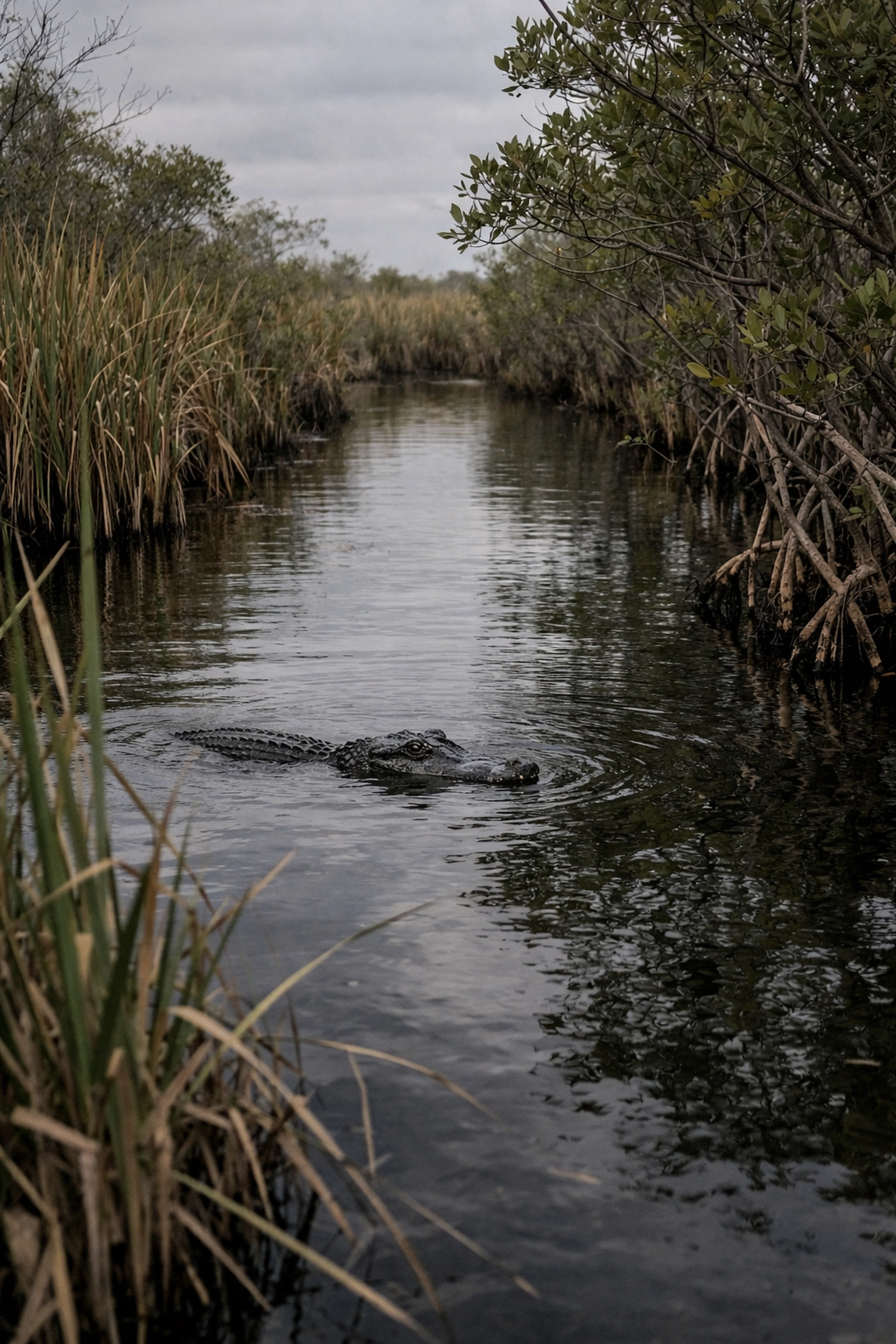
Enhancing Your Local Experience
By choosing to explore these local favorites, you are not just a visitor; you are an active participant in the story of Miami. Your journey through the city is a reflection of your own curiosity and your willingness to see beyond the surface. For more inspiration and fine art pieces that capture the essence of these locations, visit Edin Fine Art.
Whether you are focusing on wynwood photography or searching for the best miami beaches, remember that the right tools and guidance make all the difference. Our commitment at Edin Chavez Photography is to provide you with the resources you need to turn a simple trip into a lifelong memory. Explore more tips and stories on our blog.
With these considerations, you are ready to traverse Miami with the confidence of someone who knows its secrets. From the historic stilts of Biscayne Bay to the modern murals of Wynwood, the city is yours to discover. Hence, grab your camera, pack your sense of adventure, and prepare to see Miami in a way few ever do.
Just as the first light of dawn strikes the stainless steel crown of the Chrysler Building, you realize that New York City isn’t just a place: it’s a living, breathing symphony of light and steel. Whether you are a seasoned pro or a passionate hobbyist, finding the best places to take pictures in NYC requires more than just a map; it requires an eye for the "Electric Soul" of the five boroughs. At Edin Chavez Photography, we believe that capturing the perfect shot is about being at the right place at the precise moment the city reveals its secrets.
By exploring this guide, you are stepping into a world where every street corner tells a story and every skyscraper reaches for your lens. New York City is a high-octane environment that demands your best creative energy. To help you master this concrete jungle, we have curated the definitive list of NYC photo spots that will transform your portfolio from standard snapshots into stunning fine art.
The Heart of the Green: Central Park’s Timeless Elegance
Many photographers find their rhythm in the sprawling 843 acres of Central Park. While the city rages in a whirlwind of taxis and sirens outside the stone walls, the park offers a sanctuary of light and reflection. To truly capture the essence of this location, you must visit during the "Blue Hour," when the park’s lamps begin to glow against the deep indigo sky.
Bow Bridge stands as the park's crown jewel for composition. When you frame the delicate Victorian curves of the bridge against the San Remo apartments, the reflection in the Lake creates a symmetrical masterpiece that feels as smooth as butter. It is one of the most iconic New York City photography locations, offering a blend of nature and architecture that is unparalleled.
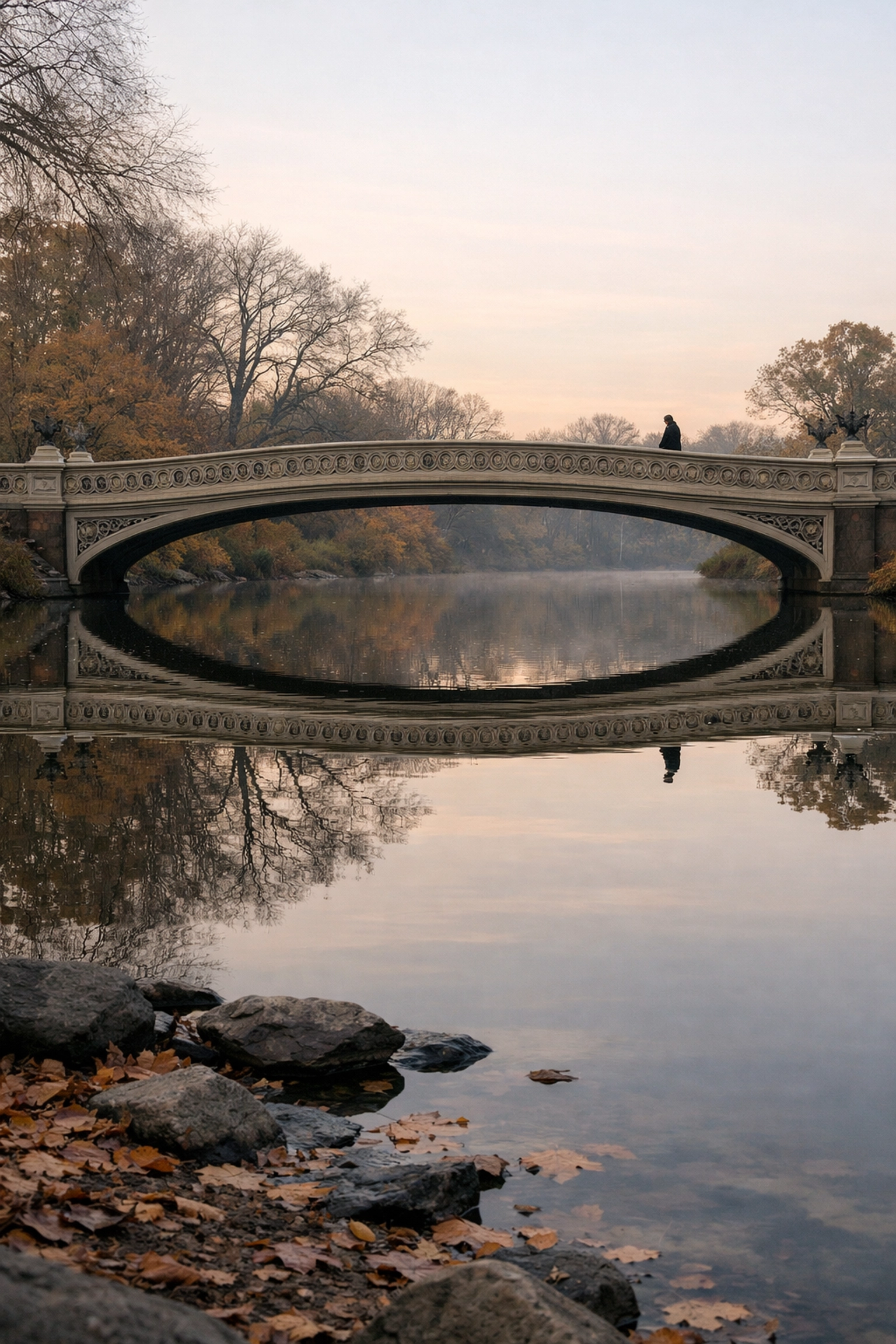
Essential Central Park Composition Points
| Location |
Best Time |
Composition Tip |
| Bethesda Terrace |
Early Morning |
Use the arches to frame the fountain for a classical, regal look. |
| The Mall |
Autumn Dusk |
Capture the vanishing point of the American Elms as they create a golden canopy. |
| Gapstow Bridge |
Winter |
Frame the bridge with the Wollman Rink and the Plaza Hotel for a "Home Alone" vibe. |
| Belvedere Castle |
Sunset |
Shoot from the shores of Turtle Pond to get the castle's silhouette against the burning sky. |
The Vertical Frontier: Capturing the Skyline from Above
As you elevate your perspective, the city opens up in ways that ground-level shooting simply cannot match. To get the absolute best views of the Manhattan skyline, you need to head to the clouds. Top of the Rock at Rockefeller Center remains the gold standard for photographers because it provides an unobstructed view of the Empire State Building.
While the $45 admission might seem like a hurdle, the visual payoff is a guarantee of world-class content. From the 70th floor, you can watch the sunset dip behind the Hudson River, casting long, dramatic shadows across the grid. This is where your wide-angle lens becomes your best friend. If you want to take your editing to the next level and make those city lights pop, our Ultimate Lightroom Preset Collection ensures your night shots have that professional, high-contrast punch.
Neon Dreams: The High-Energy Pulse of Times Square
If you are looking for the "Electric Soul" mentioned in our title, you will find it in the neon canyons of Times Square. This is not a place for the faint of heart; it is a high-energy environment where the light changes every millisecond. With 55 giant LED displays illuminating the streets, you have a 24/7 studio at your disposal.
To capture the movement of the city, you should bring a tripod and experiment with long exposures. By slowing down your shutter speed, you can turn the chaotic crowds into ghostly blurs of motion while the vibrant advertisements remain tack-sharp. This contrast between the fleeting human element and the permanent digital glow creates a powerful narrative of urban life.
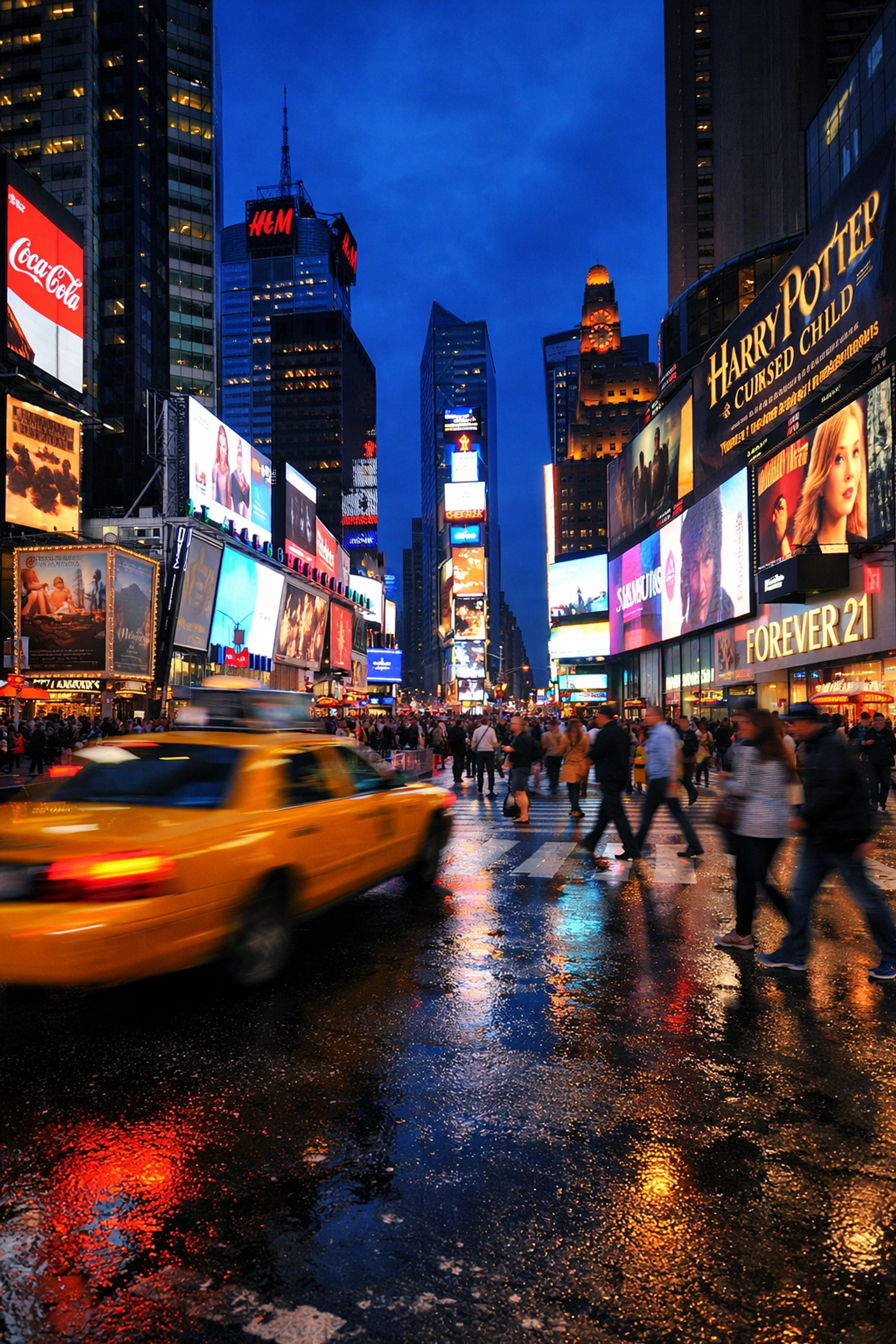
Architectural Icons: The Flatiron and Beyond
The Flatiron Building is perhaps the most unique subject for any architectural photographer. Located at the intersection of Broadway and Fifth Avenue, its triangular prow cuts through the air like a great stone ship. To get the shot that stands out, don’t just stand on the sidewalk. You should experiment with low angles, literally getting your lens close to the pavement: to emphasize the building's height and dramatic geometry.
By integrating these locations into your itinerary, you are setting yourself up for success. However, navigating NYC can be overwhelming. To save yourself hours of wandering and ensure you hit every secret spot at the perfect time, you need the New York City Photography Guide. This guide is your backstage pass to the city, providing GPS coordinates and insider tips that I have gathered over years of shooting.
The Waterfront Masterpiece: DUMBO and the Brooklyn Bridge
Crossing the East River takes you to Brooklyn, where the industrial history of the city meets modern luxury. DUMBO (Down Under the Manhattan Bridge Overpass) features one of the most famous NYC photo spots: the intersection of Washington Street and Water Street. From this vantage point, you can frame the Manhattan Bridge perfectly between two red-brick warehouses, with the Empire State Building peeking through the bridge’s steel legs in the distance.
Walking the Brooklyn Bridge itself is a rite of passage. To avoid the massive tourist crowds, you must arrive before the sun breaches the horizon. The wooden planks of the pedestrian walkway provide leading lines that propel the viewer's eye toward the Gothic arches. The tension of the steel cables against the morning sky offers a tactile, robust subject that defines New York’s strength.
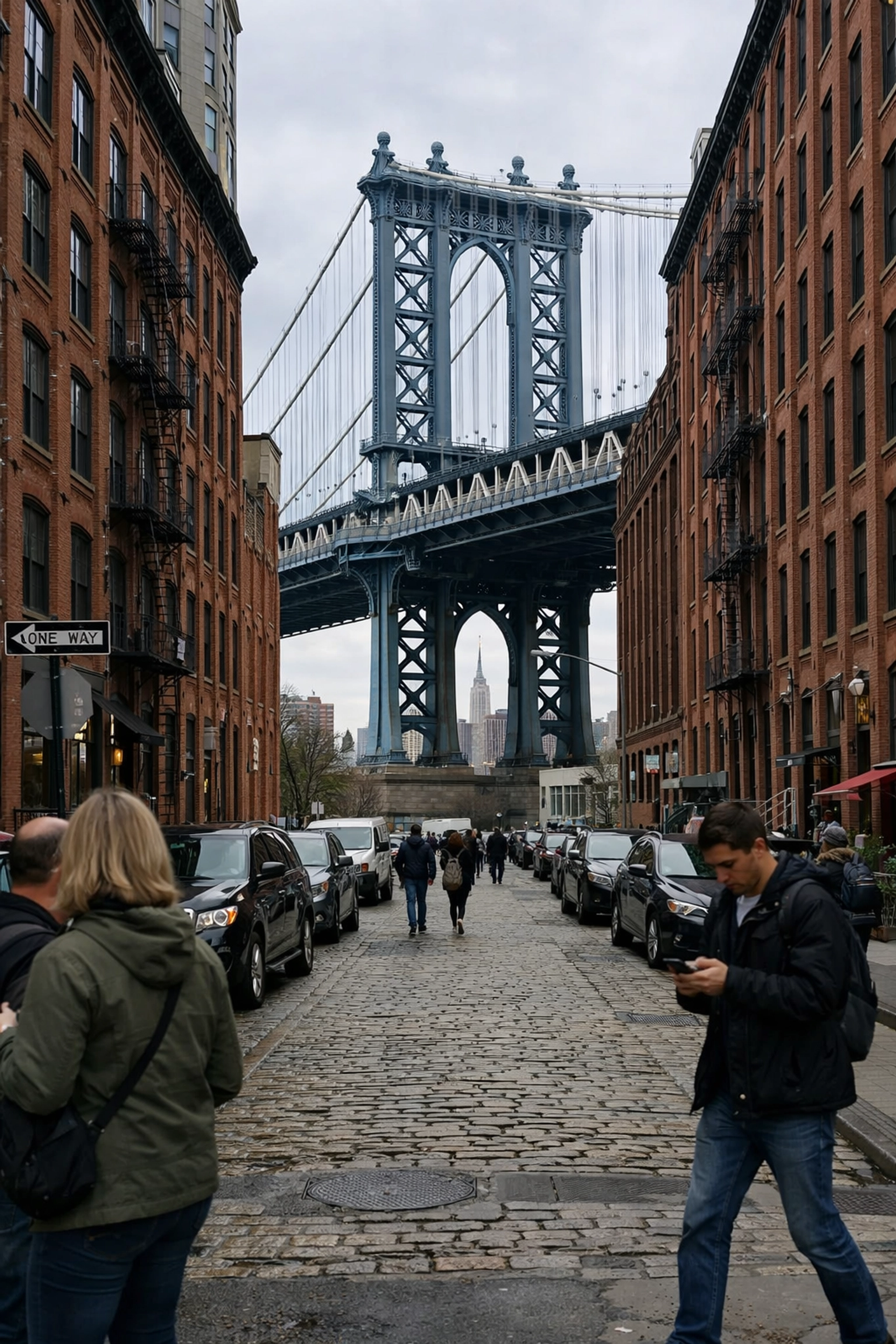
Why These Waterfront Spots Matter for Your Portfolio
- Dynamic Lighting: The reflection of the skyline in the East River doubles your visual impact.
- Textural Contrast: The mix of weathered brick, cold steel, and moving water creates a complex, rich image.
- Iconic Status: Images from these locations are highly sought after by collectors and galleries on Edin Chavez’s Blog.
Modern Marvels: The Edge and The Oculus
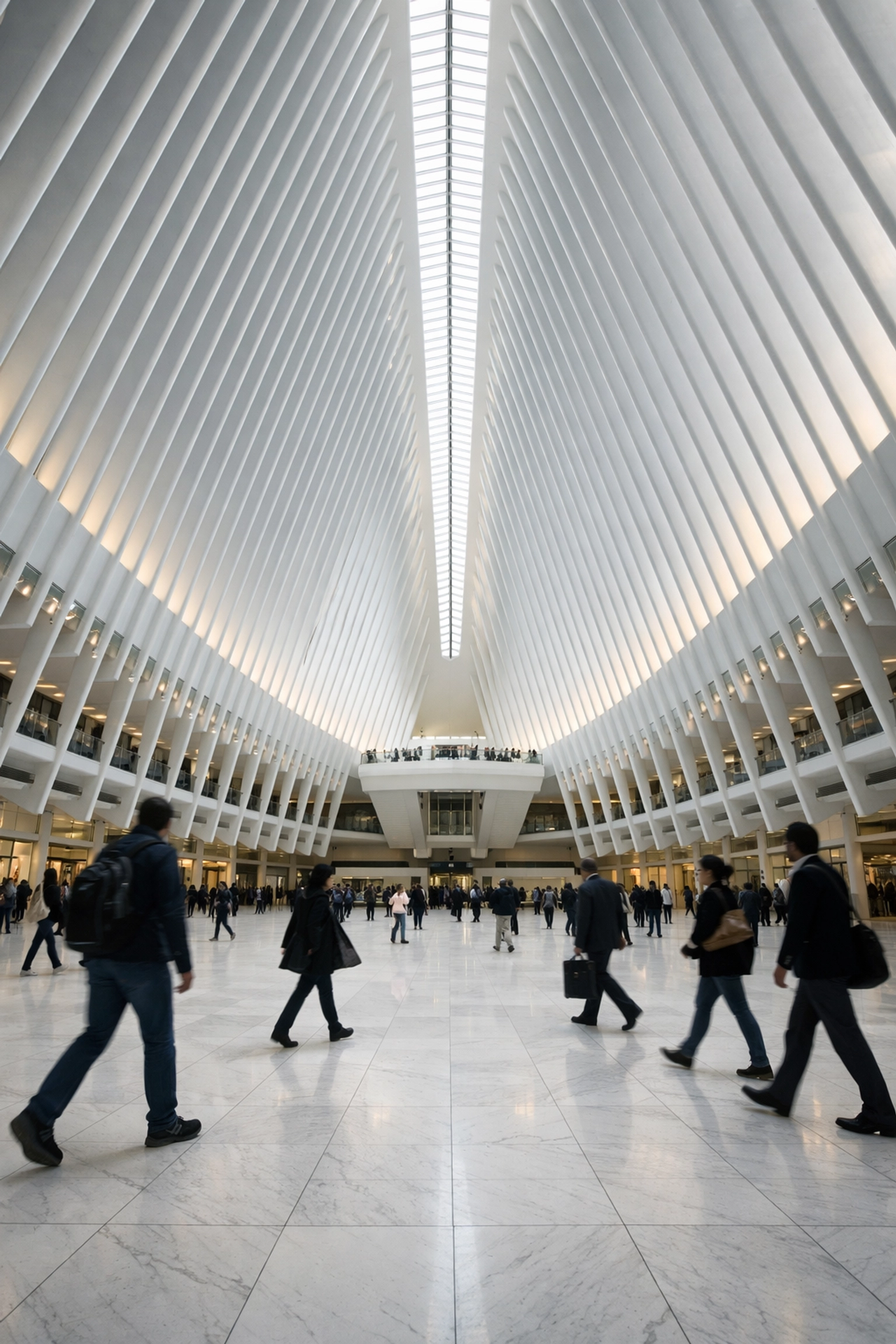
The architecture of New York is constantly evolving, and your photography should reflect that. The Oculus at the World Trade Center is a structural masterpiece that looks like a bird taking flight. Inside, the stark white ribs and symmetrical floor patterns provide a minimalist's dream. It’s a location where you can practice your "fine art" eye, focusing on shapes, shadows, and the play of light on white marble.
For a futuristic perspective, head to The Edge at Hudson Yards. As the highest outdoor sky deck in the Western Hemisphere, it offers a glass-floor experience that will test your nerves and reward your creativity. Looking down 100 stories provides a dizzying, ultra-realistic perspective of the city grid that few people ever get to see.
The Secret Perspective: Tudor City and West Village
Beyond the landmarks everyone knows, the "insider" NYC photo spots are what will truly elevate your work. The Tudor City Overpass in Midtown East is a hidden gem that offers a perfectly centered view of 42nd Street, with the Chrysler Building looming large. If you time your visit for "Manhattanhenge," you can capture the sun setting exactly between the skyscrapers, a phenomenon that happens only twice a year.
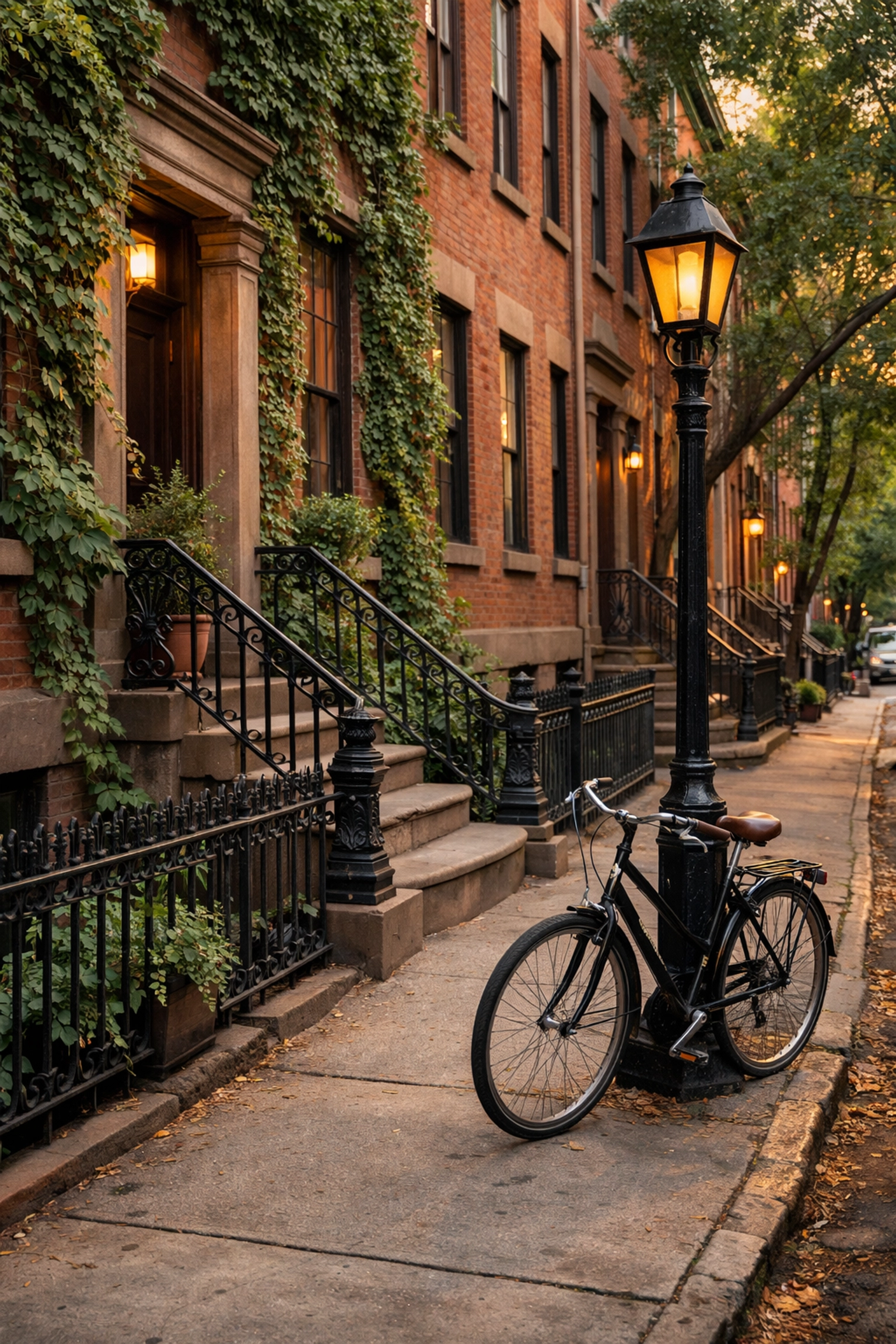
Meanwhile, the West Village offers a softer side of the city. Here, you can wander through quiet, tree-lined streets filled with historic brownstones and ivy-covered facades. This area is perfect for street photography, where the human scale of the architecture fosters a sense of intimacy that is often lost in Midtown.
Elevate Your Workflow: From Capture to Print
Once you have captured these incredible locations, your journey isn't over. The difference between a good photo and a piece of fine art often lies in the post-processing. To ensure your colors are as vibrant as the city itself, you should utilize professional tools that streamline your workflow. Using our Ultimate Lightroom Preset Collection allows you to apply the same aesthetic signatures used by top-tier professionals, giving your work a cohesive and polished look.
With these tools and locations at your fingertips, your potential is limitless. But remember, the city moves fast. Don't waste your precious time guessing where to go next. By downloading the New York City Photography Guide, you are investing in your craft and ensuring that every shutter click counts.
Hence, whether you are chasing the neon glow of Times Square or the quiet morning light on Bow Bridge, New York City is waiting for you to tell its story. Armed with the right knowledge, the best locations, and a passion for excellence, you are ready to capture the electric soul of the greatest city in the world. Check out more tips and inspiration on our main blog page and start planning your legendary NYC shoot today!
Just as the first sliver of light begins to bleed over the Sierra Nevada crest, you realize that Lake Tahoe isn't just a destination; it’s a high-stakes arena for landscape photographers. When you stand on the edge of the alpine wilderness at 6,225 feet, the difference between a mediocre snapshot and a fine-art masterpiece often comes down to where you planted your tripod an hour before the sun actually showed up.
Choosing the right Lake Tahoe photography locations for sunrise requires more than just looking at a map. You need to understand the way the light interacts with the granite boulders, the clarity of the water, and the specific orientation of the shoreline. Because the sun rises in the east, your best vantage points are almost exclusively on the California side of the lake, looking back toward the Nevada peaks.
In this guide, I’m going to break down the heavy hitters and the hidden gems so you can maximize your morning. Whether you’re looking for the iconic sweep of Emerald Bay or the rugged solitude of a rocky peak, this comparison ensures you make the right call before the "Alpenglow" disappears.
Why Sunrise is the Ultimate Time for Landscape Photography Lake Tahoe
While sunset gets all the glory from the tourists, sunrise is the professional’s playground. When you arrive at the lake at 5:00 AM, the water is frequently as smooth as glass: a phenomenon caused by the cool morning air suppressing the wind. This creates the mirror-like reflections that define world-class landscape photography Lake Tahoe shots.
Furthermore, the crowd factor is non-existent. You’ll find that the most popular spots, which are swarmed by midday, offer a sense of quiet reverence at dawn. This allows you the physical and mental space to compose your shot without someone’s selfie stick entering your frame. To truly elevate your post-processing game after a morning shoot, I highly recommend using the Ultimate Lightroom Preset Collection to bring out those subtle morning pastels and deep shadows.
1. Emerald Bay: The Undisputed King
Emerald Bay is, without a doubt, the most photographed location in the Tahoe basin, and for good reason. Located on the southwest corner of the lake, its east-facing orientation provides you with a front-row seat to the sun rising over the distant Nevada mountains.
The Composition
When you stand at the overlook, you are presented with a perfectly framed bay featuring Fannette Island right in the center. The teal-colored water contrasts sharply with the deep greens of the surrounding pines. As the sun rises, the light hits the peaks of the Desolation Wilderness behind you first, then slowly spills into the bay, turning the water into a glowing pool of liquid gold.
Logistics
- Accessibility: High. You can park at the Eagle Falls Trailhead overflow lot and walk right to the edge.
- Pro Tip: Arrive at least 45 minutes before sunrise. You want to capture the "blue hour" when the sky is a deep indigo and the lights of the distant shore are still visible.
If you want the full breakdown of every hidden angle at this spot, you need the Lake Tahoe Photography Guide. It covers exactly where to stand to get the island and the mountains in a single, balanced frame.
2. Eagle Rock: The Elevated Alternative
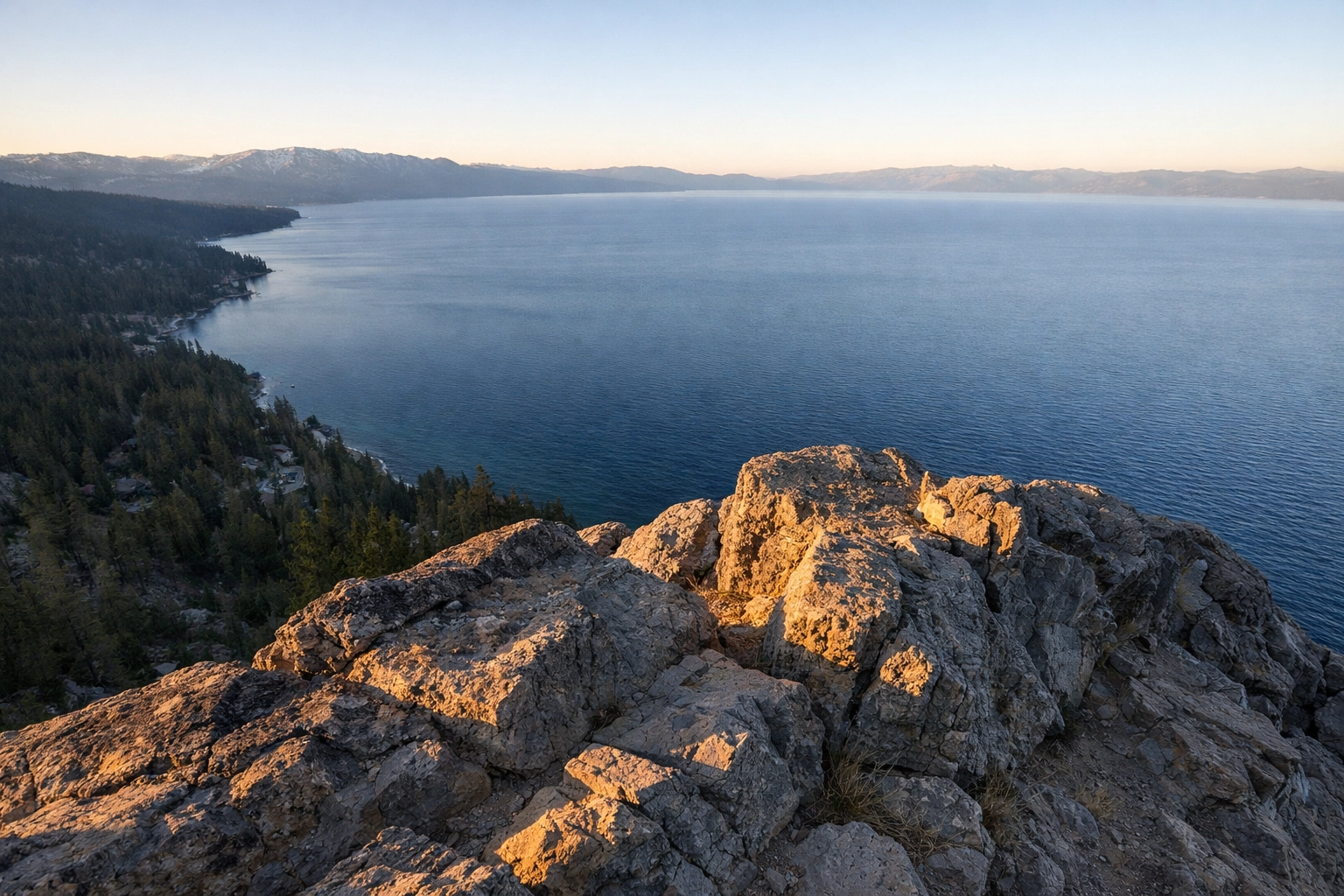
If you want to feel like you’re hovering over the lake, Eagle Rock is your spot. This is a massive volcanic outcrop located on the West Shore near Tahoe City. Unlike the lakeside spots, Eagle Rock gives you an aerial perspective that emphasizes the sheer scale of the lake.
The Experience
The hike is short: about 20 minutes: but it’s steep enough to get your heart rate up. Once you reach the summit, the world opens up. You have a 180-degree view of the water. At sunrise, the light hits the rock face directly, illuminating the craggy textures of the stone beneath your feet. It’s also a prime spot for wildlife; don't be surprised if a bald eagle or a peregrine falcon swoops past your lens as the thermals start to rise.
Why It Stands Out
- Solitude: You will often be the only person there.
- Texture: The ancient volcanic rock provides incredible foreground interest that you won't find on the sandy beaches.
3. South Lake Tahoe Pier: Maximum Accessibility
Not every morning requires a hike. Sometimes, you want to roll out of bed in South Lake Tahoe and be at your location in five minutes. The South Lake Tahoe Pier (often referred to as the Boathouse Pier) provides exactly that.
The Visual Payoff
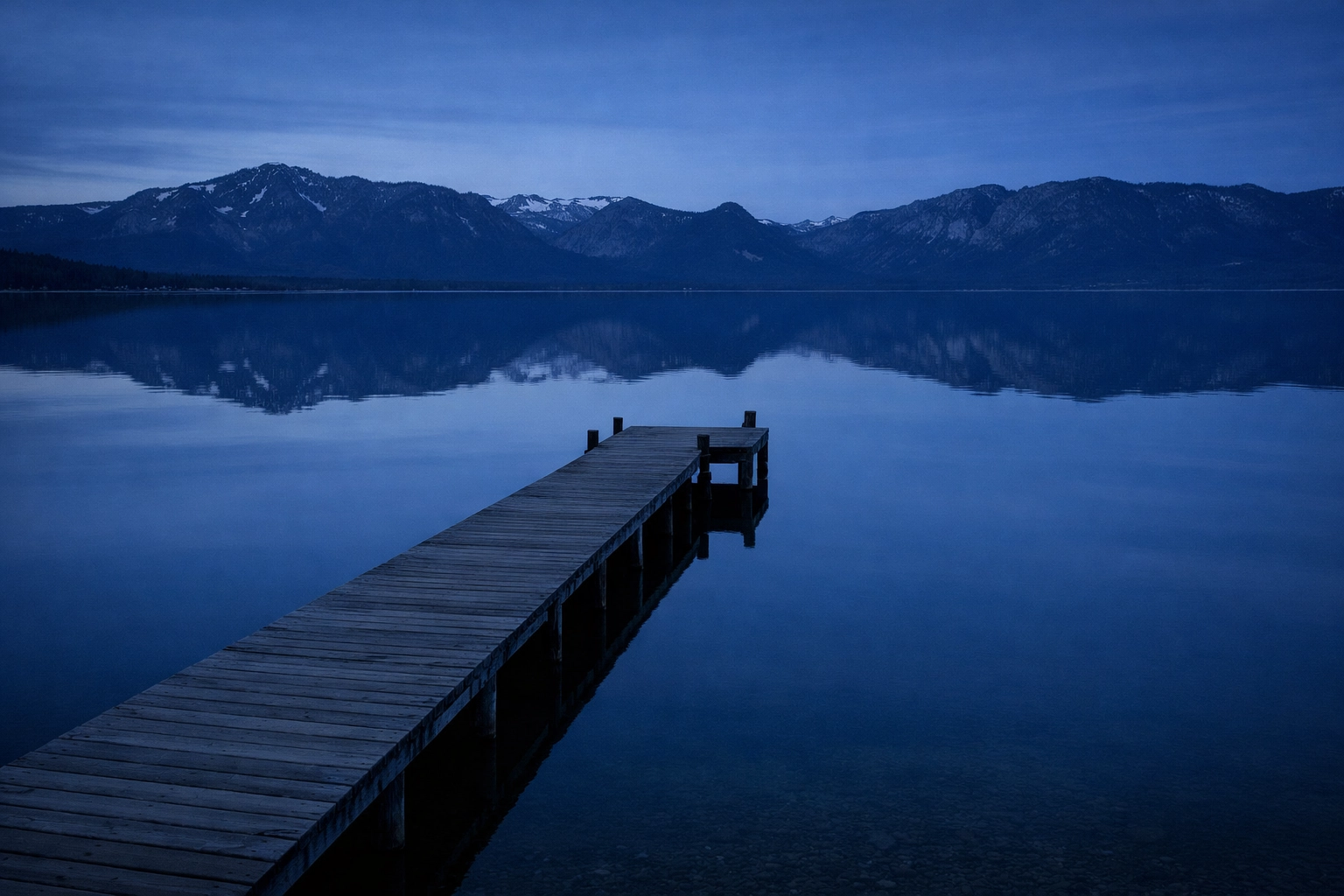
The pier offers a long, leading line that draws the viewer’s eye straight into the center of the lake. Because you are standing over the water, you get a unique perspective on the clarity of the lake. On a calm morning, the wooden planks of the pier and the distant mountains create a symmetrical composition that is incredibly satisfying.
Strategic Advantage
This location is perfect if you are traveling with gear that is too heavy for a long trek. You can set up your tripod on the solid wood of the pier and wait for the sun to crest the horizon. For more professional inspiration and to see how I've captured these scenes for my gallery, visit Edin Fine Art.
Comparing the Top Sunrise Spots
To help you choose the best photo spots Lake Tahoe offers for your specific style, I’ve put together this comparison table.
| Location |
Difficulty |
Foreground Interest |
Vibe |
| Emerald Bay |
Easy (Roadside) |
Fannette Island, steep cliffs |
Iconic, majestic, busy |
| Eagle Rock |
Moderate (Short hike) |
Volcanic rock, wide vistas |
Adventurous, solitary |
| South Lake Tahoe Pier |
Very Easy |
Leading lines of the pier |
Peaceful, accessible |
| Bonsai Rock |
Hard (Steep descent) |
Iconic rock with trees |
Technical, artistic |
Technical Tips for Your Lake Tahoe Sunrise
The light at 6,000 feet is thinner and crisper than at sea level. This means your sensor will pick up more detail, but it also means the dynamic range can be punishing.
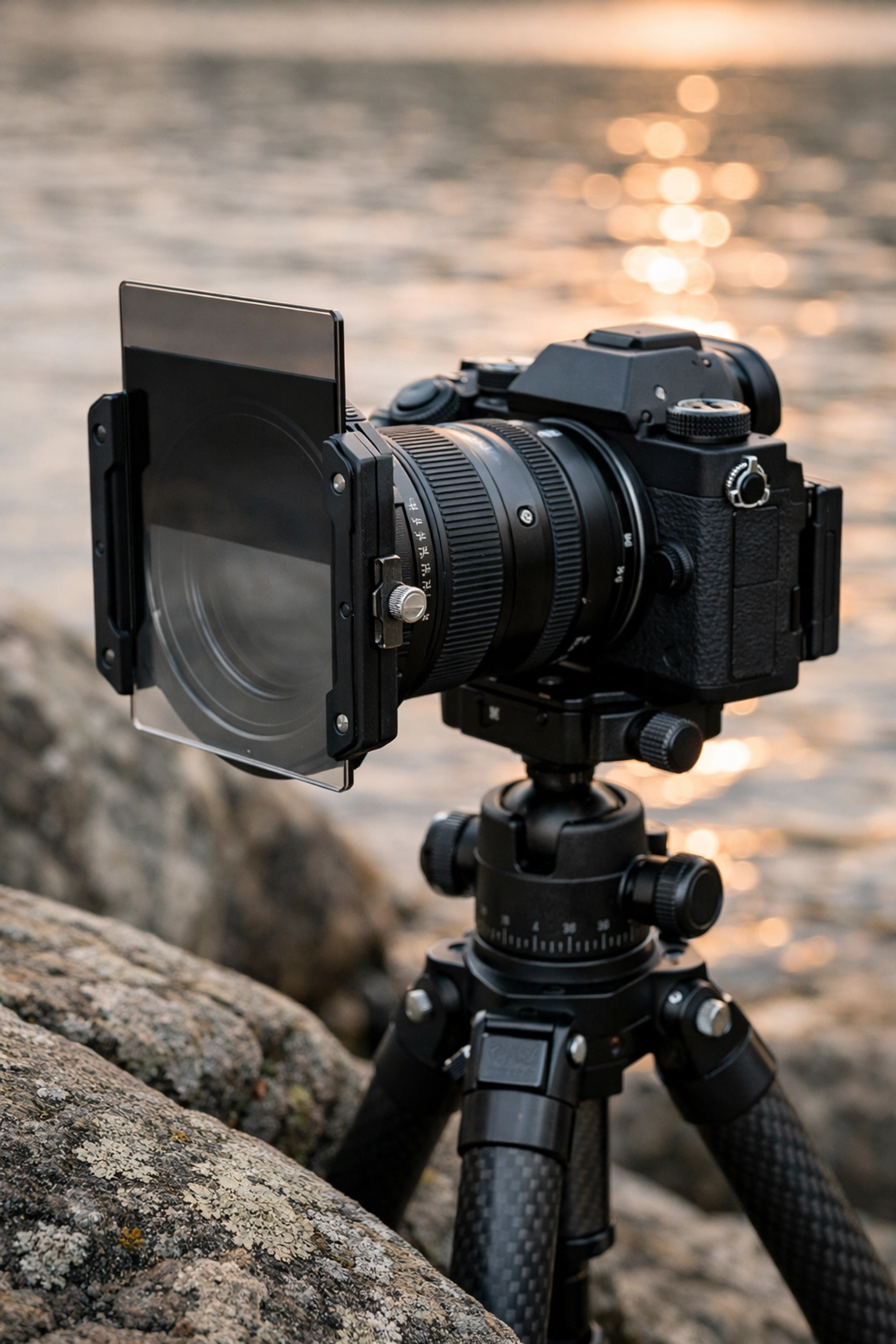
- Use a Graduated ND Filter: The sky will be significantly brighter than the water and the shadows of the mountains. A 3-stop soft-edged graduated neutral density filter ensures you don't blow out the highlights in the sky while trying to recover the shadows in the pines.
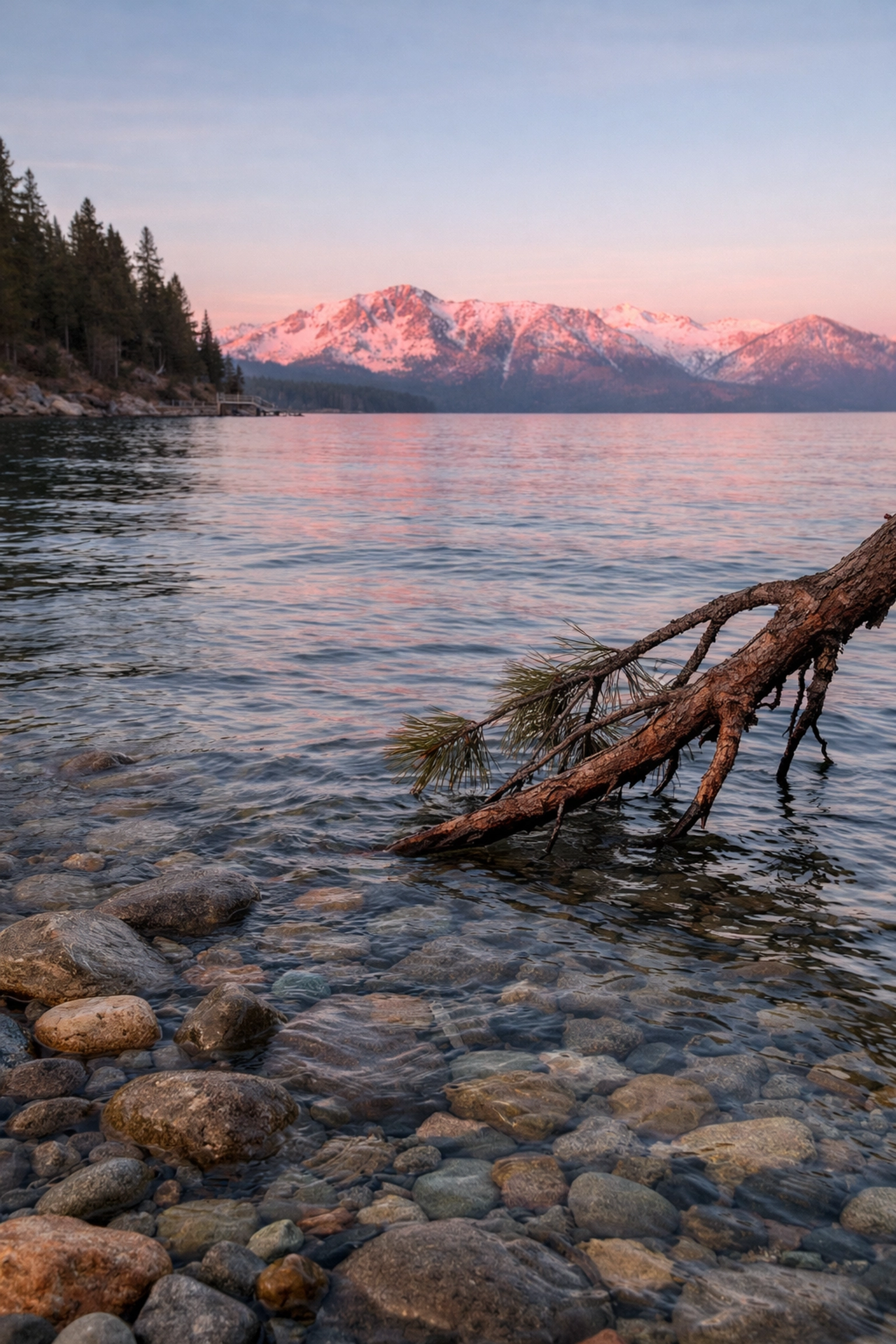
- Focus on the Foreground: In landscape photography, your foreground is what invites the viewer into the image. Whether it’s a pine branch at Emerald Bay or the weathered wood of the pier, ensure your foreground is tack-sharp.
- Check the Weather: Use an app like Clear Outside to check for high-level clouds. Total cloud cover will ruin your sunrise, but 20-30% high-level clouds will catch the light and turn pink and purple, creating a spectacular "burn."
For more professional tips on gear and advanced techniques, check out the resources at Edin Studios.
Why You Need a Local Guide
Lake Tahoe is massive. It takes over three hours just to drive around the perimeter, and many of the best spots are not marked on standard tourist maps. You can spend your entire trip hunting for locations, or you can go straight to the spots that produce results.
The Lake Tahoe Photography Guide is the result of years of shooting in the Sierras. It provides GPS coordinates, the best times of year for each spot, and specific gear recommendations. It is the shortcut to getting the shots you see in high-end galleries.
Compositional Strategies for the West Shore
When you are shooting from the West Shore (California side), you are looking East. This means you are shooting directly into the sun. To handle this:
- Bracket your exposures: Take three to five shots at different exposure levels and blend them in post-processing.
- Watch for Lens Flare: Keep your lens pristine. Even a tiny speck of dust will catch the direct sunlight and create a massive blob in your image.
- Look Behind You: Sometimes the best light isn't the sun itself, but the "glow" on the mountains behind you. As the sun rises in the East, it paints the western peaks in a deep crimson.
Final Thoughts on Your Sunrise Session
Choosing between Emerald Bay, Eagle Rock, or a South Lake pier depends entirely on the "story" you want to tell. Are you looking for the grand, iconic vista? Head to Emerald Bay. Do you want a rugged, high-altitude perspective? Eagle Rock is your winner. Do you want a clean, minimalist composition? The pier is calling.
No matter which you choose, the key is preparation. Lake Tahoe rewards the photographer who shows up early, stays late, and understands the nuances of the terrain.
For more in-depth articles on travel and photography, visit my blog. If you are ready to stop guessing and start shooting like a pro, grab the Lake Tahoe Photography Guide today and make your next trip to the mountains unforgettable.
With these spots in your arsenal, you are no longer just a tourist with a camera; you are a hunter of light. See you at the shoreline.
Just as a painter faces a blank canvas with a specific vision, your journey into fine art photography begins long before you press the shutter button. You aren't just documenting a scene; you are creating an emotional narrative. At Edin Chavez Photography, we believe that mastering this craft requires a blend of technical precision and a willingness to break the traditional rules of "correct" exposure to find something more profound.
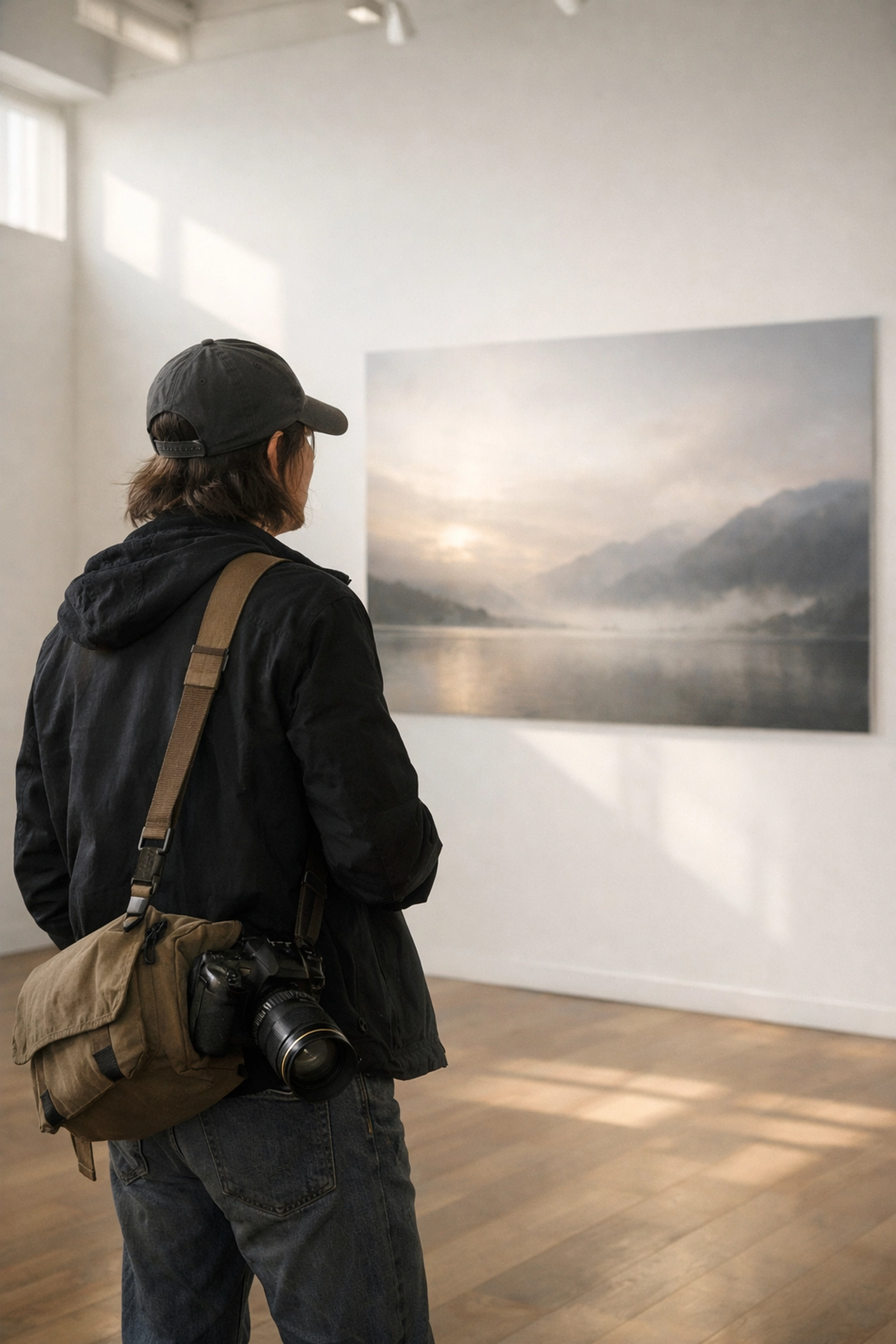
If you have ever looked at a photograph and felt like you were stepping into a dream, you have experienced ethereal photography. It is a style characterized by soft light, muted colors, and a sense of weightlessness. To achieve this, you must transition from being a photographer who takes pictures to an artist who makes them. Your perspective is your most valuable tool, and this guide provides the roadmap to elevating your work to a gallery-ready standard.
Defining Your Artistic Vision
Before you worry about your camera settings, you must define your conceptual framework. Fine art photography is distinguished from snapshots by its intent. You are communicating a message, an emotion, or a concept. Ask yourself: what story are you trying to tell?
When you browse the collections at Edin Fine Art, you will notice that every piece has a cohesive "soul." This consistency is what separates a hobbyist from a professional. Your vision propels the craft. You might find inspiration in the way light hits a building in New York or the mist over a coastal sunrise. The key is to start with a "why" before you decide on the "how."
Technical Foundations for Ethereal Photography
To capture those airy, otherworldly images, you need to master your manual settings. Ethereal photography often relies on "high-key" lighting: where the image is bright and contains few dark shadows: and a shallow depth of field.
1. Mastering Aperture for Depth
To get that "glow," you need a wide aperture. Using an f-stop like f/1.4 or f/2.8 allows more light into your sensor and creates a creamy, blurred background (bokeh). This separation between your subject and the background is essential for making your images feel like they are floating in space.
2. Shutter Speed and Motion Blur
While most photography guides tell you to keep your images sharp, fine art photography often encourages intentional motion blur. By using a slower shutter speed, you can turn crashing waves into a soft mist or moving clouds into a painterly streak. This technique adds a layer of surrealism that is central to the ethereal aesthetic.
3. The Power of Overexposure
Don't be afraid to push your exposure compensation to +1 or +2. In the world of dreamy photography, a slightly "blown out" highlight can actually enhance the mood, creating a halo effect around your subjects.
| Technical Element |
Ethereal Photography Effect |
Recommended Setting |
| Aperture |
Soft, blurred backgrounds and focus fall-off |
f/1.2 to f/2.8 |
| Shutter Speed |
Smooths motion and creates a sense of time |
1/30s or slower (use a tripod) |
| ISO |
Keeps the image clean and free of digital noise |
ISO 100 – 400 |
| White Balance |
Adds a cool or warm "dreamy" cast |
Custom or Shade (for warmth) |
Essential Gear for the Fine Art Photographer
While your vision is paramount, your equipment acts as the conduit for that vision. You don't need the most expensive camera on the market, but you do need the right tools to execute specific techniques.
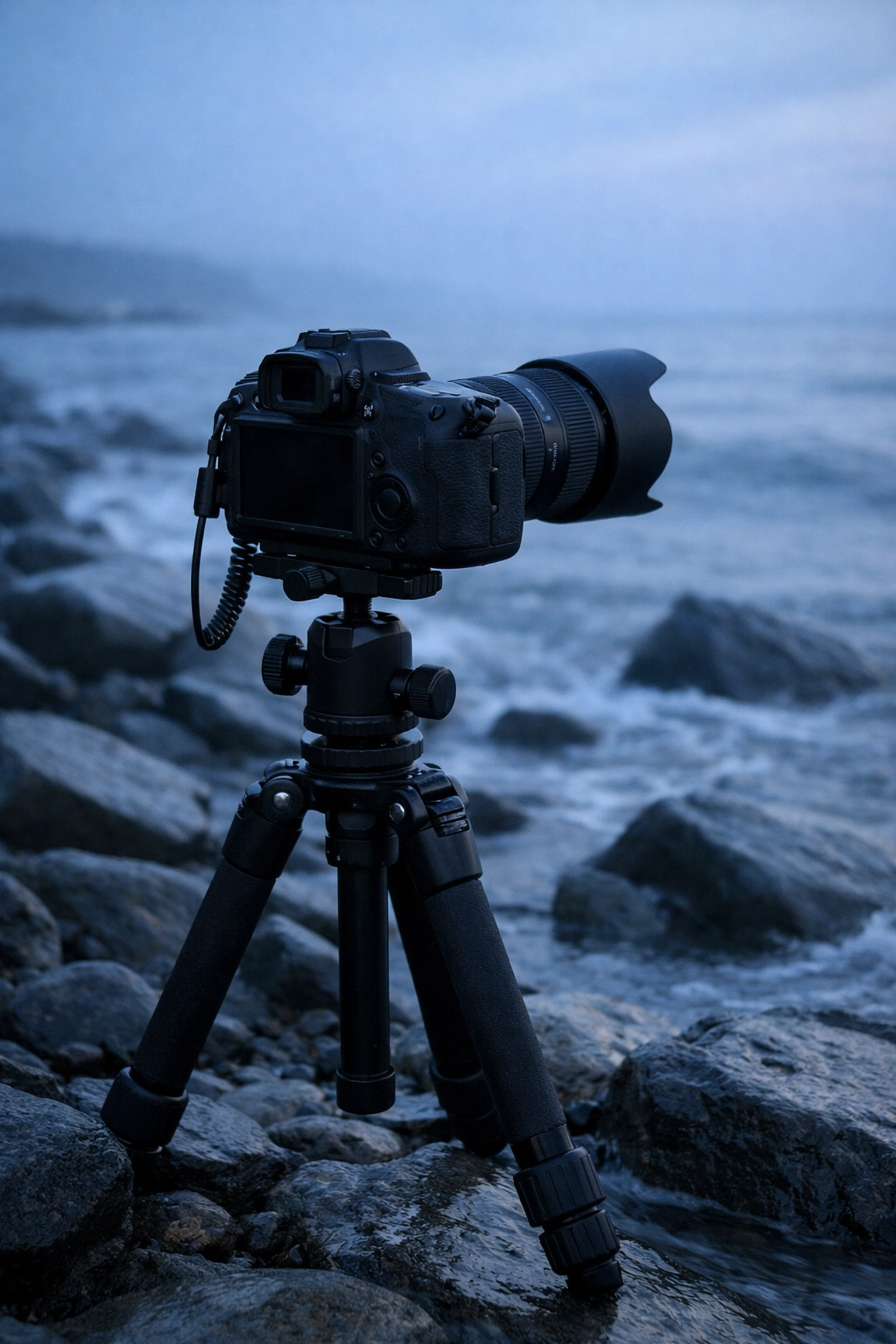
- A Solid Tripod: Essential for long exposures. If you are exploring the best photography spots in Miami, a tripod allows you to capture the Atlantic's movement with precision.
- Prime Lenses: Lenses with a fixed focal length (like a 35mm or 50mm) often offer wider apertures than zoom lenses, which is vital for achieving that ethereal bokeh.
- Neutral Density (ND) Filters: These act like sunglasses for your lens, allowing you to use slow shutter speeds even in broad daylight.
If you are just starting and want to see how these tools work in the field, I highly recommend looking into a private Miami photography tour. Seeing a professional work through these settings in real-time will accelerate your learning curve.
Dreamy Photography Editing: The Secret Sauce
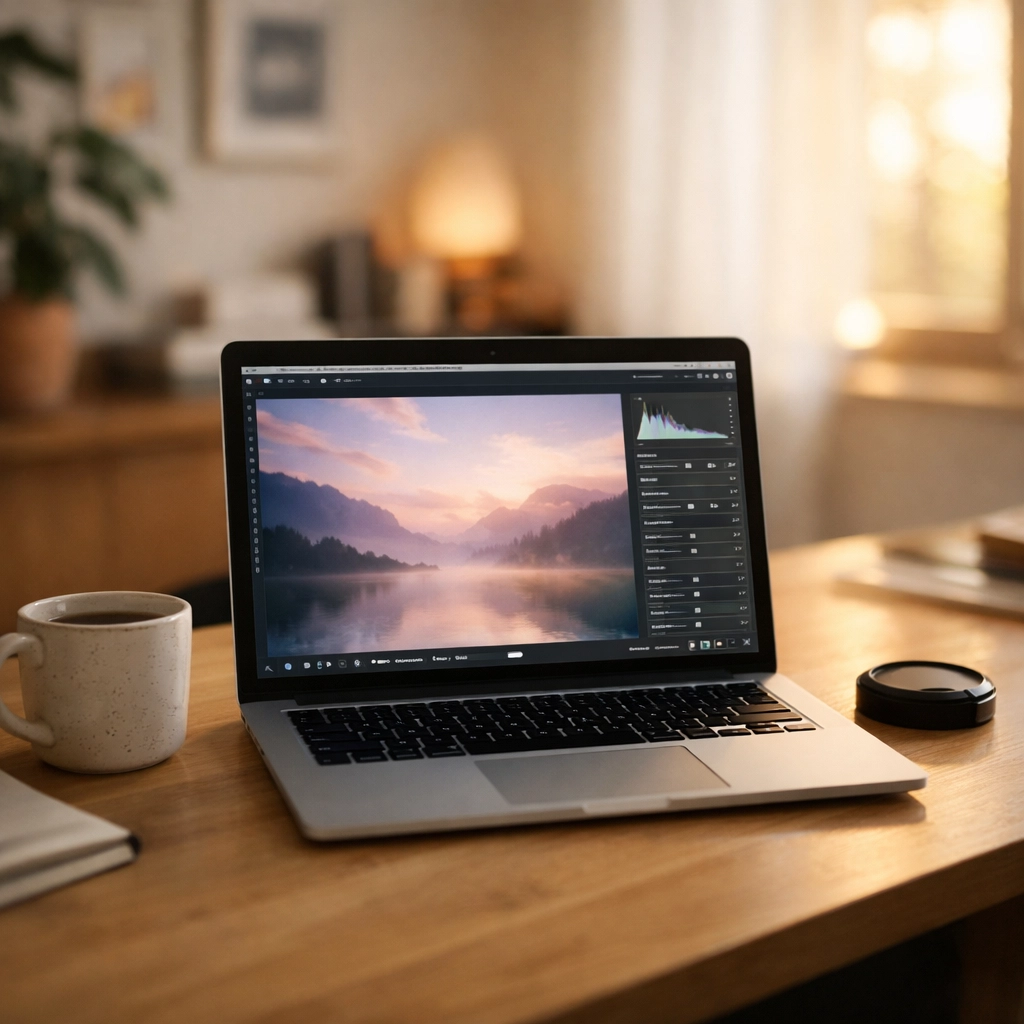
The magic of fine art photography often happens during post-processing. Your RAW file is just the beginning; the "dream" is built in Lightroom or Photoshop. Dreamy photography editing isn't about slapping on a filter; it's about delicate adjustments to light and color.
To achieve a professional ethereal look, focus on these three pillars:
- Reduce Contrast and Clarity: Lowering the "Clarity" and "Dehaze" sliders in Lightroom creates a soft, foggy look. It smooths out skin tones and architectural edges, giving the image a romantic feel.
- Color Grading: Ethereal shots often favor a limited color palette. Think pastels: pinks, soft blues, and mint greens. Use the HSL (Hue, Saturation, Luminance) panel to desaturate harsh colors and shift them toward more harmonious tones.
- The "Orton Effect": This is a classic fine art technique that involves layering a sharp version of an image with a blurred, overexposed version. The result is a photograph that seems to glow from within.
If you want to achieve these results instantly, you should use the Ultimate Lightroom Preset Collection. It’s designed specifically to give your images that polished, high-end fine art look without the hours of manual tweaking.
Case Study: Ethereal Coastal Landscapes
Miami provides the perfect backdrop for practicing these skills. Between the turquoise waters and the neon-lit Art Deco architecture, you have endless opportunities to experiment. If you are planning a shoot, grab our Miami self-driving photography guide to find the most secluded spots where you can set up your tripod and wait for the perfect light.
Imagine shooting at South Beach during the blue hour. By using a 30-second exposure and a soft color grade, you can transform a busy beach into a silent, hauntingly beautiful landscape. This is the essence of ethereal photography: taking the reality everyone sees and turning it into a world only you can imagine.
Building a Cohesive Body of Work
One of the biggest mistakes beginners make is producing a portfolio of unrelated "great shots." In the professional fine art world, curators and collectors look for a series. This means your images should look like they belong together.
Consistency is key. Whether it’s your choice of lighting, your specific style of dreamy photography editing, or your subject matter, there should be a thread that connects every photo. This is why many artists spend years on a single project, like documenting the changing light of the Florida Everglades. If you're heading that way, don't forget to check out our Everglades photography guide to help you navigate that unique environment.
Advanced Tips for Growth
- Study the Masters: Don't just look at other photographers. Look at Impressionist painters like Monet. See how they used light and color to suggest form rather than defining it with harsh lines.
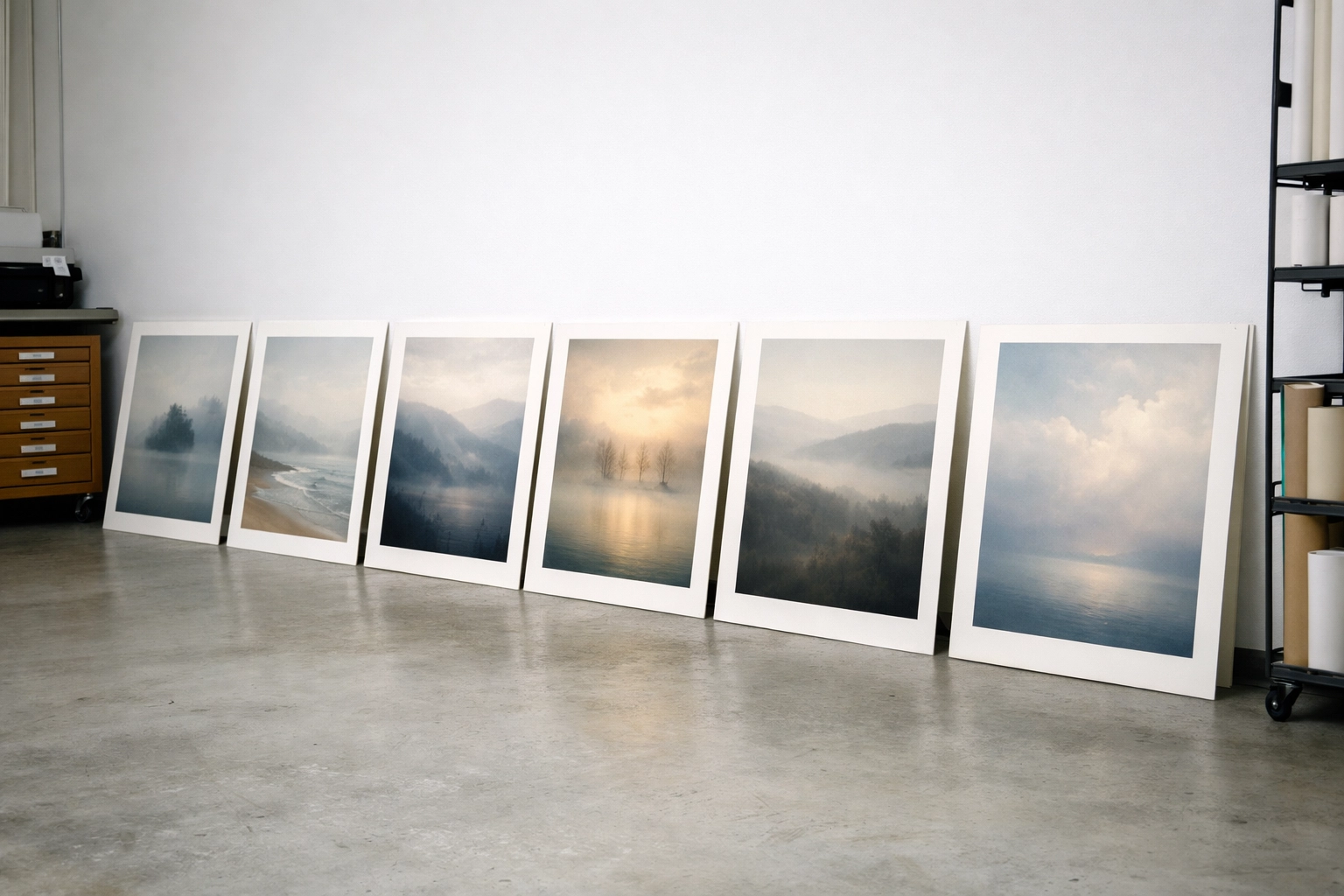
- Print Your Work: You haven't truly seen your photography until it’s on paper. Printing your work reveals flaws you won't see on a screen and helps you understand the texture of your images. Check out the Edin Studios resources for more on the professional side of the industry.
- Shoot in "Bad" Weather: Fog, rain, and mist are your best friends for ethereal photography. They provide natural diffusion that no software can perfectly replicate.
Conclusion: Your Journey Starts Here
Mastering fine art photography is a lifelong pursuit of learning how to see. It’s about more than just gear; it’s about the courage to express your unique perspective through your lens. By focusing on technical skills like long exposures and wide apertures, and refining your eye through dreamy photography editing, you empower yourself to create work that truly resonates.
Whether you are exploring the streets of a new city with our New York City photography guide or capturing the serene beauty of Lake Tahoe, remember that every shot is an opportunity to refine your voice. Keep experimenting, keep breaking the rules, and most importantly, keep creating.
For more tutorials, gear reviews, and inspiration, stay tuned to the Edin Chavez Photography Blog. Your evolution from a beginner to a master of the ethereal starts with the very next frame you capture.


