
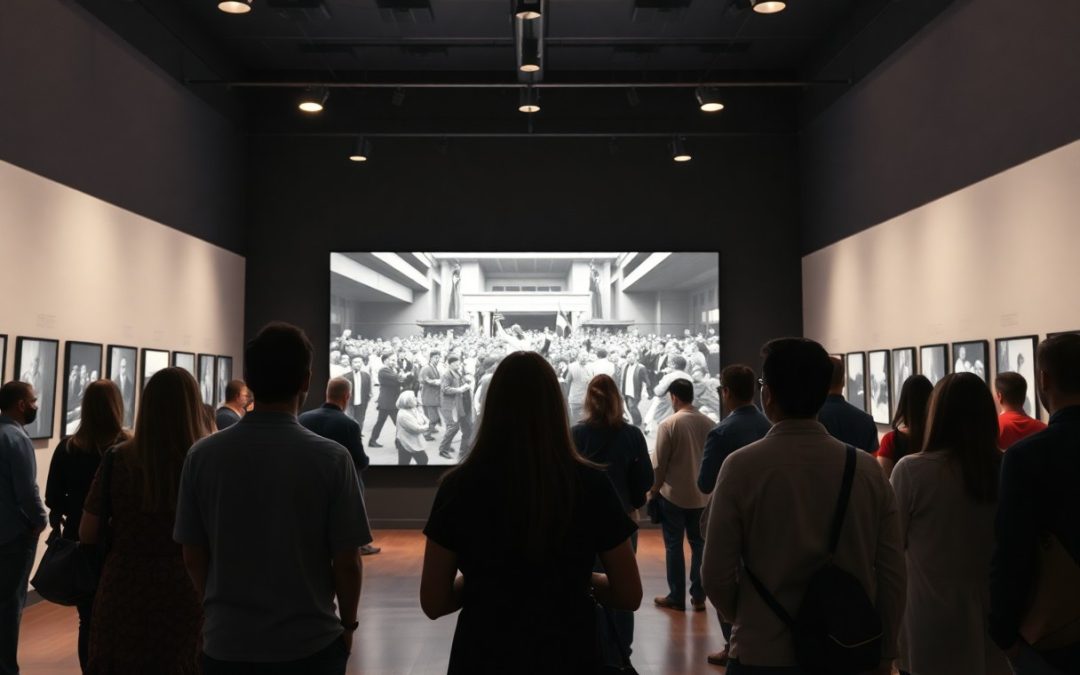
Photographs serve as powerful storytelling tools, capturing moments that resonate across generations. In this post, you will explore iconic images that not only defined their era but also influenced societal change and perceptions worldwide. From the haunting scenes of war to moments of joy and unity, these photographs have left an indelible mark on history. As you investigate into their stories, you’ll gain insight into the contexts and emotions behind these images, enriching your understanding of their lasting impact on our collective consciousness.
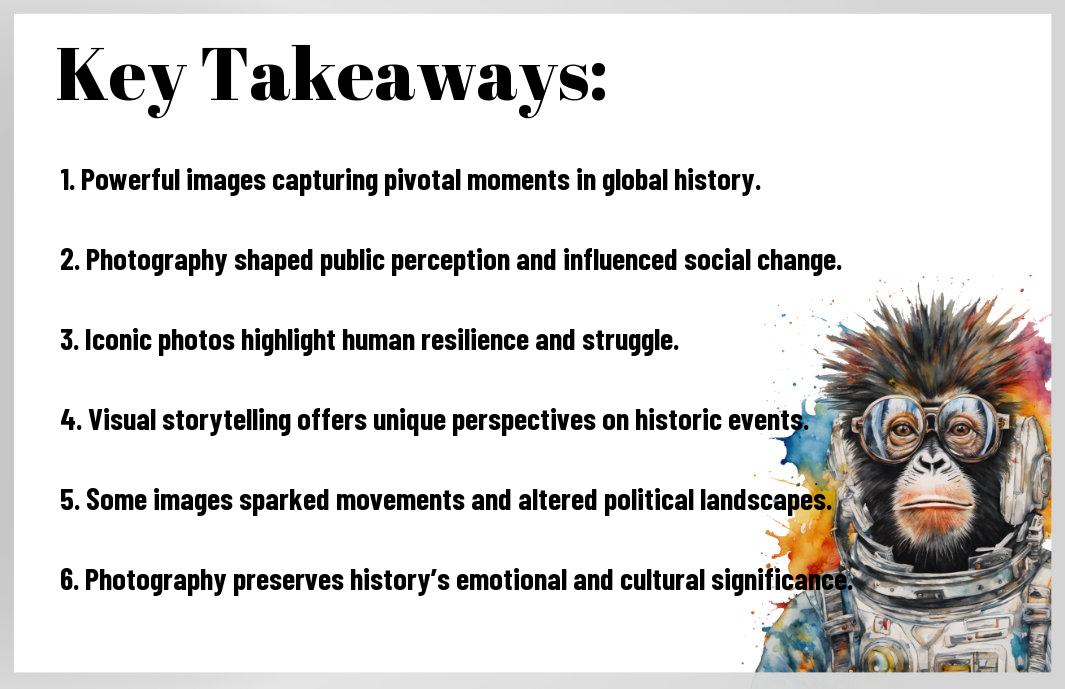
Pivotal Moments Captured: The Photographs That Defined Eras
Your understanding of history can shift dramatically with a single photograph. These images not only capture pivotal moments but also evoke emotions and prompt action, encapsulating the essence of their respective eras. From social justice movements to global conflicts, the power of a compelling image often transcends language, leaving lasting impressions on society and prompting dialogue for generations ahead.
The Streets of Protest: Iconic Images of Civil Rights Movements
Moments frozen in time carry the weight of human emotion, evoking empathy and understanding that transcends language and culture. Through photography, you witness the raw, unfiltered experiences of others, allowing you to forge connections that can inspire action and change. Iconic images resonate on a visceral level, reminding you of our shared humanity, illuminating pain and joy alike, and urging you to reflect on your role within the broader tapestry of life.
Faces of Suffering: Photographs That Inspired Global Action
Photographs depicting human suffering often serve as catalysts for global change, igniting a sense of urgency that prompts action. Images such as Kevin Carter’s haunting photo of a vulture waiting next to a malnourished child or Nick Ut’s iconic image of a burning girl fleeing the Vietnam War starkly illustrate the plight of those affected by conflict and crisis, compelling viewers to confront uncomfortable truths and inspiring humanitarian efforts worldwide.
Celebrating Humanity: Images that Transcended Conflict
Beyond the despair of conflict, certain photographs celebrate the resilience and unity of humanity. Iconic images like “The Kiss” captured on V-J Day in Times Square showcase moments of joy, reminding you that love and hope can prevail even in the darkest times. These powerful visuals not only document history but also offer a glimpse into the enduring spirit of the human experience, urging you to find common ground and foster understanding amidst division.
War-torn regions have frequently birthed images that elevate shared human experiences over discord. Consider the photograph of the young boy and girl united in a tender embrace, despite their war-torn backdrop. This moment not only encapsulates innocence amidst chaos but also stirs a deep emotional response, showcasing how love can bridge even the widest of divides. By capturing fleeting yet profound moments that highlight compassion, these images serve as reminders that, despite our differences, we are united by fundamental emotions and values. Through this lens, you can see a vision of peace and connection waiting to be nurtured, encouraging dialogue and understanding that transcends borders.
The Role of Photography in Shaping Historical Narratives
Photography transcends mere imagery, acting as a dynamic force in shaping our historical narratives. Each photograph encapsulates a moment in time, conveying emotions and truths that words alone often struggle to express. Your understanding of historical events is often influenced by these visual representations, highlighting specific perspectives and fostering empathy towards experiences that might otherwise remain unknown. Through this visual medium, narratives around wars, social movements, and cultural milestones have been solidified, guiding public perception and understanding through the years.
Framing the Story: How Iconic Images Influenced Media Coverage
Iconic photographs like “Tank Man” and “Napalm Girl” have not only altered public perception but also transformed media coverage of events. These images captivate audiences, provoking emotional responses that influence journalists and editors in their storytelling decisions. Your reaction to these powerful visuals ultimately shapes the discourse around the associated events, compelling news organizations to prioritize such imagery, thereby steering the narrative in a specific direction. This interplay between journalism and photography creates a cycle where impactful images can dictate the focus of media narratives.
Behind the Scenes: Photographers Who Changed the Historical Narrative
Many photographers have wielded their cameras as instruments of change, highlighting injustices and documenting critical moments in history. For instance, the iconic work of Dorothea Lange during the Great Depression brought the hardships of American families into sharp focus, catalyzing public empathy and government responses. Similarly, the haunting images from the Vietnam War captured by photojournalists like Nick Ut profoundly shifted American sentiment, playing a vital role in shaping opinions and policies toward the war. Your engagement with these powerful visual narratives underscores their significance beyond the frame.
The Intersection of Technology and Photography: Evolution of Impact
Technological advancements have continually shaped the photography landscape, transforming not just how images are captured but also their societal influence. From the invention of the daguerreotype in the early 19th century to today’s smartphone cameras, each leap in technology has broadened access to photographic expression. This evolution has empowered individuals to capture their realities and share them globally, often sparking movements and altering public perception in ways previously unimaginable.
From Film to Digital: How Advancements Changed the Game
The transition from film to digital photography has revolutionized your experience as both a photographer and a viewer. Digital techniques have drastically reduced the cost and time involved in taking and sharing photos. With the ability to instantly view and edit images, you can experiment like never before, capturing spontaneous moments that may have otherwise been lost to time.
Social Media’s Role in Popularizing Influential Imagery
Social media platforms have fundamentally transformed how influential images reach the public. By providing a space where almost anyone can share their photos, these platforms enable powerful visuals to go viral, impacting culture and society in almost real-time. You can witness this phenomenon during events like protests, where images shared online can galvanize support and raise awareness across the globe.
The ability to share images instantly with a vast audience has democratized photography, allowing everyone to be both a creator and a consumer. For example, during the Arab Spring, countless citizen journalists utilized smartphones and social media to document and disseminate their experiences, leading to global awareness of their struggles. This form of storytelling has elevated pivotal moments in history, transforming how you view and engage with social issues. Platforms like Instagram and Twitter serve not only as galleries but as catalysts for change, showcasing images that inspire dialogue, solidarity, and action around critical topics. You now have a front-row seat to history in the making, with the power to amplify voices that once went unheard.
Lessons from the Past: What Iconic Photographs Teach Us About Communication
Iconic photographs serve as potent reminders that communication transcends language and cultural barriers. They encapsulate complex emotions and narratives, compelling viewers to confront societal issues, take action, and engage in dialogue. Through a single image, you can evoke powerful responses that words often fail to capture, illustrating how visual communication shapes perceptions and fosters understanding. Each photograph tells a story, urging you to explore deeper into its context and significance, thereby enhancing your awareness of the world around you.
The Art of Visual Storytelling: Techniques for Captivating Audiences
Engagement begins with the techniques you use in visual storytelling. Elements such as composition, lighting, and color can dramatically shift a viewer’s emotional landscape. Consider how iconic photographers like Ansel Adams utilized stark contrasts to convey the majesty and edginess of nature, pulling you into his world. By studying these techniques, you can learn to craft images that not only captivate but also resonate with your audience on a profound level.
Ethics in Photography: Balancing Truth with Sensitivity
Navigating the moral landscape of photography involves a delicate balance between authenticity and empathy. You’re challenged to capture the essence of a moment while being mindful of the people and situations involved. Sensitivity plays a crucial role; a powerful image shouldn’t exploit suffering but instead invite compassion and awareness.
Ethical photography can be particularly challenging in times of conflict or crisis. Consider the iconic image of the “Napalm Girl” from the Vietnam War, which sparked vital conversations about the impact of war on innocent lives. As you capture or share images, reflect on the intent behind your work. Strive to tell stories that respect the dignity of subjects while pushing for social change. This balance ensures that your photography achieves not only visibility but also meaningful engagement with the audiences you aim to reach.
To wrap up
Drawing together the powerful narratives behind iconic photographs, you can appreciate how these images have shaped public consciousness and influenced societal change. Each photograph not only captures a moment in time but also serves as a testament to human resilience and the complexities of history. As you reflect on these frames, consider how they resonate with your own understanding of the world, prompting you to engage more deeply with the events and stories that have defined our collective past.


