
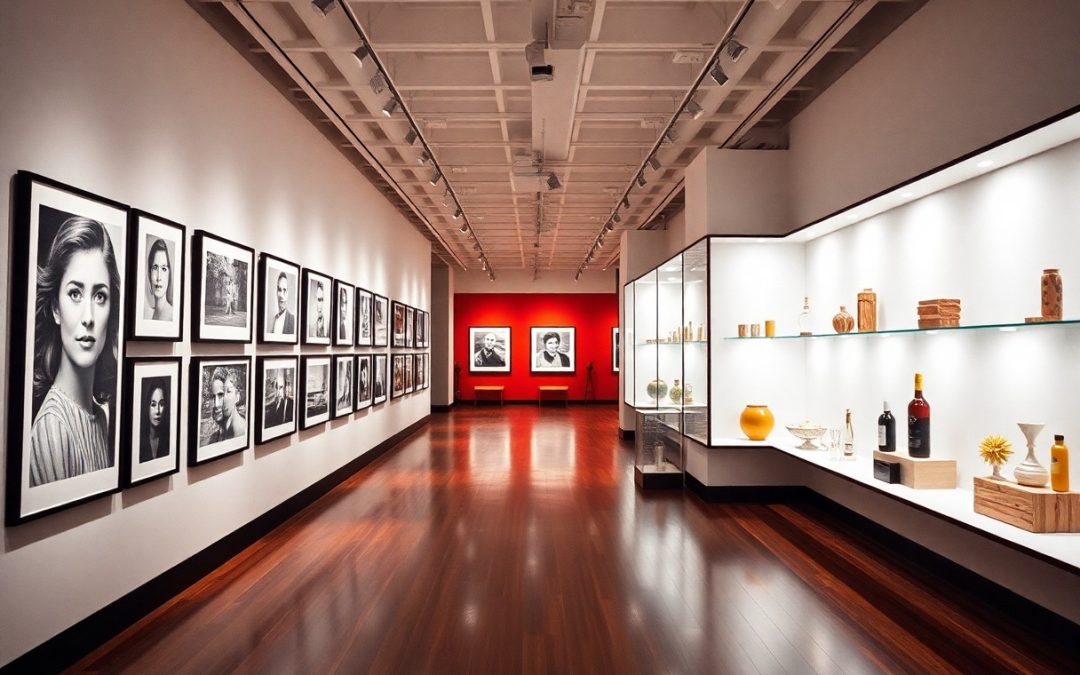
With a clear understanding of the distinctions between fine art photography and commercial photography, you can better appreciate the intentions and techniques behind each genre. Fine art photography emphasizes personal expression and artistic vision, often aiming to evoke emotions or provoke thought. In contrast, commercial photography focuses on serving specific client needs, such as promoting products or services. By recognizing these differences, you can enhance your engagement with both art forms and make informed choices in your own photography pursuits.
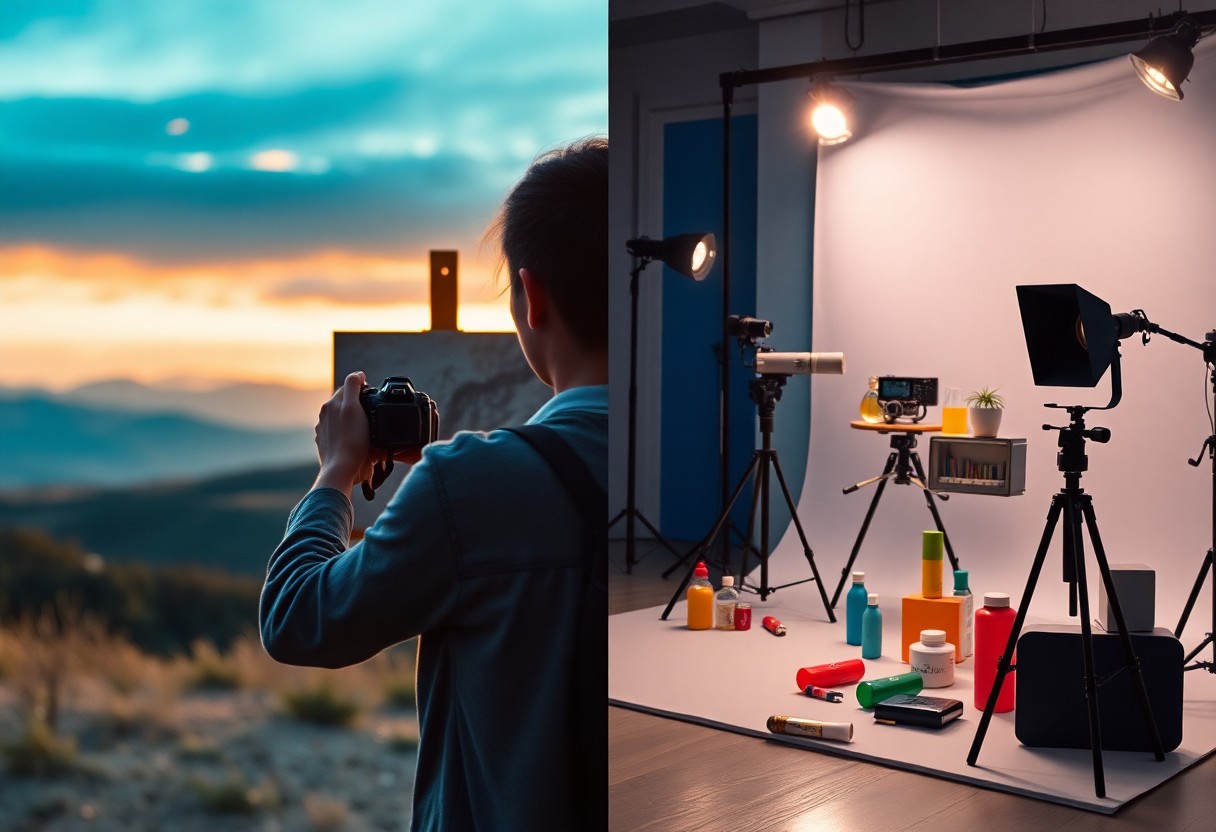
Key Takeaways:
- Fine art photography focuses on the photographer’s artistic vision and expression.
- Commercial photography aims to sell products or services, serving specific client needs.
- Fine art photography often involves conceptual themes and personal messages.
- Commercial photography prioritizes clarity, practicality, and market appeal.
- Fine art works are typically displayed in galleries or exhibitions, elevating their artistic value.
- Commercial photography commonly includes advertising, fashion, and product shoots.
- Legal permissions and licenses are more critical in commercial photography compared to fine art.
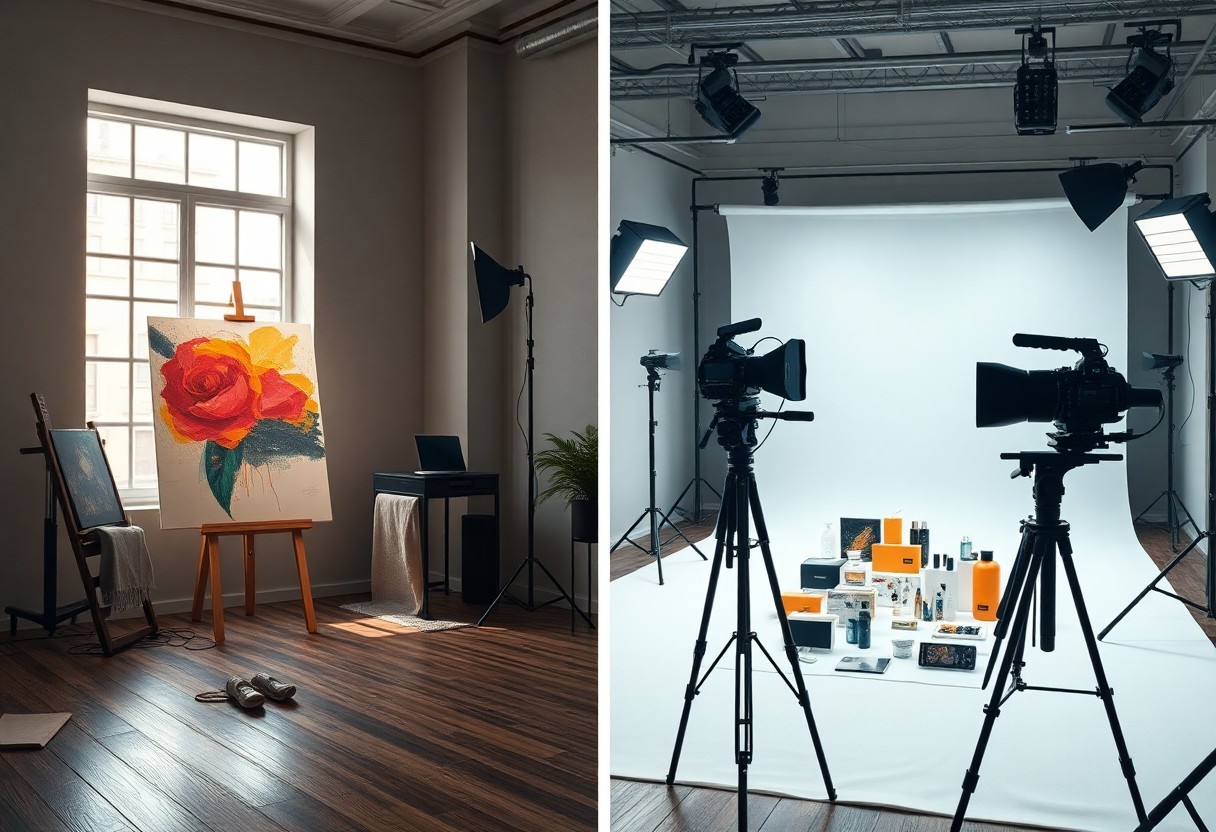
Definition of Fine Art Photography
Fine art photography represents an intersection of artistic expression and visual storytelling, focusing on the photographer’s personal vision rather than commercial viability. Each image is conceived as a standalone work of art intended to convey emotions or provoke thoughts. Unlike other photography forms, the primary aim is not to document reality but to express an idea, concept, or aesthetic that resonates with you and others on a deeper level.
Characteristics of Fine Art Photography
Fine art photography is characterized by its emphasis on creativity and individual interpretation. It often includes elements such as unique compositions, deliberate use of light and shadow, and stylized techniques that highlight the photographer’s artistic intent. You may notice a range of subjects, from abstract forms to conceptual themes, often inviting you to engage with the work on a personal level, evoking feelings or reflections that transcend mere visual representation.
Purpose and Intent
The purpose of fine art photography lies in the exploration of themes, concepts, and emotions, serving as a medium for personal expression and artistic commentary. This genre invites you to investigate into the photographer’s thoughts, encouraging introspection or sparking dialogue about societal issues, identity, or nature. Works often reflect a deliberate choice of subject matter, color schemes, and compositions that challenge perceptions or evoke emotional responses, making each piece a unique narrative.
In fine art photography, the intent behind the creation is pivotal. You may find that the artist often seeks to communicate something profound, whether it’s *revelation* about human existence or *exploration* of abstract concepts. For example, an artist may use darkness and light to depict the struggle between hope and despair, compelling you to confront your own emotions. Through careful selection of themes and styles, fine art photography becomes an extension of the artist’s voice, projecting personal insights or cultural critiques directly to you, the viewer.
Definition of Commercial Photography
Commercial photography refers to images captured specifically for commercial purposes, such as advertising, marketing, or corporate needs. These photographs are created to promote products, services, or brands, often tailored to meet the specific demands of businesses. You might encounter this type of photography in magazines, billboards, and online advertisements, where the aim is to capture the viewer’s attention and drive sales.
Characteristics of Commercial Photography
Distinctive features of commercial photography include a focus on composition, lighting, and staging to create eye-catching visuals. This genre often involves meticulous planning and collaboration with clients to achieve a specific vision. You may notice the use of professional models, props, and locations that enhance the appeal of the product or service being advertised.
Purpose and Intent
The primary purpose of commercial photography is to facilitate marketing and sales efforts. By generating visually appealing content, you can connect products to target audiences effectively. This genre aims to elicit an emotional response, encouraging customers to make purchasing decisions based on your imagery.
Emphasizing your brand’s identity is key in commercial photography, where every image conveys a story tailored to your audience. Whether it’s lifestyle photography that showcases your product in use or product photography that highlights key features, each photograph is created with a strategic intent. High-quality visuals can increase engagement by up to 94%, proving that impactful imagery directly influences consumer behavior. This type of photography not only showcases your offerings but also builds trust and represents your brand ethos in a way that resonates with potential customers.
Key Differences Between Fine Art and Commercial Photography
Understanding the distinctions between fine art and commercial photography reveals not just aesthetic differences but also diverging intentions and outcomes. Fine art photography prioritizes personal expression, often emphasizing conceptual themes and emotional depth. In contrast, commercial photography targets specific market needs, focusing on visual appeal that drives consumer behavior and promotes products or services. Both forms possess unique attributes that cater to different audiences and professional goals.
Audience and Market
Your audience significantly influences your photography style. Fine art photography attracts collectors, galleries, and individuals seeking personal connections to art, often valuing creativity over commercial intent. Conversely, commercial photography serves businesses aiming for maximum exposure, targeting a broader market demographic to drive sales and brand recognition. This distinction shapes not only the content of your images but also how they’re presented and distributed.
Creative Control
Creative control differs markedly between fine art and commercial photography. As a fine art photographer, you exercise complete artistic freedom, crafting images that reflect your vision without external restrictions. Commercial photography, however, often involves collaboration with clients, resulting in specific guidelines, objectives, and brand requirements. Your creative choices must align with the client’s goals, which can limit the artistic expression you desire.
Your role in fine art photography allows for complete interpretation and exploration of your ideas, enabling you to push boundaries and challenge conventional norms. Clients don’t influence the subject matter or presentation, fostering innovative works that encapsulate your unique style and message. In commercial photography, parameters are guided by market analysis and client feedback, requiring adaptations to meet branding strategies. Navigating this balance between creative vision and client expectations can enhance both your portfolio and professional relationships, as you learn to merge artistry with market demands effectively.
Techniques and Styles
Fine art and commercial photography deploy distinct techniques and styles to achieve their unique objectives. Fine art photography embraces a diverse range of artistic interpretations, exploring personal visions and emotions, while commercial photography focuses on pragmatic approaches to meet specific client needs. Each discipline utilizes varied methods, composition, and storytelling techniques to resonate with their respective audiences.
Artistic Approaches in Fine Art
In fine art photography, you often encounter techniques such as long exposure, creative lighting, and alternative processes like pinhole or double exposure. Each approach emphasizes personal expression, inviting you to interpret the work through your own lens. Artists may experiment with colors, textures, and forms to provoke thought or elicit an emotional response, creating a narrative that reflects their unique worldview.
Techniques Employed in Commercial Photography
Commercial photography relies on techniques that prioritize clarity and impact, employing studio lighting, precise composition, and high production values. You may notice the use of props, models, and post-processing to enhance visual appeal, ensuring the final images align with brand messaging and marketing objectives.
In practice, techniques like color correction, retouching, and strategic framing are vital for delivering polished results. You might also find the application of lifestyle photography to engage consumers emotionally, highlighting products in relatable scenarios. Data-driven approaches guide decisions about visual aesthetics, ensuring alignment with target demographics through market research. Ultimately, commercialization demands a blend of creativity and functionality to effectively promote products or services.
Financial Aspects
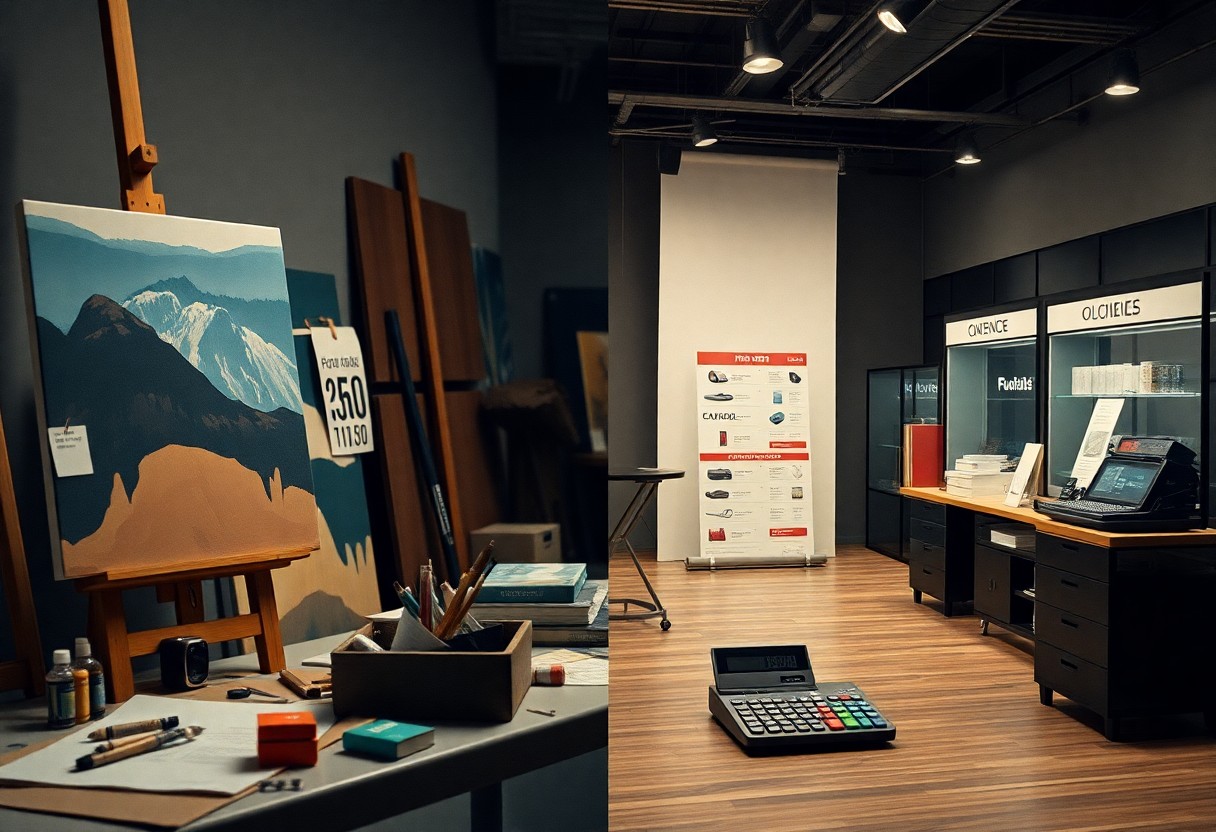
The financial landscape of fine art and commercial photography diverges significantly, influenced by the motivations, markets, and sales processes involved. In fine art photography, income primarily stems from gallery exhibitions, art fairs, and online sales, often generating unpredictable returns. Alternatively, commercial photography offers more structured revenue through contracts, client retainers, and commissioned projects, providing a steadier income stream.
Earning Potential in Fine Art
Your earning potential in fine art photography varies widely. Seasoned artists can command prices ranging from a few hundred to tens of thousands of dollars per piece, depending on reputation, market demand, and exclusive formats. However, emerging artists often struggle to break even and establish a consistent income.
Revenue Opportunities in Commercial Photography
In commercial photography, the revenue opportunities are extensive and diverse. You can tap into multiple markets, such as advertising campaigns, corporate branding, product photography, and event coverage, often securing lucrative contracts that assure steady income. Rates can range from $500 to $10,000 per project, depending on the scope and requirements, making it a viable career choice for those looking for financial stability.
Commercial photography not only allows you to earn from direct client engagements but also from residuals through stock photography sales and licensing agreements. Partnering with marketing agencies can lead to ongoing projects, while building a portfolio of quality images can generate passive income through sales on stock photo websites. This variety not only enhances your earning potential but also provides a sustainable business model, enabling you to invest in your craft and grow your brand more effectively.
To wrap up
As a reminder, understanding the distinctions between fine art photography and commercial photography can significantly impact your approach to both practices. Fine art photography emphasizes artistic expression and personal vision, allowing you to explore your creativity without constraints. In contrast, commercial photography focuses on meeting client needs and market demands, often prioritizing commercial appeal over personal interpretation. Recognizing these differences can help you navigate your career path more effectively, enabling you to align your projects with your artistic goals or business objectives.
FAQ
Q: What is fine art photography?
A: Fine art photography is created according to the artist’s vision and intended to be enjoyed as art. It emphasizes creativity and expression rather than commercial purposes.
Q: What defines commercial photography?
A: Commercial photography focuses on creating images for commercial purposes, such as advertising, marketing, or selling products. It often requires meeting specific client needs and goals.
Q: How does the purpose of fine art photography differ from commercial photography?
A: The purpose of fine art photography is to convey the artist’s personal expression and evoke emotion, while commercial photography aims to promote products, services, or brand messages effectively.
Q: Are there different skill sets involved in fine art and commercial photography?
A: Yes, fine art photography requires strong conceptual skills and artistic vision, while commercial photography demands technical skills related to product styling, lighting, and marketing strategies.
Q: Can fine art photography be sold commercially?
A: Yes, fine art photography can be sold commercially, but its approach and intent focus more on artistic value rather than direct commercial benefit.
Q: How do clients influence commercial photography compared to fine art photography?
A: In commercial photography, clients often dictate the style and content to meet their branding needs, whereas fine art photographers maintain full control over their creative vision.
Q: Is it possible for a photographer to work in both fine art and commercial photography?
A: Yes, many photographers successfully create in both fields, using their skills in commercial projects while also pursuing personal artistic endeavors in fine art photography.


