
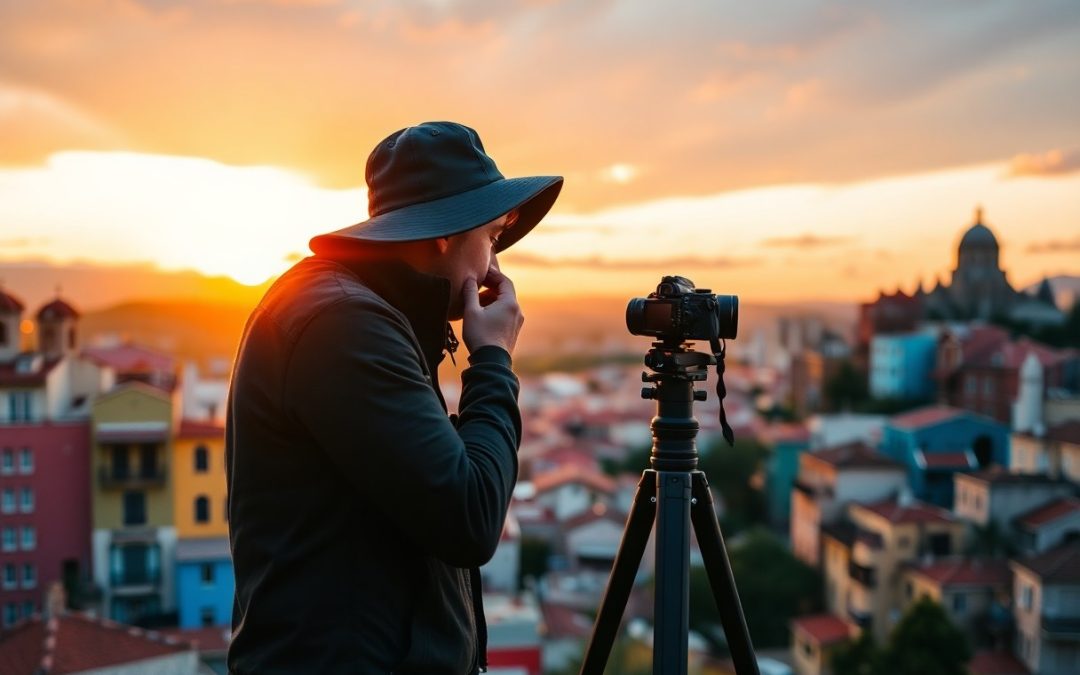
Travel is an art, and capturing its essence through photography requires more than just a good eye; it demands an understanding of composition techniques. In this blog post, you’ll discover dynamic strategies that will elevate your travel photography, helping you create images that resonate with emotion and storytelling. From framing to the rule of thirds, these practical tips will guide you in transforming your travel snaps into breathtaking visuals. Get ready to enhance your skills and make your adventures memorable through the lens of your camera.
Mastering the Fundamentals of Composition
Solid composition sets the stage for stunning travel photos that capture your experience authentically. Understanding the fundamental techniques bolsters your ability to tell a story through your lens. By employing established principles, such as positioning and alignment, you can elevate even the simplest scenes into captivating visual narratives. This mastery not only enhances the aesthetic quality of your work but also invites viewers to engage more deeply with the subject matter you are portraying.
The Rule of Thirds: A Timeless Guideline
The Rule of Thirds divides your frame into a grid of nine equal parts, highlighting four intersection points that draw the viewer’s eye. By positioning key elements along these lines or at the intersections, your images become more dynamic and engaging. This method helps avoid a static composition, ensuring your photos resonate more powerfully and compellingly reflect the essence of your travels.
Leading Lines: Directing the Viewer’s Eye
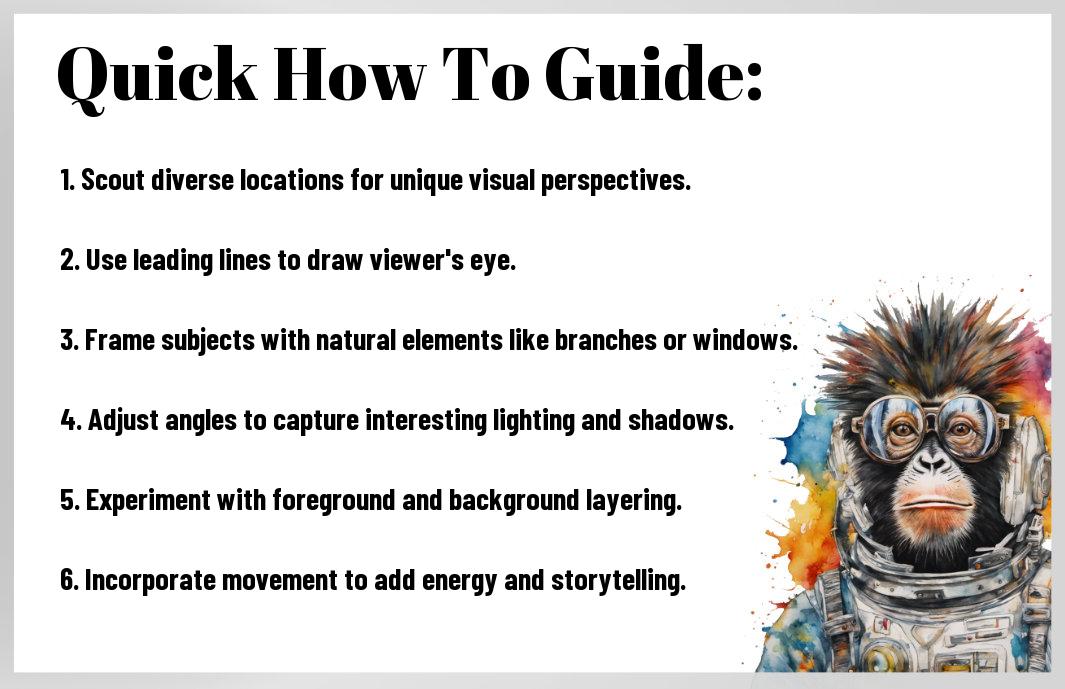
Leading lines act as visual pathways that guide the viewer’s gaze through your composition, creating depth and interest. Examples include roads, rivers, fences, or architectural features that naturally draw attention toward your subject. This technique not only enhances the sense of direction in your image but also encourages exploration within the frame, inviting viewers on a visual journey through your photograph. Employing leading lines can transform an ordinary scene into an extraordinary experience, allowing your audience to feel the allure of the moment you’ve captured.
To effectively implement leading lines in your photography, scout out these elements in your environment before you begin shooting. For instance, while photographing a mountain landscape, a winding path can lead the eye toward the peak, emphasizing its majesty. Urban settings offer plenty of opportunities, such as city streets converging into a skyline. Utilize these natural pathways to tell a story and impart movement to otherwise stagnant scenes, enhancing your viewers’ emotional connection to the journey you bring to life through your images.
Harnessing Natural Light for Dramatic Effects
Natural light transforms your travel photography, creating depth and enhancing textures. Utilizing the sun’s position allows you to manipulate shadows and highlights, leading to striking compositions. By becoming aware of how light interacts with your surroundings, you can elevate your photographs from ordinary to extraordinary. Late afternoon or early morning light offers you soft, diffused tones, enriching colors and creating a serene atmosphere. Exploring various times of day should be part of your photographic toolkit for capturing those unforgettable moments during your travels.
Golden Hour: Capturing Magic Before Sunset
The golden hour, occurring shortly after sunrise and before sunset, bathes your subject in a warm glow that can make even mundane scenes feel enchanting. This magical light softens shadows and enhances colors, bringing your images to life with a unique radiance. Plan your shoots around this time, allowing the light to infuse your photos with a sense of wonder. Document a bustling market or a serene landscape during golden hour, and you will find your images resonate with a visual warmth that draws viewers in.
Creating Mood with Shadows and Highlights
Shadows and highlights play a significant role in conveying mood and emotion in your photographs. Emphasizing contrasts can lead to dramatic effects; for instance, capturing a lone figure against a sunlit backdrop creates tension and storytelling depth. Consider how shadows elongate and shape scenes, influencing the viewer’s perception of space and time. Experimenting with angles can shift the dynamics of your composition, allowing you to control where the eye is drawn. Utilizing shadows strategically can also help to isolate subjects, making them more impactful in your travel narratives.
The interplay of shadows and highlights can evoke various feelings and atmospheres. For example, a sun-drenched alley can radiate warmth and laughter, while the shadows cast by a crumbling stone wall might evoke solitude and nostalgia. Experiment with shooting into the light to create silhouettes, or use side lighting to evoke three-dimensional shapes and textures. By being intentional with light, you develop a richer narrative within your photography, allowing viewers to connect emotionally with your images and the stories they tell.
Engaging with Your Subject: The Art of Connection
Fostering a genuine connection with your subjects can significantly enhance your travel photography. Building rapport creates an atmosphere of trust, allowing for more authentic interactions and, ultimately, more compelling images. Whether you’re photographing locals at a bustling market or fellow travelers on a scenic hike, taking the time to interact personally can reveal captivating stories that resonate long after the shutter clicks.
Candid Photography: Turning Moments into Stories
Candid photography thrives on spontaneity, capturing genuine moments in their natural setting. Unlike posed shots, these images highlight the raw emotions and actions that unfold around you, from a child’s laughter to a couple sharing a quiet moment at sunset. By staying unobtrusive and observant, you can unveil powerful narratives that reflect the heart of the culturally rich environments you explore.
Portrait Techniques: Building Rapport and Trust
Capturing engaging portraits relies heavily on establishing trust with your subjects, which can be achieved through genuine conversation and attentive listening. Take a few moments to share your intentions, ask questions about their lives, and show sincere interest in their stories. This approach not only puts your subjects at ease but also opens avenues for deeper insights into their lives, enhancing the emotional depth of your portraits.
Building rapport can be as simple as offering a smile or a compliment, leading to more intimate exchanges. For instance, when photographing street vendors, pause to sample their goods and discuss their craft—this gesture often elicits a warm, natural smile that translates beautifully in portraits. Maintaining eye contact and using open body language reinforces your sincerity. By demonstrating respect and curiosity, you invite your subject to share a piece of their world, resulting in portraits that are not only visually striking but also rich in story and context. These connections can transform a simple image into a powerful narrative that captivates viewers, leaving a lasting impression long after the moment has passed.
Incorporating Natural Elements: Blending Landscapes and Subjects
Integrating natural elements into your travel photography creates a sense of harmony and enhances storytelling. Positioning your subjects within iconic landscapes not only adds context but also brings depth to your images. Whether it’s capturing a traveler against a stunning mountain backdrop or framing a local market scene amidst colorful foliage, this technique invites viewers to immerse themselves in the complete travel experience. Play with the interplay of natural surroundings and your subjects to evoke a sense of place and narrative in your photographs.
Framing with Foreground Elements: Adding Depth
Using foreground elements serves as a dynamic way to add depth to your images. By including items like flowers, rocks, or architectural features in the immediate foreground, you create layers that lead the viewer’s eye into the frame. This technique establishes a three-dimensional feel, enhancing the overall composition. Experiment with various angles and distances to discover how different foreground elements can interact with your subject and landscape.
Using Negative Space: Enhancing Focus on the Subject
By harnessing negative space effectively, you direct attention toward your primary subject. This technique creates an impactful visual narrative, allowing the surroundings to complement rather than detract from the main focus. A sparse background or wide-open area around your subject can evoke feelings of isolation, tranquility, or adventure, adding emotional depth to your photographs. Utilize contrasting colors and textures to further enhance the prominence of your subject within the negative space.
Negative space plays a vital role in effective travel photography by fostering a sense of simplicity and clarity in your images. Think of images where an individual stands alone on a beach, with vast ocean and sky enveloping them, drawing the viewer’s gaze toward the subject. This approach not only highlights their importance but also narrates a larger story about the environment and emotions. Experiment with wide compositions that leave ample room around the subject; the results often unveil striking and thought-provoking photographs that resonate deeply with viewers.
The Power of Post-Processing: Elevating Your Images
Post-processing acts as a powerful tool to enhance and transform your travel photography, allowing you to bring your artistic vision to life. With editing software, you can correct imperfections, emphasize your subject, and create a cohesive aesthetic that captivates viewers. Proper editing can make ordinary images extraordinary, while revealing details that the camera might overlook.
Basic Editing Techniques: Brightness, Contrast, and Color
Begin your editing journey with basic adjustments to brightness, contrast, and color, as these foundational elements can dramatically enhance your images. Boosting brightness can illuminate dark areas, while adjusting contrast provides depth and dimension. Fine-tuning colors ensures they are vibrant and true to the original scene, allowing your photos to resonate emotionally with your audience.
Advanced Techniques: Layering and Compositing for Impact
Layering and compositing techniques enable you to craft striking images that convey a more powerful narrative. By using multiple layers, you can manipulate backgrounds, blend different exposures, or introduce eye-catching elements that enhance the overall composition. Such techniques allow for creativity and experimentation, so you can go beyond the conventional and capture mesmerizing visuals that stand out in a crowded field.
- Utilize masks to blend exposures seamlessly
- Experiment with blend modes for unique effects
- Incorporate textures to add depth and interest
- Merge multiple images to create a cohesive story
| Technique | Description |
| Masking | Allows selective adjustments on different parts of the image. |
| Blend Modes | Changes how layers interact, helping to achieve desired visual effects. |
| Texture Overlays | Adds dimension and character to your photographs. |
| Composite Images | Combines several images into one for storytelling or creative expression. |
Layering and compositing not only enhance technical quality but can also evoke emotions and tell compelling stories. For instance, selecting a lush landscape background and subtly overlaying a cultural site creates a narrative that connects the viewer to the destination. This approach lets you present not just a location, but an experience, triggering nostalgia or inspiring wanderlust. Utilizing these advanced techniques elevates your travel photography, allowing your creativity to shine through in captivating ways.
- Incorporate storytelling elements for emotional engagement
- Use guides or frameworks for balanced compositions
- Pay attention to light sources and shadows for realism
- Explore different programs or apps to find your ideal workflow
| Element | Best Practice |
| Layer Masks | Apply non-destructive edits without losing original images. |
| Opacity Adjustment | Fine-tune how layers blend for subtle effects. |
| Smart Objects | Allow resizing and transformations without losing quality. |
| Adjustment Layers | Enable global edits while maintaining individual control over each layer. |
Summing up
The key to mastering dynamic travel photography composition lies in understanding and applying various strategies to capture your experiences effectively. By utilizing techniques such as the rule of thirds, leading lines, and framing, you can enhance your storytelling through visuals. Embrace experimentation with different perspectives and lighting conditions to find your unique style. Each trip offers a fresh opportunity to refine your skills and discover compelling narratives, ultimately making your travel photography a reflection of your personal journey.


