Miami isn’t just a city, it’s a visual symphony. From the soft glow of sunrise over pastel Art Deco hotels to the golden-hour light filtering through tropical gardens, this place practically begs you to capture its magic. If you want a trusted roadmap to the best photography locations in Miami, you need to know where to go, when to shoot, and how to see the Magic City through a more ethereal, fine art lens.
I’ve spent years photographing this city, chasing that dreamy quality of light that transforms ordinary scenes into something transcendent. Whether you’re shooting for your portfolio, building a fine art collection, or simply want to capture Miami’s soul, this guide will show you the locations and techniques that create images worth treasuring.
The Golden Rule: Chase the Light, Not the Location
Before we dive into specific spots, here’s what separates amateur photography from fine art: it’s not just about where you shoot, but when and how you see the light. Miami’s harsh midday sun can flatten even the most stunning locations, but during those precious hours at dawn and dusk, the entire city softens into something magical.
You’ll want to plan your shoots around these optimal times. Sunrise brings cooler tones and often fewer crowds, while sunset bathes everything in warm, romantic light. For the ethereal aesthetic we’re after, these transitional moments are non-negotiable.
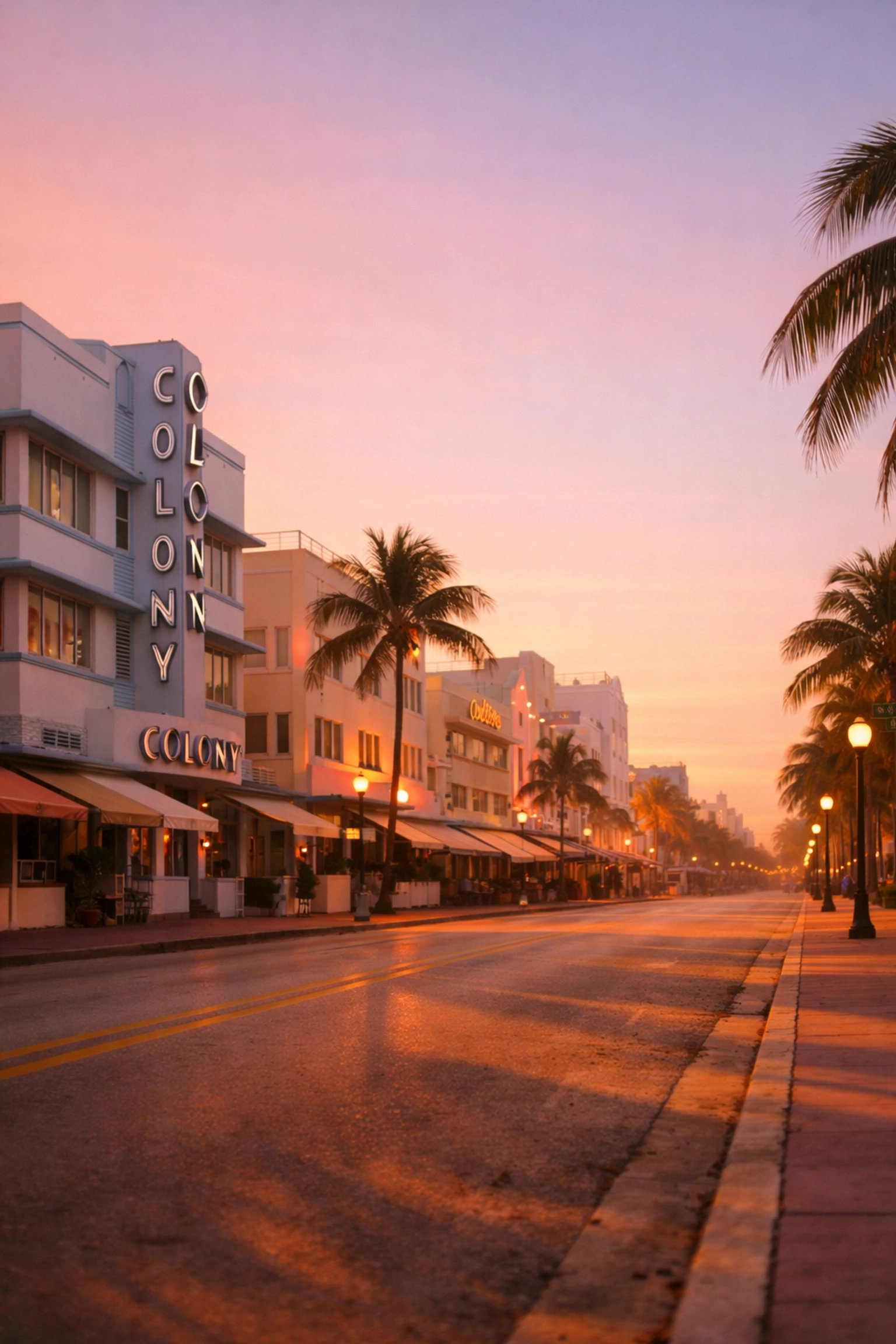
Photography Locations in Miami
To build a portfolio that feels intentional—not random—you need your locations organized by look, light, and story. With these photography locations in Miami, you’ll know exactly what each place gives you visually, and how to time it so your frames feel curated instead of chaotic.
South Beach: Where Art Deco Meets Ocean Dreams
The iconic lifeguard towers stretching from 1st to 87th Street are Miami’s visual calling cards, but most photographers shoot them wrong. Yes, they’re colorful and photogenic, but to capture them with fine art sensibility, you need to arrive at sunrise when the light is soft and the beaches are empty.
Position yourself low and shoot with the ocean as your backdrop. The key is creating layers, foreground, subject, and that infinite horizon. This depth transforms a simple lifeguard stand into a meditation on solitude and structure against nature’s vastness.
Ocean Drive deserves its reputation, particularly the stretch in front of the Beacon Hotel. But forget shooting at high noon. Come back at night when the neon signs glow against the deep blue hour, or better yet, capture it in that brief window just after sunset when natural and artificial light balance perfectly. This is when Ocean Drive stops being a tourist destination and becomes a scene from a dream.
For a complete breakdown of the best photography spots throughout Miami Beach, check out this comprehensive guide to Miami’s most photogenic locations.
Gardens That Feel Like Poetry
If you want to create images that breathe, that feel alive with texture and natural light, Miami’s gardens are where you’ll find your inspiration.
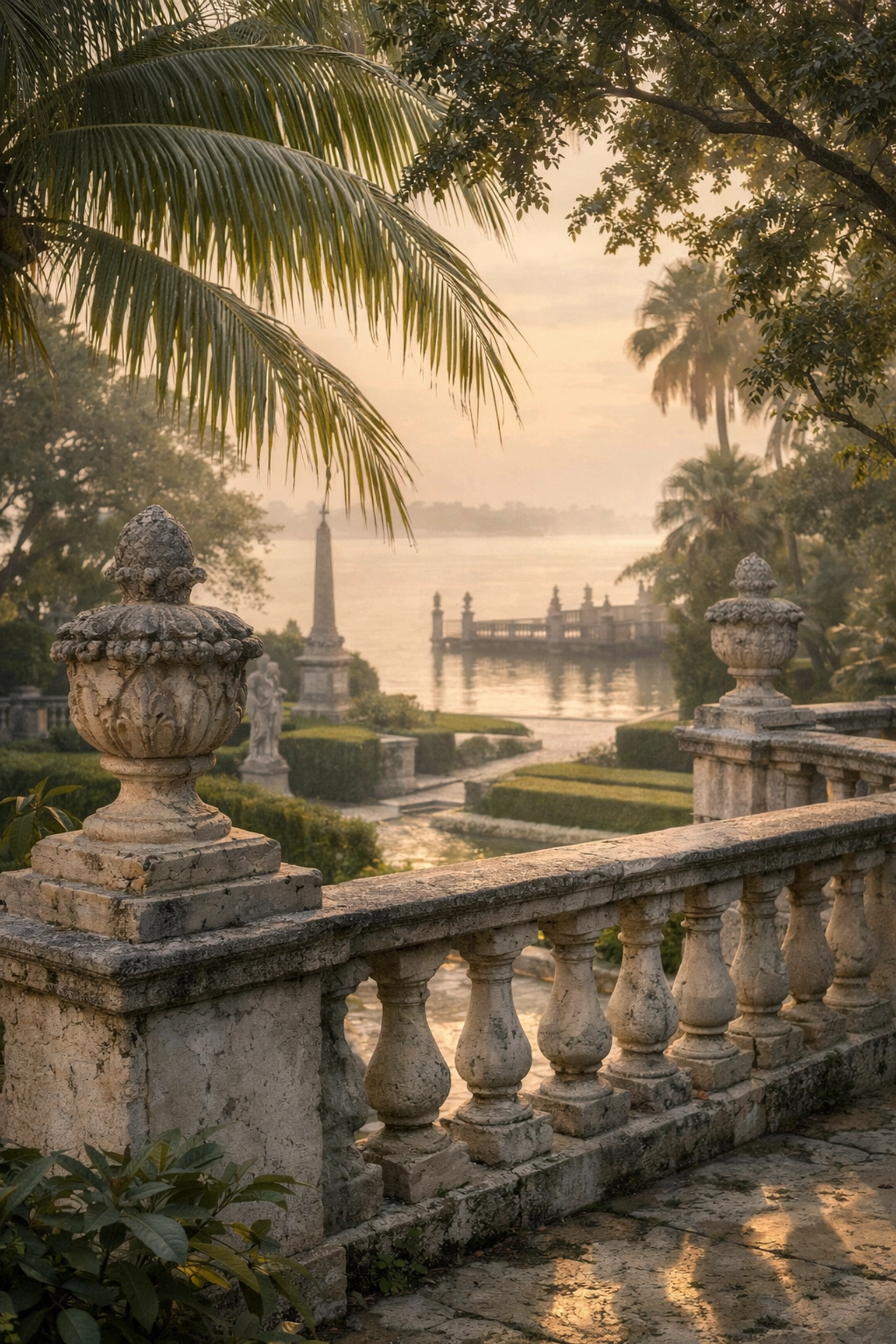
Vizcaya Museum and Gardens isn’t just a location, it’s an experience. The European-inspired architecture, grand staircases, and waterfront views give you so many compositions, you could shoot here for days and never repeat yourself. The exterior grounds particularly shine in the softer light of early morning or late afternoon when shadows add dimension to all those stone textures and lush landscaping.
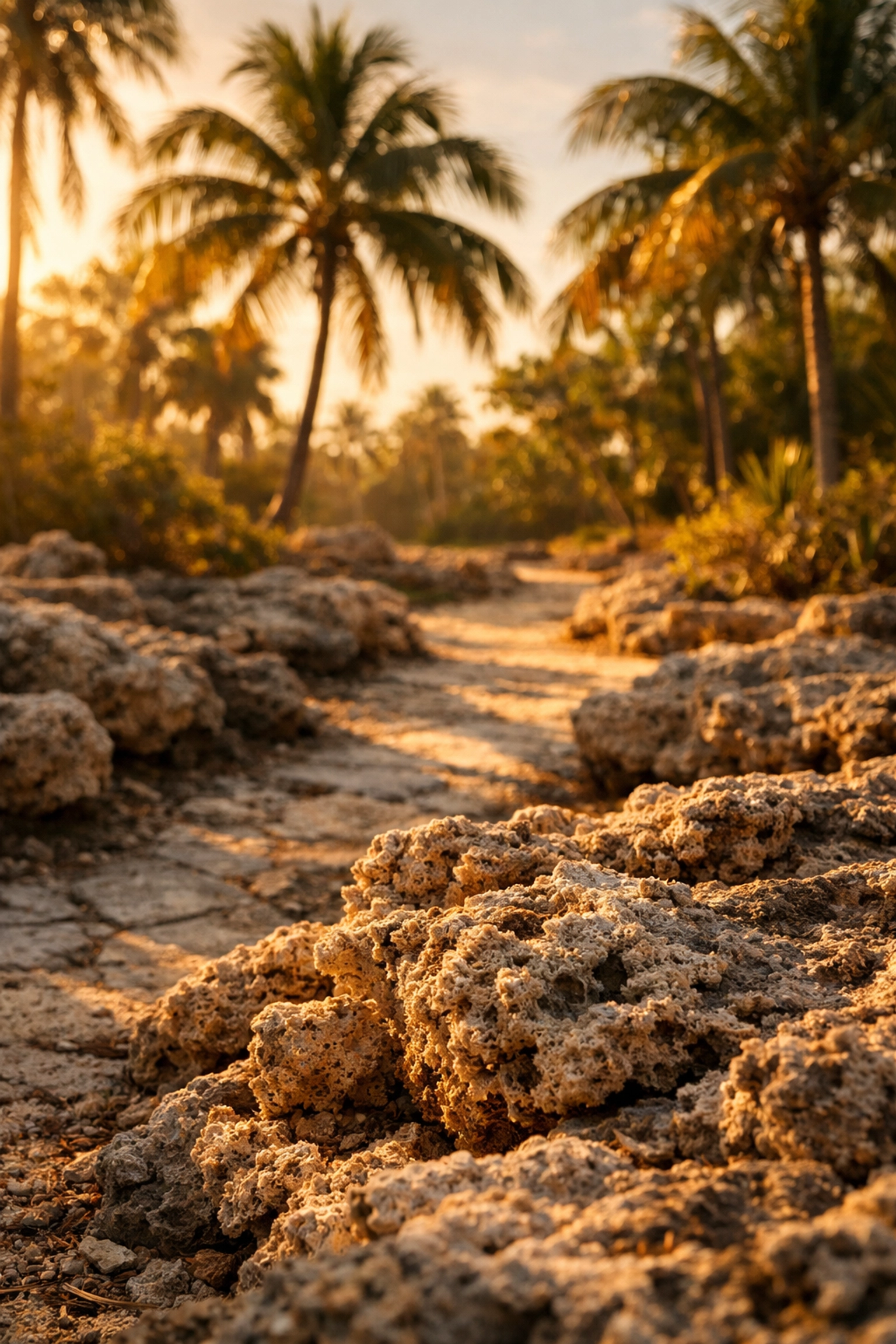
Matheson Hammock Park has become one of my personal favorites for creating ethereal imagery. The signature coral rock paths, swaying palms, and that incredible golden-hour light that seems to kiss every surface, it’s the kind of place where the location does half the work for you. The varied textures from greenery to waterfront mean you can create an entire series without leaving the park.
Fairchild Tropical Botanical Garden offers filtered sunlight through canopy trees that creates the most beautiful, soft illumination you could ask for. The blooming landscapes and peaceful paths feel like stepping into a living painting. Just remember you’ll need a photo permit, but it’s absolutely worth the planning.
Architectural Treasures for Fine Art Souls
Miami’s architecture ranges from the whimsical to the grand, and each location offers unique opportunities for creating compelling fine art images.
The Ancient Spanish Monastery charges a session fee, but what you get in return is breathtaking. Spanish architecture, multiple garden areas, palm trees, and a gazebo create scenes that feel transported from another era. The morning light here is particularly magical, casting long shadows across the ancient stonework.
For something completely different, 1111 Lincoln Road, yes, it’s a parking garage: provides stunning elevated views of the city. Shoot at night when the city lights create a bokeh backdrop, and the modern architectural lines frame your subjects with geometric precision. It’s proof that fine art photography is about vision, not just pretty locations.
Where Modern Meets Magic
South Pointe Park and Pier offers that quintessential Miami skyline view with the bay at sunset. Position yourself on the westside and watch as the sun drops behind the city, silhouetting those modern buildings against bands of color. The pier itself creates leading lines that draw the eye through your composition, adding depth and narrative flow.
The Venetian Causeway remains underrated for photography, especially at night. It’s a long strip with amazing views, and the reflected city lights on the water create opportunities for long-exposure work that feels both contemporary and timeless.
Artistic Districts That Pop
While Wynwood Walls and the Miami Design District are known for their bold, colorful murals, you can still capture them with a fine art sensibility. Look for quieter corners, shoot in softer light, and use the vibrant walls as textured backdrops rather than the main subjects. It’s about integrating that street art energy into your composition without letting it overwhelm the frame.
Timing Is Everything
Here’s your quick reference guide for optimal shooting times:
- Sunrise: Beach locations, lifeguard towers, South Pointe Park
- Golden Hour: Matheson Hammock Park, Vizcaya gardens, coral rock paths
- Sunset: Bay-side locations, Maurice Gibb Memorial Park, Coral Gables parks
- Night: 1111 Lincoln Road, Ocean Drive neon scenes, Venetian Causeway, downtown skyline
The Fine Art Difference
What transforms these locations from Instagram backdrops into fine art pieces? It’s about seeing beyond the obvious. It’s waiting for that perfect quality of light. It’s understanding how to use negative space, how to balance your composition, and how to capture not just what a place looks like, but how it feels.
This is the aesthetic I bring to every shoot: that dreamy, ethereal quality that makes images feel both timeless and intimate. If you’re serious about collecting fine art photography or want to see how these techniques translate into museum-quality prints, explore the curated collection at www.edinfineart.com.
Create Your Own Miami Story
Miami rewards photographers who take their time, who return to locations at different hours, who see beyond the surface. Each neighborhood has its own character, its own light, its own story waiting to be told through your lens.
The beauty of this city is that it constantly reinvents itself. What you capture today might look completely different tomorrow: different light, different weather, different energy. That’s what makes it endlessly fascinating for fine art photography.
Experience Miami Through a Fine Art Lens
Want to discover Miami’s most photogenic locations with guidance from someone who knows exactly where the light falls at every hour? I offer private photography tours where we’ll explore these spots together, and I’ll share the techniques and timing that transform good photos into gallery-worthy fine art.
Whether you’re building your photography skills, scouting locations for a project, or simply want to experience Miami’s magic through a creative lens, a private tour gives you insider access to the city’s most beautiful scenes with personalized instruction tailored to your vision.
Contact me to schedule your private Miami photography tour, and let’s capture the magic of the Magic City together.
Frequently Asked Questions
What is the best time for photography in Miami?
You’ll get the most flattering, fine art-friendly light at sunrise and during the last 90 minutes before sunset. By committing to these windows, you avoid Miami’s harsh midday contrast, protect your highlights, and ensure skin tones, skies, and pastel architecture render with a smoother, more cinematic look.
Where are the most colorful spots in Miami?
If you want color that reads bold but still looks refined in your final edit, you’ll get the strongest results in South Beach (lifeguard towers + Art Deco facades), Ocean Drive at blue hour (neon), and Wynwood Walls for saturated murals and texture-rich backdrops. With these, you can choose whether color is the hero of your frame or a supporting layer that elevates your subject.
Hey everyone, Edin here! You know I’m all about helping you guys level up your photography game, whether it’s through mastering new techniques, understanding lighting, or, crucially, finding consistent work. Today, I’m genuinely excited to introduce you to a platform that I believe is going to be a massive asset for anyone serious about their photography career: ProShoot.

proshoot.io
The Hustle is Real: Finding Photography Clients
We’ve all been there. You’ve got the gear, the talent, and the passion, but finding professional photography jobs can feel like a constant uphill battle. Word-of-mouth is great, but it’s not always consistent. Marketing yourself takes time away from shooting, and endlessly searching for “photography clients near me” can be exhausting.
That’s why I’m always on the lookout for tools that genuinely simplify the hustle. And ProShoot, in my opinion, is doing just that.
What is ProShoot and Why Am I Hyped?
Think of ProShoot as a dedicated, high-quality bridge connecting skilled photographers like you with clients who genuinely need your expertise. It’s not just another job board; it’s a curated marketplace designed to help you, the professional, thrive.
Here’s why I think it’s a game-changer for freelance photographers:
-
Vetted for Quality, Not Just Quantity: This is huge. ProShoot isn’t just letting anyone on the platform. They vet photographers for experience, portfolio quality, and even professional insurance. This means when you get a job, you know the client is serious, and it elevates the entire community. For those looking for photography business growth, this kind of validation is invaluable.
-
Jobs Come to YOU: No more endless cold emailing or searching for “find photography clients.” Clients post their needs, and ProShoot matches them with qualified local photographers. Imagine getting notified about professional photography jobs that fit your niche, right in your inbox!
-
Transparent and Secure: We’ve all had those awkward conversations about pricing or waited too long for payments. ProShoot offers transparent bidding and, even better, a secure escrow system. You get paid for your hard work, without the stress. This is crucial for maintaining a healthy photography business.
-
Focus on Your Craft: By taking care of the client acquisition and payment logistics, ProShoot frees you up to do what you do best: create stunning images. This is about maximizing your time behind the lens, not behind the computer.
My Takeaway: Level Up Your Photography Business
I’m always telling you guys to invest in yourselves and your business. Signing up for a platform like ProShoot feels like a smart investment. It’s an opportunity to connect with a wider range of clients, streamline your workflow, and ultimately, facilitate serious photography business growth.
If you’re looking to expand your client base, find consistent, quality work, and truly professionalize your freelance photography career, I highly recommend checking out ProShoot. It’s time to spend less time hunting for work and more time doing the work you love.
Go check them out and let me know what you think! Keep shooting, keep creating!
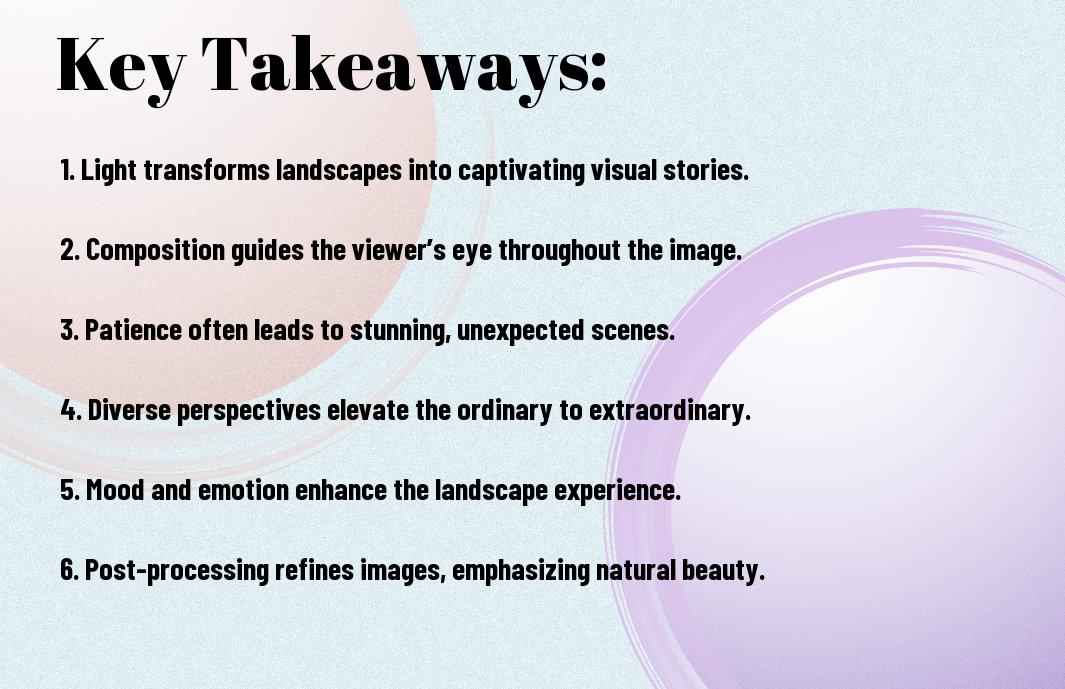
There’s a world of beauty waiting to be captured in landscape photography, and you can learn from the best by exploring Edin Chavez’s stunning portfolio. This post will provide you with valuable insights into his techniques and creative process, helping you elevate your own photography skills. By examining his approach to composition, lighting, and the natural environment, you’ll gain a deeper understanding of how to create mesmerizing landscapes that resonate with viewers. Get ready to transform your landscape photography with inspiration drawn from Chavez’s captivating work.
Understanding Landscape Photography
Before you launch on your journey into landscape photography, it’s vital to grasp its fundamentals. This art form is not just about capturing beautiful scenes; it’s about conveying emotions and stories through visual imagery. By understanding the nuances of landscape photography, you will elevate your skills and create captivating images that resonate with your audience.
Elements of Composition
Elements of composition play a vital role in landscape photography. By utilizing techniques such as the rule of thirds, leading lines, and framing, you can guide your viewer’s eye through the photograph. These compositional tools help you create balance and harmony, enabling you to highlight the most compelling aspects of the landscape you wish to capture.
Importance of Lighting
Composition is significantly influenced by lighting, as it sets the mood and enhances the overall feel of your landscape photographs. The time of day you choose to shoot can dramatically affect the colors, shadows, and textures present in your image. Understanding the direction and quality of light will enable you to select the perfect conditions for capturing breathtaking landscapes.
Considering the importance of lighting, you should aim to shoot during golden hour—shortly after sunrise or before sunset—when the light is warm and soft. This transformative time enhances colors and adds depth to your images, creating a captivating atmospheric effect. By being mindful of how light interacts with your landscape, you can produce stunning photographs that evoke emotion and connection.
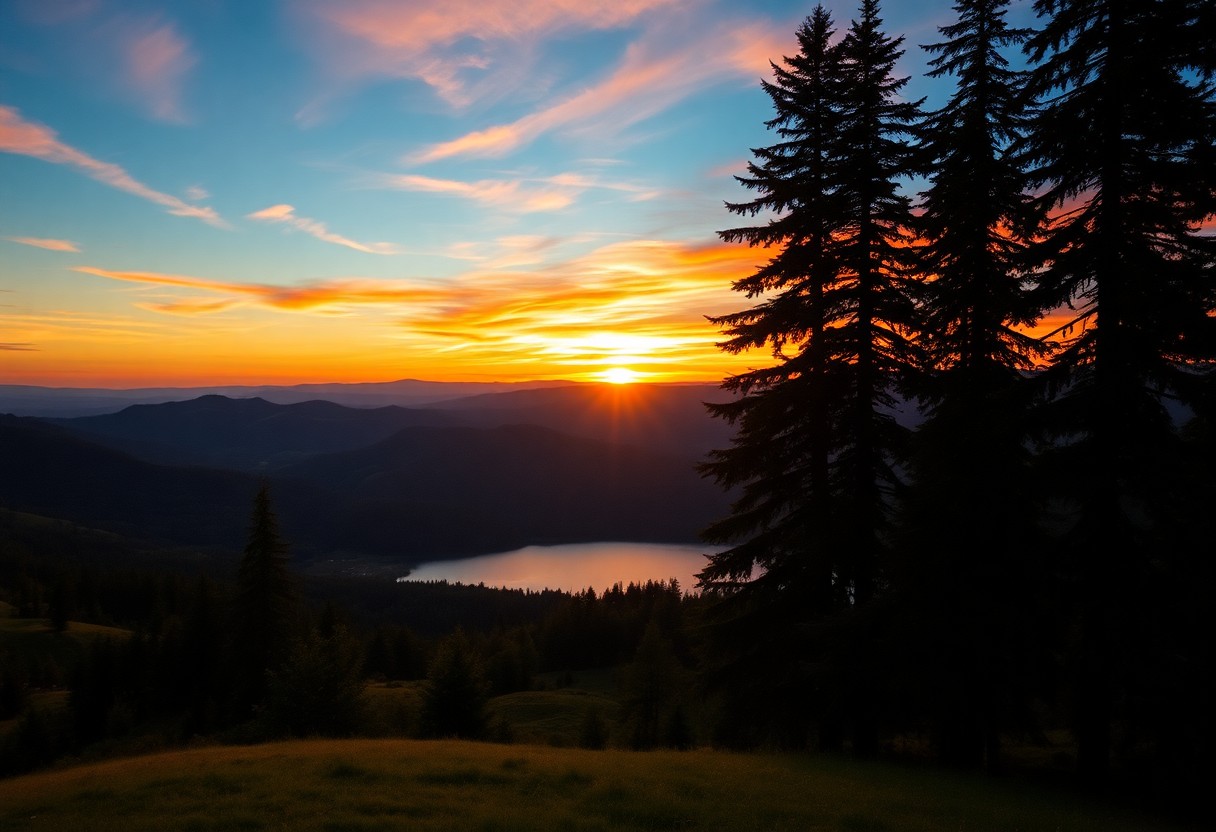
Edin Chavez’s Artistic Approach
It is evident that Edin Chavez’s artistic approach to landscape photography blends creativity with a profound respect for nature. His unique vision highlights the beauty and rawness of the landscapes he captures, urging you to appreciate the intricacies of your surroundings. By experimenting with light, composition, and color, you can explore new ways of expressing the essence of the natural world in your own photography.
Capturing Emotion in Nature
To evoke a strong emotional response in your audience, you must look beyond just the visual elements of your scenes. Edin’s work demonstrates how emotion comes alive in landscape photography. By being mindful of the feelings associated with each location, you can create imagery that resonates deeply with viewers, inviting them into your personal experience with nature.
Techniques and Equipment Used
Emotion is at the heart of Edin Chavez’s photography, and he employs a thoughtful selection of techniques and equipment to bring his vision to life. Using high-quality cameras and lenses, he captures stunning detail, while techniques such as long exposure and careful framing help convey movement and atmosphere. His mastery of editing software further enhances the emotional impact of his images, giving you insight into how you can elevate your own landscape photography.
A combination of tools and techniques greatly enhances your landscape photography. Edin often uses a tripod for stability during long exposures, enabling crisp images even under challenging conditions. He also incorporates polarizing and neutral density filters to manage reflections and light, allowing for balanced exposure in vibrant scenes. By exploring various angles and perspectives, you can find new ways to capture the landscape’s beauty, ensuring that each photograph tells its own story.
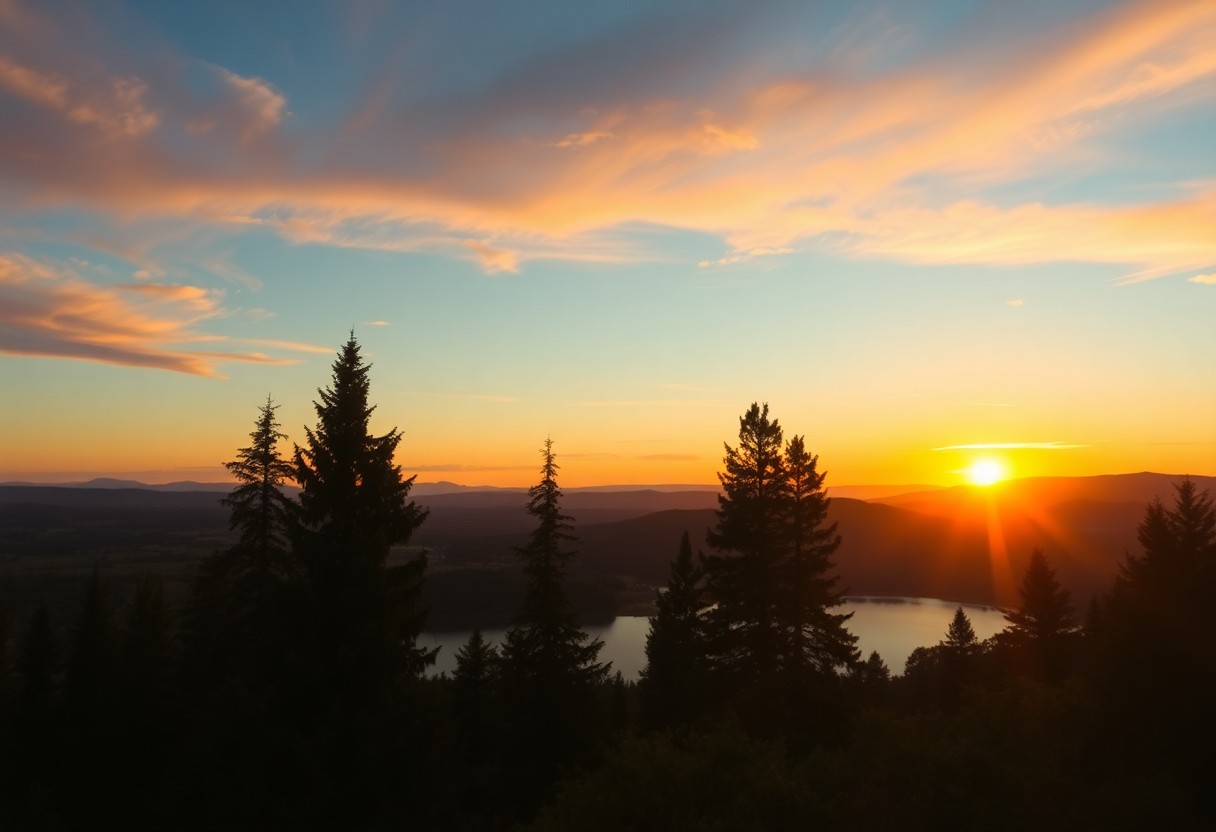
The Role of Location in Landscape Photography
Once again, the importance of location in landscape photography cannot be overstated. Your choice of setting greatly influences the mood, composition, and overall impact of your images. By exploring diverse environments, you can uncover unique beauty and create compelling visual narratives. Every location has its distinct characteristics, and as you familiarize yourself with a place, you start to appreciate the subtleties it has to offer.
Finding Unique Perspectives
To elevate your landscape photography, you should seek out unique perspectives that capture the essence of your surroundings. Experimenting with different angles, elevations, and focal lengths allows you to present your subject in intriguing ways, drawing the viewer’s eye to the stunning details that might otherwise be overlooked.
The Influence of Seasons
Role of seasons in landscape photography can dramatically alter the atmosphere and color palette of your images. Each season showcases a different aspect of nature, providing endless inspiration for your work.
Also, understanding how each season influences your environment will help you plan your shoots more effectively. Spring bursts with vibrant blooms, summer offers lush greenery, autumn brings a riot of colors, and winter wraps the landscape in a serene blanket of snow. By embracing these seasonal changes, you can create a dynamic portfolio that showcases the transformative beauty of landscapes throughout the year.
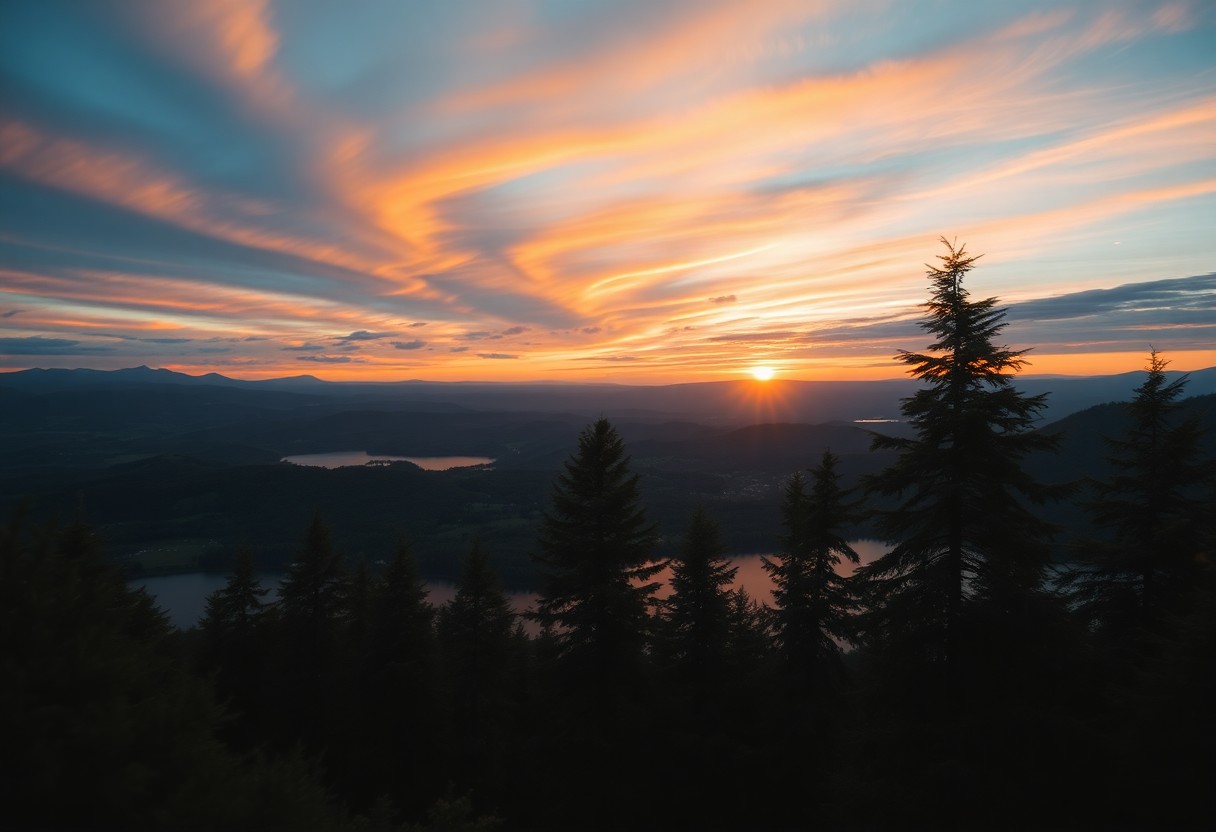
Post-Processing Techniques
After capturing your stunning landscape images, post-processing becomes an imperative step to refine and enhance your photos. Edin Chavez’s techniques demonstrate how thoughtful editing can significantly elevate your work. You can correct exposure, adjust contrast, and manipulate colors to create impactful visuals that truly resonate with your audience. With the right tools and skills, you can transform a good photograph into a breathtaking piece of art.
Enhancing Colors and Textures
Across Edin’s portfolio, you’ll notice a vibrant palette that accentuates the beauty of natural scenes. You can use software like Lightroom or Photoshop to selectively enhance colors and textures in your images. Play with saturation, vibrance, and clarity to bring out the best in your landscapes while maintaining the essence of the original scene.
Balancing Realism with Artistic Vision
Across your editing process, it’s important to strike a balance between realism and your artistic vision. You may choose to enhance certain elements while keeping others subdued, resulting in a captivating composition that reflects your unique perspective. This approach allows your creativity to shine, ensuring your images tell the story you want to convey.
Vision is key when balancing realism with artistic expression in landscape photography. As you explore different editing styles, think about how to highlight particular aspects of the scene that resonate with your artistry. By selectively enhancing certain features while preserving the overall authenticity, you can produce photographs that are not only visually stunning but also carry your signature style. This nuanced approach allows you to communicate your artistic intent while still honoring the natural world.
Inspiration from Edin Chavez’s Portfolio
To immerse yourself in the artistry of landscape photography, exploring Edin Chavez’s portfolio provides a wealth of inspiration. His images not only capture the breathtaking beauty of natural landscapes but also convey emotions that resonate deeply with viewers. By analyzing his use of light, composition, and color, you can unlock new ideas and techniques to enhance your own photography. Whether you’re a beginner or seasoned photographer, there’s always something to learn from his unique perspective on the world around us.
Analyzing Signature Shots
Across Edin Chavez’s collection, you will notice a set of signature shots characterized by striking composition and vibrant colors. These hallmark images often feature dynamic skies, reflective waters, and well-placed subjects that pull the viewer into the scene. By analyzing these shots, you can gain insights into how he balances elements within the frame, creating a sense of harmony and depth that elevates his work beyond the ordinary.
Learning from Challenges
Behind each stunning landscape shot lies a journey riddled with challenges that can teach you invaluable lessons. The pursuit of the perfect light, the battle against unpredictable weather, and the exploration of often rugged terrains are just a few obstacles Edin has faced. You can take away from these experiences the importance of perseverance, adaptability, and commitment to your craft. Every hurdle you encounter presents an opportunity to improve your skills and refine your artistic vision.
To fully grasp the lessons embedded within these challenges, consider how Edin’s resilience shapes his unique style. Each time he faces an obstacle, it not only tests his abilities but also fosters growth and innovation in his photography. Embrace the difficulties in your own journey, as they can lead you to unforeseen paths of creativity and new techniques that propel your work to the next level. Let Edin’s experiences inspire you to tackle your own challenges with determination and an open mind.
Tips for Aspiring Landscape Photographers
Many aspiring landscape photographers can elevate their craft by following a few key guidelines. Consider these tips to enhance your skills:
- Study the work of successful landscape photographers for inspiration.
- Scout locations during the golden hour for perfect lighting.
- Experiment with different perspectives and compositions.
- Invest in quality equipment without breaking the bank.
The journey to becoming a great landscape photographer is ongoing, so stay curious and keep practicing.
Building a Personal Style
Behind every memorable photograph is a photographer’s unique vision. As you explore various techniques and genres within landscape photography, take the time to identify the elements that resonate most with you. This process can involve experimenting with light, color, and composition until you find what truly speaks to your artistic sensibility. Consistency in your chosen style will enhance your portfolio, allowing your personality to shine through each image.
Overcoming Common Obstacles
Style often adapts in response to challenges you face as a photographer. Whether it’s harsh weather conditions or limited access to stunning landscapes, each obstacle can be turned into an opportunity for creativity.
Another common struggle is dealing with unpredictable lighting or changing weather. Consider embracing these conditions, as they can add unique drama to your shots. Be patient and observe how the light interacts with your surroundings; often, these sudden changes can create breathtaking results. Keep pushing through the setbacks and view them as lessons that will only enrich your photography journey.
To wrap up
Ultimately, exploring Edin Chavez’s portfolio can profoundly enhance your understanding of landscape photography. By studying his techniques and unique perspectives, you can discover how to capture the beauty of nature more effectively. You’ll appreciate the importance of light, composition, and timing in creating stunning images. Embracing your individual style while learning from experienced photographers like Chavez can unlock your potential and elevate your work in landscape photography.
When people think of Miami Beach, their minds often go to its lively nightlife, art deco architecture, and white-sand beaches. But for surfers, this vibrant city offers something just as exciting—the chance to catch waves along its coastline. While Miami Beach may not be the first place that comes to mind for surfing, it has its own unique surf scene. The key to enjoying it to the fullest is knowing when to hit the water.
Surfing Conditions in Miami Beach – Best time to Surf in Miami
Unlike some of the more famous surf spots like Hawaii or California, Miami Beach’s surf conditions are heavily influenced by the Atlantic Ocean’s subtropical climate. The city’s warm waters make it a year-round destination for ocean lovers, but if you’re serious about surfing, there are specific times of the year when the waves really start to roll.

Best time to surf in Miami Beach
Best Time of Year: Winter Swell Season (November to March)
For dedicated surfers, the prime time to hit Miami Beach is during the winter months, between November and March. This is when the Atlantic’s winter swells start to arrive, bringing more consistent and larger waves. These waves are generated by cold fronts moving down from the north, creating ideal surfing conditions along Miami’s coast.
During this season, you can expect wave heights ranging from 3 to 6 feet, with occasional bigger swells when the weather patterns align just right. The winter months also bring more wind to Miami Beach, which helps shape the waves into the clean sets that surfers crave.
If you’re looking to catch the best waves in Miami Beach, aim for days following cold fronts, when the winds shift and create smooth, rideable waves. It’s worth keeping an eye on the surf forecast during this period to make sure you don’t miss out on a great session.
Spring and Fall: Transition Months
The spring (April to May) and fall (September to October) can also offer decent surfing opportunities in Miami Beach, although the waves aren’t as consistent as during the winter swell season. During these months, surfers rely on tropical storms or random weather patterns to create surfable waves.
Fall can be particularly good when hurricane season is in full swing, and distant tropical storms send long-period swells toward the coast. However, safety is paramount—always check the storm’s path and strength before paddling out, as conditions can turn dangerous quickly.
Spring is a bit more unpredictable. Some days, you might find a decent swell rolling in, but flat spells are more common as summer approaches. Still, it’s worth bringing your board just in case you get lucky with a surprise break.

Summer: Flat Spells and Hurricane Swells
Summer (June to August) in Miami Beach is known for its calm waters, making it a great time for swimming and paddleboarding, but not ideal for surfing. The surf is often flat, with only the rare storm or wind pattern creating any rideable waves.
However, summer also marks the beginning of hurricane season, which runs from June through November. While hurricanes are dangerous, they can sometimes produce epic swells, especially from storms far out at sea. Experienced surfers keep a close watch on these weather systems, but if you’re new to surfing, it’s best to stay cautious and avoid the water when storms approach.
Best Surf Spots in Miami Beach – Best time to Surf in Miami Beach
While the waves in Miami Beach can be fickle, there are a few go-to surf spots that are worth checking out:
•South Beach: The most popular spot, especially near 1st Street, where local surfers gather. This area tends to pick up the best swells and is where you’ll find a fun surf community.
•Haulover Beach: Located just north of Miami Beach, Haulover offers a more relaxed atmosphere and tends to have slightly better waves during winter swells.
•87th Street Surf Spot: A local favorite known for its sandy-bottom breaks and a bit more space away from the crowded South Beach lineups.
Surfing Tips for Miami Beach
1. Timing is Everything: The waves in Miami Beach can come and go quickly. Keep an eye on surf forecasts and go out when conditions are right, especially during winter cold fronts.
2. Be Ready for Wind: Miami Beach’s waves are often wind-driven, so expect choppy conditions at times. Early mornings or late afternoons are usually the best for glassier waves.
3. Bring the Right Board: Miami’s waves are typically smaller and less powerful than in other surf destinations. A longboard or fun board is often the best choice for catching the most waves.
4. Stay Safe: During hurricane season, know your limits and avoid the water if conditions are too dangerous.

Conclusion: Catching Waves in Miami Beach
While Miami Beach may not have the towering waves of other famous surf spots, it offers its own charm and challenges for surfers. The best time to catch waves is during the winter swell season from November to March, when consistent waves roll in thanks to cold fronts. Fall can also deliver some solid surf, especially when distant tropical storms send waves toward the coast. With warm water, a vibrant beach culture, and plenty of surf spots to explore, Miami Beach is a hidden gem for surfers willing to time it right.
So, wax your board, watch the forecast, and get ready to ride the waves of Miami Beach!
Introduction: In the digital age, where memories are often captured and shared with a click of a button, the importance of professional event photography cannot be overstated. Enter Edin Studios, a premier photography studio specializing in capturing the essence and magic of special events. With their keen eye for detail, creative vision, and technical expertise, Edin Studios has established themselves as the go-to choice for event photography. In this blog post, we will explore why Edin Studios stands out in the world of event photography and why their services are worth considering for your next big occasion.

Edin Studios Event Photography
Edin Studios Event Photography
1. A Passion for Storytelling: At Edin Studios, photography is not just about capturing images; it’s about telling a story. Their team of talented photographers understands the significance of every event and strives to capture the emotions, connections, and unique moments that unfold throughout the day. Whether it’s a wedding, corporate gala, or a milestone celebration, Edin Studios ensures that each photograph narrates a compelling story that will be cherished for years to come.
2. Attention to Detail: One of the hallmarks of Edin Studios is their meticulous attention to detail. From the lighting and composition to the placement of props and the positioning of subjects, every element is carefully considered to create visually stunning and aesthetically pleasing photographs. Whether it’s capturing the grandeur of a ballroom or the intimate moments shared between loved ones, Edin Studios ensures that no detail goes unnoticed.
3. A Blend of Creativity and Professionalism: Edin Studios strikes the perfect balance between artistic creativity and professional expertise. Their photographers possess a deep understanding of various photographic techniques and styles, enabling them to adapt to the unique requirements of each event. Whether it’s traditional, candid, or contemporary photography, Edin Studios knows how to capture the essence of the occasion while adding their artistic touch.
4. Cutting-Edge Equipment: To deliver the highest quality photographs, Edin Studios invests in state-of-the-art equipment. From high-resolution cameras to advanced lighting systems, the studio ensures that they are equipped with the latest tools of the trade. This commitment to technology empowers their photographers to capture stunning images even in challenging lighting conditions, ensuring that no moment is missed.
5. Client-Centric Approach: At Edin Studios, client satisfaction is paramount. They understand that every event is unique, and they take the time to understand their clients’ vision, preferences, and expectations. By building a strong rapport with their clients, Edin Studios ensures that they deliver photographs that exceed expectations and capture the essence of the event in a way that truly reflects the client’s vision.

Edin Studios Event Photography
Edin Studios Event Photography
Conclusion: Edin Studios’ event photography services go beyond just capturing images; they strive to create a visual narrative that evokes emotions and preserves memories. With their passion for storytelling, attention to detail, blend of creativity and professionalism, cutting-edge equipment, and client-centric approach, Edin Studios stands as a testament to the artistry and significance of professional event photography. So, whether it’s a wedding, a corporate event, or a milestone celebration, trust Edin Studios to capture the magic and create timeless memories that will be treasured for a lifetime.
Introduction: Are you passionate about photography and ready to turn your hobby into a profitable venture? Starting a photography business can be an exciting and rewarding endeavor. In this blog post, we will guide you through the essential steps to launch your photography business successfully. From honing your skills to establishing your brand, let’s explore the key elements that will set you on the path to success.

A Guide to Starting a Photography Business
A Guide to Starting a Photography Business
1. Define Your Niche: Before diving into the photography business, it’s crucial to determine your niche. Identify the type of photography that aligns with your interests and strengths. Wedding photography, portrait photography, landscape photography, or product photography – choose the field that resonates with you the most. Specializing in a specific niche will help you stand out in a crowded market and attract your target audience.
2. Build Your Portfolio: A strong portfolio is the backbone of any photography business. Start by capturing images that showcase your skills and style. Collaborate with friends, family, or even local models to build a diverse and compelling body of work. Consider offering pro bono or discounted sessions in the beginning to gain experience and expand your portfolio. Don’t forget to curate and update your portfolio regularly to reflect your growth as a photographer.
3. Invest in Quality Equipment: Investing in quality photography equipment is essential to deliver professional results. While a high-end camera and lenses can be expensive, they are worthwhile investments in the long run. Research the best gear within your budget and remember to factor in other essential equipment like tripods, lighting, and editing software. Additionally, consider renting equipment to save costs initially and upgrade as your business grows.
4. Establish Your Brand: Building a strong brand identity is crucial for any business. Define your brand’s unique selling points and values. Develop a memorable logo, choose a consistent color palette, and create a visually appealing website that showcases your work and services. Craft a compelling brand story that resonates with your target audience and sets you apart from the competition.
5. Set Your Pricing: Determining your pricing structure can be challenging but is vital for sustaining your business. Consider factors such as your experience, overhead costs, and market rates when setting your prices. Conduct market research to understand the pricing trends in your niche. Start by offering competitive but realistic rates that reflect your skill level and gradually increase them as you gain experience and credibility.
6. Marketing and Networking: To attract clients, you need to promote your photography business effectively. Leverage social media platforms like Instagram, Facebook, and Pinterest to showcase your work and engage with potential clients. Collaborate with local businesses, such as event planners or wedding venues, to expand your network. Attend photography workshops, join online communities, and participate in exhibitions to connect with like-minded individuals and gain exposure.
7. Develop Client Relationships: Delivering exceptional customer service is crucial for building a thriving photography business. Communicate clearly with your clients, understand their vision, and go the extra mile to exceed their expectations. Promptly deliver high-quality images and provide a seamless post-production experience. Encourage client referrals and testimonials to establish a positive reputation.

How to Start a Photography Business
A Guide to Starting a Photography Business
Conclusion: Starting a photography business requires a combination of creativity, technical skills, and business acumen. By following these essential steps, you’ll be well on your way to building a successful photography business. Remember to continuously learn, adapt, and evolve as an artist and entrepreneur. Embrace challenges, stay true to your vision, and capture the world through your lens.
You can download my detailed book on how to start a photography business here.


