
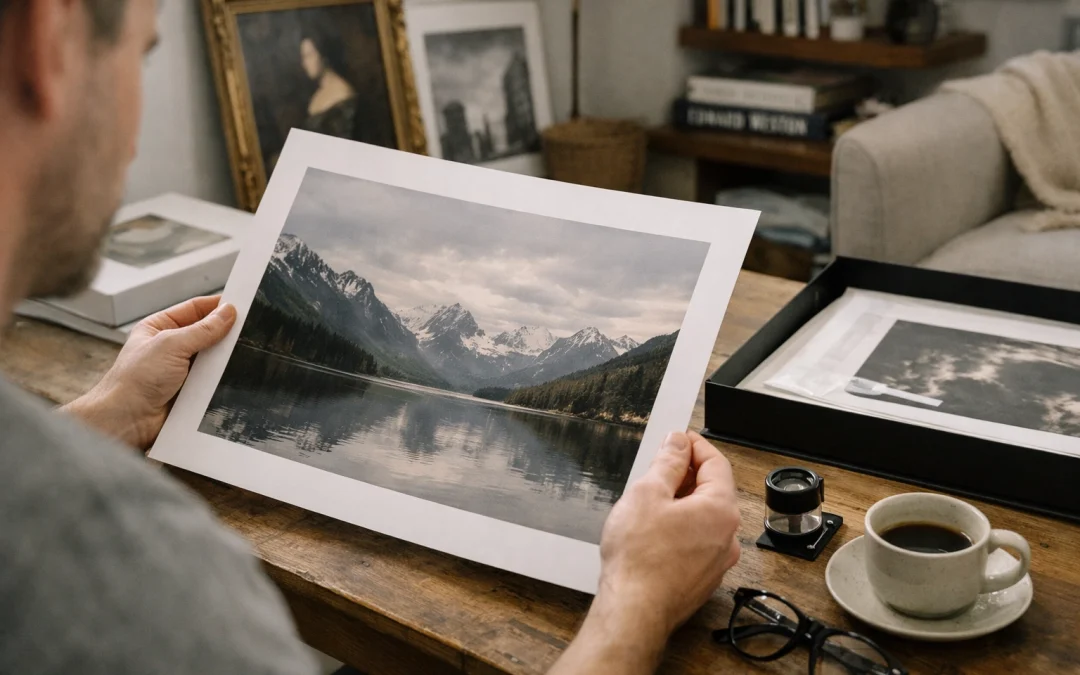
As you stand in front of a piece of art, there is a specific moment where the image stops being just a picture and starts being an experience. For the modern collector, that transition is often dictated by the physical medium itself. If you have ever wondered why some photographs look like they belong in the Louvre while others feel like they belong in a bargain bin, the answer lies in the technical mastery of museum quality prints.
At Edin Chavez Photography, we believe that collecting art is about more than just filling a void on your wall; it is about securing a legacy. When you choose to invest in high-end photography, you are not just buying a snapshot of a moment: you are acquiring a piece of history. By understanding the nuances of archival prints and the value of limited edition photography prints, you elevate your status from a casual buyer to a sophisticated curator.
The Architecture of Longevity: What Makes a Print "Museum Quality"?
Just as a master architect selects the finest stone for a foundation, a master photographer selects specific materials to ensure your artwork stands the test of time. When you hear the term "museum quality," it isn't just marketing fluff. It refers to a rigorous set of standards designed to prevent the degradation that plagues standard commercial prints.
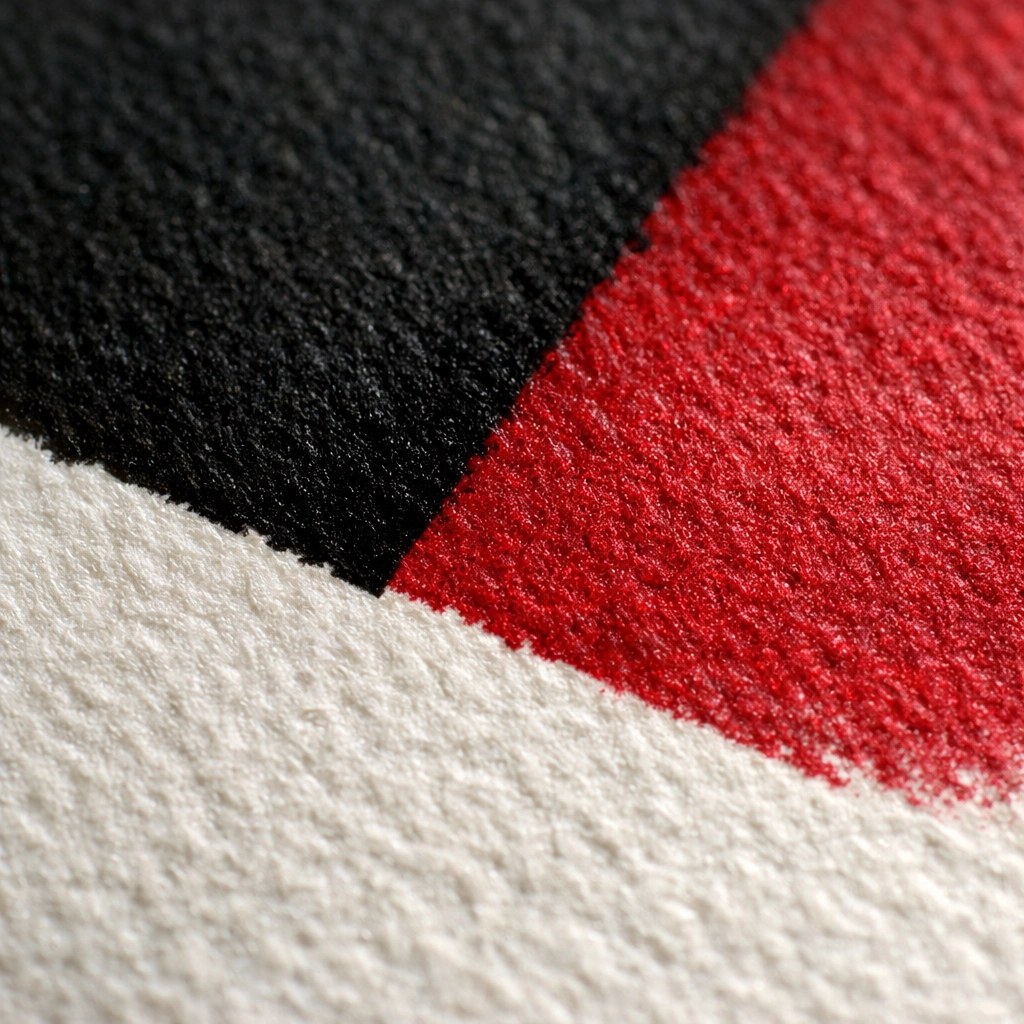
The primary difference you will notice is the use of pigment-based inks rather than the dye-based inks found in consumer-grade printers. Pigment particles are solid and sit on the surface of the paper, offering a level of UV resistance and color depth that is simply unmatched. When these inks are paired with acid-free, 100% cotton rag paper, the result is a chemical bond that ensures your investment won't yellow, crack, or fade within your lifetime.
| Feature | Standard Commercial Print | Museum Quality (Archival) Print |
|---|---|---|
| Ink Type | Dye-based (Liquid) | Pigment-based (Solid particles) |
| Paper Base | Wood pulp (Acidic) | 100% Cotton Rag or Alpha-cellulose |
| Color Gamut | Standard RGB | Extended gamut for deep blacks and vibrant tones |
| Lifespan | 10–20 years before noticeable fading | 100–200+ years when properly cared for |
| Texture | Flat or artificial gloss | Rich, tactile, and velvety finishes |
Elevating Your Collection with Limited Edition Photography Prints
As you curate your personal gallery, the concept of scarcity becomes your most powerful tool. Mass-produced art has its place, but for the serious collector, limited edition photography prints are the gold standard. When you purchase a limited edition piece from Edin Fine Art, you are entering into an exclusive agreement with the artist. Once that edition is sold out, the image is retired forever, which directly propels the value of your specific piece.
This scarcity creates a secondary market where your investment can actually grow. By owning 1 of 10 or 1 of 25, you hold a tangible asset that carries more weight than any digital file ever could. When you look at your collection, you aren't just seeing beautiful imagery; you are seeing a portfolio of assets that reflect your refined taste and commitment to the craft. You can explore our current available editions through our product sitemap to find the perfect centerpiece for your space.
The Role of the Certificate of Authenticity for Art Prints
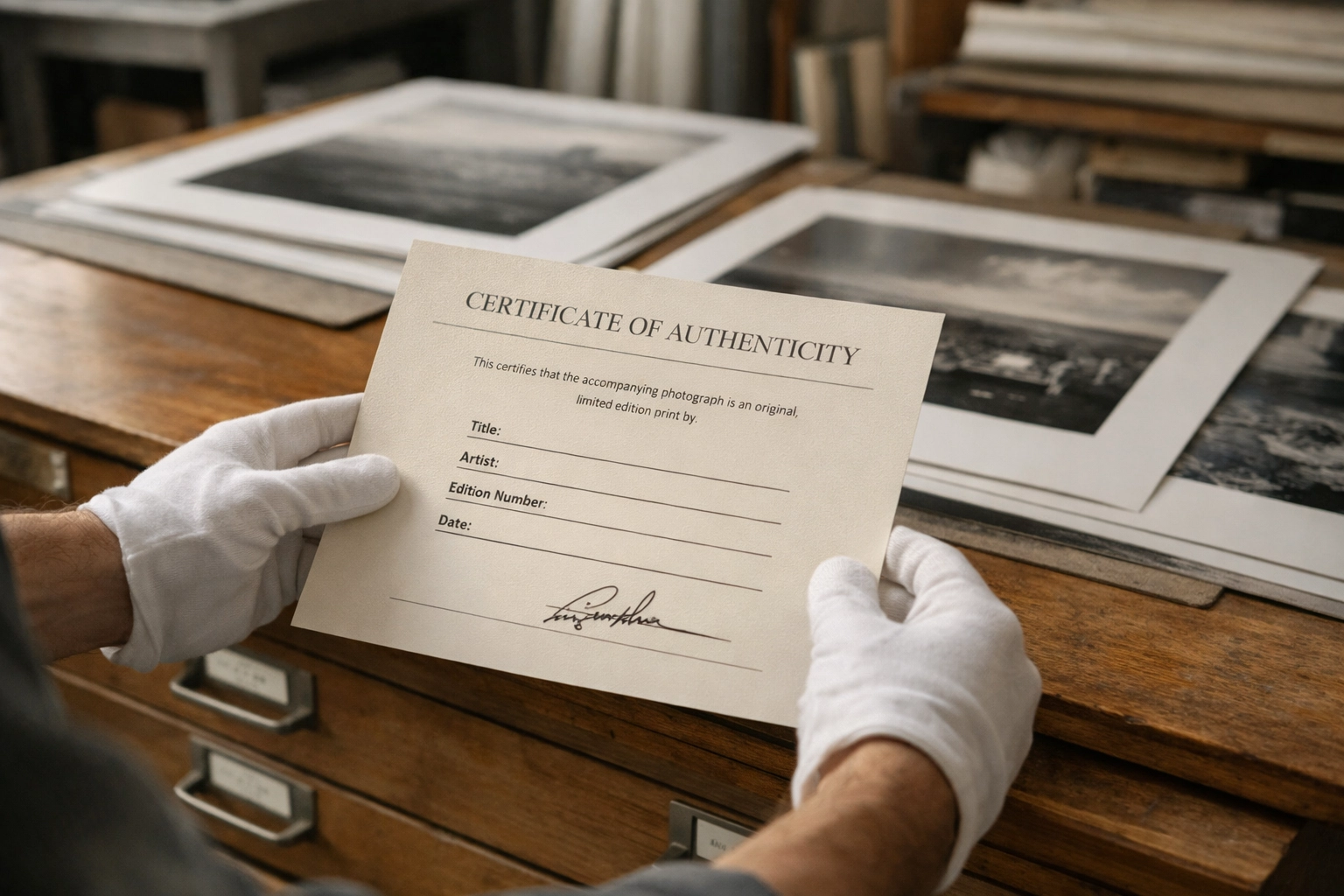
Many collectors overlook the most critical piece of paper in their acquisition: the certificate of authenticity for art prints. Think of this as the "title" to your artwork. Without it, your print is just a beautiful piece of paper; with it, it is a verified historical document.
At Edin Chavez Photography, every high-value piece you acquire comes with a formal certificate. This document serves several vital functions for you:
- Verification of Origin: It proves the work was produced or authorized directly by Edin Chavez.
- Edition Tracking: It confirms your print's number (e.g., 3 of 10) and the total size of the run.
- Appraisal Support: If you ever decide to insure your collection or donate it to a museum, this document is the primary evidence of the work's value.
- Resale Confidence: If you want to know how to sell fine art photography prints in the future, having this certificate is the difference between a quick, high-value sale and a long, difficult negotiation.
Tactile Sophistication: The Feel of Fine Art
There is a sensory experience associated with archival prints that digital screens simply cannot replicate. When you run your eyes over a museum-quality photograph, you can see the way the ink interacts with the fibers of the paper. It feels "smooth as butter" in its transitions, yet possesses a robust physical presence that commands the room.
The texture of the paper: whether it’s a heavy-weight matte or a subtle luster: adds a three-dimensional quality to a two-dimensional image. This tactile nature is what makes a piece feel "alive." As you transition from viewing art on a smartphone to hanging a physical masterpiece in your home, you will realize that the medium is just as important as the message. For more insights on the artistry behind the lens, you can dive into our blog archive.
How to Sell Fine Art Photography Prints and Manage Your Investment
One of the most exciting aspects of collecting museum-quality work is the potential for appreciation. While we always recommend buying art because you love it, it is wise to understand the mechanics of the art market. If you are looking at how to sell fine art photography prints down the line, there are a few protocols you should follow to ensure you get the best return on your investment.
First, your storage and display environment must be impeccable. Using UV-protective glass and archival framing materials is non-negotiable. Second, you should keep all original documentation, including your purchase receipt and that all-important certificate of authenticity for art prints. By maintaining the "provenance" of the piece, you make it much easier for auction houses or private galleries to represent your work to other collectors.
Curation as a Personal Statement
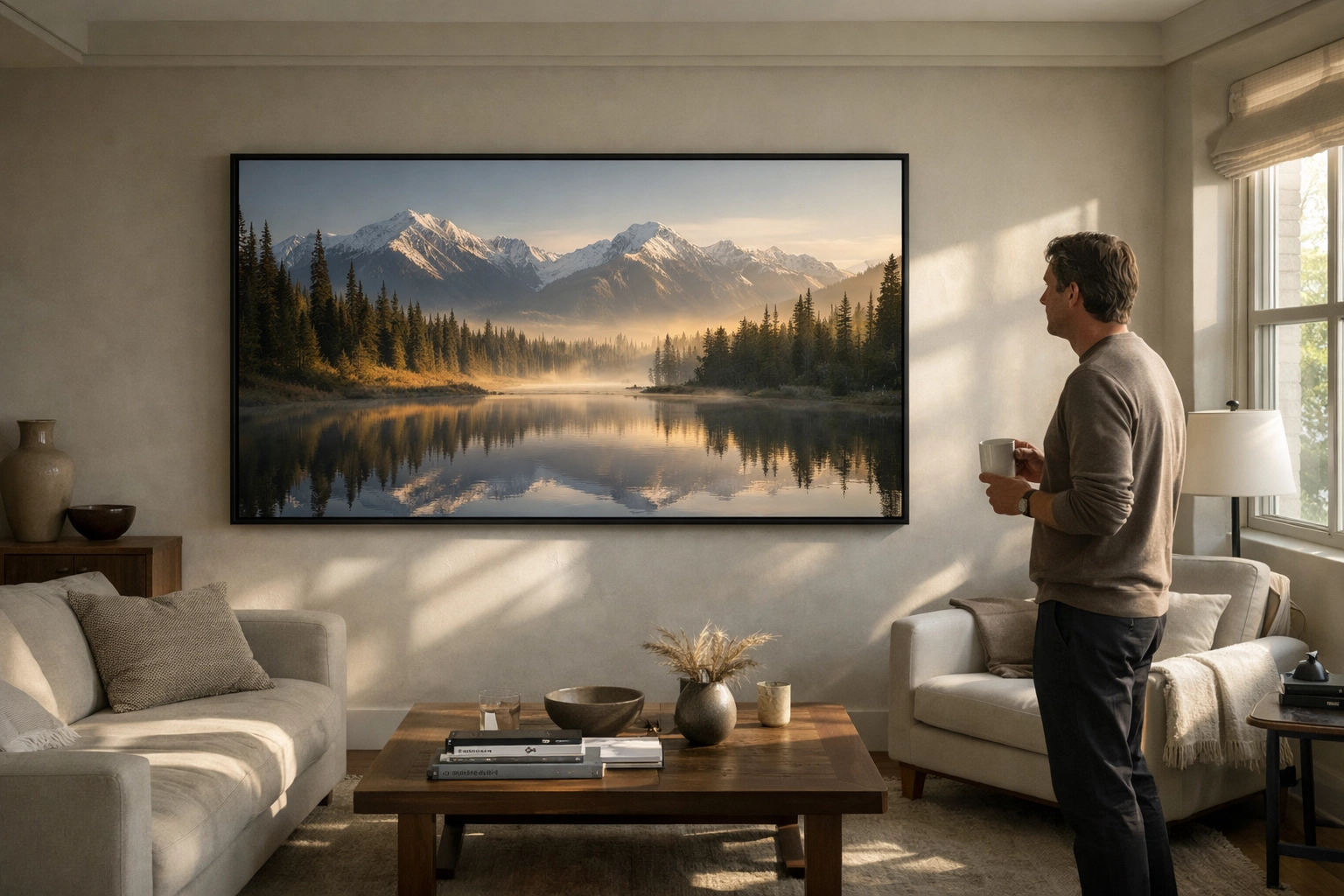
By integrating high-end photography into your home or office, you are doing more than decorating; you are storytelling. Every piece you select tells your guests: and reminds yourself: of your values, your travels, and your eye for quality. Whether you are drawn to the rugged coastlines or the neon-soaked streets of Miami, the quality of the print ensures that the story remains vibrant for decades.
If you are just starting your journey or looking to expand an existing collection, we invite you to browse the galleries at Edin Studios. Our commitment to the highest standards of archival printing ensures that every piece you acquire is a legacy-grade investment. You can also stay updated on our latest releases and technical guides by checking out our post sitemap.
Final Thoughts for the Discerning Collector
Just as the world of finance has shifted toward tangible assets, the art world is seeing a massive resurgence in the demand for physical, high-quality craftsmanship. In a digital age where images are a dime a dozen, the permanence of a museum quality print stands out as a beacon of intentionality.
With these considerations in mind, you are now equipped to navigate the world of fine art with confidence. By prioritizing archival materials, insisting on certificates of authenticity, and focusing on limited editions, you ensure that your collection remains a source of pride and value for generations to come. Your walls deserve more than just decor: they deserve a legacy. Hence, the next time you look at a piece of art, don't just ask yourself if you like it; ask yourself if it's built to last.
With the right knowledge and a focus on quality, your journey into fine art collection will be as rewarding as the art itself. For more education on the world of photography and high-end prints, feel free to visit blog.edinchavez.com and join our community of passionate collectors.


