
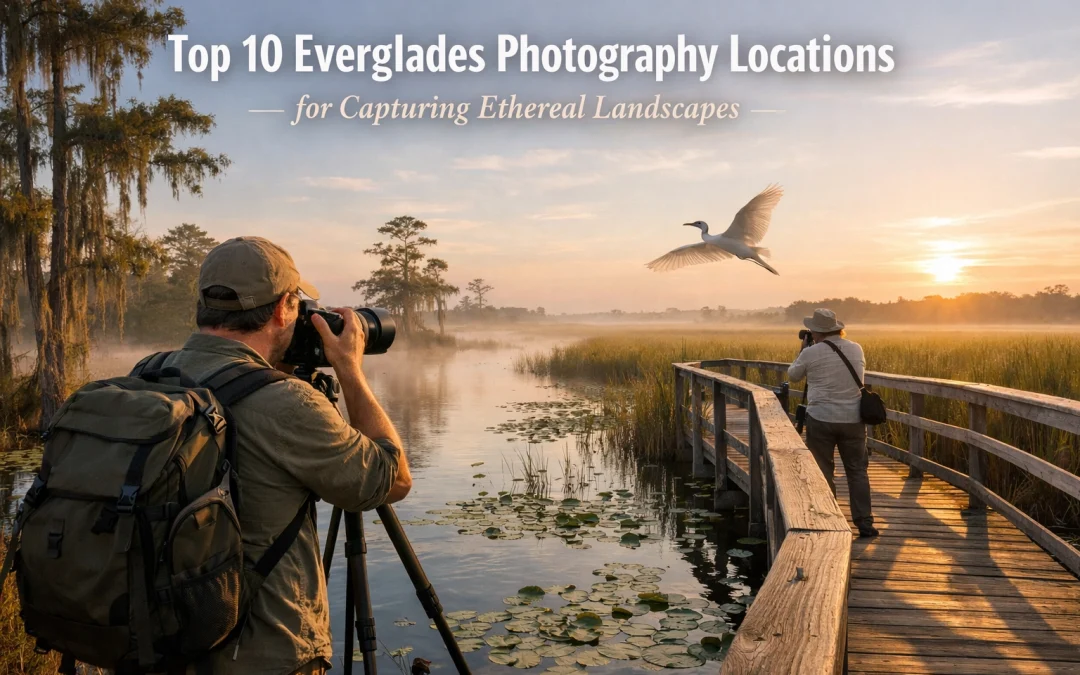
As the morning mist hangs heavy over the sawgrass and the first light of dawn begins to bleed across the horizon, you realize that the Everglades is not just a swamp: it is a living, breathing masterpiece. For any serious photographer, this ecosystem offers a level of raw, ethereal beauty that is unmatched anywhere else in the world. Whether you are chasing the prehistoric silhouette of an alligator or the delicate, painterly colors of a coastal sunset, the River of Grass provides a canvas that rewards patience and technical precision.
To truly master Everglades photography locations, you need to know exactly where to stand when the light hits just right. Navigating this vast wilderness can be daunting, but with the right guidance, you can transform a standard trip into a fine art expedition. At Edin Chavez Photography, we believe in empowering you to see the world through a more intentional lens. This guide will walk you through the top 10 locations to capture stunning landscape photography Everglades and breathtaking wildlife shots that will elevate your portfolio to professional standards.
1. Anhinga Trail (Royal Palm)
If you are looking for the quintessential wildlife photography Everglades experience, the Anhinga Trail at Royal Palm is your first stop. Located near the Homestead entrance, this boardwalk winds through a sawgrass marsh teeming with life. You will find anhingas drying their wings, herons standing motionless in the reeds, and alligators lounging just feet from the trail.
The magic here happens at sunrise. As the sun creeps up, the mist rising off the water creates a soft, ethereal glow that is a dream for fine art collectors. By arriving early, you ensure you beat the crowds and capture the wildlife while they are most active. This is the perfect spot to practice your composition, using the boardwalk as a leading line to draw the viewer’s eye into the heart of the marsh.
2. Shark Valley
Located along the Tamiami Trail, Shark Valley offers a 15-mile loop that takes you deep into the freshwater marl prairies. While many visitors take the tram, as a photographer, you want the freedom to stop whenever the light changes. Biking the loop or walking the first few miles allows you to find those secluded spots where the reflections are as smooth as butter.
The 65-foot observation tower at the halfway point provides a panoramic perspective that is essential for landscape photography Everglades. From here, you can see the vastness of the ecosystem, capturing the patterns of the water and grass that define this unique terrain.
3. Pahayokee Overlook
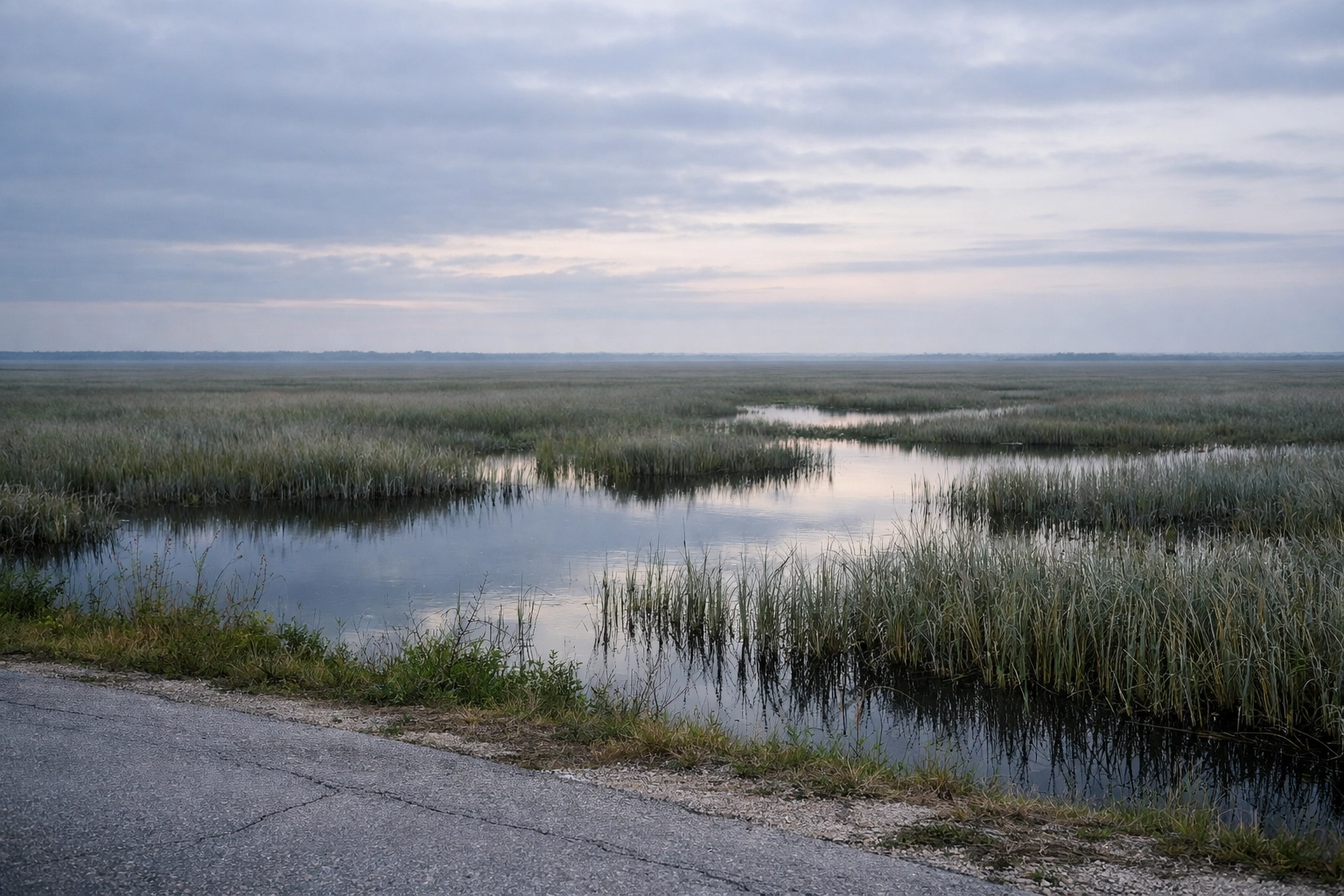
Pahayokee is perhaps the best location for capturing the "River of Grass" in its purest form. The raised observation platform offers an unobstructed view of the horizon, making it a premier sunrise location. When the sky turns shades of purple and gold, the scattered cypress trees stand as dramatic silhouettes against the light.
When water levels are low, you can often find interesting textures in the limestone and sawgrass. This spot encourages you to think about minimalism in your photography: focusing on the vastness of the sky and the subtle shifts in the landscape. To truly master these conditions, you might consider our Everglades Photography Guide, which provides deeper insights into the seasonal changes of the park.
4. Big Cypress National Preserve (Loop Road)
While technically adjacent to the main park, Big Cypress is ecologically inseparable and offers a more rugged, untamed atmosphere. The 24-mile Loop Road is a photographer's paradise. It is unpaved, dusty, and absolutely packed with opportunities for fine art photography.
Here, you are looking for cypress domes, rare orchids, and the elusive barred owl. The ancient cypress trees, draped in Spanish moss, create a gothic, ethereal mood that is perfect for black-and-white conversions. Because it is less crowded than the main park trails, Big Cypress allows you the solitude necessary to wait for the perfect moment.
5. Mahogany Hammock
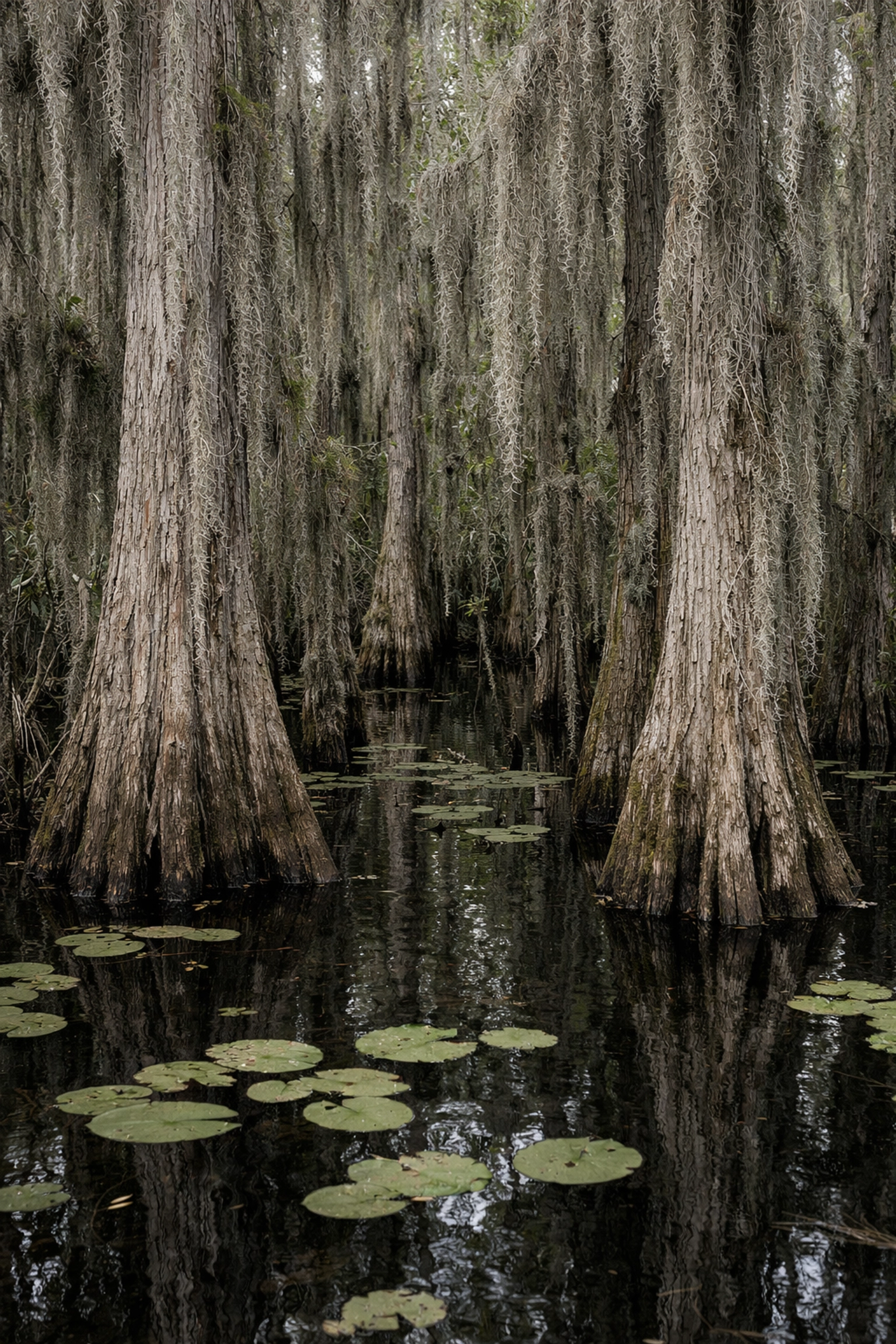
Step into a different world at Mahogany Hammock. A boardwalk leads you through a dense island of hardwood trees, including the largest living mahogany tree in the United States. The lighting here is filtered and moody, providing a stark contrast to the bright, open prairies found elsewhere in the park.
This location is ideal for capturing intricate textures, ferns, and the play of light through the canopy. If you are patient, you might even spot an owl perched high in the branches. It’s an excellent spot for macro photography and for capturing the "hidden" details of the Everglades.
6. Eco Pond (Flamingo)
Near the southernmost point of the park in Flamingo, Eco Pond is a haven for waterfowl. During the winter months, when water levels drop, birds congregate here in massive numbers. You can expect to see roseate spoonbills, their pink feathers popping against the deep greens and blues of the pond.
Sunset is the prime time here. As the sun dips low, you can capture silhouettes of birds in flight against a fiery sky. The stillness of the pond often creates mirror-like reflections that enhance the ethereal quality of your images.
7. Nine Mile Pond
For the adventurous photographer, Nine Mile Pond offers the chance to get on the water. Renting a canoe or kayak allows you to access perspectives that are impossible from land. You can glide through mangrove tunnels and out into open flats where the water is only inches deep.
Photographing from a low angle on the water provides an intimate view of the environment. It allows you to emphasize the foreground reflections and the architectural beauty of the mangrove roots. Remember to bring a waterproof bag for your gear to ensure your equipment stays safe while you explore.
8. Fakahatchee Strand Preserve
Often called the "Amazon of North America," Fakahatchee Strand is where you go for raw, authentic Florida swamp photography. This is the home of the famous ghost orchid and some of the most stunning cypress strands in the state.
The photography here is challenging but rewarding. You’ll want to visit in the late afternoon when the light filters through the trees, illuminating the bromeliads and ferns. It’s a place that demands a professional approach to light management, often requiring a tripod and longer exposures to capture the deep shadows and bright highlights of the swamp.
9. Turner River Road
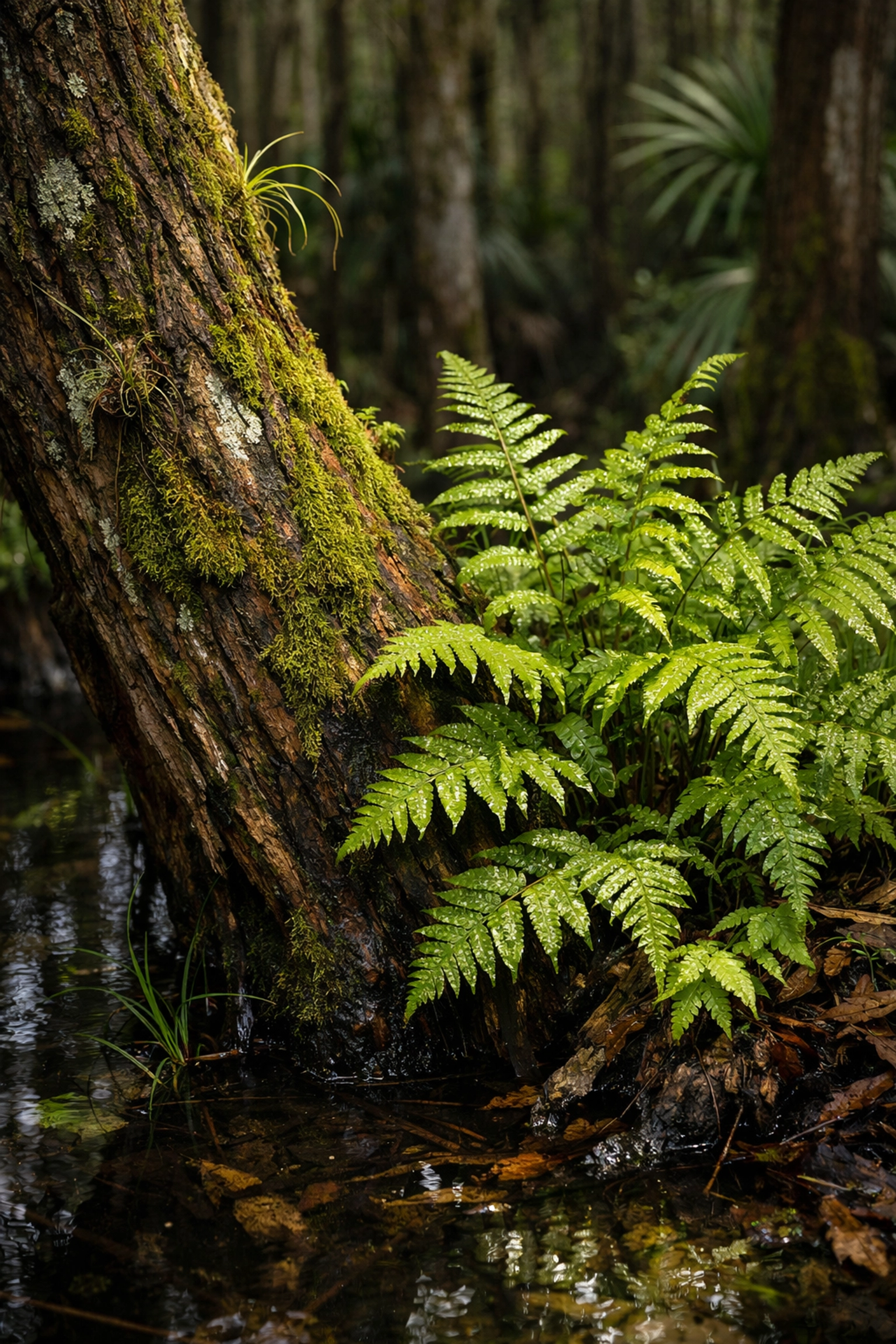
Another gem within the Big Cypress area, Turner River Road runs north-south through a variety of habitats. The canals lining the road are almost always filled with alligators and birds, making it a reliable spot for wildlife photography Everglades.
What makes Turner River Road special is the scale. The vast open vistas of the prairies transition into dense cypress forests, providing a diverse range of subjects within a single drive. It is an excellent location for "bird-on-a-stick" shots as well as wide-angle landscapes that showcase the dramatic Florida clouds.
10. Wakodahatchee Wetlands
While located slightly north of the official park boundaries in Delray Beach, Wakodahatchee is built on the same principles and offers some of the most accessible bird photography in the region. The boardwalk takes you right into the middle of nesting colonies.
For a fine art photographer, the proximity to the subjects at Wakodahatchee allows for stunning detail shots of feathers, eyes, and nesting behaviors. It’s a great place to warm up your skills before heading deeper into the more remote areas of the Everglades.
Comparison of Key Photography Spots
| Location | Primary Subject | Best Time to Shoot | Photography Type |
|---|---|---|---|
| Anhinga Trail | Alligators & Herons | Sunrise | Wildlife / Fine Art |
| Shark Valley | Panoramic Vistas | Mid-morning / Sunset | Landscape |
| Pahayokee | Sawgrass Prairies | Sunrise | Landscape / Ethereal |
| Big Cypress | Cypress Domes | Late Afternoon | Fine Art / Nature |
| Eco Pond | Roseate Spoonbills | Sunset | Wildlife / Silhouette |
Essential Gear for Your Everglades Expedition
To make the most of these Everglades photography locations, your gear choice is critical. A telephoto lens (300mm or longer) is a must for wildlife to ensure you maintain a safe and respectful distance. For landscapes, a wide-angle lens will help you capture the immense scale of the sky and prairies.
Don't forget a sturdy tripod and a circular polarizer. The polarizer is essential for cutting glare off the water and foliage, allowing the true colors of the Everglades to shine through. Most importantly, ensure you are prepared for the elements with bug spray, sun protection, and plenty of water.
Elevate Your Artistry
Capturing the Everglades is about more than just clicking a shutter; it’s about understanding the rhythm of the water and the movement of the light. Each of these locations offers a unique story, and it is your job to tell it through your lens. Whether you are looking to create large-format prints for your home or simply want to document one of the world’s most unique ecosystems, these spots provide the foundation you need.
If you are ready to take your skills to the next level and want the ultimate insider's guide to these locations, I highly recommend picking up our Everglades Photography Guide. It contains the specific GPS coordinates, seasonal tips, and technical advice that I use for my own fine art work.
Explore more of our work and educational resources at Edin Studios or browse our latest articles on the Edin Chavez Blog. For collectors looking for museum-quality prints of these stunning locations, visit Edin Fine Art to see the Everglades captured in all its glory.
With these considerations in mind, grab your gear and head into the wild. The ethereal landscapes of the Everglades are waiting for you to capture them.


