
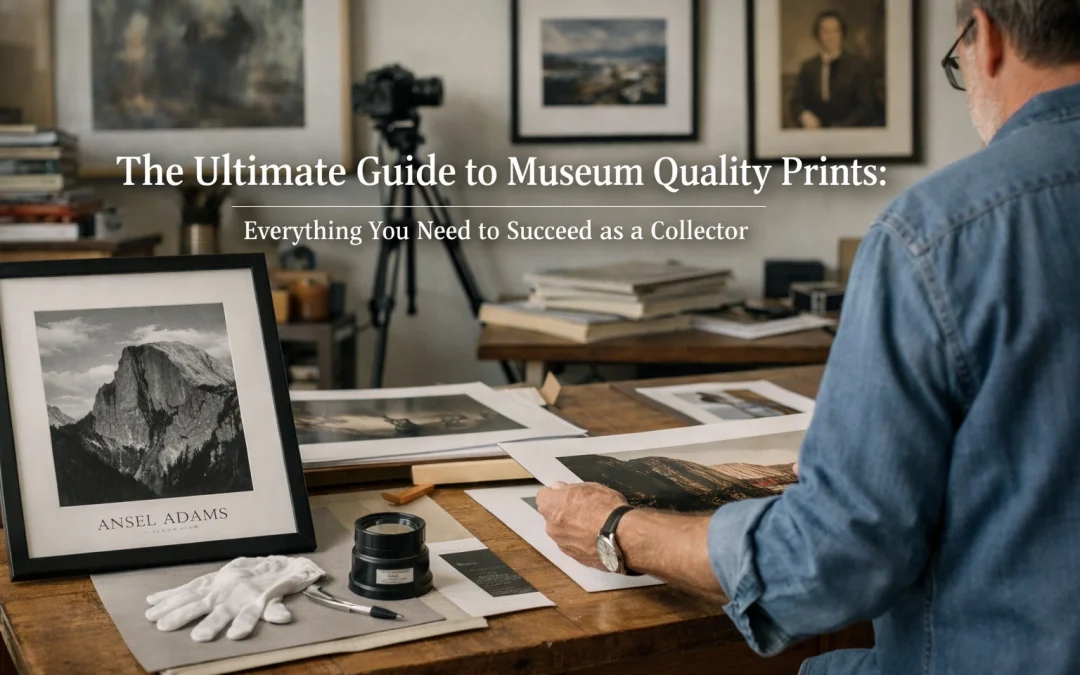
As you step into the world of fine art collecting, you quickly realize that not all art is created equal. You might find a stunning image, but if it’s printed on standard poster paper with cheap ink, that "masterpiece" will begin to fade before you even decide where to hang it. When you are looking to invest in pieces that hold their value and beauty for a lifetime, you need to understand the gold standard: museum quality prints.
Building a collection is more than just buying what looks good; it’s about ensuring the longevity and integrity of the work. Whether you are browsing Edin Chavez Photography for your next big acquisition or looking to refine your current gallery, this guide empowers you with the insider knowledge to distinguish true archival art from temporary decor.
What Exactly Defines Museum Quality?
Just as a luxury watch is defined by its movement and materials, museum quality prints are defined by their archival stability, color fidelity, and material excellence. When you hear the term "museum quality," it means the print is engineered to resist the common enemies of art: light, humidity, and atmospheric pollutants. These prints don’t just look better; they are built to last over 100 years without yellowing, cracking, or fading.
The foundation of this quality is the archival prints process. Unlike standard commercial printing that uses dye-based inks, museum-grade work utilizes pigment-based inks. These pigments are tiny particles of color that bond to the surface of the paper, offering a depth and richness that dye simply cannot match. When you view a high-end print, you aren't just seeing color; you are seeing a sophisticated layering of light and texture that remains stable for generations.
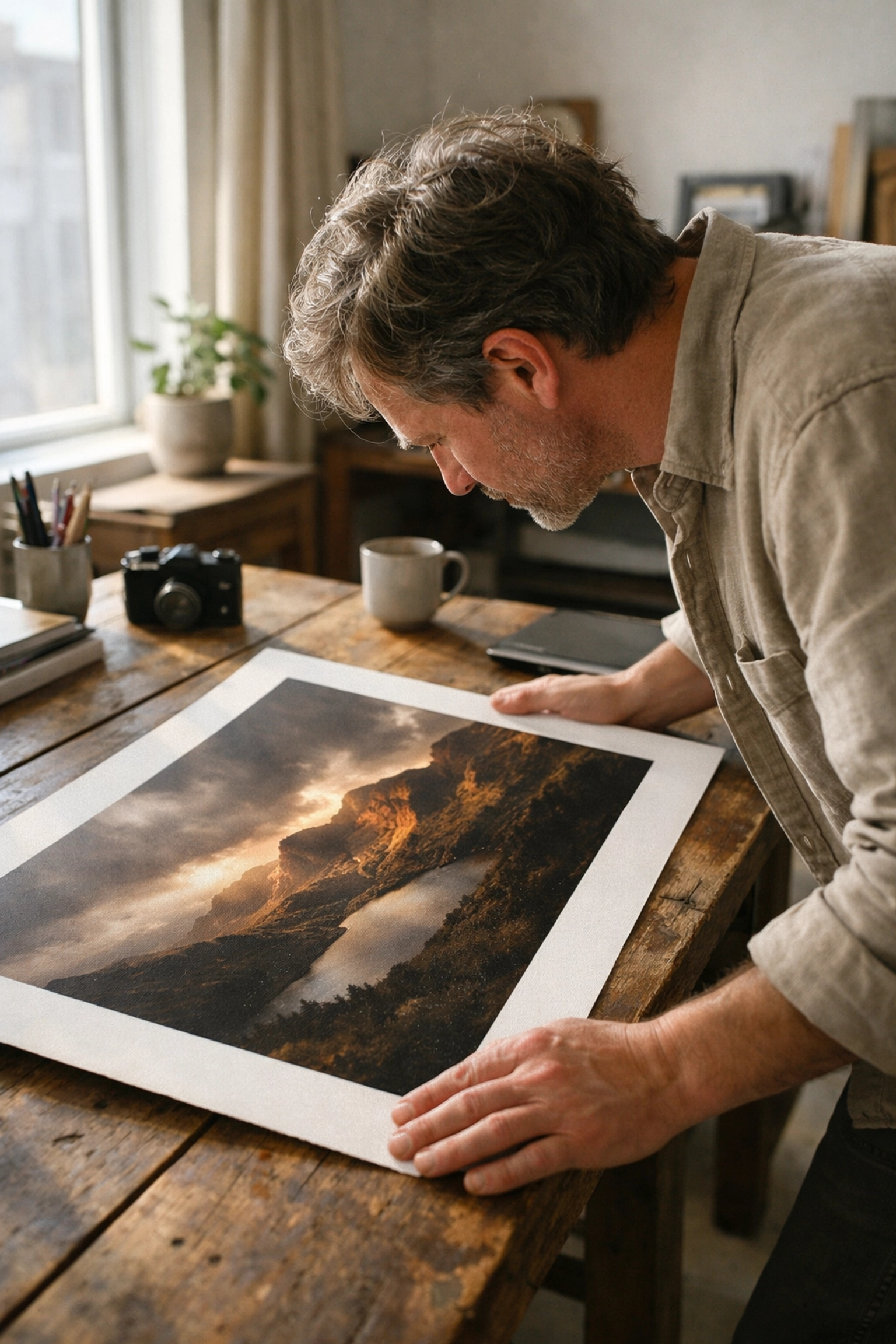
The Three Pillars of Archival Excellence
To succeed as a collector, you must look for three specific elements in every piece you consider. This commitment to quality is what separates a casual buyer from a serious curator.
1. Pigment-Based Inks vs. Dye
Most home printers and budget shops use dye-based inks. While they can look vibrant initially, they are highly susceptible to UV damage. As a collector, you should only accept prints made with high-end pigment inks. These inks offer a wider color gamut and exceptional permanence. This is the tech that ensures your investment looks exactly the same fifty years from now as it does today.
2. Acid-Free, Lignin-Free Paper
The paper (or substrate) is just as critical as the ink. Standard papers contain acid and lignin, which cause the paper to turn yellow and brittle over time. To ensure your collection stands the test of time, you must verify that the artist uses acid-free, 100% cotton rag or alpha-cellulose papers. Brands like Hahnemühle and Canson Infinity are the industry benchmarks you should look for.
3. The Giclée Process
You’ve likely heard the term "Giclée." This is a sophisticated inkjet printing process that allows for incredible precision. By using high-resolution files (typically 300 DPI or higher) and professional-grade printers, artists can capture the subtle transitions in a sunset or the fine textures of a landscape. When you buy a Giclée print, you are buying the most accurate representation of the artist's original vision.
| Feature | Standard Print | Museum Quality Print |
|---|---|---|
| Ink Type | Dye-based | Pigment-based |
| Paper | Wood pulp/Acidic | Acid-free Cotton Rag |
| Longevity | 5-10 years | 100+ years |
| Color Fidelity | Prone to shifting | Extremely accurate |
| Texture | Flat/Glossy | Rich, tactile variety |
The Power of Limited Edition Photography Prints
In the world of art, scarcity drives value. While "open edition" prints are produced indefinitely, limited edition photography prints are restricted to a specific number of copies. Once that edition is sold out, no more will ever be produced in that format.
As a collector, limited editions offer you a sense of exclusivity. When you own a "1 of 10" print, you own a piece of a very small, elite circle. This scarcity is a primary factor in how art appreciates over time. If you are looking to enhance your own digital workflow to match this level of professional output, using the Ultimate Lightroom Preset Collection can help you achieve that signature look before you even hit the "print" button.
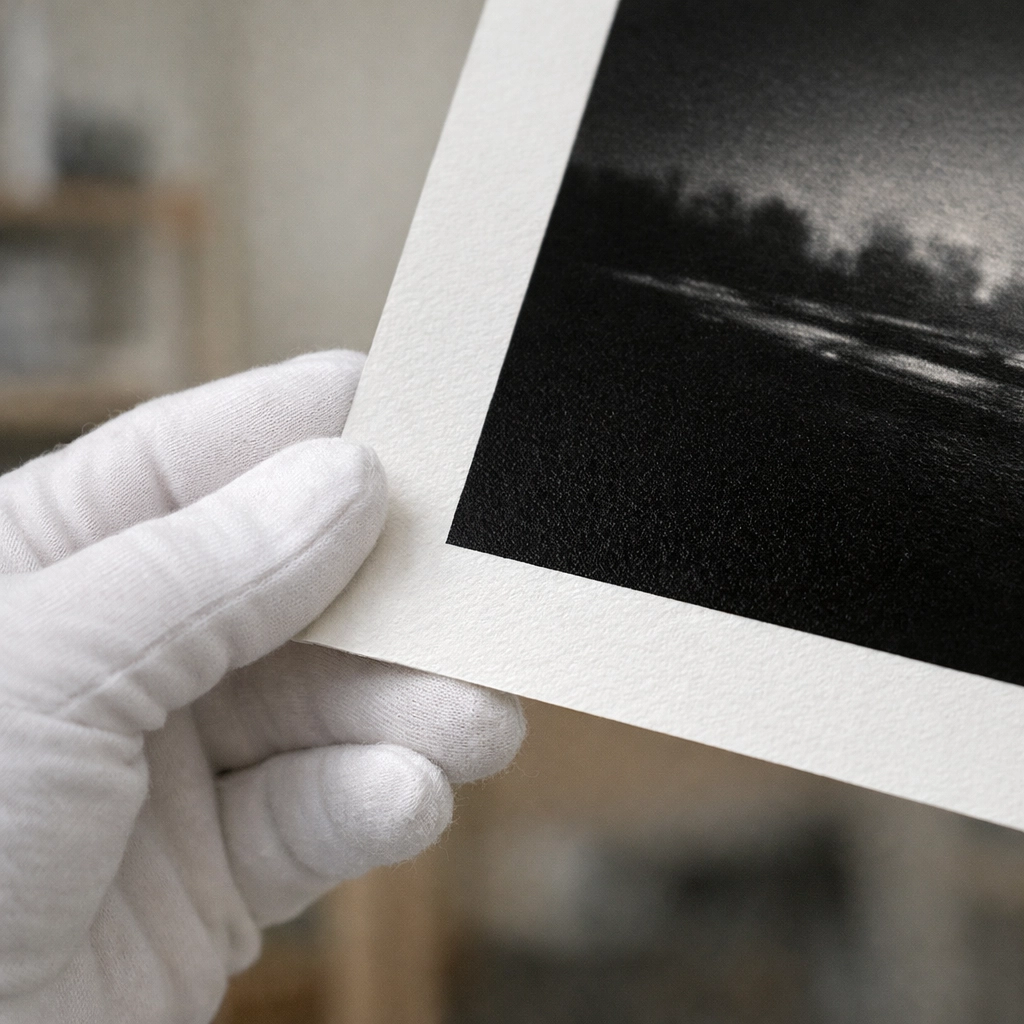
Protecting Your Investment: The Certificate of Authenticity
Never buy a high-value art print without a certificate of authenticity for art prints (COA). This document is your proof of provenance. It links the physical artwork to the artist and the specific edition number. A proper COA should include:
- The artist's name and signature.
- The title of the work.
- The date of production.
- The edition number (e.g., 5/20).
- Details on the materials used (ink and paper brand).
Without this document, the resale value of your piece drops significantly. If you ever decide to move your collection, the COA is the first thing a serious buyer or gallery will ask for. It provides the legal and professional "DNA" of your artwork.
How to Sell Fine Art Photography Prints
Perhaps you are an artist yourself, or a collector looking to rotate your gallery. Understanding how to sell fine art photography prints requires a shift in mindset from "selling a picture" to "selling an asset."
To sell successfully, you must emphasize the archival nature of the work. Buyers need to know they aren't just paying for the image, but for the craftsmanship and the materials. High-resolution photography, professional framing, and a clear provenance through a COA are your best tools. You can explore more about the professional side of the industry at Edin Chavez’s blog, where we dive deep into the business of art.
If you are looking for secondary market success, focus on:
- Condition: Keep your prints in UV-protected glass.
- Documentation: Keep every receipt and certificate.
- Curation: Build a cohesive collection that appeals to specific niches, such as landscape or urban architecture.
Display and Care: Keeping the Value Intact
Your job as a collector doesn't end once the print is delivered. Proper curation and care are what ensure your archival prints remain in pristine condition. Even the best pigment inks can struggle if you hang your art in direct, harsh sunlight for 10 hours a day.
When framing your museum quality pieces, always opt for:
- UV-Protective Glass or Acrylic: This filters out the harmful rays that cause gradual fading.
- Acid-Free Matting: Ensure the mat board touching your print is also archival. Cheap mats can "bleed" acid onto your print over time, causing a visible brown line around the edges.
- Climate Control: Avoid hanging high-value art in bathrooms or kitchens where humidity and temperature fluctuate wildly.
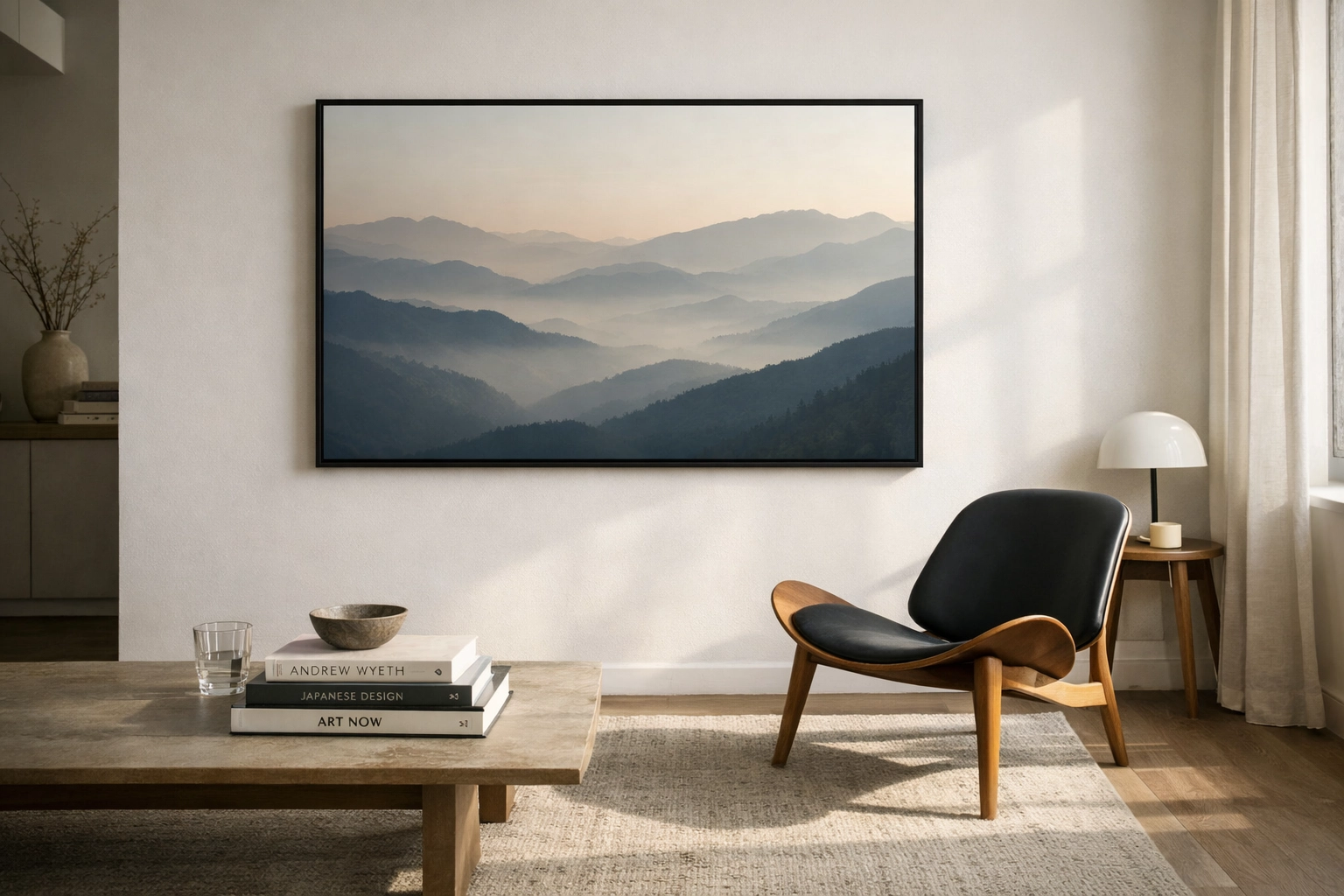
Why Quality Matters for Your Space
Ultimately, your collection is a reflection of your taste and your standards. When you choose Edin Chavez Fine Art, you are choosing a commitment to the highest levels of production. There is a tactile, emotional difference when you stand in front of a museum-grade piece. The blacks are deeper, the highlights are crisp, and there is a presence to the work that mass-produced posters simply lack.
Whether you are just starting out or you are a seasoned curator, focusing on museum quality prints ensures that your walls tell a story of quality, longevity, and professional excellence. By insisting on pigment inks, archival papers, and proper certification, you protect your financial investment and ensure that your love for art can be passed down to the next generation.
With these considerations in mind, you are now equipped to navigate the art market with confidence. You know what to look for, what questions to ask, and how to preserve the beauty of your collection for a lifetime. Happy collecting!


