
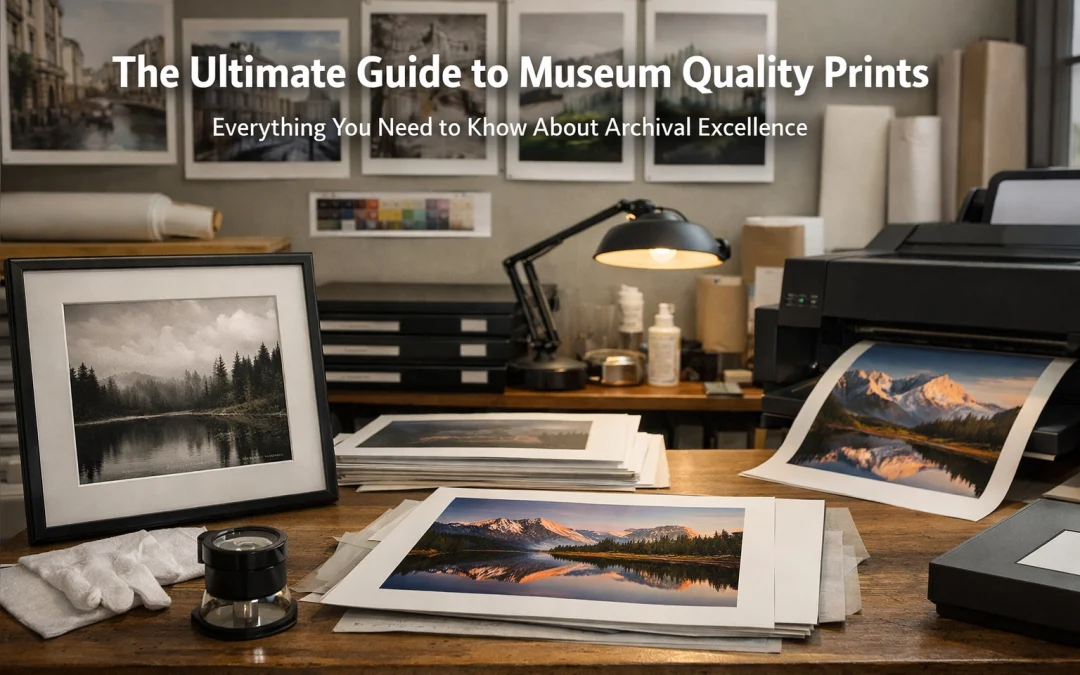
Just as the fine art world has transitioned from traditional oil on canvas to the breathtaking clarity of digital mastery, your understanding of what makes a physical print "valuable" must evolve too. If you are a collector looking to invest in a piece that will last generations, or a photographer aiming to elevate your work to the highest standards, you need to understand the science behind museum quality prints.
When you buy a standard poster from a big-box store, you are buying a product with a shelf life. Within a decade, the colors shift, the paper yellows, and the image loses its soul. But when you invest in archival prints, you are securing a legacy. These pieces are engineered to resist degradation for 100 years or more, maintaining the exact visual fidelity the artist intended.
At Edin Studios, we believe that the physical manifestation of an image is just as important as the moment it was captured. Whether you are browsing Edin Fine Art for your next statement piece or learning the craft on the Edin Chavez Blog, understanding archival excellence is your first step toward true art appreciation.
What Actually Defines Museum Quality?
You might hear terms like "archival," "giclée," and "museum-grade" thrown around loosely, but in the professional world, these have very specific meanings. A museum-quality print rests on three critical pillars: archival stability, color accuracy, and material excellence.
Archival Stability is the most important factor for collectors. It ensures that the print resists fading, cracking, and yellowing despite environmental factors like light and humidity. This is achieved by using materials that are 100% acid-free and lignin-free.
Color Accuracy ensures that what you see on the paper is an exact match to the artist's vision. This requires a sophisticated workflow of color management and calibration. If the blacks aren't deep and the skin tones aren't natural, it simply isn't museum quality.
Premium Materials involve the use of specialized pigment-based inks and high-weight substrates (paper, metal, or acrylic) that don't leach chemicals over time.
The Archival Trinity: Inks, Paper, and Process
To achieve true archival excellence, you cannot cut corners. Every component of the print must be designed for longevity.
1. Pigment-Based Inks vs. Dye Inks
Most consumer printers use dye-based inks. They look great at first, but they are highly susceptible to UV damage and oxidation. For museum quality prints, we exclusively use pigment-based inks. These inks contain tiny particles of color that sit on top of the paper fibers rather than soaking in, providing much higher resistance to fading.
| Feature | Dye-Based Inks | Pigment-Based Inks (Museum Standard) |
|---|---|---|
| Longevity | 5–15 years before fading | 100–200+ years |
| Water Resistance | Low (smears easily) | High |
| Color Depth | Vibrant but temporary | Rich, stable, and accurate |
| Investment Value | Low / Decorative | High / Collectible |
2. The Substrate: More Than Just "Paper"
Your choice of paper (or substrate) determines the tactile feel and the lifespan of the artwork. When you are looking for archival prints, you must check the weight and the chemical composition.
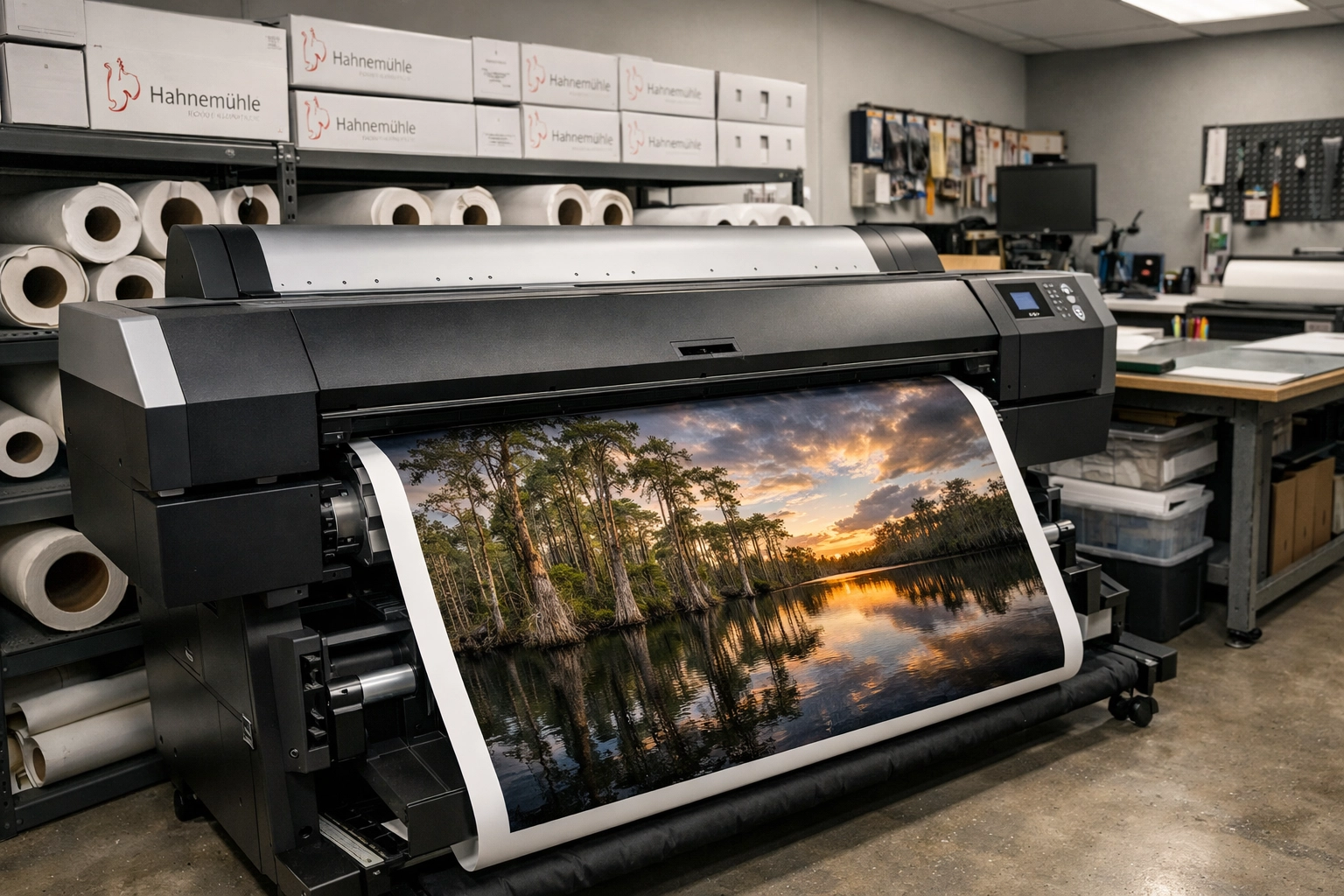
High-end fine art papers from brands like Hahnemühle or Canson are made of 100% cotton rag or alpha-cellulose. They are naturally acid-free, meaning they won't become brittle or yellow over time. For a professional feel, look for papers with a weight of at least 300 gsm (grams per square meter).
If you're editing your own work to meet these standards, using the Ultimate Lightroom Preset Collection can help you establish the correct tonal foundations before you ever hit "print."
3. The Giclée Process
The word "giclée" comes from the French word for "to spray." This refers to high-resolution inkjet printers that apply millions of microscopic droplets of pigment ink with incredible precision. This process allows for smooth gradations and a level of detail that traditional offset printing simply cannot match.
Limited Edition Photography Prints: Creating Scarcity and Value
As a collector, you aren't just buying an image; you are buying a piece of history. This is where limited edition photography prints come into play. By limiting the number of copies produced, the artist ensures the work maintains its value over time.
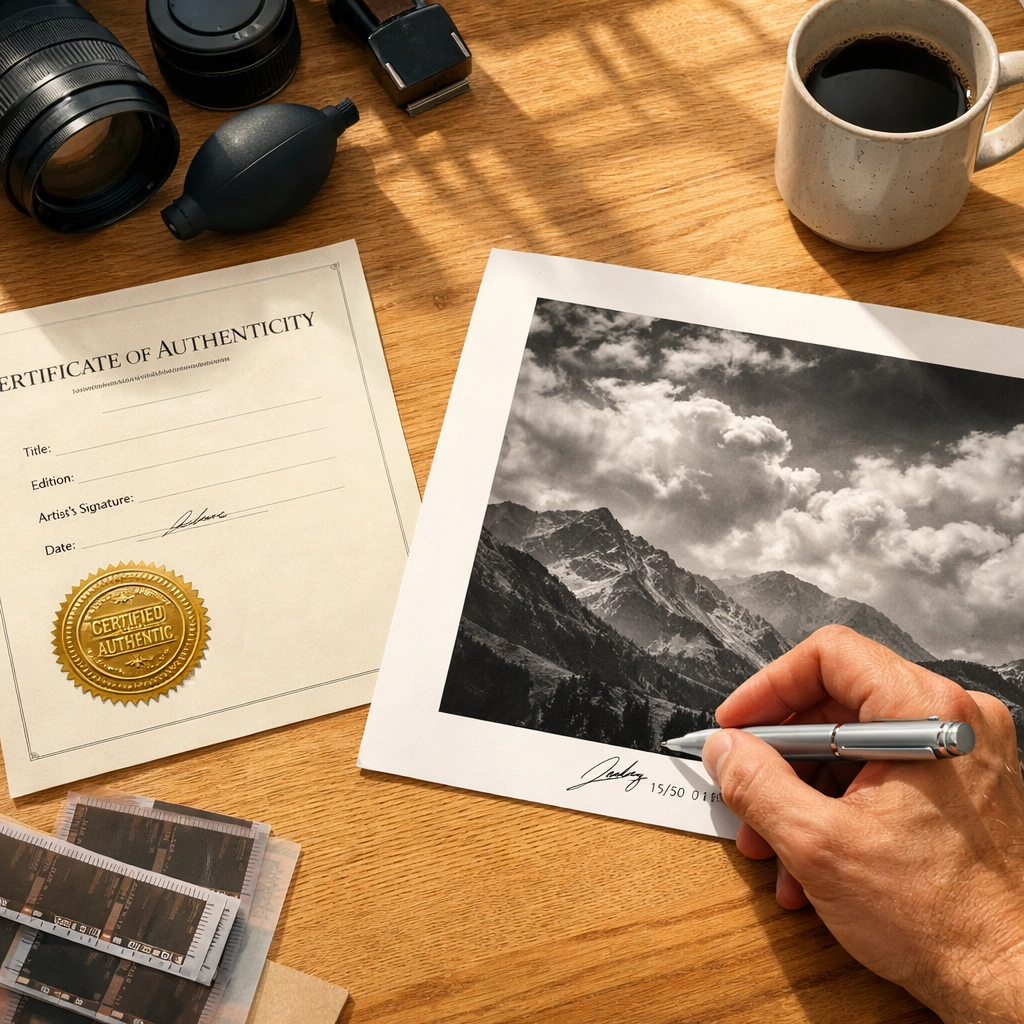
When a print is part of a limited edition, it should be numbered (e.g., 1/25) and signed by the artist. Once the edition is sold out, no more prints of that size and medium will ever be made. This scarcity is a primary driver for high-value art investments.
Why the Certificate of Authenticity for Art Prints Matters
Never purchase a high-value print without a certificate of authenticity for art prints (COA). This document is your "title" to the artwork. It should include:
- The artist's name and signature.
- The title of the work and the date it was created.
- The edition number and total edition size.
- The exact materials used (ink type and paper brand).
- A unique serial number or hologram to prevent forgery.
Having a COA not only protects your investment but also makes it much easier to resell the piece in the future.
How to Sell Fine Art Photography Prints to Collectors
If you are a photographer wondering how to sell fine art photography prints, you must pivot your mindset from "selling a photo" to "providing an heirloom." High-value collectors aren't looking for a bargain; they are looking for quality and trust.
- Standardize Your Quality: Use a professional lab that specializes in giclée printing. If you can't guarantee 100-year longevity, you can't charge museum prices.
- Curation is Key: Don't sell everything. Offer a curated selection of your best work as limited editions.
- The Unboxing Experience: When a collector receives your work, it should be an event. Use acid-free tissue paper, include a handwritten note, and ensure the COA is presented beautifully.
- Education: Teach your clients why your prints cost more. Explain the pigment inks, the cotton rag paper, and the archival process. When they understand the value, price becomes a secondary conversation.
For those just starting, exploring the tutorials on blog.edinchavez.com will give you the technical edge needed to produce work that curators actually want to see.
Evaluating a Print Like a Pro
When you are standing in a gallery or receiving a shipment from Edin Fine Art, how do you know you've actually received a museum-quality piece? Use this checklist:
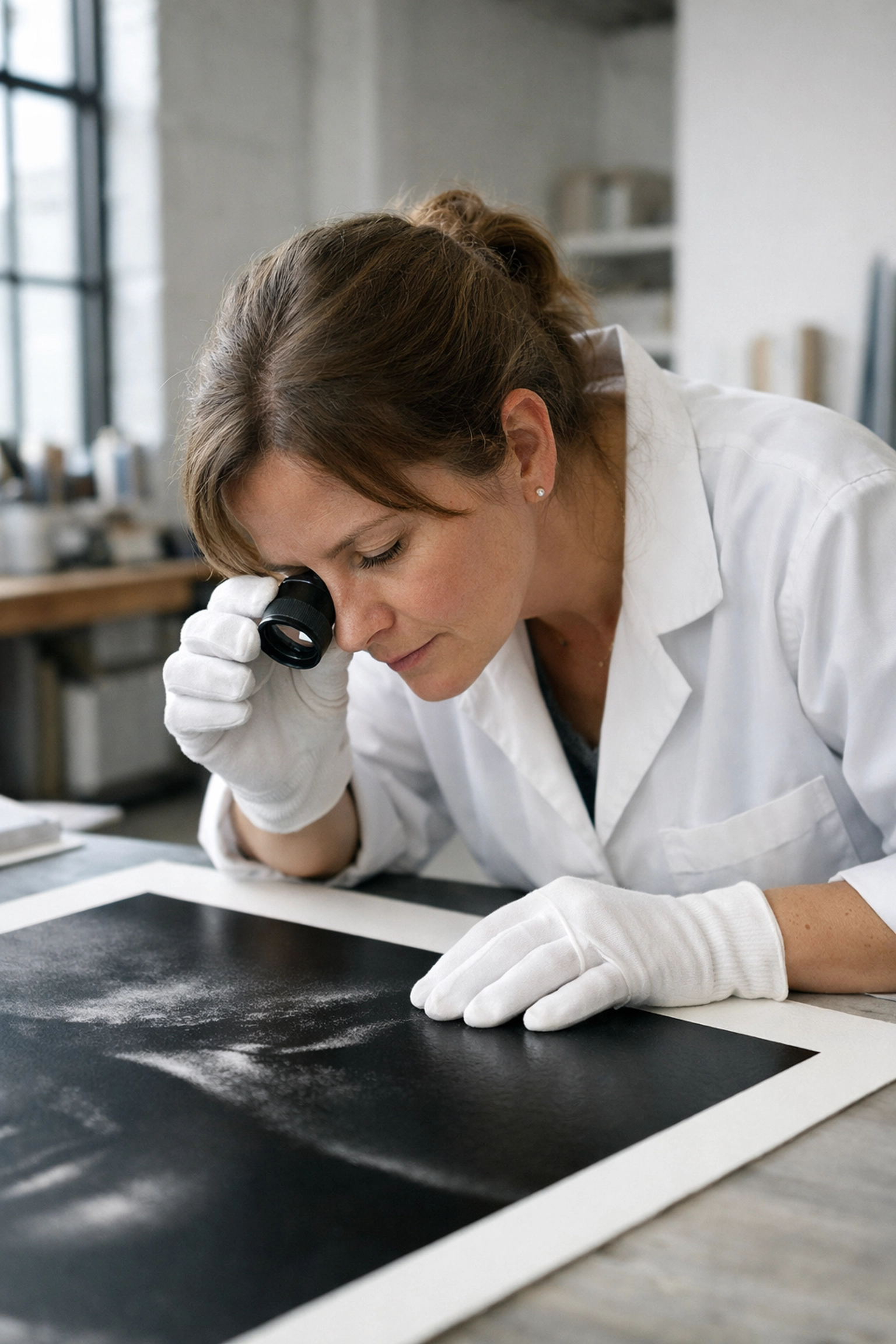
- Check the Blacks: Are the shadows deep and rich, or do they look "muddy" or grey?
- Inspect the Edges: Is the detail sharp? There should be no visible "dots" or pixelation, even when looking closely.
- Feel the Weight: Does the paper feel substantial? Museum-grade paper usually feels more like fabric than standard office paper.
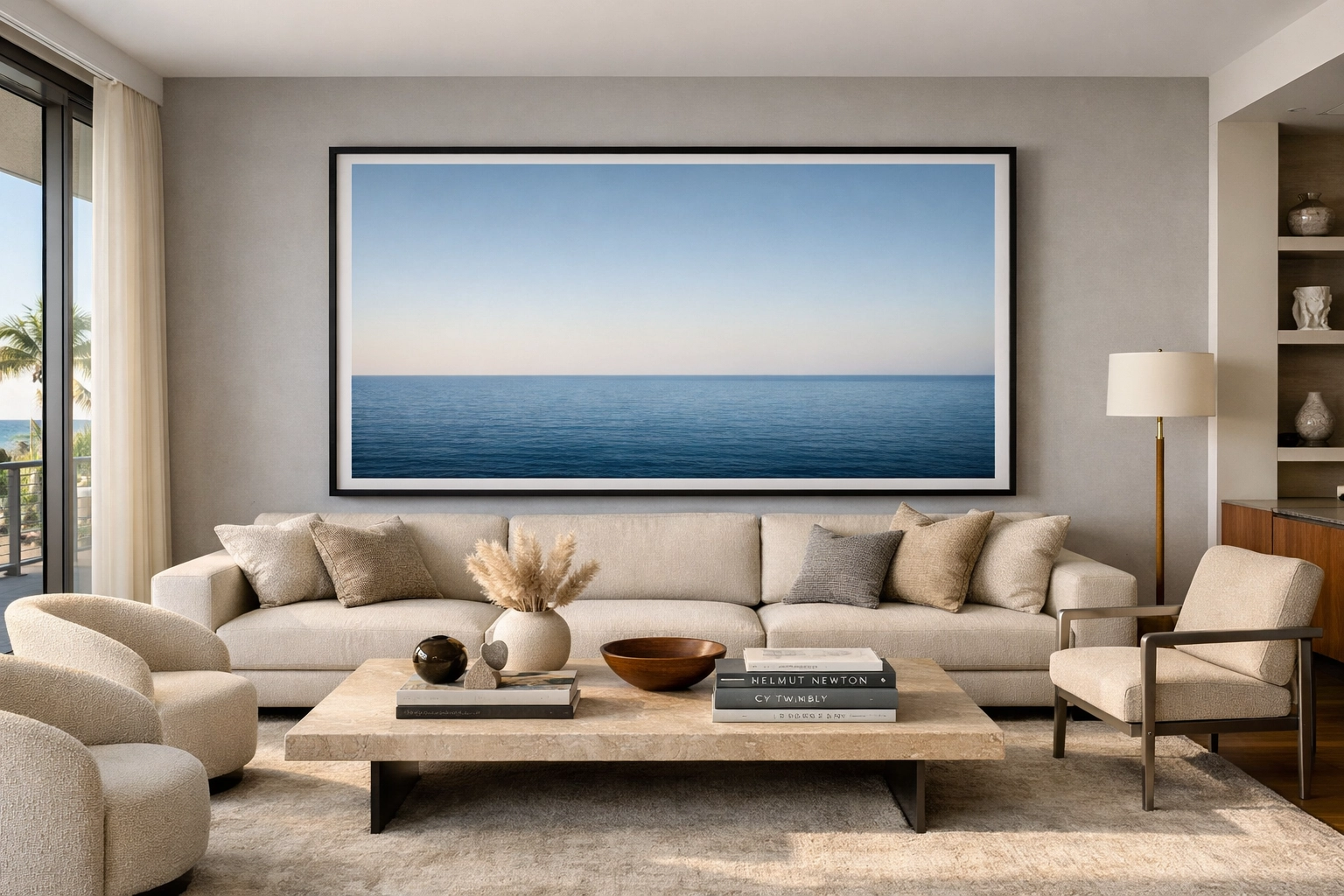
- Look for Banding: In areas like clear blue skies, the color should be perfectly smooth. If you see faint horizontal lines, the printer wasn't properly calibrated.
Protecting Your Investment
Even the best archival prints can be damaged if they aren't handled correctly. Once you own a museum-quality piece, your job is to preserve it.
- Frame with UV-Protective Glass: Standard glass allows UV rays to penetrate, which can eventually break down even the best pigment inks. Use Museum Glass or UV-filtered acrylic.
- Use Acid-Free Matting: Ensure the mat board touching your print is also archival. Cheap mats contain acid that will "burn" the edges of your print over time.
- Control the Environment: Avoid hanging high-value art in bathrooms or directly opposite a window that gets direct afternoon sun.
Final Thoughts on Archival Excellence
Investing in museum quality prints is a commitment to the art form itself. Whether you are building a personal collection or producing work to sell, the move toward archival excellence separates the hobbyists from the professionals. By focusing on the "Archival Trinity" of inks, substrates, and the giclée process, you ensure that the beauty of the image is preserved for a century or more.
With these considerations, you are now equipped to navigate the world of fine art with confidence. Your collection: and your legacy: deserves nothing less than the best.
For more insights on how to elevate your work, explore our site for a deep dive into hundreds of tutorials and guides at blog.edinchavez.com.


