
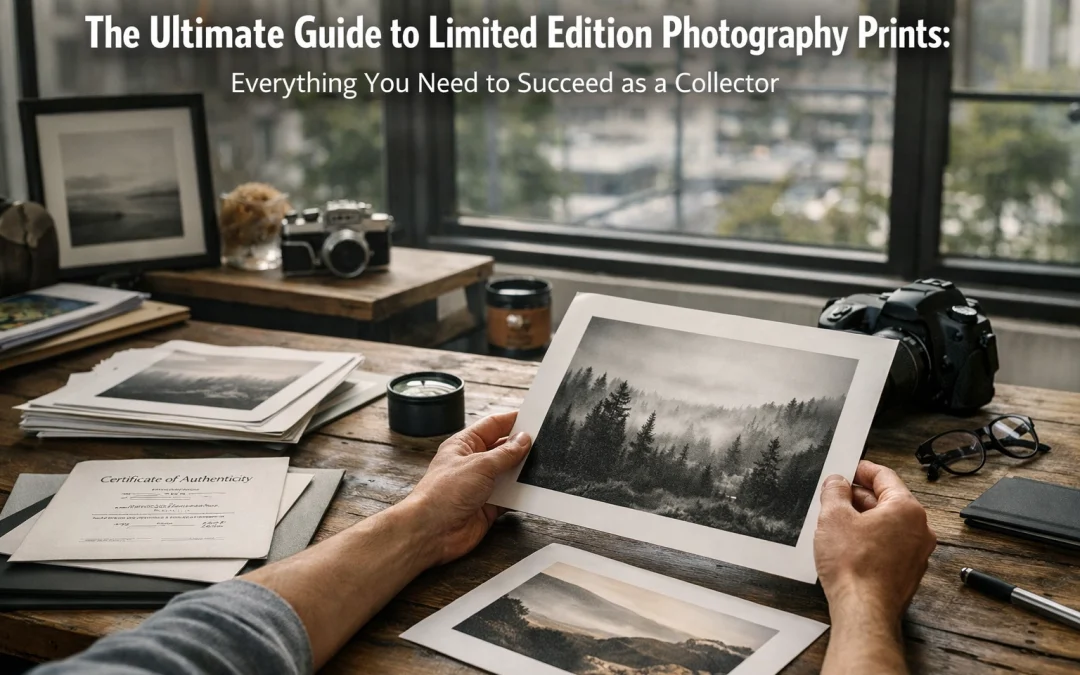
As you begin your journey into the world of high-end art, you’ll quickly realize that the distinction between a simple photograph and a true investment piece lies in the details. Many collectors start by looking for something beautiful to hang on their walls, but as your eye for quality matures, you start looking for scarcity, longevity, and provenance. This is where limited edition photography prints come into play.
Owning a piece of fine art is about more than just aesthetics; it is about owning a moment in time that has been preserved with the highest standards of the industry. Whether you are browsing the galleries at Edin Fine Art or looking to understand the secondary market, knowing the mechanics of limited editions is your first step toward building a world-class collection.
What Defines Limited Edition Photography Prints?
When you purchase a limited edition print, you are buying a guarantee. Unlike open editions, which can be printed an infinite number of times, a limited edition has a strictly predetermined run. Once the final print in that series is sold, the photographer legally and ethically cannot produce that image at that size and medium ever again.
This enforced scarcity is the primary engine behind the value of your investment. Just as a rare vintage car or a first-edition book gains value through its rarity, limited edition photography prints become more desirable as the "sold out" status approaches. When you see a fraction like 5/25 on a print, you know exactly where you stand in the history of that piece.
Decoding the Numbering System
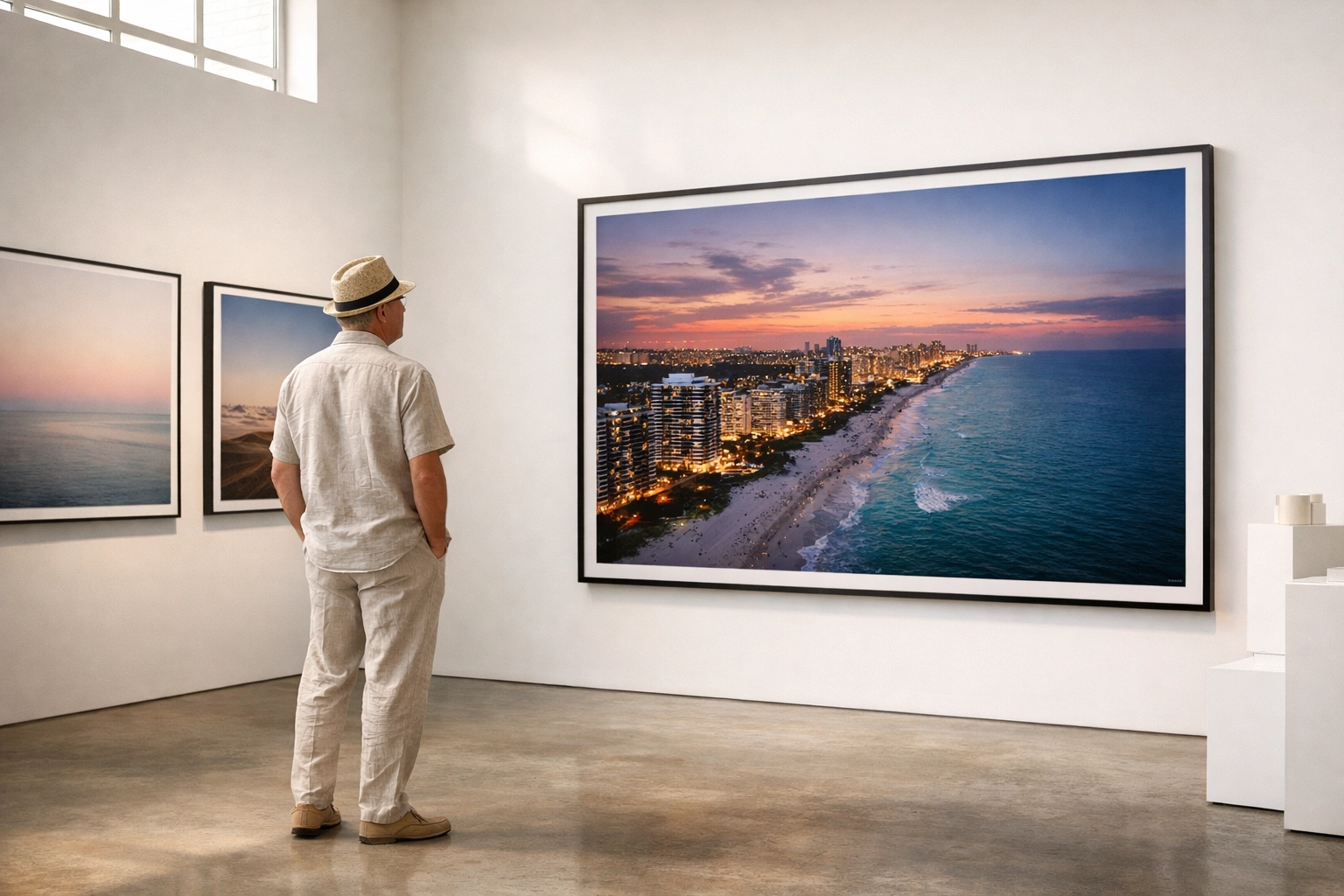
The numbering system is your map to understanding the rarity of your acquisition. It is a common misconception among new collectors that the first print (1/25) is inherently more valuable than the last (25/25). In reality, the quality across the edition should be identical. The true value lies in the second number: the total edition size.
To help you navigate these choices, consider how edition sizes typically impact the market:
| Edition Size | Market Category | Investment Profile |
|---|---|---|
| 1–10 Prints | Ultra-Limited | High appreciation potential; often found in museums. |
| 11–50 Prints | Boutique Edition | The "sweet spot" for serious private collectors. |
| 51–250 Prints | Mid-Range | Accessible entry point for high-value established artists. |
| 250+ Prints | Large Edition | High brand demand, but individual rarity is lower. |
By choosing smaller edition sizes, you are positioning yourself in a more exclusive tier of ownership. If you are looking to capture the vibrant energy of Florida, for example, a limited run of a private Miami photography tour capture or a serene swamp landscape from our Everglades photography guide will always hold more weight than a mass-produced print.
The Gold Standard: Museum Quality and Archival Prints
Beauty is fleeting, but art should be forever. As a collector, you must insist on museum quality prints. This term isn't just marketing fluff; it refers to the specific combination of lightfast inks and acid-free substrates that prevent yellowing, fading, or cracking over decades.
When you invest in archival prints, you are ensuring that the colors you fall in love with today: the deep magentas of a Miami sunset or the subtle greens of a forest: remain exactly as the artist intended for over 100 years. At Edin Studios, we prioritize these materials because we know your collection is part of your legacy.
To achieve this level of perfection, the digital processing must be flawless. Many of the high-end pieces you see in galleries were refined using professional tools like the Ultimate Lightroom Preset Collection, which ensures the dynamic range and color accuracy required for large-scale physical production.
The Hidden Gems: Artist Proofs (APs)
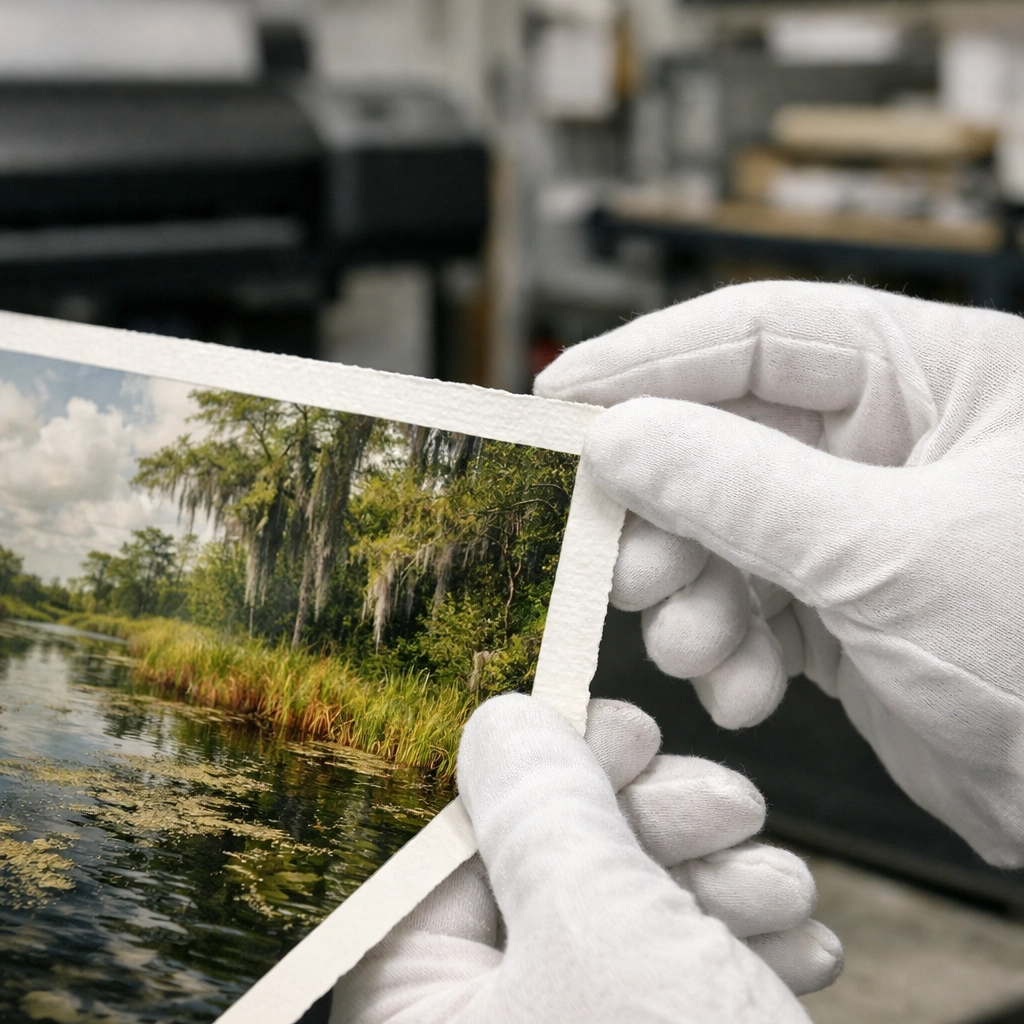
While browsing a collection, you might notice pieces marked "AP" instead of a number. These are Artist Proofs. Traditionally, these were the prints the photographer used to check color and contrast before the main run began. Today, they represent a highly coveted "extra" tier of the edition, usually making up only 10% of the total edition size.
Because APs are even rarer than the numbered prints, they often command a 20-50% price premium. For you, the collector, owning an AP means owning a piece that is one step closer to the artist's original vision. It is the ultimate insider acquisition.
The "Title" to Your Art: Certificate of Authenticity
Never: under any circumstances: purchase a limited edition piece without a certificate of authenticity for art prints. Think of this document as the title to a piece of real estate. Without it, your print is just a beautiful piece of paper; with it, it is a documented asset.
A legitimate certificate of authenticity should include:
- The title of the work and the artist's name.
- The specific edition number (e.g., 12/50).
- The total edition size.
- The exact dimensions and medium (e.g., Fujiflex Crystal Archive or Acrylic).
- The date of production.
- A hand-signed signature from the artist.
Many top-tier photographers, including those featured on the Edin Chavez Blog, now use holographic seals or digital watermarking to link the certificate to the physical print, providing you with an extra layer of security against forgery.

How to Sell Fine Art Photography Prints
While most collectors buy for love, the time may come when you want to rotate your collection or realize an investment. Knowing how to sell fine art photography prints is just as important as knowing how to buy them.
The secondary market for photography is robust, but it relies heavily on provenance. To ensure your piece retains its value:
- Keep all documentation: Store your Certificate of Authenticity in a fireproof safe.
- Maintain the condition: Ensure your prints are kept in a climate-controlled environment away from direct, harsh sunlight (even if they are archival).
- Track the artist: As the photographer gains fame or their editions sell out, the "replacement value" of your piece increases.
- Use reputable platforms: When you are ready to sell, look to specialized art auctions or galleries that understand the value of limited editions rather than general marketplaces.
Building Your Personal Gallery
Collecting is a marathon, not a sprint. Your collection should reflect your personal journey and the places that move you. Whether you are captivated by the architectural lines of New York City or the raw power of nature found in the Everglades, focus on pieces that resonate with your soul first and your wallet second.
By focusing on limited edition photography prints, you are joining an elite group of individuals who appreciate the intersection of technology, craftsmanship, and vision. You aren't just buying a picture; you are preserving a perspective.
With these considerations in mind, you are now equipped to navigate the galleries with confidence. You know what to look for, what questions to ask, and how to protect your assets. The world of fine art photography is vast and rewarding, and your next great centerpiece is waiting for you to discover it.
For more insights on how to elevate your work, explore our site for a deep dive into hundreds of tutorials and guides.


