
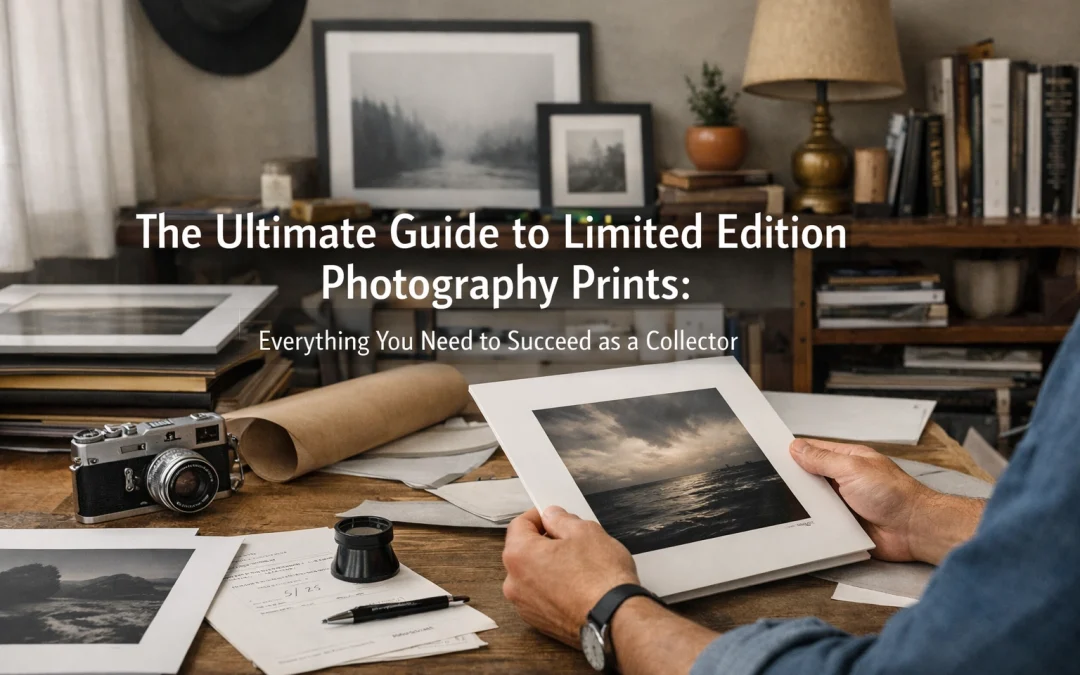
Just as the art world has evolved from traditional oil paintings to digital masterpieces, your approach to collecting must adapt to the nuances of the modern market. When you step into the world of limited edition photography prints, you aren't just buying a picture; you are acquiring a piece of history, a slice of a photographer’s soul, and a tangible asset that can appreciate over time. Whether you are a seasoned curator or a first-time buyer looking to elevate your home, understanding the mechanics of scarcity and quality is your first step toward building a world-class collection.
At Edin Chavez Photography, we believe that art should be an experience that empowers you. By the time you finish this guide, you will have the insider knowledge required to distinguish a standard reprint from a high-value investment. You’ll understand why certain prints command thousands of dollars while others remain decorative, and you’ll know exactly what to look for on a certificate of authenticity for art prints.
What Makes a Print "Limited"?
When you hear the term "limited edition," it refers to a strictly controlled number of prints produced from a single image at a specific size. Once that edition is sold out, the photographer legally and ethically cannot produce more. This enforced scarcity is exactly what drives the value of your collection.
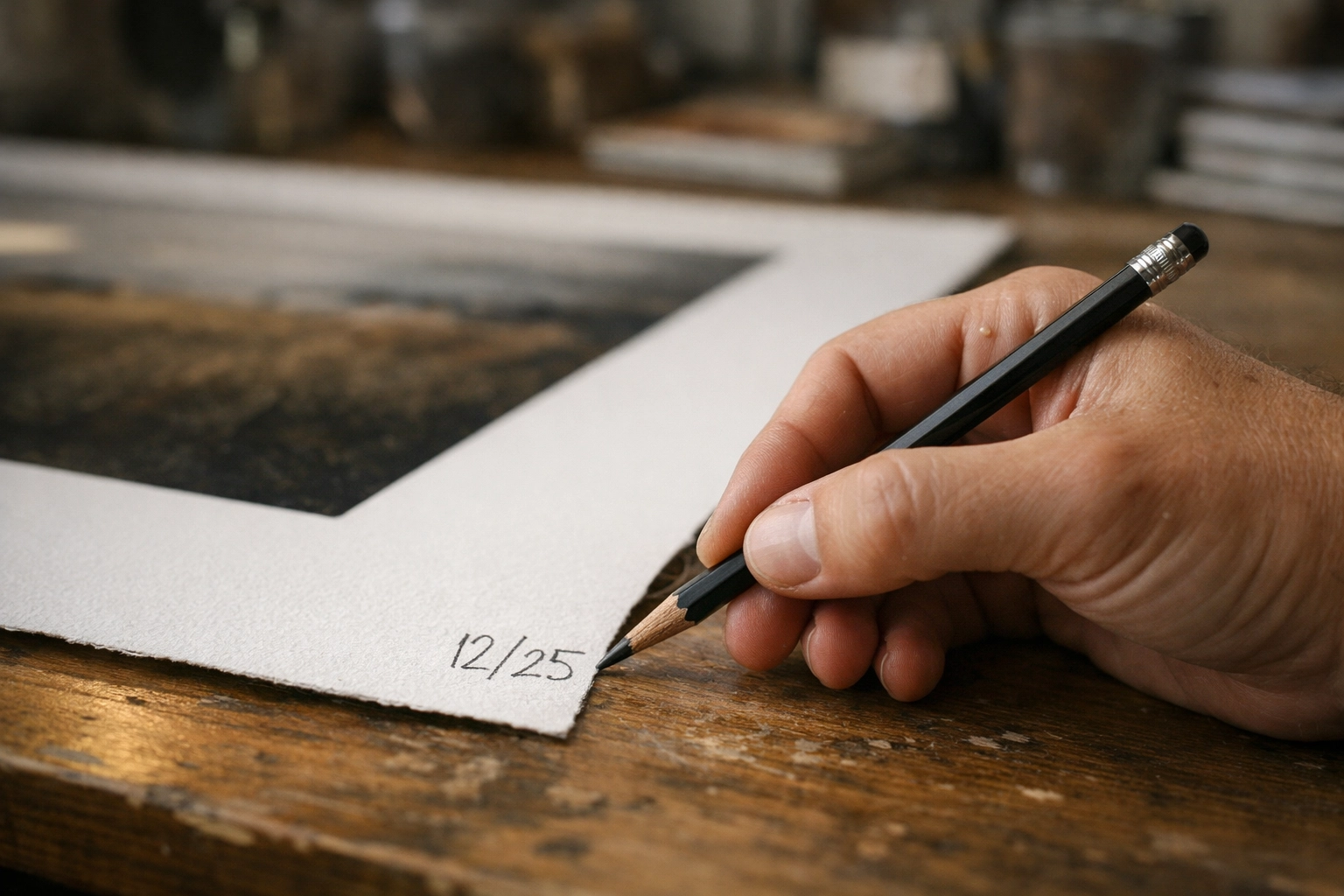
In the photography world, you will often see a fraction on the corner of a print, such as "5/25." This tells you that you own the 5th print out of a total run of 25. A common misconception you might encounter is that the lower the first number, the more valuable the print. In reality, the 1st print is typically identical in quality to the 24th. What truly matters to your investment is the second number: the total edition size. The smaller that number, the higher the potential for the value to skyrocket as the artist’s career progresses.
Understanding Artist Proofs (APs)
As you dive deeper into high-end galleries, you’ll encounter "Artist Proofs" or APs. These sit outside the regular numbered edition and are usually marked as "AP 1/5." Traditionally, these were the prints the photographer kept to check color accuracy and detail before the main run began. Because APs are even rarer than the numbered prints: usually representing only 10% of the total edition: they often carry a premium price tag. If you have the opportunity to acquire an AP, you are holding a piece that is even closer to the artist’s original vision.
The Anatomy of Museum Quality Prints
If you want your investment to last for generations, you cannot settle for standard paper. You must insist on museum quality prints. The difference lies in the chemistry and the craftsmanship. When you purchase a piece through Edin Fine Art, you are getting a product designed to resist fading and deterioration for over 100 years.
The Importance of Archival Prints
You should always verify that you are buying archival prints. This means the paper is acid-free (usually made of 100% cotton rag) and the inks are pigment-based rather than dye-based. Standard prints use dyes that can shift color or fade within a decade. Pigment inks, however, consist of tiny particles of color that sit on the surface of the paper, providing a depth and richness that is unmatched.
| Feature | Museum Quality / Archival | Standard Decorative Print |
|---|---|---|
| Longevity | 100+ years without fading | 5–15 years before color shift |
| Paper Type | Acid-free, 100% Cotton Rag | Wood pulp, acidic paper |
| Ink Type | Pigment-based (fine particles) | Dye-based (liquid) |
| Value Retention | High (Collectable asset) | Low (Disposable decor) |
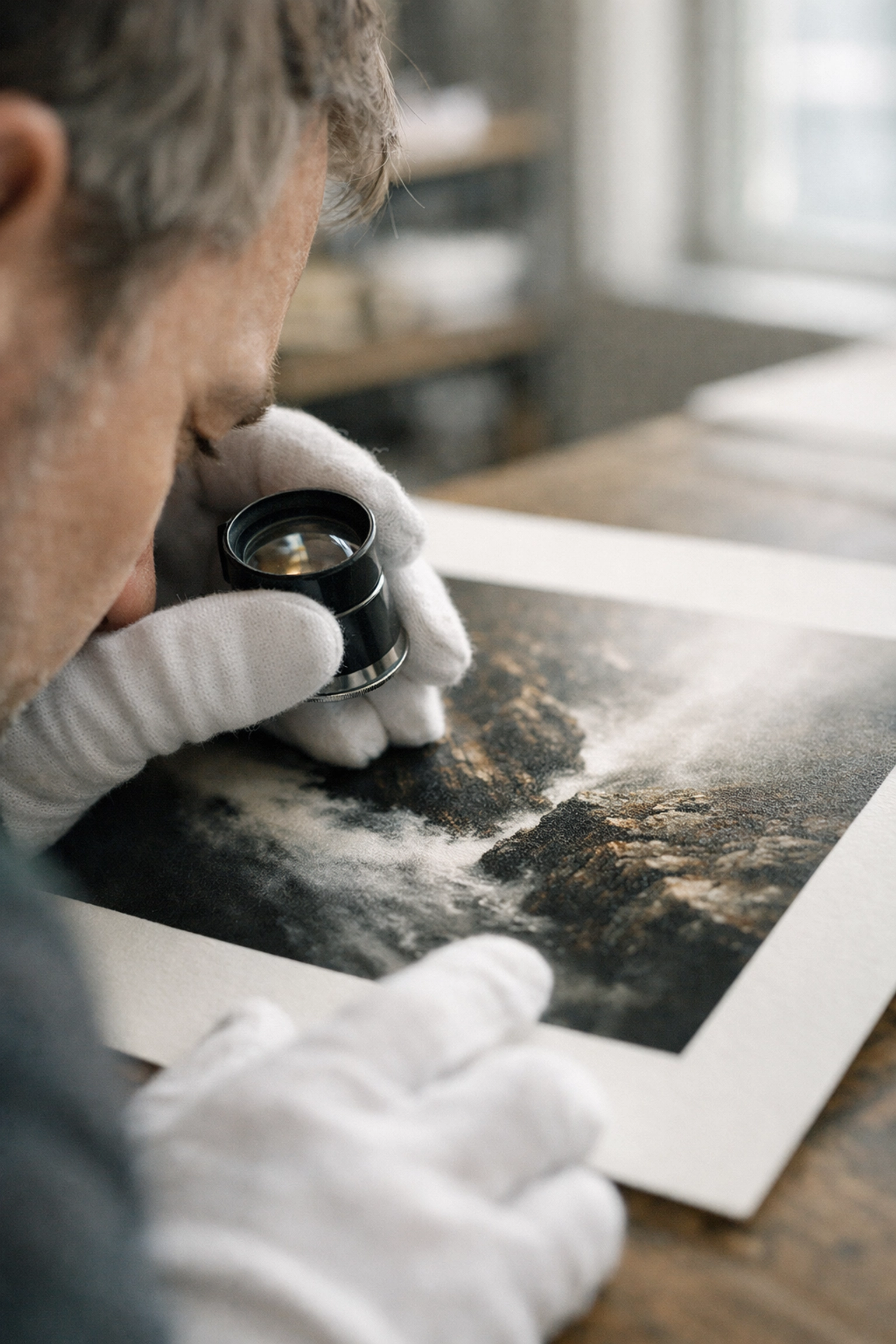
By investing in archival materials, you ensure that the vibrant blues of a Miami oceanfront or the deep shadows of a New York alleyway remain as striking fifty years from now as they are today.
The Paperwork: Your Certificate of Authenticity
Never buy a limited edition print without a certificate of authenticity for art prints. Think of this as the "title" to your car or the deed to your house. This document is your primary defense against forgery and your proof of value when it comes time to resell or insure your collection.
A valid certificate should include:
- The Title of the Work: The official name of the photograph.
- The Edition Number: Your specific number and the total edition size.
- The Artist’s Signature: A hand-signed signature (either on the print, the certificate, or both).
- Technical Specs: The paper type, ink type, and date of printing.
- A Hologram or Seal: Many top-tier photographers, including Edin Chavez, use security seals to link the print to its certificate.
If a seller cannot provide this documentation, you are likely looking at an open edition or a reproduction, not a collectible fine art piece. You can explore our latest educational resources to see how we document our own award-winning works.
How to Sell Fine Art Photography Prints (The Artist’s Perspective)
If you are an artist reading this, you might be wondering how to sell fine art photography prints in a way that attracts serious collectors. The secret is not just in the image, but in the presentation and the promise of exclusivity.
Collectors are looking for a relationship with the artist. To sell at high price points, you must move away from "unlimited" printing. By capping your editions at 10, 25, or 50, you create a "buy it now or miss out" scenario. Furthermore, your branding must reflect the quality of the work. Using premium galleries and providing a seamless purchasing experience on your website is essential. For more tips on the business side of photography, check out our photography guides.
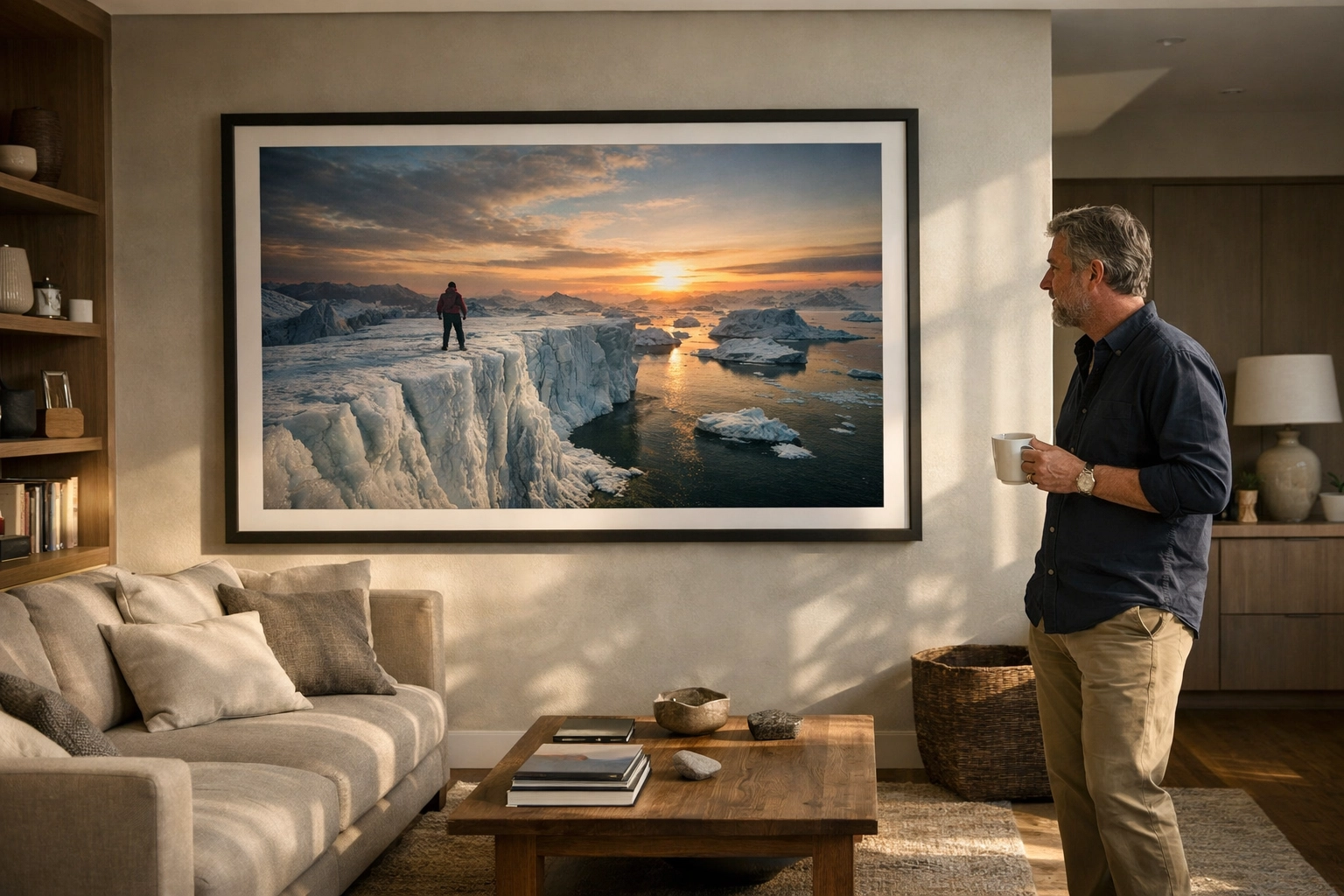
Strategic Edition Sizes and Their Market Value
As a collector, the edition size you choose should align with your goals. Are you looking for a beautiful piece of decor that holds its value, or are you looking for a high-risk, high-reward investment?
- Ultra-Limited (1–10 prints): These are the crown jewels. Because they are so scarce, they are often found in museums or private high-value collections. You will pay a premium upfront, but the appreciation potential is the highest here.
- Small Editions (11–50 prints): This is the "sweet spot" for many collectors. It offers significant exclusivity while remaining more accessible than a "1 of 1" piece.
- Large Editions (100–500 prints): These are typically produced by world-famous photographers with massive global demand. While the individual prints are less rare, the sheer brand power of the artist maintains the value.
Protecting Your Investment: Framing and Lighting
Once you have acquired your limited edition photography prints, your job as a curator begins. How you display your art determines how long it will last.
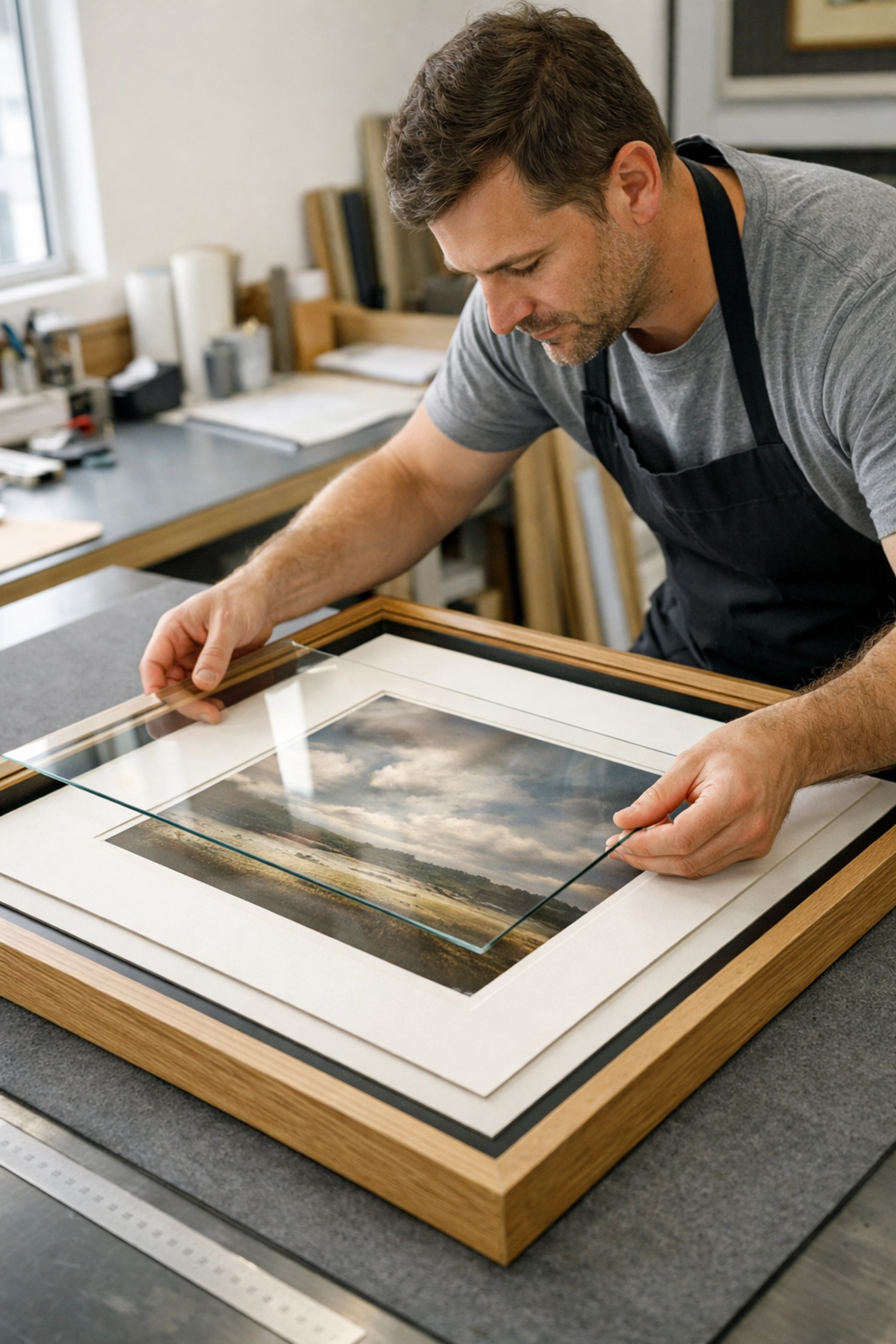
Mounting and Framing: You should always use acid-free matting. If the mat contains acid, it will "burn" the edges of your print over time, leaving a yellow stain that destroys the value.
UV-Protective Glass: Even pigment-based archival prints can be damaged by direct sunlight. Always opt for UV-filtering acrylic or glass. This ensures that the light hitting the paper doesn't break down the chemical bonds of the ink.
Environment: Keep your prints away from high humidity. If you are collecting in a tropical climate like Miami, ensure your art is in a climate-controlled room to prevent mold and "foxing" (brown spots) on the paper.
If you're looking for inspiration on what to collect next or want to see these principles in action, I highly recommend visiting our Miami photography gallery to see how professional presentation elevates a piece of art.
The Future of Your Collection
Building a photography collection is a journey that connects you with the world through another person's eyes. By focusing on limited edition photography prints and insisting on museum quality prints, you are doing more than just decorating a wall: you are preserving a moment in time.
Always remember to check the credentials of the artist, demand a certificate of authenticity for art prints, and prioritize archival prints for long-term durability. Whether you are buying for the love of the image or the potential for financial gain, your knowledge is your greatest asset in the art market.
Hence, with these considerations in mind, you are now equipped to navigate the fine art world with confidence. Explore our exclusive collection today and find the piece that speaks to your unique vision. With the right care and a discerning eye, your collection will not only hold its value but will become a cherished legacy for years to come.


