
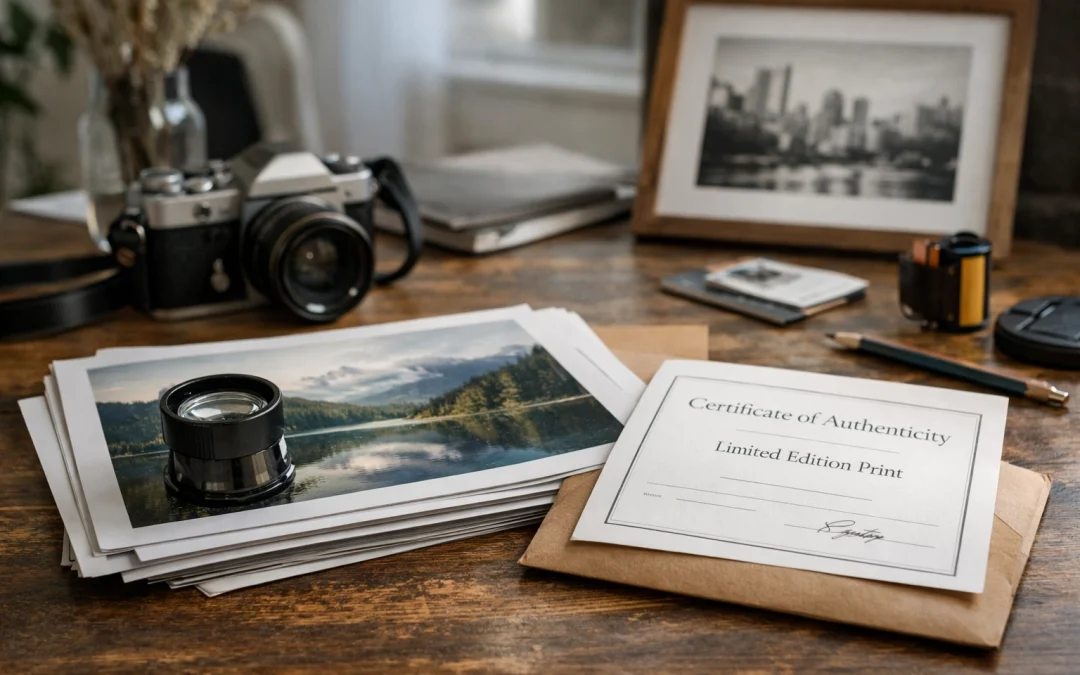
Just as a master chef doesn’t share their secret sauce with every diner, a fine art photographer doesn’t just hand out endless copies of their best work. When you step into the world of high-end collecting, you aren’t just buying a piece of paper; you are investing in a moment of time that has been frozen, refined, and strictly limited.
If you’ve ever found yourself staring at a stunning landscape or a gritty street scene and wondering why one version costs $50 at a big-box store while another costs $5,000 at Edin Fine Art, you’ve bumped into the concept of limited edition photography prints. It’s the difference between owning a mass-produced poster and owning a piece of history.
In this guide, I’m going to pull back the curtain on the industry secrets of museum quality prints, the importance of archival materials, and why that little piece of paper called a certificate of authenticity for art prints is actually your most valuable asset.
What Exactly is a Limited Edition Photography Print?
At its simplest, a limited edition means that the photographer has made a binding promise to produce only a specific number of prints of a particular image. Once that number is reached, say, 25 or 50, the edition is closed forever. No more prints will ever be made at that size or in that format.
When you purchase one of these pieces, you’ll usually see a fraction written on the corner of the print or the back, like 5/25. This tells you that you own the 5th print out of a total run of 25.
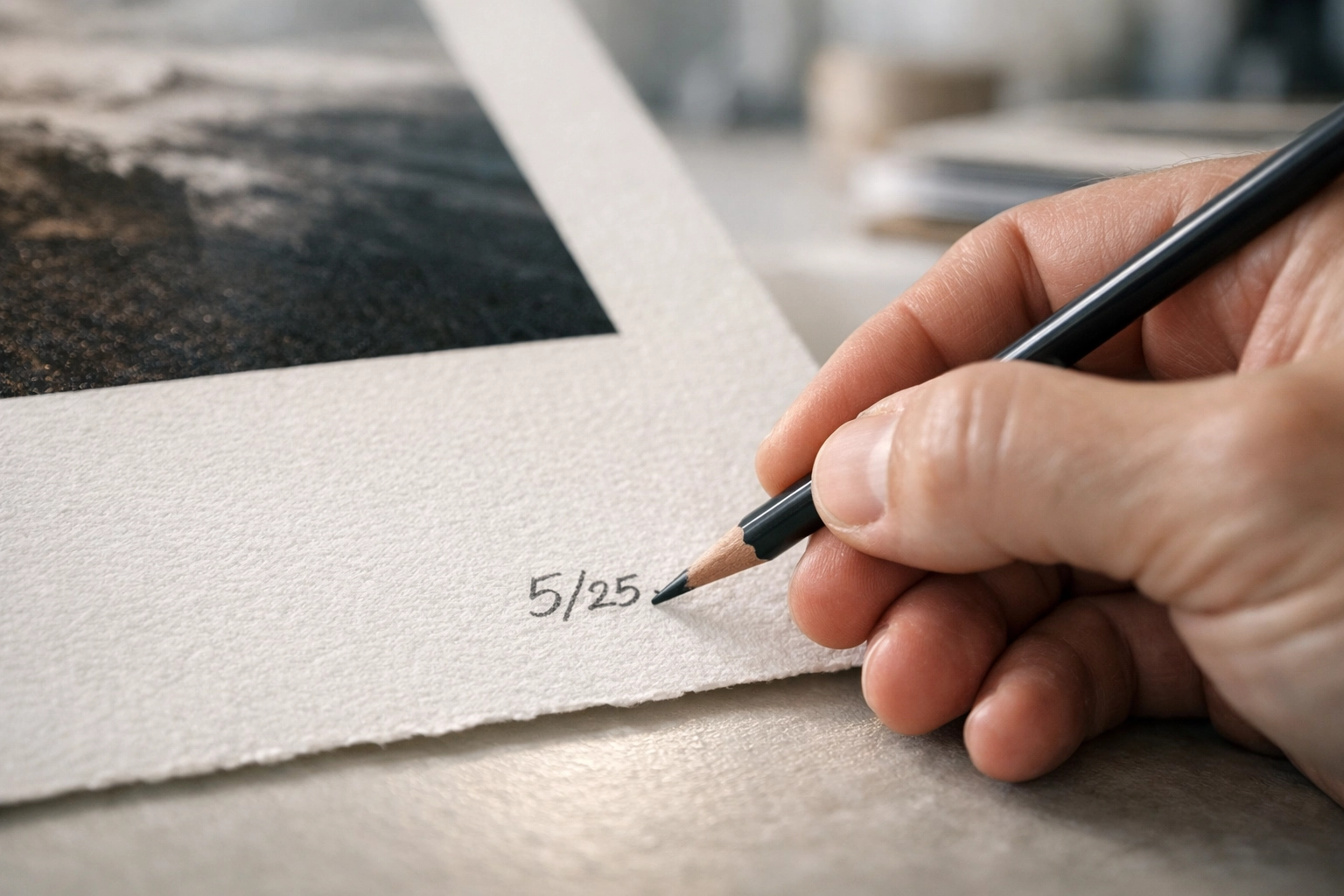
Many collectors ask if the number matters, is 1/25 more valuable than 20/25? In the photography world, the answer is generally no. Unlike traditional printmaking where the plate wears down, modern limited edition photography prints are produced with such precision that the last print is just as crisp and vibrant as the first. However, the total edition size matters immensely. A run of 10 is far more exclusive (and usually more expensive) than a run of 500.
The Standard of Excellence: Museum Quality Prints
If you are going to invest your hard-earned money into fine art, you need to ensure it’s going to last longer than a celebrity marriage. This is where the term museum quality prints comes into play.
A true fine art print isn't made on your home inkjet printer. We are talking about archival prints created using pigment-based inks on acid-free, 100% cotton rag paper or high-end acrylic and metal substrates. These materials are designed to resist fading and yellowing for 100 years or more.
When you browse the collections at Edin Studios, you’re looking at work designed to be an heirloom. Using archival prints ensures that the deep blacks stay deep and the vibrant oranges of a Miami sunset don't turn into a muddy brown a decade from now.
The Golden Ticket: Certificate of Authenticity for Art Prints
I cannot stress this enough: Never, and I mean never, buy a limited edition print without a certificate of authenticity for art prints (COA).
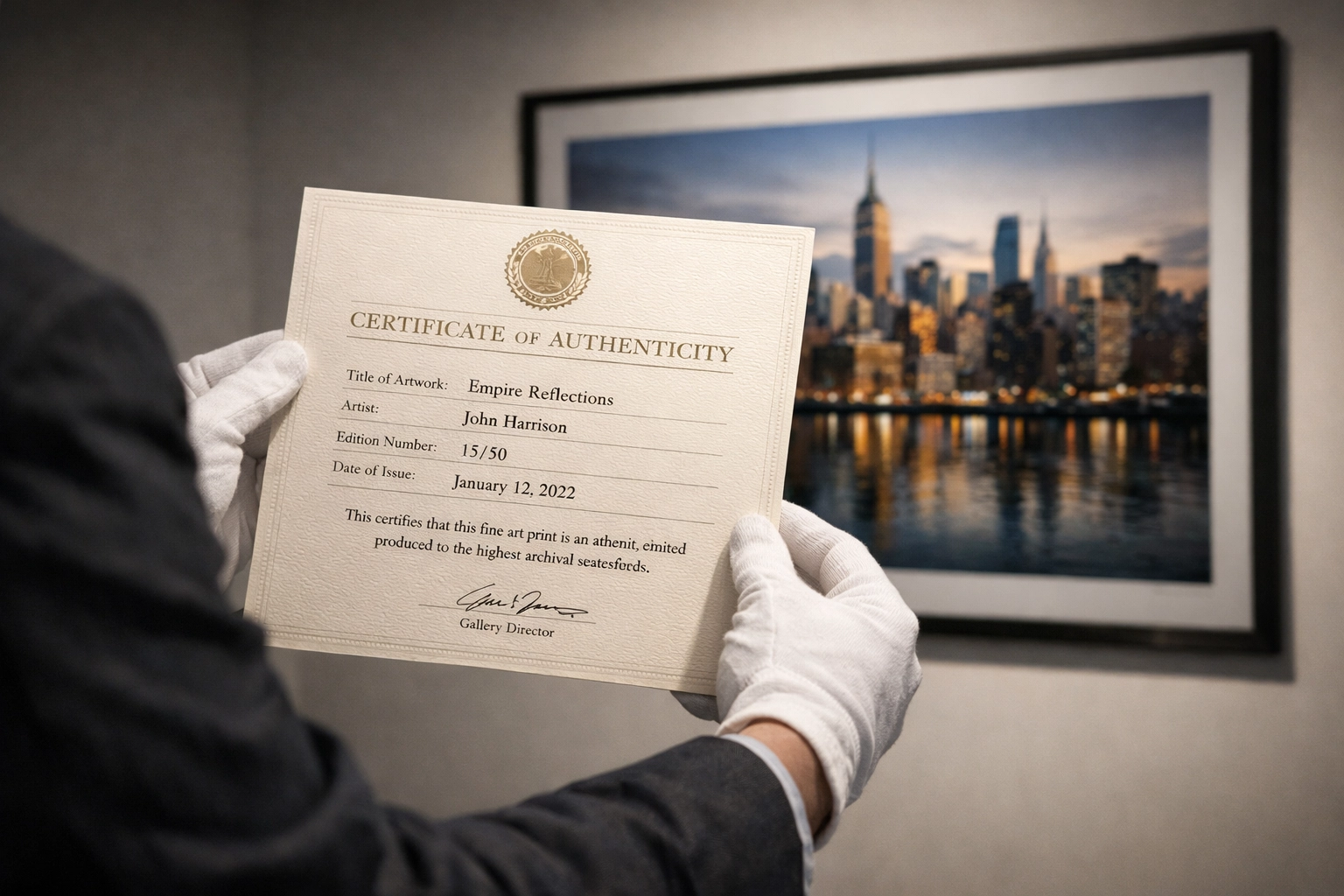
Think of the COA as the title to your car or the deed to your house. It is the legal document that proves the work is a genuine creation of the artist. A valid COA should include:
- The title of the work and the artist’s name.
- The exact edition number (e.g., 12/50).
- The date the print was created.
- The specific materials used (paper type, ink type).
- A hand-signed signature by the photographer.
Without this document, the resale value of your investment plummets. It’s the artist’s word that they won't go back on their promise and print another 1,000 copies when they get bored. At Edin Chavez Blog, we believe transparency is the foundation of the artist-collector relationship.
Artist Proofs: The Exclusive Extras
Sometimes you’ll see a print marked "AP" instead of a number. These are Artist Proofs. Traditionally, these were the first prints pulled off the press for the artist to check the color and quality. Today, they are often used as a small, separate cache of prints (usually 10% of the edition size) that the artist keeps for personal use, gallery display, or a very special collector.
Because APs are even rarer than the numbered edition, they often command a higher price. If you have the chance to snag an AP, you’re stepping into the top tier of collecting.
How to Sell Fine Art Photography Prints (and Why it Matters to You)
Whether you are an aspiring photographer or a savvy collector, understanding how to sell fine art photography prints gives you insight into the value of the piece. High-value art isn't sold; it’s curated.
For the artist, selling involves more than just clicking "print." It involves selecting the right series, setting a scarcity that makes sense for the market, and building a brand that collectors trust. If you're a photographer looking to elevate your own work to this level, you might want to check out my Ultimate Lightroom Preset Collection to get that polished, professional look that collectors crave.
For you, the buyer, understanding this process helps you see why a certain piece is priced the way it is. You aren't just paying for the ink; you're paying for the years of expertise, the scouting of locations like the Everglades, and the meticulous post-processing that makes an image pop.
Red Flags: Don’t Get Burned
The art world can be intimidating, but you don't need a PhD to spot a bad deal. Here are a few things that should make you run the other way:
- Vague Edition Sizes: If the seller says "limited" but can't tell you the total number, it’s not limited.
- No Signature: A fine art print should be signed. Whether it's on the front or the back, that signature is the artist's seal of approval.
- Missing Specifications: If they can't tell you if it's an archival print or what kind of paper was used, they probably used the cheapest option available.
- No COA: As we discussed, no certificate of authenticity for art prints means no deal.
Why Limited Editions are the Perfect Entry Point for Collectors
You don't need to be a billionaire to start a world-class art collection. Limited edition photography prints are the perfect "middle ground." They are more exclusive and valuable than open-edition posters, but far more accessible than a one-of-a-kind oil painting by a Dutch master.
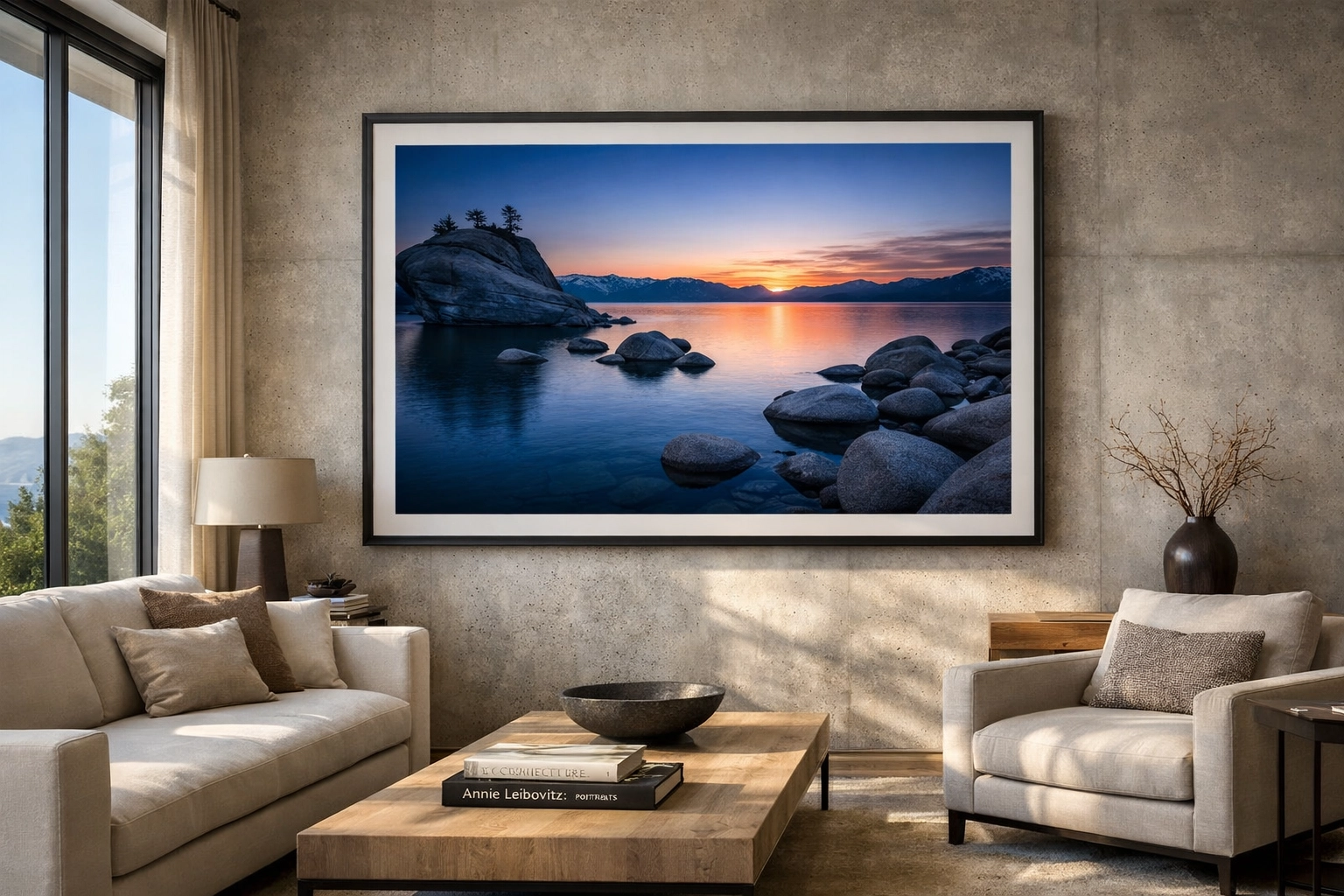
Collecting photography allows you to fill your home with incredible views of Lake Tahoe or the iconic skyline of New York City, knowing that only a handful of other people in the world own the same view. It’s about the connection you feel to the image and the confidence that your investment is protected by the standards of the fine art world.
Final Thoughts for the Savvy Collector
Buying art should be an emotional experience, but it should also be a smart one. By focusing on museum quality prints and ensuring every piece has its certificate of authenticity for art prints, you are building a collection that will stand the test of time: both aesthetically and financially.
Your walls are a reflection of your taste and your journey. Whether you are hunting for that one statement piece for your living room or building a comprehensive portfolio of limited edition photography prints, remember that quality and scarcity are your best friends.
For more insights on how to elevate your work, explore our site for a deep dive into hundreds of tutorials and guides.
Hence, when you are ready to make your next move, head over to Edin Fine Art to see how we put these principles into practice with every single piece we release. Happy collecting!


