
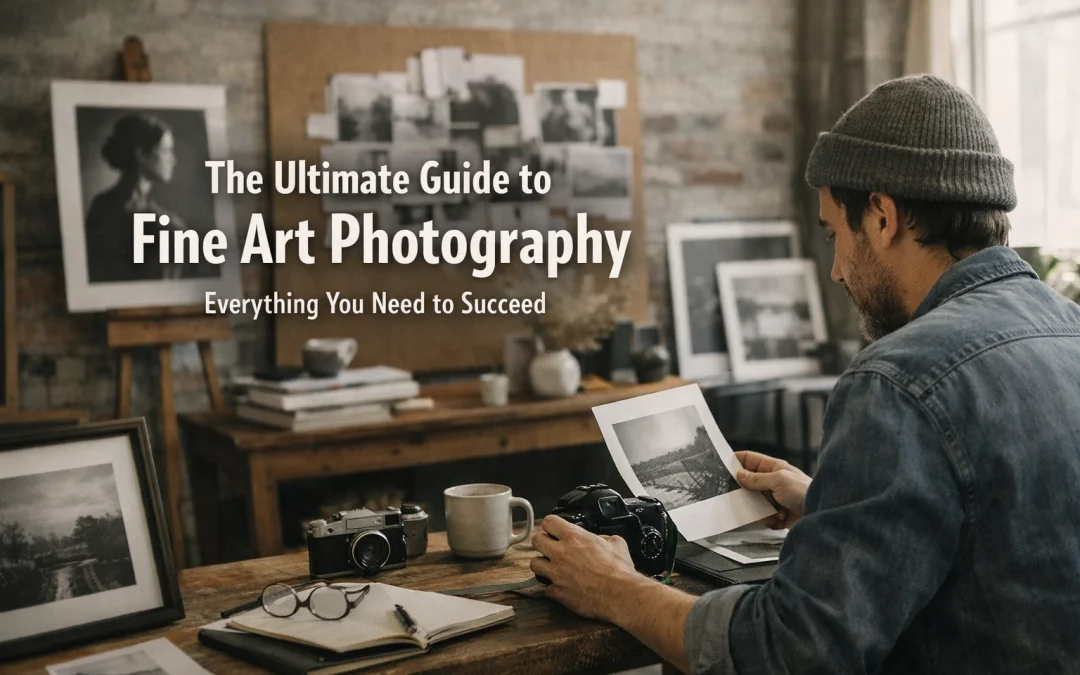
Just as a painter stands before a blank canvas, you stand behind your lens with the power to create something that transcends reality. Fine art photography isn't merely about documenting a scene or capturing a "sharp" image; it is about your personal vision, your emotions, and your unique perspective on the world. Whether you are aiming to create hauntingly beautiful landscapes or intimate, abstract portraits, mastering this craft ensures your work stands out in a crowded digital landscape.
At Edin Chavez Photography, we believe that fine art is a journey of constant refinement. You aren't just a photographer; you are an artist using light as your medium. To succeed, you need to bridge the gap between technical proficiency and creative intuition. This guide provides you with the roadmap to elevate your work, from the initial click of the shutter to the final, ethereal touch in post-processing.
The Foundation: Essential Technical Skills
Before you can break the rules of photography, you must master them. Your camera is a tool, and knowing how to manipulate its settings ensures you have total control over the final output. In fine art photography, technical mastery is the bridge that carries your vision into reality.
Mastering the Exposure Triangle
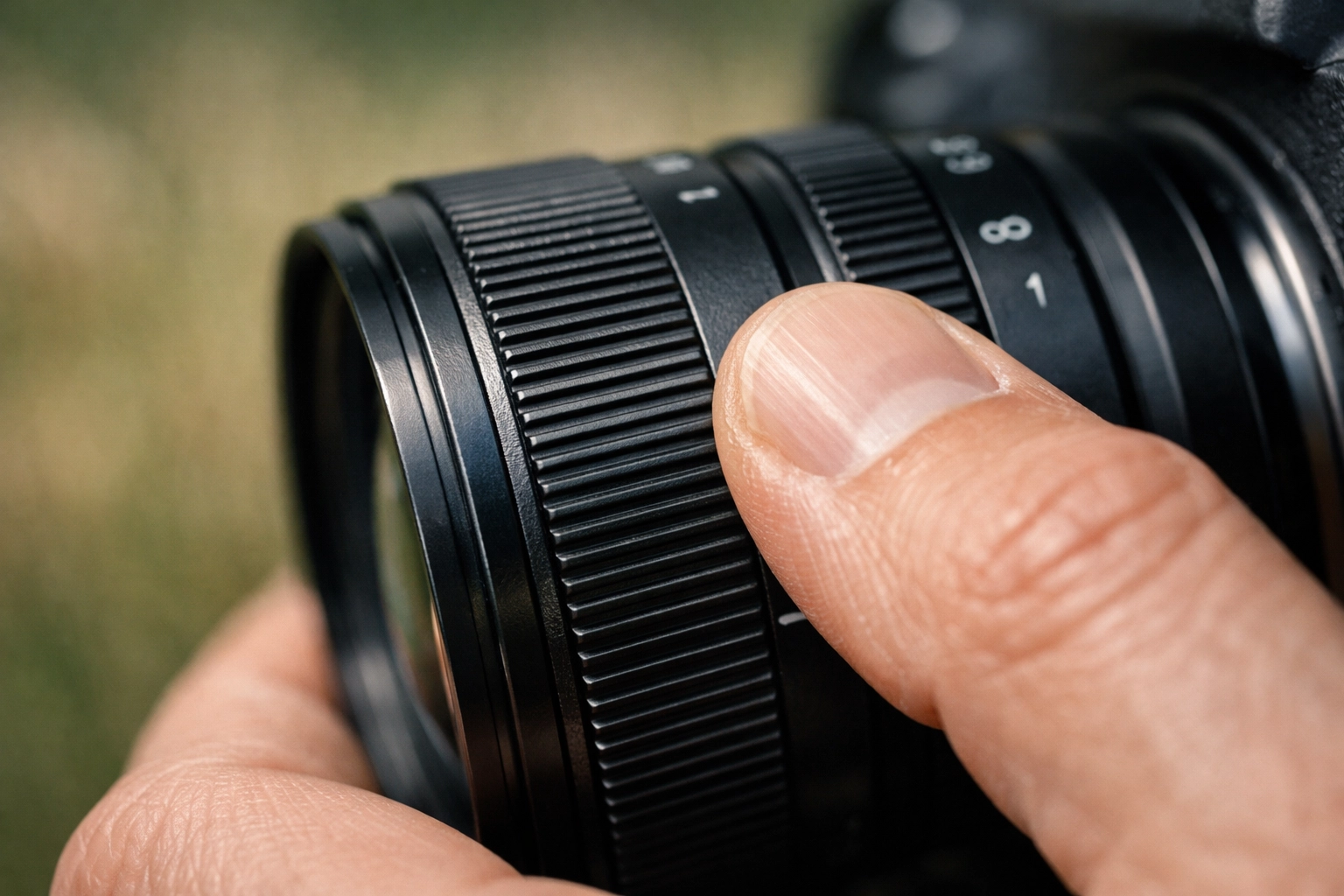
You must develop a deep, instinctive knowledge of aperture, shutter speed, and ISO. In the world of fine art, these aren't just settings: they are your brushes.
- Aperture: This controls your depth of field. A wide aperture (like f/1.4 or f/2.8) is essential for creating that soft, out-of-focus background that makes your subject pop.
- Shutter Speed: This is where you play with time. Using long exposures to blur water or clouds is a staple of fine art photography, turning a chaotic ocean into a smooth, mist-like surface.
- ISO: While modern cameras handle high ISO well, keeping your ISO low ensures your large-format prints remain crisp and free of distracting noise.
Focus and Sharpness
While many fine art images lean into a soft aesthetic, knowing where to place your focus is critical. You might choose to use manual focus to ensure the "soul" of the image: perhaps a single dewdrop or the iris of an eye: is tack-sharp, even if the rest of the frame melts away into a dreamy blur.
Lighting: The Key to Ethereal Atmosphere
Lighting is the single most important element in creating ethereal photography. It dictates the mood, the depth, and the emotional resonance of your work. You don't just "find" light; you interpret it.
Working with Natural Light
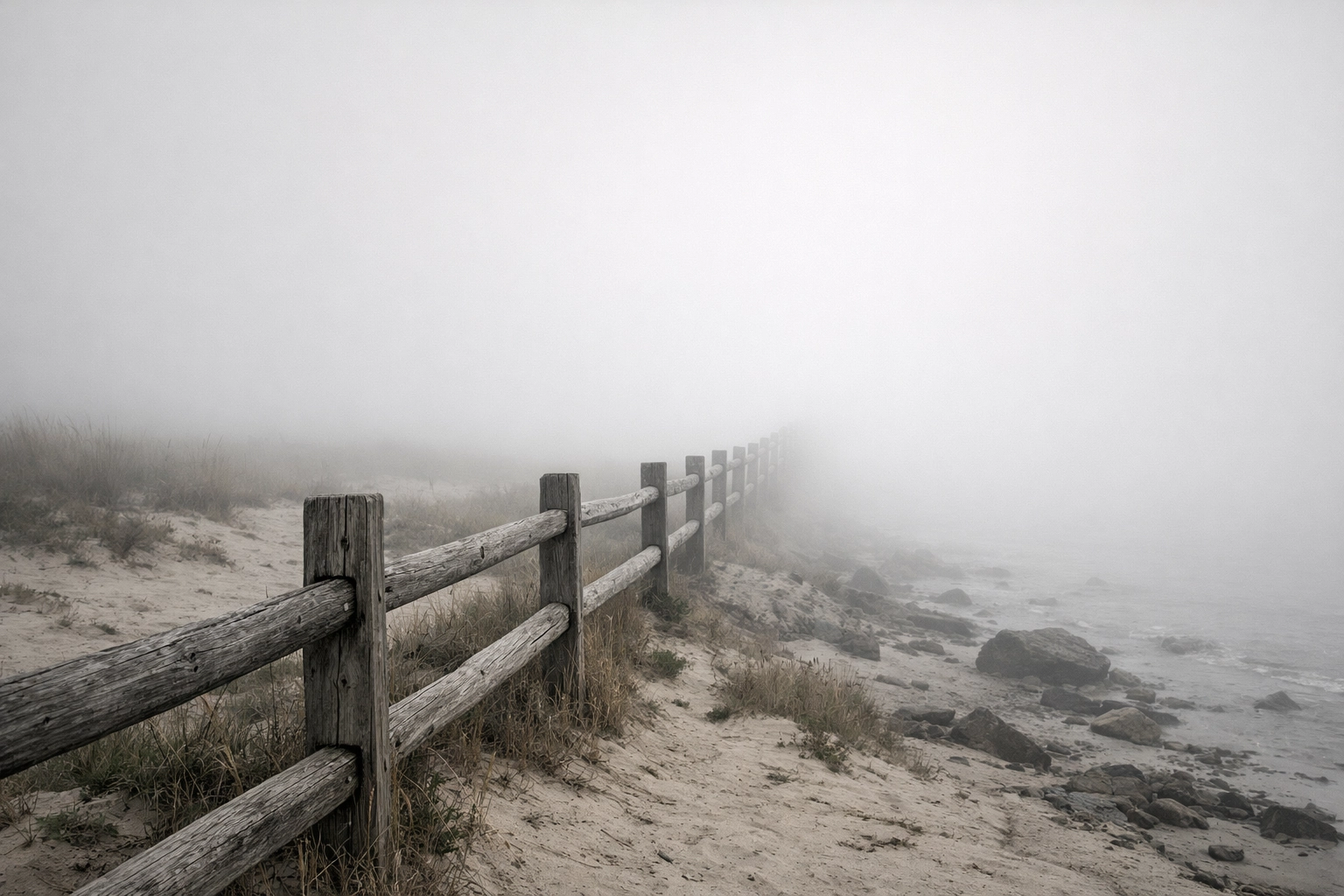
The "Golden Hour": that window just after sunrise or before sunset: provides a soft, directional glow that is unmatched for creating a sense of wonder. However, don't overlook "Blue Hour" or even foggy, overcast days. These conditions provide a flat, even light that serves as the perfect canvas for dreamy photography editing later on.
Shaping with Shadows
In fine art, what you don't show is often as important as what you do show. By using high-contrast lighting (Chiaroscuro), you can hide details in the shadows, creating a sense of mystery and drama. This technique directs your viewer's eye exactly where you want it to go, ensuring your message is clear and impactful.
| Light Type | Effect on Fine Art | Best Use Case |
|---|---|---|
| Backlighting | Creates a "halo" or rim light effect | Ethereal portraits and silhouettes |
| Side Lighting | Emphasizes texture and three-dimensionality | Architectural and landscape details |
| Diffused Light | Softens features and reduces harsh shadows | Dreamy, painterly floral photography |
| Long Exposure | Smooths motion into a silky texture | Waterfalls, clouds, and urban motion |
Equipment: Choosing the Right Tools for Your Vision
While the artist makes the art, having the right gear empowers you to push boundaries. For fine art photography, you need equipment that offers high resolution and superior glass.
- The Camera: A high-resolution full-frame mirrorless or DSLR camera is your best bet. This allows you to capture immense detail, which is vital if you plan to produce large-scale prints for galleries.
- The Lenses: Invest in prime lenses. Lenses like a 35mm, 50mm, or 85mm with wide maximum apertures provide a level of sharpness and "bokeh" (background blur) that zoom lenses often struggle to match.
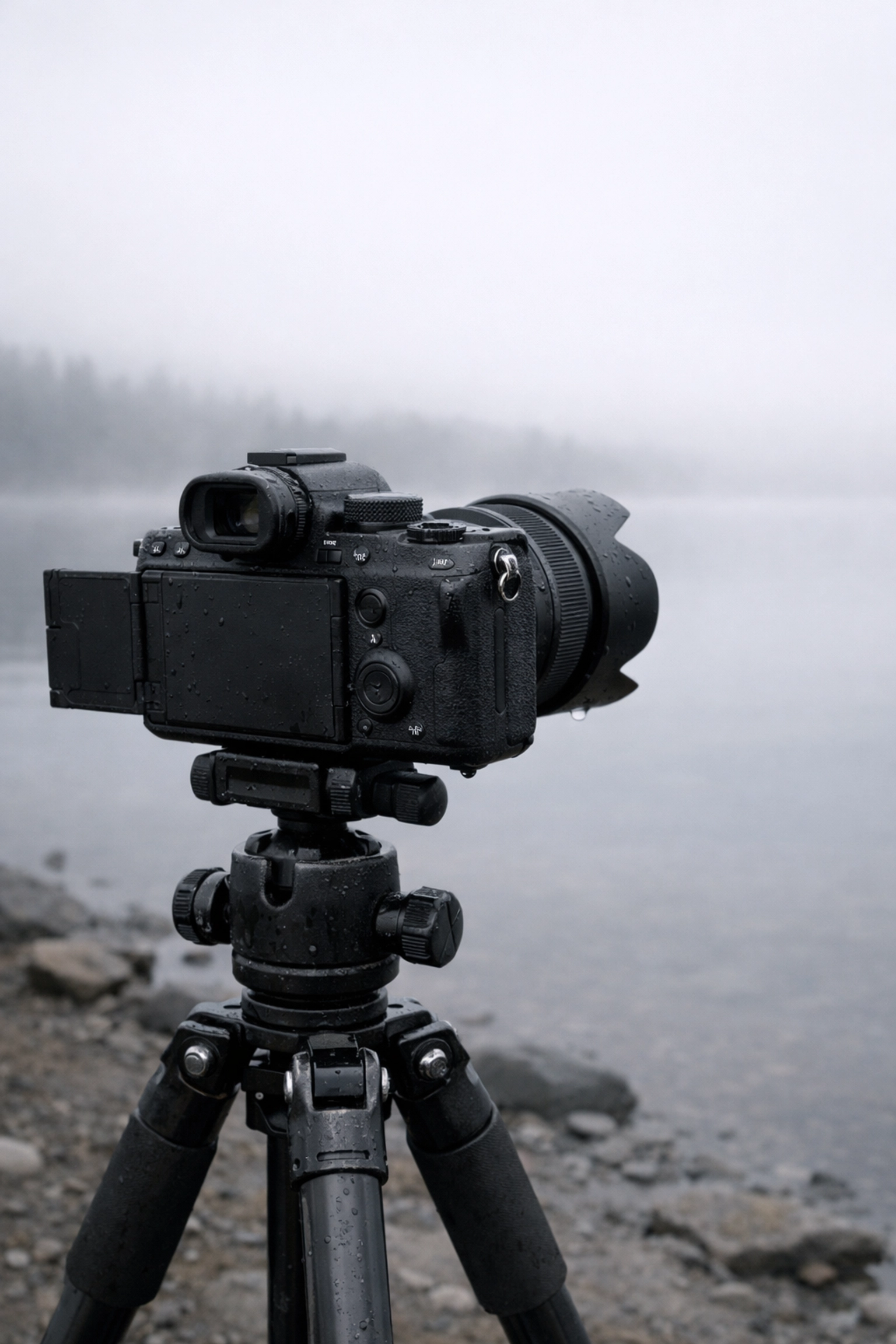
- Tripods and Filters: A sturdy tripod is non-negotiable for long exposures. Additionally, Neutral Density (ND) filters are your best friend when you want to achieve that ethereal, blurred-motion look in broad daylight.
If you are looking to practice these skills in some of the most beautiful locations in the world, check out our New York City Photography Guide or join a Private Miami Photography Tour to get hands-on experience in the field.
The Magic of Post-Processing: Dreamy and Ethereal Editing
In fine art, the "out-of-camera" image is rarely the final piece. Post-processing is where you infuse your work with your specific soul. This is the stage where you transition from a standard photo to dreamy photography editing.
Achieving the Ethereal Look
To create ethereal photography, you often want to reduce the "digital" feel of an image. You can achieve this through several techniques:
- The Orton Effect: By duplicating your layer, applying a Gaussian blur to the top layer, and then blending them, you create a soft, glowing brilliance that looks like a painting.
- Color Grading: Moving away from realistic colors and toward a specific palette: like soft pastels or deep, moody blues: helps establish a cohesive "world" within your frame.
- Selective Softening: Use masks to keep your main subject sharp while adding extra blur or "mist" to the edges of the frame. This draws the viewer into a focal point that feels like a dream.
Consistency is Key
Your editing style is your signature. Whether you prefer high-contrast black and white or soft, desaturated tones, maintaining consistency across your portfolio tells the world you have a defined vision. You can explore more about developing your style on the Edin Chavez Photography Blog.
Composition: Telling a Story Without Words
Fine art photography relies heavily on composition to convey a message. You aren't just framing a subject; you are guiding a journey.
- Leading Lines: Use natural elements like paths, shorelines, or architectural beams to lead the viewer’s eye through the frame.
- Symmetry and Balance: In fine art, perfectly centered subjects can create a sense of stillness and divinity. Conversely, intentional asymmetry can create tension and curiosity.
- Minimalism: Sometimes, the most powerful statement is made with the fewest elements. A single tree in a snowy field or a lone boat on a still lake can evoke deep feelings of solitude and peace.
Building a Success-Ready Portfolio
Succeeding in the fine art world requires more than just one or two great shots. You need a body of work that demonstrates a narrative or a thematic exploration.
Curating Your Work
Be your own harshest critic. A portfolio of ten incredible, cohesive images is far more powerful than fifty "okay" ones. When you look at your work, ask yourself: Does this tell my story? Does this evoke the emotion I intended?
Printing Your Art
The true culmination of fine art photography is the print. Seeing your work on high-quality archival paper or canvas changes the relationship between the viewer and the image. It becomes a physical object, a piece of decor, and a legacy. For those looking to collect or see how high-end art is presented, visiting Edin Fine Art provides a benchmark for gallery-quality presentation.
Your Path Forward
Mastering fine art is a marathon, not a sprint. It requires you to be patient with your progress and bold with your experimentation. By combining technical mastery with dreamy photography editing and a keen eye for ethereal photography, you elevate your craft from a hobby to a professional art form.
Remember, your unique perspective is your greatest asset. No one sees the world exactly how you do. Use the tools and techniques mentioned in this guide to bring that vision to life. Whether you are capturing the neon pulse of a city using our Miami Self-Driving Photography Guide or seeking the quiet solitude of nature, every shot is an opportunity to define who you are as an artist.
With these skills in your arsenal, you are well-equipped to turn the ordinary into the extraordinary. Keep shooting, keep editing, and most importantly, keep dreaming. Hence, the only limit to your success is the depth of your imagination. For more tips, tricks, and guides on your journey, stay tuned to Edin Chavez Photography.


