
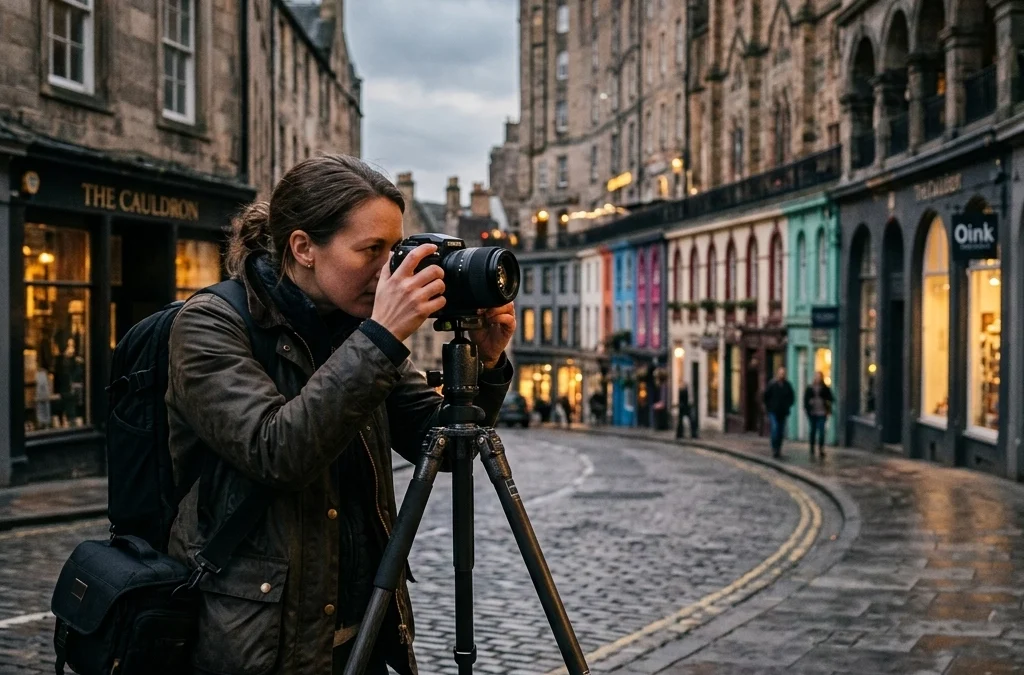
Just as a painter approaches a blank canvas with a specific emotion in mind, you, as a fine art photographer, must approach your sensor with more than just a desire to "document" the world. Most people think photography is about clicking a shutter to prove they were somewhere. But you? You know better. For you, the camera is a tool for expression, a way to translate the whispers of your soul into a visual language that others can actually feel.
Welcome to the world of fine art photography. This isn't just about sharp focus and correct exposure: though those help: it’s about vision, intention, and creating something that didn't exist until you saw it. Whether you are looking to hang your work in a gallery or you're a collector looking for that next masterpiece at Edin Fine Art, understanding the DNA of a fine art image is the first step to mastering the craft.
Defining Your Artistic Vision
Before you even pick up your camera, you need to ask yourself: What am I trying to say? Fine art photography is distinguished by the fact that the artist’s vision precedes the image. You aren't just a bystander; you are the director.
Your vision is the "why" behind your work. Are you fascinated by the fleeting nature of time? Do you want to explore the concept of isolation? Or perhaps you’re obsessed with the ethereal photography style that makes the world look like a waking dream. Whatever it is, your theme should be the thread that ties your entire portfolio together. Consistency isn't just a buzzword; it’s how you build a brand that people recognize across the Edin Chavez Blog.
The Shift from Documentarian to Artist
| Feature | Standard Photography | Fine Art Photography |
|---|---|---|
| Primary Goal | Documenting reality and facts | Expressing a concept or emotion |
| Subject Matter | What is in front of the lens | How the artist feels about the subject |
| Editing Style | Realistic, color-corrected | Stylized, often involving dreamy photography editing |
| Success Metric | Sharpness and clarity | Emotional impact and conceptual depth |
Technical Skills for Fine Art Excellence
You can have the most profound message in the world, but if you don't have the technical chops to execute it, your message gets lost in the noise. To succeed in fine art photography, you need to move beyond "Auto" mode and start manipulating light like a master.
Mastering Depth of Field
If you want to create those soft, blurred backgrounds that make a subject pop, you need to understand your aperture. For a dreamy, intimate look, shooting wide open (between f/1.2 and f/2.8) is your best friend. This allows you to isolate your subject and turn a busy background into a wash of color.
The Magic of Long Exposure
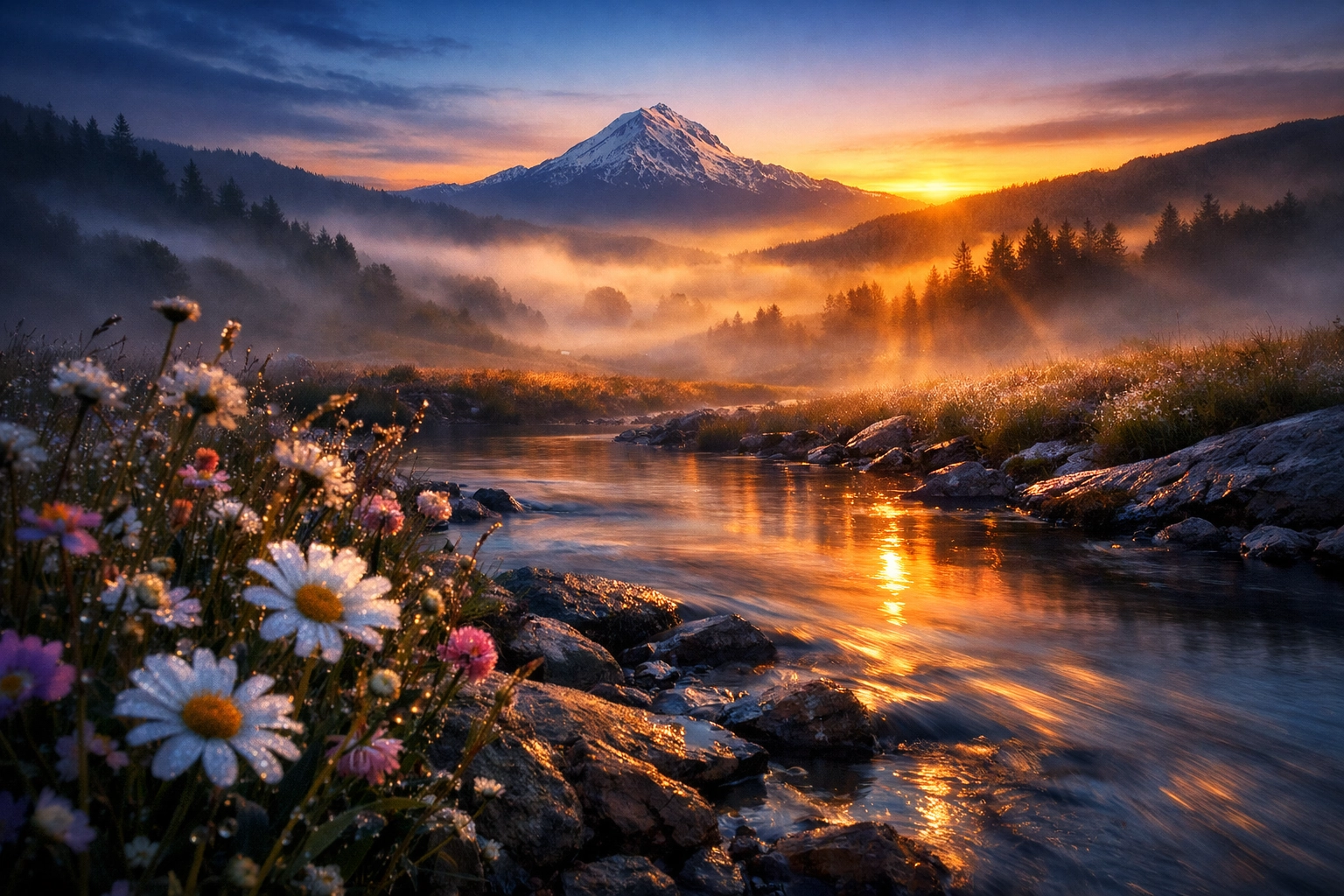
Nothing says "fine art" quite like the silky movement of water or the streaking of clouds. By using a sturdy tripod and neutral density (ND) filters, you can extend your shutter speed to several seconds: or even minutes. This technique is essential for achieving that ethereal photography aesthetic, where the world feels still, quiet, and slightly surreal. It transforms a chaotic beach into a meditative landscape.
Creating the Ethereal Look in Post-Production
Let’s be honest: the RAW file is just the beginning. In the realm of fine art, the "darkroom" (a.k.a. Lightroom and Photoshop) is where your vision truly comes to life. This is where dreamy photography editing takes center stage.
To get that soft, glowy, ethereal vibe, you aren't just slapping on a filter. You are carefully manipulating tones. Here’s a quick tip: try lowering your "Clarity" and "Dehaze" sliders slightly to soften the textures, then use the "Orton Effect" (a technique of layering a blurred version of the image over a sharp one) to give it that signature glow.
If you want to skip the guesswork and get straight to the professional results, I highly recommend checking out our Ultimate Lightroom Preset Collection. It’s designed specifically to help you achieve these high-end looks with just a few clicks, allowing you to focus on the creative side of things.
Building a Cohesive Body of Work
One great photo is a fluke; twenty great photos that look like they belong together is a career. When you start thinking about your work as a "series," you elevate yourself from a hobbyist to a fine artist.
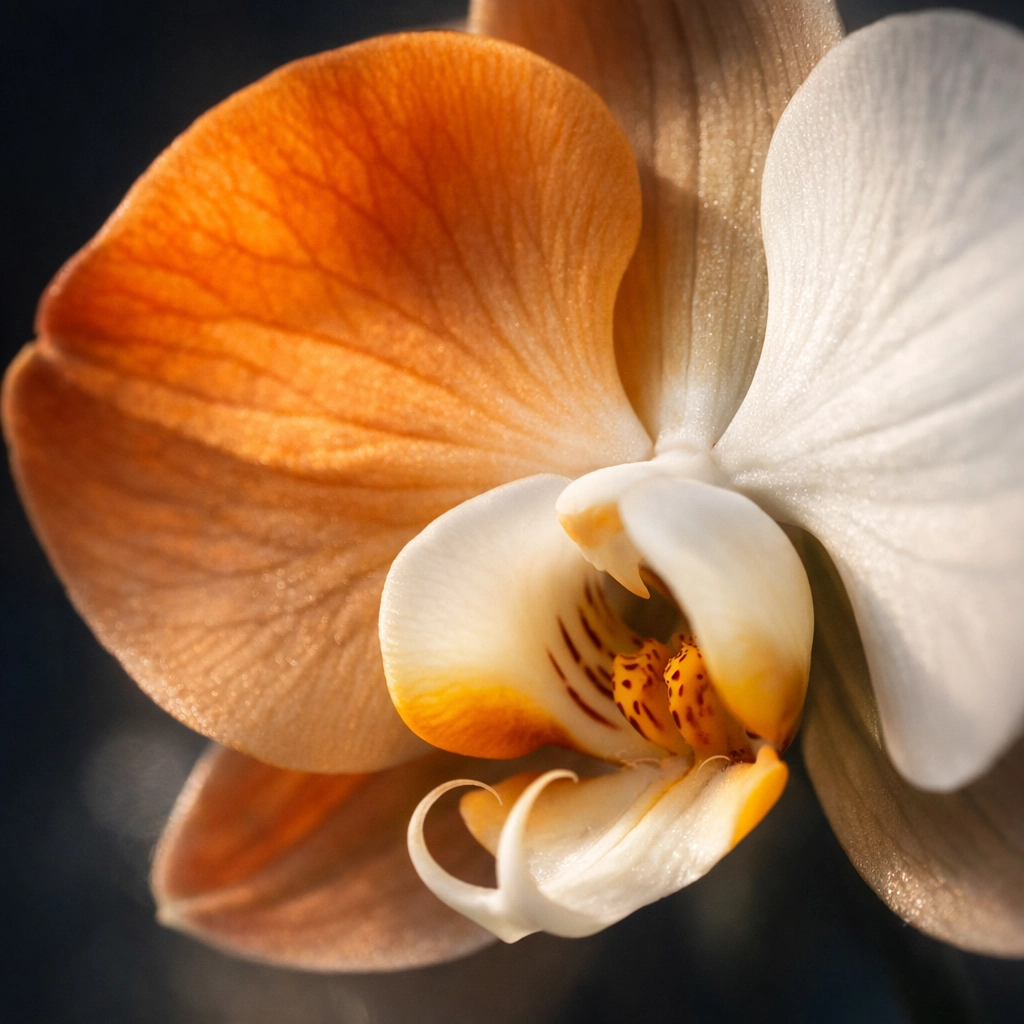
Think about your portfolio like chapters in a book. Each image should be able to stand on its own, but when viewed together at Edin Studios, they should tell a larger story. This might mean using a consistent color palette, focusing on a specific subject like macro florals, or sticking to a particular lighting style.
Why Provenance and Quality Matter
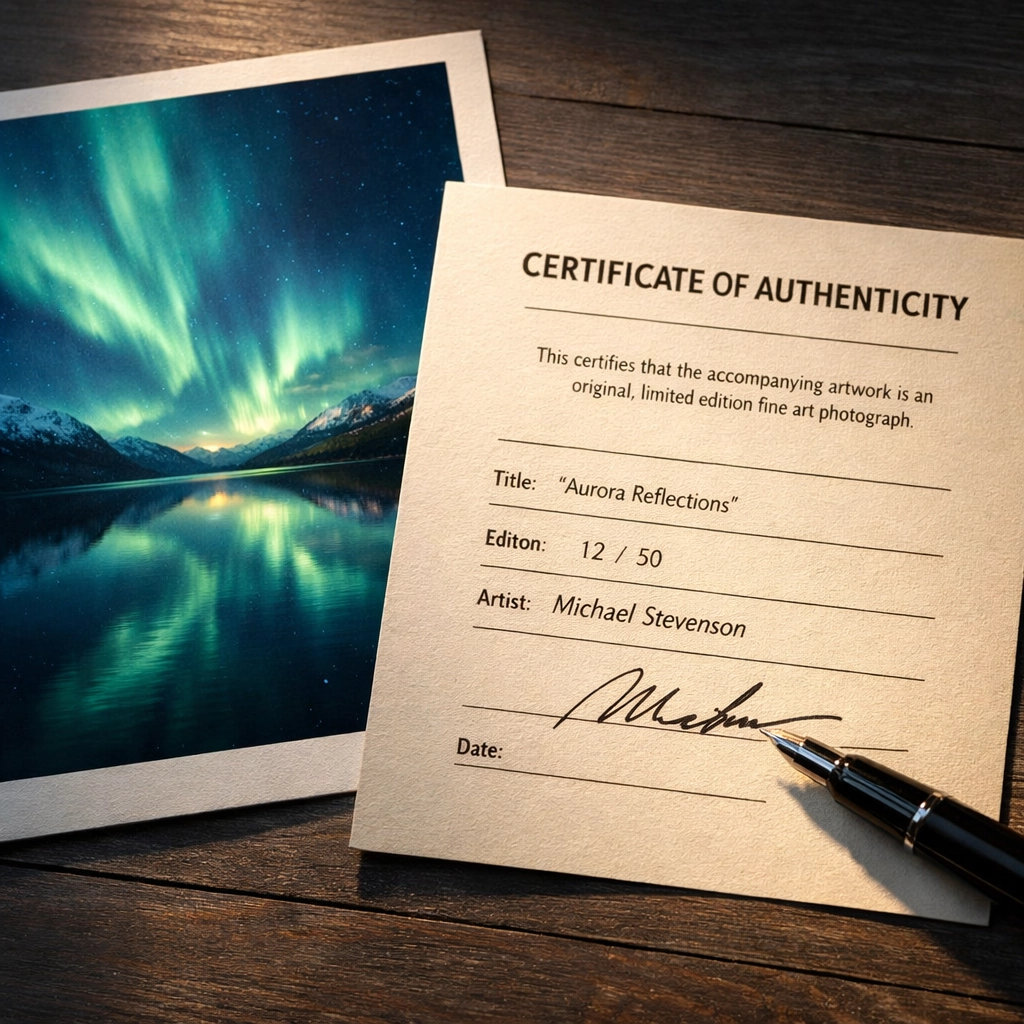
As you grow, you'll find that collectors don't just buy a picture; they buy a piece of your history. This is why high-quality printing and certificates of authenticity are vital. When a collector visits Edin Fine Art, they are looking for work that is archival, limited, and professionally handled. Your attention to detail in the physical world must match your attention to detail in the digital one.
Practical Steps to Launch Your Fine Art Career
You’ve got the vision, the gear, and the editing skills: now what? How do you actually "succeed" in this competitive field? It’s a mix of networking, online presence, and continuous learning.
- Start a Blog: Share your process! People love to see how the sausage is made. Writing about your journeys and your techniques helps build trust and authority. You can learn how to start a photography blog right here on our site.
- Enter Competitions: While they can be a bit of a gamble, winning or even being shortlisted for a major award can put your work in front of the right curators.
- Visit Galleries: Don't just stay behind your screen. Go to fine art galleries, look at the paper types used, the framing styles, and the way light hits the prints. It will change the way you shoot.
- Network Locally: If you are in South Florida, for instance, knowing the Miami hidden gems can give you a unique edge in your subject matter.
The Interior Design Connection
Fine art photography doesn't just live on a hard drive; it’s meant to live on a wall. When you are shooting, consider how your work will look in a modern home or a corporate office. Images with a dreamy photography editing style often work well in residential spaces because they create a sense of calm and luxury.
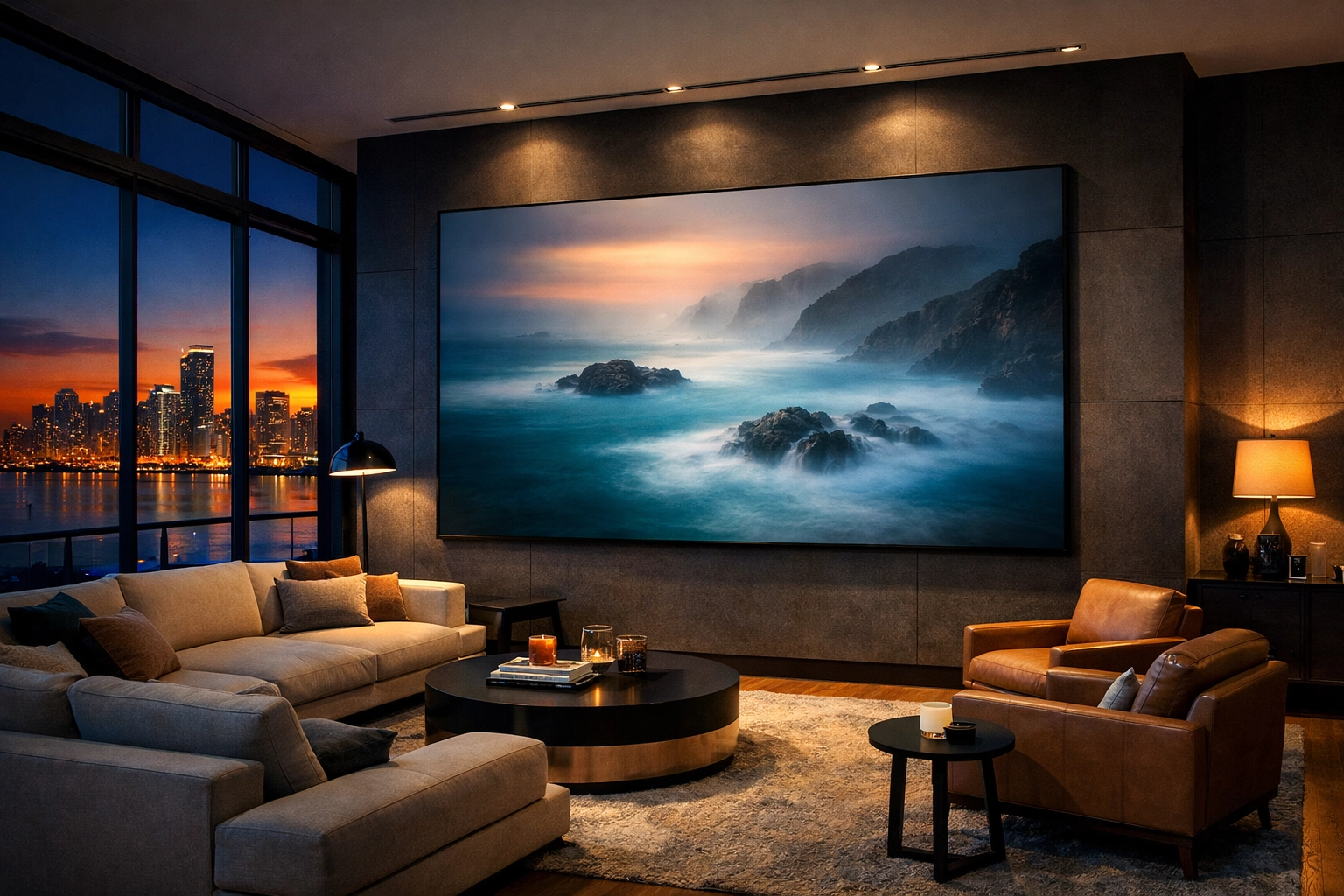
When you view your work through the lens of a collector, you start to see things differently. You look for "negative space" where a piece of furniture might sit. You look for colors that complement high-end finishes. This mindset shift is what separates a snapshot from a piece of fine art.
Final Thoughts: The Journey is Yours
Fine art photography is a marathon, not a sprint. It takes time to find your voice and even longer to refine it. But with the right mix of technical skill, dedicated post-processing, and a clear artistic vision, you can create work that truly resonates with the world.
Remember, your unique perspective is your most valuable asset. No one else sees the world exactly the way you do. Use that. Lean into the ethereal photography vibes, experiment with your editing, and don't be afraid to fail. Some of my best work came from "happy accidents" that I leaned into.
For more insights on how to elevate your work, explore our site for a deep dive into hundreds of tutorials and guides at Edin Chavez Blog. Whether you’re looking to master the technical side at Edin Studios or you’re ready to invest in world-class art at Edin Fine Art, we’re here to help you every step of the way.
Now, grab your camera, find your light, and go create something beautiful. The world is waiting to see your vision.


