
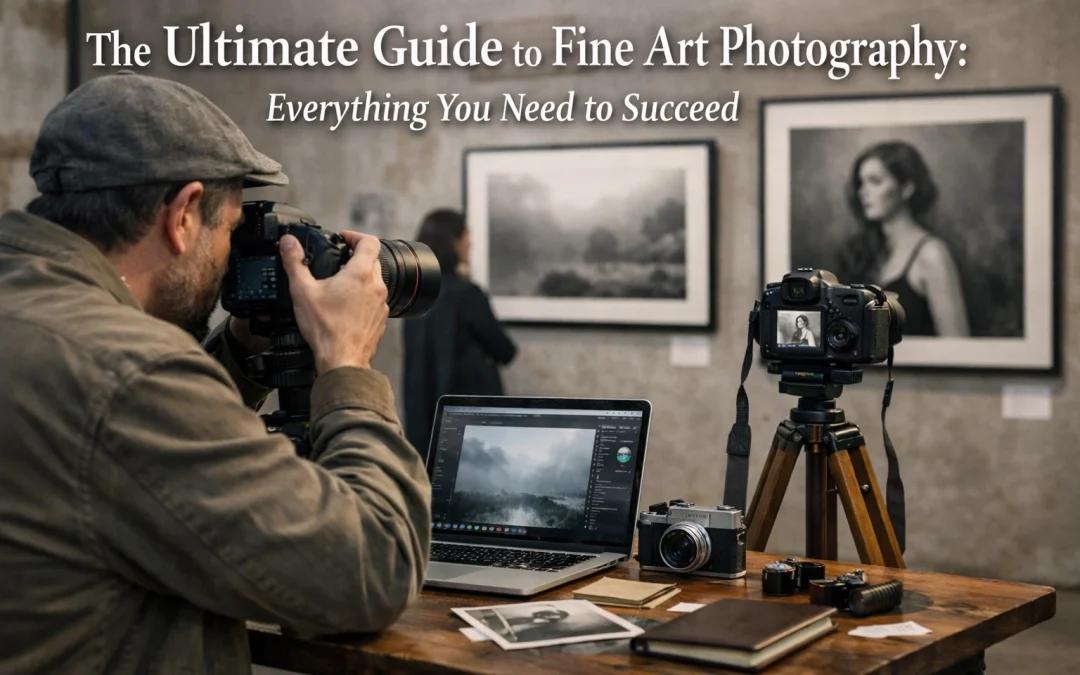
Just as a master painter approaches a blank canvas with a specific story in mind, you must approach fine art photography with a vision that transcends the literal. Many photographers get caught up in the "what": the camera, the lens, the settings: but fine art is fundamentally about the "why." It’s the difference between taking a photo of a tree and creating a piece of art that evokes the loneliness or the resilience of that tree.
At Edin Chavez Blog, we believe that your camera is merely an extension of your imagination. To truly succeed in this niche, you need to stop documenting the world as it is and start interpreting it as you feel it. This guide is your roadmap to mastering the technical skills, the ethereal aesthetics, and the post-processing magic required to turn your snapshots into museum-quality masterpieces. Whether you are aiming to see your work on Edin Fine Art or simply want to find your unique voice, this is where your journey begins.
The Soul of the Image: Vision and Concept
Your artistic vision is the bedrock of your success. Before you even touch your shutter button, you need to define what you want to say. Are you exploring the fragility of nature, the chaos of urban life, or perhaps the quiet moments of human emotion?
To develop a strong concept, you should:
- Identify your triggers: What subjects make you stop in your tracks? Is it the way light hits a building at sunrise or the haunting stillness of a swamp?
- Research themes: Look into abstract concepts, social commentary, or minimalist aesthetics.
- Sketch your ideas: You don't need to be an artist to draw. Sometimes, putting a rough composition on paper helps solidify your intent.
When you have a clear concept, every technical decision: from your ISO to your choice of lens: becomes a tool to support that message. This intentionality is what separates a lucky shot from a deliberate work of fine art.
Mastering the Technical Foundation
While fine art is about emotion, you can’t ignore the physics of light and glass. Your technical skills are what allow you to execute your vision without the camera getting in the way. You need to manipulate your settings to create specific moods, especially when chasing that elusive ethereal photography look.
| Technique | Desired Mood | Key Settings & Tools |
|---|---|---|
| Long Exposure | Ethereal, surreal, and calm | Slow shutter (10s to 4 mins), ND filters, Tripod |
| Shallow Depth of Field | Dreamy, intimate, and soft | Wide aperture (f/1.2 – f/2.8), Prime lenses |
| Intentional Camera Movement | Abstract, painterly, and fluid | Shutter 1/4s to 2s, physical movement of the camera |
| High Key Lighting | Ethereal, bright, and hopeful | Overexposure by 1-2 stops, soft light sources |
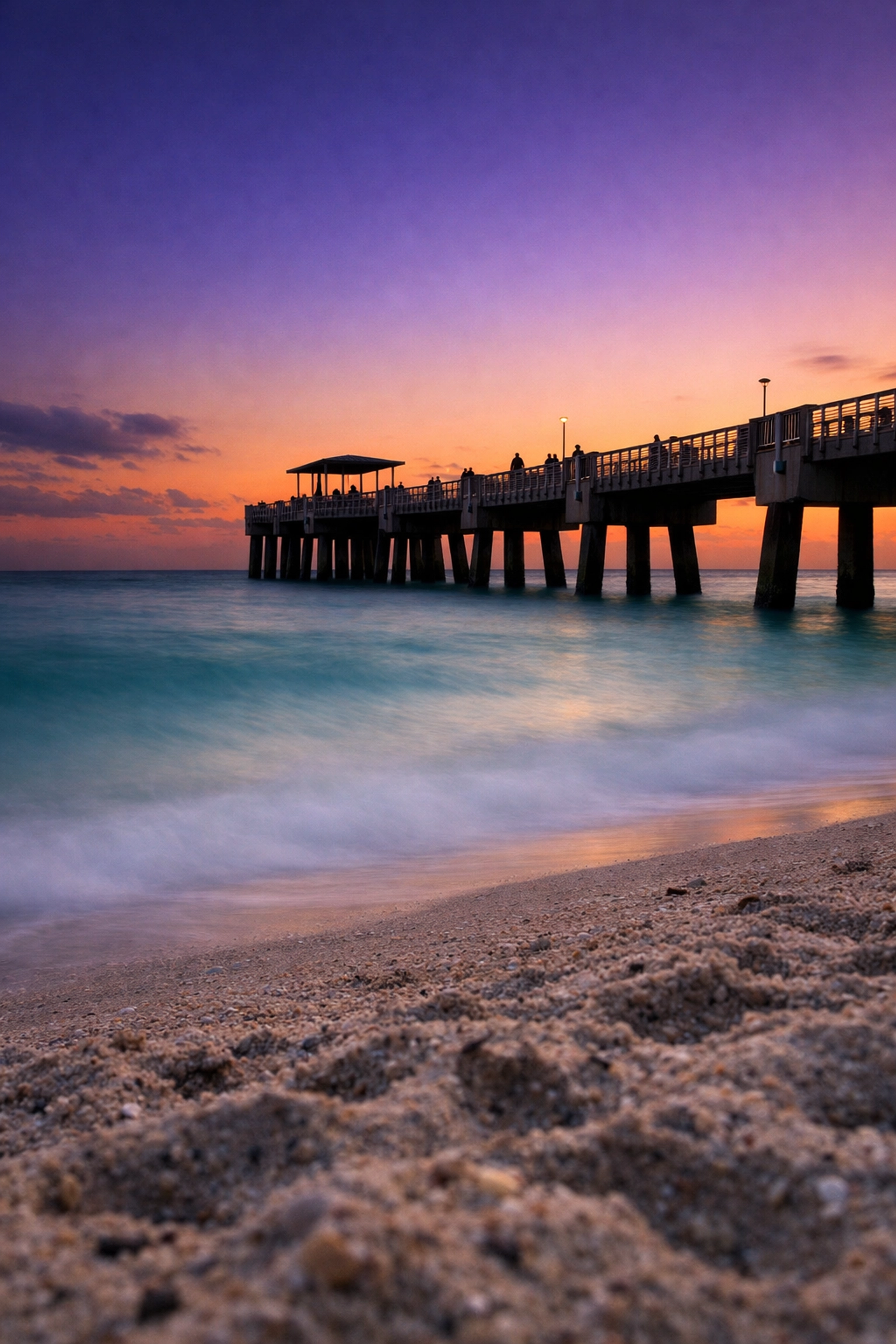
By mastering these settings, you ensure that your gear works for you, not against you. For instance, if you’re out on a Miami photography workshop, you’ll quickly learn that capturing the perfect Atlantic sunset requires a delicate balance of shutter speed to smooth out the waves while keeping the colors vibrant.
Chasing the Light: The Key to Ethereal Photography
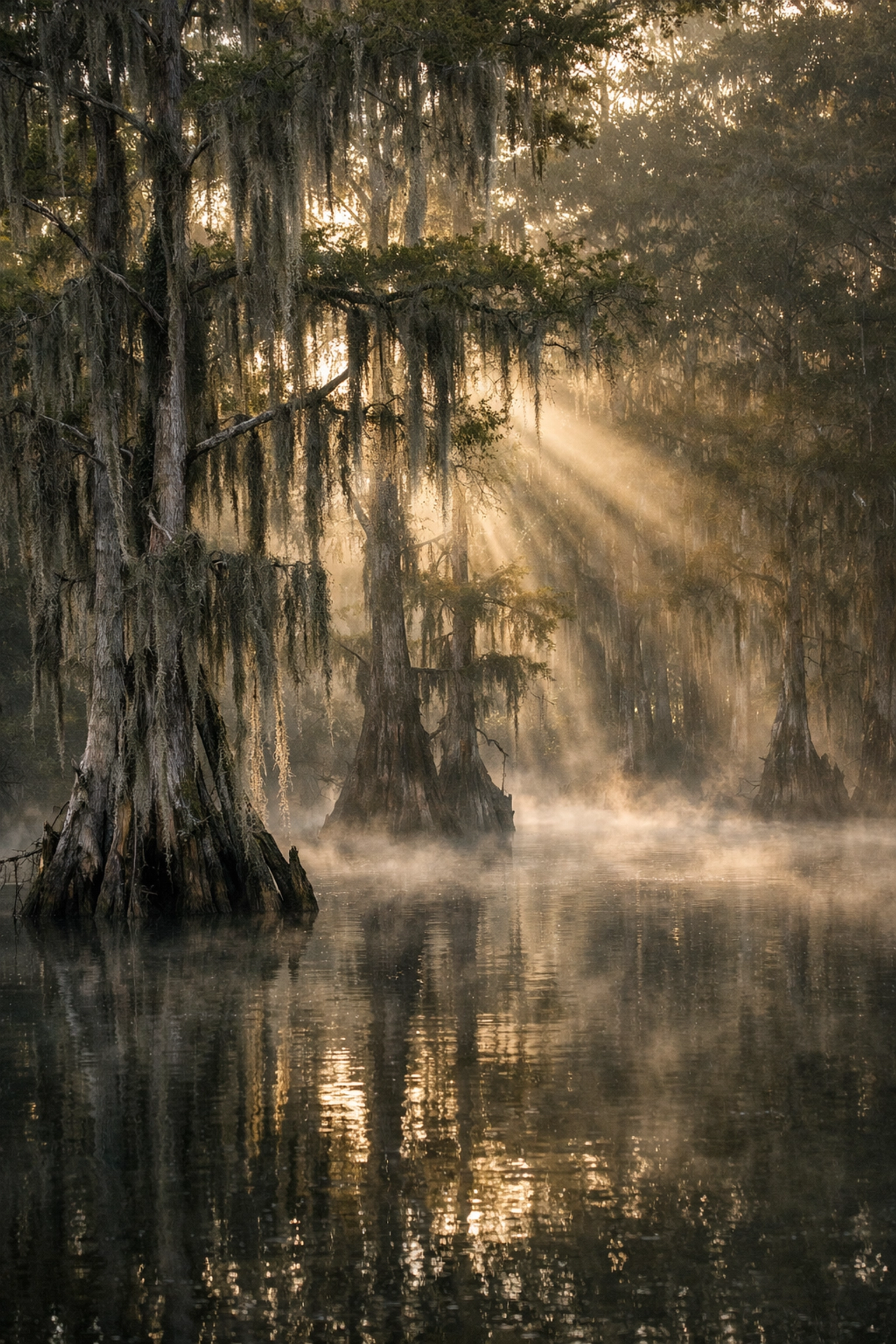
Light is the most powerful tool in your kit. To achieve ethereal photography, you must learn to look for light that feels "soft" or "diffused." Think of the golden hour, the blue hour, or even a thick fog rolling through the Everglades.
If you are shooting in Florida, for example, the humidity creates a natural haze that can be your best friend. I highly recommend checking out our Everglades Photography Guide to learn how to navigate these tricky conditions. The way light filters through the cypress trees can transform a standard landscape photography shot into something truly otherworldly.
Don't be afraid of shadows, either. In fine art, shadows provide depth and mystery. They tell the viewer what not to look at, which is just as important as the subject itself. When you learn to control both highlights and shadows, you gain the power to guide the viewer’s eye exactly where you want it to go.
Advanced Techniques: Breaking the Rules
Once you know the rules of composition: like the Rule of Thirds or leading lines: the fun begins when you break them. Fine art photography thrives on experimentation.
- Multiple Exposures: Combining two or more images in-camera can create a haunting, ghostly effect that layers different textures and subjects.
- Pinhole Photography: This "low-tech" approach forces you to focus on shape and form rather than clinical sharpness.
- Intentional Camera Movement (ICM): By moving your camera during a long exposure, you can turn a forest into a series of vertical streaks that look more like an oil painting than a photograph.
These techniques are excellent for creating a signature style. When people see your work at Edin Studios, you want them to recognize your hand in the image immediately.
The Magic of Post-Production: Dreamy Photography Editing
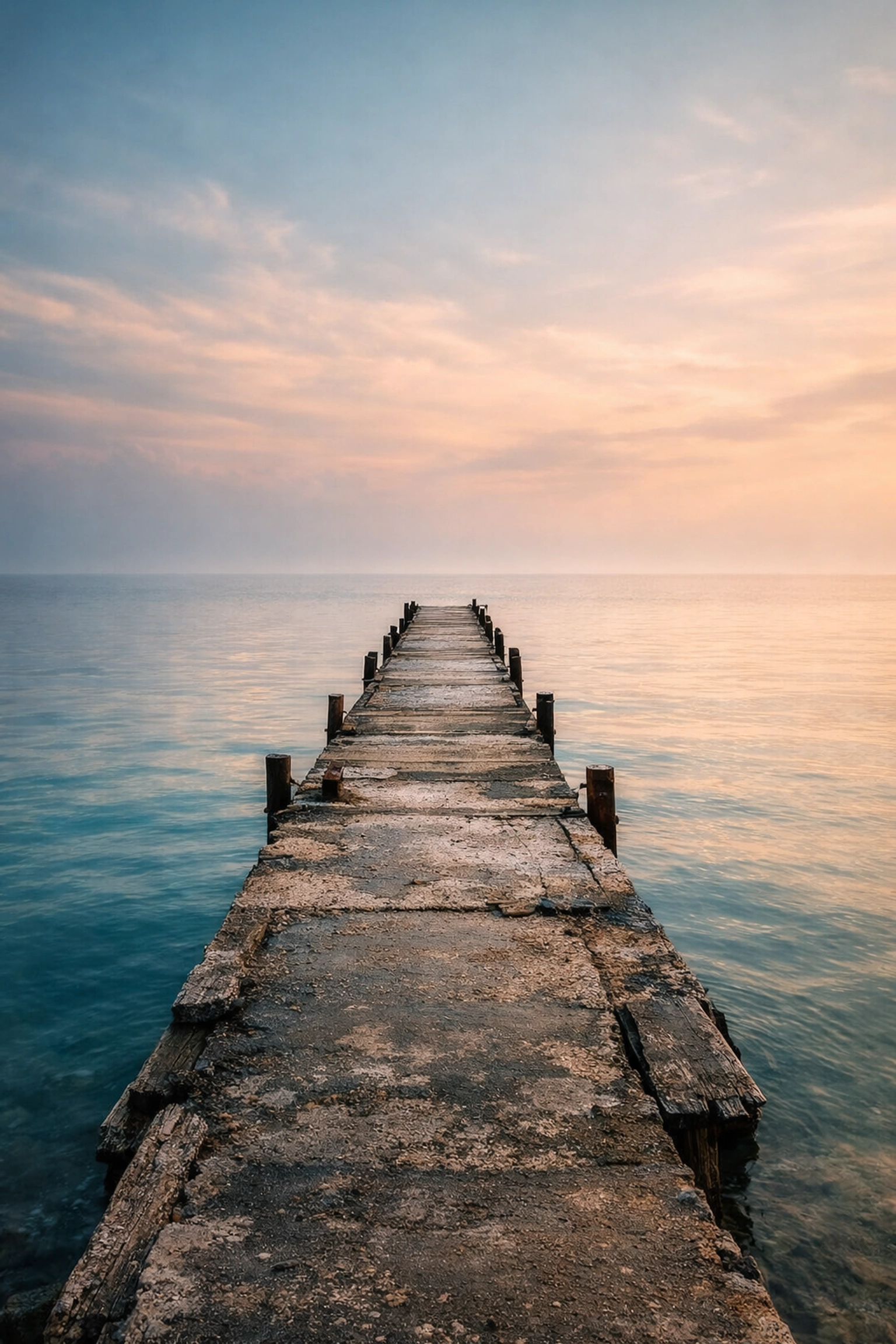
Let’s be real: the raw file is just the beginning. In the world of fine art, post-processing is where your vision truly comes to life. To achieve a high-end look, you need to master dreamy photography editing. This isn't about slapping a filter on a photo; it’s about selective color grading, dodging and burning, and softening textures.
To create that "glow" often seen in ethereal work:
- Orton Effect: This technique involves layering a sharp image with a blurred version of itself to create a soft, radiant glow.
- Color Grading: Shift your shadows toward blues or teals and your highlights toward warm oranges or soft pinks to create a mood that feels like a dream.
- Selective Softening: Use masks to keep your subject sharp while softening the background even further than your lens allowed.
To make this process seamless and professional, I always use the Ultimate Lightroom Preset Collection. It provides the perfect baseline for dreamy tones, allowing you to spend more time on the creative details and less time on the technical drudgery of the Develop module.
Building Your Fine Art Portfolio
Your portfolio is your calling card. A common mistake many photographers make is including every "good" photo they’ve ever taken. In fine art, less is more. You want a cohesive body of work that shows a consistent style and a clear narrative.
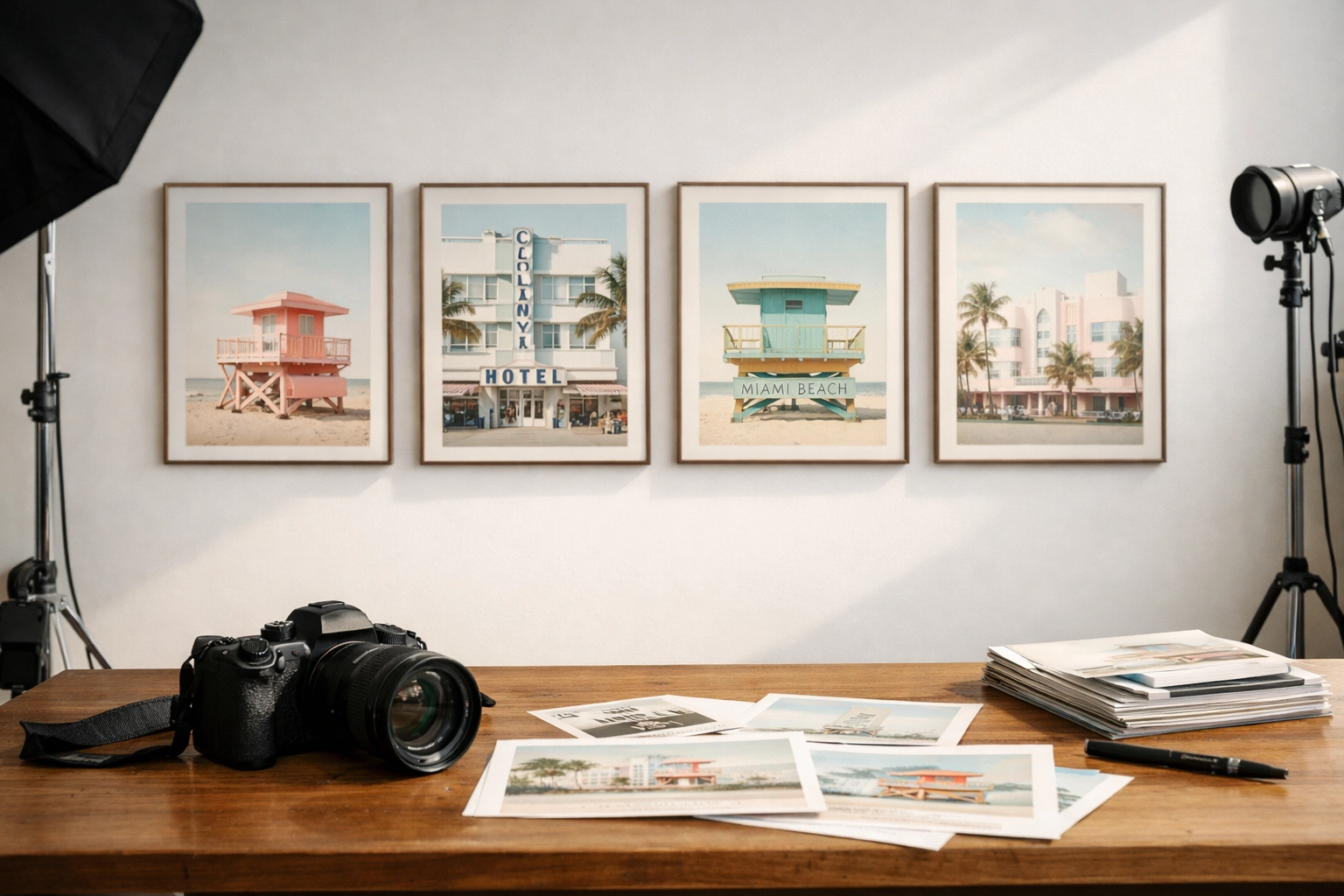
If you’re shooting in a specific city, like Miami, try to stick to a theme. Whether you’re following our Miami Self-Driving Photography Guide or joining a Private Miami Photography Tour, look for recurring shapes, colors, or moods. A portfolio that bounces from gritty street photography to soft, ethereal landscapes will confuse your audience.
Consistency in your dreamy photography editing will also help bind your portfolio together. When your images share a similar color palette and contrast level, they feel like they belong to the same world: your world.
Embracing the Journey
Success in fine art photography doesn't happen overnight. It’s a process of constant refinement. You will have days where the light doesn't cooperate or your "vision" feels more like a blurred mess. That’s okay. Every "failed" shot is a lesson in what not to do next time.
Keep experimenting, keep pushing your technical boundaries, and most importantly, keep shooting what makes you feel something. Whether you're capturing the neon glow of a Miami sunset or the quiet fog of the mountains, your unique perspective is your greatest asset.
With these considerations, you are well on your way to creating work that doesn't just sit in a folder on your hard drive, but hangs on a gallery wall.
For more insights on how to elevate your work, explore our site for a deep dive into hundreds of tutorials and guides at Edin Chavez Blog. Don't forget to check out Edin Studios for more inspiration and professional services to help you reach the next level of your artistic career. Reach out, get creative, and let's make some art!


