
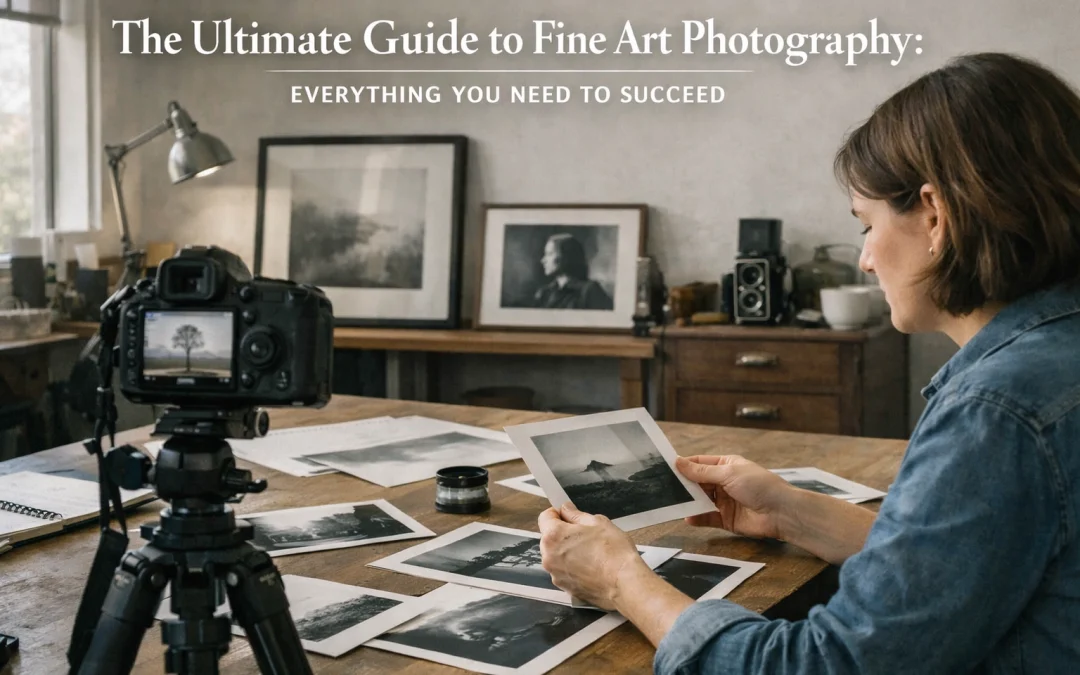
Just as a painter faces a blank canvas with a specific story to tell, you approach your camera not just to document reality, but to interpret it. Fine art photography is the bridge between the world as it is and the world as you imagine it to be. It is a discipline where your vision dictates the outcome, and your technical skills serve as the tools to manifest that vision. Whether you are aiming to capture the quiet stillness of a landscape or the haunting beauty of a portrait, mastering this craft requires a blend of intentionality and technical precision.
Many photographers struggle to make the jump from "good photos" to "fine art." The difference lies in the narrative. In the world of fine art photography, you are the director, the author, and the artist. This guide is designed to empower you with the technical foundations and creative editing workflows needed to elevate your work to a professional standard. By the time you finish reading, you’ll have a clear roadmap to creating images that don't just sit on a hard drive but belong on a gallery wall. For more inspiration on how to push your creative boundaries, you can always explore my latest work at Edin Chavez Photography.
Defining Your Artistic Vision
Before you even touch your shutter button, you must define what you want to say. Fine art is distinguished by its thematic consistency. Unlike commercial or editorial photography, where the goal is often to sell a product or tell a news story, fine art is about your personal perspective. You are looking for subjects that stir something inside you, whether that is a feeling of nostalgia, isolation, or wonder.
When you develop a theme, you provide your audience with a cohesive experience. This consistency is what separates a hobbyist from a professional artist. You might choose to explore environmental issues, the passage of time, or the concept of ethereal photography, where the subjects feel like they belong to a dream world rather than our physical reality. If you are looking for examples of how to build a portfolio with a strong narrative, check out the resources available on our photography blog.
The Technical Foundation: Gear and Settings
While your vision is the soul of the image, your technical skill is the body that carries it. To succeed in fine art photography, you need a deep understanding of how your equipment manipulates light and time. You aren't just letting the camera "guess" the exposure; you are making deliberate choices to achieve a specific look.
Essential Equipment for Fine Art
Your gear should never limit your creativity. High-resolution mirrorless or DSLR cameras are the standard because they allow for large-scale printing without losing detail. When your work is eventually showcased for collectors at Edin Fine Art, every pixel counts.
| Equipment | Why You Need It |
|---|---|
| High-Resolution Body | Ensures your images retain incredible detail for large-format gallery prints. |
| Prime Lenses | Offers unmatched sharpness and wider apertures for superior depth-of-field control. |
| Sturdy Tripod | Essential for long exposures and achieving the sharpest possible focus. |
| Neutral Density (ND) Filters | Allows you to use slow shutter speeds in broad daylight to create ethereal motion. |
| Remote Shutter Release | Eliminates camera shake, which is vital for high-quality fine art captures. |
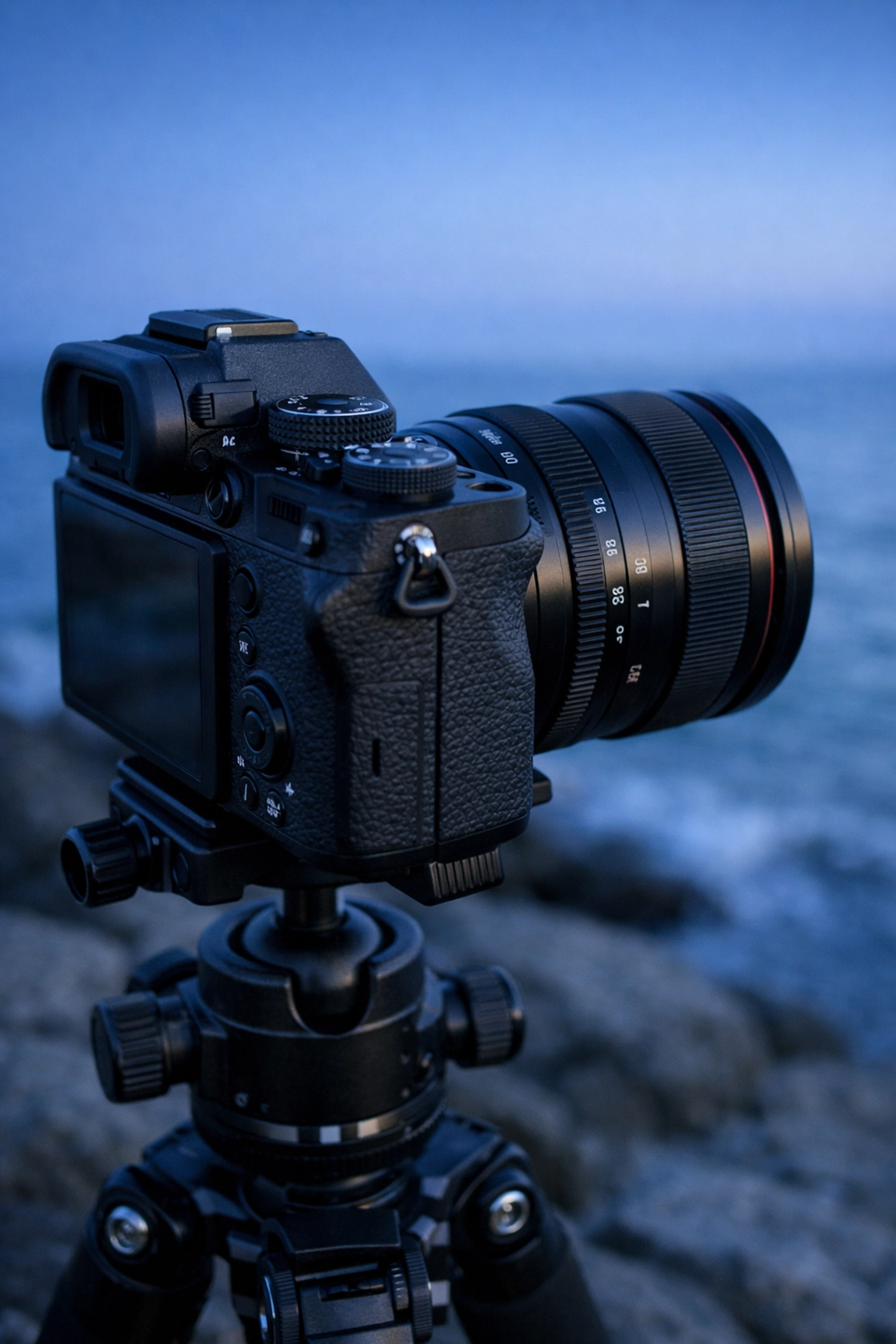
Mastering Camera Settings
To create ethereal photography, you must move beyond "Auto" mode. You need to be in total control of your exposure triangle:
- Aperture: Use wide apertures (f/1.4 to f/2.8) to isolate your subject and create a creamy, out-of-focus background. Conversely, use narrow apertures (f/11 to f/16) when you need every detail from the foreground to the horizon to be tack-sharp.
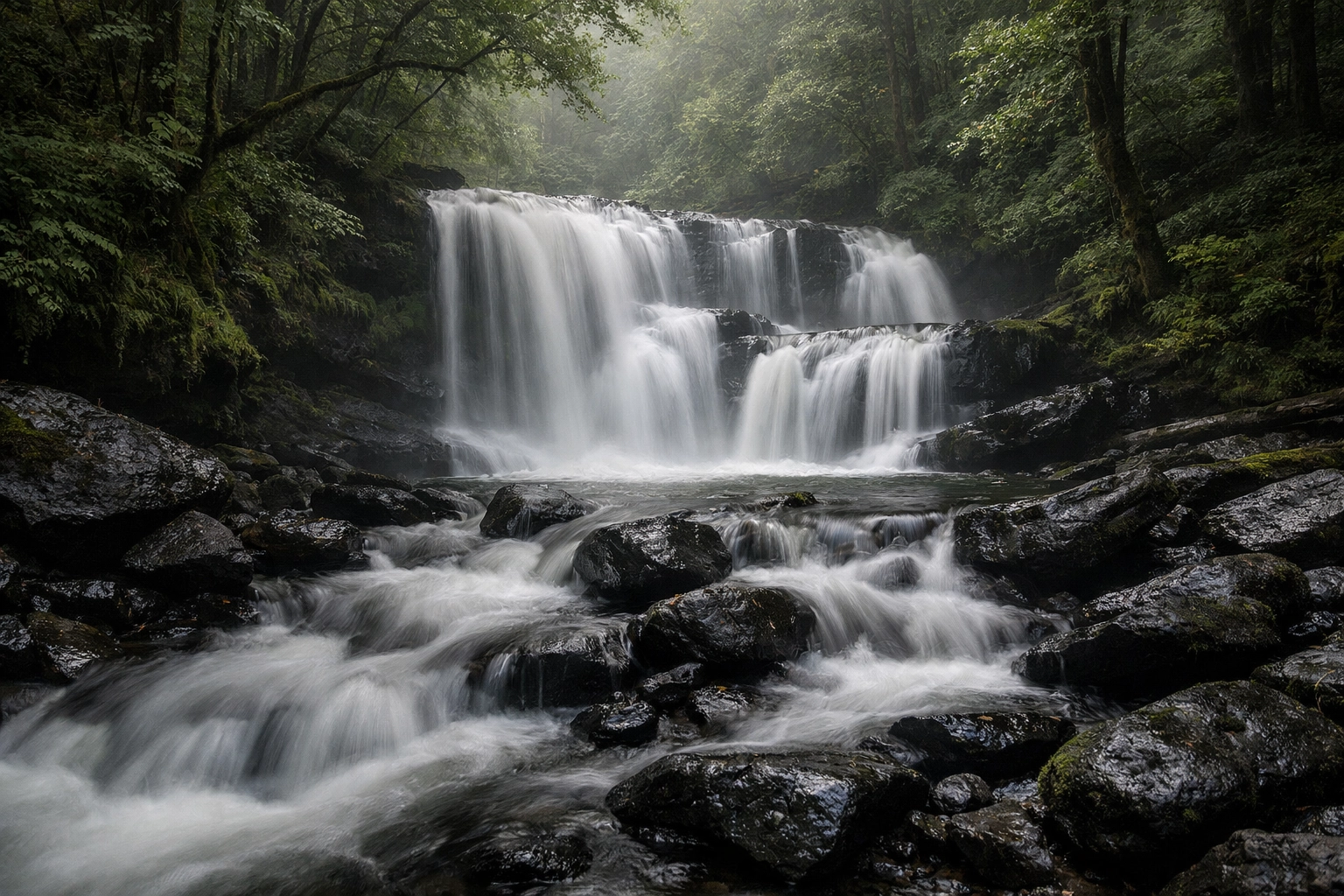
- Shutter Speed: This is your primary tool for capturing time. Slow shutter speeds (1/2 second to several minutes) transform moving water into mist and clouds into soft streaks, providing that "otherworldly" feel.
- ISO: Keep your ISO as low as possible (usually ISO 100) to ensure the cleanest image with the least amount of digital noise.
Advanced Techniques for Ethereal Photography
If you want your images to stand out, you need to master techniques that the average person can't replicate with a smartphone. Ethereal photography focuses on creating a sense of lightness, mystery, and beauty that feels almost supernatural.
Long Exposure and Motion
Long exposure is the secret sauce for fine art landscapes. By using a sturdy tripod and an ND filter, you can extend your shutter speed to blur the movement of the world. This technique simplifies the composition, removing the "clutter" of choppy waves or busy crowds, leaving behind a serene, painterly image. This process ensures your work has a signature look that is both calm and captivating.
Multiple Exposures and Focus Stacking
Sometimes, a single frame isn't enough to capture your vision. Focus stacking involves taking multiple shots at different focal points and merging them in post-processing to achieve a depth of field that is physically impossible to capture in one shot. Similarly, in-camera multiple exposures allow you to layer different textures and subjects, creating abstract art directly on your sensor.
Dreamy Photography Editing: The Final Touch
The capture is only half the battle. In fine art, the "darkroom" (or Lightroom and Photoshop) is where you breathe life into your vision. Dreamy photography editing is a specific style that emphasizes soft highlights, muted colors, and a glow that makes the viewer feel like they are stepping into a dream.
The Orton Effect
One of the most popular techniques in dreamy photography editing is the Orton Effect. This involves layering a sharp version of an image with a slightly blurred, overexposed version. The result is a photograph that maintains its detail but possesses a beautiful, radiant glow. It’s perfect for forest scenes, flowers, or soft-lit portraits.
Color Grading and Luminosity Masks
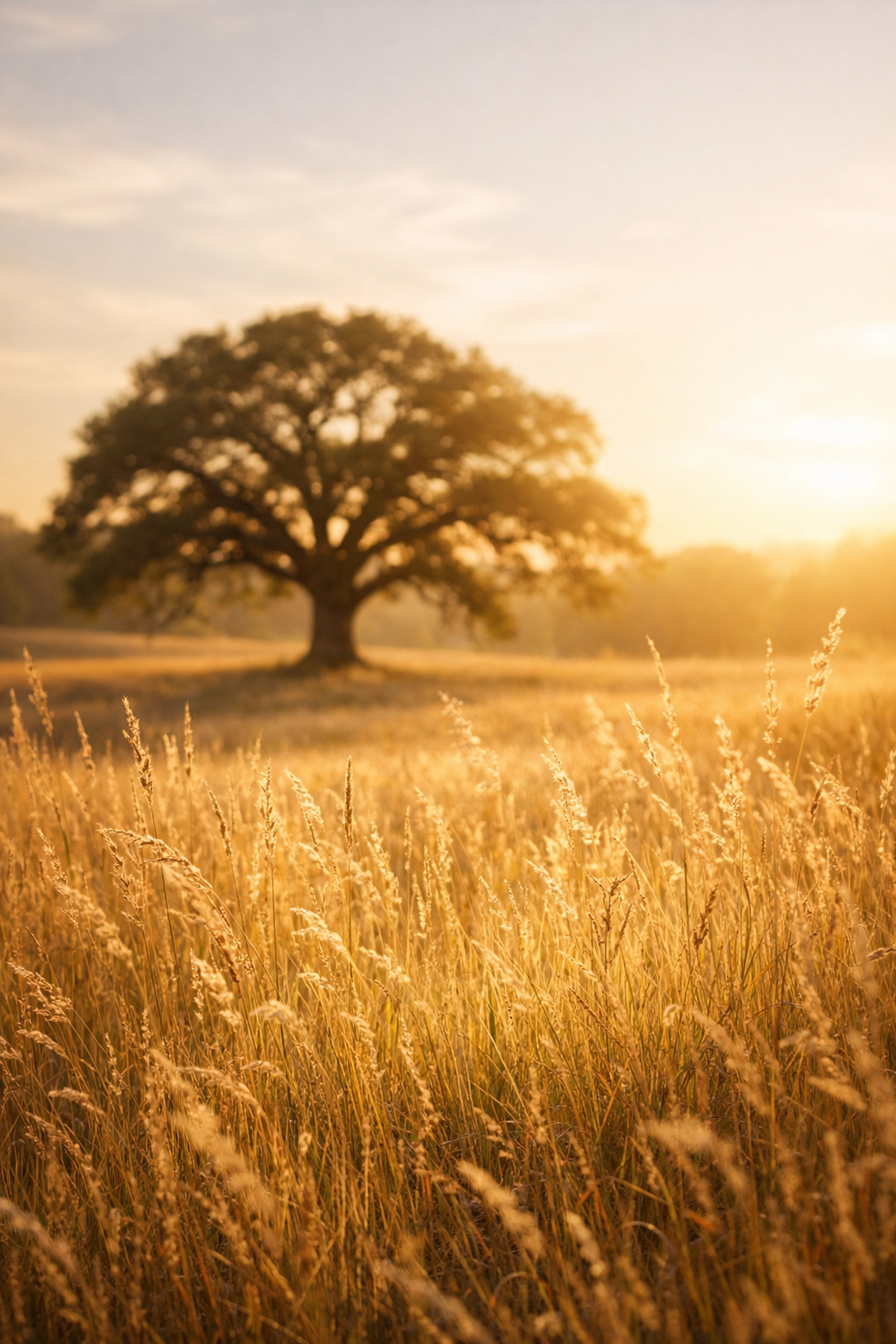
Your color palette should be intentional. Fine art photographers often use color grading to evoke specific emotions. Warm, golden tones suggest comfort and nostalgia, while cool, desaturated blues might evoke solitude or mystery. By using luminosity masks, you can target specific brightness levels in your image, ensuring that your highlights stay soft and your shadows remain deep and rich without losing detail.
| Editing Technique | Visual Impact |
|---|---|
| Orton Effect | Adds a soft, romantic glow and enhances the painterly feel. |
| Luminosity Masking | Provides precise control over contrast, ensuring smooth transitions in light. |
| Split Toning | Adds different colors to highlights and shadows for a stylized, artistic look. |
| Dodge and Burn | Manually sculpts light and shadow to draw the viewer’s eye to your subject. |
Building Your Signature Style and Portfolio
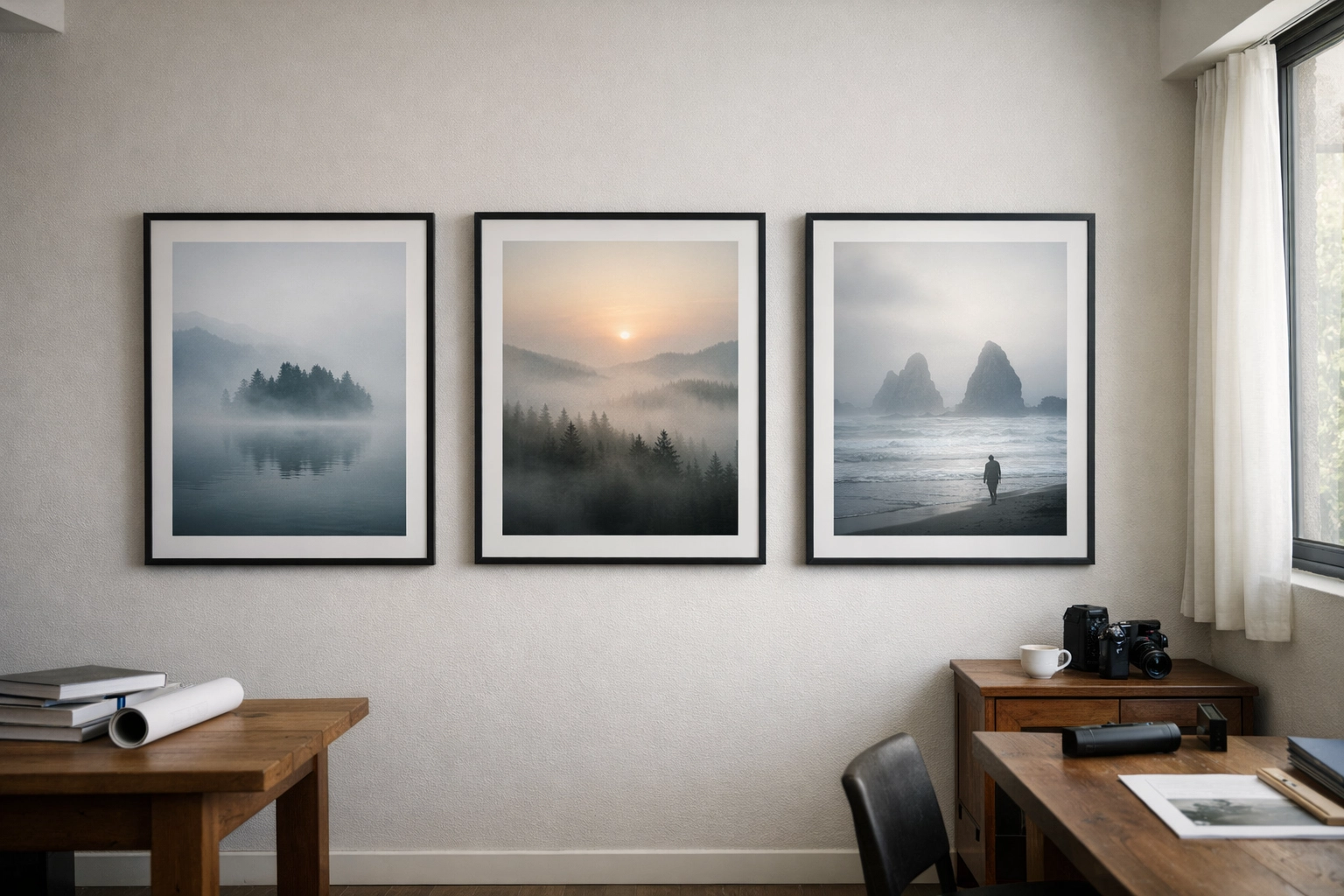
Consistency is your most valuable asset. When a collector or a gallery owner looks at your work, they should be able to recognize your "hand" in the images. This doesn't mean every photo looks the same, but it does mean they share a common thread: whether it's your use of light, your preferred color palette, or your focus on ethereal photography.
As you build your portfolio, be your own harshest critic. Only include work that aligns with your ultimate vision. It is better to have five world-class images than fifty mediocre ones. If you're looking for guidance on how to curate your work or find the best locations to shoot, I've shared plenty of tips on my blog.
The Path to Professional Success
Success in fine art photography isn't an overnight achievement; it’s a journey of constant refinement. By mastering your technical skills, leaning into dreamy photography editing, and staying true to your unique vision, you elevate your work from a simple hobby to a profound art form.
You have the tools and the knowledge: now it’s time to head out and create. Remember that every master was once a beginner who refused to stop learning. Whether you are capturing the vibrant streets of Miami or the quiet isolation of a mountain peak, keep your vision at the forefront of everything you do.
With these considerations, you are well-equipped to dominate the fine art space. Your journey is just beginning, and the world is waiting to see through your eyes. For continued education and to see how I apply these principles in the field, visit Edin Chavez Photography and let's keep pushing the boundaries of what's possible with a camera.


