
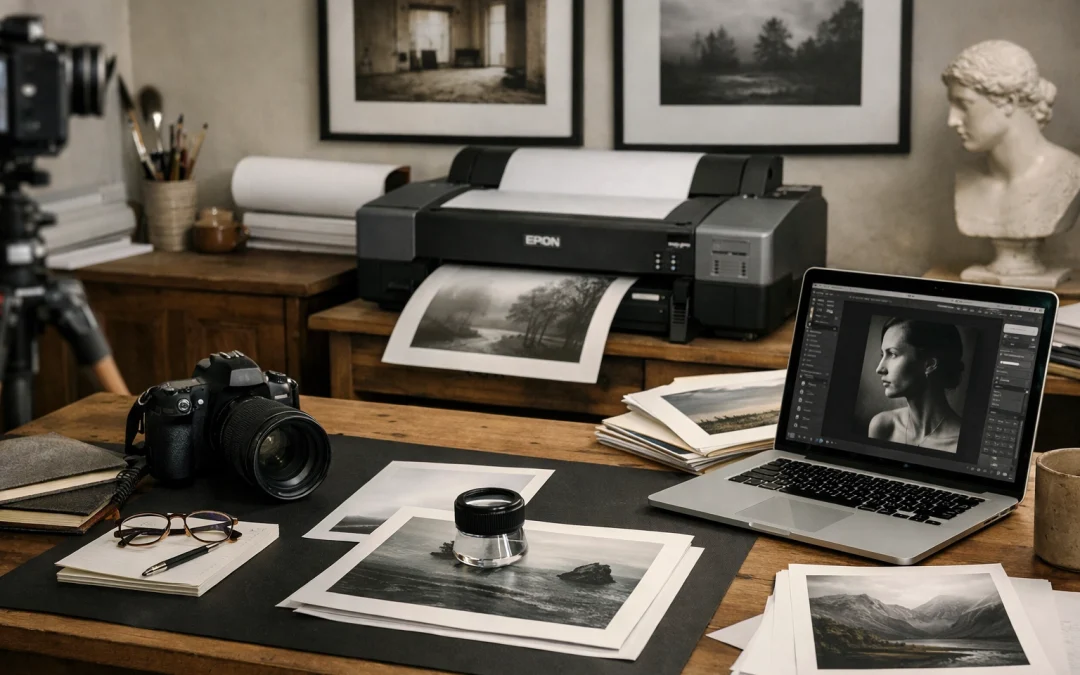
As you scroll through galleries and museum exhibitions, you've probably wondered what separates truly stunning fine art photography from everyday snapshots. The answer lies in a combination of technical mastery, artistic vision, and intentional post-processing that transforms your images into ethereal works worthy of museum walls. Let me walk you through everything you need to create museum-quality prints that captivate viewers and stand the test of time.
Shifting Your Mindset: From Snapshots to Fine Art
Before you even pick up your camera, you need to understand that fine art photography requires a fundamentally different approach than casual photography. You're not capturing moments: you're creating art. This means planning your ideas beforehand through sketching, visualization, or even rehearsing your shots. Think of yourself as a painter using light instead of brushes, where every element in your frame serves a deliberate purpose.
Your work should be meaningful to you personally. Fine art photography is deeply personal and sometimes controversial, but that authenticity is what resonates with viewers. When you create from a place of genuine artistic vision, your images naturally develop the depth and emotion that museums seek.
Mastering the Technical Foundation
Your technical skills form the backbone of museum-quality work. You need complete command over aperture, shutter speed, and ISO to achieve your desired effects. These aren't just camera settings: they're your primary tools for translating your artistic vision into reality.
Understanding depth of field gives you control over what your viewer focuses on. A shallow depth of field with a wide aperture isolates your subject against dreamy, blurred backgrounds: perfect for creating that ethereal photography aesthetic. Conversely, a deep depth of field ensures every element in your landscape remains tack-sharp, which is essential for large-format prints where viewers will scrutinize every detail.
Composition separates good photographs from great ones. Study the rule of thirds, leading lines, and symmetry, but know when to break these rules for more impactful images. Leading lines: whether roads, fences, shadows, or light trails: guide your viewer's eye through the frame and create visual depth. For fine art photography, fine-tune your composition by ensuring only the elements you want appear in frame, deliberately placed where you intend them.
Lighting: The Soul of Fine Art Photography
Lighting fundamentally shapes your fine art work. You need to master both natural and artificial light to highlight subjects, create mood, and work strategically with shadows and reflections. The quality of light: whether soft and diffused or hard and dramatic: determines the entire emotional tone of your image.
Golden hour light creates warm, ethereal photography that feels dreamlike and romantic. Blue hour offers cool, moody tones perfect for architectural and landscape work. Understanding how different lighting conditions affect your subject allows you to plan shoots around optimal times, ensuring you capture exactly the atmosphere you envision.
Advanced Techniques for Ethereal Effects
Long Exposure Photography
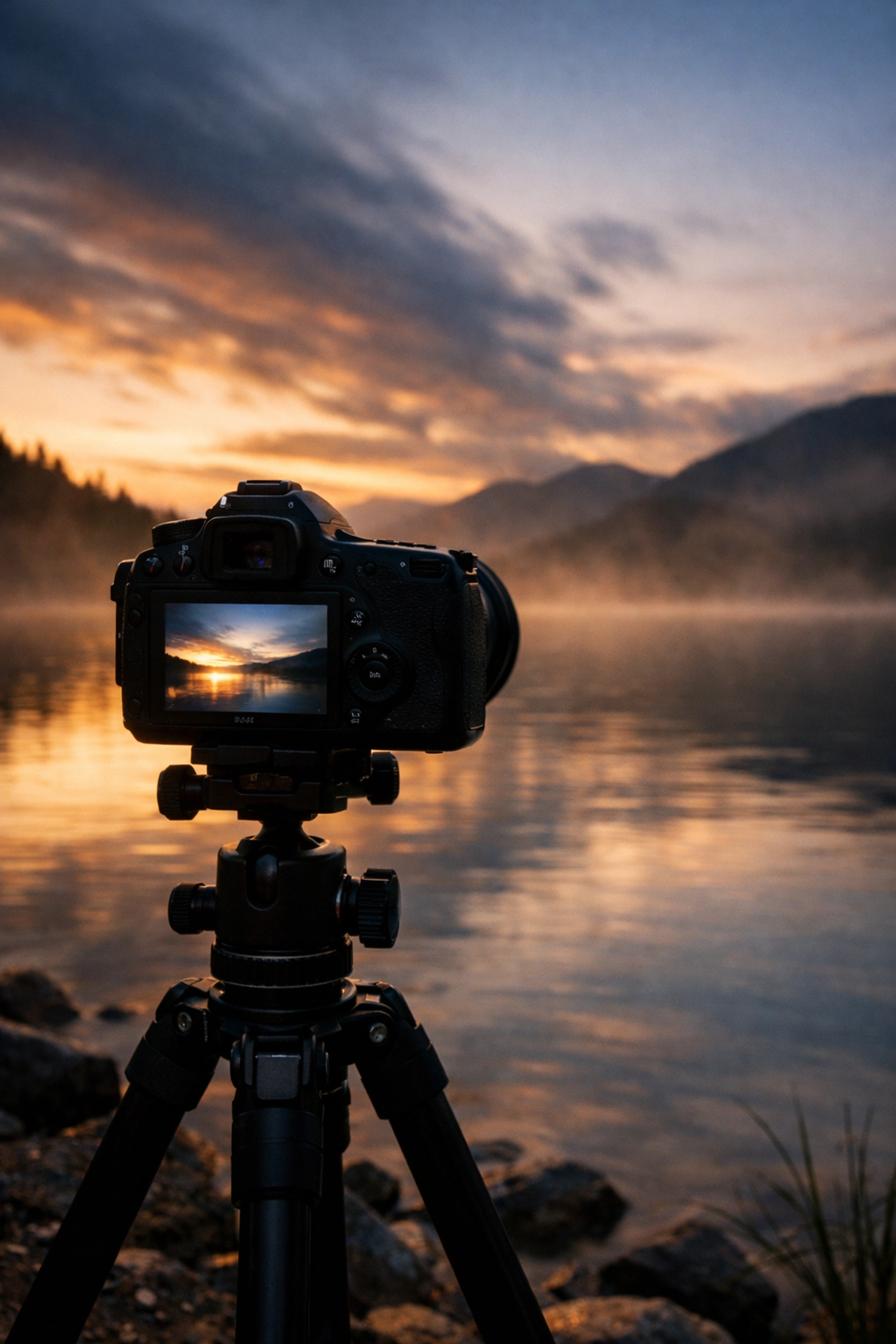
Long exposure photography creates those dreamy, surreal effects you see in museum-quality fine art prints. By using slow shutter speeds, you capture motion in clouds, water, or people while keeping static objects sharp. This technique transforms ordinary scenes into ethereal landscapes that feel otherworldly.
You'll need a sturdy tripod and remote shutter release to prevent camera shake during these extended exposures. The result is silky smooth water, streaking clouds, and ghostly figures that add mystery and movement to your compositions. This approach is particularly powerful for seascapes and night photography where you want to emphasize the passage of time.
Multiple Exposure and Creative Blending
Multiple exposure allows you to introduce in-camera movement and blend images together creatively. This technique involves photographing subjects from multiple angles or introducing deliberate camera movement to create artistic impressions. The overlapping layers produce dreamlike images with a painterly quality that stands out in fine art collections.
You can extend this further with digital layering and Photoshop blending to achieve even more experimental results. Advanced handcrafted methods include painting on photographs, transfers, montages, and alternative process techniques that push the boundaries of traditional photography.
HDR for Museum-Quality Detail
HDR (High Dynamic Range) photography captures a wider range of tonal detail by merging multiple exposures at different brightness levels. This is essential for scenes with stark contrasts between bright and dark areas, ensuring that highlights retain detail without losing shadow information.
Use your camera's bracketing feature to capture underexposed, properly exposed, and overexposed versions, then blend them using software like Adobe Lightroom or Photomatix. The resulting images display the smooth tonal transitions and dramatic contrast that elevate your work's artistic impact, particularly crucial for large-format museum prints.
Post-Processing: Creating Your Dreamy Photography Editing Style
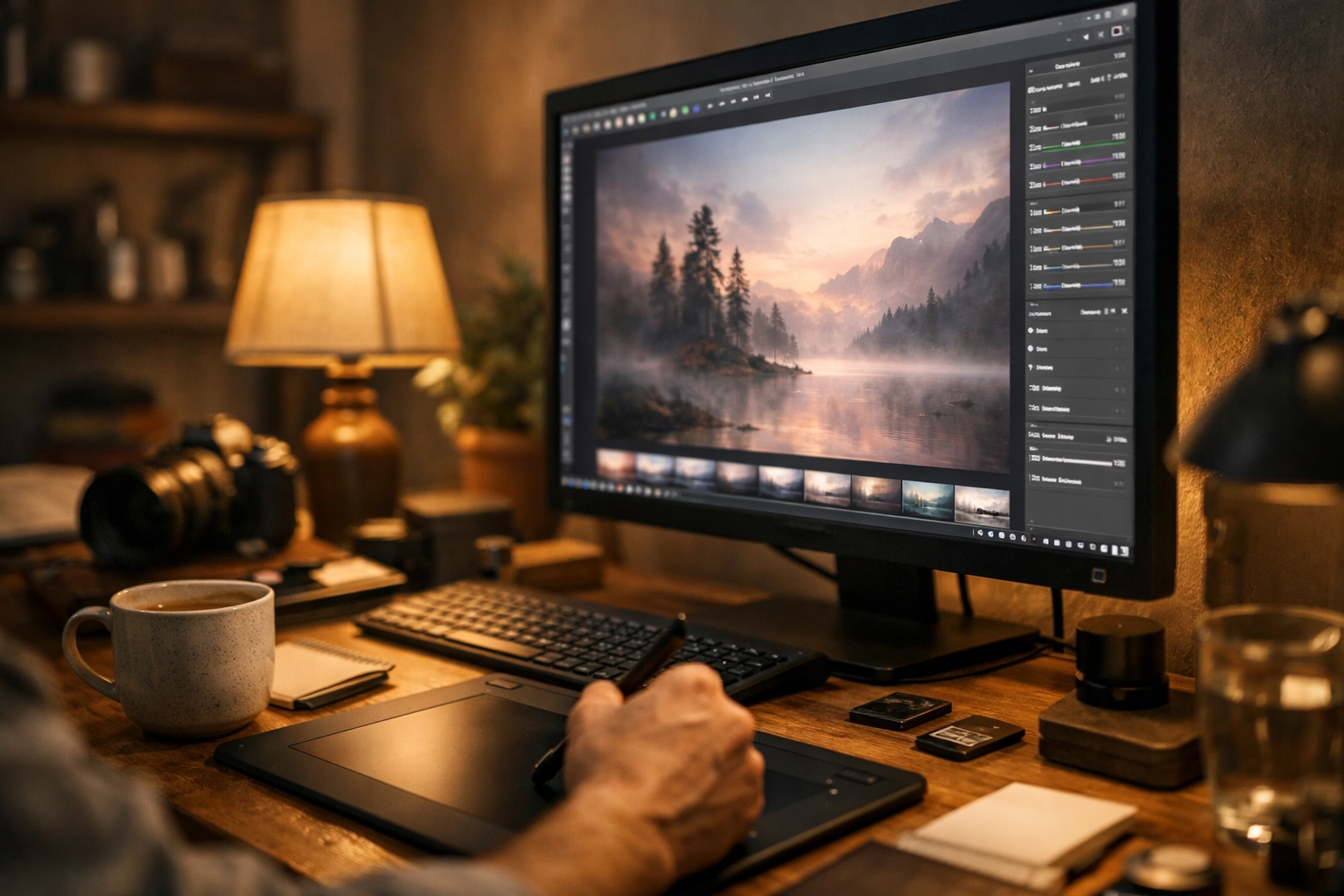
Post-processing is where your artistic vision truly comes to life. Your editing style plays a huge role in defining your photographic identity and creating that signature ethereal photography look. Some photographers prefer minimal editing to maintain natural realism, while others embrace post-processing to add surreal or painterly qualities.
Dreamy photography editing typically involves softening harsh elements, enhancing warm or cool tones, adding subtle glows, and creating atmospheric depth through selective dodging and burning. You might incorporate textural overlays, gentle vignettes, or luminosity adjustments that give your images an otherworldly quality.
The key is consistency. Over time, applying particular editing styles: whether dark and moody or bright and high-contrast: helps your work stand out and become immediately recognizable. You can explore more techniques and insights at Edin Chavez Photography, where I share detailed approaches to developing your unique style.
Building Your Signature Style
Create thematic consistency across your portfolio by choosing subjects and themes that resonate with you personally. Your distinctive style emerges through consistent use of composition, lighting, and post-production techniques unique to your vision. A cohesive, thematically consistent body of work is essential for creating strong audience connection and museum consideration.
Fine art portfolios should explore subjects from multiple angles, giving viewers a comprehensive experience. Make your subject clear and obvious: if your point isn't evident within seconds, you'll lose viewer attention. For still life work, consider using plain black or neutral backgrounds to make foreground subjects stand out dramatically.
Essential Equipment for Museum-Quality Prints
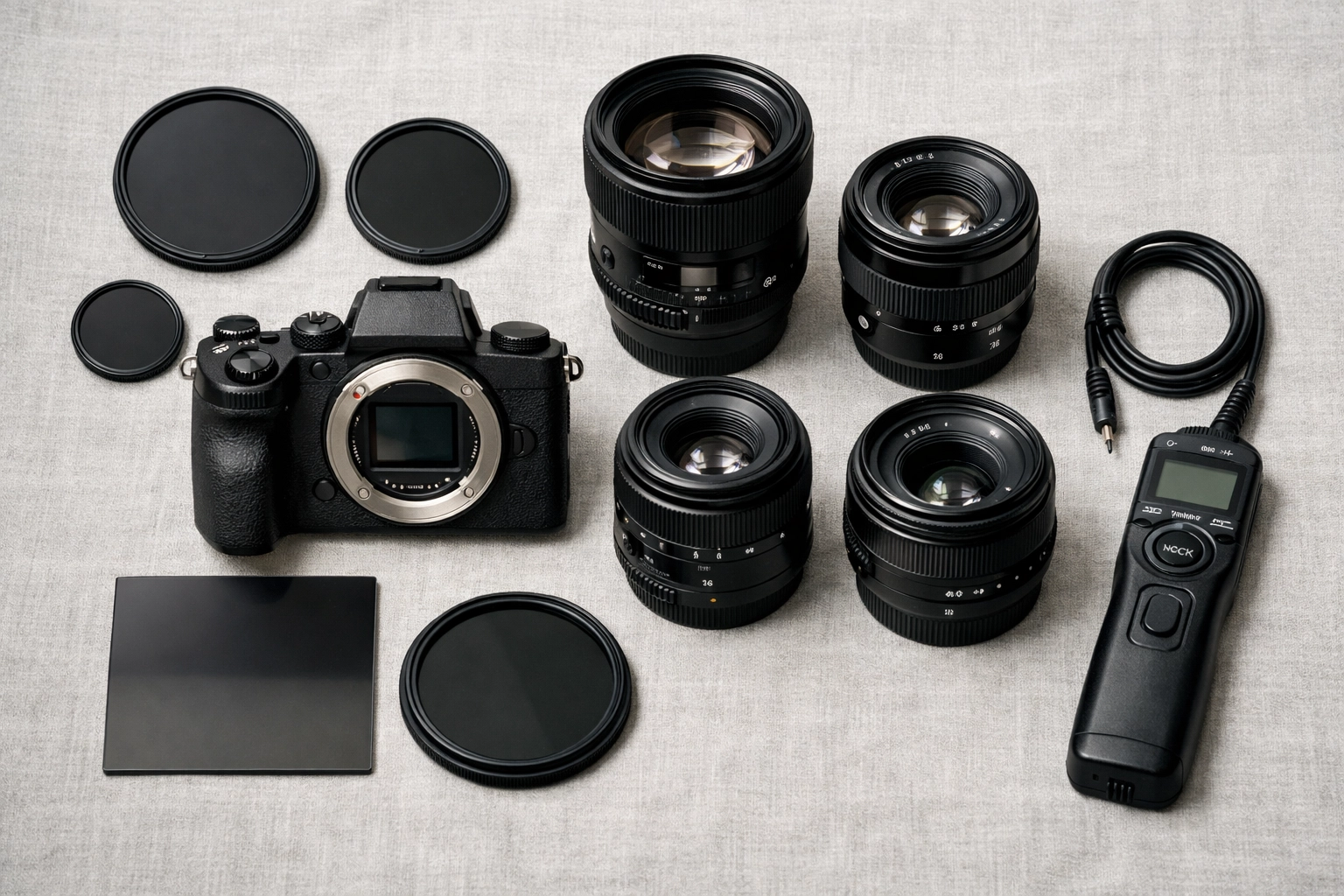
For museum-quality prints, you need high-quality equipment that captures rich detail. A DSLR or mirrorless camera with high-resolution capabilities ensures your images contain enough information for large-format printing. Prime lenses offer superior sharpness and greater control over depth of field compared to zoom lenses.
Essential accessories include tripods (critical for long exposures and stability), filters to control light and reflections, and external lighting for enhanced creative control. Post-production software is equally crucial for refining images to match your artistic vision. Don't skimp on these tools: they're investments in your ability to produce professional work.
From Camera to Wall: The Final Steps
When creating prints for museum display, your attention to detail throughout the entire process determines final quality. Shoot in RAW format to preserve maximum image data. Calibrate your monitor regularly to ensure accurate color representation during editing. Work with professional printing services that understand fine art requirements and use archival materials.
The combination of technical mastery, intentional composition, consistent editing style, and professional printing creates museum-quality fine art photography that collectors value. Your work should tell a story, evoke emotion, and demonstrate technical excellence that stands up to close scrutiny.
Visit the blog for more in-depth tutorials on specific techniques, equipment reviews, and inspiration for your fine art photography journey. Remember, creating museum-quality work is a continuous process of refinement: each image you create builds your skills and clarifies your artistic vision. With dedication to mastering both technical skills and artistic expression, you'll develop the ethereal photography style that sets your work apart in galleries and museums worldwide.


