
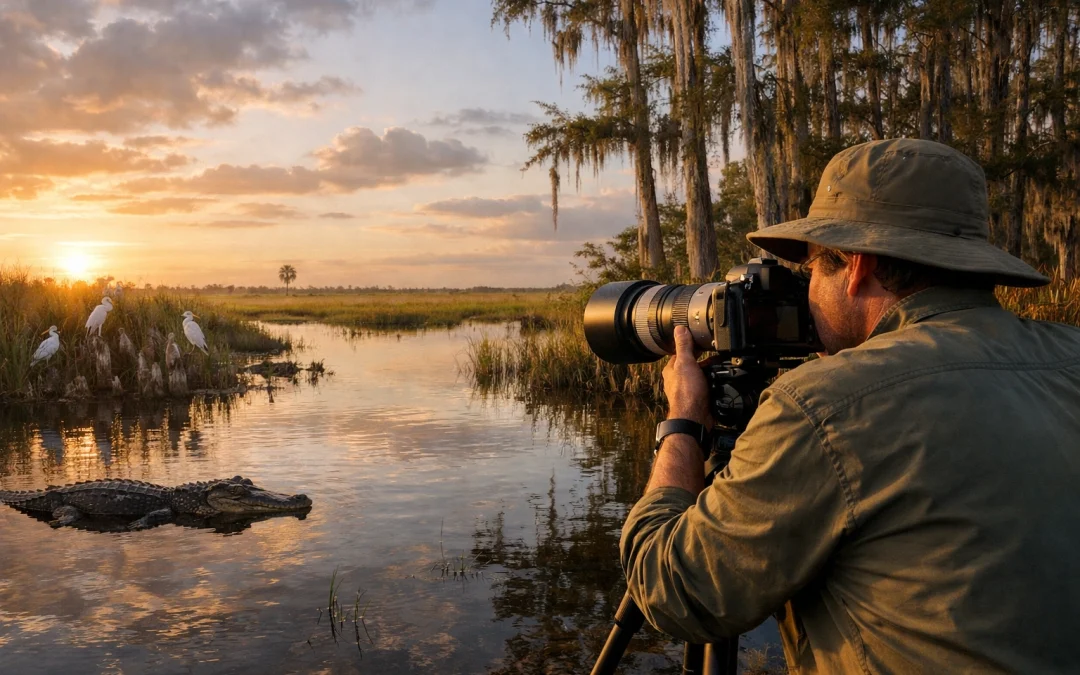
As you stand on the edge of the "River of Grass," the first thing you notice isn't the heat or the humidity: it’s the silence, punctuated only by the prehistoric grunt of an alligator or the sharp cry of an osprey. For a photographer, the Everglades isn't just a national park; it’s a living, breathing studio where the light behaves differently and the subjects are as wild as they come.
Whether you are a seasoned pro looking for that elusive fine-art shot or a hobbyist hoping to capture your first great heron portrait, navigating this 1.5-million-acre wilderness can be daunting. That is why I have put together this comprehensive guide to the best Everglades photography locations. You need a plan to succeed here, and I am going to give you the insider secrets to ensure your memory cards are full of masterpieces by the time you head home.
The Anhinga Trail: Your Wildlife Photography Masterclass
If you are looking for the most bang for your buck in terms of wildlife photography Everglades, the Anhinga Trail at the Royal Palm Visitor Center is your first stop. Just as a studio provides controlled lighting, this boardwalk provides controlled access to some of the most habituated wildlife in the park.
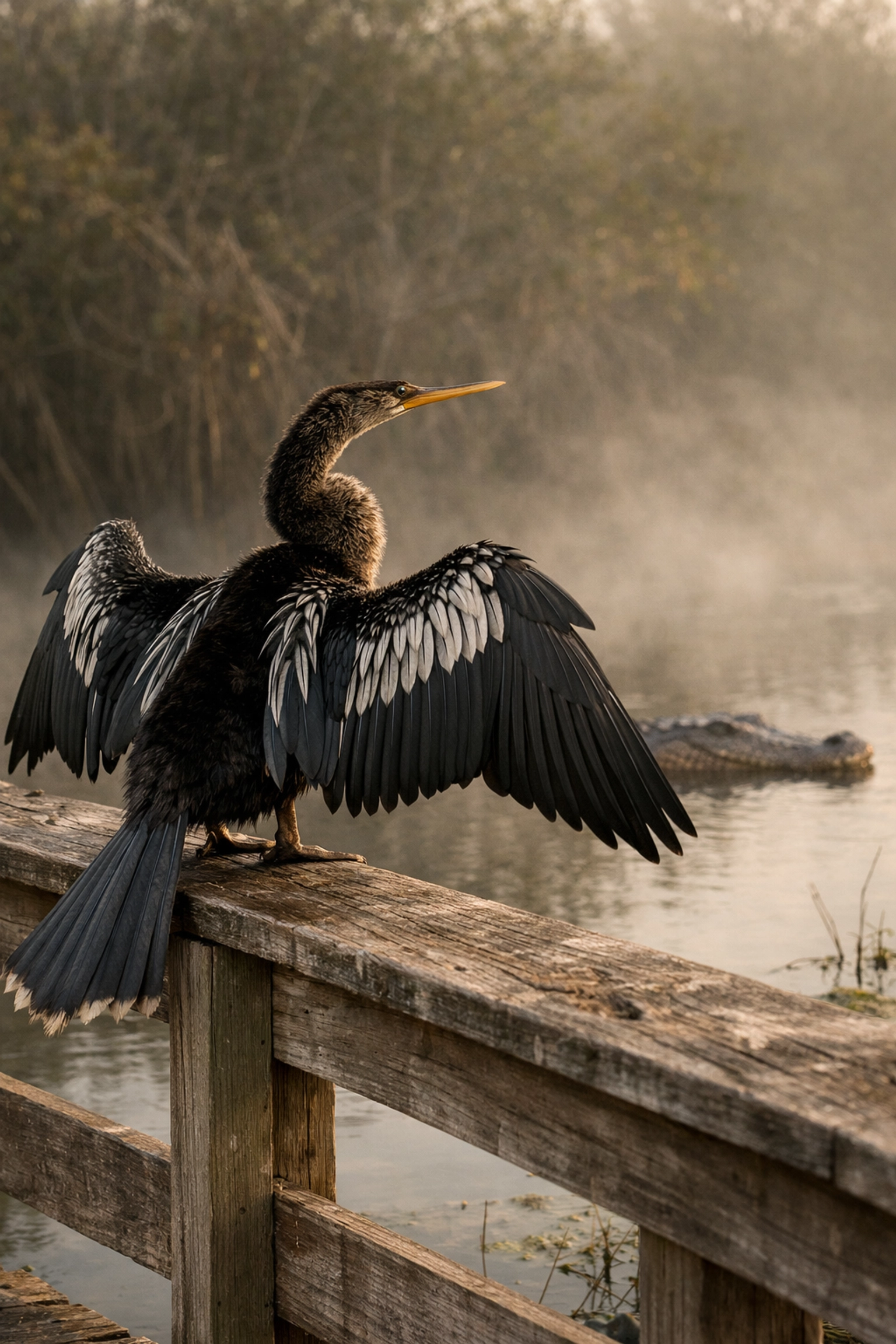
You will find Anhingas drying their wings, Great Blue Herons stalking the shallows, and more alligators than you can shake a tripod at. Because the animals here are relatively accustomed to humans, you can often get incredible detail without needing a 600mm lens, though a 100-400mm is perfect for those tight, intimate portraits that Edin Chavez is known for.
Arrive at the crack of dawn. The mist rising off the Taylor Slough creates a dreamlike atmosphere that transforms a standard bird photo into a piece of fine art. When you capture that perfect shot, you can elevate it even further using the Ultimate Lightroom Preset Collection to bring out the subtle textures of the feathers and the swamp.
Shark Valley: The Heart of the Glades
Located off the Tamiami Trail, Shark Valley offers a 15-mile loop that is essentially a high-speed lane for landscape photography Everglades. You have two choices here: rent a bike or take the tram. If you are serious about your craft, you are renting the bike.
The middle of the loop features a massive observation tower. From the top, you gain a panoramic perspective of the sawgrass prairies that seems to stretch into infinity. This is where you practice your minimalist compositions. Look for "tree islands" or "heads" that break up the horizon.
During the dry season (December to April), the water recedes, concentrating the wildlife into the deep-water canals right next to the path. You will find yourself just feet away from massive gators. Stay calm, keep your distance, and use your telephoto lens to compress the scene.
| Location | Primary Focus | Best Time | Recommended Gear |
|---|---|---|---|
| Anhinga Trail | Alligators & Wading Birds | Sunrise | 100-400mm Lens |
| Shark Valley | Wide Landscapes & Gators | Late Afternoon | Wide Angle & Telephoto |
| Pahayokee | Minimalist Vistas | Sunset | Tripod & ND Filters |
| Big Cypress | Cypress Domes & Owls | Blue Hour/Morning | Polarizer & Macro |
| Flamingo | Crocs & Manatees | Golden Hour | 400mm+ Lens |
Pahayokee Overlook: Chasing the Golden Hour
When you want to capture the soul of the Everglades, you go to Pahayokee. This elevated boardwalk takes you out over a vast expanse of sawgrass punctuated by ancient cypress trees. For landscape photography Everglades, this is the pinnacle.
As the sun begins to dip, the "River of Grass" turns into a literal river of gold. You need a sturdy tripod and perhaps a graduated neutral density filter to manage the high dynamic range between the bright Florida sky and the dark marsh below. This is where you create the kind of work that belongs in a gallery. If you are wondering how these shots look when printed properly, check out our guide on museum-quality prints vs. standard photo prints.

Flamingo: Where the Fresh Meets the Salt
Drive to the very end of the Main Park Road, and you hit Flamingo. This is a transition zone where the freshwater of the glades meets the saltwater of Florida Bay. It is one of the few places on Earth where you can photograph both American Crocodiles and West Indian Manatees in the same location.
The light at Flamingo is legendary. Because you are surrounded by water on three sides, the glow during golden hour is unparalleled. Keep your eyes on the skies for Ospreys and Bald Eagles. For a truly unique experience, consider renting a canoe for the Nine Mile Pond trail. It propels you into the heart of the mangrove tunnels, offering a perspective most tourists never see. Just make sure you have a waterproof bag for your gear: accidents happen, and salt water is the enemy of your sensor.
For a deeper dive into these spots, including exact GPS coordinates and seasonal timing, you absolutely must grab the Everglades Photography Guide. It is the definitive resource for anyone serious about shooting the glades.
Big Cypress National Preserve: The Rugged Alternative
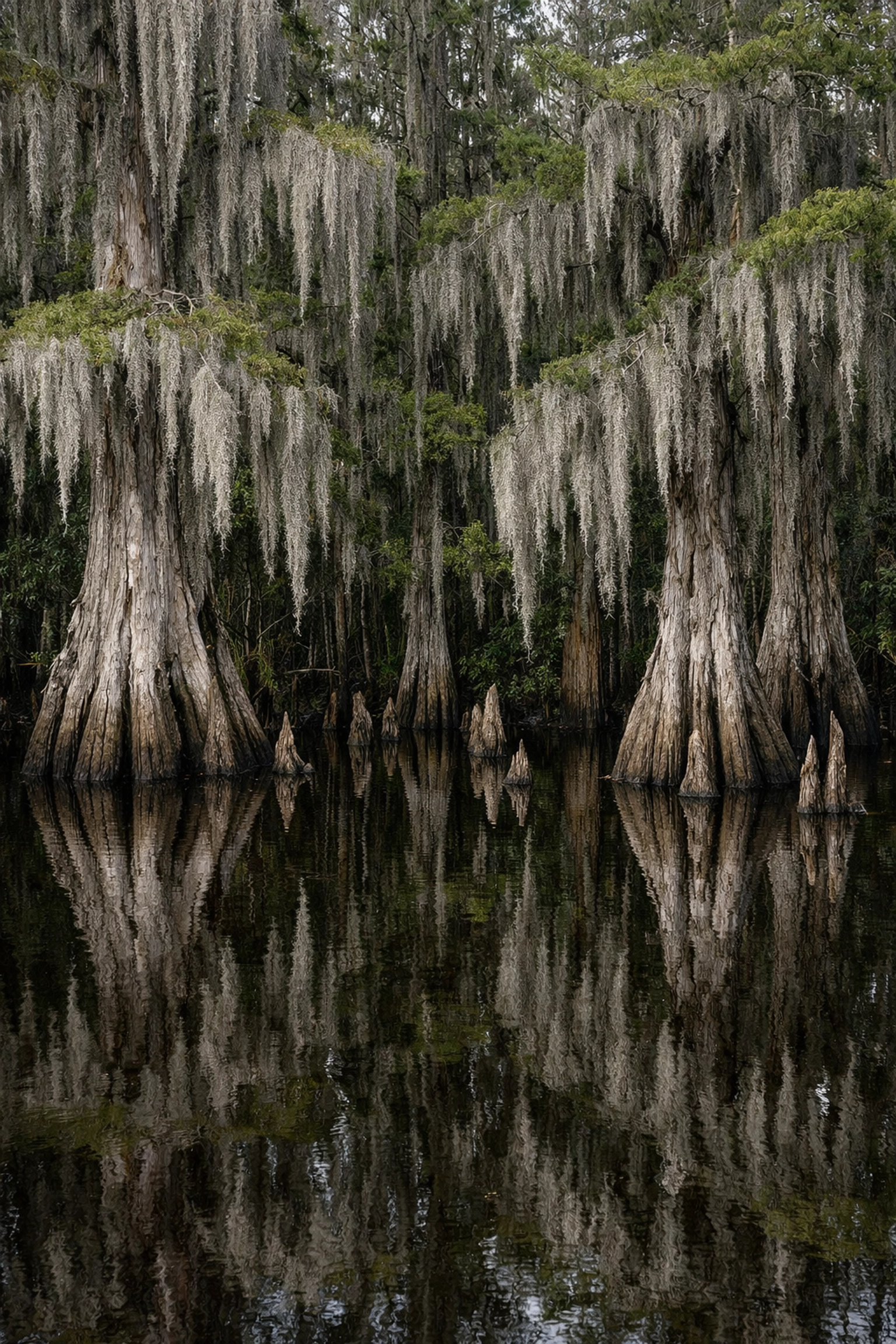
While technically not part of the National Park, Big Cypress is the Everglades' wilder, more rugged cousin. If you want to photograph the iconic cypress domes draped in Spanish moss, this is your spot.
The Loop Road is a 24-mile dirt track that offers some of the most immersive wildlife photography Everglades opportunities available. It is prime territory for Barred Owls and, if you are incredibly lucky, the elusive Florida Panther. The water here is often still, creating perfect mirror reflections of the cypress trees.
Using a polarizing filter is non-negotiable here. It cuts the glare on the water and the waxy leaves, allowing the deep greens and rich browns of the swamp to pop. If your buildings are leaning in your city shots, you might want to learn how to fix leaning buildings, but in Big Cypress, the trees grow however they want: and that’s the beauty of it.
Essential Gear for Everglades Success
You cannot just show up with a smartphone and expect fine-art results. The Everglades demands specific tools:
- Long Glass: A lens with at least 400mm of reach is essential for bird portraits.
- Wide Angle: For those massive Florida skies and sawgrass vistas, a 16-35mm is your best friend.
- Tripod: Essential for sharp landscape images and long exposures during blue hour.
- Protection: Bring mosquito repellent (the "deet" kind) and sunblock. You can't focus if you're being eaten alive.
- Polarizer: To manage reflections and enhance the dramatic Florida clouds.
Once you have captured your raw files, the real magic happens in post-processing. Learning how to bring your photos to life in Lightroom is what separates a snapshot from a piece of fine art you can proudly display on Edin Fine Art.
Timing Your Visit
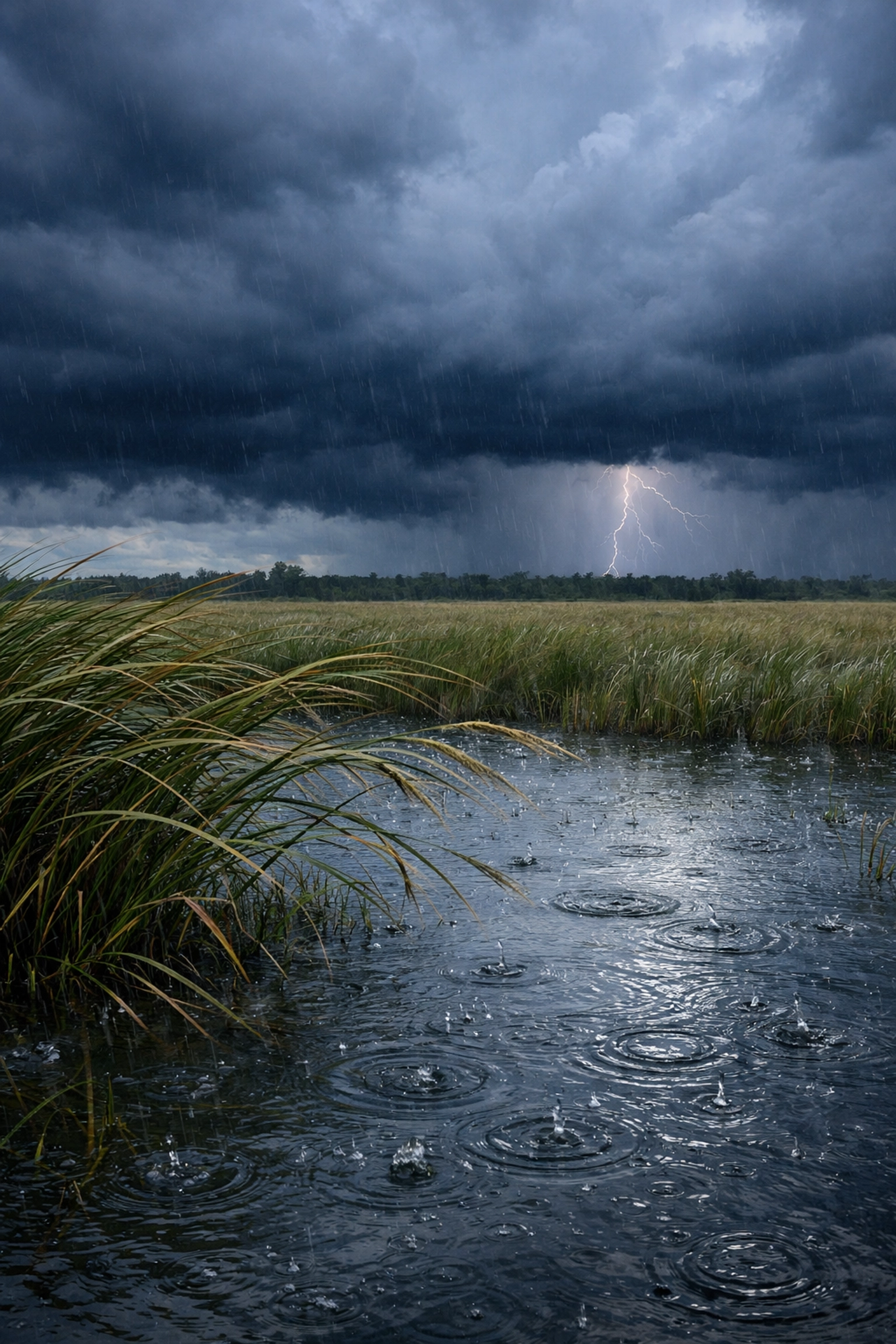
The Everglades is a seasonal beast. From November to April, the weather is gorgeous, and the wildlife is concentrated. This is the prime time for photography. From May to October, the "wet season" brings mosquitoes, heat, and unpredictable storms. However, the summer also brings dramatic afternoon thunderstorms that create epic, moody backdrops for landscape work.
If you find yourself in South Florida during the summer, you might also want to head over to the coast. The Miami Beach sunrise meet-ups are a great way to connect with other photographers when the swamp gets too hot to handle.
Elevate Your Work to Fine Art
Capturing the image is only half the battle. To truly succeed, you need to understand the nuances of the environment and the technical requirements of high-end photography. The Everglades is a place of subtle beauty; it doesn't scream for your attention like the Grand Canyon or Antelope Canyon. It whispers.
Your job as a photographer is to listen to those whispers and translate them into a visual language that others can understand. Whether it's the texture of an alligator's skin or the way a cypress tree stands defiant against a storm, your perspective is what matters.
If you are ready to take your skills to the next level and want the ultimate roadmap to this incredible ecosystem, don't wait. Secure your copy of the Everglades Photography Guide today. It’s the investment your portfolio deserves.
For more insights on how to elevate your work, explore our site for a deep dive into hundreds of tutorials and guides at Edin Chavez Blog. And for those of you looking for high-end professional production services, visit Edin Studios.
The Everglades is waiting for you. Pack your gear, respect the wildlife, and go capture something legendary.
Hence, with these considerations in mind, your journey into the heart of the Florida wilderness is no longer a matter of chance, but a curated experience designed for success. Your next great shot is just one sunrise away.


