
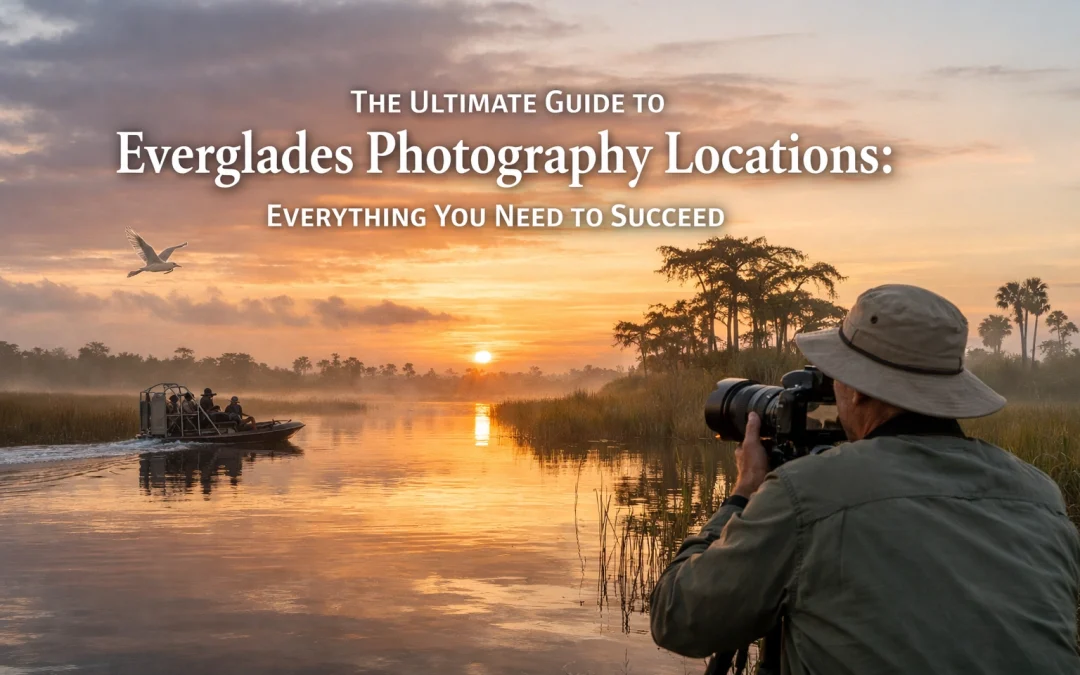
As you step into the vast, emerald expanse of the Florida Everglades, you immediately realize that this isn’t just a swamp: it’s a world-class outdoor studio. For the dedicated photographer, the "River of Grass" offers an unparalleled landscape that demands both technical precision and creative vision. Whether you are chasing the prehistoric stare of an American Alligator or the delicate silhouette of a Great Blue Heron against a blood-orange sunrise, having a roadmap to the best Everglades photography locations is essential for your success.
In this guide, you will discover the most prolific spots to capture wildlife photography in the Everglades and the hidden corners where landscape photography in the Everglades truly shines. This ecosystem is fragile and vast, but with the right guidance, you can transform your visit into a portfolio-building expedition.
The Crown Jewel: Anhinga Trail
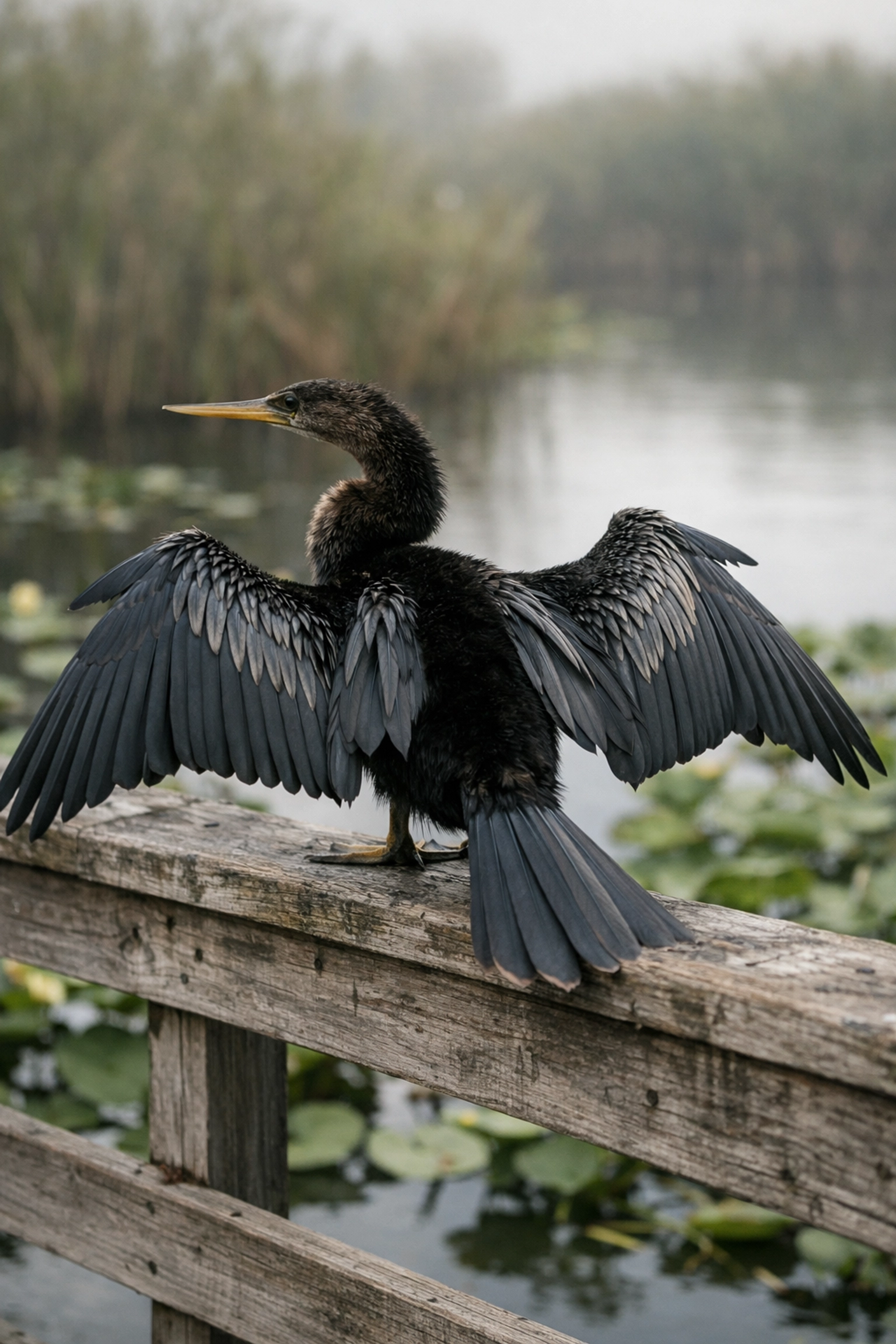
Many photographers begin their journey at the Anhinga Trail for a very good reason: it is the most reliable location for close-up wildlife encounters in the entire park. Located near the Royal Palm Visitor Center, this trail consists of a paved path and a wooden boardwalk that snakes over Taylor Slough.
Because the wildlife here is accustomed to human presence, you have the rare opportunity to photograph animals behaving naturally just feet away from your lens. You will find Anhingas drying their wings, turtles sunning on logs, and alligators drifting through the lily pads. To truly elevate these shots, you should arrive at sunrise. The soft, directional light hitting the water creates a painterly quality that is hard to replicate elsewhere. Use a 300mm to 600mm lens to capture intimate portraits of bird species without disturbing their peace.
Shark Valley: The Heart of the Glades
Located about 35 miles west of the vibrant streets of Miami, Shark Valley provides you with a panoramic perspective of the Everglades’ sawgrass prairies. This area is characterized by a 15-mile loop road that is perfect for spotting large concentrations of alligators and wading birds.
When you visit Shark Valley, the observation tower at the halfway point is a non-negotiable stop. It stands sixty-five feet tall, offering you a 360-degree view of the horizon. This is the ultimate spot for landscape photography in the Everglades, allowing you to capture the sheer scale of the wetlands. If you are also planning to explore the urban side of South Florida, you should consider the Miami self-driving photography guide or book a private Miami photography tour to balance your nature shots with architectural gems.
| Location Feature | Best Time to Shoot | Recommended Gear |
|---|---|---|
| Observation Tower | Mid-day for scale, Sunset for color | 16-35mm Wide-angle |
| Loop Road Canals | Early Morning | 70-200mm Telephoto |
| Wading Bird Pools | Dry Season (Dec–April) | 400mm+ Prime or Zoom |
The Mystery of Big Cypress and Loop Road
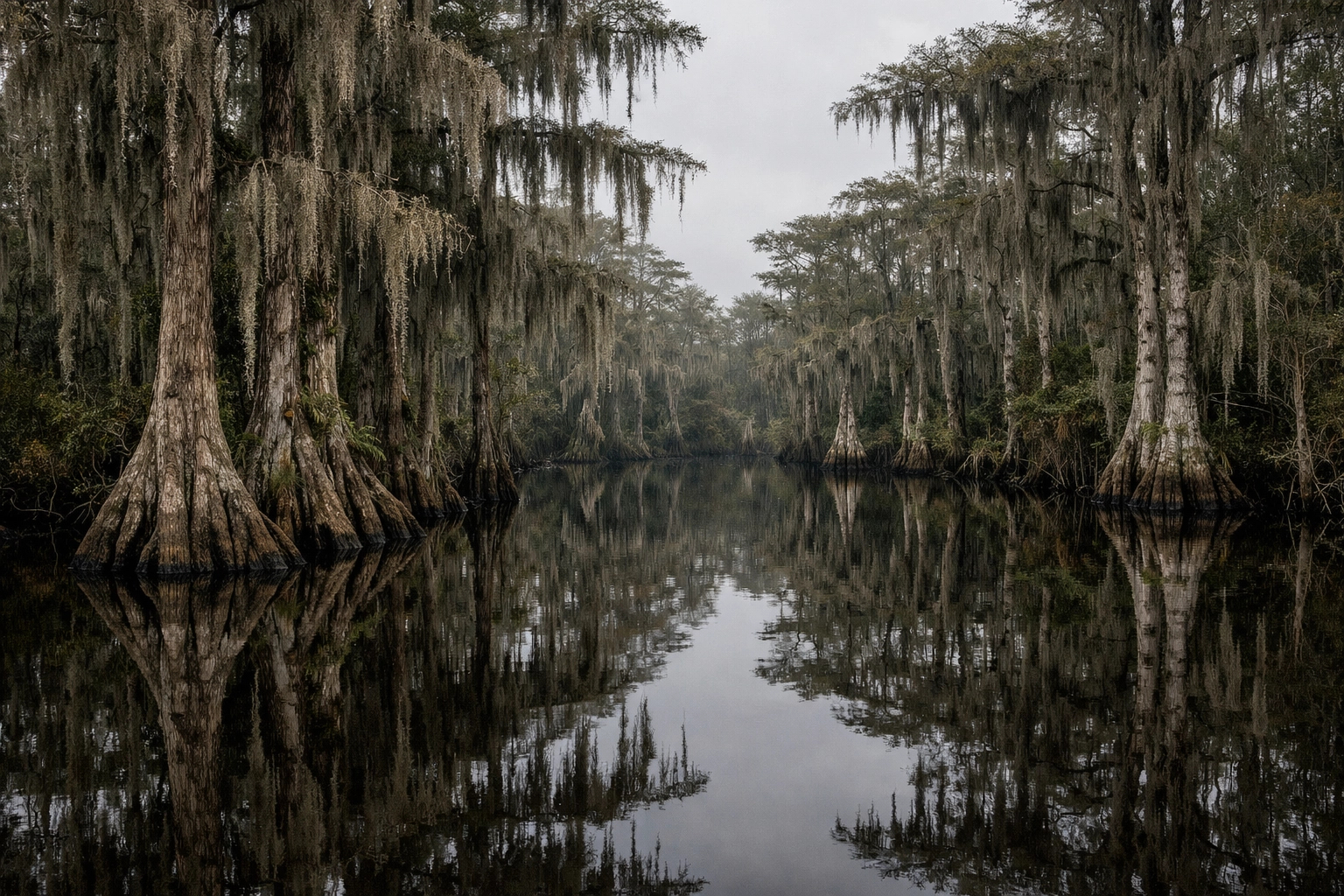
Just a short drive from the main park boundaries lies the Big Cypress National Preserve. This area feels like "Old Florida," characterized by dense cypress strands and mysterious, tea-colored waters. The legendary 24-mile Loop Road is a photographer’s playground. Here, the canopy often closes in, creating dramatic shadows and textures that are perfect for fine art photography.
As you navigate this gravel road, keep your eyes peeled for Barred Owls perched in the cypress limbs and the elusive ghost orchid if you are visiting during the right season. The lighting here can be tricky due to the high contrast between the bright sky and the dark swamp floor. By using the Ultimate Lightroom Preset Collection, you can easily balance these exposures and bring out the rich, moody greens that define this region.
Sunrise and Silhouettes: Pahayokee Overlook
If you are looking for that iconic shot of a lone cypress tree silhouetted against a vibrant Florida sky, Pahayokee Overlook is your destination. The elevated boardwalk provides a vista over a "sea" of sawgrass punctuated by hardwood hammocks.
To succeed here, you must arrive before the first light. Position yourself to face the east and watch as the sky transitions from deep purple to fiery gold. This is where your wide-angle lens becomes your best friend. By including the textures of the sawgrass in the foreground, you create a sense of depth that draws the viewer into the frame. For more professional insights into mastering these types of compositions, you can explore the Edin Chavez Blog for deep dives into fine art techniques.
Flamingo and the Coastal Transition
At the very end of the main park road lies Flamingo, a unique transition zone where fresh water meets the salt water of Florida Bay. This is one of the few places in the world where you can photograph both American Alligators and American Crocodiles in the same vicinity.
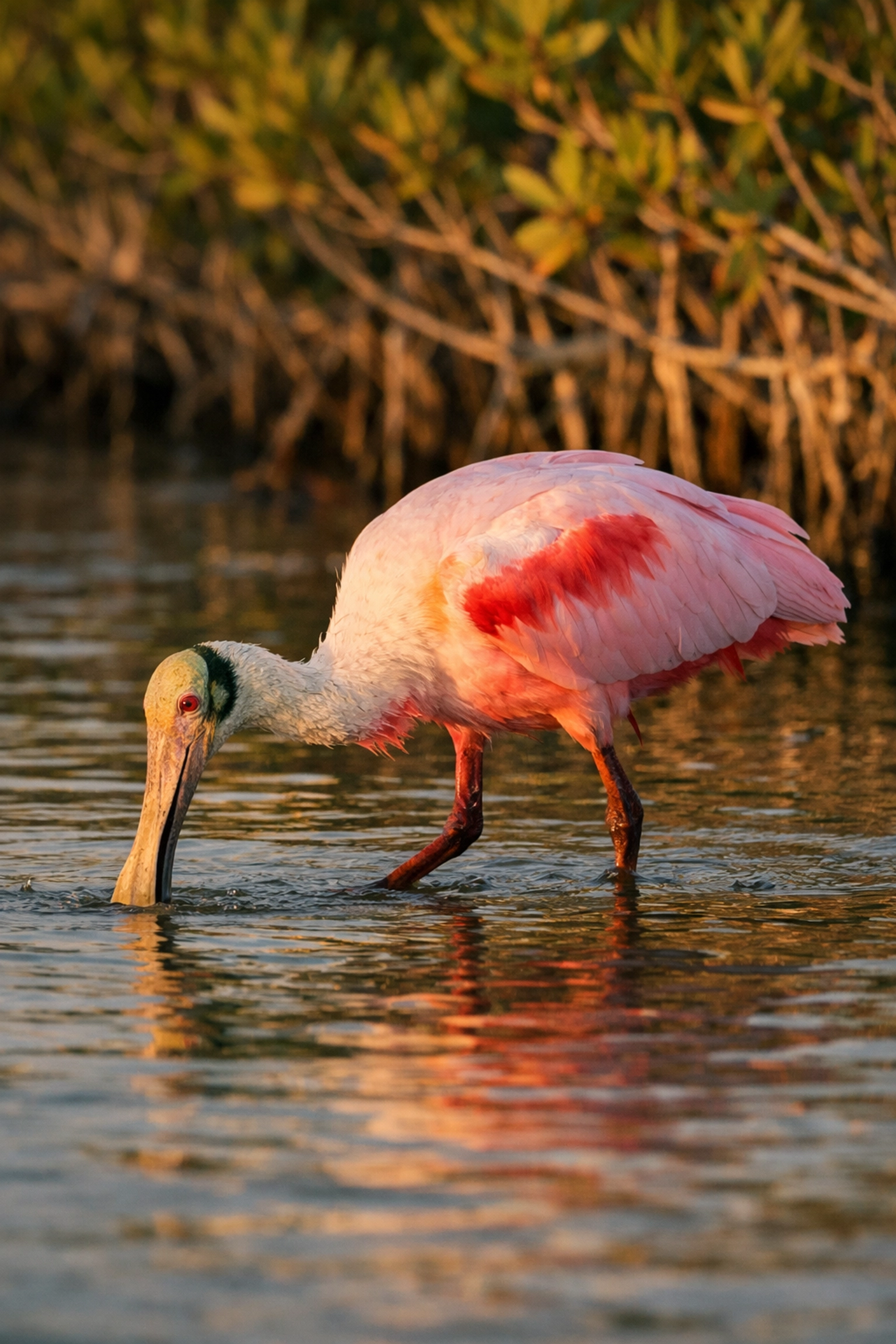
Eco Pond, located near the Flamingo visitor center, is a magnet for Roseate Spoonbills during the dry season. Their vibrant pink feathers against the deep blue water provide a stunning color palette for your wildlife photography in the Everglades. Stick around for sunset at the pier; the sight of the sun dipping into the Gulf of Mexico, often framed by the silhouettes of mangrove trees, is a spectacle that every landscape photographer needs in their portfolio.
Technical Mastery in the Wetlands
Photographing the Everglades presents unique challenges. The humidity can fog your lenses, and the flat light of mid-day can make the landscape look dull. To ensure you walk away with gallery-quality images, you need to think like a fine art professional.
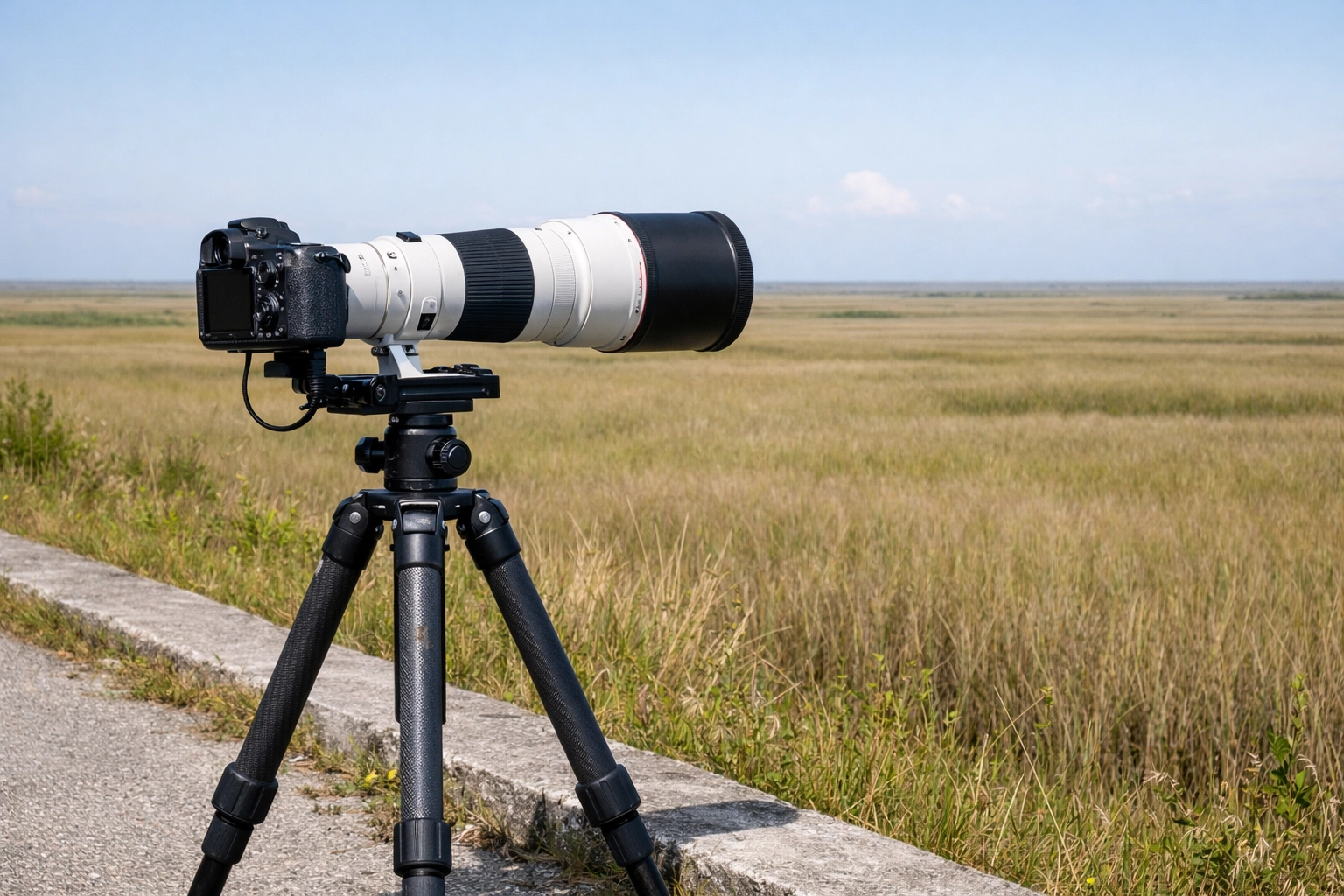
- Stability is Key: Even though many trails are boardwalks, they can vibrate when other visitors walk by. Use a sturdy tripod and a fast shutter speed to ensure your wildlife shots remain tack-sharp.
- Filter Your Vision: A circular polarizer is essential. It helps you cut through the glare on the water’s surface, revealing the hidden world of fish and gators beneath, while also deepening the blues of the sky.
- Post-Processing Excellence: The colors of the Everglades: the subtle ochres of the grass and the deep teals of the water: can be difficult to capture accurately in-camera. Utilizing professional tools like those found at Edin Studios ensures your final edits reflect the true beauty of the scene.
Essential Gear Checklist for the Everglades
Success in the Everglades requires more than just a camera; it requires the right kit. You don't want to be miles down a trail only to realize you’re missing a critical piece of equipment.
- Telephoto Zoom (150-600mm): Essential for capturing shy birds and keeping a safe distance from alligators.
- Wide-Angle Lens (16-35mm): Your go-to for the vast landscapes of Shark Valley and Pahayokee.
- Macro Lens: For the incredible variety of orchids and insects found in Mahogany Hammock.
- Weather Protection: Rain covers for your gear and plenty of lens cloths.
If you are serious about capturing the definitive beauty of this region, you need the Everglades Photography Guide. This comprehensive resource provides you with exact GPS coordinates, seasonal timing, and the specific settings needed for every major location mentioned in this article.
Elevate Your Fine Art Portfolio
The Everglades is a place of quiet power and subtle beauty. It is a location that rewards the patient and the prepared. By visiting the spots outlined in this guide: from the bird-rich boardwalks of Anhinga to the coastal majesty of Flamingo: you are setting yourself up to capture images that stand out in the world of fine art photography.
Remember that the best light is often found at the edges of the day. As the sun rises and sets over the sawgrass, the Everglades transforms into a landscape of dreams. Don't leave your success to chance; equip yourself with the knowledge and tools necessary to master this environment.
For those looking to expand their horizons beyond the Florida swamps, we also offer specialized guides for other iconic locations. Whether you're heading north and need a New York City photography guide or traveling west and want the Lake Tahoe photography guide, our mission is to provide you with the expertise to succeed anywhere your camera takes you.
Take the next step in your photographic journey today. Secure your copy of the Everglades Photography Guide and start planning your expedition into the heart of the Florida wilderness.
For more insights on how to elevate your work, explore our site for a deep dive into hundreds of tutorials and guides at https://blog.edinchavez.com/.


