
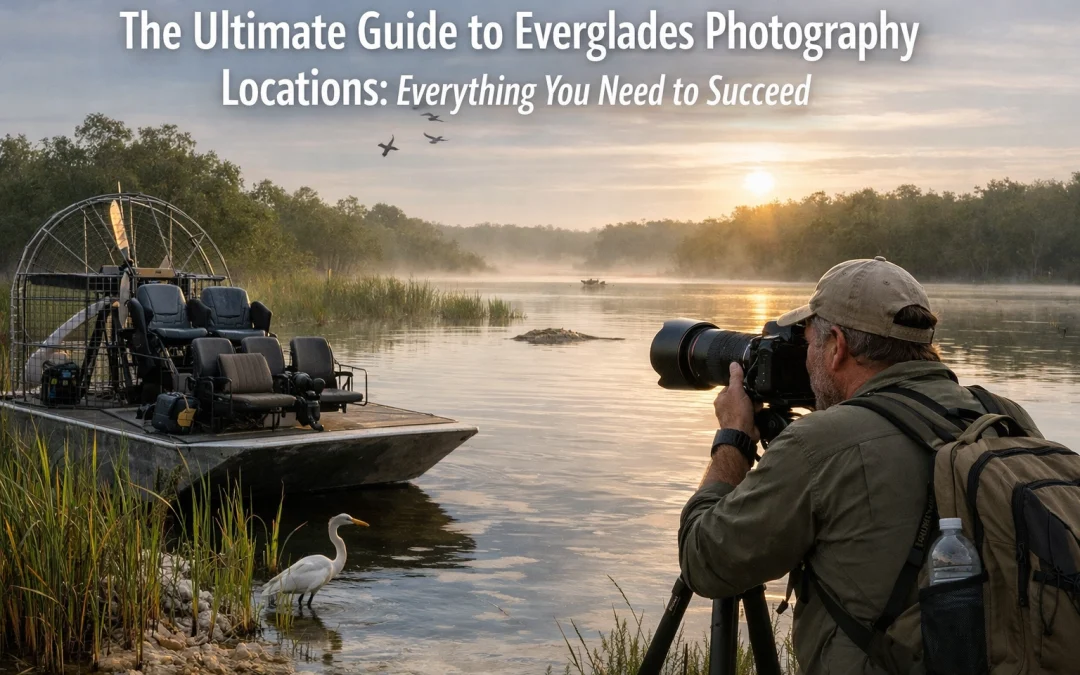
Just as the first light of dawn begins to pierce through the thick Florida humidity, you realize that the Everglades is not just a swamp: it is a living, breathing gallery of fine art. Whether you are a seasoned pro or picking up a camera for the first time, capturing the "River of Grass" requires more than just showing up. It demands a strategy, an understanding of the ecosystem, and a knowledge of the specific pockets where the magic happens.
As you plan your journey into this prehistoric landscape, you need to know exactly where to point your lens to avoid the tourist traps and find the soul of the wetlands. This guide provides the blueprint for your success, ensuring your wildlife photography in the Everglades stands out from the crowd.
Why the Everglades is a Photographer’s Paradise
The Everglades offers a diversity of subjects that is unmatched anywhere else in the world. With over 360 species of birds, iconic reptiles like the American alligator and the elusive crocodile, and landscapes ranging from sawgrass prairies to eerie cypress domes, your portfolio will benefit from a wealth of textures and colors.
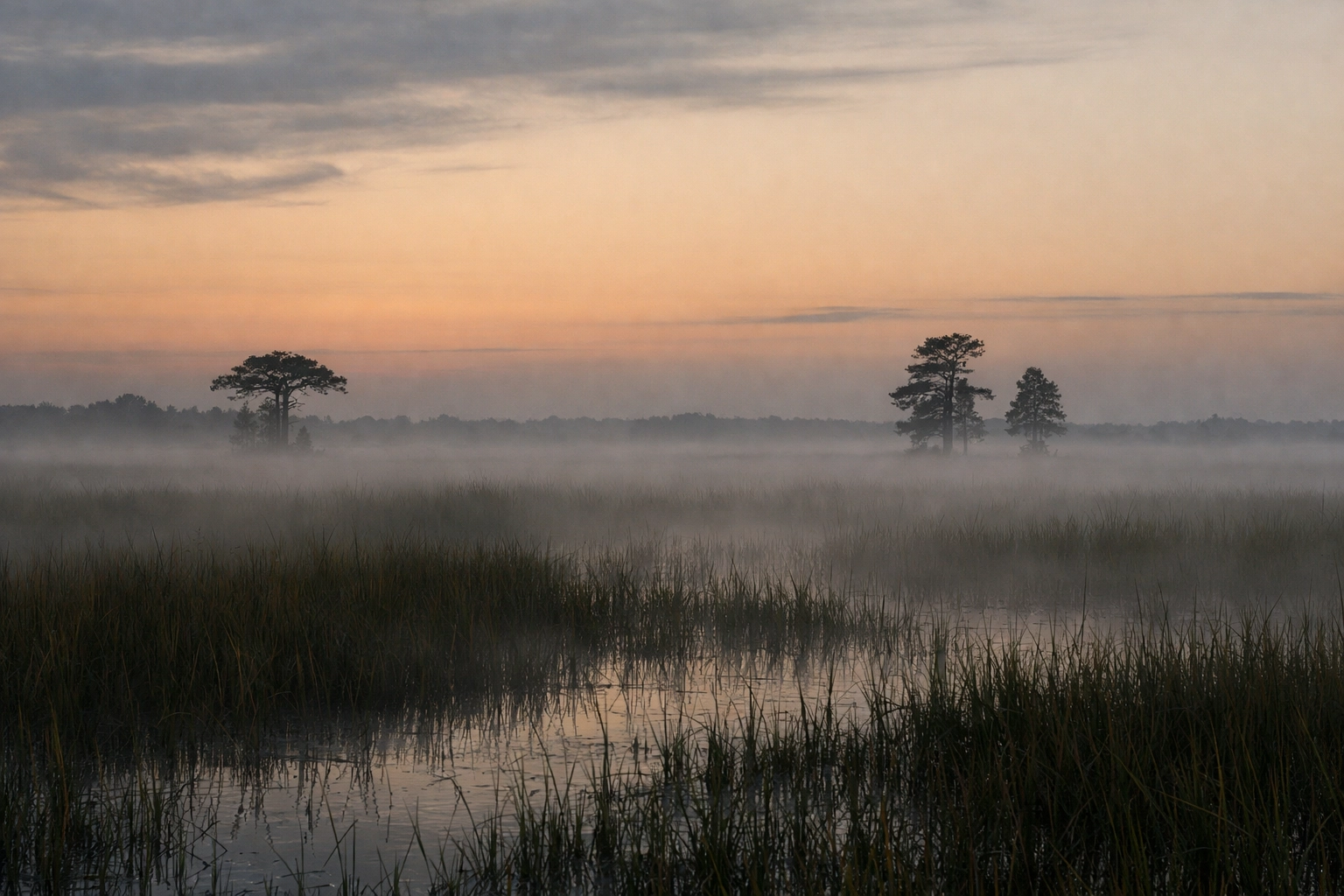
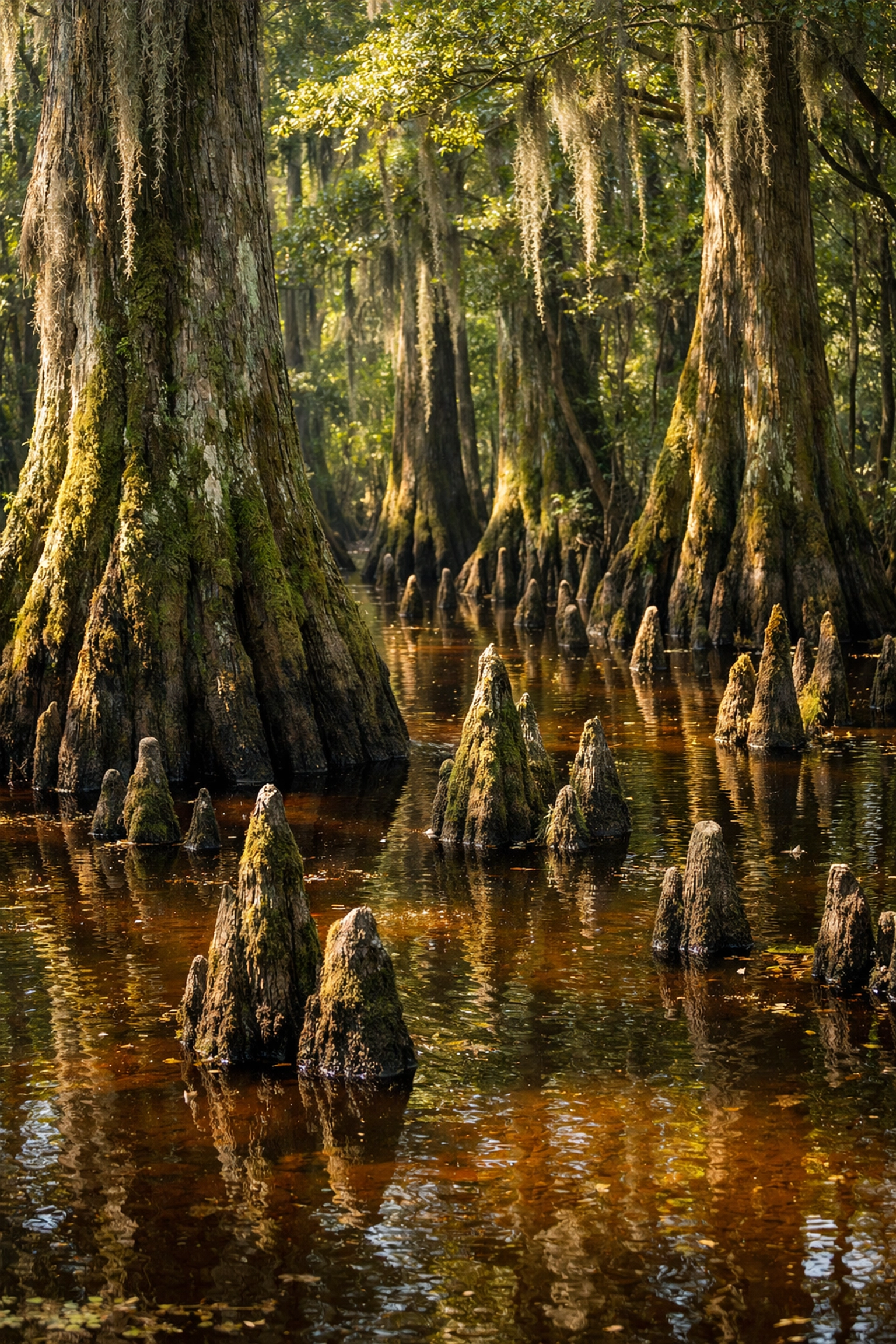
To truly master landscape photography in the Everglades, you must embrace the subtlety of the environment. This is not the Grand Canyon; there are no towering peaks. Instead, you find beauty in the reflections of a glass-calm pond and the silhouette of a lone cypress tree against a fiery sunset.
1. Anhinga Trail: The Wildlife Hub
If you want guaranteed results, your first stop must be the Anhinga Trail at the Royal Palm Visitor Center. This is arguably the most famous spot for Everglades photography locations, and for good reason. The boardwalk takes you right over the sawgrass marsh, putting you at eye level with anhingas, herons, and egrets.
During the winter months: specifically February and March: you will find anhingas nesting. This gives you the unparalleled opportunity to capture intimate shots of chicks and parental behavior. Because the wildlife here is accustomed to humans, you can often use a shorter telephoto lens, like a 70-200mm, to get stunningly detailed portraits.
Pro Tip: Arrive at sunrise. The mist rising off the water combined with the golden hour light creates a "smooth as butter" background for your bird portraits.
2. Shark Valley: Wide Vistas and Alligators
Located along the Tamiami Trail, Shark Valley offers a 15-mile loop that propels you into the heart of the glades. While many visitors take the tram, you should consider walking or biking a portion of the trail to maintain full control over your compositions.
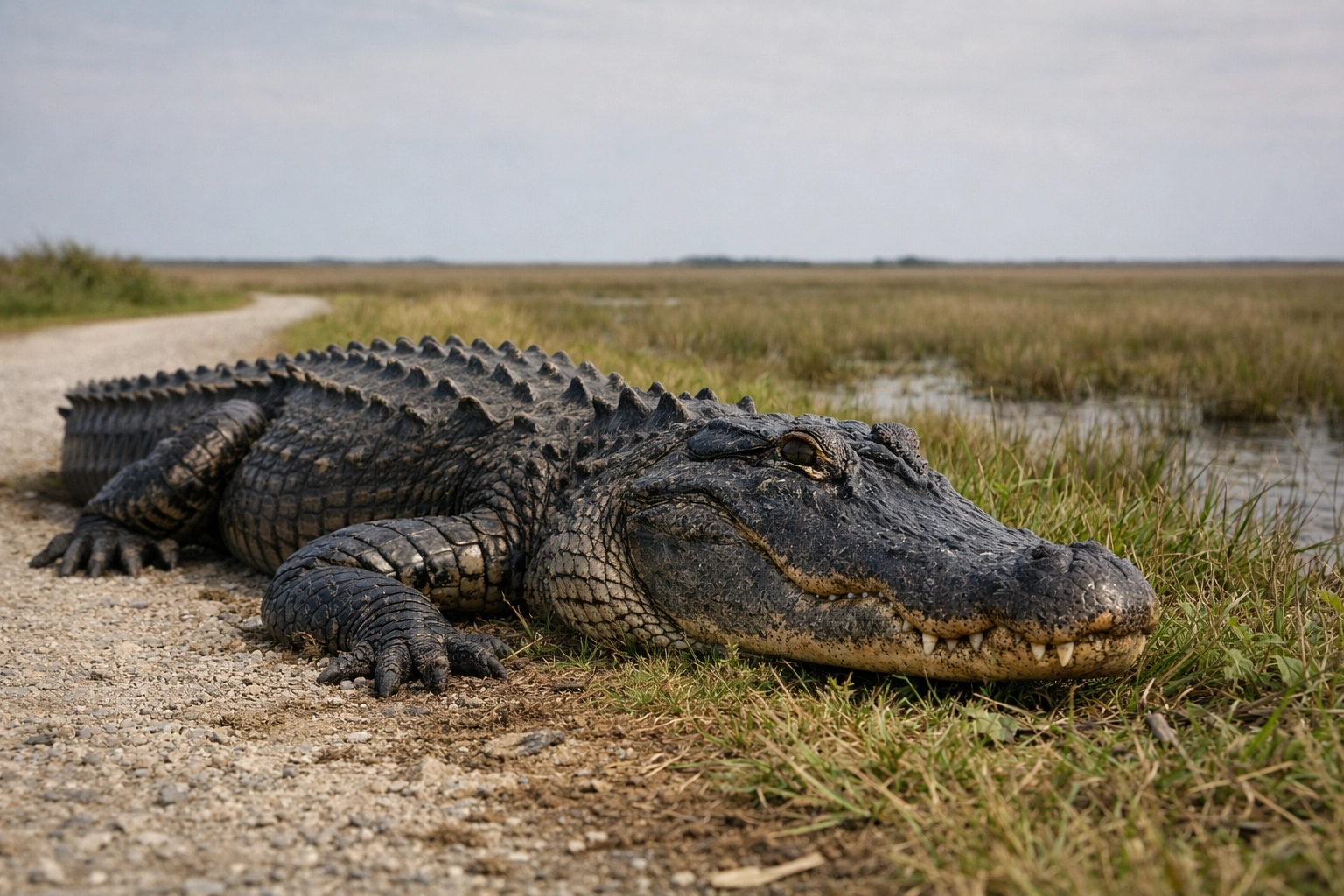
The observation tower at the end of the loop provides a panoramic view that is essential for your landscape photography in the Everglades. From this height, you can capture the vastness of the sawgrass plains. On the ground level, alligators frequently lounge right beside the path. This allows you to experiment with wide-angle "environmental portraits" of these ancient reptiles, showcasing them within their habitat rather than just a tight headshot.
3. Mahogany Hammock: The Barred Owl Sanctuary
For a change of pace, you should head to Mahogany Hammock. This location features a short boardwalk through a dense hardwood forest, offering a completely different aesthetic than the open marshes. The primary draw for you here is the barred owl.
Because the canopy is thick, the light is often low and moody. This is where your gear’s technical capabilities come into play. You will likely need to bump your ISO to 2,500 or higher to maintain a fast enough shutter speed for handheld shooting. By using the Ultimate Lightroom Preset Collection, you can easily manage the digital noise and enhance the rich greens and browns of the hammock in post-processing.
4. Mrazek and Eco Pond: The Wading Bird Spectacle
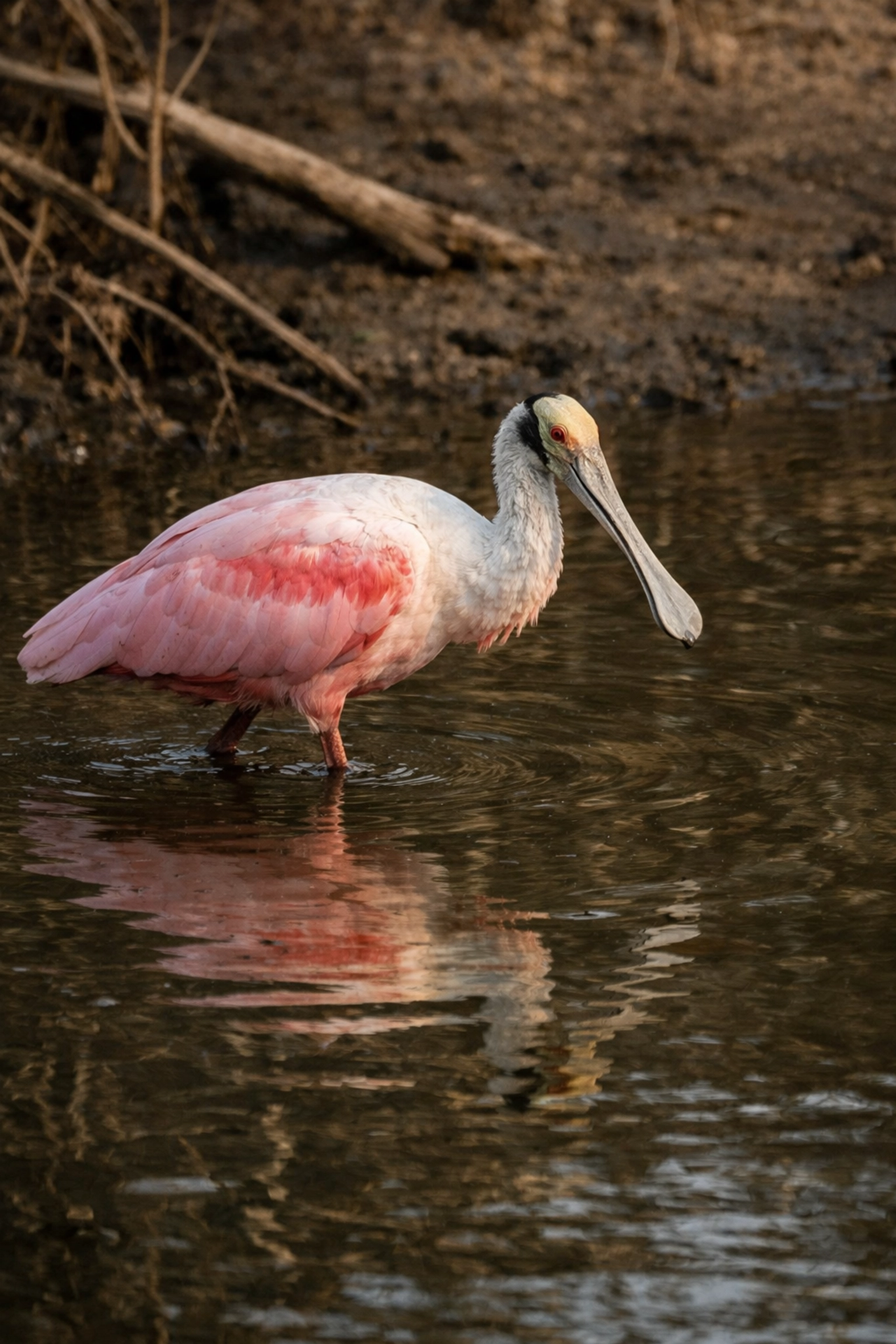
When water levels drop during the dry season (late February to mid-March), Mrazek Pond becomes a literal feeding frenzy. As a photographer, you will find a staggering amount of wading birds: roseate spoonbills, wood storks, and great blue herons: all competing for the remaining fish in the shrinking pools.
Eco Pond, located near Flamingo, is your best bet for sunset silhouettes. Position yourself so the sun sets behind the pond, and you can capture the elegant shapes of black-necked stilts as they forage in the shallows. This ensures your shots have that high-end, fine-art feel that collectors look for at Edin Studios.
5. Big Cypress National Preserve: The Rugged Frontier
Just north of the official park boundaries lies Big Cypress National Preserve. If you are looking for a more rugged, less "manicured" experience, this is your destination. The Loop Road is a 24-mile dirt track that offers some of the best wildlife photography in the Everglades without the boardwalk crowds.
In Big Cypress, you can find cypress domes: circular clusters of trees that look like islands in the swamp. These are perfect for long-exposure photography, especially if you have a polarizing filter to cut the glare off the water and reveal the submerged roots.
Essential Gear for Your Success
To make the most of your trip, you need to be prepared for the unique conditions of the Florida wetlands. Here is a breakdown of the equipment that will elevate your work:
| Gear Item | Purpose | Why You Need It |
|---|---|---|
| 300mm+ Lens | Wildlife | Essential for capturing birds without disturbing them. |
| Polarizing Filter | Landscapes | Cuts water glare and saturates the deep blues of the sky. |
| Sturdy Tripod | Stability | Necessary for low-light shots in cypress domes and hammocks. |
| Dry Bag | Protection | The Everglades is humid and prone to sudden rain; keep your gear safe. |
| Macro Lens | Details | Don't overlook the orchids and insects that inhabit the hammocks. |
By integrating these tools into your workflow, you ensure that every shutter click brings you closer to a masterpiece. If you want a comprehensive guide that you can take into the field, you should check out the Everglades Photography Guide.
Technical Tips for Fine Art Results
Your success in the Everglades isn't just about where you go; it's about how you shoot. To achieve a professional fine-art look, focus on these three elements:
- Master the Mid-Tones: The Everglades is full of mid-tone greens and browns. To prevent your images from looking flat, look for "leading lines" in the sawgrass or use the reflection of the sky to add contrast and depth.
- Focus on the Eye: When shooting wildlife, your focus must be tack-sharp on the animal's eye. Even if the rest of the bird is slightly soft, a sharp eye creates an immediate connection with the viewer.
- Use High ISO Confidently: Modern mirrorless cameras handle high ISO beautifully. Don't be afraid to push your settings to capture the action in the dark shade of a cypress swamp. You can always refine the texture later using resources found on the Edin Chavez Blog.
The Best Time to Visit
Timing is everything. To witness the Everglades at its peak, you should plan your visit between December and April. This dry season concentrates the wildlife into smaller bodies of water, making them easier to find and photograph. Furthermore, the mosquitoes are significantly less aggressive during these cooler months, allowing you to focus on your art rather than the pests.
Early morning remains the "golden window." Not only is the light superior, but the animals are most active during the first two hours after sunrise. This commitment to an early start ensures you capture the raw, untamed essence of the Florida wilderness.
Take Your Photography to the Next Level
Capturing the Everglades is a rewarding challenge that will push your creative boundaries. By following this guide, you are already ahead of the curve, but there is always more to learn about lighting, composition, and the secret spots that only locals know.
If you are serious about coming home with world-class images, you need a field resource that goes deeper into the logistics and "secret spots" of the park. You can find everything you need to succeed in the Everglades Photography Guide. It is designed to empower you to make the most of every minute you spend in the field.
With these considerations in mind, grab your gear, head south, and start capturing the incredible beauty of the Everglades today. Your next fine-art masterpiece is waiting just around the next bend in the trail.


