
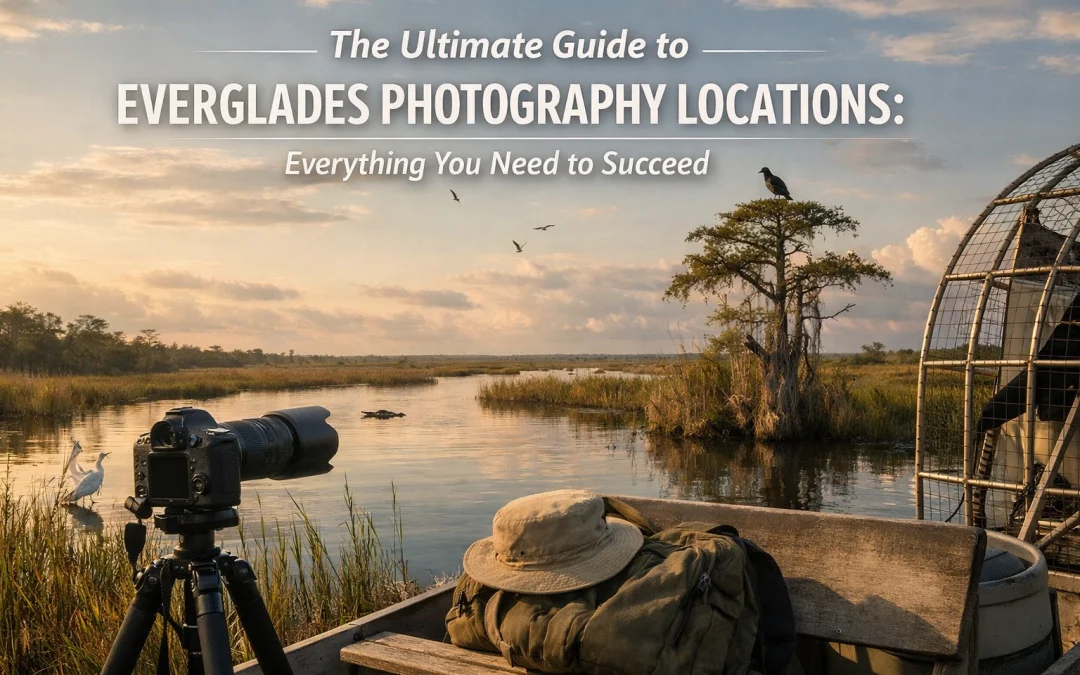
As you prepare your camera gear for a journey into the "River of Grass," you are stepping into one of the most unique ecosystems on the planet. The Everglades is not just a swamp; it is a sprawling, living canvas that demands both technical skill and creative vision. Whether you are chasing the perfect silhouette of a cypress tree against a burning sunrise or aiming to capture the prehistoric gaze of an American alligator, knowing exactly where to stand is the difference between a snapshot and a piece of fine art.
Mastering Everglades photography locations requires more than just a map; it requires an understanding of light, water levels, and wildlife behavior. By following this guide, you will bypass the trial-and-error phase and head straight to the spots that yield world-class results. Your journey toward capturing breathtaking wildlife photography in the Everglades starts here.
The Iconic Gateway: Royal Palm and Anhinga Trail
Just as every great story has an opening chapter, your photography expedition should begin at the Royal Palm Visitor Center. This area serves as the most accessible and concentrated location for wildlife photography in the Everglades. The Anhinga Trail, a self-guided boardwalk, propels you directly into the marsh, putting you inches away from the action.
When you walk this trail during the winter months, you will find anhingas, herons, egrets, and alligators in such abundance that your primary challenge will be choosing which subject to focus on first. To ensure you capture the "fine art" quality you’re after, arrive at first light. The mist rising off the sawgrass creates a soft, ethereal atmosphere that elevates a standard bird portrait into something museum-quality.
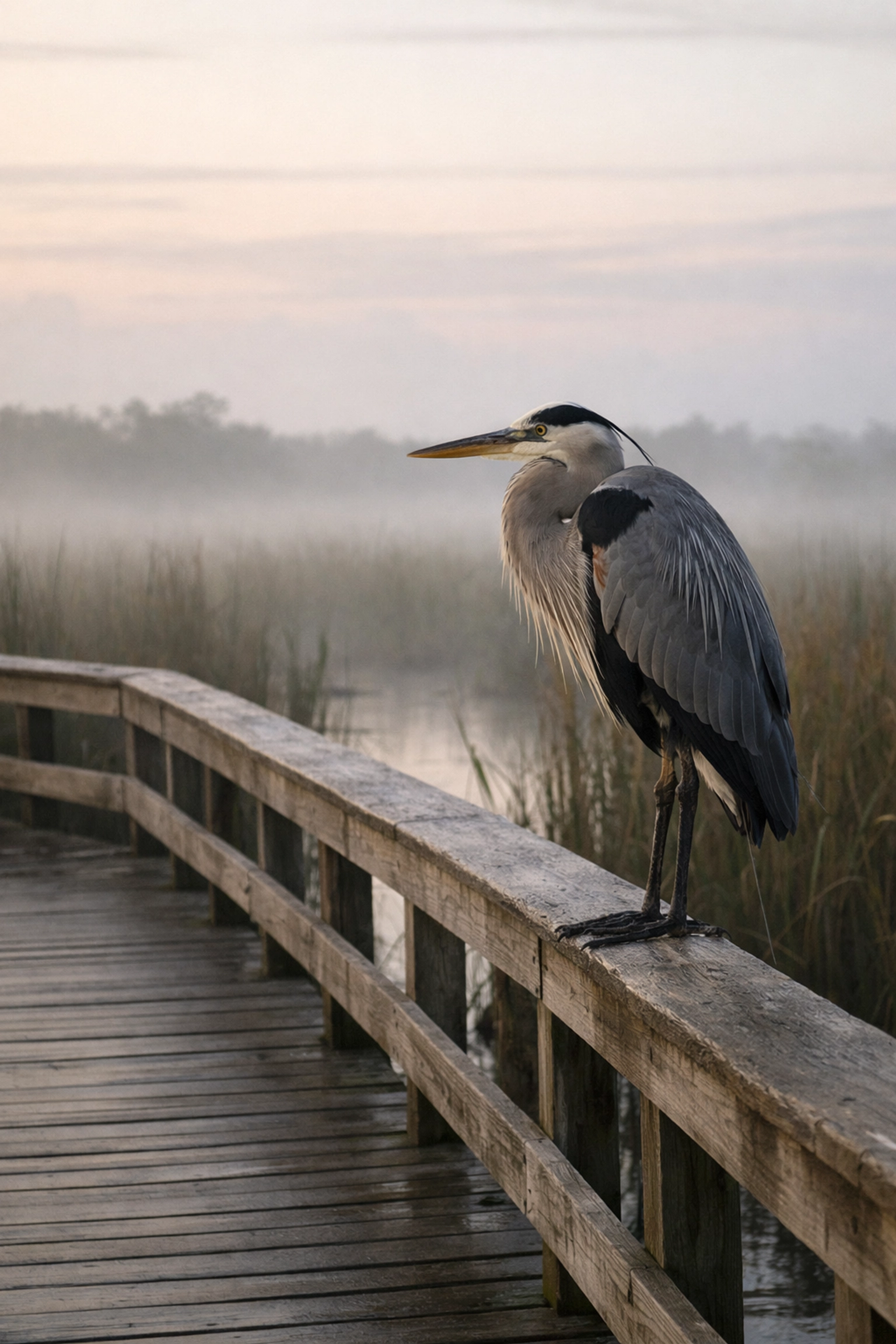
For the best results, you should utilize a versatile zoom lens like a 100-400mm or a 150-600mm. While the wildlife here is remarkably tame, the extra reach allows you to frame tight, intimate portraits of nesting birds or the intricate textures of an alligator's scales. Remember, your goal is to showcase the character of the animal, not just its presence.
Shark Valley: The Vast Horizon
If your passion lies in landscape photography in the Everglades, Shark Valley is your destination. Located off U.S. 41, this 15-mile loop offers unparalleled views of the expansive sawgrass prairies that define the park. The sense of scale here is immense, and capturing that vastness requires a strategic approach to composition.
The 65-foot observation tower at the halfway point of the loop provides a panoramic vantage point that is unmatched in the region. From this height, you can photograph the "river" as it flows southward, using the winding trails and water channels as leading lines to guide the viewer’s eye through your frame.
| Location Feature | Photographer's Benefit | Recommended Gear |
|---|---|---|
| Observation Tower | 360-degree panoramic vistas | Wide-angle (16-35mm) |
| Tram Road | Low-angle alligator shots | 70-200mm |
| Sawgrass Prairies | Minimalist landscape compositions | Tripod & ND Filters |
By integrating a polarizing filter into your workflow at Shark Valley, you can cut through the glare of the water and saturate the deep blues of the Florida sky. This commitment to technical excellence ensures your images possess the clarity and punch required for high-end prints. For more professional tips on capturing Florida's beauty, explore our resources at Edin Chavez Photography.
Chasing the Light: Pahayokee and Mahogany Hammock
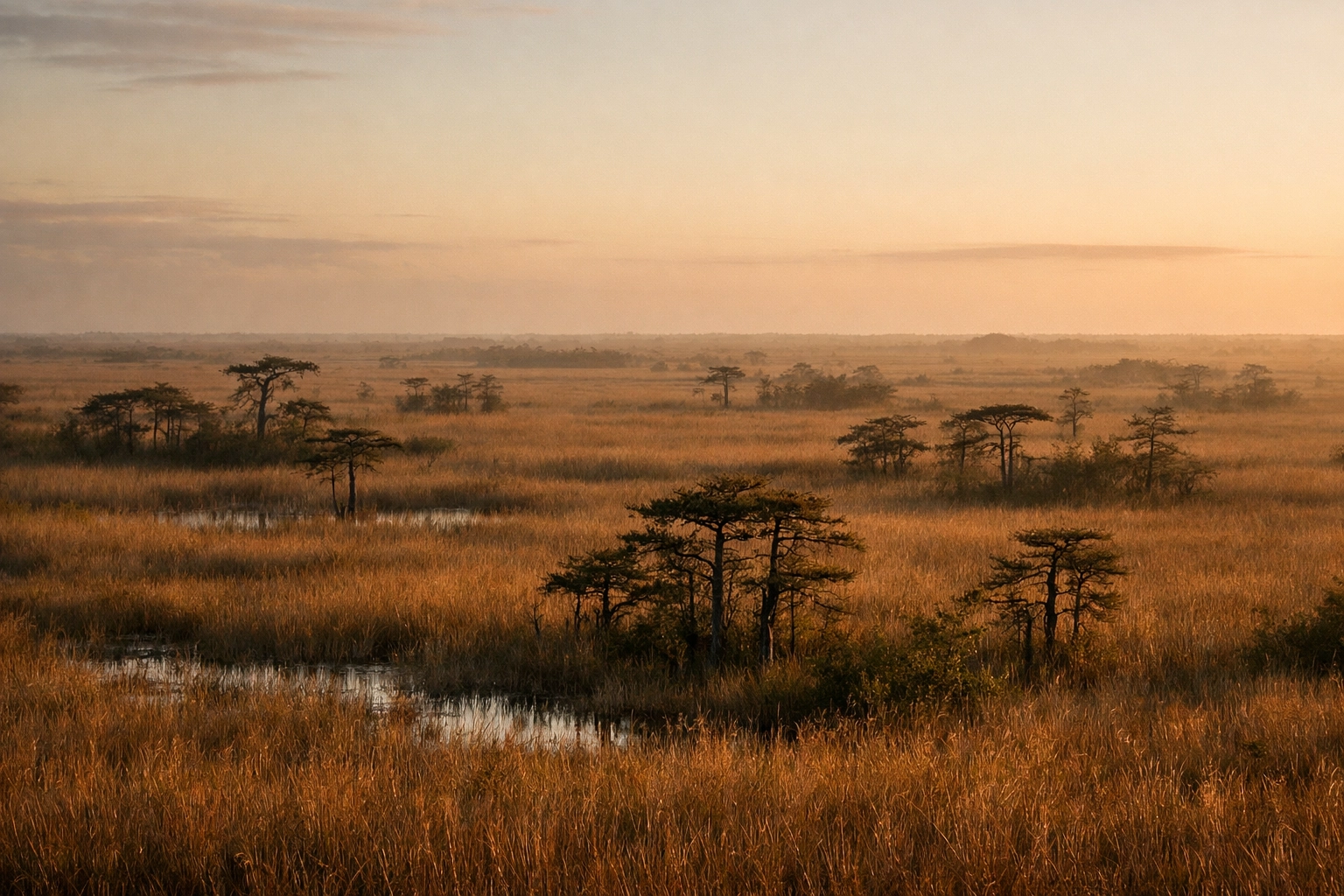
As the sun begins to dip or rise, your presence at Pahayokee Overlook is mandatory. This location is a masterclass in minimalism. The boardwalk leads to a raised platform overlooking a sea of grass dotted with ancient cypress trees. Just as the golden hour hits, these trees become dramatic silhouettes against the vibrant oranges and purples of the horizon.
A short drive away, Mahogany Hammock offers a starkly different environment. Stepping into this lush, jungle-like island of trees feels like entering another world. This is a premier spot for those looking to photograph the elusive Barred Owl. Because the canopy is dense, the light levels are lower, requiring you to push your ISO or use a tripod to maintain sharpness. This contrast between the open prairies of Pahayokee and the dark, moody interiors of the hammock provides a well-rounded portfolio of the park’s diverse habitats.
The Rugged Frontier: Big Cypress National Preserve
While technically adjacent to the national park, Big Cypress National Preserve is an essential stop for any serious photographer. It offers a more rugged, backcountry feel with fewer crowds and more intimate swamp scenes. Janes Scenic Drive and the famous Loop Road are your gateways to the deep swamp.
In Big Cypress, you aren't just taking photos; you are documenting a prehistoric landscape. This is the place to find ghost orchids, cypress domes, and perhaps the tracks of the Florida panther. When shooting in the cypress strands, you should look for reflections. On a still morning, the water acts as a perfect mirror, doubling the visual impact of the towering trees draped in Spanish moss.
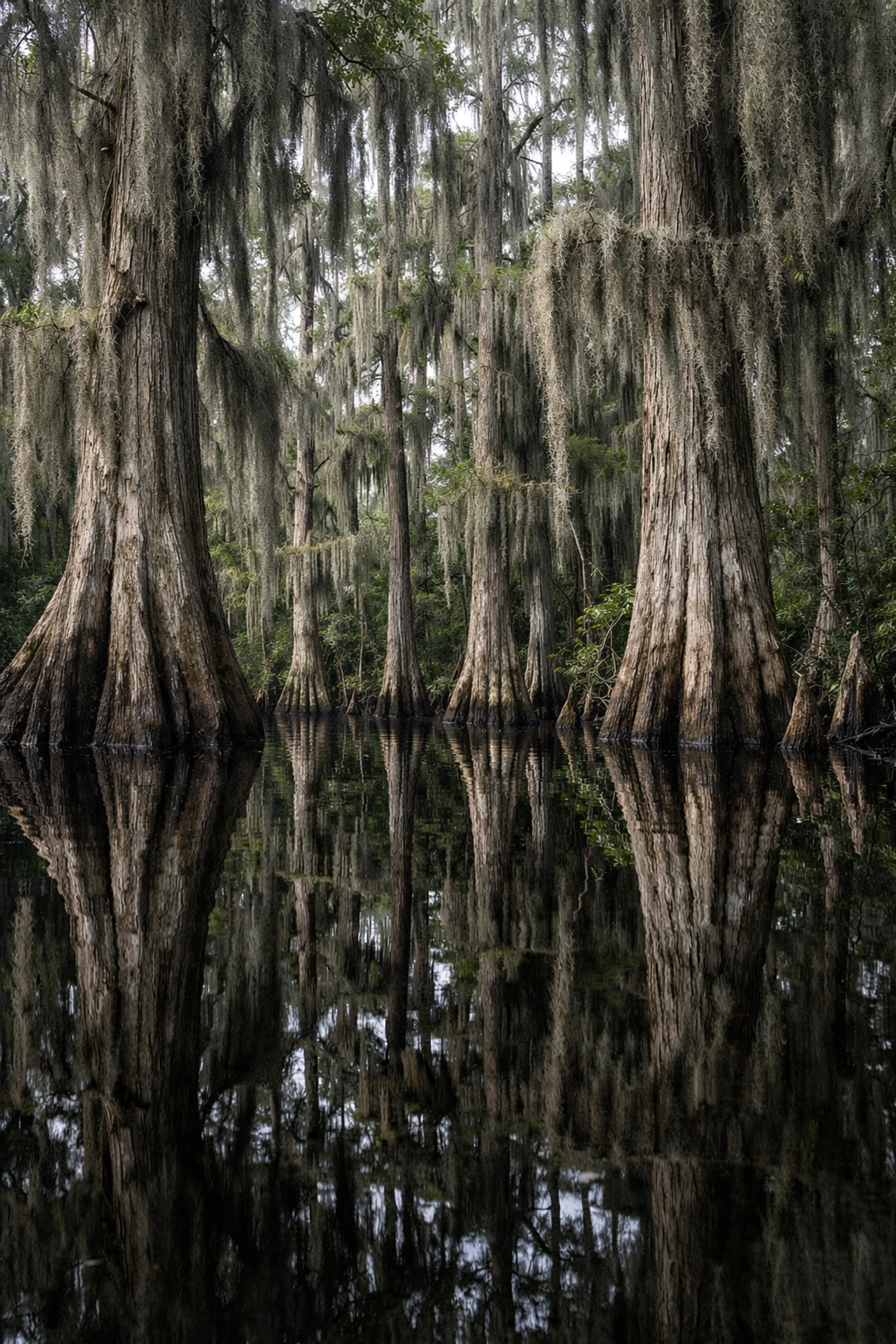
This environment can be challenging due to the high contrast between bright highlights and deep shadows. Using a tripod and bracketed exposures ensures you retain detail in both the brightest clouds and the darkest swamp floor, a technique we frequently discuss at Edin Studios.
The End of the Road: Flamingo and Mrazek Pond
Driving 38 miles south from the park entrance brings you to Flamingo, the southernmost point of the Florida mainland. This area is a transition zone where freshwater meets the saltwater of Florida Bay. For those interested in unique Everglades photography locations, Flamingo offers opportunities to shoot American crocodiles and West Indian manatees.
However, the real "secret" for bird photographers is Mrazek Pond, located just before you reach Flamingo. During the dry season (late February to March), the receding water levels concentrate thousands of wading birds into this small pond. It is not uncommon to see hundreds of Roseate Spoonbills, their pink plumage glowing in the morning sun. This is where a fast 400mm or 600mm lens becomes your best friend, allowing you to capture the frenetic energy of a feeding "blizzard" of birds.
Essential Timing and Seasonal Success
Your success in the Everglades is dictated by the seasons. The "Dry Season" (November through April) is widely considered the best time for photography because the wildlife is concentrated around shrinking water holes. However, the "Wet Season" (May through October) offers dramatic afternoon thunderstorms and the most incredible sunset clouds you will ever see.
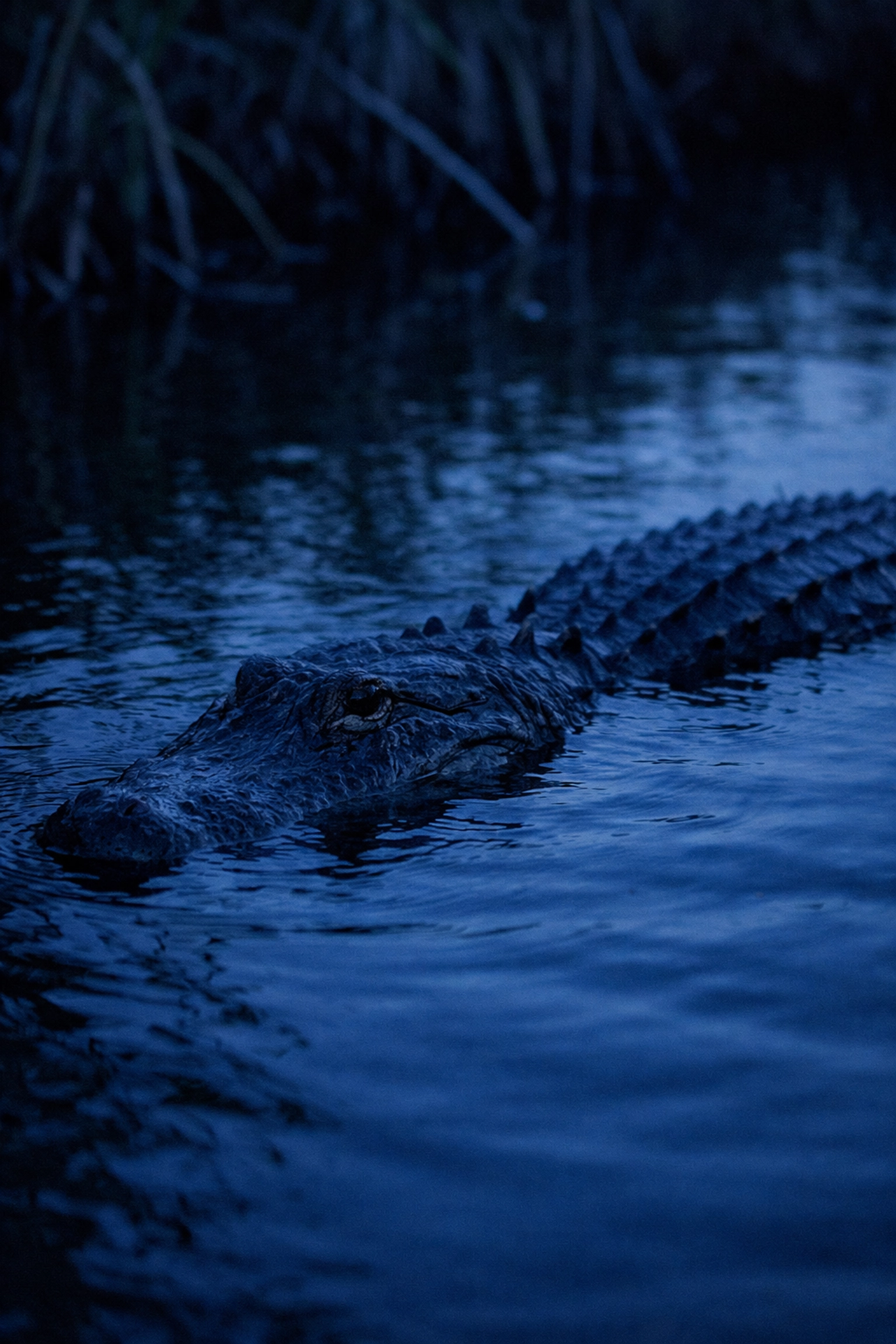
Regardless of the season, you must be on-site at least 30 minutes before sunrise. The pre-dawn light in the Everglades is soft, blue, and incredibly peaceful. This is when the predators are most active and the light is most forgiving for your digital sensor.
Elevate Your Art with the Ultimate Guide
Capturing the Everglades is a journey that requires patience, respect for nature, and the right information. While this guide provides the foundation, there are hundreds of specific coordinates, seasonal secrets, and technical settings that can take your work from "good" to "unforgettable."
If you are ready to stop guessing and start creating high-impact fine art, you need a comprehensive roadmap. We have compiled years of professional experience into a single, easy-to-follow resource.
Unlock the full potential of your camera and discover the hidden corners of the swamp. Purchase the Everglades Photography Guide today and start capturing the images you’ve always dreamed of.
By following these professional strategies and visiting these curated Everglades photography locations, you empower yourself to produce a body of work that reflects the true majesty of this endangered wilderness. For more inspiration and to see how these locations translate into fine art, visit our main site at blog.edinchavez.com. Your next great masterpiece is waiting in the sawgrass.


