
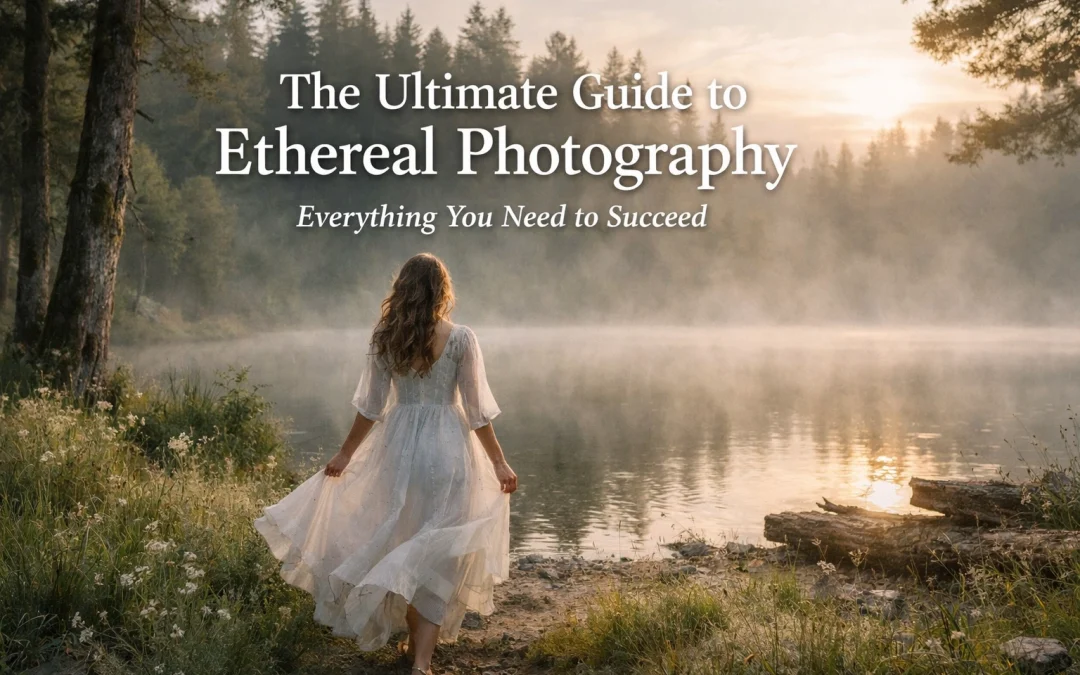
Just as a soft morning mist transforms a familiar landscape into a scene from a fairytale, ethereal photography allows you to transcend the literal world and capture something more profound. You aren’t just taking a picture of a tree or a person; you are capturing a feeling: a delicate, light, and otherworldly atmosphere that feels like a half-remembered dream. Mastering this style requires you to blend technical precision with a deep understanding of light and emotion.
When you dive into the world of fine art photography, you quickly realize that the most impactful images are those that evoke a physical response. Ethereal images do exactly that by leaning into softness, glowing highlights, and a sense of quiet nostalgia. Whether you are shooting a portrait in a sun-drenched field or a landscape shrouded in fog, your goal is to create a visual poem that speaks to the viewer's soul.
Defining the Ethereal Aesthetic
As you begin your journey, you must understand that "ethereal" is characterized by a lightness of being. It is the opposite of harsh, high-contrast, or gritty imagery. In this style, you are looking for images that are "of the spirit" rather than purely of the earth. This involves a commitment to softness: not just in focus, but in color palette and emotional weight.
By integrating elements of mystery and spirituality into your work, you elevate your portfolio from standard snapshots to gallery-quality fine art photography. You achieve this by focusing on three main pillars: lighting, composition, and dreamy photography editing. When these three elements align, your work takes on a professional, polished quality that stands out in a crowded digital landscape.
Lighting: The Foundation of the Dream
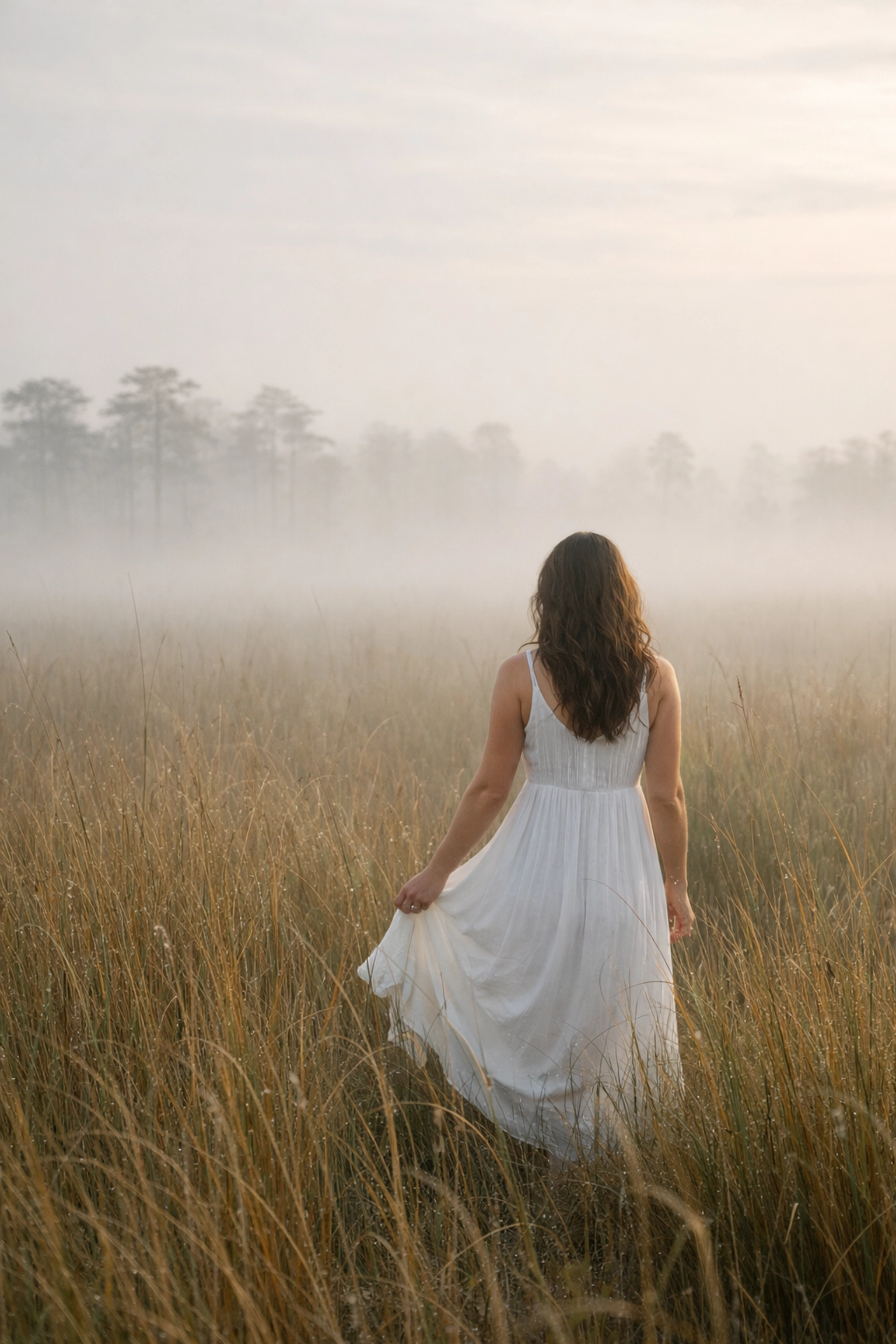
Many photographers mistakenly believe that they can "fix it in post," but the secret to true ethereal beauty lies in how you capture light in-camera. You need gentle, directional light that wraps around your subject rather than creating deep, jagged shadows. This commitment to soft lighting ensures that your highlights have a "bloom" effect that is nearly impossible to replicate perfectly with software alone.
| Lighting Technique | Effect on Your Image | Best Time to Shoot |
|---|---|---|
| Golden Hour | Provides a warm, wrap-around glow that softens skin and landscapes. | One hour after sunrise or before sunset. |
| Backlighting | Creates a halo or "rim light" effect around your subject's edges. | When the sun is low on the horizon. |
| Overcast Light | Acts as a giant softbox, eliminating harsh shadows for a flat, moody look. | Any time during a cloudy day. |
| Window Light | Produces soft, directional light perfect for indoor fine art portraits. | Mid-morning with north-facing windows. |
If you are looking to master these lighting conditions in the field, joining a sunrise photography workshop is the best way to see how light interacts with the environment in real-time. Shooting during these hours ensures you have the high-quality raw material needed for stunning results.
Technical Settings for Fine Art Photography
To achieve that signature soft look, you must master your camera settings. You are not looking for edge-to-edge sharpness in every shot. Instead, you are using a shallow depth of field to guide the viewer’s eye and create a sense of depth.
1. Open Up Your Aperture
Using a wide aperture (like f/1.4, f/1.8, or f/2.8) is your most powerful tool. By keeping your focal area small, you blur the foreground and background into a wash of color and light. This creates a separation that makes your subject feel like they are floating in a dreamscape.
2. Experiment with Shutter Speed
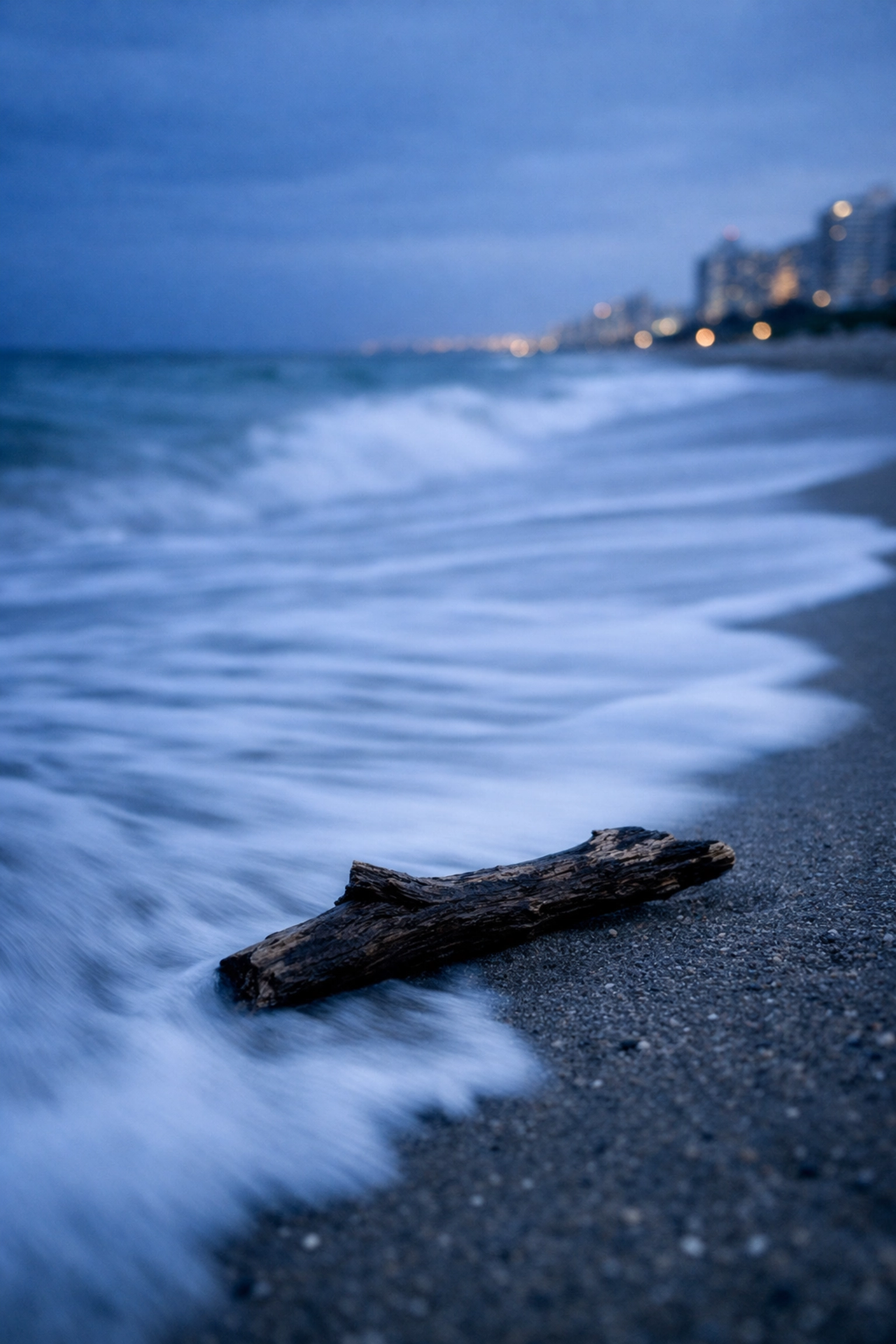
While sharp images have their place, slow shutter speeds can propel your work into the ethereal realm. If you are shooting water or clouds, a shutter speed of 1/4 second or longer turns movement into a silky, cloud-like texture. This technique is a staple in landscape photography and helps convey a sense of timelessness.
3. Intentional Focus
Sometimes, missing the focus slightly: or focusing on a foreground element like a blade of grass while your subject remains soft: adds to the mystery. This ensures your image feels like a memory rather than a clinical documentation of a moment.
Composition and Physical Tools
Your composition should give your subject room to breathe. Use extensive negative space to evoke a feeling of calm and solitude. When you leave large areas of the sky or a field empty, you empower the viewer to project their own emotions onto the scene.
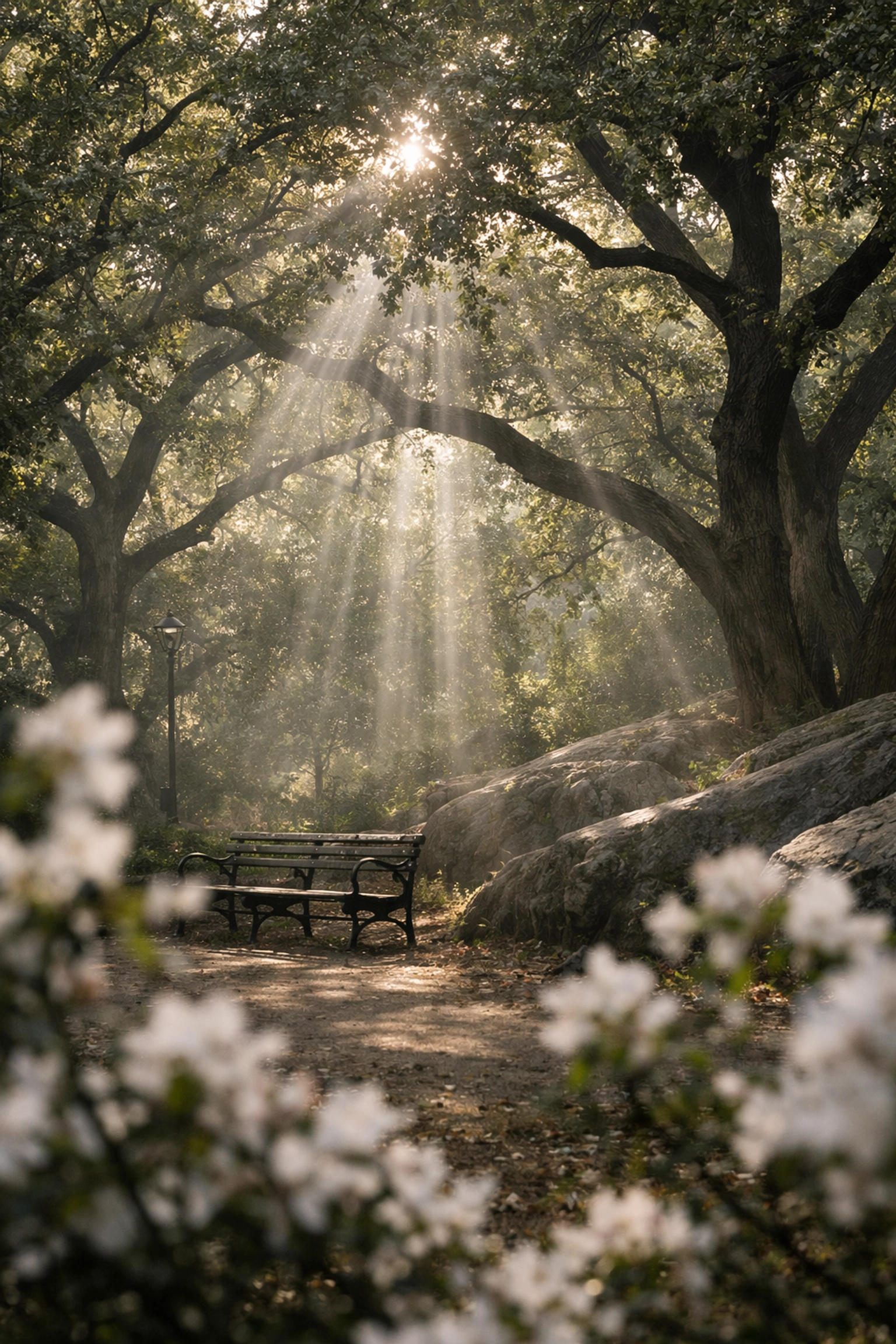
Layering is another critical strategy. By positioning elements at different depths: such as soft flowers in the immediate foreground, your subject in the middle, and a misty forest in the background: you create a three-dimensional world that feels as if the viewer could step right into it.
DIY Diffusion Tools
You don't always need expensive gear to create a soft look. In fact, some of the most iconic fine art photography involves simple, low-tech hacks:
- Pantyhose: Stretching a piece of sheer fabric over your lens creates an instant, beautiful softening of the entire frame.
- Prisms and Crystals: Holding a crystal in front of your lens can scatter light into rainbows and flares, adding a touch of magic.
- Vaseline: Applying a tiny amount of petroleum jelly to a clear filter (never directly on your lens!) allows you to blur specific edges of the frame while keeping the center clear.
For those who prefer a more controlled environment, exploring Edin Studios can provide the perfect backdrop and equipment to experiment with these creative physical modifiers.
Dreamy Photography Editing: The Final Polish
Once you have captured your ethereal RAW files, the real magic happens during the editing phase. Dreamy photography editing is not about heavy-handed filters; it’s about a subtle enhancement of the tones and textures you’ve already captured. This process ensures your final image looks like a piece of fine art rather than a standard digital photo.
Start by lowering the contrast and "Dehaze" slider in Lightroom. While we usually want clarity, for ethereal shots, a negative clarity or texture value can create that sought-after "Orton Effect" glow. You want your shadows to be slightly lifted and your highlights to feel airy.
Advanced Editing Workflow
- Color Grading: Shift your greens toward teal or your blues toward a soft lavender to create a slightly surreal, painterly palette.
- Dodge and Burn: Manually brighten the areas where light hits your subject to emphasize the "glow."
- The Glow Layer: In Photoshop, duplicate your layer, apply a Gaussian blur, and set the blend mode to "Soft Light" or "Screen" at a very low opacity. This adds a physical "bloom" to the light.
To make this process seamless, using the Ultimate Lightroom Preset Collection can save you hours of work. These presets are designed to provide a consistent, professional starting point for your fine art edits, ensuring your portfolio has a cohesive, high-end look.
Choosing the Right Location
Your environment plays a massive role in the success of your ethereal shoot. You are looking for locations that naturally provide atmosphere. Coastal areas, flower fields, and ancient woodlands are all excellent choices. If you can find a location prone to fog or mist, you have found gold.
Fog simplifies a scene by hiding distracting details and making ordinary objects look like artistic silhouettes. If you are struggling to find these locations on your own, a landscape photography workshop can introduce you to hidden gems that offer the perfect atmospheric conditions for your work. Whether you are browsing Edin Chavez Blog for location inspiration or booking a guided tour, being in the right place at the right time is half the battle.
Conclusion: Elevating Your Vision
Mastering ethereal photography is an evolution of your creative voice. It requires you to look past the literal and find the poetry in the light. By combining the technical skills of shallow depth of field and slow shutter speeds with the artistic touch of dreamy photography editing, you create work that is truly unique.
This commitment to your craft ensures that you aren't just taking photos; you are creating heirlooms. Every time you pick up your camera, you have the opportunity to show the world something it has never seen before: a moment of pure, unadulterated beauty that feels not of this world.
With these considerations in mind, you are now equipped to go out and capture the magic that exists in the soft corners of the world. Remember that fine art is a journey, not a destination, and every shot brings you closer to mastering your unique style.
For more insights on how to elevate your work, explore our site for a deep dive into hundreds of tutorials and guides at Edin Chavez Blog.


