
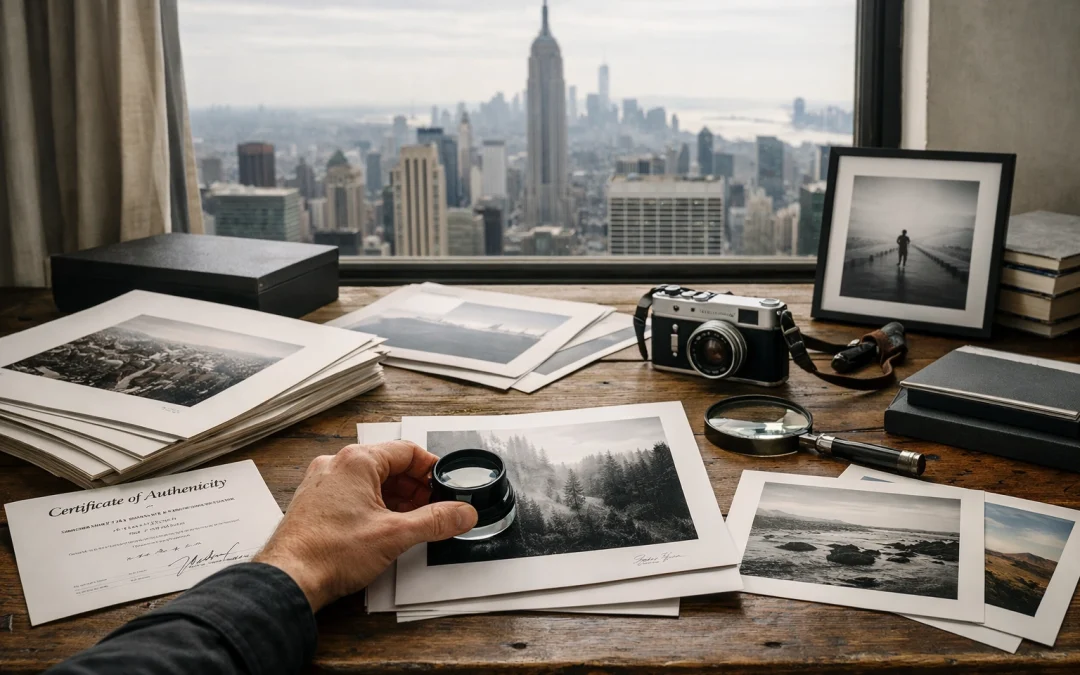
As the world of fine art continues to evolve, your eye for detail and appreciation for a captured moment can lead you down a rewarding path: both aesthetically and financially. Just as traditional painting has its masterpieces, the world of photography offers you the chance to own a slice of history through limited edition photography prints. Whether you are looking to decorate your high-end office or build a portfolio of appreciating assets, understanding the nuances of the market is your first step toward becoming a savvy collector.
When you step into the realm of fine art, you aren’t just buying a picture; you are acquiring a piece of an artist's vision that is guaranteed to be scarce. At Edin Chavez Blog, we believe that your collection should reflect your personal taste while maintaining the highest standards of production. This guide will walk you through everything you need to know about scarcity, quality, and the essential documentation that protects your investment.
Why Scarcity Drives Value
The primary difference between a poster you buy at a department store and a high-value art piece is the concept of the "Limited Edition." In photography, a limited edition means the artist has committed to producing only a specific number of prints of a particular image at a certain size. Once those prints are sold, the edition is closed forever.
This scarcity is what allows photography to function like traditional fine art. When you purchase a limited edition print, you are ensuring that your piece remains exclusive. For serious collectors, the total edition size: not the specific number on your print (like 5/25): is what truly dictates the long-term value.
Understanding Edition Categories
The size of the edition you choose to collect will greatly impact your entry price and the potential for the piece to appreciate. Use the table below to understand how different edition sizes align with your goals as a collector.
| Edition Size | Rarity Level | Ideal For |
|---|---|---|
| Ultra-Limited (1–10) | Museum Grade | High-value private collections and long-term investment. |
| Small (5–25) | Highly Exclusive | Serious collectors focused on rapid appreciation. |
| Medium (25–100) | Balanced | Mid-career artists; perfect for those seeking a mix of value and beauty. |
| Large (100–500+) | Accessible | Fans of world-famous photographers with high global demand. |
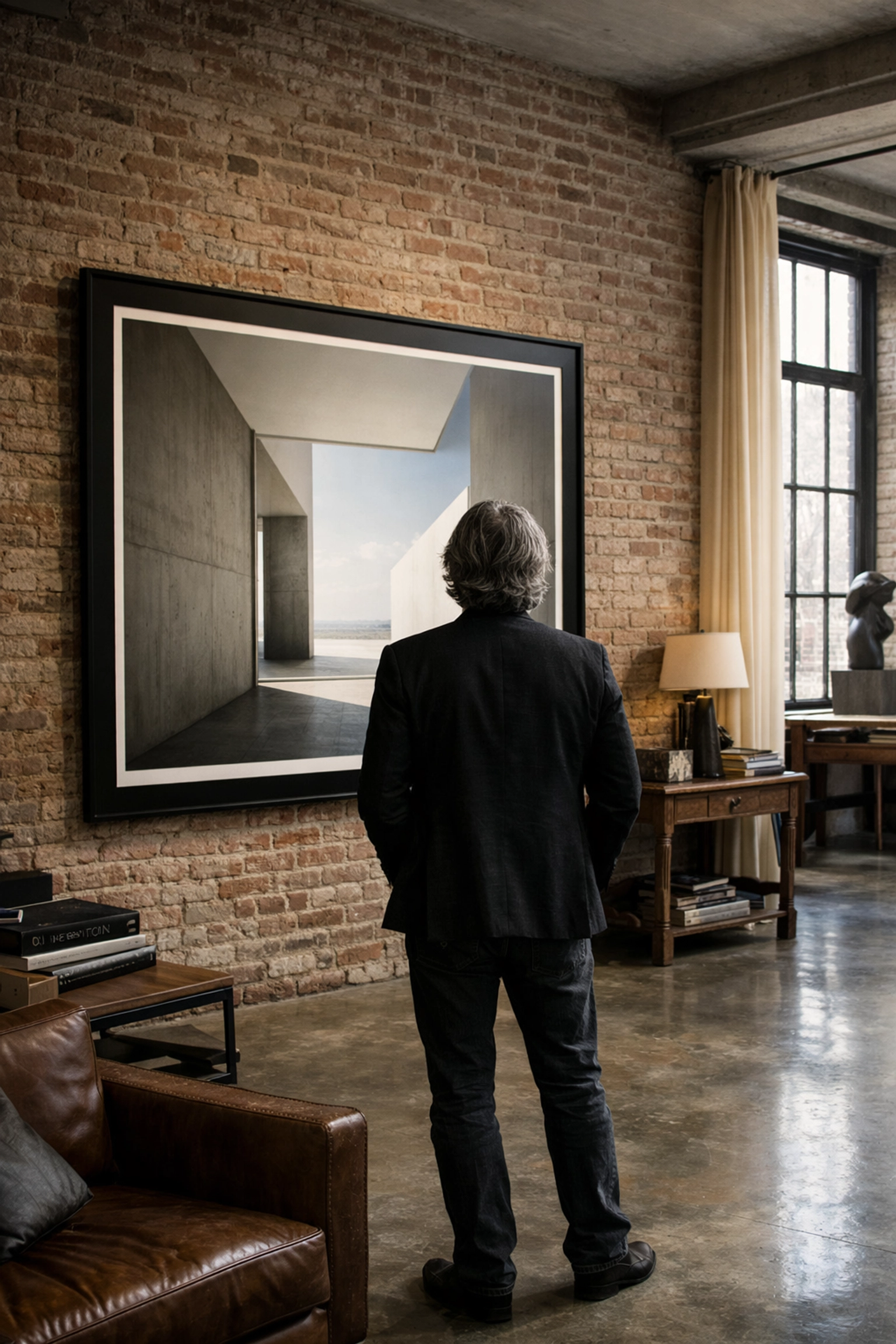
The Technical Standard: Archival and Museum Quality Prints
As a collector, you must ensure that the pieces you acquire are built to last. You don't want your investment to fade or yellow over a decade. This is where archival prints come into play. When an artist mentions "archival" or museum quality prints, they are referring to a combination of acid-free papers and pigment-based inks that are designed to last for 100 years or more without significant degradation.
At Edin Studios, the focus is always on the longevity of the art. When you are looking at potential additions to your collection, you should always ask about the printing process. Most high-end photography today uses the Giclée process with 12-color pigment printers on Hahnemühle or Canson paper.
Materials Matter
| Material Component | What to Look For | Why it Matters for You |
|---|---|---|
| Ink | Pigment-based (not dye-based) | Ensures colors stay vibrant for a century. |
| Paper | 100% Cotton Rag or Alpha Cellulose | Prevents yellowing and chemical breakdown. |
| Mounting | Diasec or Archival Matting | Protects the physical integrity of the print. |
If you are an aspiring photographer looking to reach these museum standards yourself, you’ll find that the right post-processing is half the battle. You can elevate your own files using the Ultimate Lightroom Preset Collection to ensure your work has that professional, gallery-ready look before it ever hits the printer.
The Birth Certificate: Certificate of Authenticity for Art Prints
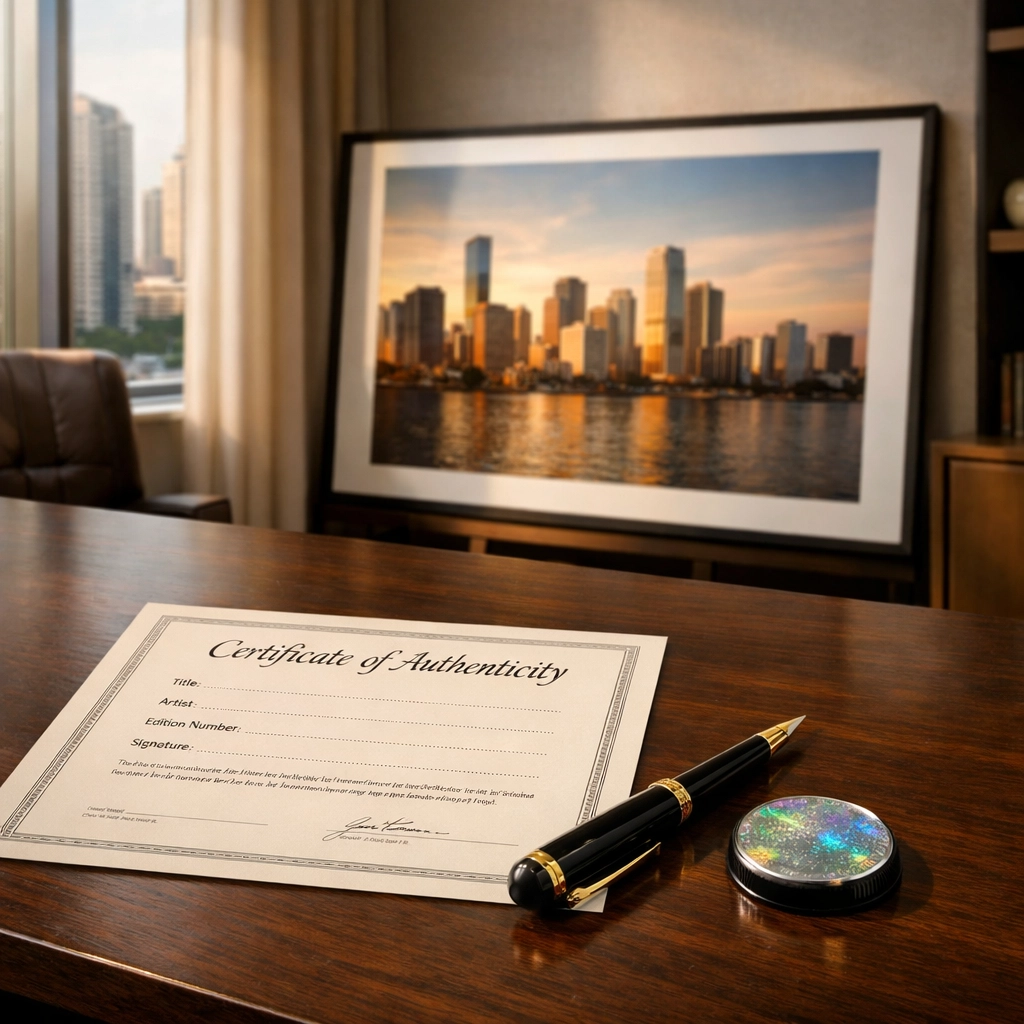
Never, under any circumstances, should you purchase a limited edition print without a certificate of authenticity for art prints (COA). Think of this as the "title" to your art. Without it, your piece is significantly harder to resell and its value is questionable.
A valid COA should be signed by the artist and include the title of the work, the edition number, the date of production, and technical details about the paper and ink used. Some artists also include a security hologram on both the print and the certificate to prevent forgery. When you browse the collections at Edin Fine Art, you’ll notice that every piece is backed by the necessary documentation to secure your investment's provenance.
Artist Proofs: The Collector’s "Secret"
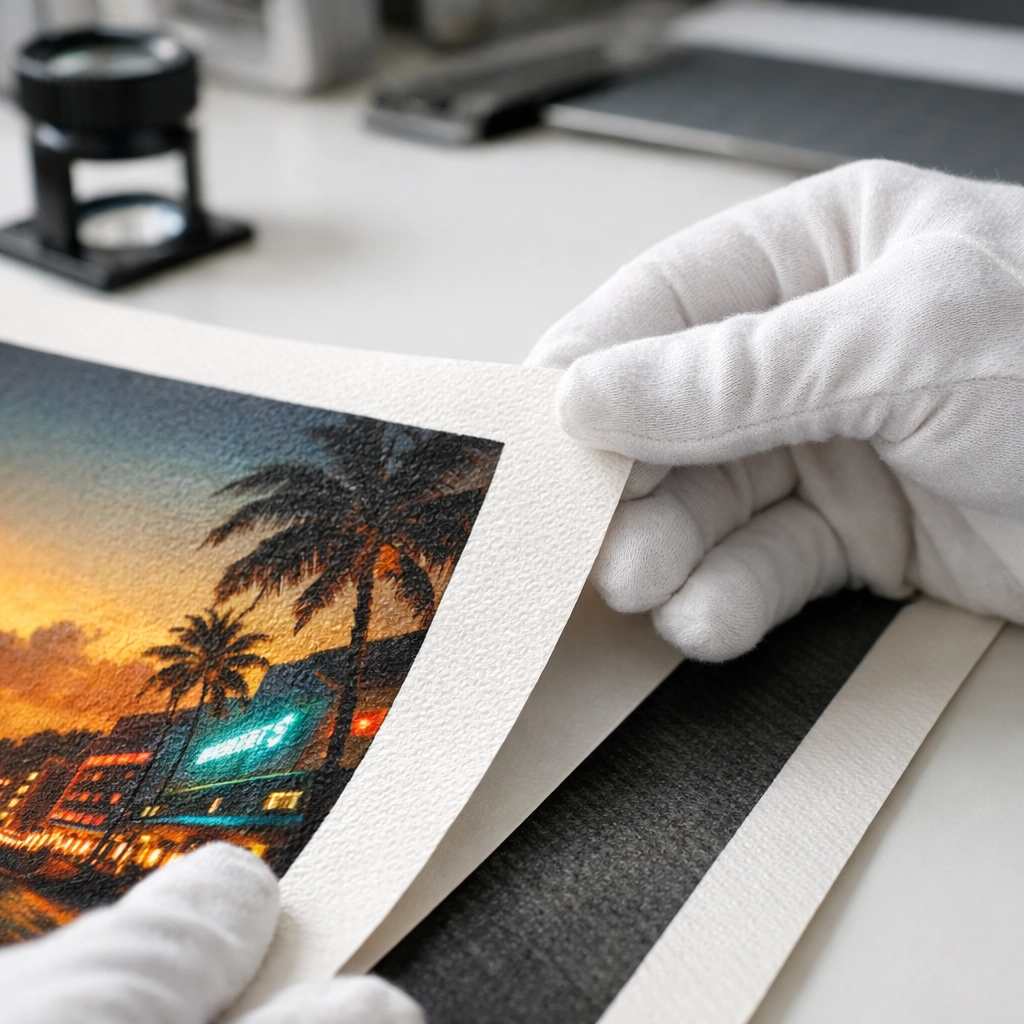
While browsing a gallery, you might see a print marked "AP" instead of a number. These are Artist Proofs. Traditionally, these were the first few prints pulled so the photographer could check for color accuracy. Today, they represent a small percentage of the total edition (usually 10%) and sit outside the regular numbered sequence.
Because they are rarer than the standard edition prints, APs often command a premium price. If you have the opportunity to acquire an Artist Proof from a photographer whose career is on the rise, it is often a very smart move for your portfolio.
Where to Buy and How to Sell Fine Art Photography Prints
Your journey as a collector will likely begin in galleries or via artist websites. However, as your collection grows, you may want to know how to sell fine art photography prints on the secondary market.
- Keep Your Documentation: As mentioned, your COA is vital. Keep it in a fireproof safe.
- Maintain Condition: Ensure the print is framed using UV-protective glass and is kept out of direct sunlight.
- Monitor the Artist’s Career: Watch for museum exhibitions or major awards. This is usually the best time to consider selling.
- Choose the Right Venue: For high-value pieces, auction houses like Sotheby’s or specialized photography galleries are your best bet.
If you’re looking to start your collection with iconic locations, consider pieces from the Miami Beach Photography Guide or the Everglades Photography Guide. These locations offer timeless beauty that consistently performs well in the fine art market. If you happen to be visiting South Florida, you can even book a Private Miami Photography Tour to see where these incredible shots are born.
Questions to Ask Before Your Purchase
Before you pull the trigger on a new piece for your collection, you should feel empowered to ask the gallery or artist the following questions:
- What is the total edition size across all formats? Some artists sell an edition of 25 in one size and 25 in another. Make sure you understand the total volume of that image in the market.
- Is the print signed on the front or back? While personal preference varies, a signature on the print itself (usually on the margin) is often preferred by collectors.
- What is the lead time for production? Since many limited edition photography prints are printed to order to ensure freshness and quality, expect a lead time of 2-4 weeks.
Building a Thematic Collection
Your collection will feel more cohesive and professional if you focus on a specific theme. You might choose to focus on black and white landscapes, urban architecture, or perhaps specific geographic regions. For example, if you are drawn to the rugged beauty of the West, exploring the Lake Tahoe Photography Guide can give you an idea of the type of imagery that holds lasting appeal.
Focusing your collection allows you to become an expert in that specific niche. You’ll start to recognize the nuances of different photographers and understand which styles are likely to remain "classic" rather than just a passing trend.
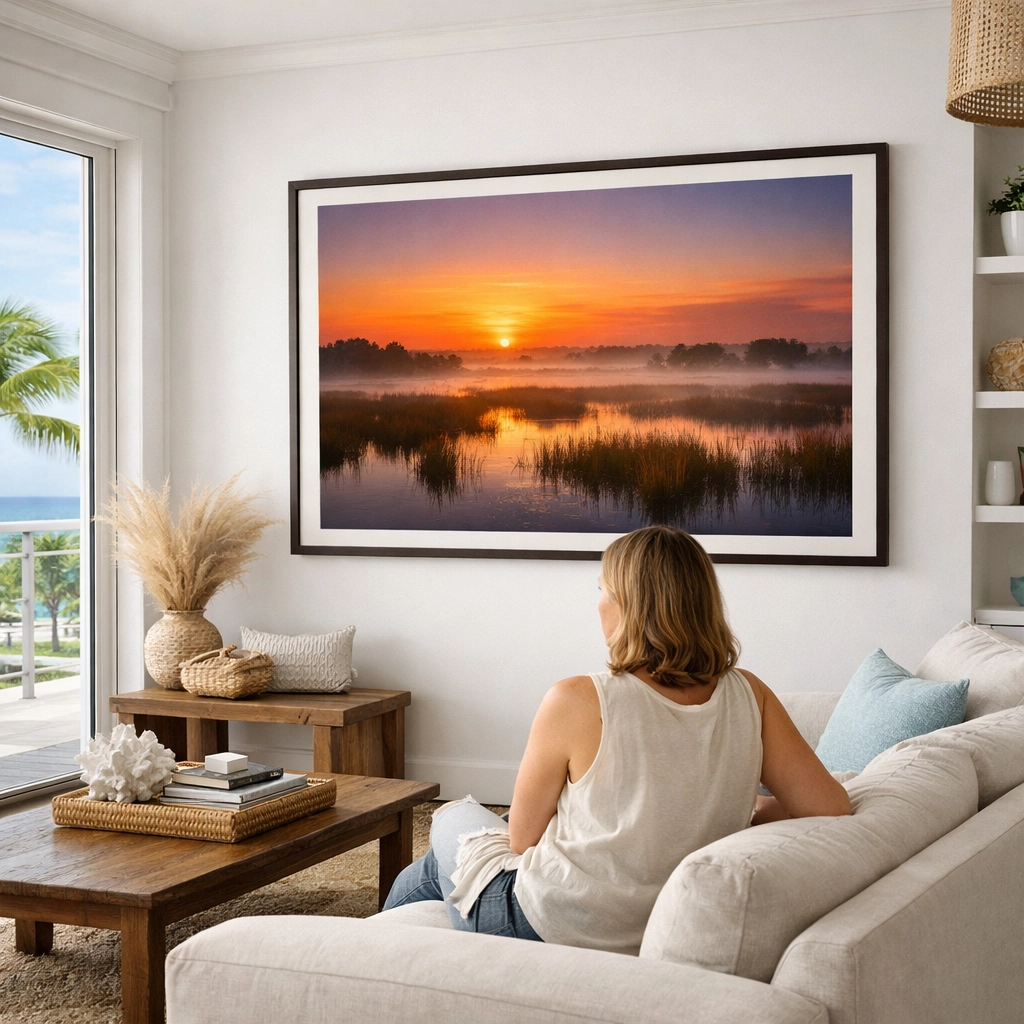
The Future of Your Collection
Collecting fine art is a marathon, not a sprint. By prioritizing museum quality prints and ensuring every piece has its certificate of authenticity for art prints, you are protecting your capital while surrounding yourself with beauty.
Photography is one of the most exciting art forms to collect right now because it is still relatively accessible compared to blue-chip oil paintings, yet the ceiling for growth is massive. As you continue to curate your space, remember that the most important factor is your personal connection to the image. If a photograph speaks to you every time you walk past it, its value to your life is already immeasurable.
Whether you are just starting or looking to add a marquee piece to your walls, we invite you to explore the stunning imagery available at Edin Fine Art. Your next great investment is waiting to be discovered.
Hence, with these considerations in mind, you are now equipped to navigate the fine art market with confidence. Start small, buy what you love, and always insist on the highest archival standards. Happy collecting!


