Just as the transition from film to digital revolutionized how you capture moments, the emergence of dedicated marketplaces is currently transforming how you secure your next paycheck. For years, finding consistent jobs for photographers has felt like a second full-time job. You spend hours cold-emailing, posting to social media, and bidding on generic freelance sites only to be undercut by someone with a smartphone and a filter.
The landscape is shifting. As a professional, your time is your most valuable asset, and wasting it on unproductive "hustle" isn't just exhausting: it’s bad for your bottom line. That is where Proshoot.io enters the frame. This isn't just another job board; it is a specialized ecosystem designed to eliminate the friction between your talent and a client's needs. By integrating advanced vetting, transparent bidding, and high-end portfolio hosting, Proshoot.io ensures that you spend less time hunting and more time shooting.
The End of the Freelance Grind
Many photographers find themselves stuck in a cycle of "feast or famine." One month you are booked solid, and the next, you are refreshing your inbox every five minutes. This instability often stems from the fragmented nature of the industry. When you search for jobs for photographers on traditional platforms, you are often competing in a "race to the bottom" where the lowest price wins.
Proshoot.io flips this dynamic on its head. By creating a vetted marketplace, the platform ensures that only serious, high-quality professionals are present. This commitment to quality attracts a different caliber of client: people who value your eye, your technical skill, and your professional reliability over a bargain-basement price. When you join this community, you aren't just another profile; you are a verified expert in a marketplace built for your success.
Vetting as Your Competitive Advantage
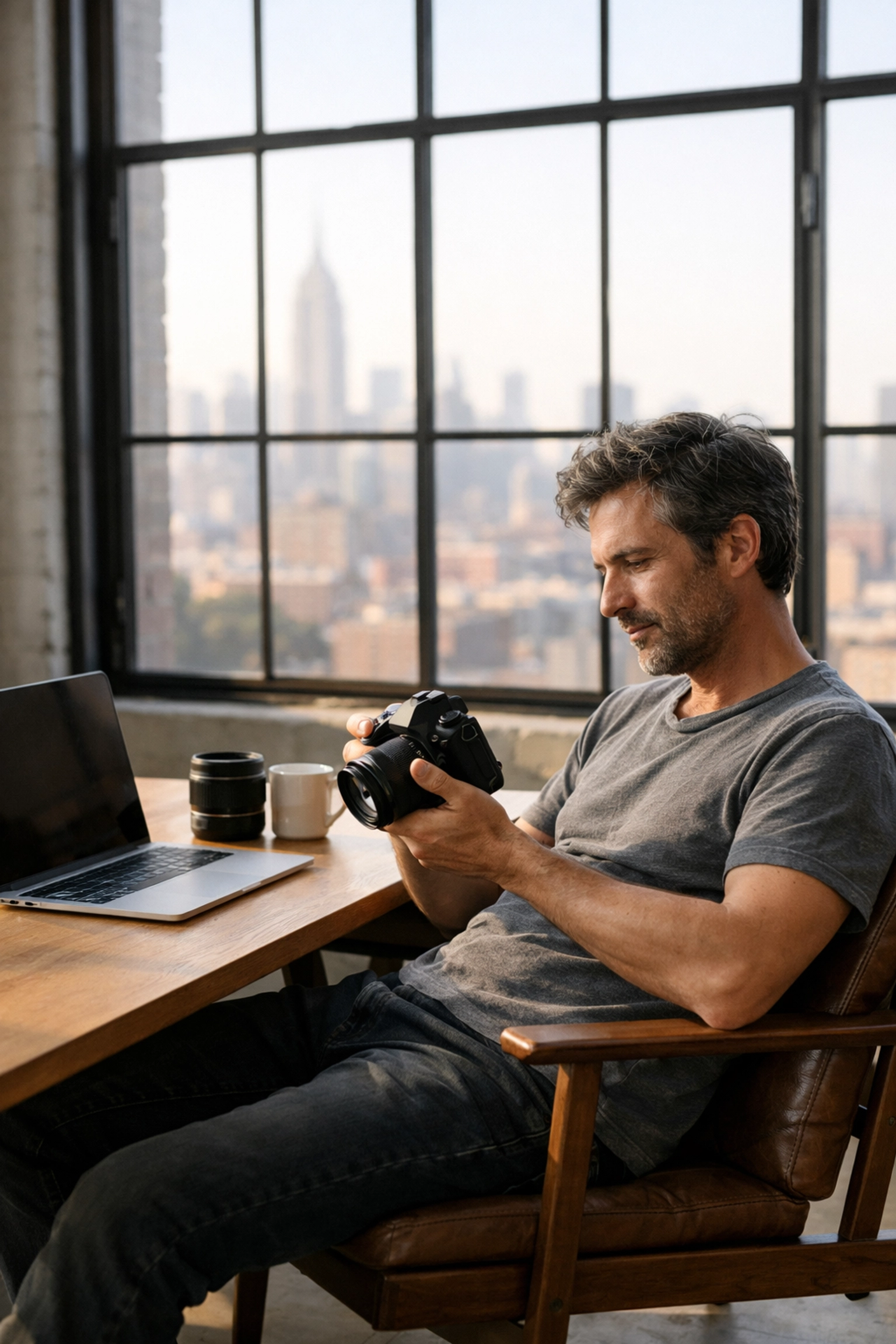
Your reputation is everything in the world of fine art and professional photography. While you might showcase your best work on the Edin Chavez Blog, having a third-party platform verify your credentials adds an immediate layer of trust. Every photographer on Proshoot.io undergoes a rigorous portfolio review.
This vetting process acts as a filter that benefits you directly. Because clients know that every professional on the platform has been checked for quality and reliability, the initial barrier of "proving yourself" is significantly lowered. You aren't starting from zero with every new lead. Instead, you are stepping into a room where your expertise is already assumed. This professional standing ensures that your conversations with clients focus on the creative vision and project scope rather than justifying your rates.
Traditional Job Boards vs. Proshoot.io
| Feature |
Traditional Freelance Sites |
Proshoot.io Marketplace |
| User Base |
Generic (anyone can join) |
Vetted Professionals Only |
| Pricing Model |
Race to the bottom |
Value-based bidding |
| Client Intent |
High volume, low budget |
High quality, ready-to-shoot |
| Focus |
All industries |
Photography and Videography |
| Payment Security |
Often inconsistent |
Secure escrow-style payments |
A Marketplace That Works for You
The core innovation of Proshoot.io is the "ready-to-shoot" job model. In the old world, you spent your energy marketing yourself to people who might need a photographer eventually. On this platform, clients come to the marketplace with specific, active projects. They post the job, and you receive competitive bidding opportunities that match your specific niche.
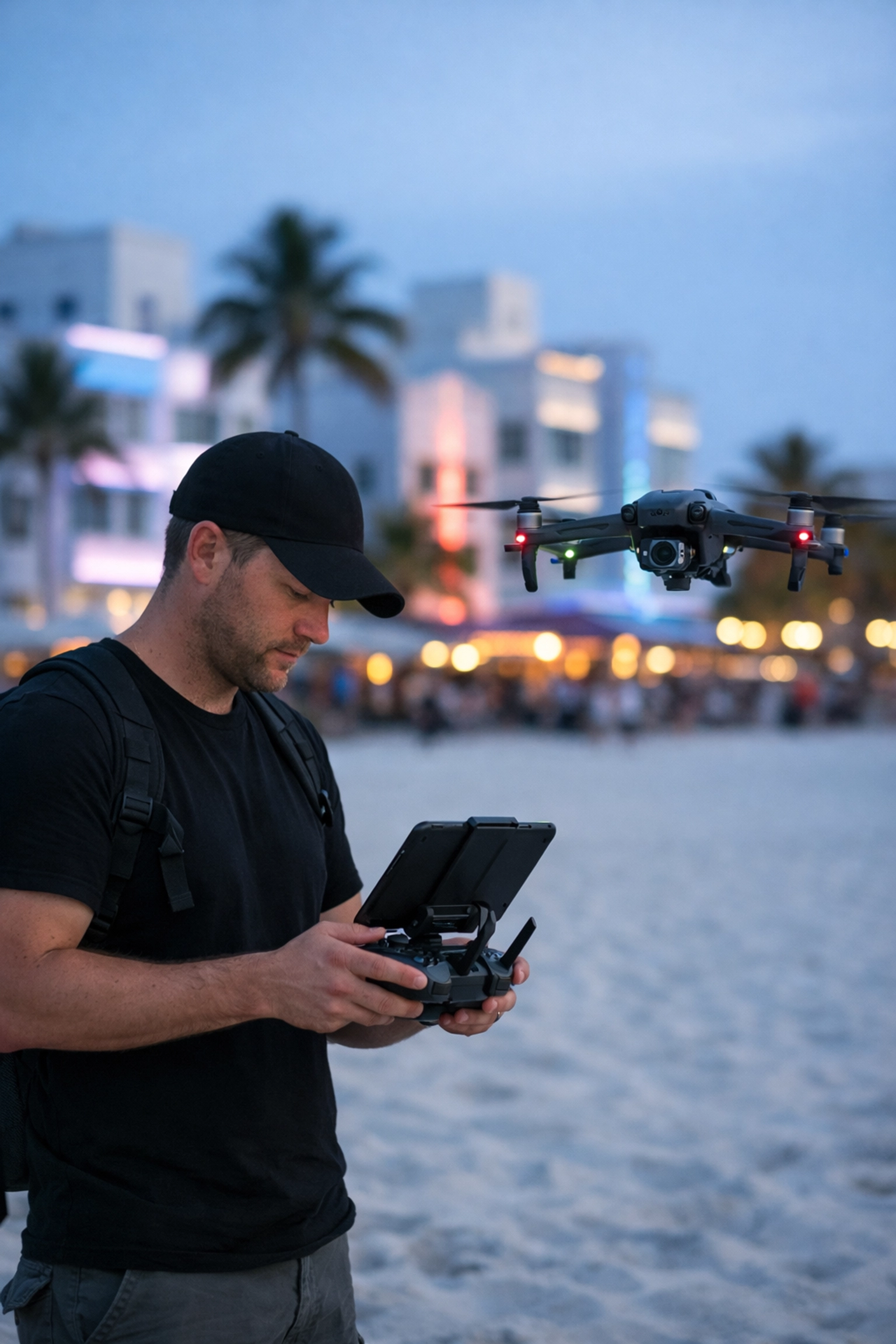
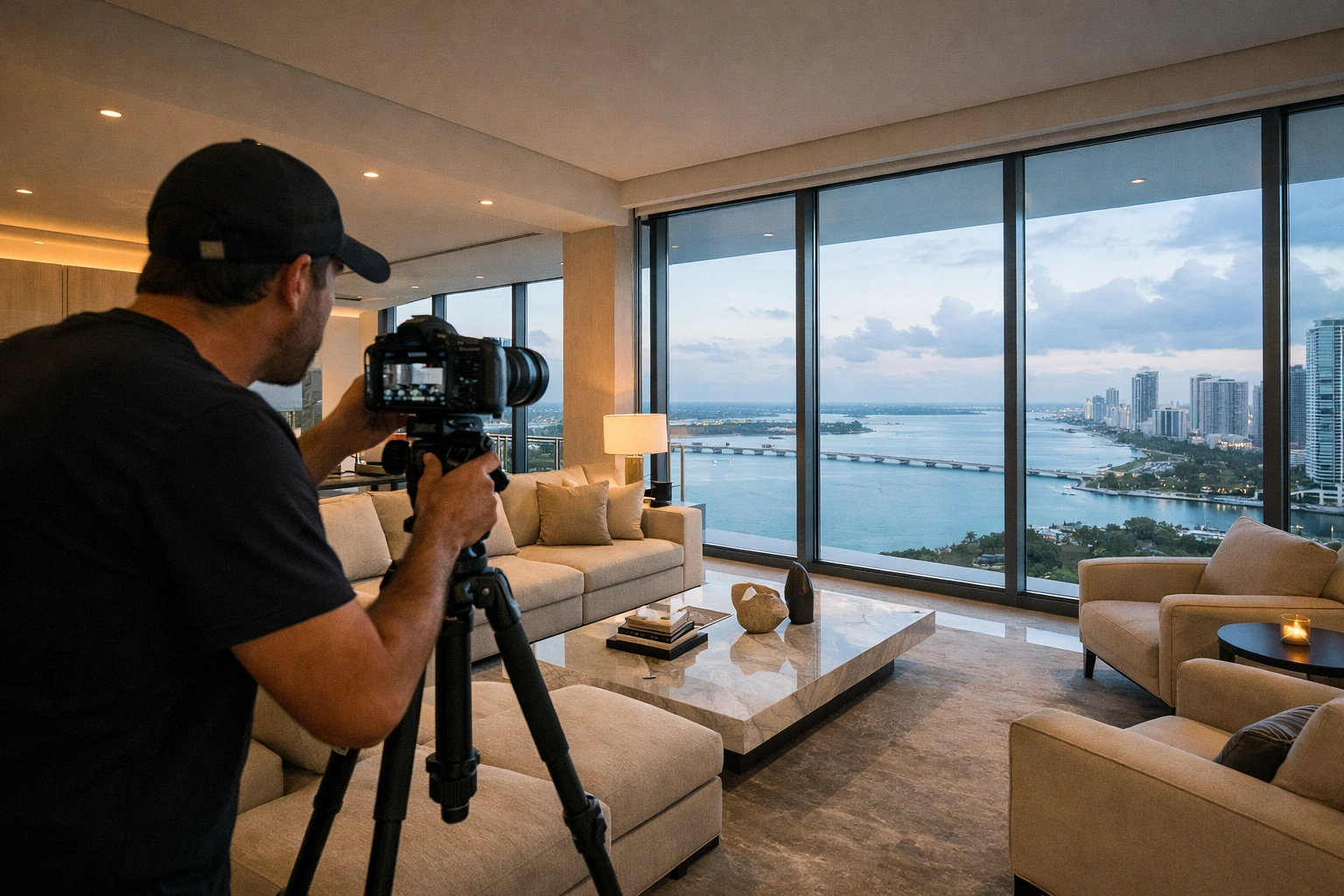
Whether you specialize in drone videography, editorial work, or high-end real estate, the platform’s categorization allows the right clients to find you at the right time. For instance, if you are looking for work in a competitive market like South Florida, you know that standing out is key. You can leverage your local expertise: perhaps perfected by following a Miami self-driving photography guide: to land high-ticket architectural or lifestyle shoots.
Portfolio Hosting and Your Digital Presence
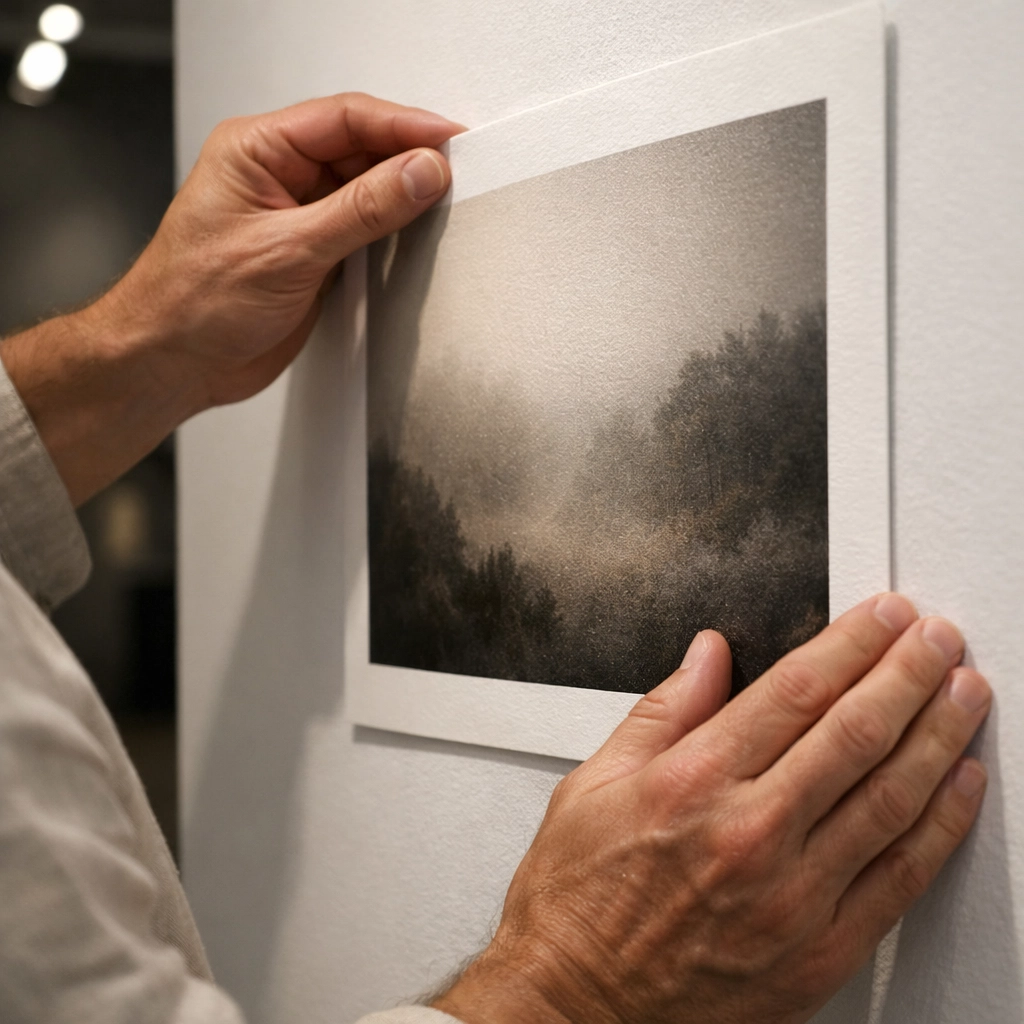
You know that your portfolio is your most powerful sales tool. It’s why we focus so much on the visual experience at Edin Studios. Proshoot.io provides robust portfolio hosting that doesn't just display your images; it positions them within a professional context.
When a client looks at your work on the platform, they see a cohesive story of your capabilities. This is the perfect place to showcase your versatility. If you've been working on your post-processing skills using the Ultimate Lightroom Preset Collection, your Proshoot.io portfolio will reflect that polished, professional "look" that high-end clients demand. The platform ensures that your high-resolution files are displayed beautifully, providing a seamless viewing experience that propels the client toward the "hire" button.
Transparency in Bidding and Rates
One of the most frustrating aspects of searching for jobs for photographers is the lack of price transparency. You often don't know the client's budget until you've already invested hours in a proposal. Proshoot.io solves this by displaying clear job requirements and allowing for transparent, value-based bidding.
By seeing what is expected upfront, you can set your rates based on your actual expertise. This prevents the devaluation of your work. The platform fosters an environment where your unique style: the kind of artistry you might see in Edin Fine Art: is seen as a premium asset. When you bid on a project, the client is looking for the best fit for their brand, not just the cheapest option on the list.
Streamlining Your Operations
Running a photography business involves more than just clicking the shutter. There is the "boring" stuff: contracts, communication, project timelines, and chasing down payments. Proshoot.io acts as your centralized command center.
- Centralized Dashboard: Track all your bids, active projects, and upcoming deadlines in one place.
- Secure Payments: The platform handles the financial transaction, ensuring you get paid for the work you do. No more "ghosting" after the final files are delivered.
- Direct Messaging: Keep your client communication professional and organized, rather than buried in a messy personal inbox.
This administrative efficiency empowers you to focus on the creative side of your business. By reducing the friction of project management, you can take on more work without increasing your stress levels.
Specialization as Your Secret Weapon
The platform encourages you to lean into your niches. Whether you are an expert in wildlife photography: perhaps after spending countless hours following the Everglades photography guide: or a master of urban landscapes in New York, Proshoot.io allows you to tag and categorize your work so that you appear in targeted searches.
Specialization makes you more "findable." When a client needs a specific look or has a technical requirement like 360-degree imaging or underwater shots, they use filters to find the best of the best. Proshoot.io’s infrastructure ensures that if you have the skills, you get the visibility. This targeted matching is significantly faster and more efficient than broad-spectrum job boards.
Why You Need to Start Now
The world of photography is more competitive than ever, but the demand for high-quality visual content is also at an all-time high. Companies, brands, and individuals are looking for professionals who can tell their stories. Proshoot.io is the bridge that connects your creative talent with their commercial needs.
As you look to grow your business in 2026 and beyond, you need tools that evolve with the industry. Transitioning your job-seeking efforts to a vetted, professional marketplace is the most logical step you can take to ensure long-term sustainability. If you've spent years honing your craft, you deserve a platform that treats you like the professional you are.
Whether you are looking for private Miami photography tours or major commercial contracts, the way you find jobs for photographers has changed. By embracing the marketplace model, you are not just looking for work; you are building a professional pathway where your quality and consistency lead to a thriving career.
With these considerations, it is clear that Proshoot.io isn't just another website: it is the future of the photography industry’s workforce. By joining now, you position yourself at the forefront of this shift, ready to capture every opportunity that comes your way. Reach out, set up your profile, and see how much easier it is to find the work you were meant to do.
As you stand on the edge of the "River of Grass," the silence of the dawn is broken only by the rhythmic splash of a hunting heron. The Everglades is not merely a swamp; it is a complex, living masterpiece of nature that challenges and rewards your creative eye in ways few other places on Earth can. Whether you are a seasoned professional or a passionate hobbyist, capturing wildlife photography in the Everglades requires more than just a long lens: it requires an understanding of the rhythm of the water and the secret corners where the light hits just right.
Your journey into this UNESCO World Heritage site provides a unique opportunity to document species found nowhere else. To help you navigate this vast wilderness, I have curated a list of the premier Everglades photography locations that will elevate your portfolio and ensure you come home with breathtaking shots.
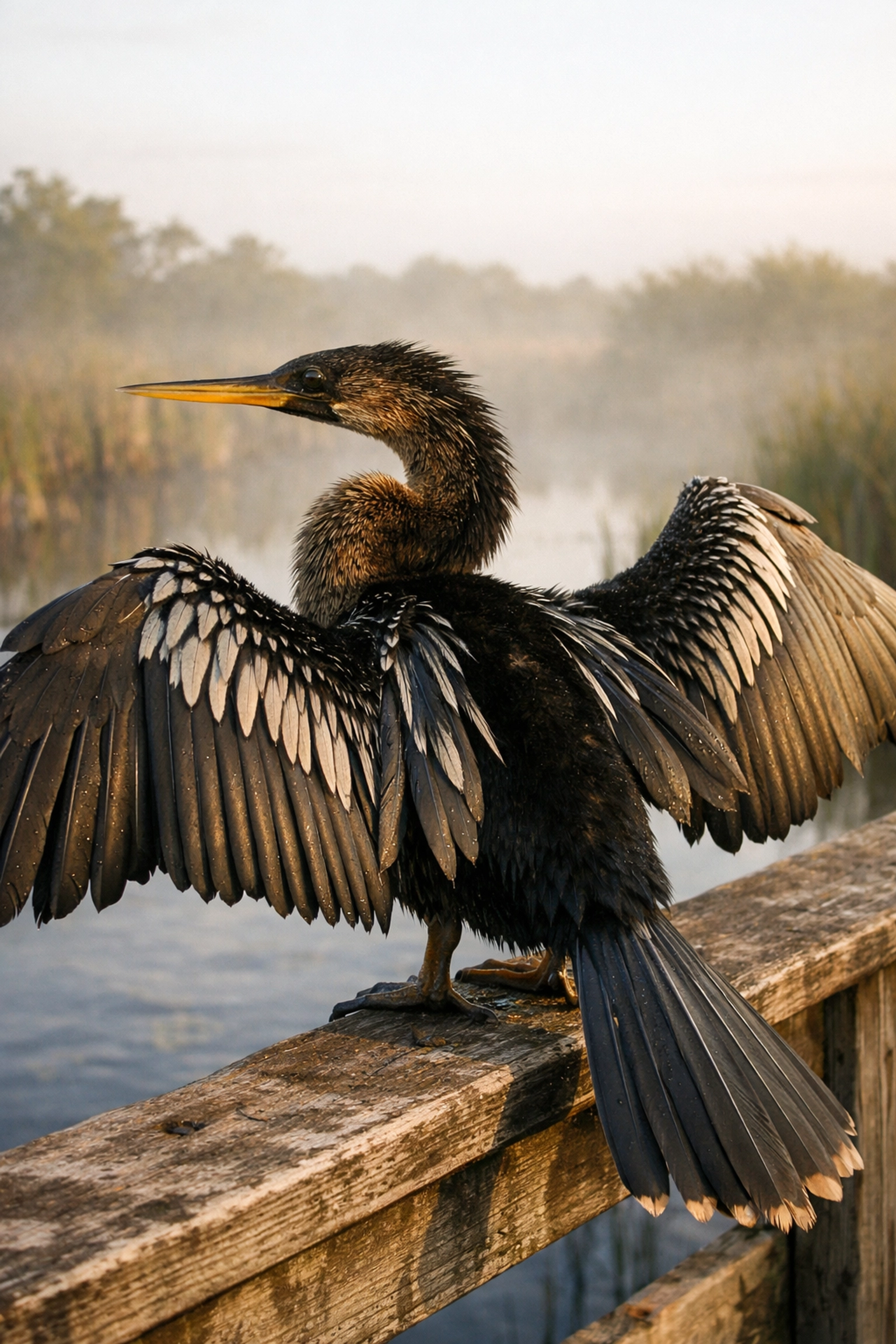
1. Anhinga Trail (The Gold Standard)
Just as you enter the park near the Royal Palm Visitor Center, the Anhinga Trail greets you as perhaps the most accessible and productive spot for wildlife photography in the Everglades. This self-guided boardwalk trail is legendary for a reason: the wildlife here is remarkably accustomed to human presence.
When you walk this path during the early morning hours, you are essentially stepping into a natural studio. You will find Anhingas drying their wings, Great Blue Herons stalking the shallows, and Alligators sunning themselves within mere feet of your lens. Because the birds are non-skittish, you can focus on capturing intricate details: the texture of a feather or the reflection in a reptile’s eye: without the need for extreme camouflage.
2. Shark Valley (The Heart of the Glades)
Located along the Tamiami Trail, Shark Valley offers you a 15-mile loop that cuts directly through the heart of the freshwater marsh. This location is unparalleled for landscape photography in the Everglades, especially if you make the journey to the 45-foot observation tower.
As you bike or take the tram along the loop, keep your eyes peeled for wading birds within 50 feet of the path. The elevation of the tower provides a panoramic perspective that allows you to capture the sheer scale of the sawgrass prairie. For the best results, arrive when the gates open at 8:30 AM to catch the soft morning light illuminating the alligators that frequently lounge right on the pavement.
| Feature |
Best For |
Recommended Lens |
| Observation Tower |
Panoramic Landscapes |
16-35mm Wide Angle |
| Tram Road |
Bird-in-flight & Gators |
100-400mm Zoom |
| Canal Edge |
Close-up Wildlife |
400mm+ Prime |
3. Pa-hay-okee Overlook
If your goal is to capture the quintessential "River of Grass," Pa-hay-okee is your destination. The short boardwalk leads you to a raised platform that overlooks a vast expanse of sawgrass. This spot is a paradise for birders and landscape enthusiasts alike.
To maximize your success here, plan your visit for the late afternoon. With the sun behind you, the golden light hits the marsh, creating a high-contrast environment that makes the diverse bird species pop against the green and gold backdrop. This is the moment to use your Ultimate Lightroom Preset Collection to enhance those warm, swampy tones and bring out the true vibrance of the ecosystem.
4. Eco Pond at Flamingo
As you drive all the way south to the Flamingo area, you encounter Eco Pond. This location stands out for its sunset silhouettes. During the winter months, when water levels drop, the pond becomes a magnet for waterfowl.
You will likely encounter Roseate Spoonbills and Black-necked Stilts feeding in the shallows. The key here is patience; as the sun begins to dip, the sky transforms into a canvas of pinks and purples, providing the perfect backlight for dramatic bird silhouettes. Your experience at Eco Pond will be a highlight of your trip, offering a sense of isolation and peace that is hard to find elsewhere.
5. Mrazek Pond
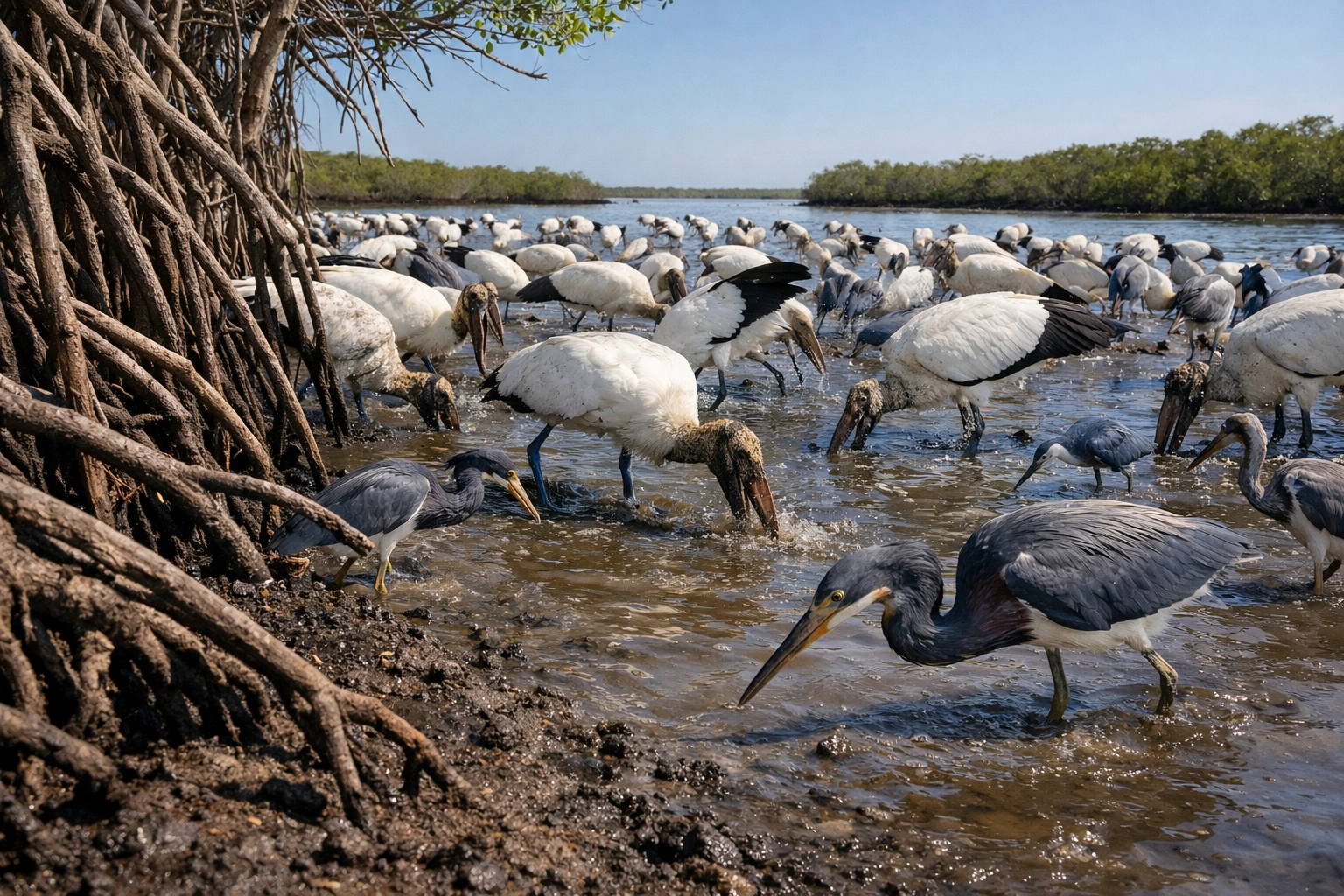
From late February into mid-March, Mrazek Pond becomes one of the most concentrated Everglades photography locations for wading birds. As the dry season progresses, the receding water traps fish in small pools, creating a feeding frenzy that is a dream for any wildlife photographer.
You can expect to see Wood Storks, Tricolored Herons, and Snowy Egrets in staggering numbers. This is where your technical skills are put to the test. Managing the bright whites of the egrets against the dark mangroves requires precision, but the result is a professional, fine-art quality image that you would be proud to display on Edin Fine Art.
6. Nine Mile Pond Canoe Trail
For the more adventurous photographer, the Nine Mile Pond Canoe Trail offers a perspective that few tourists ever see. By taking a kayak or canoe into the shallow waters, you immerse yourself in the aquatic life and hidden rookeries.
Navigating through the mangrove tunnels and open marl prairies allows you to photograph reflections that are smooth as butter. If you are lucky, you might even spot "Croczilla," a massive American crocodile that frequents this area. Capturing a 14-foot predator from the low angle of a kayak will undoubtedly be the crown jewel of your wildlife photography in the Everglades.
7. Mahogany Hammock
Stepping into Mahogany Hammock feels like entering another world. This ancient hardwood forest offers a stark contrast to the open marshes. Here, you swap the wide-angle landscapes for tight, textured shots of the forest floor and canopy.
Your lens will find Barred Owls, Woodpeckers, and even the occasional raccoon hiding among the ferns. The light play through the dense canopy creates a moody, ethereal atmosphere. To ensure your shots look their best, check out the resources at Edin Chavez Photography for tips on shooting in low-light forest conditions.
8. Wakodahatchee Wetlands
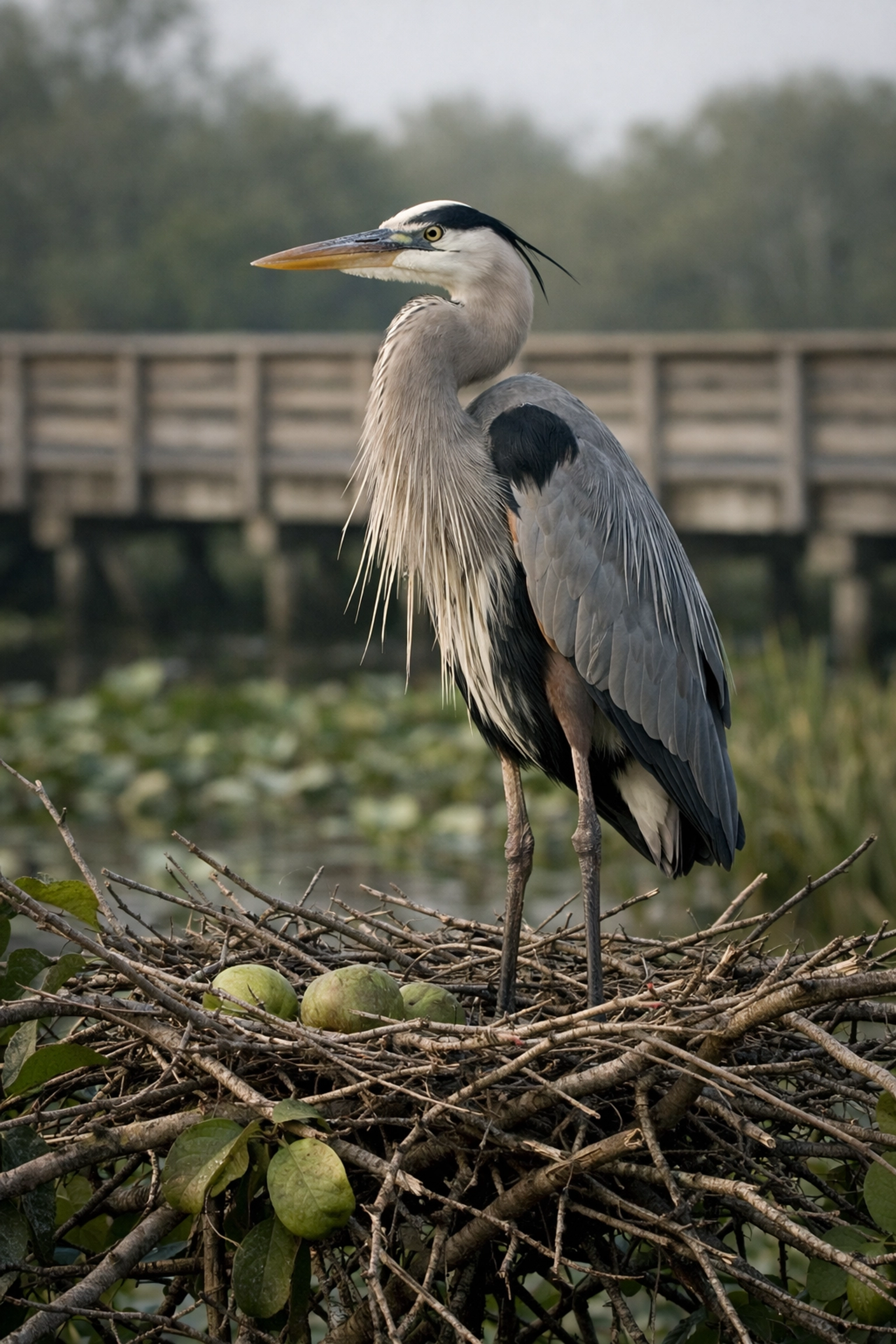
While technically located in nearby Delray Beach, no photography trip to the region is complete without a visit to Wakodahatchee. This man-made sanctuary is one of the most prolific birding spots in Florida.
The boardwalk puts you right in the middle of the nesting action. You can photograph Wood Storks and Herons tending to their nests at eye level. This proximity provides an unmatched opportunity for behavioral shots. However, be mindful of the boardwalk vibrations; using a faster shutter speed ensures your images remain tack-sharp even when other visitors are walking by.
9. Big Cypress National Preserve
Connected ecologically to the Everglades, Big Cypress National Preserve offers a more rugged and wild experience. If you explore Loop Road or Sweetwater Strand, you are stepping into the territory of the Florida Panther and the Black Bear.
The 360-degree swamp views at Sweetwater Strand are breathtaking. You will often see otters swimming and catching food in the clear water. Because of the dark cypress canopy, you should be prepared to push your ISO to 2500 or higher. This dedication to capturing the raw, untouched beauty of the swamp is what separates a snapshot from a piece of fine art.
10. Flamingo Marina
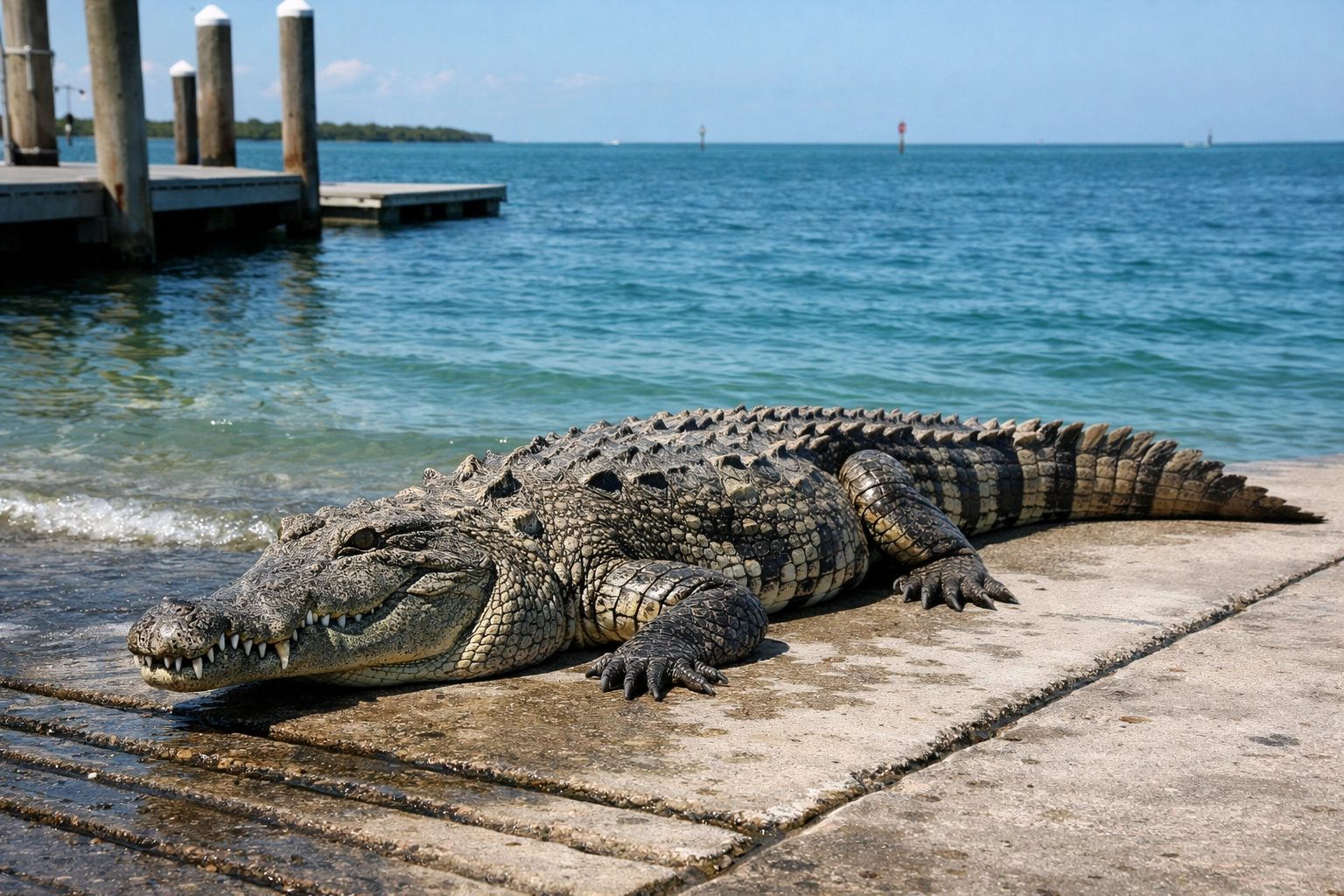
Your final stop should be the Flamingo Marina, the gateway to Florida Bay. This is the premier spot for documenting the American Crocodile, which can often be seen basking on the boat ramps.
Beyond the crocodiles, the marina is a hub for Manatees and Ospreys. The combination of salt and fresh water creates a biological crossroads that guarantees variety in your portfolio. Whether you are shooting from the docks or taking a boat tour into the backcountry, the Flamingo Marina ensures your trip ends on a high note.
Elevate Your Craft
The Everglades is a vast and sometimes intimidating environment. To truly master this landscape, you need a guide that breaks down the best times to visit, the exact GPS coordinates for hidden spots, and the settings required to handle the challenging Florida light.
You can find all of this and more in the Everglades Photography Guide. This comprehensive resource is designed to empower you to skip the guesswork and go straight to the locations that yield the best results.
Essential Tips for Your Visit:
- Timing is Everything: Arrive 30 minutes before sunrise. The first hour of light is your most valuable asset.
- Respect the Wildlife: Never feed or harass the animals. A respectful distance ensures natural behavior and better photos.
- Stay Hydrated: The Florida sun is unforgiving. Your physical comfort is directly tied to your creative stamina.
- Post-Processing: Use a consistent workflow. My Lightroom presets are a great way to start.
By integrating these locations into your itinerary, you are setting yourself up for success. The Everglades is a place of profound beauty and quiet power. With your camera in hand and the right guidance, you are ready to capture the breathtaking wildlife shots that define this incredible ecosystem.
For more inspiration and professional fine art prints, visit Edin Studios and explore the world through my lens. Hence, with these tools and locations at your disposal, your next trip to the Everglades will be nothing short of extraordinary.
As you step onto the sun-drenched pavement of Ocean Drive, you immediately realize that Miami is more than just a vacation destination; it is a visual playground designed for the lens. Whether you are a seasoned pro or just starting your journey, finding the best places to take pictures in miami can feel overwhelming given the sheer density of color and culture. This guide serves as your roadmap to mastering South Beach and beyond, ensuring you capture the world-class imagery your portfolio deserves.
At Edin Chavez Photography, we believe that every click should tell a story. While the city is vast, your success depends on knowing exactly where to be and when to be there. By the time you finish this guide, you will have a clear strategy for navigating miami photography locations like a local expert.
Why South Beach is Your Ultimate Photography Hub
Many photographers struggle with logistics, wasting precious golden hour light while stuck in traffic. South Beach eliminates this friction through its incredible walkability. When you choose to shoot here, you are choosing an environment where historic Art Deco facades, neon signage, and pristine waterfront vistas coexist within a few square blocks.
The density of miami photo spots in this neighborhood is unmatched. You can start your morning with a sunrise over the Atlantic and finish your evening under the glow of 1930s neon, all without ever needing a car. This efficiency allows you to focus entirely on your composition and light rather than navigating a GPS. For those who want to skip the guesswork and get straight to the best shots, joining a Private Miami Photography Tour is the most effective way to elevate your craft.
Iconic Shooting Locations You Can't Miss
Ocean Drive: The Heart of Art Deco
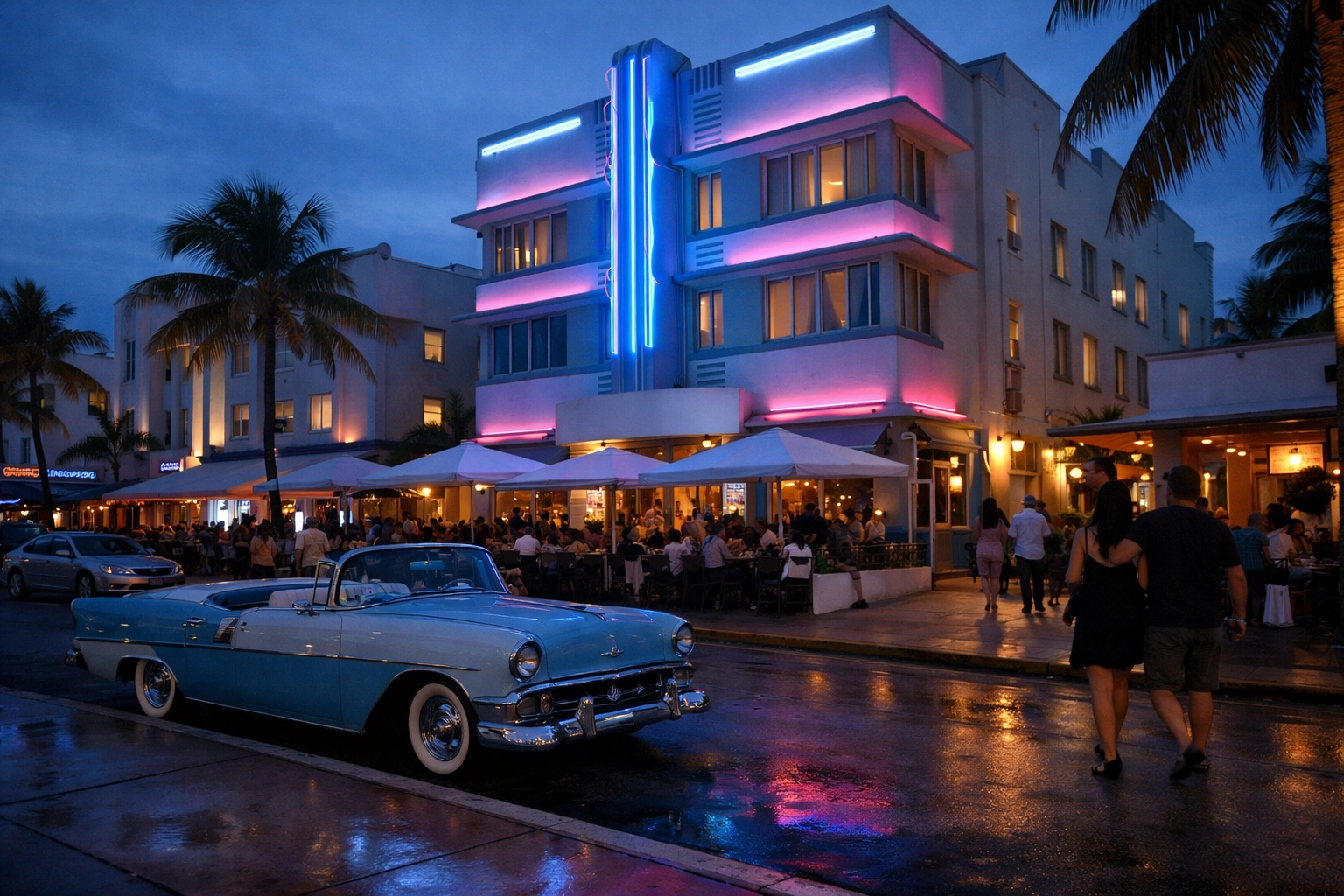
Ocean Drive is arguably the most recognizable photography spot in the world. As you walk this strip, you are surrounded by pastel-colored hotels and vintage cars that look as though they’ve been plucked from a film set.
To succeed here, you must understand the two critical windows of light:
- Early Morning: The sun rises over the ocean, casting direct, clean light onto the hotel fronts. This emphasizes the pastel tones and provides a crisp, high-end look to your architectural shots.
- Blue Hour: Just after sunset, the neon signs flicker to life. The ambient light remains high enough for handheld shooting, creating a high-contrast, cinematic atmosphere that is smooth as butter when processed with the Ultimate Lightroom Preset Collection.
South Pointe Park and Pier
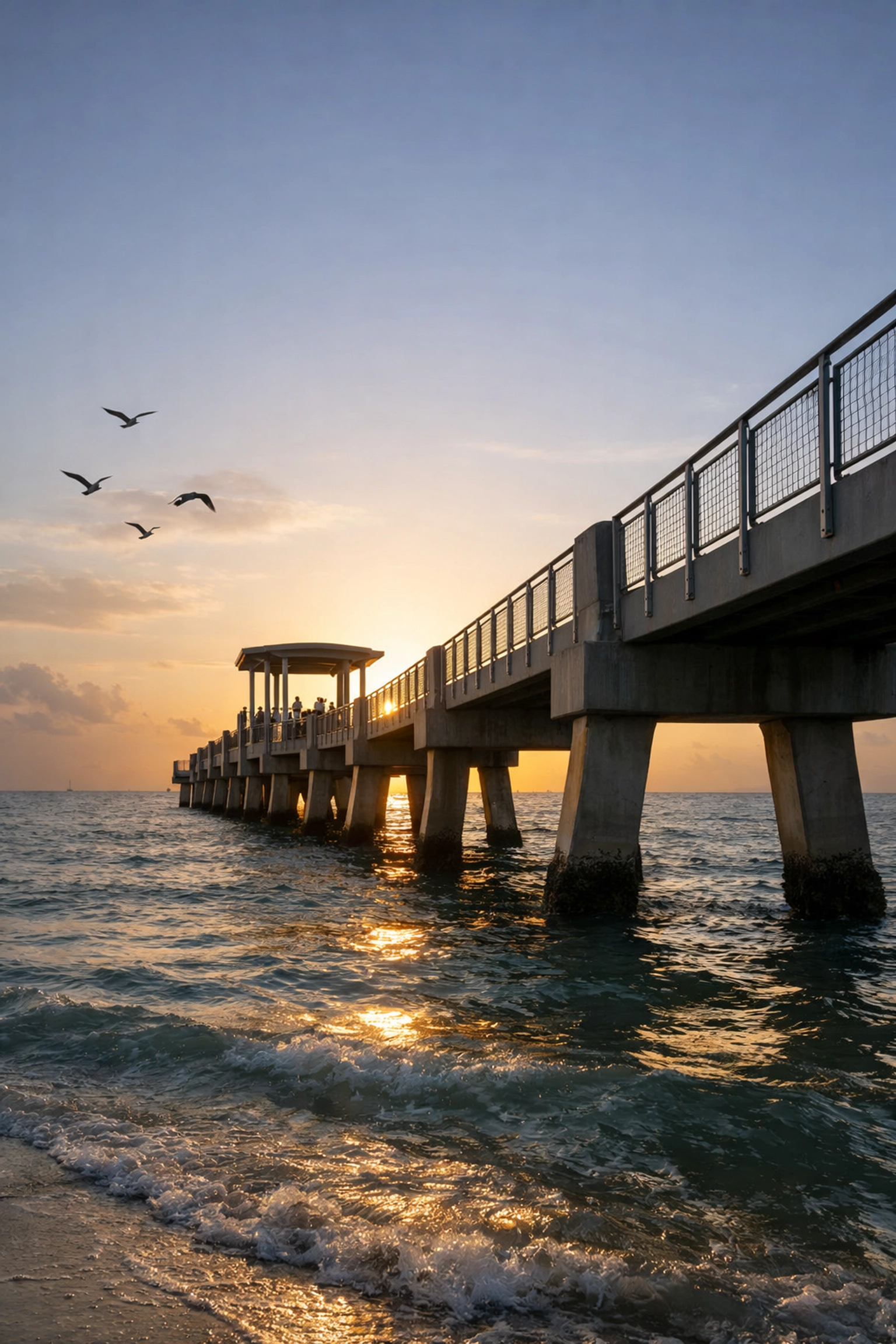
If you are looking for diversity in a single location, South Pointe Park is your destination. Located at the southern tip of the island, it provides a panoramic view that includes the Miami skyline, the vast Atlantic, and the massive cruise ships navigating Government Cut.
The pier offers a stable concrete walkway for long exposures of the tide, while the nearby grassy boardwalk is perfect for lifestyle and street photography. If you venture onto the rock jetty for a more dramatic angle, exercise caution; the surfaces can be slick, but the perspective it provides of the waves crashing against the shore is unparalleled.
| Feature |
Best Time to Shoot |
Visual Benefit |
| Ocean Drive Neon |
Blue Hour |
Vibrant colors and cinematic mood |
| South Pointe Pier |
Sunset |
Skyline silhouettes and water movement |
| Lifeguard Stands |
Sunrise |
Golden light and empty beaches |
| Art Deco Architecture |
8:00 AM |
Crisp shadows and true pastel colors |
Exploring the Artistic Soul: Wynwood and the Design District
While South Beach offers the classic Miami vibe, your portfolio isn’t complete without the grit and glamour of the mainland. Just a short drive across the bridge: which you can easily navigate with our Miami Self-Driving Photography Guide: lies Wynwood and the Miami Design District.
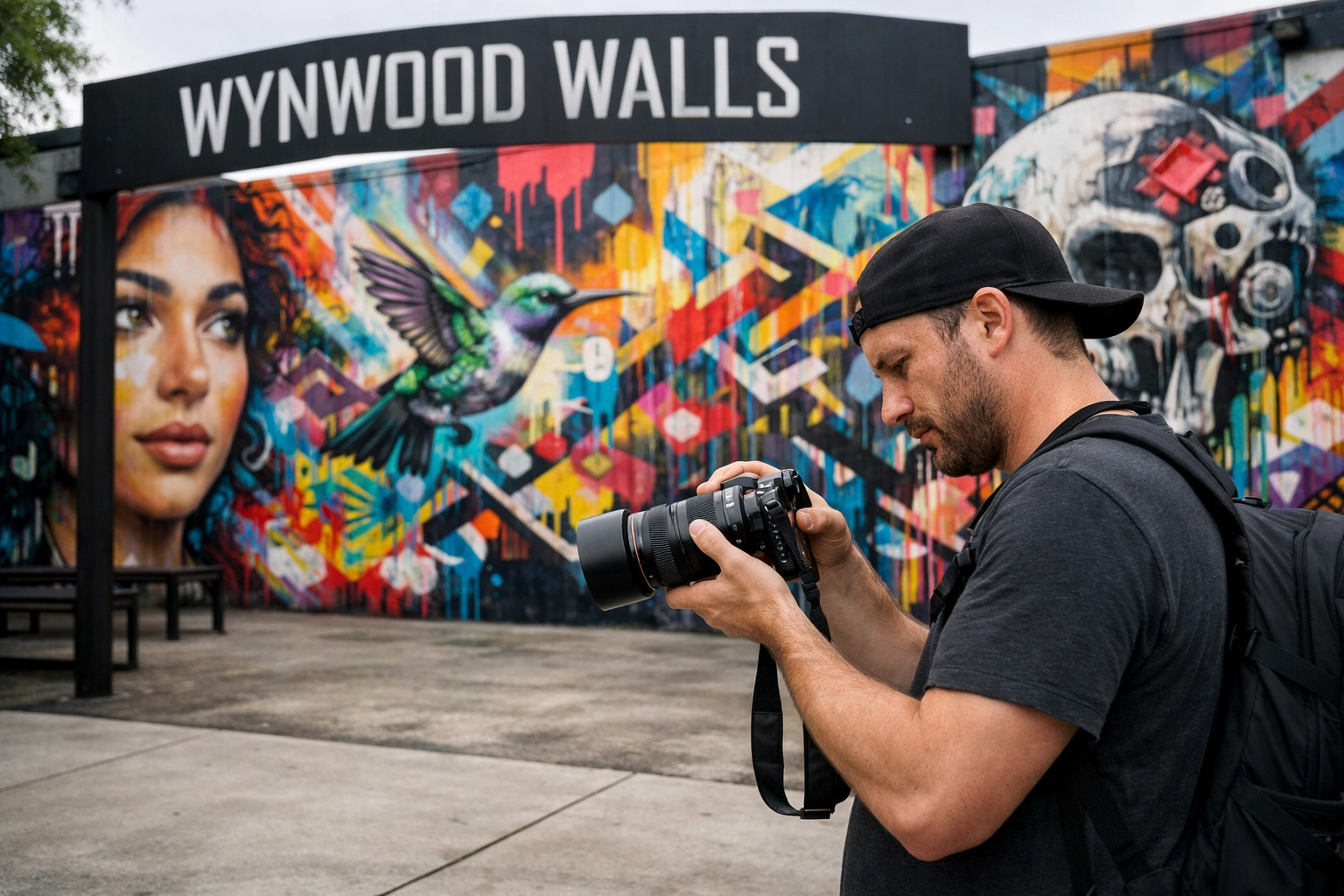
Wynwood Walls is a mecca for street-art-focused photography. The bold, colorful murals provide a dynamic backdrop that works exceptionally well for high-fashion or urban portraiture. Meanwhile, the Miami Design District offers a more refined, architectural aesthetic. With its avant-garde installations, such as the Buckminster Fuller Fly’s Eye Dome and the colorful "The Betsy Orb," it provides a sophisticated edge to your collection of miami photography locations.
Hidden Gems and Specialized Spots
Beyond the famous landmarks, Miami hides several specialized spots that ensure your work stands out from the crowd.
- Colorful Lifeguard Stands: Stretching all along the coast, these unique structures act as perfect foreground elements. Each one has a different design and color palette, allowing you to create a cohesive series of images that scream "Miami."
- The Versace Villa: Located at 1116 Ocean Drive, the former home of Gianni Versace is a masterpiece of Mediterranean Revival architecture. The intricate mosaic tiles and gold-inlaid details provide a level of luxury that is difficult to find elsewhere.
- Vizcaya Museum and Gardens: For a romantic, European feel, this historic estate is a must. The gardens are meticulously maintained, offering endless compositional opportunities for wedding, engagement, or fine art photography. You can see how these locations translate into world-class art by visiting Edin Fine Art.
Mastering the Technical Side of Miami
The tropical light in Florida is beautiful but can be harsh. To succeed, you must adapt your technical approach. High humidity can sometimes fog your lenses when moving from an air-conditioned car to the outdoors, so give your gear time to acclimate.
Using professional tools ensures your images reach their full potential. We recommend our Ultimate Lightroom Preset Collection to help balance the intense Miami highlights and bring out the rich saturation of the Caribbean-colored waters. Whether you are shooting for a client or your own gallery at Edin Studios, post-processing is where the magic truly happens.
Why You Need a Private Miami Photography Tour
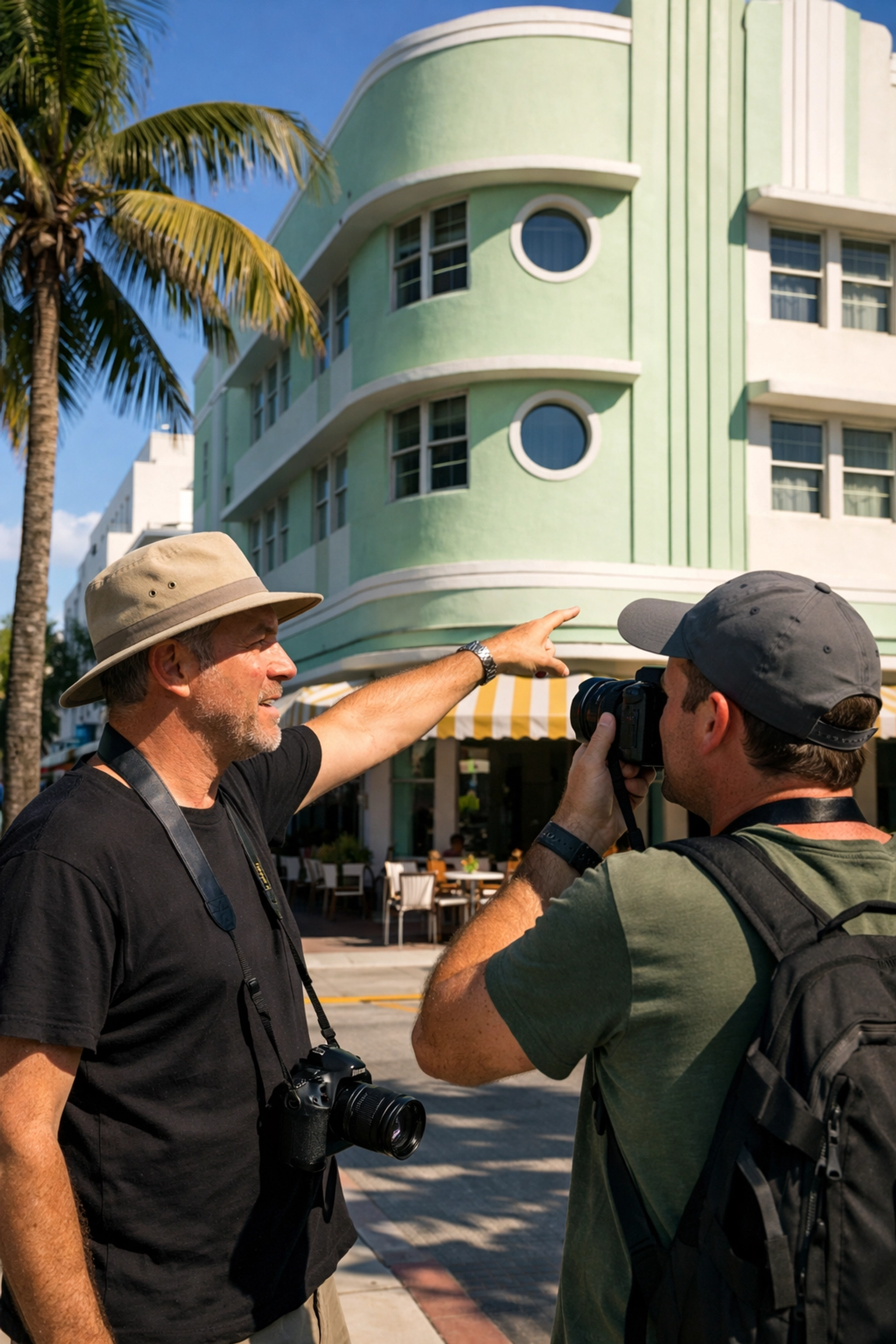
You could spend days trying to find these spots on your own, or you could spend a few hours with a professional who knows the city's heartbeat. Our Private Miami Photography Tour is designed to propel your skills forward. We don't just show you where to stand; we teach you how to see the light, how to compose for maximum impact, and how to capture the soul of the city.
This tour is a dedicated investment in your passion. We handle the logistics, the timing, and the locations, leaving you free to do what you do best: create art. This is your chance to gain insider knowledge that isn't available in any guidebook.
Final Considerations for Your Miami Session
As you plan your shoot, remember that Miami is a city of constant change. What was a blank wall yesterday might be a world-class mural today. Staying flexible and observant is key to your success.
With these locations and tips, you are well on your way to conquering the best places to take pictures in miami. Your journey through the Art Deco streets, the lush gardens of Vizcaya, and the neon-soaked nights of South Beach will result in a body of work that is both professional and breathtaking.
Hence, whether you are utilizing our Miami Self-Driving Photography Guide or joining us for a Private Miami Photography Tour, the most important thing is to get out there and start shooting. The light is waiting for you. For more inspiration and technical guides, keep exploring our blog and see how we turn these locations into fine art.
As you begin your journey into the world of high-end art collecting, you quickly realize that not all prints are created equal. Many people mistake a high-resolution photo for a gallery-ready piece, but the difference between a standard poster and museum quality prints is as vast as the Atlantic. Whether you are looking to elevate your home decor or building a portfolio of limited edition photography prints, understanding the technical nuances ensures your investment retains its value and beauty for generations.
At Edin Chavez Photography, we believe that art is an experience that should last a lifetime. When you buy a piece from our Fine Art collection, you aren't just buying paper and ink; you are acquiring a masterwork crafted with the highest industry standards. To help you navigate this complex market, we have compiled the ten essential things you must know before making your next purchase.
1. Insist on Pigment-Based Inks
The most critical question you can ask an artist or a gallery is whether they use pigment-based inks. While standard home or commercial printers often use dye-based inks, these are prone to fading within just a few years.
Pigment inks consist of tiny particles of color suspended in a liquid. These particles are naturally resistant to UV light and environmental factors. When you invest in archival prints, you are ensuring that the colors you see today: the vibrant teals of a Miami coastline or the deep oranges of a desert sunset: remain exactly the same fifty years from now. At Edin Studios, we never compromise on this, as pigment-based inks are the bedrock of museum-grade longevity.
2. Verify Archival Paper Standards
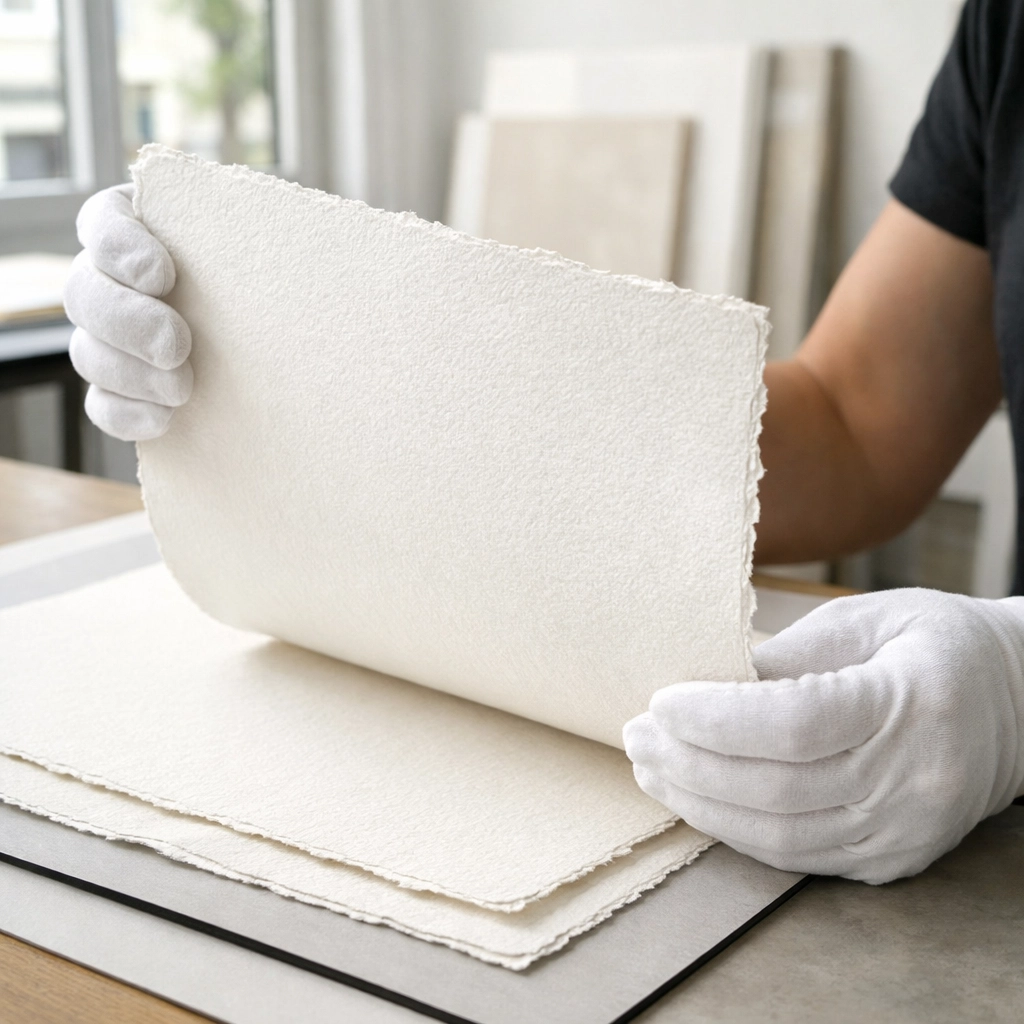
Just as the ink matters, the "canvas" it sits on is equally important. To be considered museum quality, the paper must be acid-free and lignin-free. Lignin is a natural component of wood pulp that, if left in the paper, causes it to yellow and become brittle over time (think of an old newspaper).
You should look for papers made from 100% cotton rag or high-grade alpha cellulose. These materials are chemically stable and meet the rigorous archival standards required by museums and curators worldwide. Brands like Hahnemühle and Canson Infinity are the gold standards we use to ensure your art stands the test of time.
3. The Power of Giclée Printing
You will often see the term "Giclée" used in the fine art world. Derived from the French word "gicler" (to spray), this method is the gold standard for high-end reproduction. A Giclée printer uses a sophisticated inkjet process capable of spraying millions of microscopic droplets of pigment ink with incredible precision.
This technique allows for a much wider color gamut and smoother tonal transitions than traditional offset printing. If you want your limited edition photography prints to have the depth and soul of the original scene, Giclée is the only way to go. It’s how we achieve that signature "glow" in our landscape pieces.
4. Exceptional Color Accuracy
Museum-quality prints must faithfully reproduce the artist's original vision. This requires an incredible level of color management and calibration throughout the entire workflow. It’s not just about making colors "pop"; it’s about accuracy in skin tones, clean whites, and subtle gradations in a morning sky.
When you look at a high-value print, you shouldn't see "banding": those distinct lines where one color abruptly shifts to another. Instead, you should see a seamless transition of light and shadow. For those looking to master their own color work before printing, our Ultimate Lightroom Preset Collection is designed to help you achieve that professional, balanced look.
| Feature |
Standard Print |
Museum Quality Print |
| Ink Type |
Dye-based (fades quickly) |
Pigment-based (archival) |
| Paper |
Wood pulp / Coated paper |
Acid-free / 100% Cotton Rag |
| Longevity |
5–10 years |
100+ years |
| Color Depth |
Limited range |
Wide Gamut (Giclée) |
| Authentication |
Often none |
Certificate of Authenticity (COA) |
5. Resolution and Sharpness
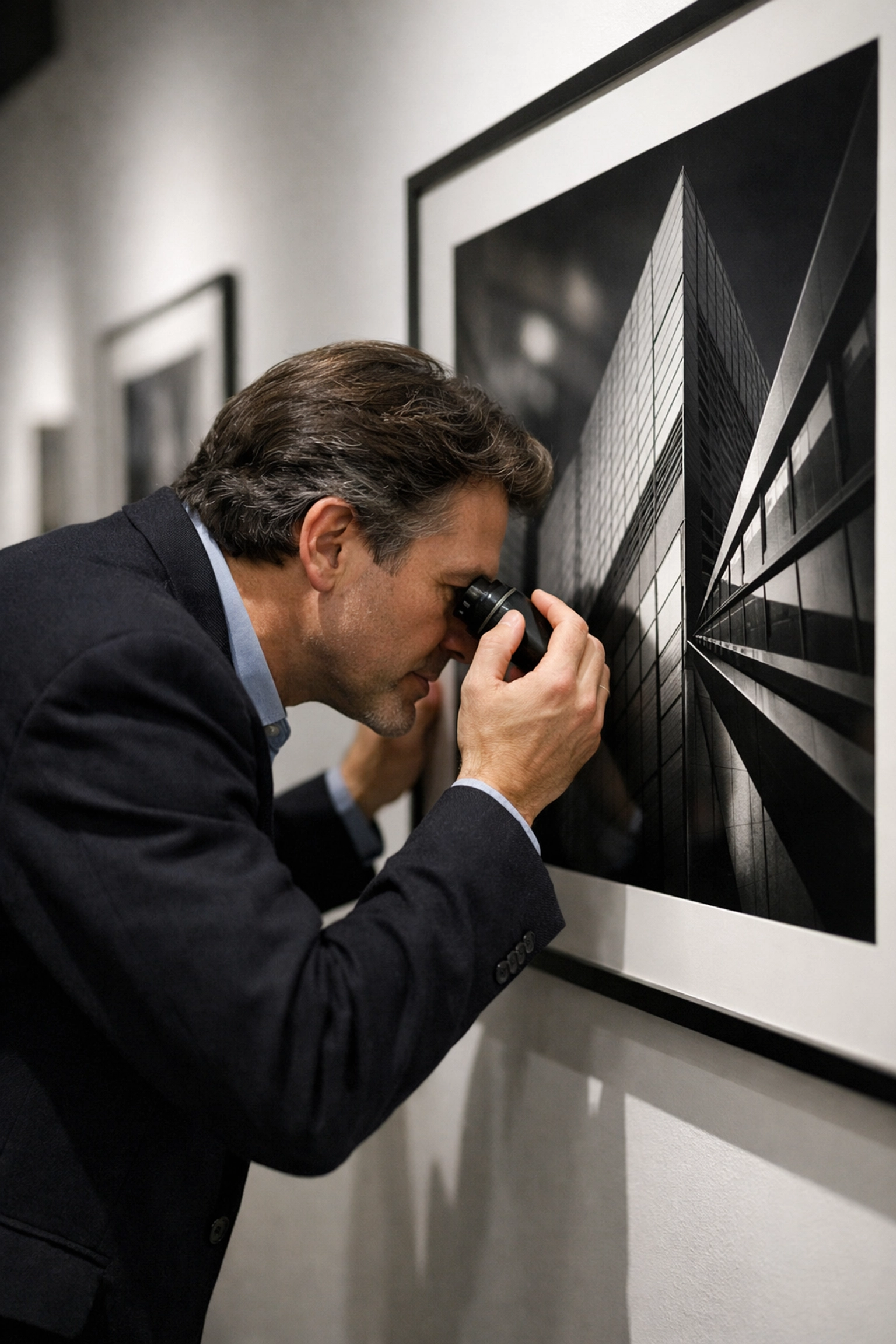
Your art should look just as good from six inches away as it does from across the room. High-quality prints maintain crisp details and sharp edges without any visible pixelation or "dots" from the printing process.
As a collector, you should inspect the fine details. Are the edges of a building sharp? Can you see the texture in a bird's feathers? If the print looks "soft" or blurry, it wasn't captured or printed at a high enough resolution. This is a hallmark of the premium work we offer at Edin Chavez Photography.
6. Paper Weight and Texture
The physical "heft" of the paper tells you a lot about its quality. We measure this in GSM (grams per square meter). While a standard photo might be printed on 170gsm paper, museum-quality fine art papers are typically 300gsm or higher.
The texture also plays a role in how you experience the art. A smooth "Photo Rag" offers a classic look, while a textured "Torchon" paper can add a three-dimensional quality to the image. When you hold a high-value print, it should feel substantial and luxurious, not flimsy like a flyer.
7. Black Density (D-Max)
In the world of fine art, we talk a lot about "D-Max." This refers to the deepest, richest black a printer and paper combination can produce. A high D-Max ensures that your shadows aren't just "dark grey," but deep, soul-stirring blacks that provide contrast and make the other colors sing.
Without proper black density, a photograph can look flat and muddy. Museum-quality prints maintain detail even in the darkest parts of the image, allowing you to see the subtle textures within a shadow.
8. Durability and Longevity
One of the main reasons collectors pay a premium for archival prints is the guarantee of longevity. While a cheap print might start to shift in color after five years, a museum-quality print is engineered to last 100 to 200 years when kept under proper conditions.
This longevity is what makes photography a true heirloom. By choosing archival materials, you are ensuring that your investment remains a valuable asset for your children and grandchildren. This is a core pillar of how we operate at Edin Studios.
9. Limited Editions and Certificates of Authenticity
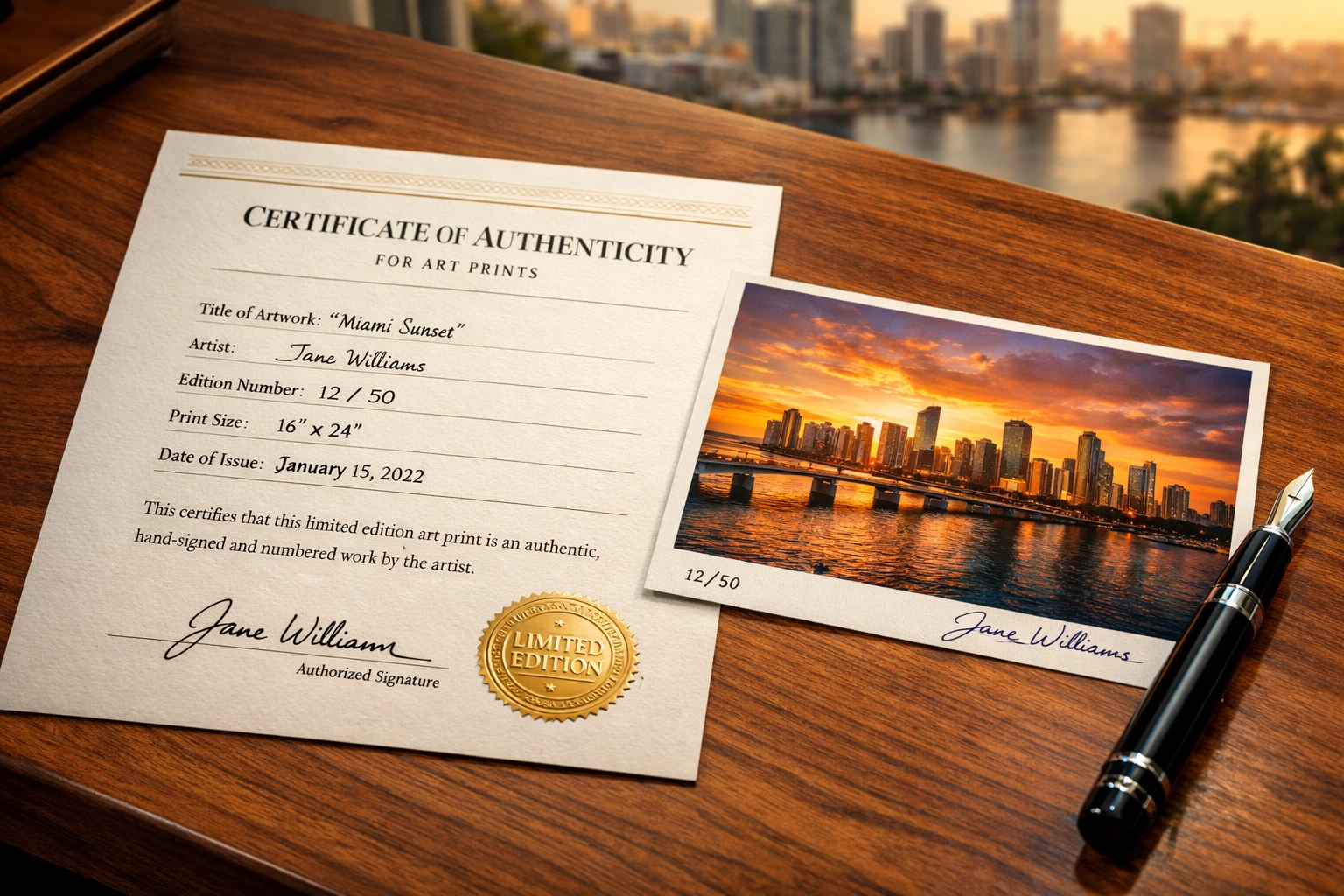
If you are interested in how to sell fine art photography prints in the future, rarity is your best friend. Limited edition prints are only produced in a set number (e.g., 1 of 50), which creates scarcity and increases value over time.
Every high-value purchase must come with a certificate of authenticity for art prints. This document serves as the "title" to your artwork. It should include the artist's signature, the print number, the date, and the specific materials used. Without this, the resale value of your piece could be significantly diminished. At Edin Chavez Fine Art, every limited edition piece is hand-signed and accompanied by a formal COA.
10. Trust Established Brands and Galleries
Finally, your piece's provenance and the reputation of where you buy it matter. Trusted galleries and established artists have a reputation to uphold. They use the best labs, the best papers (like Hahnemühle or Moab), and the most rigorous quality control.
Before you buy, check the artist's history. Do they provide detailed information about their printing process? Do they offer a variety of sizes and mounting options? Working with a reputable name like Edin Chavez ensures you aren't just getting a "picture," but a curated piece of fine art photography.
Why Quality Matters for Your Collection
Choosing museum-quality prints is about more than just aesthetics; it’s about respecting the medium and protecting your financial investment. When you see a piece that moves you, you want that emotion to be preserved exactly as it is for the rest of your life.
By insisting on pigment inks, archival papers, and proper certification, you are elevating your collection to the level of a gallery or museum. If you're looking to start your collection today, browse our latest limited edition releases and see the difference that true quality makes.
With these considerations in mind, you are now equipped to navigate the fine art market with confidence. Whether you are a first-time buyer or a seasoned curator, focusing on these ten pillars will ensure that every piece you hang on your wall is a masterpiece of both art and technology. Hence, your journey into collecting becomes not just a hobby, but a legacy.


