
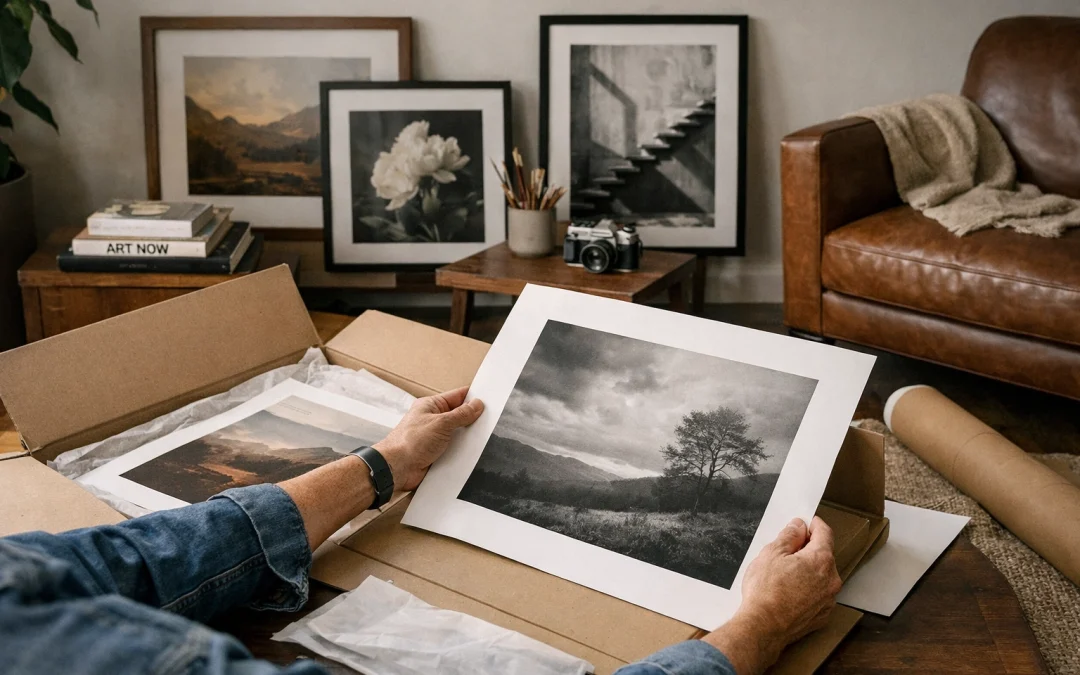
Just as a master chef selects the finest organic ingredients to create a Michelin-star meal, a professional photographer chooses specific materials to ensure their work stands the test of time. When you step into the world of high-end art collecting, you aren’t just buying a "picture." You are investing in a piece of history. Whether you are a seasoned curator or someone looking to buy your first high-value piece, understanding the nuances of museum quality prints is the key to building a collection that retains its soul: and its value: for decades.
At Edin Chavez Photography, we believe that art should be more than a temporary decoration. It should be a legacy. In this guide, I’m going to walk you through everything you need to know about archival standards, limited editions, and why the right paper can make the difference between a fading memory and a timeless masterpiece.
What Exactly is a Museum Quality Print?
When you hear the term "museum quality," it isn’t just marketing fluff. It refers to a specific technical standard that ensures the artwork remains vibrant and structurally sound for over 100 years. Most standard prints you find at big-box retailers use dye-based inks on cheap wood-pulp paper. Within five to ten years, those colors will shift, the whites will yellow, and the image will lose its punch.
Archival prints, on the other hand, are engineered for longevity. They utilize two primary components: pigment-based inks and acid-free substrates. By choosing these materials, you are ensuring that the deep blacks, subtle shadows, and vibrant hues I captured in the field look exactly the same when your grandchildren inherit the piece as they do the day you hang it on your wall.
The Three Pillars of Archival Quality
To truly understand what you are adding to your collection, you need to look at these three factors:
- Archival Stability: This is the print's ability to resist fading, yellowing, and cracking. High-grade materials are chosen specifically for their resistance to light, humidity, and atmospheric pollutants.
- Color Fidelity: This ensures the print faithfully reproduces the original image's tones. We’re talking about smooth gradations in a Miami sunset and deep, rich textures in a black-and-white landscape.
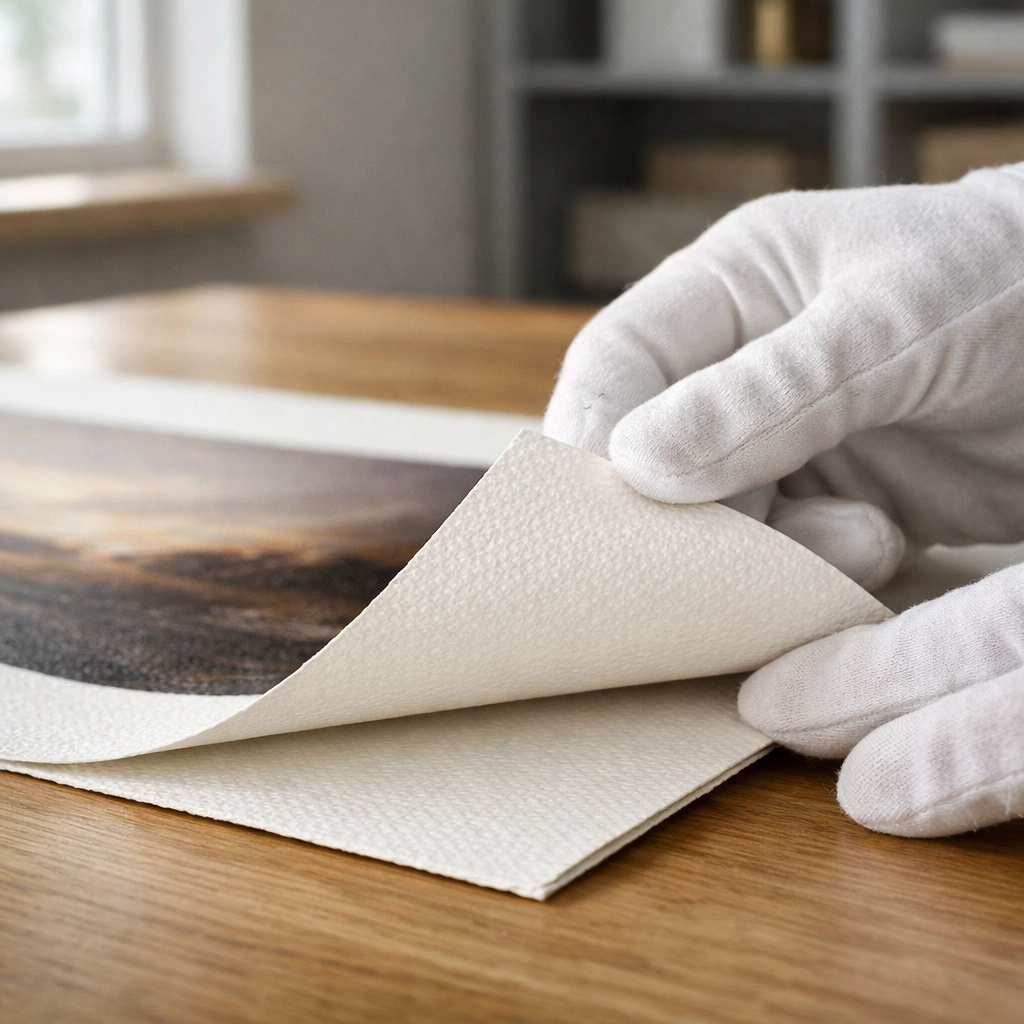
- Premium Substrates: Whether it is 100% cotton rag paper, museum-grade canvas, or archival metal, the base material must be acid-free and lignin-free to prevent chemical degradation over time.
The Magic of Giclée: The Gold Standard
If you are looking to buy or learn how to sell fine art photography prints, you must become familiar with the term Giclée (pronounced "zhee-klay"). Derived from the French word meaning "to spray," this process involves high-resolution inkjet printers that apply millions of microscopic droplets of pigment-based ink with surgical precision.
Unlike mass-produced offset printing, Giclée printing allows for an incredible range of colors (gamut) and a level of detail that is virtually indistinguishable from the original digital file or film negative. When you view one of our prints at Edin Fine Art, you’ll notice the crisp edges and the absence of the "dot pattern" found in lower-quality reproductions.
| Feature | Standard Print | Museum Quality (Giclée) |
|---|---|---|
| Ink Type | Dye-based (fades quickly) | Pigment-based (archival) |
| Paper | Wood pulp (acidic) | 100% Cotton Rag / Alpha Cellulose |
| Longevity | 5–15 years | 100–200+ years |
| Detail | Lower resolution, visible dots | High resolution (300 DPI+), smooth tones |
| Value | Decorative/Disposable | Collectible Investment |
Why Limited Edition Photography Prints Matter
For a collector, rarity is a primary driver of value. While open edition prints can be beautiful, limited edition photography prints are what truly build a high-value art collection. When an artist limits a run: say, to only 50 or 100 prints: they are creating scarcity. Once those 100 prints are sold, that’s it. No more will ever be produced in that size or format.
This scarcity propels the value of your investment. As an artist’s career grows and the "sold out" signs appear on certain editions, the secondary market value for those specific pieces often increases. If you’re browsing our latest collections, always look for the edition number. It tells you exactly where your piece sits in the lineage of that particular vision.
The Golden Ticket: Certificate of Authenticity for Art Prints
Never buy a high-value print without a certificate of authenticity for art prints (COA). Think of this as the title to your car or the deed to your house. A COA is a formal document signed by the artist (that’s me!) or the gallery, verifying that the work is genuine, stating the edition number, and detailing the archival materials used.
Your COA should include:
- The title of the artwork.
- The artist's name.
- The edition number (e.g., 5/50).
- The date of production.
- The specific paper and ink types used.
- The artist’s signature.
This document is essential if you ever decide to work with curators or sell your piece at auction. It provides the provenance and peace of mind that every serious art buyer requires. You can find more about how we handle these documents on our sitemap or by checking out our fine art categories.
Choosing the Right Substrate for Your Space
Not all museum quality prints are on paper. Depending on the vibe of your home or office, you might prefer different finishes. Here is how you can choose what fits your aesthetic:
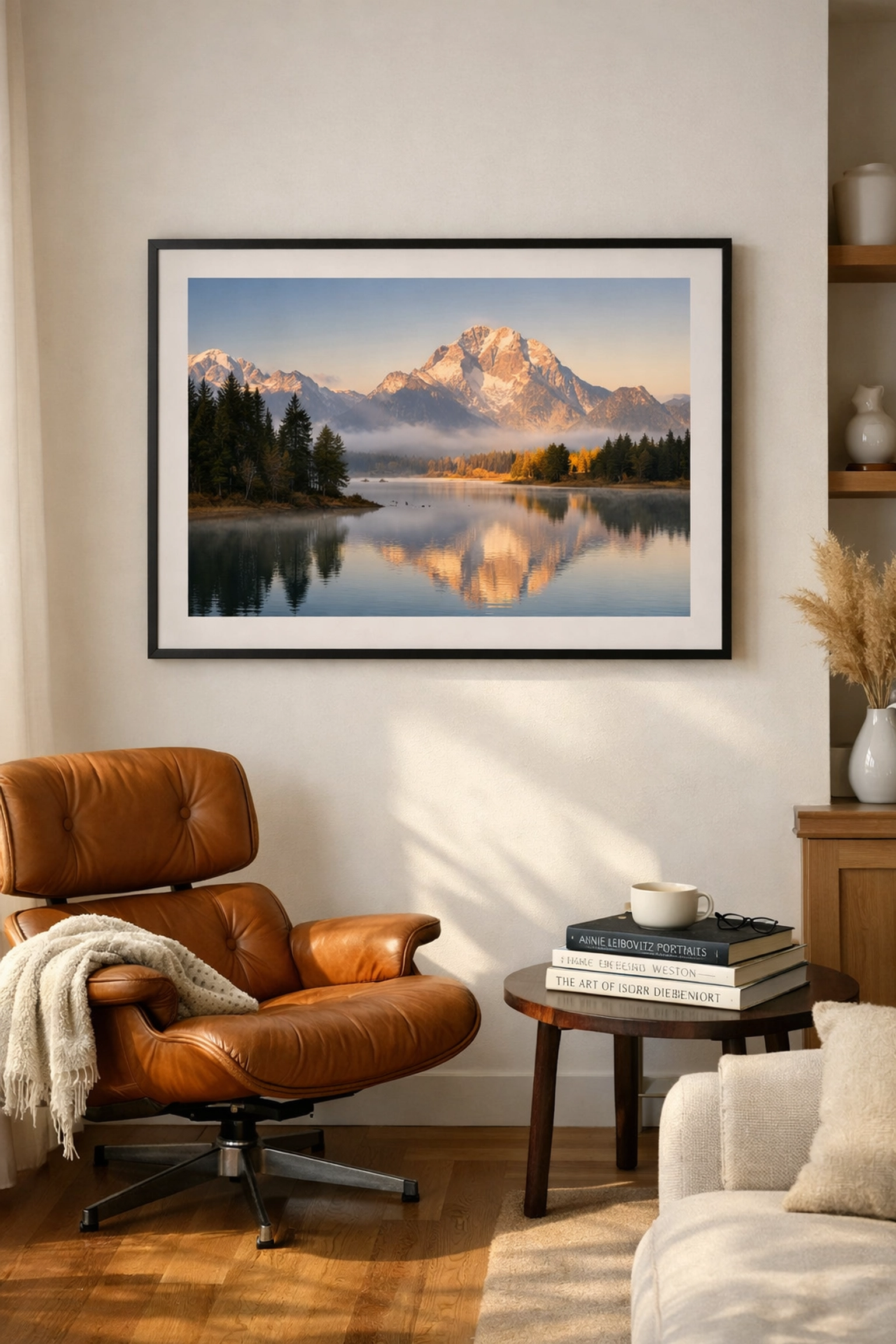
- Cotton Rag Paper: This is the classic choice. It has a matte finish, a heavy weight (usually 300gsm or more), and a tactile texture that feels expensive. It’s perfect for detailed landscapes where you want the viewer to feel like they can step into the frame.
- Archival Metal (Sublimation): For a modern, sleek look, metal prints are unparalleled. The dyes are infused directly into a specially coated aluminum sheet. They are incredibly durable, easy to clean, and offer a vibrant, almost 3D depth.
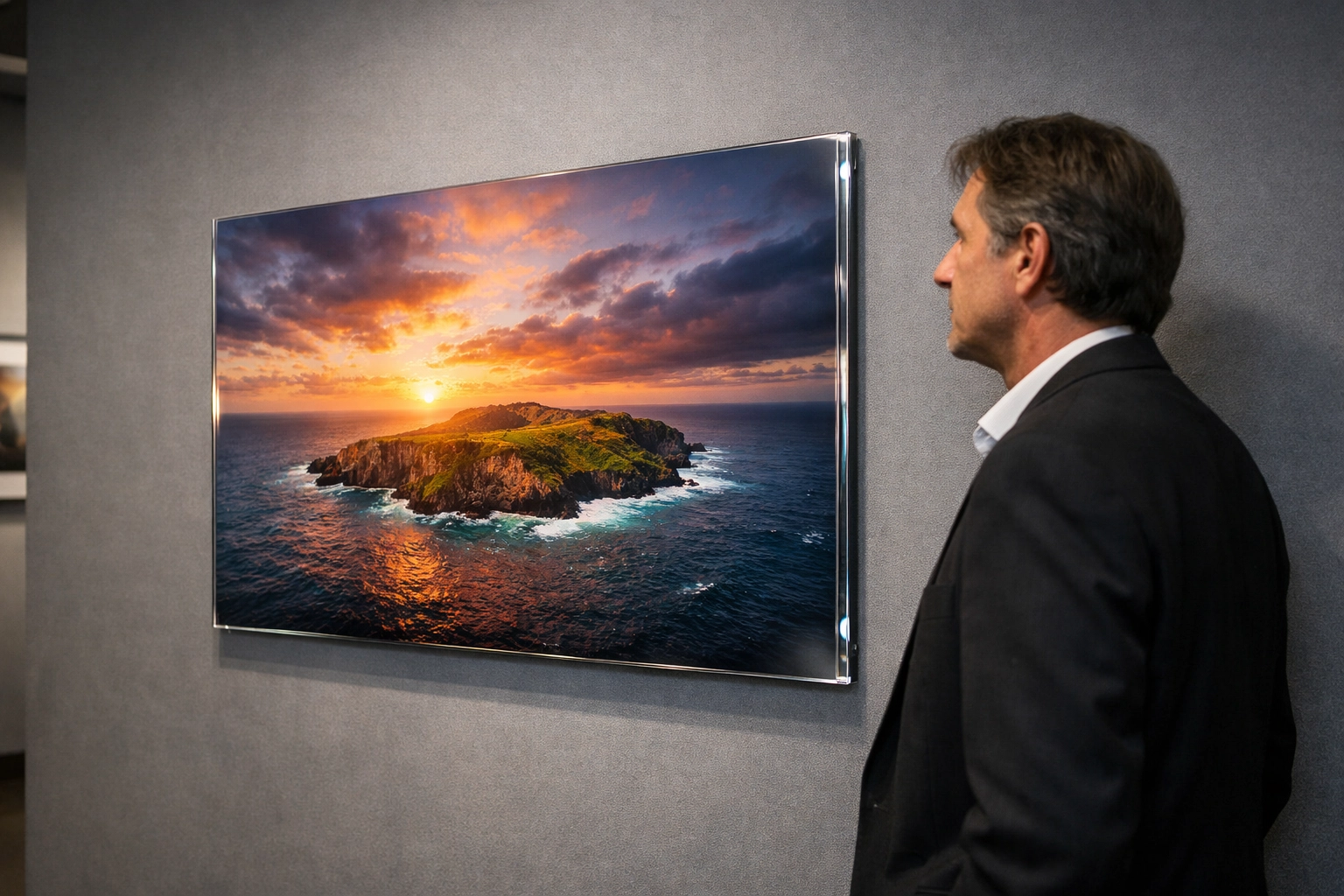
- Acrylic Face-Mount: If you want the "wow" factor, this is it. The print is mounted behind a thick layer of gallery-grade acrylic, which enhances color and provides a stunning, high-gloss finish often seen in high-end galleries in Miami and New York.
If you are looking for inspiration on where to see these types of finishes in person, check out our guide on the best photography spots in Miami.
Protecting Your Investment
Once you have acquired a museum-quality piece, your job is to protect it. Even the best archival prints can be damaged by improper handling or poor environmental conditions. Here are a few "pro tips" for your collection:
- Avoid Direct Sunlight: Even with UV-protective glass, constant direct sunlight will eventually take a toll. Position your art on walls that receive indirect light.
- Use Museum Glass: If you are framing a paper print, ask for Tru Vue Museum Glass. It’s virtually invisible and blocks 99% of harmful UV rays.
- Control the Climate: Extreme shifts in humidity and temperature can cause paper to "ripple" (cockling). Keep your art in a stable, climate-controlled environment.
- Hands Off: The oils on your skin can actually damage fine art paper. Always handle your prints with white cotton gloves until they are safely behind glass.
How to Sell Fine Art Photography Prints (The Secondary Market)
If you’ve built a collection and are considering liquidating a few pieces, or if you’re an artist looking to break into the market, you need to understand the ecosystem. Selling high-value prints isn't about hitting "post" on social media; it’s about relationship-building and provenance.
To sell successfully, you must have all your documentation (the COA) and the print must be in pristine condition. Working with reputable galleries or platforms like Edin Chavez Photography ensures that your work is positioned in front of the right curators and collectors who value quality over a bargain.
Building Your Legacy
Collecting art is a journey that reflects your personal taste and your appreciation for the finer things in life. By focusing on museum quality prints, you aren’t just decorating a wall; you are curating an experience that will last for generations. From the technical precision of Giclée printing to the security of a certificate of authenticity, every detail matters.
Whether you are looking for a striking centerpiece for your living room or a strategic investment for your portfolio, always demand the best materials. Your art: and your legacy: deserve nothing less.
Explore our latest limited editions and start your collection today at Edin Fine Art or dive deeper into the world of photography on our blog.
With these considerations in mind, you are now equipped to navigate the art world like a pro. Happy collecting!


