
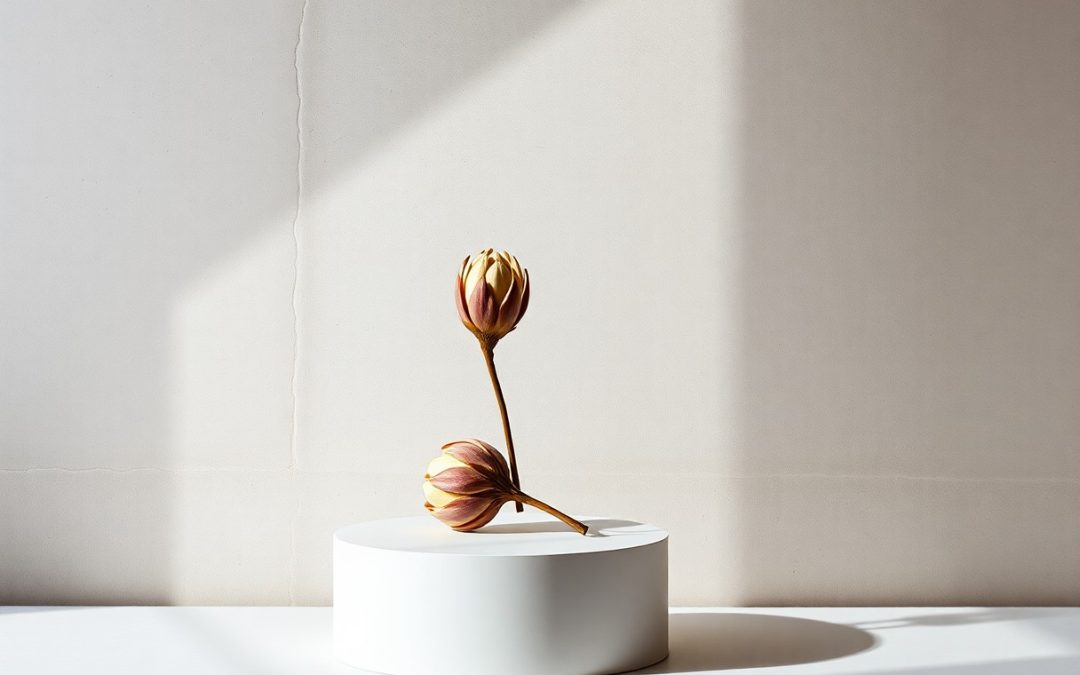
Over time you master minimalism by stripping clutter to single focal forms, controlling light to avoid overexposure, and using negative space to create timeless impact.
Key Takeaways:
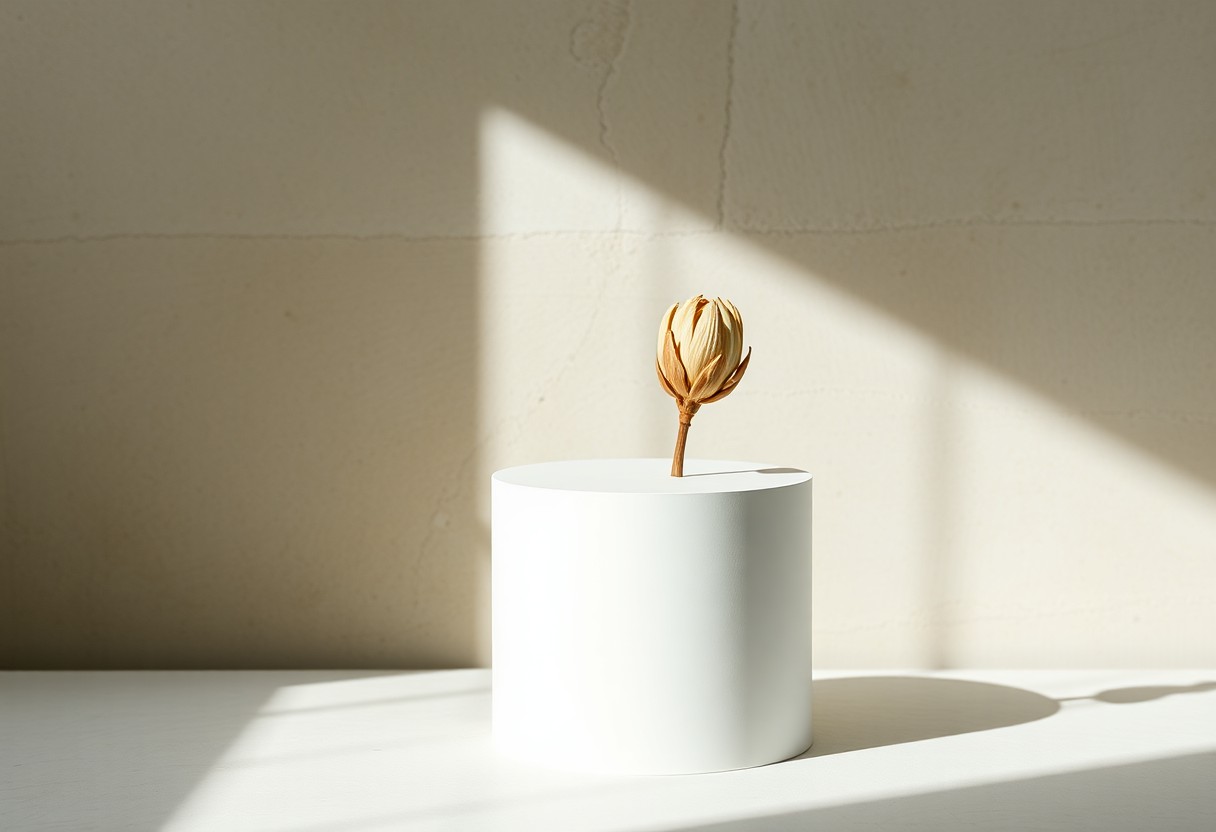
- Composition centers on simplicity: isolate a single subject, use negative space and strong lines to create calm and visual focus.
- Light defines mood: use directional, soft light and controlled shadows to reveal form and texture while keeping the scene uncluttered.
- Color and tonality should be restrained: limit the palette to neutrals or one accent color to support a modern, cohesive look.
- Lens choice and framing shape the aesthetic: prefer prime lenses for clarity, and choose aperture and framing to emphasize form over detail.
- Post-processing favors subtlety: apply minimal edits, fine-tune contrast and exposure, and present work with simple printing and framing choices.
Defining the Minimalist Fine Art Aesthetic
Minimalist fine art reduces distractions, making you focus on composition, light, and form; balance negative space with a limited palette and decisive framing to create refined, emotive imagery.
The philosophy of visual reduction
You strip elements to emphasize shape, tone, and silence; embrace negative space and restrained detail while avoiding over-simplification that flattens meaning.
Identifying modern aesthetic characteristics
Clean geometry, muted tones, high contrast, and intentional asymmetry signal a modern aesthetic; you should favor clean lines, controlled light, and a limited palette.
Observe how minimal props, negative space, and subtle textures create tension; you can use monochrome or desaturated color to amplify mood while avoiding clutter that undermines focus.
Essential Factors in Subject Selection
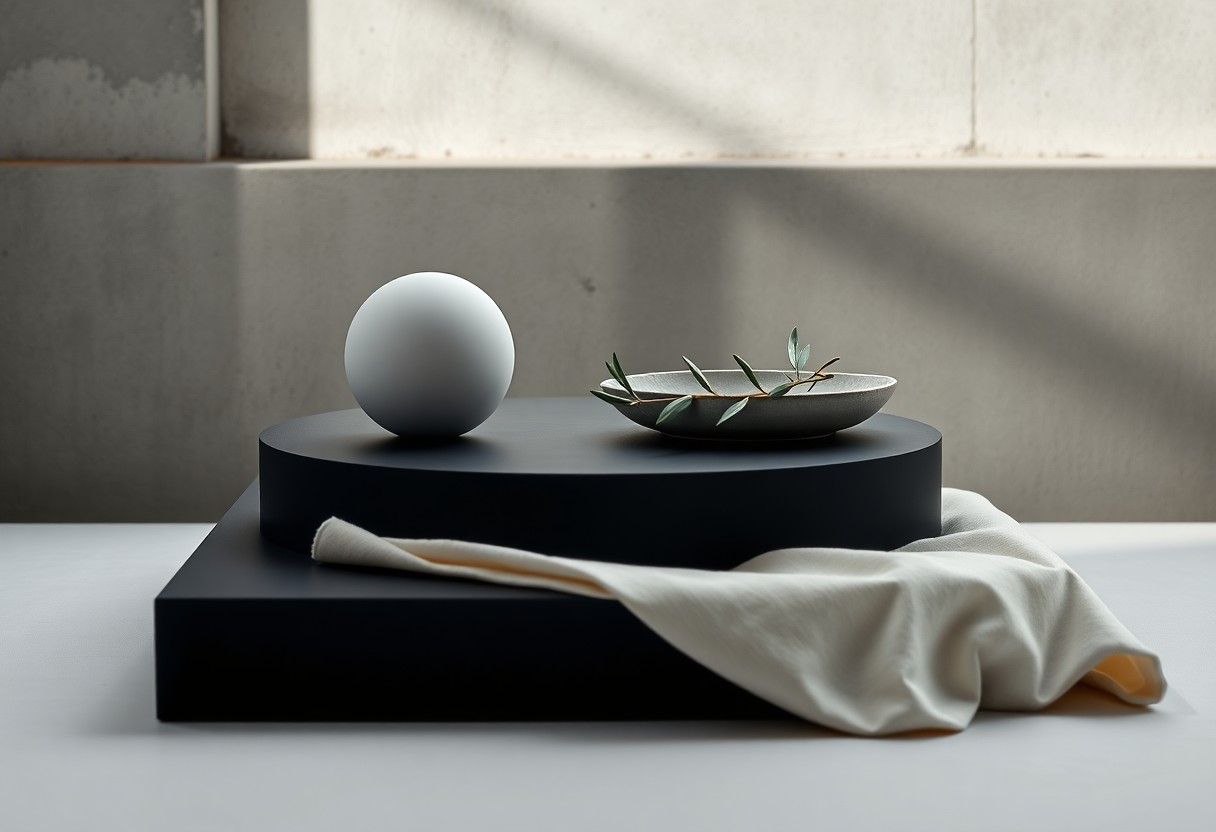
Subject choice shapes impact; you prioritize minimalist lines, fine art tone and modern aesthetics by favoring contrast, scale and negative space. Assume that isolating a single form or texture creates the strongest visual statement.
- Choose simple subjects that read clearly
- Favor strong contrast and thoughtful scale
- Use light to reveal texture
- Prioritize negative space to isolate interest
Isolating singular points of interest
Isolate a lone subject within empty space so your viewer’s eye lands where you want; use negative space, selective focus and bold contrast.
Finding beauty in geometric and organic forms
Seek shape rhythm by framing curves and angles against clean backgrounds; play with scale, shadow and texture to reveal form.
Explore how juxtaposing strict geometry with soft curves creates tension; you can crop tightly, use side light to define edges, and let negative space amplify small details.
Mastering Compositional Balance
Balance your elements by placing the subject, tone, and light so each area breathes; you create a minimalist, modern effect. Use negative space and measured contrast to guide the eye and maintain visual calm.
Leveraging negative space for emotional impact
Negative space forces you to choose what matters; leave emptiness around the subject to trigger mood, highlight form, and create emotional tension that clarifies your intent.
Utilizing symmetry and the rule of thirds
Symmetry gives you quiet stability while the rule of thirds injects motion; test center and offset placements to control focus, scale, and rhythm so the frame supports your concept.
When you choose symmetry, place shapes, reflections, or leading lines precisely so mirror halves hold equal weight; unintended imbalance can feel jarring. When you apply the rule of thirds, align eyes, horizons, or focal points on intersections to produce direction and tension. Use centering for calm, offset for dynamism, and always scan edges for stray elements that steal attention.
Technical Tips for Achieving Clean Imagery
Polish your setup to produce clean imagery and minimalist fine art with clean backgrounds, precise framing, and controlled lighting. Use shallow depth and neutral palettes, choose lenses that render edges crisply, and watch for clipping or sensor noise. After you verify highlights and shadows, simplify compositions to focus on form.
- Keep ISO low to reduce noise
- Use manual exposure for consistency
- Prefer prime lenses for sharpness
Managing depth of field for subject isolation
Open your aperture and choose longer focal lengths to isolate the subject; step back to compress background while keeping subject isolation tight. Use single-point autofocus and watch for soft edges near the focus plane.
Optimizing exposure for high-key and low-key styles
Control exposure by metering for midtones in low-key work and highlights in high-key setups; favor underexposure to protect shadow detail and gentle overexposure for airy high-key results. After adjusting, rely on the histogram to avoid clipping.
Refine your approach by bracketing exposures and shooting RAW so you can recover highlights; for low-key, position a focused key light to model form while protecting shadow texture. For high-key, overexpose the background gently, use exposure compensation, and monitor the histogram to prevent dangerous clipping.
How-to Manipulate Light and Shadow
Light sculpts mood; place your source to model form, use reflectors to open shadows, and avoid blown highlights that destroy subtlety-retain shadow detail to preserve minimalist tension.
Harnessing soft light for subtle transitions
Soft light smooths transitions; diffuse windows or scrims to create gentle gradients so you can emphasize shape without harsh edges, keeping compositions calm and refined.
Using high contrast to define minimalist shapes
Contrast strips distractions; use side lighting or flags to carve silhouettes, making geometric forms read clearly while you control negative space.
Edges sharpen when you place a hard source behind or to the side; dial exposure to keep silhouettes crisp, flag spill to protect midtones, and watch for clipped highlights that ruin minimalism.
Post-Processing for a Polished Finish
Post-processing refines composition, controlling contrast, noise and color so your minimal images feel intentional; you should apply gentle adjustments, protect highlights, and avoid overediting that breaks the aesthetic.
Simplifying color palettes and tonal ranges
You should reduce hues to two or three, mute saturation, and use subtle curves so tonal harmony guides mood; consistent palettes maintain modern simplicity.
Removing distractions to enhance visual purity
Strip clutter using heal and clone tools so you remove stray wires, dust and reflections; clean frames intensify the minimal message.
Use content-aware fill sparingly and inspect edits at 100% so you avoid repeating patterns or haloing; subtle retouching preserves authenticity and viewer trust.
Summing up
So you apply pared-back composition, precise lighting, and selective color or negative space to create minimalist fine art that reads modern and intentional, editing with restraint to maintain purity and emotional clarity.
FAQ
Q: What is minimalist fine art photography for modern aesthetics?
A: Minimalist fine art photography for modern aesthetics emphasizes simplicity, careful composition, and emotional restraint. It reduces elements to a single subject or shape, uses negative space to create balance, and favors clean lines, muted color palettes, or stark black and white. It aims to convey mood, abstraction, or concept through subtle visual cues rather than detail. Consistency in tone and printing helps maintain a cohesive modern presentation.
Q: How do I compose images for strong minimalist impact?
A: Start by isolating a single subject and removing distracting elements. Use negative space to emphasize shape and scale; allow empty areas to guide the eye. Employ simple geometry, repeating patterns, and leading lines to create tension and harmony. Experiment with central and off-center compositions, tight crops, and generous margins to control visual weight.
Q: What lighting and exposure techniques work best?
A: Favor soft, directional light that sculpts form without cluttering detail. Early morning or late afternoon window light produces gentle gradients; open shade yields even tone. For high-contrast minimalist work, use side lighting or backlighting to create silhouettes and bold shadow shapes. Expose for highlights when preserving texture, and consider bracketing or using spot-metering to capture precise tonal range.
Q: How should I choose color, tone, and texture?
A: Limit the palette to two or three hues or convert to monochrome for graphic clarity. Muted tones and soft gradients support modern minimalism; use selective saturation for a single accent. Texture can add subtle depth: smooth surfaces read as calm, grain or paper texture reads as tactile. Maintain consistent color grading across a series to strengthen visual identity.
Q: What post-production and presentation practices enhance modern aesthetics?
A: Edit with restraint, making small adjustments to exposure, contrast, and clarity while avoiding overprocessing. Crop precisely to reinforce composition and remove unnecessary detail; use local adjustments sparingly to shape light. Export high-resolution files and choose printing papers with subtle finish; matte or soft luster keeps attention on form. Frame with wide margins and minimal frames, and present work in a coherent series or single-image statements.


