
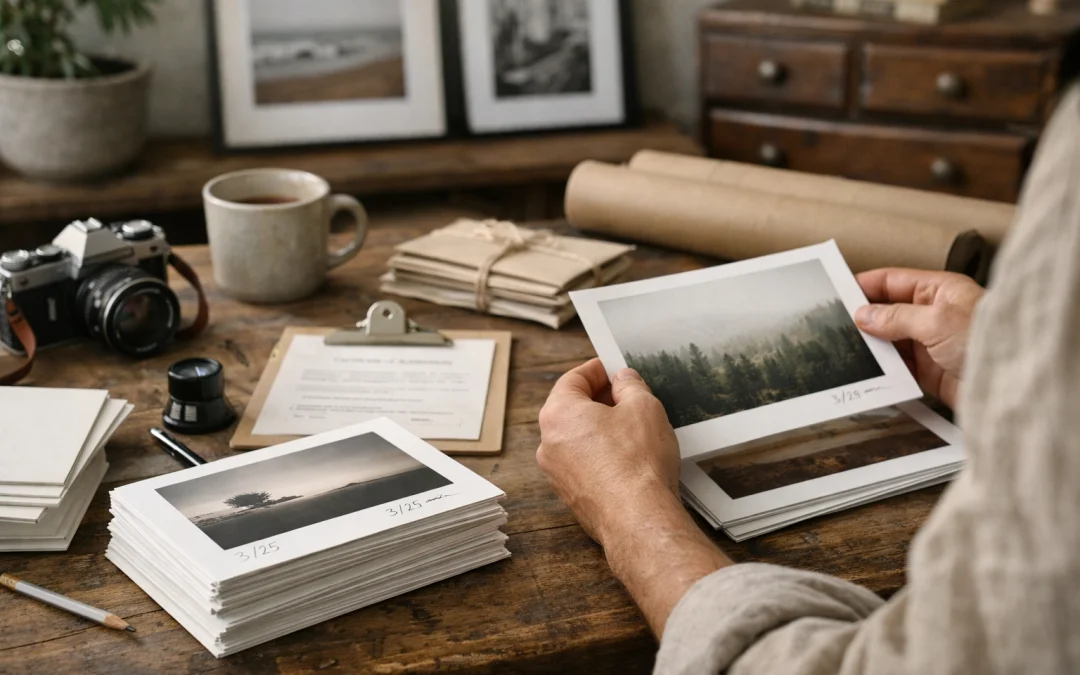
Many people believe that building a prestigious art collection is a pursuit reserved exclusively for elite auction houses and hidden galleries. However, as the digital age matures, limited edition photography prints have emerged as one of the most accessible and rewarding ways for you to enter the world of fine art collecting. Whether you are looking to elevate your home’s aesthetic or you are eyeing a piece as a long-term investment, understanding the nuances of the photography market ensures you make a purchase that retains: and potentially increases: its value over time.
When you step into the world of Edin Chavez Photography, you aren't just buying a picture; you are acquiring a piece of a story that has been intentionally capped to maintain its exclusivity. This guide will walk you through everything you need to know to transition from a casual observer to a confident collector of museum quality prints.
Decoding the Limited Edition: What Are You Actually Buying?
As you begin your journey, you must first understand the "limited" in limited edition photography prints. Unlike "open editions," which can be printed an infinite number of times, a limited edition is a set number of physical reproductions produced from a single image. Once that number is reached, the edition is permanently retired. The artist legally and ethically agrees never to print that specific image in that specific format again.
You will typically see a fraction on the corner of the print or the accompanying documentation, such as 5/25. This tells you that you own the fifth print out of a total of only twenty-five in existence. Contrary to some myths, the specific number (whether it’s 1/25 or 25/25) doesn’t usually change the value; what matters is the total edition size. A smaller total number inherently increases the scarcity, which directly impacts the piece's desirability for future curators and buyers.
The Scarcity Scale and Your Investment
| Edition Size | Market Scarcity | Investment Potential | Best For |
|---|---|---|---|
| Small (1-25) | Extremely High | Highest Growth Potential | Serious Collectors & Investors |
| Medium (25-100) | Moderate | Balanced Value | New Collectors |
| Large (100-500+) | Lower | Aesthetic Value | Home Decor & Enthusiasts |
By choosing a smaller edition, you ensure that you are part of an exclusive group of owners. This scarcity is a primary driver when you eventually look at how to sell fine art photography prints on the secondary market. If you want to dive deeper into the technical side of how these pieces are categorized, check out our resources at https://blog.edinchavez.com/.
Material Matters: The World of Archival and Museum Quality Prints
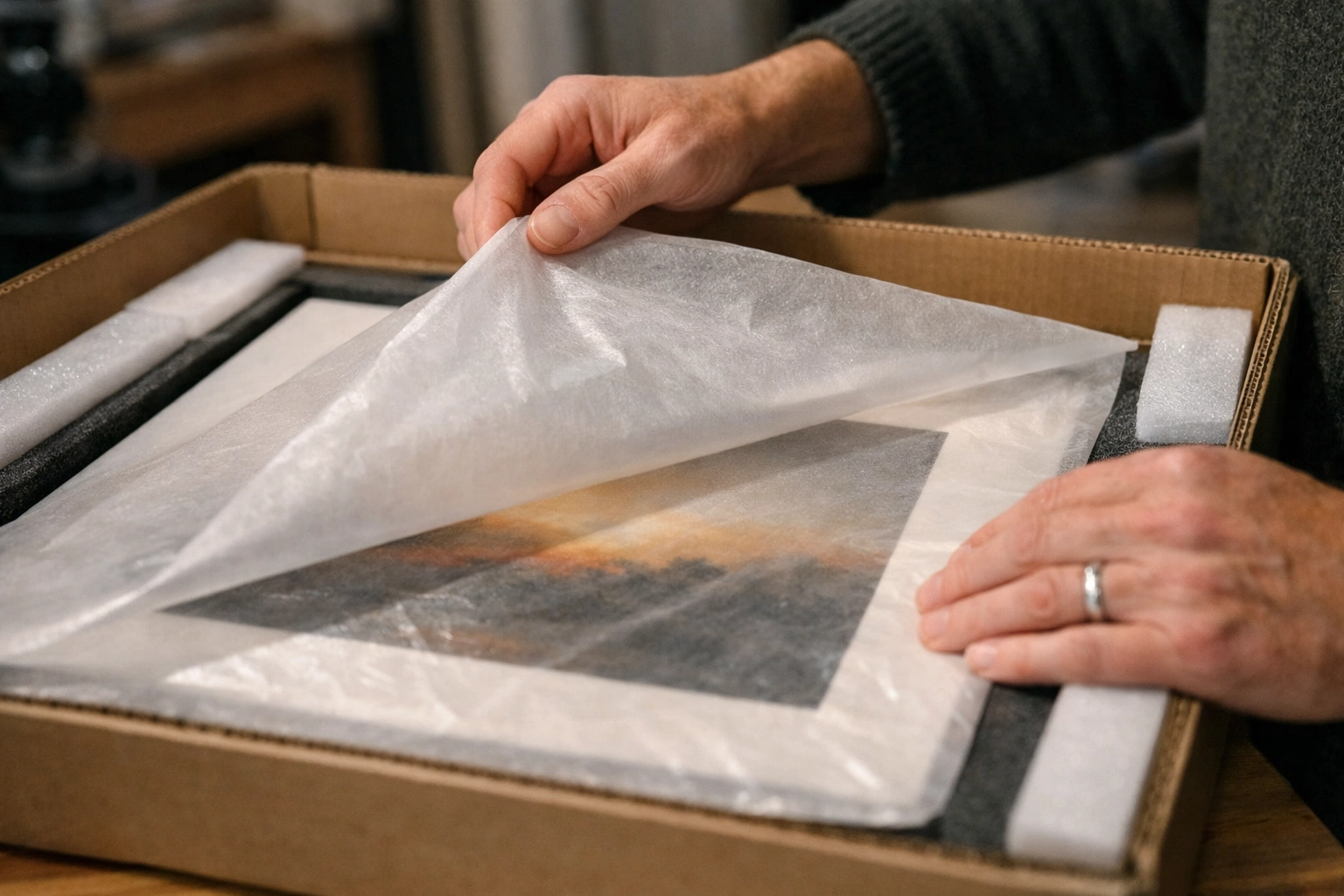
As a collector, you are not just paying for the image; you are paying for the longevity and the physical presence of the work. This is where the terms archival prints and museum quality prints become essential to your vocabulary. If a print isn't archival, it will yellow, fade, or crack within a decade, effectively destroying your investment.
When you invest in a piece from https://edinfineart.com/, you are securing a work created with the highest standards in the industry. Archival quality means the combination of the substrate (paper, canvas, or metal) and the inks used are chemically stable.
- Acid-Free Substrates: Ensure the paper or canvas won't eat away at the image over time.
- Pigment-Based Inks: Unlike dye-based inks, pigment inks offer unparalleled UV resistance.
- Protective Coatings: High-end prints often feature specialized laminates or glass to prevent environmental damage.
Your collection deserves to be passed down through generations. By focusing on archival prints, you ensure that the vibrant colors and sharp details you see today will remain "smooth as butter" for a century or more.
The Holy Grail of Provenance: The Certificate of Authenticity
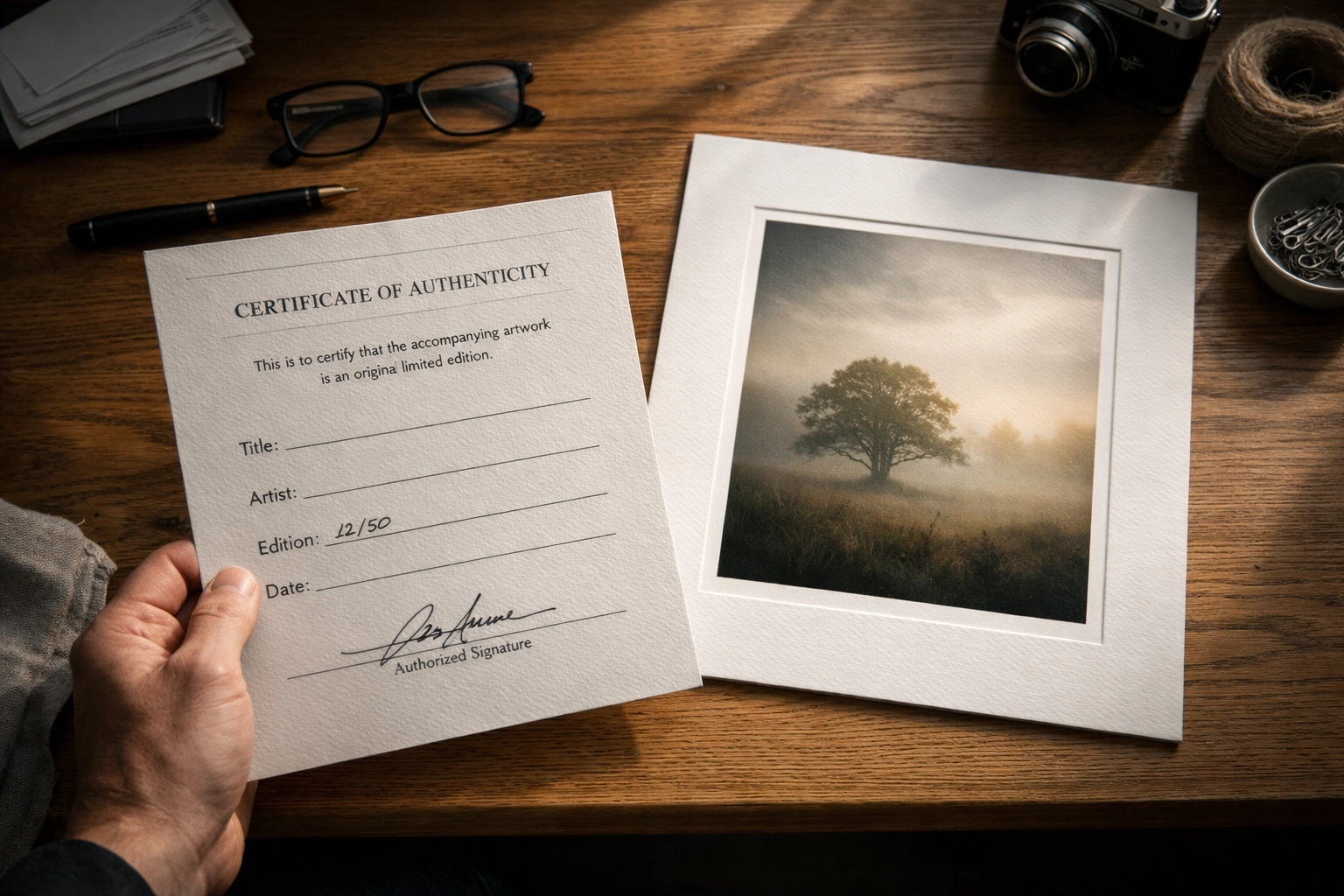
In the art world, your word is only as good as your paperwork. This is why a certificate of authenticity for art prints (COA) is the most important document you will receive. This document serves as the "birth certificate" for your artwork. It links the physical print to the artist’s record and proves that it is not a bootleg or an unauthorized reproduction.
A valid certificate of authenticity for art prints should include:
- The title of the work and the artist’s name.
- The exact edition number (e.g., 12/50).
- The dimensions and materials used.
- The date of production.
- A holographic seal or a handwritten signature from the artist or the studio.
Without this document, the resale value of your piece plummets. When you buy from https://edinstudios.com/, we provide the necessary documentation to ensure your piece is recognized by appraisers and galleries worldwide.
Understanding Artist Proofs (AP)
While exploring collections, you might notice some prints marked as "AP" instead of a number. These are Artist Proofs. Historically, these were the first few prints pulled off the press for the artist to check the color and quality. Today, they represent a small percentage of the edition (usually 10%) that the artist keeps for their personal collection or for private sales.
For you as a collector, an AP is often considered more valuable because of its extreme scarcity and its direct connection to the artist's personal archive. If a main edition is 25, there might only be 2 or 3 APs in existence. Owning an AP is a definitive statement of your status as a serious collector.
Tiered Pricing: Why Waiting Costs You More
One of the most unique aspects of limited edition photography prints is the tiered pricing model. Many photographers, including Edin Chavez, use this system to reward early collectors. As an edition sells out, the price for the remaining prints increases.
For example, prints 1 through 5 might be priced at $2,000. Once those are gone, prints 6 through 10 might jump to $3,500. By the time the edition reaches its final few prints, the price could be triple or quadruple the original cost. This ensures that as soon as you purchase a piece, its "market value" begins to rise as the supply of that specific edition dwindles. This is a crucial concept to grasp if you are interested in how to sell fine art photography prints later on; your profit margin is often determined by how early you entered the edition.
The Lifecycle of a Limited Edition Print
| Phase | Availability | Price Point | Collector Action |
|---|---|---|---|
| Release | 100% | Entry Level | Buy early for maximum ROI |
| Mid-Edition | 50% | Moderate Increase | Last chance for "fair" market value |
| End of Edition | <10% | Premium/Secondary | High-competition buying |
| Sold Out | 0% | Market Resale | Sell or hold for long-term appreciation |
How to Build a Cohesive Collection
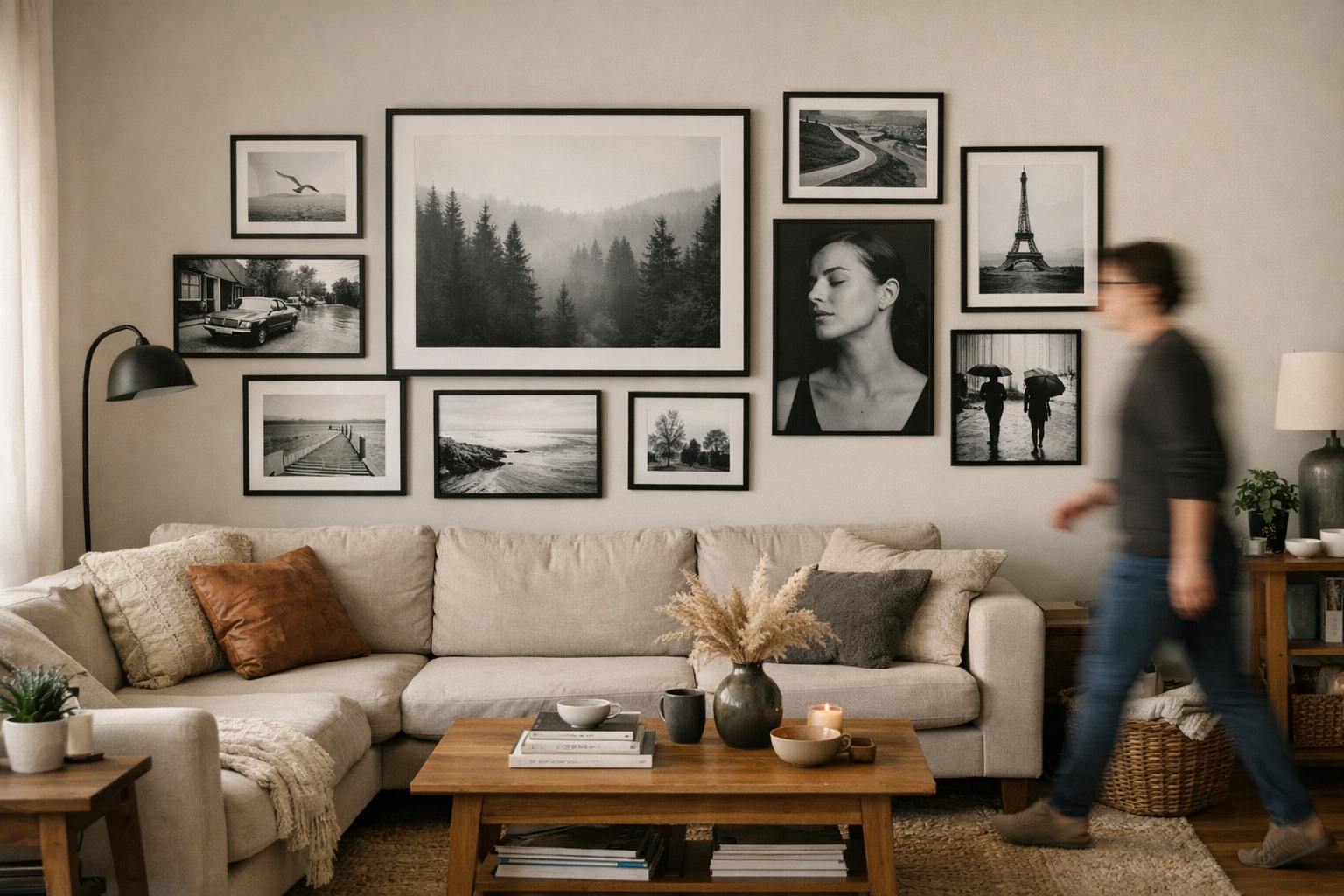
Just as a curator builds a museum gallery, you should build your home collection with intention. Don't just buy what looks good above the sofa; buy what moves you and what fits a broader narrative.
- Focus on a Theme: Do you love urban architecture, or are you drawn to the raw power of nature?
- Vary the Scale: Mix large-format statement pieces with smaller, more intimate works to create visual rhythm in your space.
- Research the Artist: Follow their career. An artist whose reputation is growing will see their older limited edition photography prints appreciate in value. You can follow our journey and see the latest releases at https://blog.edinchavez.com/post-sitemap.xml.
The Business Side: How to Sell Fine Art Photography Prints
While most collectors buy for the love of the art, it is empowering to know that your collection has liquidity. Knowing how to sell fine art photography prints involves keeping your pieces in pristine condition and maintaining all your records.
When you are ready to rotate your collection or realize a profit, you have several options:
- Private Treaties: Selling directly to other collectors.
- Auction Houses: Best for high-value, sold-out editions.
- Consignment: Working with galleries to find a buyer.
The key to a successful sale is always the condition of the archival prints and the presence of the certificate of authenticity for art prints. If you have treated your art as a high-value asset, the market will reward you.
Taking the First Step
Building an art collection is a journey that propels you into a world of creativity and sophistication. It enhances your environment and provides a tangible connection to the artist’s vision. By focusing on limited edition photography prints, you are choosing a path that balances aesthetic beauty with smart asset management.
Whether you are looking for your first piece or your fiftieth, Edin Chavez Photography is dedicated to providing you with museum quality prints that stand the test of time. Explore our current collections at https://edinfineart.com/ and find the piece that speaks to your soul.
With these considerations, you are no longer a beginner; you are an informed collector ready to make your mark on the art world. Start small, buy what you love, and always insist on archival quality. Your future self: and your walls: will thank you. For more tips on the photography industry and local insights, visit our blog at https://blog.edinchavez.com/best-photography-spots-miami.


