
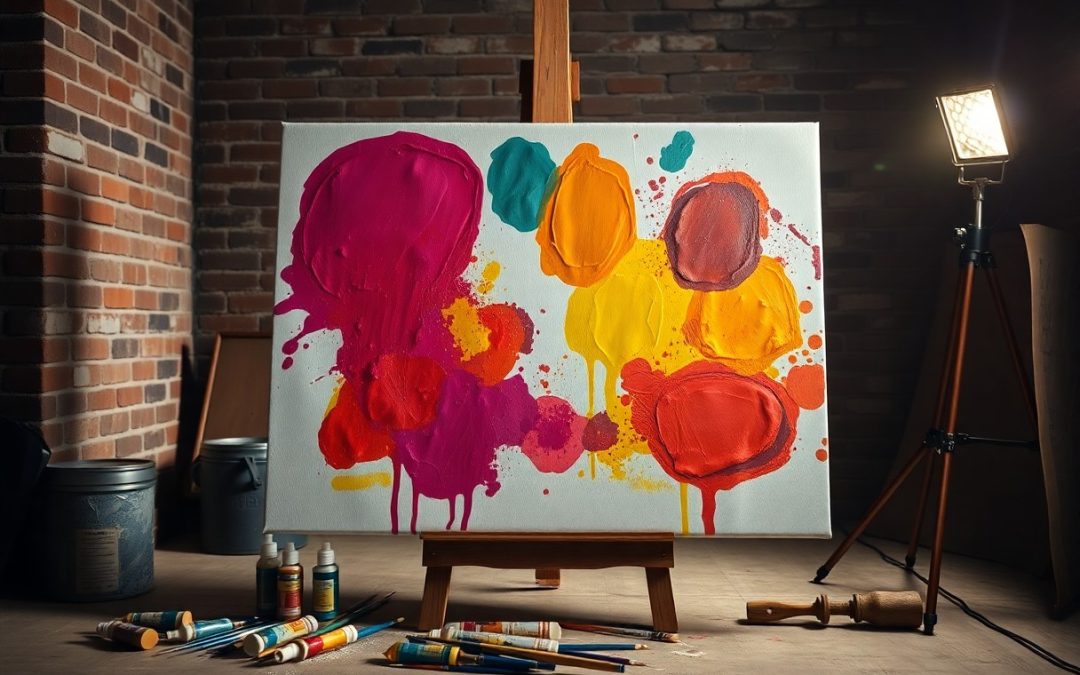
Just as digital technology saturates your life, you might find yourself drawn to the tangible and raw qualities of analog formats. This resurgence reflects a deep yearning for authentic experiences and a backlash against the polished, often superficial nature of digital culture. You may appreciate how vinyl records, film photography, and handwritten letters bring a sense of nostalgia and emotional connection that modern conveniences often lack. In a world dominated by instant gratification, exploring this trend could enrich your appreciation for the unique charm and depth that analog mediums offer.
Key Takeaways:
- Analog technologies are experiencing a revival as people seek tangible experiences over digital ones.
- There is a growing appreciation for the craftsmanship and imperfection found in analog mediums.
- Young consumers are increasingly valuing authenticity and nostalgia, driving the surge in analog popularity.
- Creatives are blending analog and digital techniques to create unique artistic expressions.
- Record players, film cameras, and physical books are becoming sought-after items in a digital age.
- The resurgence of analog is seen as a counter-movement to the fast-paced, often impersonal nature of digital consumption.
- Brands are leveraging analog aesthetics to connect emotionally with consumers, enhancing brand loyalty.
The Rise of Analog Technology
Amidst an overwhelming digital landscape, analog technology resurfaces, claiming a significant portion of consumer interest. Devices like vinyl records, film cameras, and even typewriters are no longer relics but symbols of a profound cultural shift. You find their appeal rooted in the tactile experience they provide, contrasted against the intangible nature of digital media. As you explore this revival, you’ll notice how nostalgia and authenticity intertwine, fostering a renewed appreciation for the mechanics behind these timeless technologies.
Historical Context
The journey of analog technology dates back to the early 20th century, marking pivotal advancements like the invention of the phonograph and the camera. These innovations not only transformed entertainment and communication but also laid the groundwork for future digital technologies. By the late 20th century, an oversaturation of digital media prompted a nostalgic revival, leading to renewed interest in analog formats that emphasize craftsmanship and authenticity. You can trace this cyclical trend where nostalgia fuels a return to the familiar.
Cultural Significance
Analog technology holds significant cultural weight, symbolizing a backlash against the relentless pace of digital life. The tactile nature and uniqueness of analog experiences compel you to reflect on authenticity in a fast-paced world. This resurgence reflects a broader societal desire for genuine connections and experiences over transient digital interactions, linking the past with contemporary values.
The cultural significance of analog is deeply embedded in your desire for authenticity and meaningful experiences. For example, in 2022, vinyl record sales surpassed 13 million units in the U.S., marking the highest sales in decades. This resurgence isn’t merely about sound; it’s about embracing a slower, more deliberate lifestyle. Analog technology stands as a testament to craft and uniqueness, reminding you of the value of patience and the joy found in imperfections. In an era dominated by the seamless perfection of digital, these tangible formats foster a sense of community and connection, encouraging you to engage more deeply with the art and process behind each creation.
Characteristics of Analog Authenticity
Analog authenticity encompasses various attributes that make analog experiences distinct and appealing. You might find that these characteristics not only evoke nostalgia but also enhance your daily life. From the warmth of vinyl records to the tactile sensations of film photography, analog mediums offer a richness often missing in digital formats. This unique appeal lies in how they engage your senses, emphasizing the beauty of imperfections and the stories behind every product.
Aesthetic Appeal
The aesthetic allure of analog authenticity draws you in with its tangible qualities and imperfections. Whether it’s the subtle crackling of a vinyl record or the grainy texture of a film photograph, these elements create a sensory experience unlike any digital alternative. Analog items often feature classic designs and artisanal craftsmanship, making them visually striking and emotionally resonant.
Emotional Connection
Emotional connections to analog forms arise from their ability to evoke memories and foster nostalgia. Each analog medium acts as a time capsule, transporting you back to significant moments in your life. The physicality of holding a photograph or flipping through a scrapbook can trigger feelings of warmth and comfort, something that digital images often lack.
Emotional connections deepen as you experience the narratives embedded in analog creations. For instance, the smell of an old book can remind you of childhood adventures, while the unique sound of a record player might transport you to family gatherings. These sensory experiences create a powerful bond between you and the medium, enriching your appreciation for the past. In an era dominated by the ephemeral nature of digital content, analog authenticity stands as a testament to the profound relationships you can cultivate with physical objects that tell your stories.
The Role of Digital Technology
Digital technology heavily influences the resurgence of analog formats, creating an intriguing juxtaposition. From vinyl records to instant cameras, these analog options provide a user experience that contrasts sharply with fleeting digital interactions. The revival of these technologies illustrates your desire for a multidimensional experience that feels genuine and immersive, offering sensory engagement that pixels cannot replicate.
The Influence of Digital Culture
Digital culture permeates every aspect of your daily life, often emphasizing speed and convenience over depth. This relentless pace leaves many feeling disconnected, driving a subconscious need for more meaningful experiences. Analog mediums, with their tactile nature, invite you to slow down and appreciate the moment, acting as a counterbalance to the overwhelming influx of digital stimuli.
The Push for Authenticity in a Digital Age
Your quest for authenticity in a hyper-digital world is not just a trend; it reflects a yearning for genuine connection and experience. As social media highlights curated realities, the allure of analog authenticity becomes increasingly appealing. Crafting tangible items, such as handmade crafts or film photography, fosters a sense of accomplishment and personal expression often lacking in digital content.
The push for authenticity can be seen in the growth of local markets, where handmade and vintage products thrive alongside digital goods. For instance, a surge in film photography workshops shows how you and others are reclaiming an analog medium that demands patience and skill, contrasting sharply with the instant gratification provided by smartphones. This cultural shift acknowledges your desire for depth, inviting exploration of personal narratives through tactile engagement with materials that resonate on a personal level. As a result, analog platforms offer a refreshing alternative to the artifice prevalent in many digital experiences.

Case Studies in Analog Resurgence
Examining tangible examples reveals the transformative power of analog mediums in contemporary culture. Numerous case studies highlight this trend across various sectors, illustrating a collective shift toward analog authenticity.
- Vinyl Sales: Vinyl records sales increased by 29% in 2022, marking the 16th consecutive year of growth, with 50 million units sold in the U.S. alone.
- Film Photography: In 2021, film camera sales surged by 67%, driven by enthusiasts and newcomers alike embracing the tactile experience.
- Polaroid Products: Polaroid Originals reported a 200% increase in instant film sales during the pandemic, indicating a renewed love for instant photography.
- Analog Games: Board game sales exceeded $1.2 billion in 2020, with a sharp rise in popularity for traditional tabletop games, showcasing a nostalgia-driven market.
Music Industry Trends
The music industry has seen a revival of analog formats with an overwhelming demand for vinyl records, contributing to 50% of all physical music sales in 2022. The resurgence reflects not just nostalgia but a desire for a richer, more immersive experience compared to digital streaming.
Film Photography Revival
The resurgence of film photography is characterized by growing interest, particularly among younger generations keen to explore manual processes. Sales of film cameras have climbed steadily, while online film photography communities flourish, fostering a sense of belonging among enthusiasts.
Once relegated to niche markets, film photography has become a mainstream passion, demonstrated by the 300% increase in film stock sales from 2020 to 2022. The demand for classic films like Kodachrome and Portra shows your willingness to embrace both nostalgia and authenticity. You aren’t just capturing images; you’re partaking in a tactile, artistic process that digital cannot replicate. As workshops and courses on analog techniques proliferate, you’ll find increasing opportunities to engage with this revival in your own creative endeavors.

Consumer Behavior and Preferences
Shifts in consumer behavior reflect a growing appreciation for analog formats, as more individuals seek authenticity amidst an oversaturated digital landscape. Trends show that sales of vinyl records and film cameras are consistently rising, with vinyl sales surpassing 45 million units in the U.S. alone in 2022. Your preference for tangible experiences might stem from a desire for uniqueness, driving you towards products and practices that evoke a sense of connection, often missing in digital products.
The Nostalgia Factor
Nostalgia plays a significant role in your attraction to analog mediums, as they often remind you of simpler times. With brands tapping into this sentiment, products like Polaroid cameras and cassette tapes have made impressive comebacks, appealing to both older generations and younger audiences longing for authenticity in their experiences.
The Appeal of Tangibility
The appeal of tangibility in analog formats resonates deeply with you. Holding a physical object triggers a stronger emotional response than interacting with a digital counterpart. For instance, vinyl records offer unique sound quality and the tactile experience of handling the disc, setting them apart from streaming services. This multi-sensory engagement fosters a more meaningful connection to the art, showcasing the desire for personalized experiences.
By engaging with analog products, you discover a sense of ownership that digital formats often lack. The act of flipping through a photo album or writing with a fountain pen creates a richer, more immersive experience. Studies confirm that tactile interactions can enhance learning and memory, as they stimulate different sensory pathways. This intrinsic value, coupled with the visually appealing aesthetics of analog items, solidifies your preference for the tangible, creating lasting impressions that digital mediums cannot replicate.

The Impact on Art and Design
In art and design, analog authenticity sparks a resurgence that reshapes creative landscapes. Artists and designers now emphasize tactile experiences, opting for traditional mediums like paint, hand-drawing, and film photography. This preference often reflects a desire for emotional expression and a more personal connection with your audience, offering a stark contrast to the sleek aesthetics of digital art. As a result, contemporary galleries and exhibitions increasingly showcase mixed media works that embrace imperfections, celebrating the unique qualities of handcrafted artistry.
Shifts in Creative Processes
Creative processes are evolving with a renewed focus on manual techniques, prompting you to explore various methods that may have been overlooked in the digital age. This return to foundational skills encourages experimentation with materials and forms, allowing you to cultivate a deeper relationship with your work. Many creators find that embracing analog workflows fosters innovative thinking and unexpected outcomes, challenging conventional design norms and enriching your creative arsenal.
The Market for Handmade and Vintage Items
The market for handmade and vintage items has expanded significantly as consumers gravitate towards unique, one-of-a-kind pieces. You will find platforms like Etsy or local artisan shops thriving on the demand for items that tell a story, contributing to a vibrant ecosystem where craftsmanship and personal expression reign supreme. The surge in this market also reflects a shift in values, where the significance of heritage and personal connection takes precedence over mass-produced goods.
The growth of the handmade and vintage market is underscored by impressive statistics, with Etsy reporting over four million active sellers and more than 90 million buyers globally. Shoppers increasingly prioritize these sustainable, artisanal products over fast fashion and disposable goods. This movement fosters community building among artisans while promoting transparency in production practices. For you, investing in handmade items not only supports local artists but also infuses your space with character, reflecting your personal aesthetic and values—a testament to the enduring appeal of analog authenticity.
Conclusion
So, you can see that analog authenticity is indeed experiencing a surreal resurgence in today’s digital age. As you explore this trend, you’ll find that the tactile nature and perceived genuineness of analog mediums resonate with your desire for meaningful experiences. This revival invites you to reconnect with the past while appreciating modern technology’s role in enhancing your journey. By embracing this blend of old and new, you can enrich your creative expressions and cultivate a deeper appreciation for authenticity in your life.
FAQ
Q: What is analog authenticity?
A: Analog authenticity refers to the appreciation and value placed on analog methods, formats, and experiences, often in contrast to digital alternatives, highlighting qualities like warmth, texture, and nostalgia.
Q: Why is there a resurgence in interest regarding analog authenticity?
A: The resurgence is driven by a desire for tangible experiences, a reaction against the digital age’s overwhelming presence, and the nostalgic appeal of past technologies like vinyl records and film photography.
Q: How does social media influence the resurgence of analog authenticity?
A: Social media platforms highlight and glorify analog aesthetics through curated content, fostering communities that share and celebrate analog practices, making them more appealing to younger generations.
Q: Are there specific industries experiencing this resurgence?
A: Yes, industries such as music (vinyl records), photography (film cameras), and fashion (vintage clothing) are experiencing significant interest, with consumers seeking authenticity and unique experiences.
Q: What are the benefits of analog experiences over digital ones?
A: Benefits include a sensory richness, a sense of permanence, and the ability to create a deeper emotional connection, as well as the unique imperfections often found in analog formats.
Q: How does the younger generation view analog authenticity?
A: Many in the younger generation view analog authenticity as a refreshing alternative to the curated nature of digital life, valuing originality, craftsmanship, and a break from screen time.
Q: Is this trend sustainable in the long term?
A: While trends can fluctuate, the ongoing interest in nostalgia and the search for genuine experiences suggest that analog authenticity will continue to have a place alongside digital technologies.


