
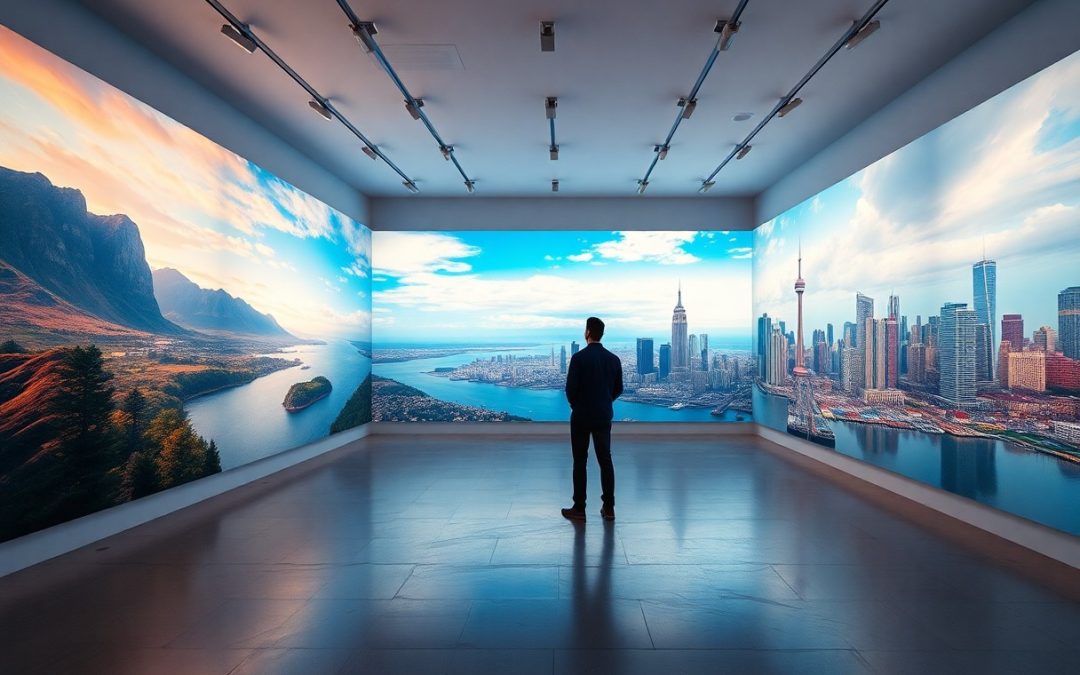
Photography has evolved significantly, and with the advent of immersive techniques, it is now redefining your perception of reality. By utilizing virtual reality, augmented reality, and 360-degree views, you are drawn into experiences that challenge your understanding of what is real. This innovation not only enhances storytelling but also raises ethical concerns about manipulation and authenticity. As you engage with these immersive visuals, it’s imperative to critically assess the impact they have on your feelings, beliefs, and interaction with the world around you.
Key Takeaways:
- Immersive photography combines real-world elements with digital enhancements, creating a hybrid visual experience.
- Technologies like VR and AR allow users to interact with and influence the photographic narrative.
- This form of photography challenges traditional perceptions of authenticity and representation in visual media.
- It enables the creation of hyper-realistic environments that can evoke strong emotional responses from viewers.
- Immersive photography has applications in various fields, including art, advertising, and education.
- As it evolves, this medium raises questions about the nature of reality and virtual experiences.
- The blending of digital and physical worlds pushes the boundaries of creative expression and storytelling.
The Evolution of Photography
Over the decades, photography has transformed from a niche art form into a pervasive medium that shapes your perception of reality. Early techniques like daguerreotypes paved the way for more dynamic styles, culminating in the shift to digital. Each advancement has expanded your creative possibilities, making photography an imperative tool for storytelling, documentation, and artistic expression.
From Traditional to Digital
Transitioning from traditional to digital photography has revolutionized how you capture images. Chemical processes have been replaced by sensors and software, giving you instant access to your shots. Digital cameras now offer features such as high-resolution imaging, rapid bursts, and customizable settings, enhancing your ability to express your vision without the constraints of film.
Emergence of Immersive Formats
Immersive photography formats, such as virtual reality and 360-degree images, have emerged as groundbreaking technologies that deepen your engagement with visual narratives. These formats allow you to not just view but experience scenes, creating a sense of presence that traditional photography lacks. As technology continues to advance, you find yourself more and more drawn into environments that feel tangible, transforming passive viewing into active participation.
With the rise of immersive formats, your understanding of visual storytelling is fundamentally reshaped. Virtual reality environments can simulate real-world locations with striking accuracy, allowing you to explore spaces that may be inaccessible. Companies like Oculus and immersive media studios are pioneering projects that combine storytelling with interactive elements, delivering experiences that evoke emotional responses and foster deeper connections. This evolution challenges your expectations of what photography can be, inviting you to explore realities that blur the line between the photographer’s vision and your own experience.
Understanding Immersive Photography
Immersive photography redefines the viewer’s experience by creating a sense of being part of the depicted scene. This form merges technology, art, and storytelling, allowing you to engage with visual narratives in unprecedented ways. By utilizing multiple perspectives and advanced editing techniques, immersive photography enables a deeper emotional connection to the subject matter, often drawing you into the image itself rather than merely observing it.
Definition and Key Elements
Immersive photography involves creating an experience that transcends traditional formats, allowing you to feel as if you’re inside the photographic moment. Key elements include 360-degree views, interactivity, and a strong sense of depth. This approach not only presents images but also showcases environments and stories, effectively blurring the lines between reality and representation.
Techniques and Technologies Involved
Techniques and technologies such as virtual reality (VR), augmented reality (AR), and 360-degree cameras are integral to immersive photography. These innovative tools enable you to explore images interactively, where simple clicks or movements shift your perspective. VR immerses you fully within a digital environment, while AR overlays digital content onto your physical surroundings, enhancing your interaction with the subject matter.
For instance, 360-degree cameras like the Insta360 ONE X2 capture expansive scenes by stitching multiple images together, providing a seamless view of the environment. Software platforms such as Adobe Premiere Pro and Final Cut Pro enable advanced editing to enhance liquid transitions and add layers of interactivity. Moreover, VR headsets like the Oculus Quest allow you to step inside these photographic worlds, providing a fully immersive experience that goes far beyond two-dimensional viewing.
The Impact of Immersive Photography on Perception
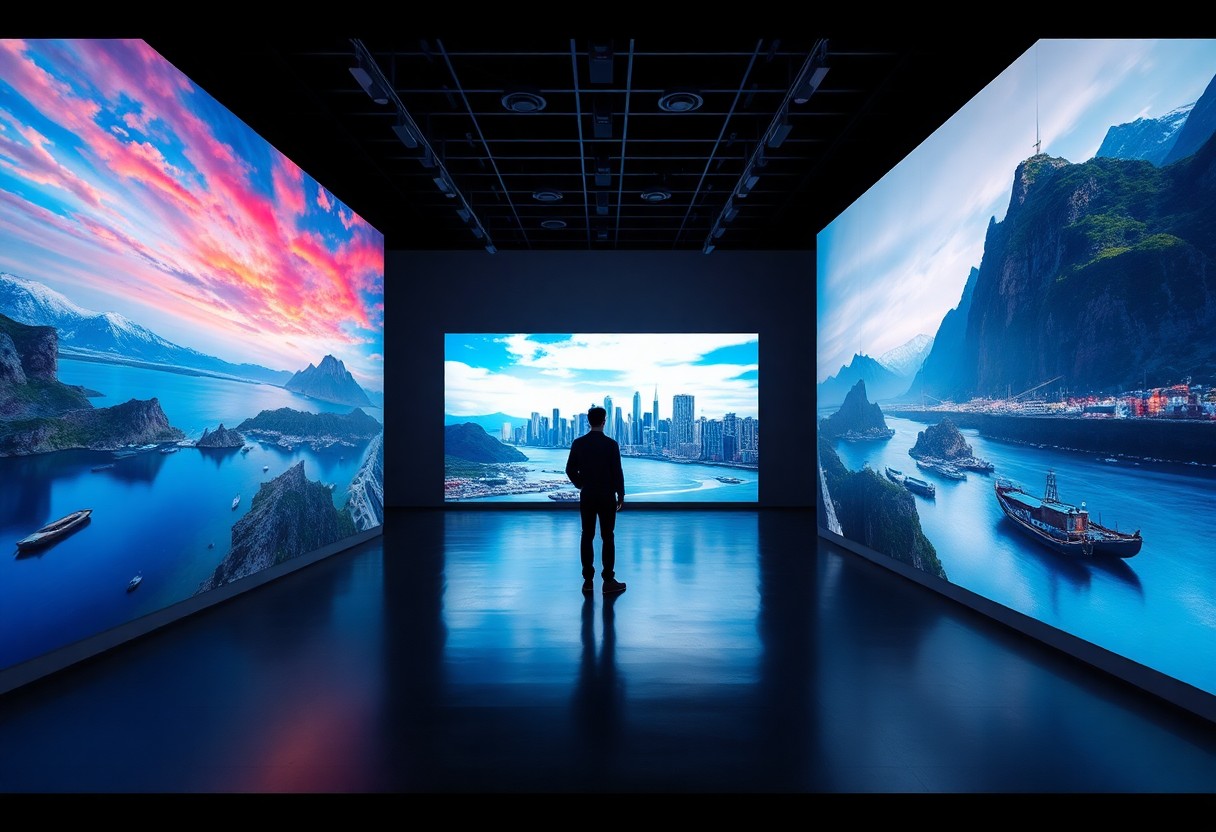
The integration of immersive photography fundamentally alters how you perceive and interact with visual content. By inviting you into a three-dimensional space, these images create an overwhelming sense of presence that traditional photography cannot match. You may find yourself grappling with the dissonance between the photographic representation and your understanding of reality, leading to a reevaluation of what you consider authentic or truthful in visual storytelling.
Altering Reality and Viewer Interaction
Immersive photography amplifies your interaction with art, transforming passive observation into active participation. Through the use of virtual reality or interactive panoramas, you navigate environments that engage both your senses and imagination, breaking the fourth wall of traditional viewing. This level of engagement forces you to question the boundaries of reality and the artist’s intent, redefining your role as not just a viewer but a co-creator of meaning.
Psychological Effects on the Audience
The psychological implications of immersive photography can be profound, leaving lasting impressions on your emotions and cognition. Engaging with such visual stimuli can evoke strong emotional responses, blurring the lines between reality and imagination. This form of engagement can create a sense of empathy toward the subjects depicted, influencing your perspectives and potentially altering your beliefs.
The emotional resonance of immersive photography often results from its ability to provoke empathy through situational immersion. For instance, virtual reality experiences that place you within the context of social issues, like poverty or climate change, can evoke powerful emotional reactions, fostering a deeper understanding of those challenges. Statistics reveal that audiences experiencing virtual empathy-inducing scenarios report heightened emotional engagement, leading to increased awareness and potentially motivating action. This phenomenon highlights how immersive photography transcends mere visual representation, influencing your perceptions and attitudes towards complex societal issues.
Applications of Immersive Photography
Immersive photography extends its influence into various sectors, revolutionizing how you experience spaces and storytelling. Industries including real estate, travel, and marketing harness this technology to provide unprecedented engagement with their audiences. By offering a sense of presence, immersive photography allows you to explore environments in ways previously unimaginable, enhancing both enjoyment and understanding.
Art and Entertainment
In art and entertainment, immersive photography transforms experiences into multisensory voyages. Artists are now creating virtual installations that allow you to step inside their visions, effectively erasing the boundaries between viewer and artwork. This medium not only invites interaction but also redefines how narratives are constructed, offering layers of engagement that traditional forms can’t match.
Virtual Reality and Beyond
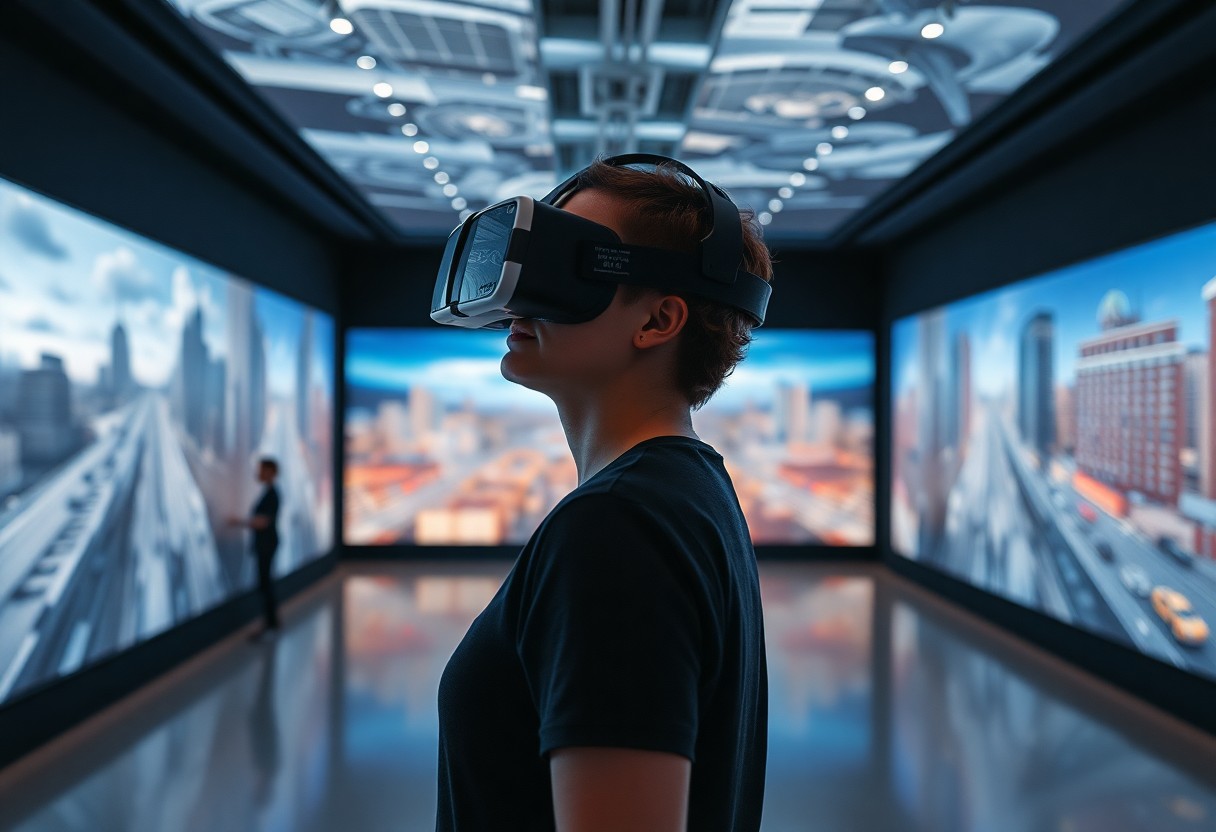
Virtual reality (VR) takes immersive photography to new heights, immersing you fully in digital worlds. By integrating 360-degree imagery with interactive elements, VR allows you to navigate and manipulate spaces in real-time, enhancing the impact of your experiences. Companies like Oculus and HTC have pioneered this landscape, providing you with tools to engage with environments that feel vividly real.
The intersection of immersive photography and virtual reality brings you innovative opportunities across various fields. Developers are increasingly creating VR experiences for training simulations, allowing you to practice surgical procedures or safety drills in a risk-free environment. In education, immersive photography enables you to explore historical sites or far-off planets without leaving your classroom. As technology progresses, expect advancements such as *haptic feedback* and *AI-driven narratives* to further enrich your encounters, blurring the lines between reality and imagination.
Ethical Considerations
You should consider the ethical implications of immersive photography as it increasingly shapes narratives and perceptions. While it enhances experiences, it also raises questions about representation and consent. When altered visuals can manipulate feelings and beliefs, the responsibility of creators escalates. Engaging responsibly within this medium requires transparency and a commitment to portraying reality accurately, lest you inadvertently propagate misinformation.
The Line Between Reality and Manipulation
The distinction between authentic imagery and manipulated visuals becomes increasingly hazy in immersive photography. Techniques such as deepfakes and photo alterations can easily mislead audiences. As you navigate through these advanced creations, you must discern which elements are genuine and which are fabricated, as the power of a visual can shape opinions and decisions.
Authenticity and Trust Issues
With the rise of immersive photography, trust in visual media suffers as authentic representation comes into question. Audiences may become wary of images, unsure whether what they see is a true reflection of reality or cleverly engineered artifice. This skepticism leads to a fragmented relationship between viewers and content creators.
Ultimately, the erosion of authenticity threatens the foundation of trust you often place in visual storytelling. Instances of manipulated photography—like altered social media images that misrepresent reality—highlight this issue. According to a 2021 survey, around 70% of respondents expressed distrust toward images found online, fearing they may be misleading or digitally altered. As immersive photography blurs the boundaries between what’s real and fabricated, maintaining authenticity becomes paramount to preserve viewer confidence and foster meaningful connections.
Future Trends in Immersive Photography
Technological Innovations
Emerging technologies are driving immersive photography into new realms. Photogrammetry and advanced 3D scanning tools facilitate the creation of intricate, lifelike digital environments. Techniques like augmented reality (AR) enable you to overlay digital elements onto real-world scenes, enhancing your visual storytelling. As AI algorithms improve, expect automated tools that can analyze and enhance images, producing captivating displays with minimal effort on your part.
Evolving Artistic Expressions
Artistic boundaries are continuously expanded through immersive photography, enabling you to explore more diverse themes and narratives. The blending of virtual reality (VR) and photography encourages new interpretations, allowing audiences to engage with your work in ways that traditional photography cannot achieve. Artists now harness the medium to challenge perceptions, provoke thoughts, and deliver experiences that resonate emotionally and intellectually.
You’re witnessing a transformation in how photography communicates emotion and concept, pushing the limits of visual language. Artists like Jon Rafman and Refik Anadol are pioneering works that weave complex digital narratives within immersive environments, allowing you to step inside their creations. These innovations create opportunities to engage viewers interactively, shaping a multi-sensory experience that blends sight, sound, and context, allowing you to immerse yourself fully in the narrative’s depth and meaning.
Final Words
Ultimately, immersive photography challenges your perception of reality by merging the digital and physical worlds in unprecedented ways. As you engage with this innovative medium, you find yourself navigating virtual landscapes that reinterpret your experiences. This blending of visual elements compels you to question the authenticity of what you see, reshaping your understanding of art and visual narratives. Exploring immersive photography invites you to rethink the boundaries of reality, urging you to consider how perception influences your relationship with the world around you.
FAQ
Q: What is immersive photography?
A: Immersive photography refers to techniques and technologies that create a 360-degree or interactive visual experience, allowing viewers to engage with images in a more profound way.
Q: How does immersive photography differ from traditional photography?
A: Unlike traditional photography, which presents a single perspective, immersive photography offers a comprehensive view of environments, enabling deeper user interaction and exploration.
Q: What are some common applications of immersive photography?
A: Common applications include virtual reality experiences, real estate virtual tours, marketing campaigns, and educational tools that allow users to experience locations or events firsthand.
Q: How does immersive photography impact perception of reality?
A: It alters perception by creating a sense of presence within the image, blurring the lines between actual experience and digital representation, leading to emotional and cognitive responses.
Q: What technologies are used in immersive photography?
A: Technologies used include 360-degree cameras, drones, virtual reality headsets, and software that stitches images together to create cohesive panoramic views.
Q: Can immersive photography create false realities?
A: Yes, it has the potential to create hyper-realistic environments that can misinterpret actual experiences, leading viewers to perceive manipulated realities as authentic.
Q: What ethical considerations arise with immersive photography?
A: Ethical considerations include issues of consent, authenticity, and the potential for misleading representations, which necessitate transparency and responsible usage to mitigate misleading effects.


