
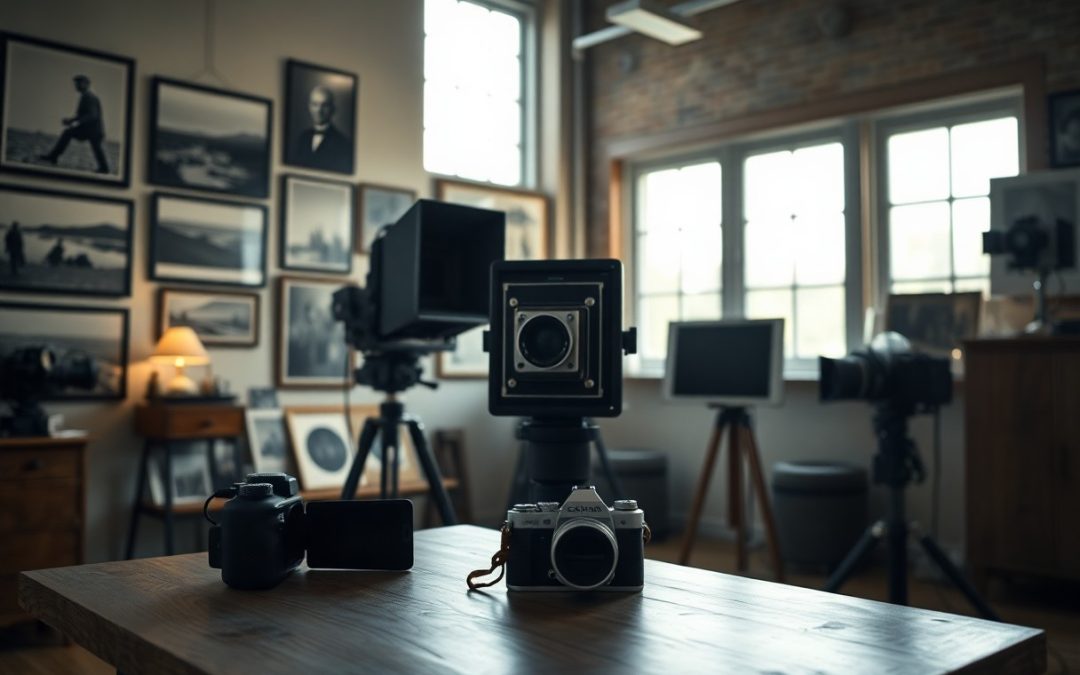
There’s a fascinating journey behind the evolution of fine art photography that spans over a century, reflecting shifts in artistic expression and technological advancements. As you explore the trends and techniques that have shaped this genre through the decades, you’ll gain insight into how photographers have pushed boundaries, embraced innovation, and responded to cultural movements. From the early days of film to the digital era, understanding this evolution will enhance your appreciation of both the artistry and technical skill involved in this captivating medium.
Key Takeaways:
- The transition from pictorialism to modernism in the early 20th century marked a significant shift in fine art photography, emphasizing sharp focus and compositional techniques.
- The use of color photography gained prominence in the 1960s, leading to new artistic expressions and the challenge of traditional black-and-white photography aesthetics.
- The rise of digital technology in the late 1990s revolutionized fine art photography, allowing for easier editing, manipulation, and an explosion of experimental techniques.
- Contemporary fine art photography increasingly explores themes of identity, gender, and culture, reflecting societal changes and personal narratives.
- Photography festivals and online platforms have greatly expanded the accessibility and visibility of emerging artists and new trends in fine art photography.
- Environmental and social issues have become prevalent subjects for fine art photographers, with many using their work as a form of activism.
- Interdisciplinary approaches in fine art photography, such as integrating mixed media and performance elements, are increasingly popular, challenging traditional boundaries of the medium.
Capturing Reality: The Early 20th Century Breakthroughs
The early 20th century marked a pivotal shift in the world of photography, transforming from mere documentation to a respected art form. With technological innovations like the introduction of the 35mm camera and faster films, photographers could now capture dynamic moments and immerse viewers in striking realism. These advancements allowed you to explore perspectives, compositions, and emotions that blurred lines between traditional art and photography, leading to an explosion of creativity that would define the era.
The Pioneers of Fine Art Photography
Among the influential figures of this era, you’ll find Alfred Stieglitz and
The Influence of Surrealism and Dadaism
The avant-garde movements of Surrealism and Dadaism profoundly influenced fine art photography, encouraging photographers to research into dreams, symbolism, and the absurd. Artists like Man Ray and Dora Maar utilized experimental techniques, challenging your perceptions of reality. Through photomontage, double exposures, and unconventional subjects, they invited you to question the norms of established artistic practices.
The influence of Surrealism and Dadaism extended beyond mere aesthetic choices; it reshaped your approach to photography. Man Ray’s innovative use of photograms, for instance, captured ethereal forms without relying on a lens, expanding the definition of what photography could be. Meanwhile, Dadaism’s rejection of traditional aesthetics encouraged you to embrace spontaneity and chance, inspiring contemporary movements that prioritize conceptual exploration. These artistic revolutions not only crafted a new visual language but also invited you to explore the subconscious, enrich conversations about reality, identity, and the very nature of art itself.
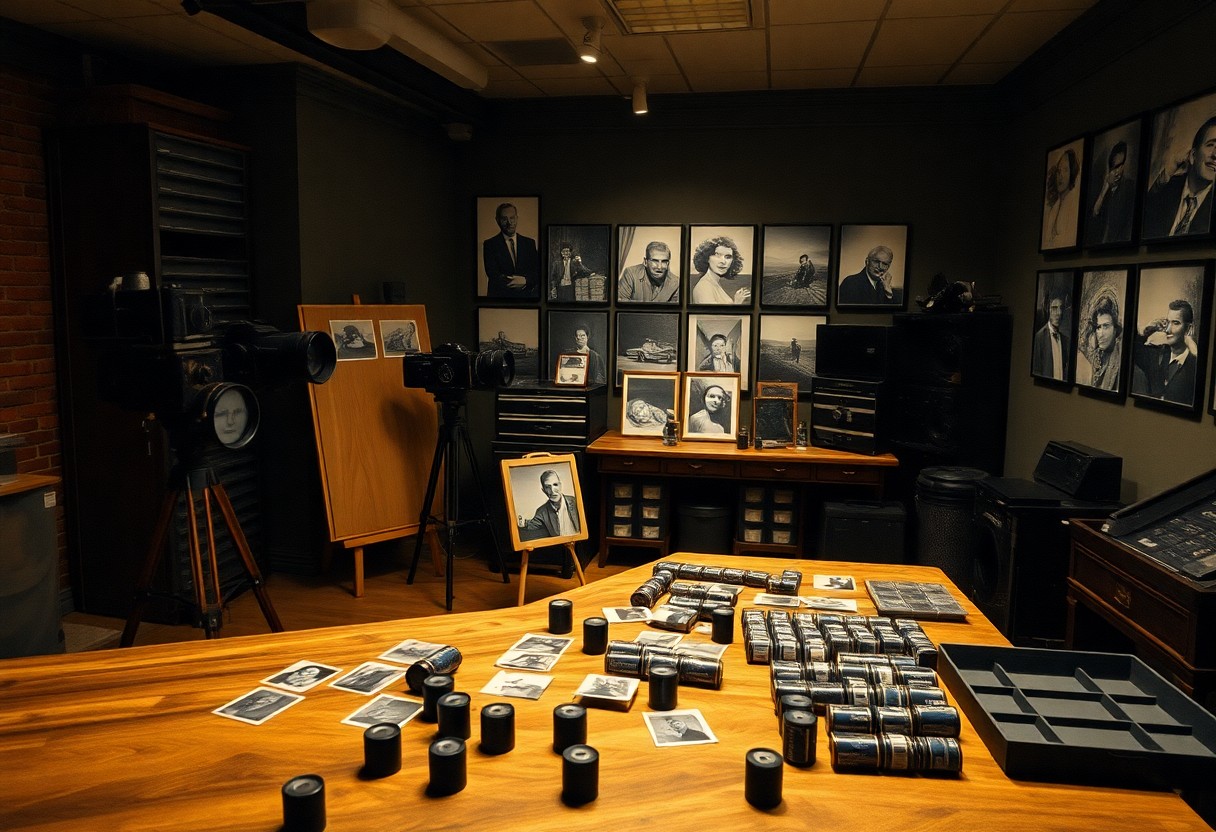
The Shift to Modernism: Mid-20th Century Innovations
The mid-20th century ushered in a wave of experimentation and innovation in fine art photography. Artists began to challenge traditional standards, incorporating contemporary influences from modernism, resulting in techniques such as collage, montage, and abstraction. These shifts not only redefined aesthetic values but also repositioned photography as an expressive art form, allowing photographers to explore the nuances of realism, expression, and personal interpretation. This period saw a break from representational art, paving the way for diverse practices that blurred boundaries between photography and other art forms.
The Rise of Abstract Photography
Abstract photography emerged as a powerful movement, driven by artists who sought to express emotion and ideas beyond literal imagery. You’ll find that this style often employs unconventional techniques such as blurring, double exposure, and creative framing to evoke feelings rather than depict reality. The works of pioneers like Minor White and Aaron Siskind illustrate how subtle details in shape, texture, and light can convey complex narratives, inviting viewers to interpret meaning on a personal level.
Impact of Documentaries and Photojournalism
Documentary and photojournalism during this era played a noteworthy role in shaping public perception and social commentary through visual storytelling. You witnessed a surge in the demand for authentic imagery that portrayed the realities of daily life and significant historical events. Iconic figures like Dorothea Lange and Robert Capa utilized their photographic skills to highlight pressing social issues, from the Great Depression to wartime struggles, merging artistry with activism. This intersection propelled photography into a space that transcended mere documentation, inviting critical dialogue regarding the human experience.
The photographs taken by documentary photographers often serve as pivotal historical documents that speak volumes about societal conditions and human resilience. Lange’s “Migrant Mother” became emblematic of the hardships faced during the Great Depression, evoking empathy and mobilizing aid efforts. Similarly, Capa’s work in war zones captured the raw emotions of conflict, influencing public views on military engagement. The legacy of these images endures, underscoring how photography can provoke thought, inspire change, and inform your understanding of history in a deeply personal way.
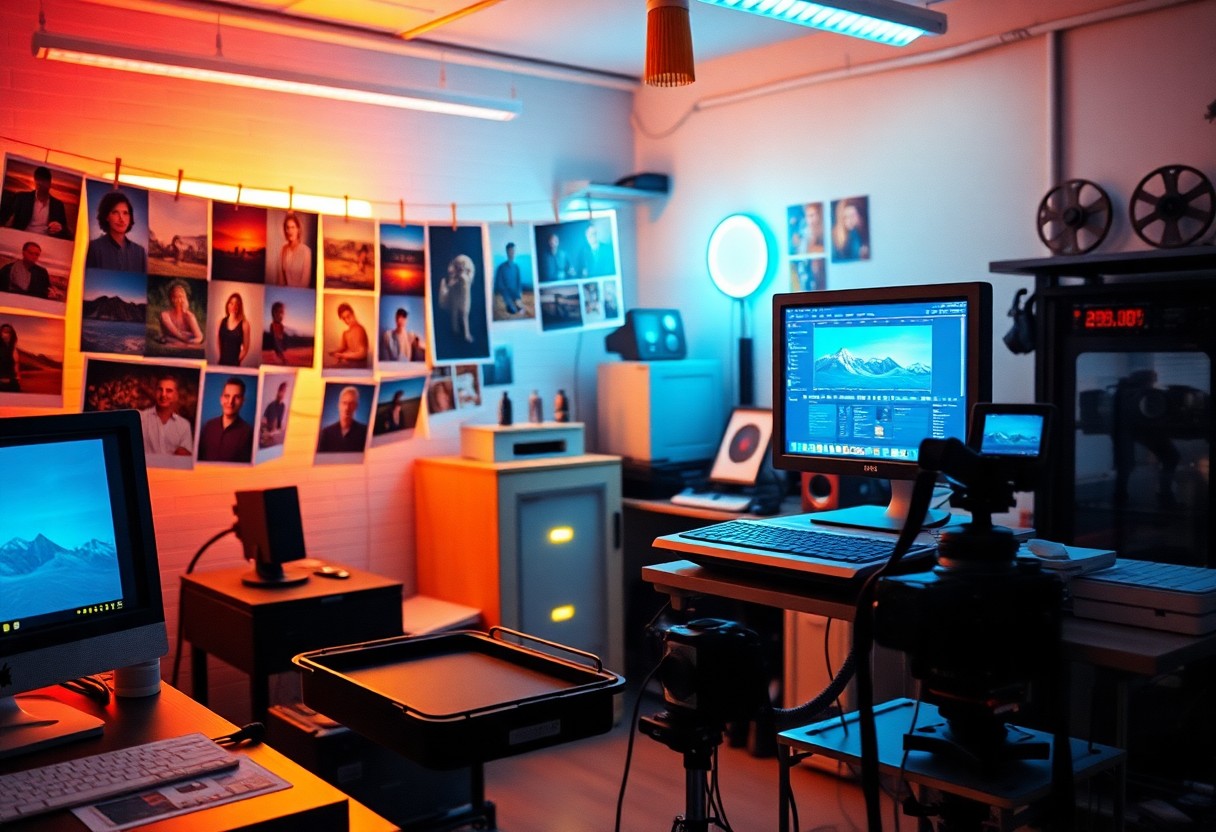
Digital Revolution: Transforming Techniques in the 1990s
The 1990s ushered in a technological renaissance for photographers, marked by the transition from traditional film to digital formats. Camera technology progressed rapidly, with early digital cameras offering lower resolutions yet a remarkable convenience for capturing and reviewing images instantly. This shift altered not only the tools you used but also expanded the creative possibilities available, allowing for innovative editing techniques and the ability to experiment without the cost of developing film. Photographers began leveraging the digital medium to produce work previously unattainable through conventional methods.
The Shift from Film to Digital: Opportunities and Challenges
The transition from film to digital photography presented a dual-edged sword. While access to more affordable and lightweight gear democratized photography, it also resulted in a flood of images, making it harder for your work to stand out. Furthermore, the adjustment required learning new software and techniques, which posed a challenge for many seasoned photographers accustomed to the film’s tactile nature. The shift necessitated a reevaluation of traditional photographic principles, and the ability to adapt became paramount in the ever-evolving landscape.
The Emergence of New Aesthetic Styles
As digital photography flourished, new aesthetic styles emerged that reshaped how you approach composition and visual storytelling. The ability to manipulate images quickly led to an explosion of creativity, with photographers experimenting with surrealism, abstraction, and enhanced color palettes. This era saw the birth of popular styles like high dynamic range (HDR) imaging, where you could capture greater detail in both shadows and highlights, producing captivating visuals that were previously deemed impossible.
The emergence of new aesthetic styles in the 1990s reflected not just technological advancements but a cultural shift in how you perceive and create art. Digital manipulation allowed you to layer textures, blend images, and distort realities, paving the way for unique visual narratives that challenge conventional norms. Artists like Jeff Wall and Gregory Crewdson embraced these techniques, creating photo-illustrative narratives that blend the boundaries between photography and fine art. The digital medium also facilitated the exploration of themes like identity and consumerism, resonating with a generation eager for fresh perspectives. Ultimately, these evolving styles set the groundwork for contemporary fine art photography as we know it today.
Contemporary Trends: Redefining Fine Art Photography
Fine art photography has evolved dramatically in recent years, embracing diverse genres and breaking traditional boundaries. Contemporary photographers often merge personal narratives with social commentary, resulting in captivating works that resonate deeply with viewers. You may notice how artists challenge conventional aesthetics by exploring themes like identity, environmental issues, and culture, all while employing innovative techniques and technologies. This new wave of fine art photography prioritizes emotional engagement, urging you to connect on a personal level with the artwork, while also promoting a more inclusive representation of our world.
The Role of Social Media in Artistic Exposure
Social media platforms have transformed the art landscape by providing unprecedented access to global audiences. You can showcase your work to millions through platforms like Instagram and TikTok, turning followers into enthusiasts and buyers. This digital space encourages artists to share their processes and stories, generating conversations that spark interest and engagement. As trends shift faster than ever, you have the opportunity to stay relevant and inspire others while drawing attention to your own artistic vision.
Mixing Mediums: From Photography to Multimedia Art
The blending of photography with other artistic mediums has brought about a vibrant new genre of multimedia art. Artists now incorporate digital art, installation, video, and performance into their photographic practice, expanding the ways you can experience and interpret their work. Techniques like projection mapping or mixed media collage are increasingly popular, granting you access to multi-layered visual stories that provoke thought and illustrate complex themes. This integration not only pushes creative boundaries but also creates immersive experiences that captivate your senses.
Mixing mediums showcases the potential for photography to transcend its traditional confines. For instance, artists like Maya Hayuk use vibrant colors and geometric patterns in their photography alongside mural installations, transforming urban landscapes into living canvases. Similarly, projects like “The Poetics of Space” by Tina Barney mix intimate portraits with environmental elements, creating a dialogue that enriches both realms. Such innovative approaches encourage you to explore the narrative depth these hybrid works offer, enhancing your appreciation for fine art photography as it continually evolves and adapts to contemporary discourse.
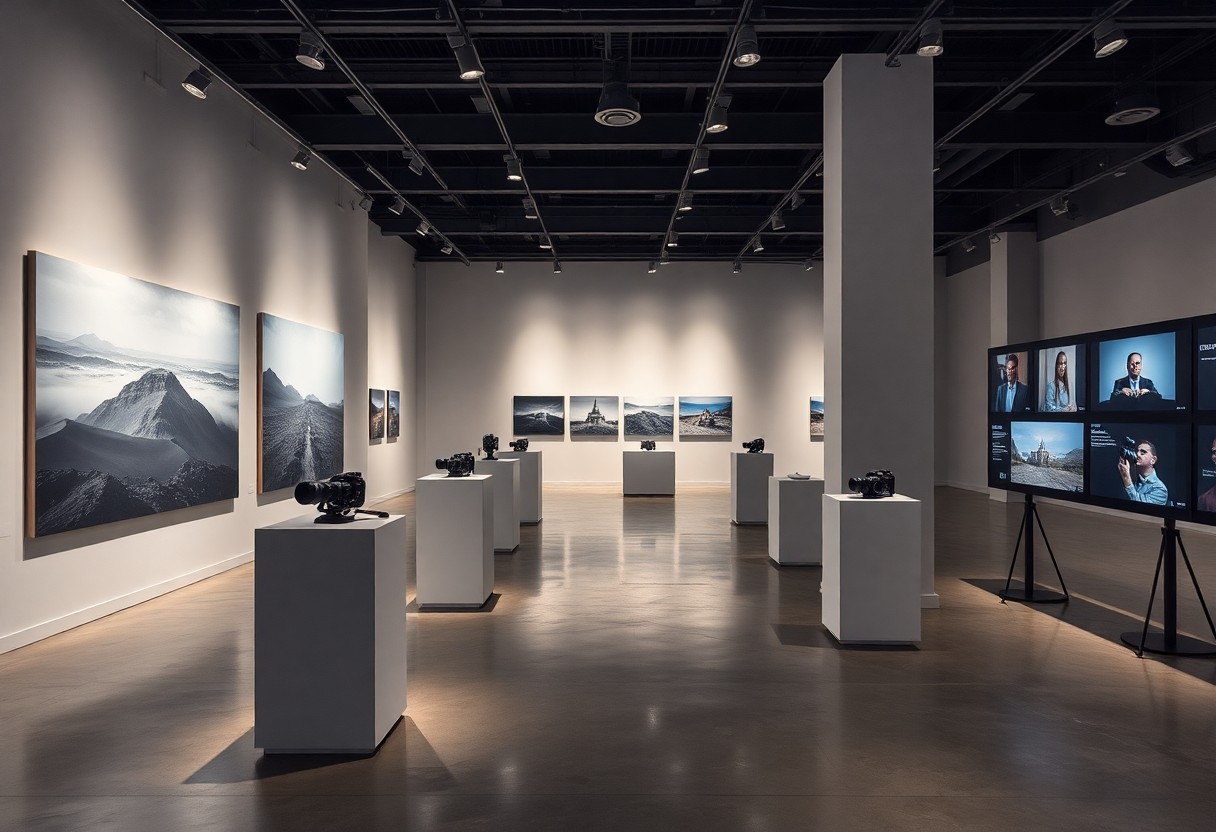
Future Directions: Speculations on Artistic Evolution
As photography continues to evolve, exciting possibilities emerge for the future of fine art. The integration of advanced technologies, shifts in societal values, and the demand for fresh narratives shape the landscape of artistic exploration. You may witness new forms of expression that challenge traditional norms, merging photography with interactive experiences and immersive storytelling. These innovations promise to stretch the definition of fine art photography further, creating a dynamic dialogue between the medium and its audience.
The Integration of Technology and Artificial Intelligence
The incorporation of artificial intelligence in photography is transforming how you approach creative processes. Tools like AI-driven editing software and algorithms that generate artwork allow for unprecedented levels of manipulation and stylistic experimentation. Techniques such as deep learning enable machines to analyze vast amounts of visual data, assisting you in breaking away from conventional aesthetics and exploring uncharted territories.
Emerging Photographic Methods and Their Cultural Impact
New photographic methods are gaining traction, with practices like photogrammetry, virtual reality photography, and augmented reality experiences reshaping the medium’s cultural narrative. As these technologies become more accessible, they open avenues for artists to explore complex themes and societal issues in innovative ways. For instance, you may find that immersive installations invite engagement and observational interaction, altering how you perceive and connect with the artwork.
Techniques like photogrammetry enable capturing three-dimensional spaces through a series of photographs, creating detailed models that enhance storytelling and audience engagement. Similarly, virtual reality (VR) and augmented reality (AR) allow you to experience narratives in an interactive format, fostering deeper emotional connections with the subject matter. The rise of these methods signals a critical shift in how cultures use photography, enabling your generation to grapple with concepts of identity, memory, and perception through a transformed lens. As these artistic approaches proliferate, they challenge the artistic community to reevaluate notions of authenticity and the role of the photographer in the creative process.
To wrap up
From above, you can see how the evolution of fine art photography has transformed significantly over the decades, shaped by technological advancements, artistic movements, and cultural shifts. By embracing various trends and techniques, your understanding of this art form becomes more profound, allowing you to appreciate its rich history and diverse expressions. As you explore deeper into the world of fine art photography, you enhance your ability to both create and critique, fostering a greater connection to the medium and its ongoing narrative.
FAQ
Q: What is fine art photography?
A: Fine art photography is a creative expression that goes beyond commercial or documentary photography. It is characterized by the photographer’s vision and intention, aiming to create art that is meant to be appreciated for its aesthetic qualities. The photographs often reflect the photographer’s emotions, concepts, or experiences, showcasing their unique style and perspective.
Q: How has fine art photography evolved over the decades?
A: Fine art photography has transformed significantly since its inception in the 19th century. In the early days, it focused on realism and detailed landscapes. The 20th century introduced movements like Surrealism and Abstract Expressionism, leading to experimentation with different techniques and concepts. Today, fine art photography incorporates digital media, installation art, and mixed techniques, further expanding its boundaries and accessibility.
Q: What are some major trends in fine art photography from the 1970s to today?
A: Major trends in fine art photography from the 1970s onward include the rise of conceptual photography, which emphasizes ideas over traditional aesthetics. The 1990s saw the emergence of staged photography, where photographers create elaborate sets and scenarios. In recent years, there has been a growing focus on social issues and identity exploration, utilizing photography to comment on cultural and political themes.
Q: What techniques have been prominent in the development of fine art photography?
A: Several techniques have shaped fine art photography, such as long exposure, double exposure, and digital manipulation. The introduction of color photography in the mid-20th century also altered how art was perceived, allowing for more vivid expressions. Post-processing software has become a vital aspect of fine art photography, enabling photographers to enhance and manipulate their images in innovative ways.
Q: How do contemporary photographers incorporate technology in their work?
A: Contemporary photographers utilize various technologies, such as digital cameras, drones, and software for editing and enhancing their images. Some also experiment with augmented reality and virtual reality to create immersive experiences. Social media platforms have become imperative for sharing their work and engaging with audiences, allowing artists to reach a global audience.
Q: How do themes of identity and culture appear in fine art photography?
A: Themes of identity and culture are prevalent in fine art photography, as many artists use their work to explore personal experiences and societal issues. Photographers often address topics such as race, gender, sexuality, and heritage, challenging viewers to confront their perceptions. This focus on identity not only enriches the narrative of the artwork but also fosters dialogue and understanding among diverse audiences.
Q: What role does fine art photography play in the art market today?
A: Fine art photography has gained significant importance in the art market, with collectors increasingly recognizing its value. Auctions and galleries often showcase contemporary photographers alongside traditional artists, reflecting photography’s acceptance as a legitimate art form. Additionally, online platforms have expanded the market even further, making it easier for artists to sell their work and for collectors to acquire pieces from emerging talents.


