
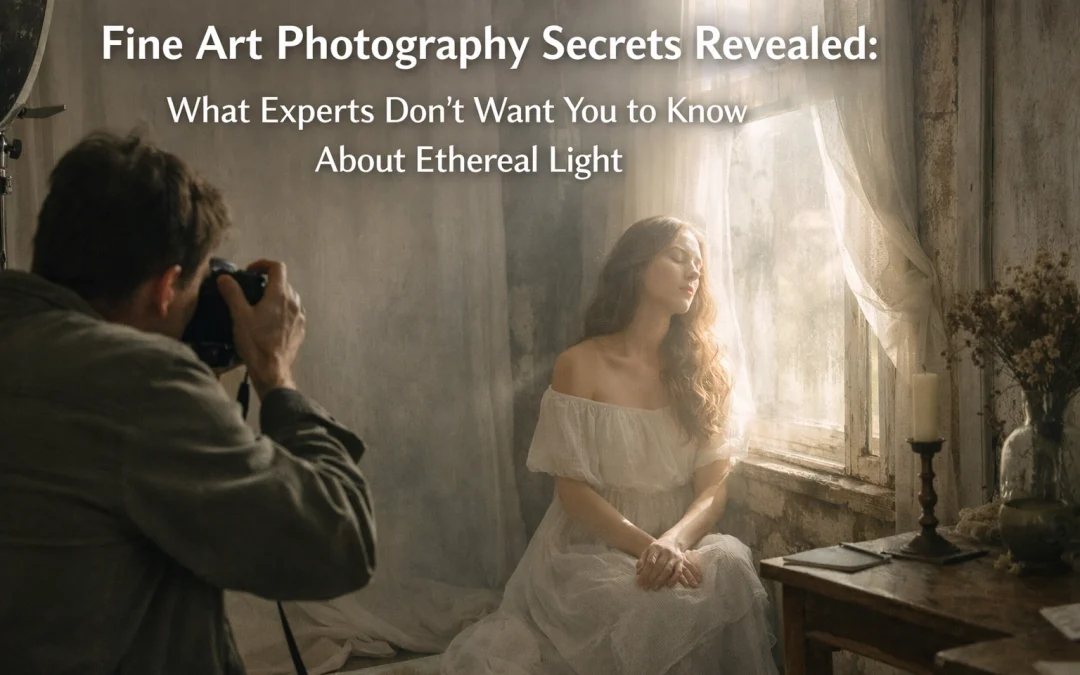
Just as a master painter selects their brush with surgical precision, your choice of light defines the very soul of your fine art photography. Many photographers spend years chasing the "perfect" shot, yet they overlook the most transformative element in their arsenal: ethereal light. This isn't just about brightness; it’s about creating a whisper-soft atmosphere that transports your viewer into a different realm.
At Edin Chavez Photography, we believe that mastering this aesthetic is what separates a standard snapshot from a gallery-worthy masterpiece. When you understand how to manipulate light to create a dreamy, otherworldly glow, you elevate your work into the high-stakes world of fine art. Whether you are capturing landscapes or portraits, the secrets of ethereal light provide you with a competitive edge that is unmatched in the industry.
By exploring the technical nuances and post-processing secrets revealed here, you will gain the confidence to stop "getting lucky" with your shots and start creating them with intent. Your journey toward becoming a fine art authority begins with mastering the light that others simply don't see.
The Foundation of Soft, Diffused Lighting
The first secret the pros won't always tell you is that harsh, direct sunlight is the enemy of ethereal photography. To achieve that signature "glow," you must prioritize soft, diffused lighting. Think of the sky as your largest softbox. When you shoot during overcast days, the clouds act as a massive diffuser, stripping away high-contrast shadows and providing you with a flat, even canvas.
This low-contrast environment is your playground. It ensures that skin tones are rendered smooth as butter and highlights don't "clip" or blow out. If you find yourself shooting in clear conditions, you must wait for the "Golden Hour": that window just after sunrise or before sunset. However, the real magic happens when the sun is just below the horizon, or "Blue Hour," where the light is naturally cool and incredibly soft.
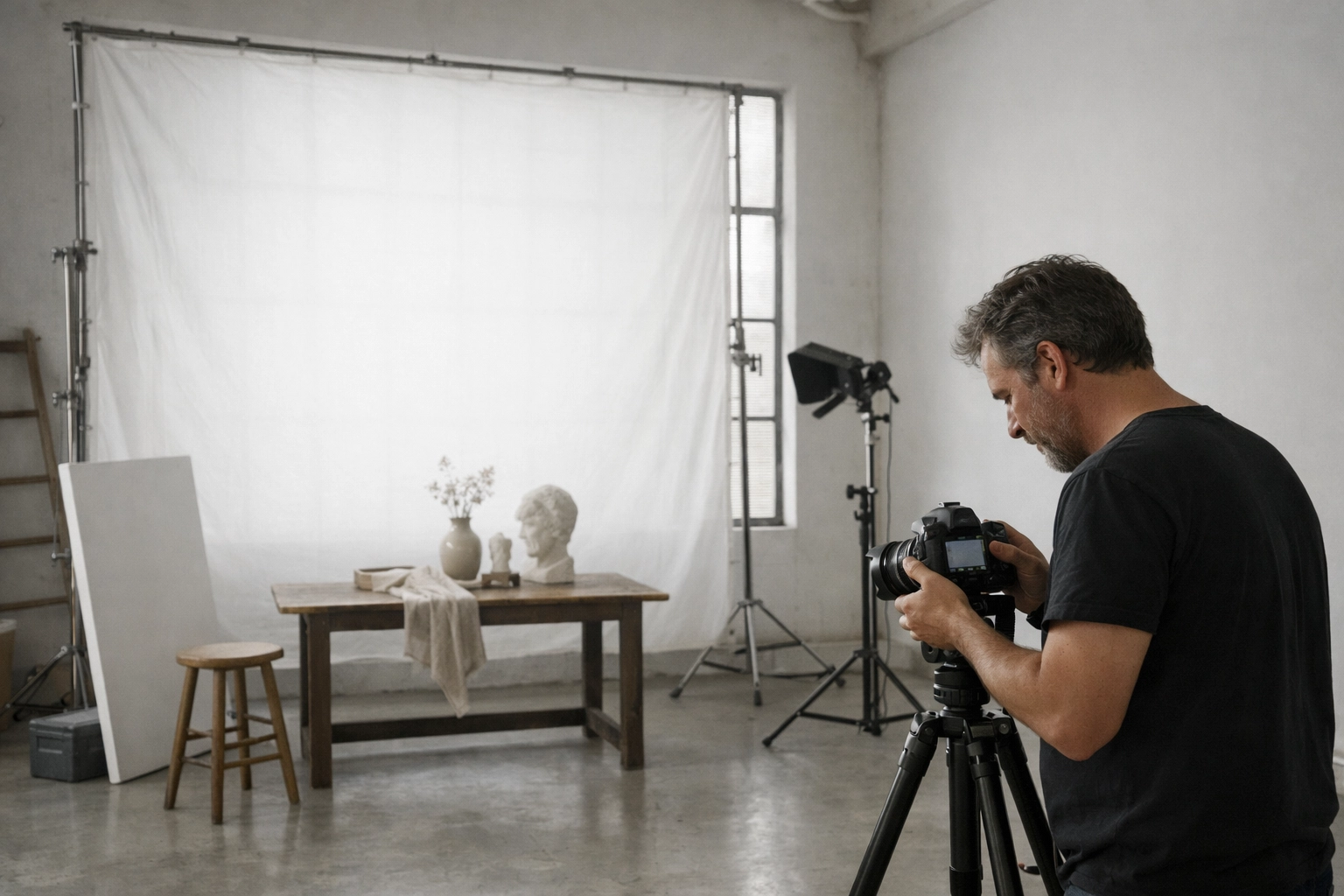
Beyond the weather, you can control your environment using high-quality modifiers. If you're working in a studio setting, large octaboxes or scrims are essential. They mimic the natural diffusion of a cloudy sky, allowing you to wrap light around your subject. This technique provides the foundational softness required for any ethereal composition, ensuring your work carries the weight and elegance of professional fine art.
Technical Precision: The Settings That Create Depth
Your camera settings are the engine that drives your creative vision. To achieve a truly dreamy look, you must master a shallow depth of field. This technique isolates your subject while turning the background into a soft, impressionistic blur. By setting your camera to a low f-stop: ideally between f/1.4 and f/2.8: you widen your aperture and compress the focus.
When you shoot wide open, you create a sense of intimacy and mystery. The viewer’s eye is immediately drawn to the sharpest point of the image, while the rest of the world melts away. This separation is a hallmark of fine art photography. However, technical mastery doesn't stop at aperture. You should also consider the following:
| Feature | Best Setting for Ethereal Effects | Why It Works |
|---|---|---|
| Aperture | f/1.4 – f/2.8 | Creates a shallow depth of field and beautiful bokeh. |
| ISO | 100 – 400 | Keeps the image clean and free of digital noise. |
| Shutter Speed | Variable (Slow for motion) | Slow speeds can blur water or clouds for a surreal feel. |
| White Balance | Kelvin (5000K-6500K) | Allows you to manually warm or cool the "glow" of the light. |
Advanced photographers also utilize High Dynamic Range (HDR) techniques, but not the garish, over-processed versions you might see on social media. Instead, you should capture multiple exposures to preserve detail in both the deepest shadows and the brightest highlights. This ensures that even in a high-contrast scene, such as light pouring through a narrow canyon, your image remains balanced and ethereal. For more in-depth training on these settings, you can explore our photography courses.
Using Physical Elements to Enhance the Glow
One of the most guarded secrets in ethereal photography is the use of foreground elements to create "in-camera" softness. You don't always need to wait for the editing room to create magic. By placing semi-transparent objects directly in front of your lens: such as sheer fabric, glass prisms, or even local foliage: you can introduce a natural, hazy frame that enhances the dreamy quality of your shot.
This technique, often called "shooting through," adds layers of depth that a flat image simply cannot replicate. Reflective surfaces also play a massive role. Water, mirrors, or metallic props can catch the light and bounce it back onto your subject, creating a subtle, secondary glow.
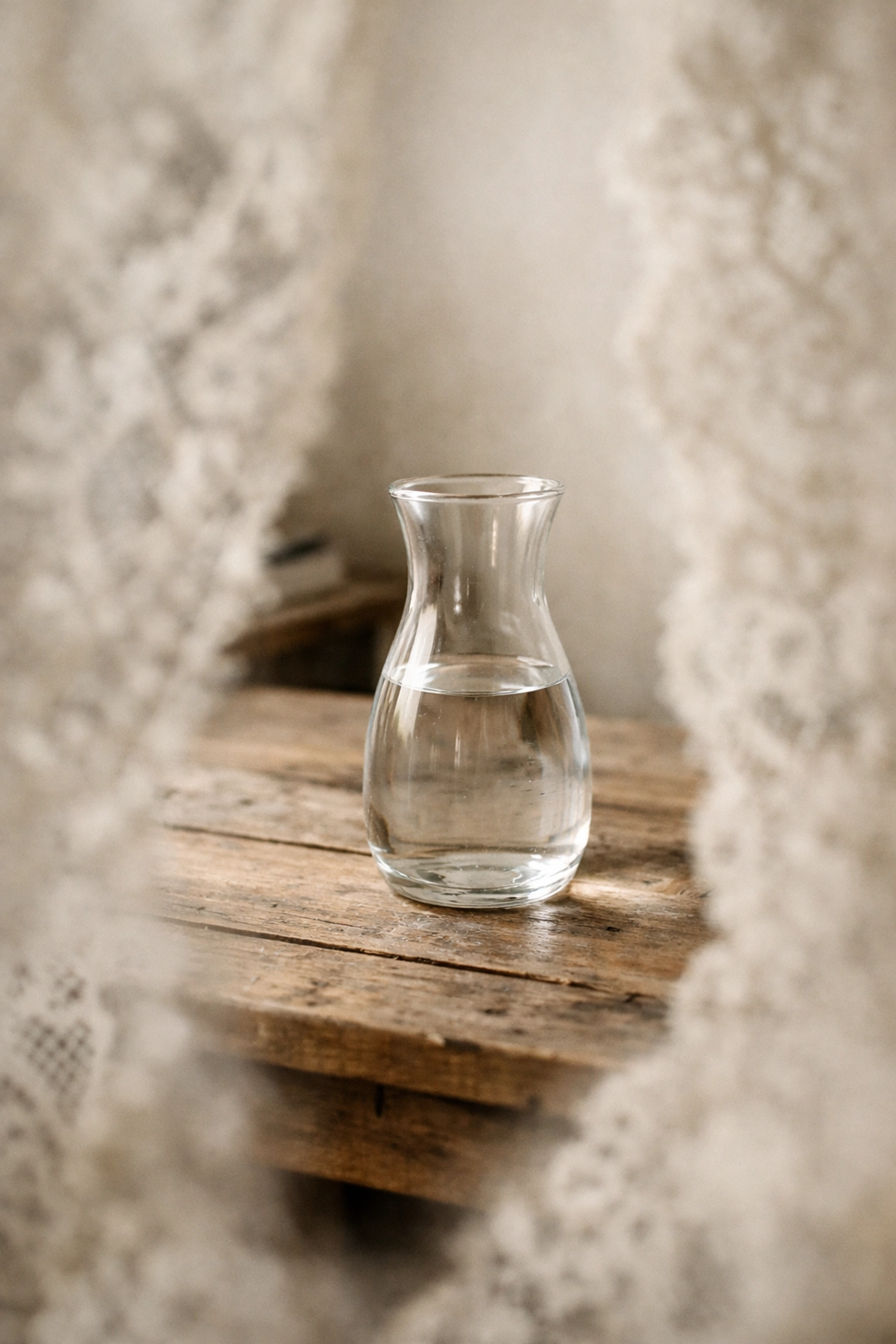
Strategic light placement, such as "base lighting" or "uplighting," can also create a surreal effect. When you light a translucent object from below, it appears to glow from within, rather than being lit from the outside. This is a favorite technique for fine art masters who want their subjects to look like they are emerging from a dream. If you are looking to master these physical setups, our workshops provide hands-on experience in various lighting environments.
Dreamy Photography Editing: The Digital Alchemy
Post-processing is where your raw data becomes a masterpiece. Dreamy photography editing is an art form that requires a delicate touch; overdoing it will ruin the illusion, but the right techniques will make your work sing. The most effective method used by experts is the "Orton Effect" or a variation of it.
To do this manually, you duplicate your main layer in Photoshop and apply a Gaussian Blur to the top layer. By changing the blending mode to "Soft Light" or "Overlay" and reducing the opacity, you introduce a soft, luminous glow while maintaining the structural integrity of the original image. This creates a "bloom" effect in the highlights that is synonymous with fine art.
Color grading is your next step. Ethereal images often lean toward a specific palette: either warm and nostalgic or cool and cinematic. You should use selective color adjustments to desaturate distracting hues and emphasize the tones that support your narrative. If you want to speed up this process, you can utilize professional-grade presets designed specifically for the fine art aesthetic.
Remember, the goal of editing in this genre is to enhance the emotion, not just the pixels. By carefully adjusting contrast and using "Curves" to lift the blacks slightly, you create a matte, film-like finish that resonates with collectors and gallery owners alike. You can find more editing tips and tricks on the Edin Chavez blog.
The Power of Strategic Shadows
It is a common misconception that ethereal photography must be bright. On the contrary, there is immense beauty in the darkness. Leading fine art photographers like Peter Lik demonstrate that the interplay between light and shadow is what creates drama. By using "negative fill" (black boards) to deepen shadows on one side of your subject, you add three-dimensionality.
Strategic shadows act as a container for your light. Without them, the light has nothing to push against, and your image can feel flat and uninspired. When you control the transition between the highlight and the shadow: known as the "feathering" of the light: you dictate the mood of the entire piece.
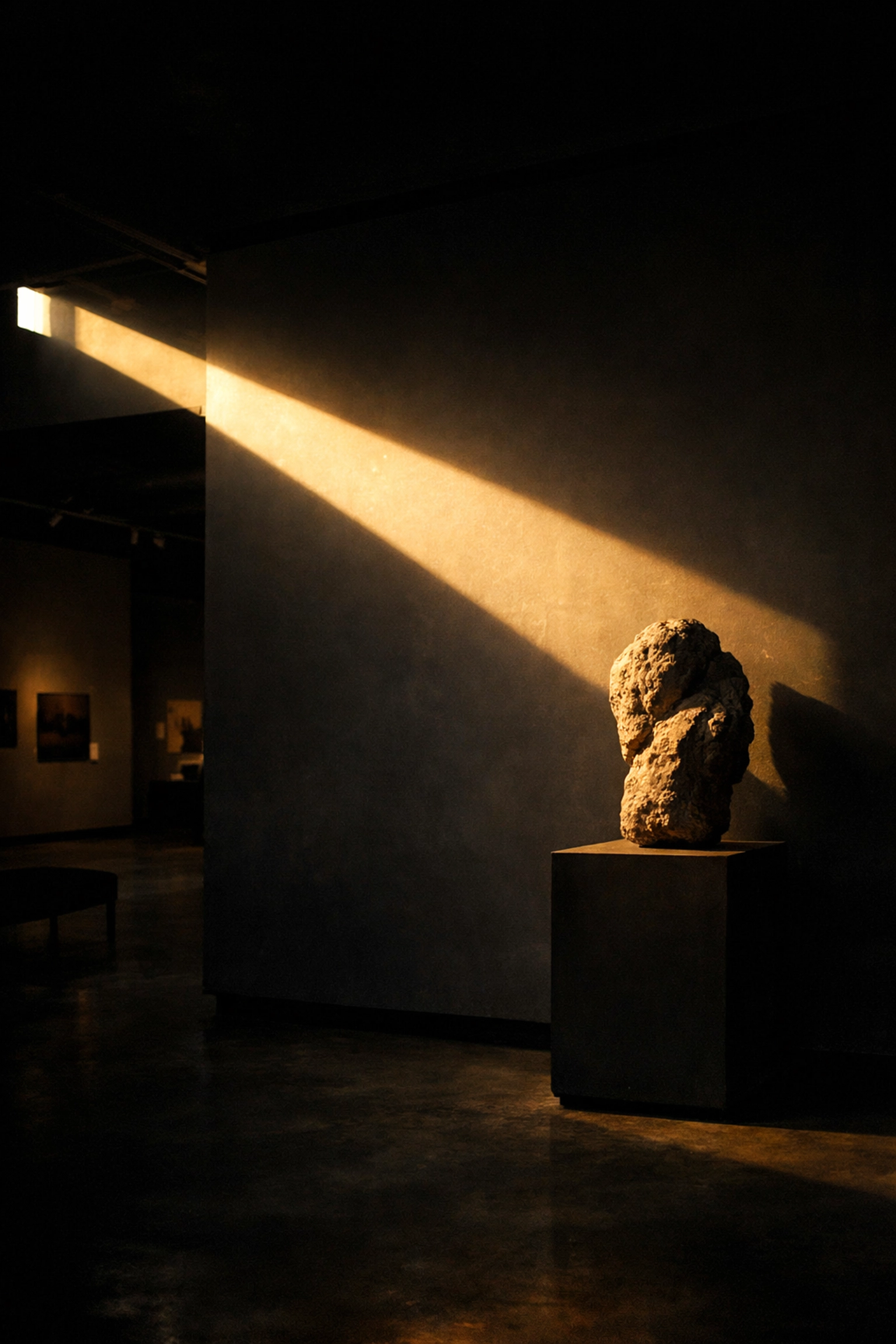
In landscape photography, this might mean waiting for a single ray of light to break through a canyon or hit a specific mountain peak. In portraiture, it means using a narrow light source to illuminate only the most essential features of your subject. This mastery of contrast ensures that your ethereal light feels intentional and powerful, rather than accidental.
Elevating Your Portfolio through Fine Art Mastery
Mastering ethereal light is about more than just technical skill; it is about developing a unique visual voice. When you apply these secrets: the soft diffusion, the shallow depth of field, the physical foreground layers, and the digital "bloom": you create a portfolio that stands out in a crowded market.
At Edin Studios, we are dedicated to helping you reach that next level of artistic expression. Fine art photography is a journey of constant refinement. By integrating these techniques into your workflow, you ensure that every image you produce carries a sense of wonder and professional polish.
Whether you are just starting to experiment with dreamy aesthetics or you are a seasoned pro looking to refine your "glow," the key is consistency. Practice these lighting setups, experiment with your post-processing, and never be afraid to embrace the shadows. Your ability to see and capture light in its most ethereal form is your greatest asset as a photographer.
Hence, with these considerations in mind, you are now equipped to go out and capture the world in a way that others can only dream of. The "secrets" are now in your hands; it’s time to show the world what you can do with them. For more inspiration and professional insights, keep following our journey at Edin Chavez Photography.


