

Just as you wouldn't walk into a prestigious gallery and expect to walk out with a mass-produced poster from a gift shop, you shouldn't approach your art collection without a solid grasp of what makes a piece truly valuable. Whether you are a seasoned curator or a first-time buyer looking to spruce up your home with something meaningful, understanding limited edition photography prints is your secret weapon.
You’ve probably seen those numbers at the bottom of a photo, something like 5/25, and wondered if it actually matters. Is the first one better? Does it lose value if it's the last one? Well, grab a coffee, and let’s dive into the world of high-value art. I’m here to guide you through the technical jargon and the "insider" secrets so you can invest with total confidence.
What Exactly is a Limited Edition?
At its core, a limited edition is a promise. When you purchase one of these pieces, you are buying into the artist's guarantee that only a specific number of prints will ever be created in that size and format. Once they are gone, they are gone. There is no "restocking" or "second run."
This scarcity is what transforms a beautiful image into a collectible asset. Unlike open editions, which can be printed endlessly on everything from mugs to mousepads, limited editions hold their value because they are rare. When you look at the stunning work over at Edin Fine Art, you’re seeing years of craft condensed into a finite number of physical pieces.
The Anatomy of the Edition Number
The fraction you see on the print tells a story:
- The Top Number: This identifies the specific print you own (e.g., the 5th one printed).
- The Bottom Number: This is the "edition size", the total number of prints that will ever exist in that run.
In the world of modern museum quality prints, print 1/25 is technically identical in quality to print 25/25. However, the psychological value of the lower numbers often makes them highly sought after by collectors who want to be "first."
Why Museum Quality Prints Matter for Your Collection
If you're going to invest your hard-earned money, you want that art to look just as vibrant fifty years from now as it does today. This is where museum quality prints and archival prints come into play.
A standard photo print from a big-box store uses cheap dyes and acidic paper that will yellow and fade before you even finish paying off your mortgage. Real fine art photography is printed on acid-free, 100% cotton rag paper using pigment-based inks. These archival materials ensure that the depth of the blacks and the brilliance of the colors stay locked in for generations.
When I’m out in the field, perhaps capturing the eerie stillness of a long exposure in the Everglades, I’m already thinking about how those subtle gradients will translate to a physical piece. To get those shots ready for the printing press, I always rely on the Ultimate Lightroom Preset Collection to ensure the colors are perfect and the file is clean enough for a large-scale masterwork.
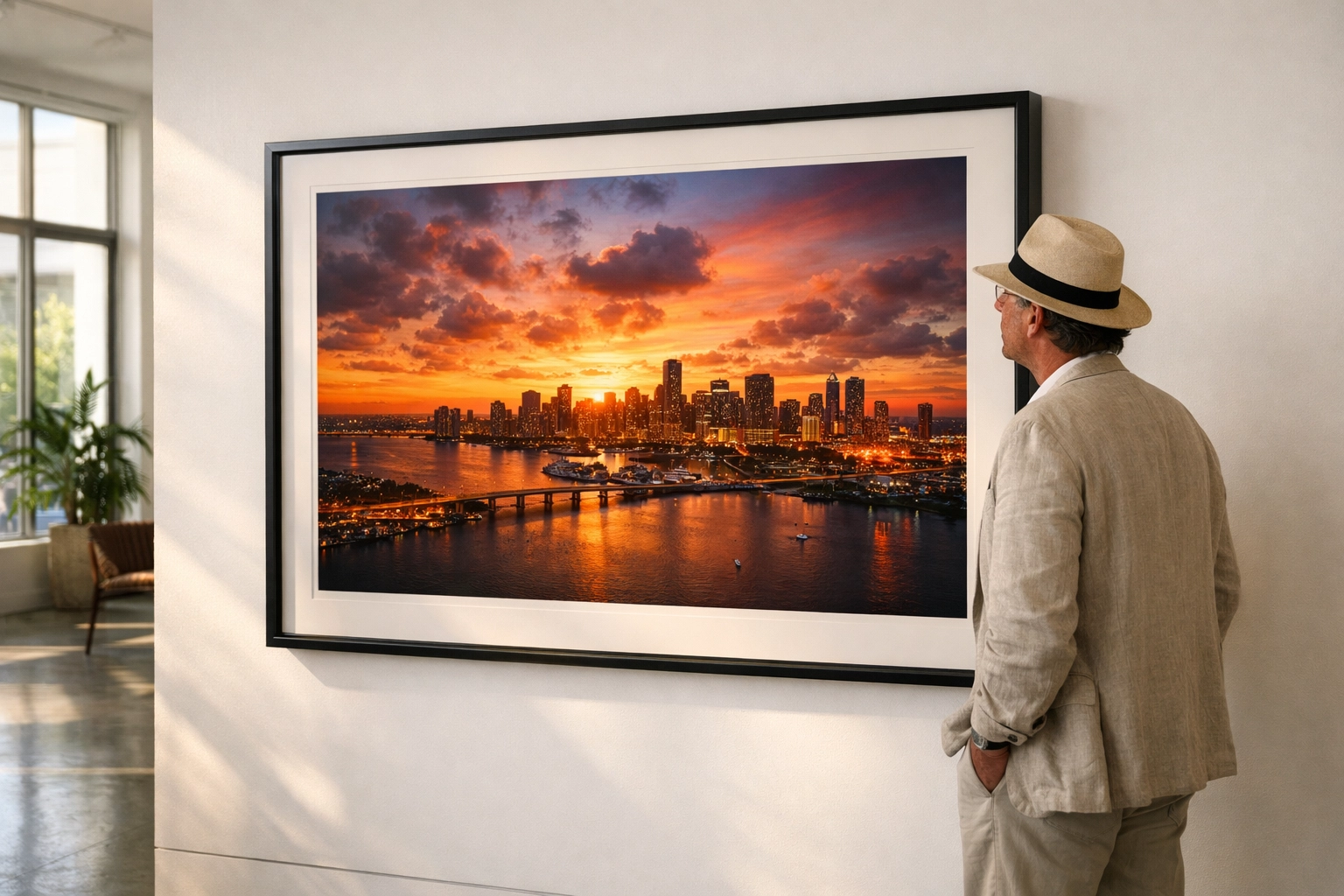
Understanding Edition Sizes: A Quick Reference
Not all editions are created equal. As a collector, the total number of prints significantly impacts the potential appreciation of the piece. Here is a breakdown of how the market generally views these numbers:
| Edition Size | Market Tier | Collector Appeal |
|---|---|---|
| 1 of 1 | Unique / Ultra-Rare | As rare as an original painting. Maximum value. |
| 5 – 25 | Small Edition | Highly exclusive; favored by serious curators. |
| 26 – 100 | Medium Edition | Balanced; more accessible but still holds good value. |
| 100 – 500+ | Large Edition | More about decoration than high-stakes investment. |
By focusing on smaller runs, you ensure that you aren't just buying "decor," but a piece of history. For more insights on how to elevate your work or your collection, explore our site for a deep dive into hundreds of tutorials and guides.
The Secret "Artist Proof" (AP)
Have you ever noticed a print marked "AP"? This stands for Artist Proof. Traditionally, these were the first few prints off the press that the artist used to check for color accuracy. Today, they are a small batch, usually about 10% of the total edition, that the photographer keeps for their own archives or special exhibitions.
Because there are even fewer APs than numbered prints, they are often considered the "holy grail" for collectors. If you manage to snag an AP from a series like my Miami sunsets, you’re holding onto something truly special. Speaking of Miami, if you're ever in the area looking to capture your own gallery-worthy shots, you’ve got to check out my Miami Self-Driving Photography Guide or even book a Private Miami Photography Tour.
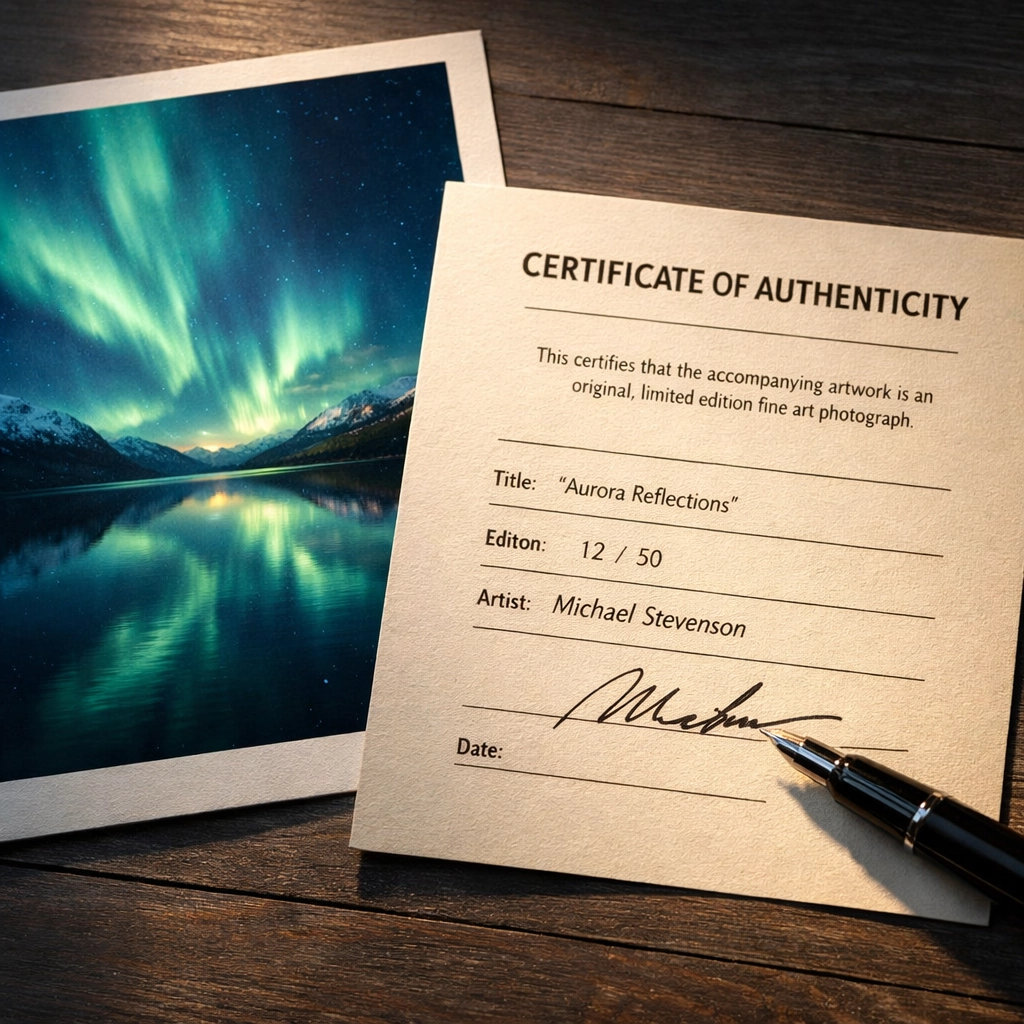
The Non-Negotiable: Certificate of Authenticity for Art Prints
Never, and I mean never, buy a limited edition print without a certificate of authenticity for art prints (COA). This document is the "birth certificate" of your artwork. It’s your proof that the print is what the seller claims it is.
A legitimate COA should include:
- Title of the Work
- The Edition Number (e.g., 3/10)
- Dimensions and Media (e.g., 24×36 on Hahnemühle paper)
- The Artist’s Signature
- The Date of Production
Without this, you’re essentially holding an expensive piece of paper. The COA provides the provenance needed for insurance purposes and future resales. We take this very seriously at Edin Studios, ensuring every collector has the documentation they need to protect their investment.
How to Sell Fine Art Photography Prints (The Artist's Perspective)
If you're a photographer reading this and thinking, "Okay, I have the shots, but how to sell fine art photography prints effectively?" the answer lies in transparency and quality.
Collectors aren't just buying your image; they are buying your brand and your commitment to excellence.
- Consistency is King: Use the same high-end lab for all your archival prints.
- Limit Your Sizes: Don’t offer twenty different sizes. Pick two or three and stick to a strict edition count for each.
- Presentation Matters: Whether it’s a shot from the Brooklyn Bridge or a minimalist desert scene, the way you frame and ship your work speaks volumes about its value.
Red Flags to Watch Out For
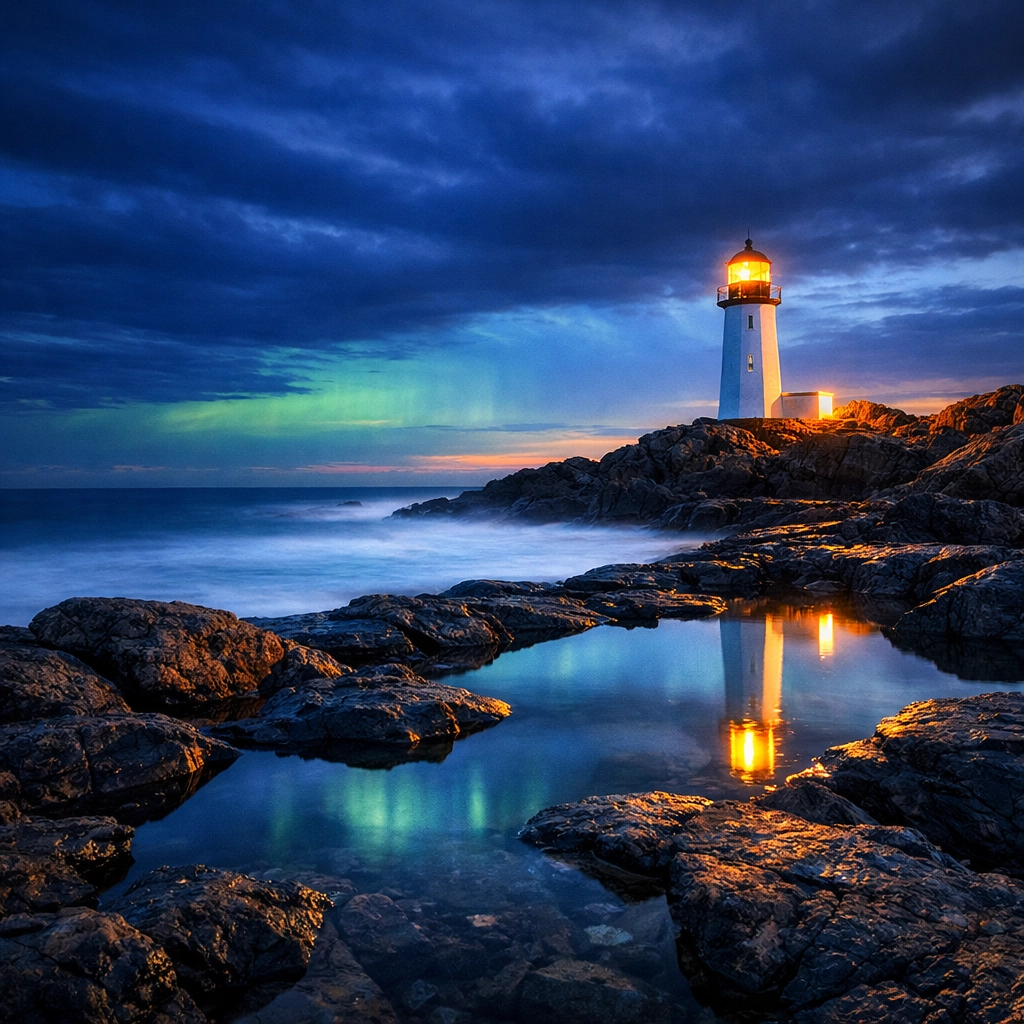
As you navigate the art market, keep your eyes peeled for these warning signs:
- Vague Edition Information: If a seller says "limited edition" but can't tell you the total number, walk away.
- Unsigned Prints: A signature (either on the print or the COA) is the mark of the artist's approval.
- Cheap Materials: If the print is on "standard photo paper," it's not a fine art piece.
- No Contact Info: You should be able to reach the photographer or the representing gallery easily.
Fine art photography is an investment in beauty and culture. By focusing on limited edition photography prints that use archival materials, you are ensuring that your home is a gallery of lasting significance.
Whether you are looking for that perfect centerpiece from the Everglades Photography Guide or a bustling city scene, remember that the most important factor is how the art makes you feel.
With these considerations in mind, you're ready to start or expand your collection with the savvy of a pro. Head over to Edin Fine Art to see these principles in action and find your next masterpiece. For more insights on how to elevate your work, explore our site for a deep dive into hundreds of tutorials and guides at https://blog.edinchavez.com/.


