
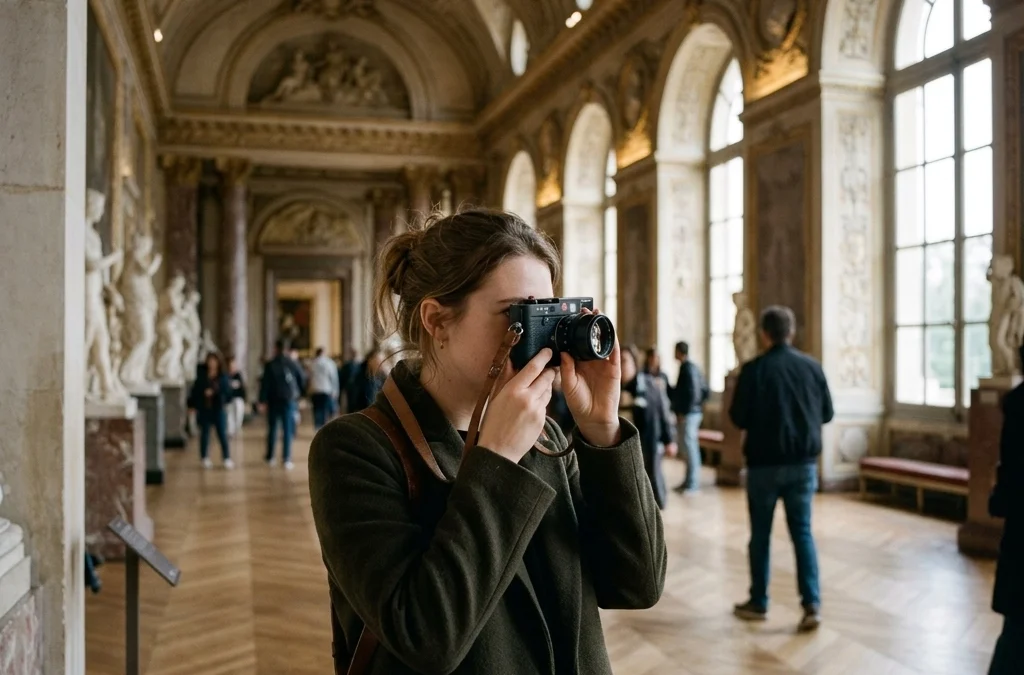
Just as a painter stares at a blank canvas before the first stroke of oil hits the weave, you, as a fine art photographer, aren't just looking for a "pretty scene." You’re looking for a story that hasn't been told yet. Many people think that owning a fancy camera makes them a photographer, but stepping into the world of fine art photography requires a shift in perspective, from documenting reality to creating a vision.
As you embark on this journey, I’m here to guide you through the technical maze and the creative clouds. My goal is to help you move past the "auto" button and start making intentional, soulful images that look like they belong on a gallery wall. Whether you’re dreaming of misty landscapes or haunting portraits, mastering the technical artistry behind your lens is the first step toward finding your unique voice.
What is Fine Art Photography, Anyway?
Before we dive into the "how-to," let's talk about the "what." Unlike commercial photography, which aims to sell a product, or photojournalism, which seeks to document an event, fine art photography is about you. It’s about your message, your emotions, and your artistic vision.
In the fine art world, the camera is merely a tool, much like a brush or a chisel. The final image is a reflection of your internal world. When you look at the works on Edin Fine Art, you’ll notice that the images aren't just snapshots; they are carefully crafted pieces of art that evoke a specific mood or question.
| Element | Documentarian Approach | Fine Art Approach |
|---|---|---|
| Primary Goal | Recording reality exactly as it is. | Expressing a concept or emotion. |
| Subject Matter | Often literal and recognizable. | Often symbolic or metaphorical. |
| Technical Style | Clean, sharp, and "standard." | Experimental, ethereal, and stylized. |
| Post-Processing | Minimal; focused on correction. | Heavy; focused on creative interpretation. |
Technical Mastery: Your Foundation for Freedom
You might think that "art" is all about feelings and no rules, but the truth is, the more you master the technical side, the more freedom you have to be creative. If you’re struggling with your settings, you’re not focusing on the soul of the image.
Understanding the Exposure Triangle
To create that ethereal photography look you’re after, you need to understand how Aperture, Shutter Speed, and ISO play together.
- Aperture: This is your best friend for depth of field. If you want those soft, blurry backgrounds that make a subject pop, you’ll be shooting wide open (low f-stop numbers).
- Shutter Speed: Want to blur the motion of a waterfall to make it look like silk? You'll need a slow shutter speed. Want to freeze a moment in time? Go fast.
- ISO: Keep this as low as possible to maintain image quality. In fine art, "grain" can sometimes be an aesthetic choice, but unwanted digital noise is usually a mood-killer.
The Magic of Light
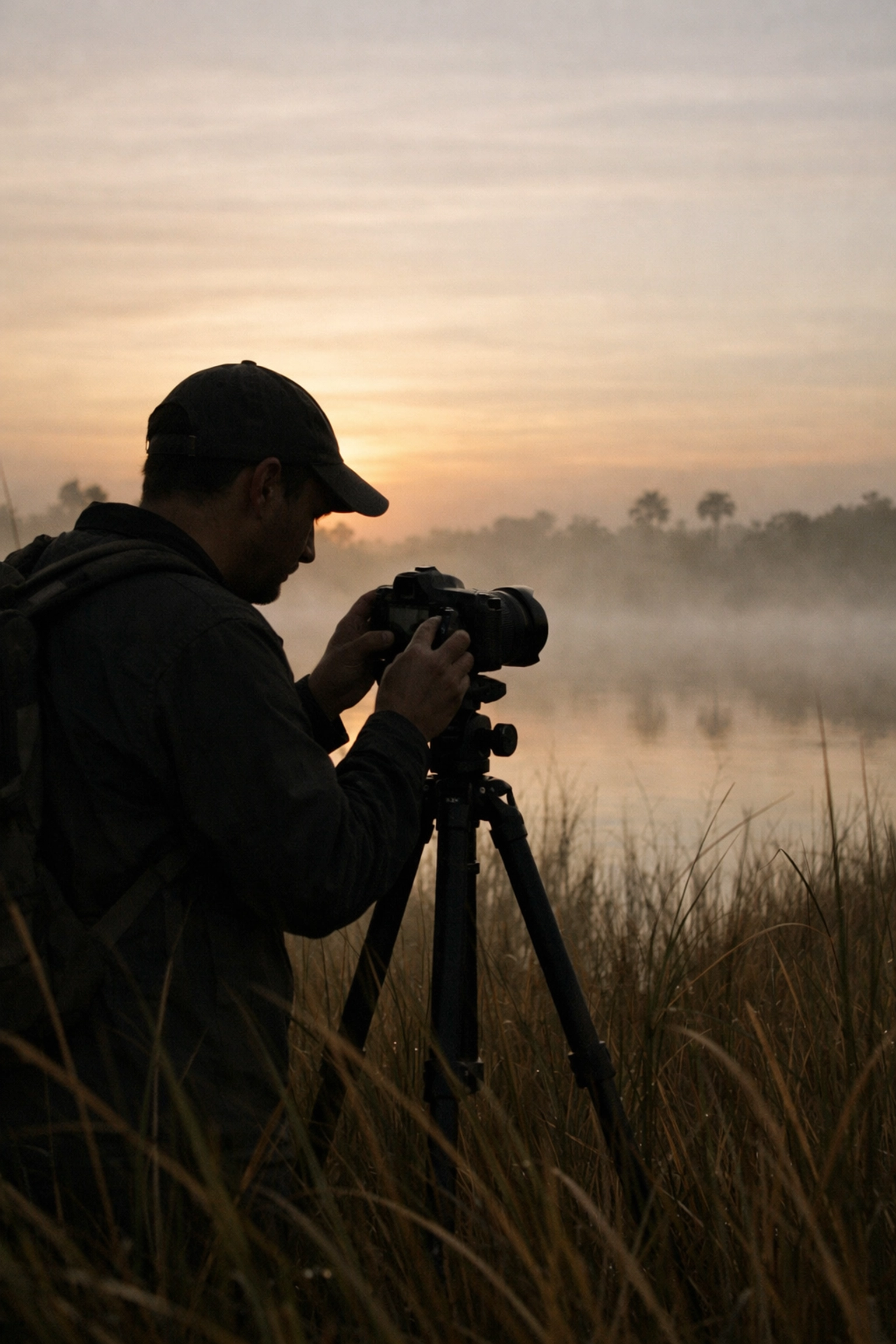
Light is the "paint" of your photography. For fine art photography, you aren't just looking for "enough" light; you’re looking for quality light.
- Natural Light: The "Golden Hour" (just after sunrise or before sunset) provides that soft, warm glow that is essential for ethereal photography.
- Artificial Light: Don't be afraid to use strobes or continuous lights to create dramatic shadows. Fine art is often about what you don't see: the mystery in the shadows.
By integrating these technical skills, you ensure that your gear never stands in the way of your imagination.
Crafting the Ethereal: Composition and Vision
Once you’ve got your settings dialed in, it’s time to talk about composition. While the "Rule of Thirds" is a great starting point, fine art often thrives on breaking the rules.
Leading Lines and Symmetry
Use leading lines to pull your viewer’s eye through the frame. In fine art, symmetry can create a sense of peace or, conversely, a sense of eerie perfection. Think about how you want the viewer to feel when they step into your frame. Is the image balanced, or is it intentionally off-kilter to create tension?
Depth and Perspective
Don't just stand at eye level. Get low, climb high, or shoot through objects like leaves or glass to add layers to your work. This layering effect is a staple in ethereal photography, as it creates a sense of depth that feels almost three-dimensional.
For more inspiration on how to compose your shots in the wild, check out our Everglades Photography Guide. The vast, swampy landscapes of Florida are a perfect training ground for finding beauty in the "messy" parts of nature.
Dreamy Photography Editing: The Digital Darkroom
This is where the magic really happens. In the world of fine art, the "click" of the shutter is only 50% of the process. The other 50% happens at your computer. Dreamy photography editing is an art form in itself.
The Power of RAW
Always, and I mean always, shoot in RAW. This format preserves all the data from your sensor, giving you the "smooth as butter" transitions in highlights and shadows that JPEGs just can't handle. When you’re trying to achieve a delicate, misty look, you need every bit of data you can get.
Color Grading for Mood
Color psychology is a massive part of fine art. Do you want your image to feel cold and lonely? Lean into the blues. Do you want it to feel nostalgic and warm? Bring out the oranges and yellows.
One of the quickest ways to elevate your editing game is to use professional-grade tools. If you want to achieve that high-end look without spending hours tweaking every slider, I highly recommend checking out the Ultimate Lightroom Preset Collection. It’s a game-changer for creating consistent, professional results.
Softening the Reality
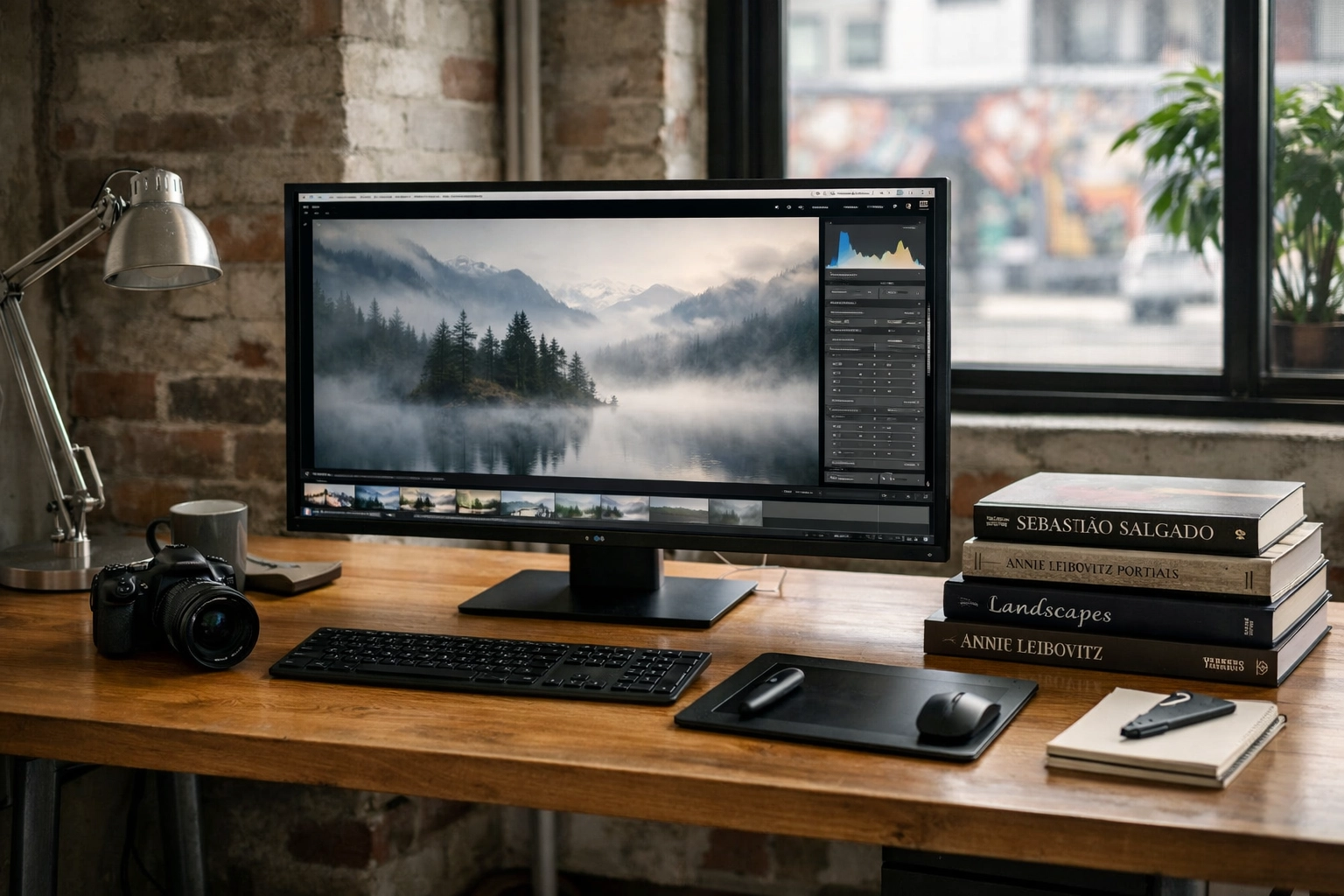
To get that "dreamy" look, play with the "Texture" and "Clarity" sliders in Lightroom: but move them to the left. Reducing clarity slightly can give your images a glow that mimics vintage lenses or heavy mist. This is a core technique in dreamy photography editing that separates a standard landscape from a fine art piece.
Developing Your Personal Series
Fine art photography is rarely about a single "lucky" shot. It’s about a body of work. As you grow, you should aim to create a series of images that are tied together by a common theme, technique, or color palette.
Consistency is Key
If you look at the portfolio on Edin Studios, you’ll see how a consistent style creates a powerful brand. When you're starting out, pick a theme: maybe it’s "Isolation," or "The Secret Life of Trees": and shoot specifically for that theme for a month. This discipline propels your skills forward much faster than random shooting ever could.
Finding Inspiration
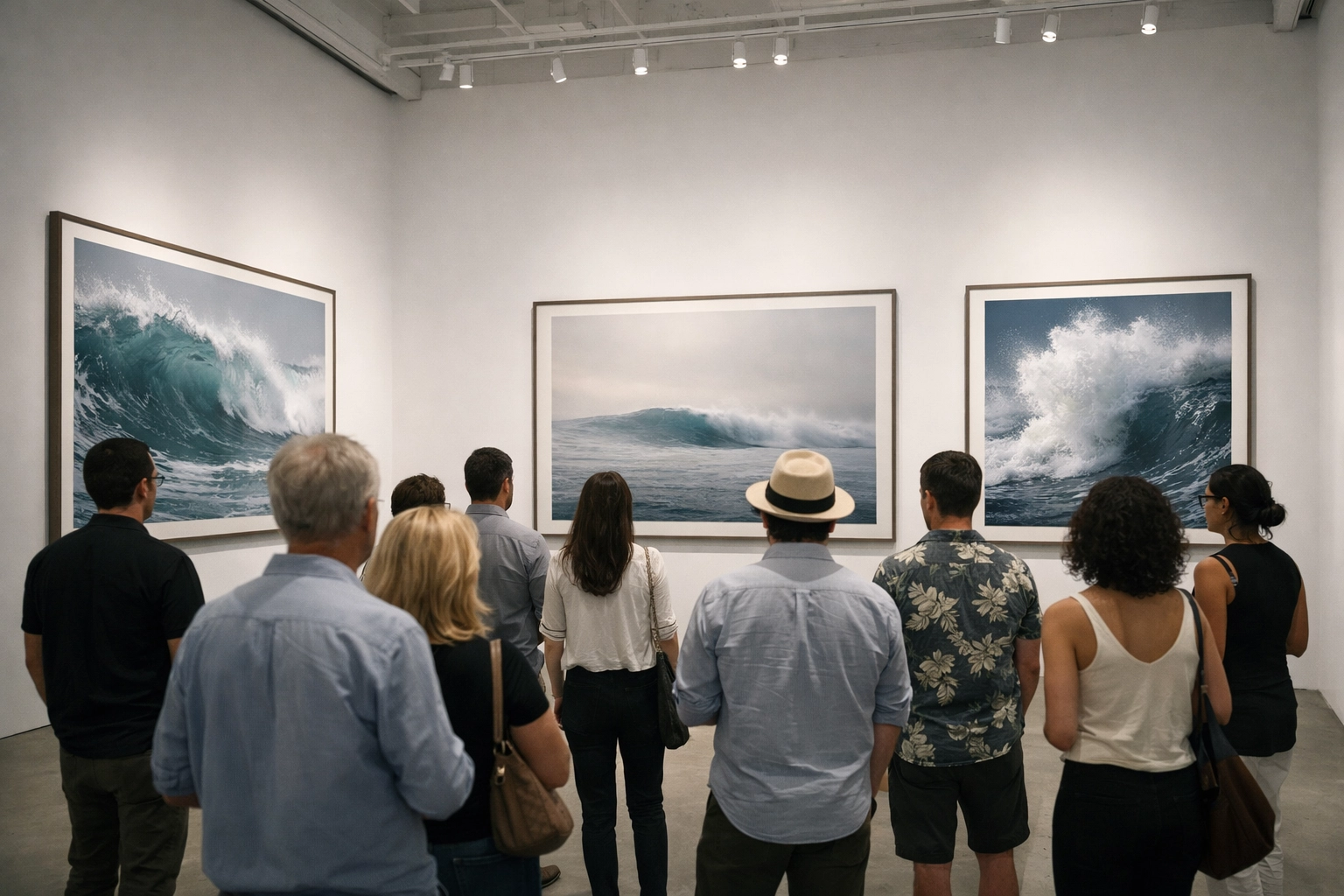
Don't wait for a lightning bolt of inspiration. Go find it. Visit galleries, buy coffee table books, and look at the masters. Study how they use light to guide the eye. If you find yourself in Florida, why not join a Private Miami Photography Tour? It’s a great way to see the world through a pro's eyes and get hands-on advice on your composition.
Final Thoughts for the Aspiring Artist
Mastering fine art photography is a marathon, not a sprint. It takes time to align your technical skills with your creative vision. But remember: every "bad" photo you take is just a stepping stone to a great one. Don't be afraid to experiment, make mistakes, and push the boundaries of what you think "good" photography looks like.
Your camera is your voice. What do you have to say? By focusing on the intersection of technical artistry and emotional depth, you’ll start creating work that doesn't just look good: it feels good.
For more insights on how to elevate your work, explore our site for a deep dive into hundreds of tutorials and guides at https://blog.edinchavez.com/. Whether you’re looking for gear reviews or deep dives into post-processing, we’ve got you covered. Now get out there and start creating something ethereal!


