
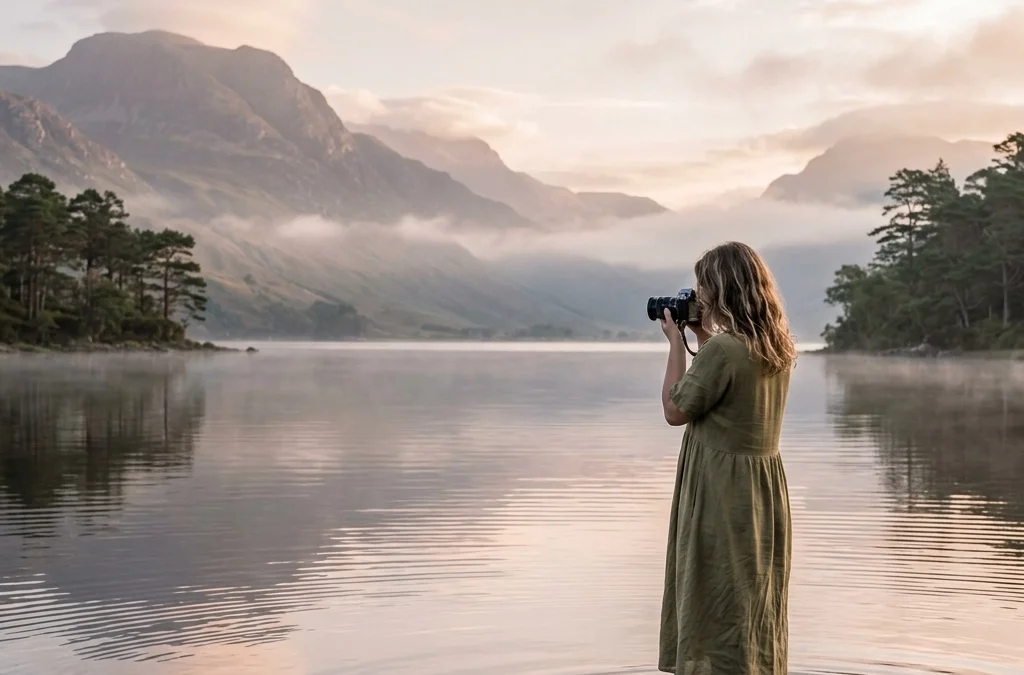
Just as a dream lingers in the back of your mind long after you’ve woken up, ethereal photography captures a feeling rather than a static, sharp reality. It’s that soft-focus, glow-from-within aesthetic that makes you feel like you’ve stepped into a fairytale or a distant memory. If you’ve ever looked at a photo and felt a sense of calm, nostalgia, or quiet magic, you’ve likely been staring at a piece of ethereal fine art.
At Edin Chavez Blog, we believe that photography is more than just clicking a shutter; it’s about storytelling through light and emotion. Mastering ethereal photography isn't just about having a fancy lens; it's about training your eye to see the softness in a world that often feels too sharp. Whether you are looking to sell high-end prints like those found at Edin Fine Art or you simply want to level up your Instagram game, this guide will walk you through the technical skills and the creative mindset you need to succeed.
What Exactly is Ethereal Photography?
Before you dive into your camera bag, you need to understand the vibe. Ethereal photography is characterized by light, airy, and atmospheric qualities. It prioritizes the "glow" over the "grain." While traditional landscape or street photography often celebrates tack-sharp details, ethereal work embraces blur, movement, and a delicate palette.
Think of it as the visual equivalent of a whisper. It’s about creating a mood that feels otherworldly and safe. Your goal is to make the viewer feel like they are remembering a beautiful dream. This style is a pillar of fine art photography, where the artist's vision takes precedence over a literal representation of the subject.
Master the Light: Your Secret Weapon
In the world of the ethereal, light is your most important tool. You aren't just looking for light; you are looking for quality of light. Forget the harsh midday sun: that’s the enemy of the dream. To achieve that signature glow, you need to master these lighting scenarios:
The Golden and Blue Hours
Many photographers swear by the golden hour (just after sunrise or before sunset), and for good reason. The long shadows and warm, directional light create a natural radiance. However, don't sleep on the blue hour (the period just before sunrise or after sunset). The cool, soft tones of the blue hour provide a moody, spiritual quality that is perfect for ethereal landscapes.
Backlighting for the Win
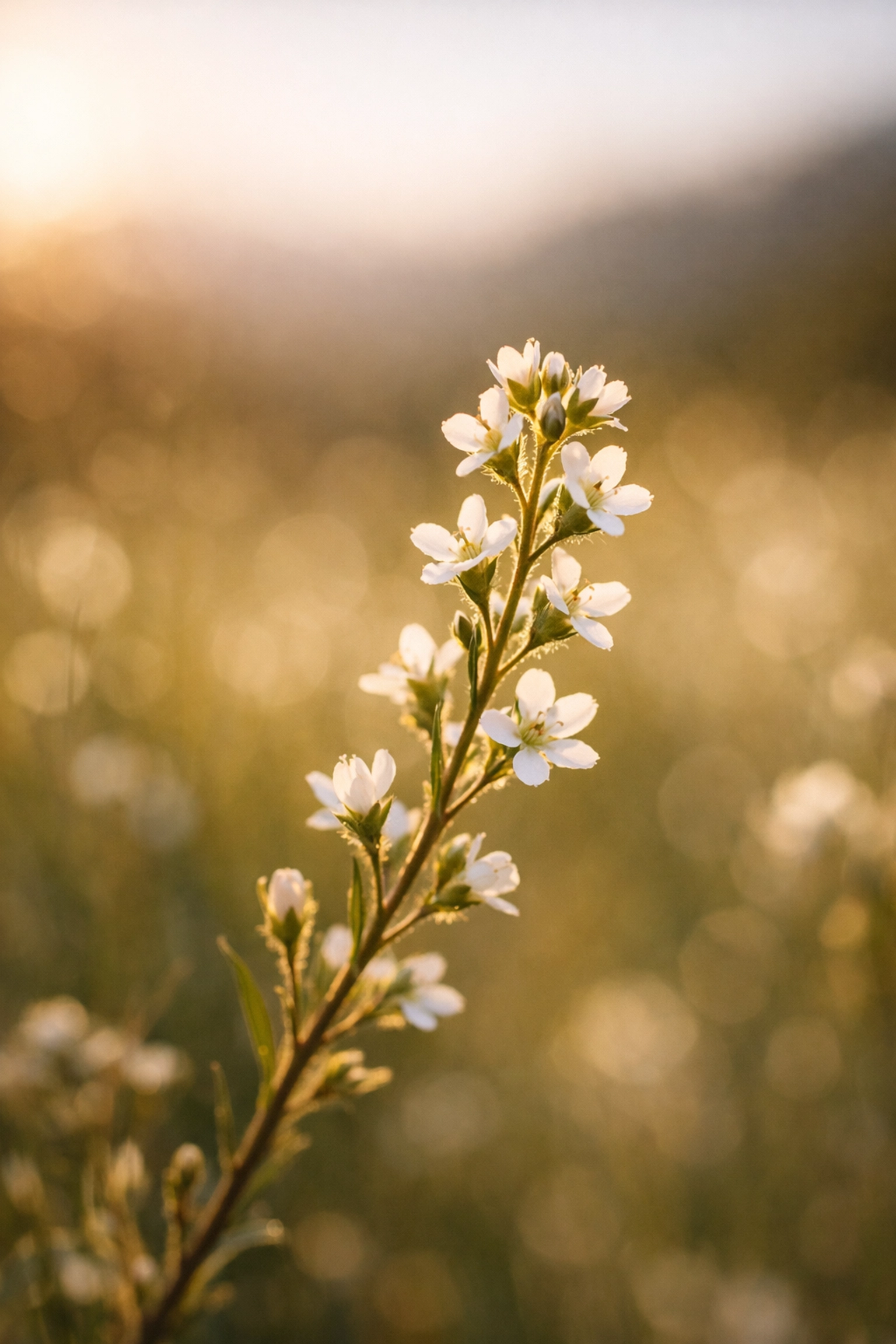
If you want your subjects to look like they’re illuminated from within, you must learn to backlight. By positioning your subject between you and the light source, you create a "rim light" effect. This makes hair, fabric, and nature (like tall grass or mist) glow brilliantly. This is a staple technique in fine art photography that separates the pros from the hobbyists.
Overcast and Foggy Days
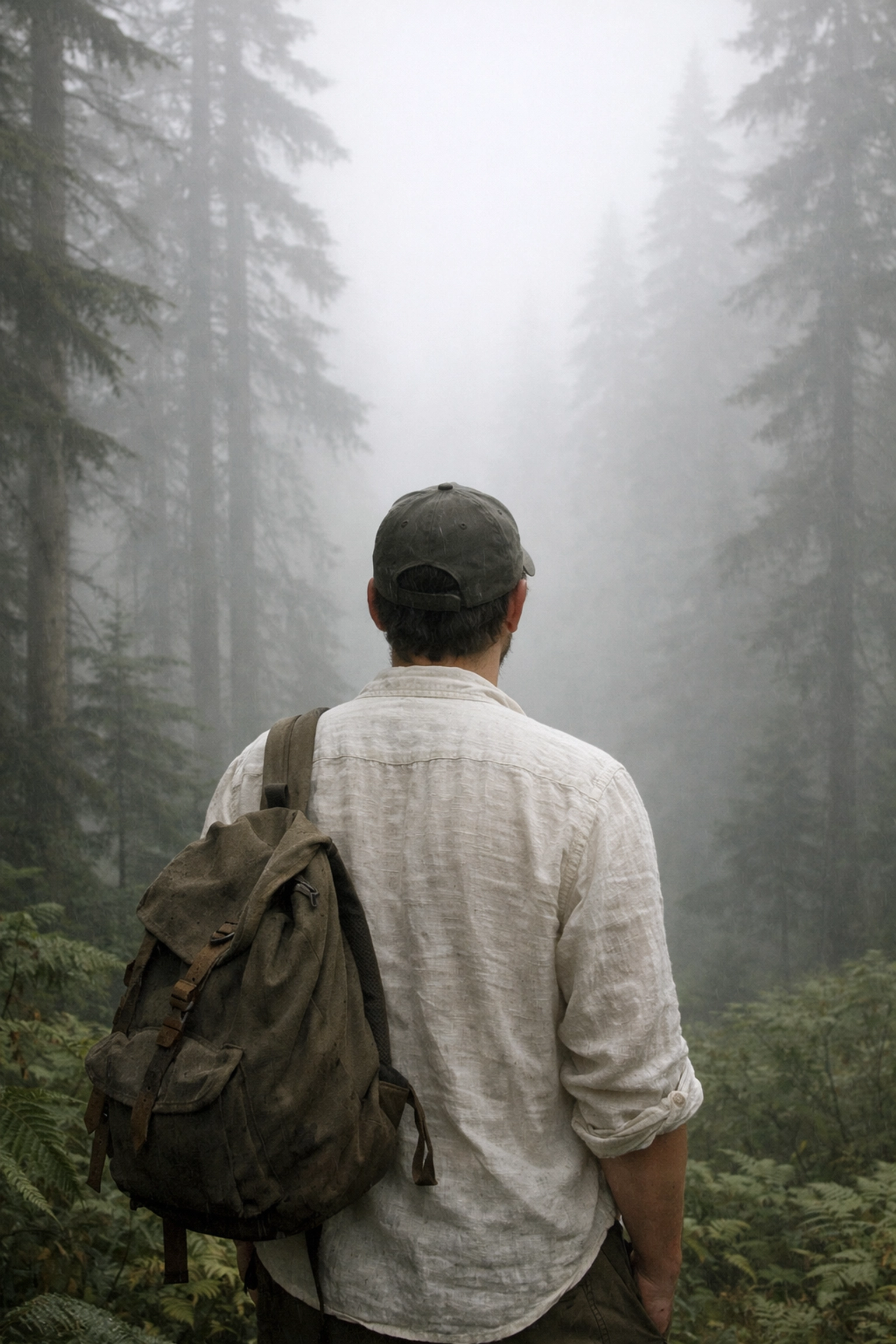
Don't let a "gloomy" day keep you inside. Overcast skies act as a giant softbox, eliminating harsh shadows and providing a flat, even light that is incredibly easy to work with for dreamy photography editing later on. Fog, of course, is the holy grail. It provides natural diffusion and adds an instant layer of mystery and depth to your frames.
| Lighting Type | Mood Created | Best Used For |
|---|---|---|
| Golden Hour | Warmth, nostalgia, hope | Portraits, beach landscapes |
| Blue Hour | Mystery, calm, spirituality | Cityscapes, quiet forests |
| Backlighting | Glow, separation, magic | Fine art portraits, flowers |
| Fog/Mist | Depth, isolation, dreamlike | Moody landscapes, storytelling |
Technical Camera Settings for a Soft Touch
While your vision is the driver, your gear needs to be tuned correctly. To get that "floating" feeling, you need to manage your depth of field and focus with intention.
Wide Aperture is Non-Negotiable
To get that signature soft, blurred background (bokeh), you need to shoot "wide open." If you have a prime lens, drop your aperture to f/1.8, f/2.0, or f/2.8. This shallow depth of field isolates your subject and turns the background into a painterly wash of color. If you are shooting portraits, ensure you lock your focus on the eyes: even in a dreamy world, the eyes are the window to the soul.
Lens Choice and Diffusion
While modern lenses are designed to be sharp, ethereal photography often benefits from a little "imperfection." Many fine art photographers use vintage lenses to get a softer look. If you don't want to buy new gear, you can use physical diffusion:
- Lens Filters: Use a "Pro-Mist" or "Black Mist" filter to bloom your highlights.
- The DIY Route: Stretch a piece of thin pantyhose or tulle over your lens.
- The Old-School Trick: A tiny (and I mean tiny!) smear of Vaseline on a clear UV filter can create a beautiful blur around the edges of your frame.
For more technical deep dives, check out our Photography Guides which cover everything from gear to composition.
Practical Tips: Shooting Through the Veil
One of the best ways to enhance ethereal photography is to add layers between your lens and your subject. This creates a "veil" that softens the entire image.
- Shoot Through Objects: Hold a piece of glass, a prism, or even a branch of flowers right in front of your lens while focusing on a subject further away. The foreground object will turn into a soft blur of color.
- Use Movement: Don't be afraid of a little camera shake or subject movement. A slightly blurred hand or a flowing dress caught in a long exposure can add a sense of ghost-like elegance.
- Find the Negative Space: Don't crowd your frame. Leave plenty of "room to breathe": empty sky, calm water, or a field of grass. This gives your subject a sense of weightlessness.
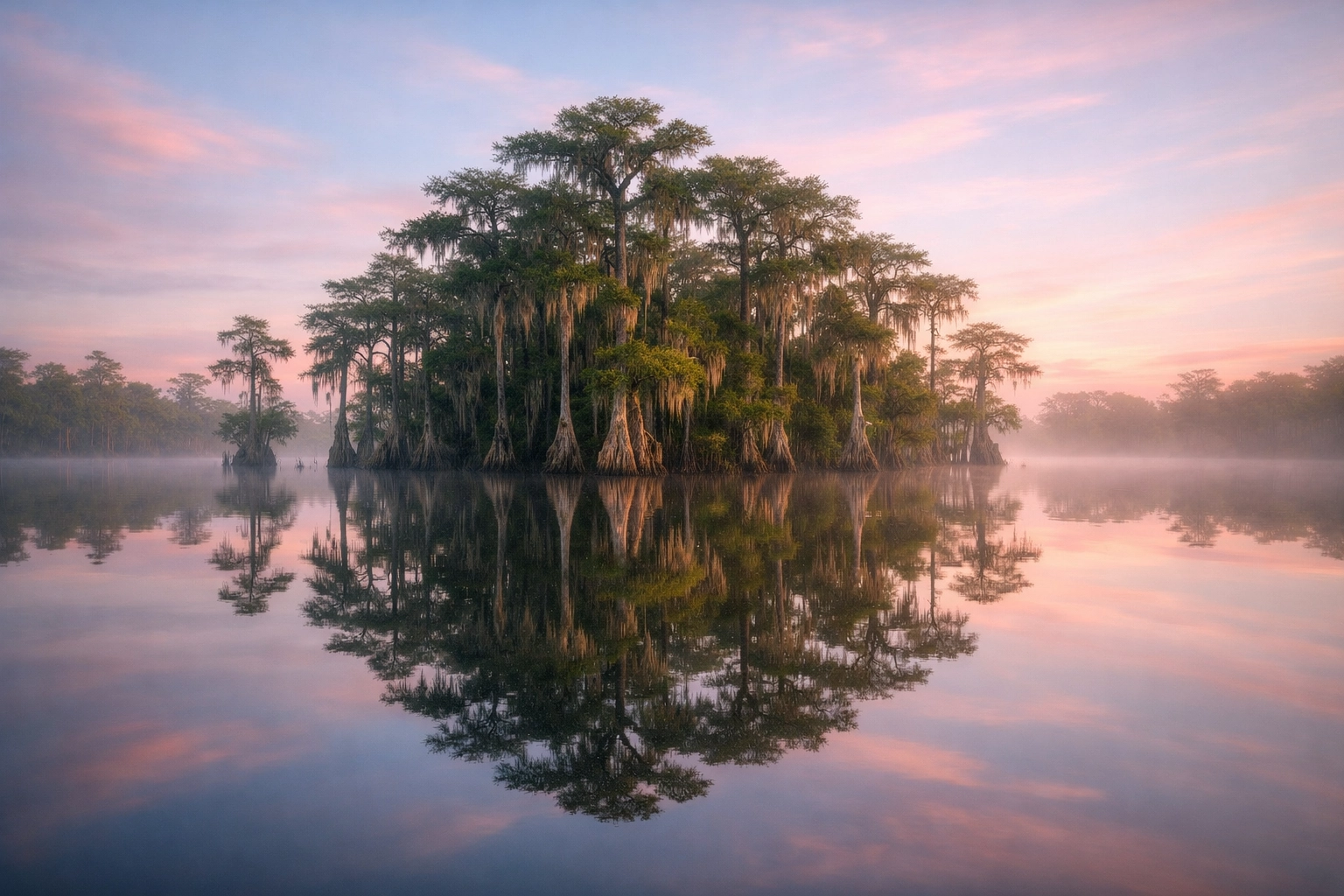
If you find yourself in Florida, the Everglades offer some of the most atmospheric, ethereal landscapes in the world: especially at dawn. Grab our Everglades Photography Guide to find the best spots for that misty morning glow.
Dreamy Photography Editing: Where the Magic Happens
Your work isn't done when you press the shutter. In fact, for many, the dreamy photography editing phase is where the true ethereal quality is born. You don't want to over-process, but you do want to enhance the atmospheric elements you’ve captured.
The Power of Color Grading
Ethereal images often lean toward a specific color palette: either warm and golden or cool and pastel. Use the HSL panel in Lightroom to desaturate harsh colors and shift your hues toward a more harmonious look. Whites should be bright but not blown out, and shadows should be "lifted" to avoid heavy, dark blocks of black.
Adding the "Orton Effect"
Named after Michael Orton, this technique involves layering a sharp version of an image with a blurred version. In Photoshop, you can duplicate your layer, apply a Gaussian Blur, and then change the blending mode to "Soft Light" or "Overlay." Lower the opacity until you have a subtle, dreamlike glow that feels like a painting.
Efficiency with Presets
If you want to achieve this look consistently without spending hours at your desk, using a well-crafted starting point is key. Our Ultimate Lightroom Preset Collection is designed to help you nail that professional fine art look with just a few clicks. It’s the same foundation Edin uses to create his world-class imagery.
Building Your Fine Art Vision
Ethereal photography is as much about the "why" as the "how." To succeed in fine art photography, you need a concept. Before you head out, ask yourself what feeling you are trying to evoke. Is it loneliness? Peace? Whimsy?
Creating a mood board on Pinterest or in a physical notebook can help you stay focused. Collect images that share a similar color story or lighting style. By planning your shoot around a specific emotion, your photos will resonate much more deeply with your audience.
If you're looking for hands-on guidance to find your voice, we offer Workshops and Private Miami Photography Tours where we can work one-on-one to refine your skills in some of the most beautiful locations in the world. Speaking of Miami, if you're exploring the Magic City on your own, don't forget to grab the Miami Self-Driving Photography Guide to find those hidden, dreamy gems away from the tourist traps.
Final Thoughts: Your Path to Ethereal Mastery
Mastering the art of the ethereal takes patience and a willingness to experiment. It’s about letting go of the need for "perfect" sharpness and embracing the beauty of the blur. With the right lighting, a solid understanding of your camera settings, and a gentle hand in post-processing, you can create images that stop people in their tracks and transport them to another world.
Remember, every great fine art photographer started exactly where you are. The difference is they kept shooting, kept experimenting, and kept refining their vision. So, grab your camera, find some soft light, and start creating your own dreamscape.
For more insights on how to elevate your work, explore our site for a deep dive into hundreds of tutorials and guides at https://blog.edinchavez.com/. You can also visit Edin Studios to see our latest commercial projects or browse Edin Fine Art for inspiration on how to turn your ethereal visions into stunning physical prints.


