
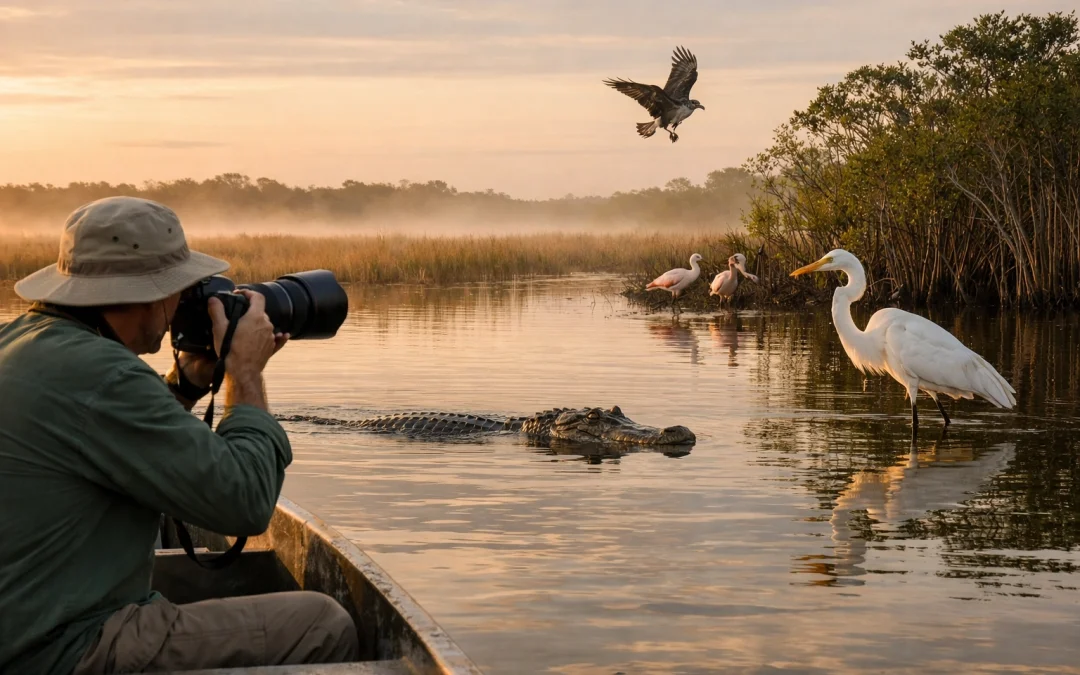
Just as the first light of dawn begins to pierce through the thick humidity of South Florida, you realize that the Everglades isn't just a swamp: it is a living, breathing masterpiece. For you, the fine art photographer, this landscape offers an unparalleled canvas where the "River of Grass" meets some of the most exotic species on the planet. Whether you are hunting for the perfect silhouette of a Great Egret or the intense gaze of an American Alligator, knowing exactly where to plant your tripod is the difference between a snapshot and a gallery-worthy piece.
Navigating over 1.5 million acres can be daunting, but as your guide, I’ve distilled the vast wilderness into the ten most productive Everglades photography locations. By the time you finish this guide, you’ll have a roadmap to capturing the soul of this UNESCO World Heritage site. To ensure you don't miss a single shot, make sure to pick up the comprehensive Everglades Photography Guide before you head out into the field.
1. Anhinga Trail: The Wildlife Photographer’s Playground
If you want immediate results, the Anhinga Trail is your first stop. Located just a few miles from the Ernest F. Coe Visitor Center, this trail is legendary for its accessibility and density of subjects. As you walk along the boardwalk, you’ll find that the wildlife photography Everglades experience here is incredibly intimate.
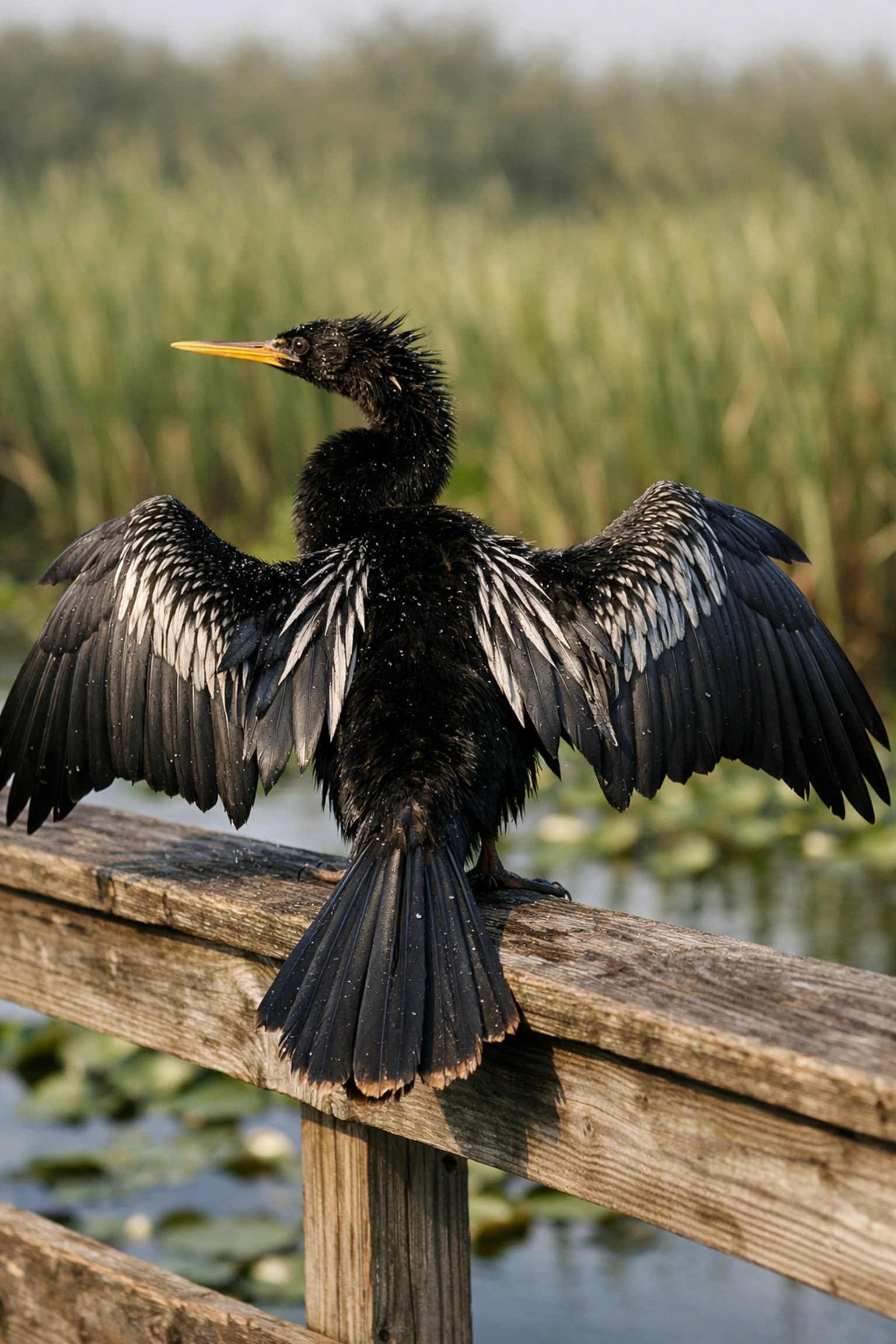
The animals here are remarkably accustomed to humans, allowing you to capture tight portraits of Anhingas drying their wings or Purple Gallinules foraging in the lily pads. Because the water remains throughout the dry season, the concentration of life is staggering. You don't just see the wildlife; you experience it at eye level. For more advanced tips on composition in these tight quarters, explore the resources at Edin Studios.
2. Shark Valley: The Heart of the Glades
Located off Highway 41 (Tamiami Trail), Shark Valley propels you into the center of the ecosystem. This 15-mile loop is a magnet for wading birds, particularly during the winter months when water levels drop. Your best bet is to arrive early: park along U.S. 41 if you get there before the gates open at 8:30 am: and walk or bike into the loop.
The observation tower provides a unique perspective for landscape photography Everglades, but the real magic happens along the canal banks. You’ll find herons, egrets, and wood storks within arm’s reach. The sheer volume of subjects ensures that your memory cards will be full by midday.
3. Mahogany Hammock: The Realm of the Barred Owl
As you drive deeper into the park, the landscape shifts from open sawgrass to dense hardwood hammocks. Mahogany Hammock is a sanctuary for those looking for something a bit more elusive: the Barred Owl. The dense canopy provides a moody, low-light environment that challenges your technical skills and rewards your patience.
When you’re shooting in these shaded environments, your post-processing becomes vital. To bring out the intricate details of owl feathers and the rich greens of the hammock, I highly recommend using the Ultimate Lightroom Preset Collection to maintain that professional fine-art look.
4. Pahayokee Overlook: Sunrise and Silhouettes
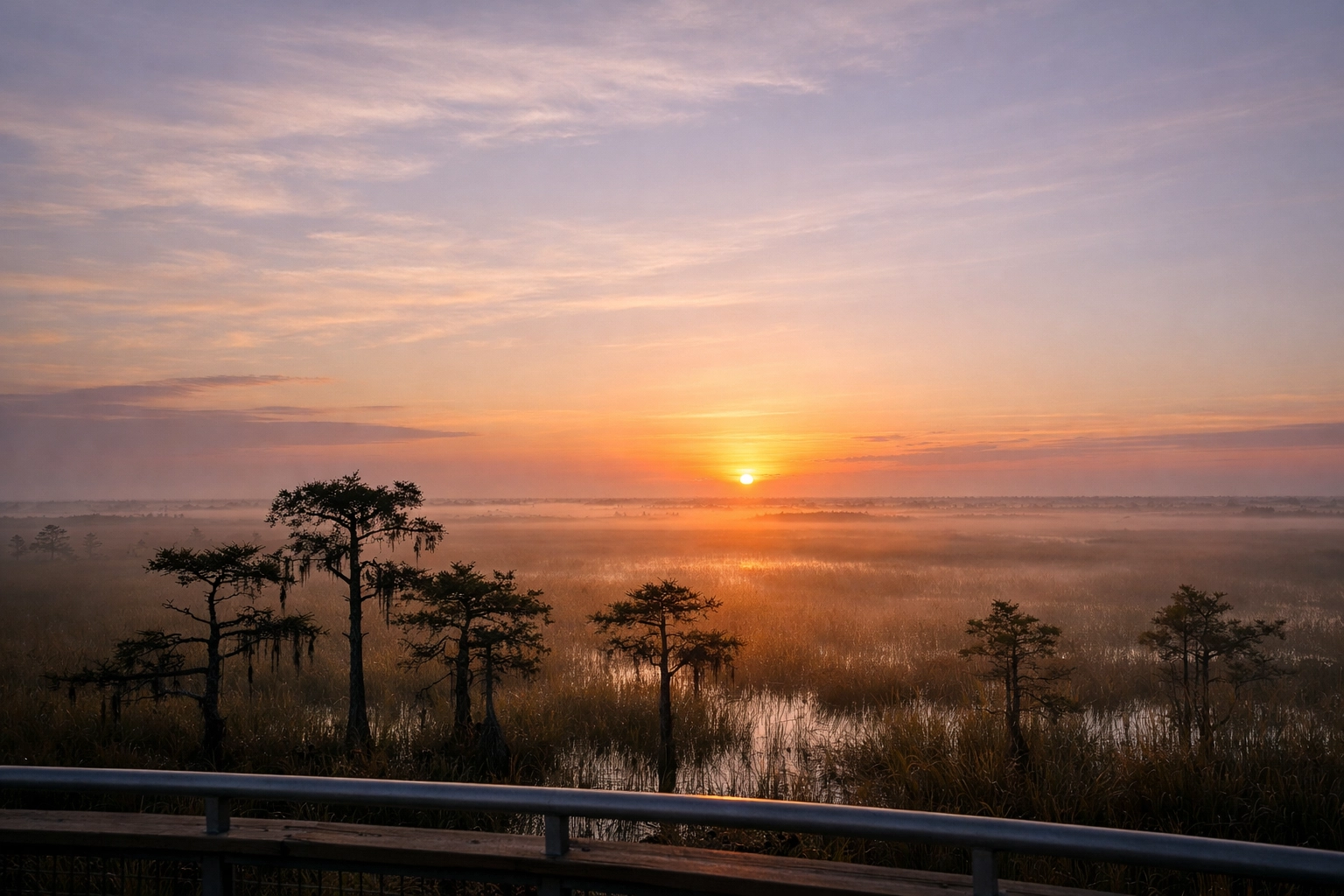
Pahayokee is where you go to witness the "River of Grass" in its purest form. This location features a raised observation platform that gives you an unobstructed view toward the east. It is arguably the best spot for sunrise landscape photography Everglades.
As the sun crests the horizon, the scattered cypress trees create stunning silhouettes against a sky of pink and orange. It’s a moment that reminds you why you became a photographer in the first place. This is the kind of imagery that stands out on Edin Fine Art because it captures the quiet, majestic scale of Florida’s wilderness.
5. Mrazek Pond: The Dry Season Spectacle
If your visit falls between late February and mid-March, Mrazek Pond is non-negotiable. As the water recedes, fish become trapped in this shrinking pond, creating a literal feeding frenzy for hundreds of wading birds.
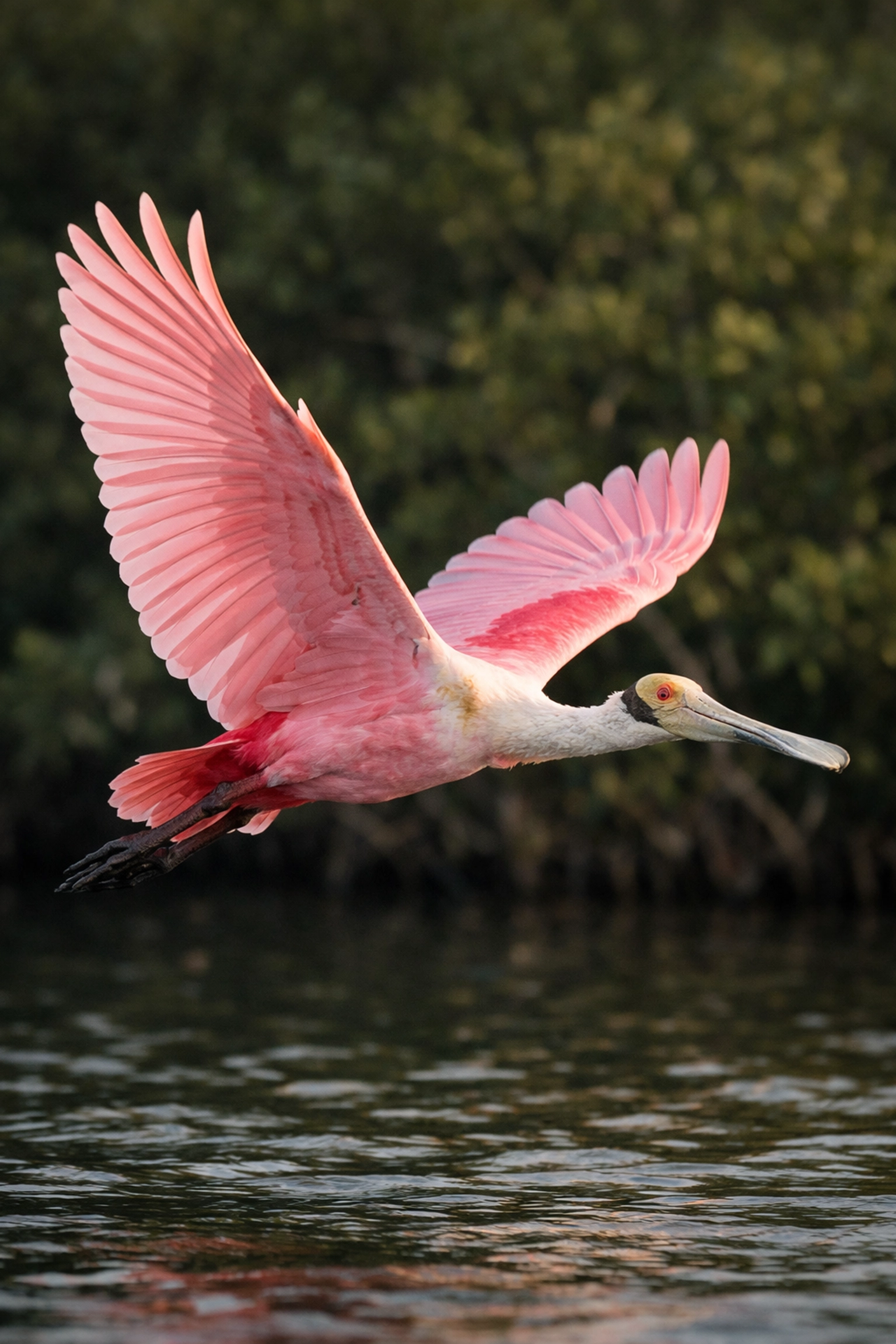
The action here is fast-paced and chaotic. You’ll need a fast shutter speed and a long lens to isolate the Roseate Spoonbills and Snowy Egrets as they compete for a meal. The sheer concentration of white and pink plumage against the dark pond water creates a high-contrast scene that is a dream for fine art wildlife photography.
6. Flamingo: Where the Land Ends
At the southernmost tip of the park lies Flamingo. This is where the freshwater of the Everglades meets the saltwater of Florida Bay. This transition zone is home to the American Crocodile: a rare and formidable subject compared to its alligator cousins.
The Eco Pond nearby is another fantastic spot for waterfowl. Because you are so far south, the light has a different quality here, especially during the "golden hour" when the sun is low behind you. Exploring Flamingo feels like being at the edge of the world, and your photos will reflect that raw, untamed energy.
7. Paurotis Pond: A Nesting Colony
Paurotis Pond is a designated nesting area for many of the park’s most iconic birds. During the nesting season, the trees in the center of the pond are filled with Wood Storks, Roseate Spoonbills, and Great Egrets.
While you must maintain a respectful distance (bring your 150-600mm lens!), the activity is constant. You’ll capture birds flying in with nesting material, feeding chicks, and defending their territory. It is a robust location for capturing the behavioral side of wildlife photography Everglades.
8. Rock Reef Pass: Ibis and Unique Flora
While many photographers focus solely on birds, Rock Reef Pass offers you the chance to capture the delicate American White Ibis and the unique geological features of the park. The slight elevation change here creates a different habitat, allowing for a mix of flora and fauna that you won't find elsewhere in the park. It’s a great spot for mid-day shooting when you can play with the textures of the limestone and the stark white of the Ibis feathers.
9. Big Cypress National Preserve: Janes Scenic Drive
Technically adjacent to the National Park, Big Cypress is an essential part of the Everglades ecosystem. Janes Scenic Drive is an 11-mile unpaved road that takes you deep into the cypress swamps. This is where you find the ghosts of the Everglades: rare orchids, bromeliads, and if you are incredibly lucky, the Florida Panther.
The towering cypress trees, draped in Spanish moss, provide a vertical element to your compositions that is often missing in the flat sawgrass prairies. For a deeper dive into these locations, our Everglades Photography Guide covers the hidden pull-offs that most tourists drive right past.
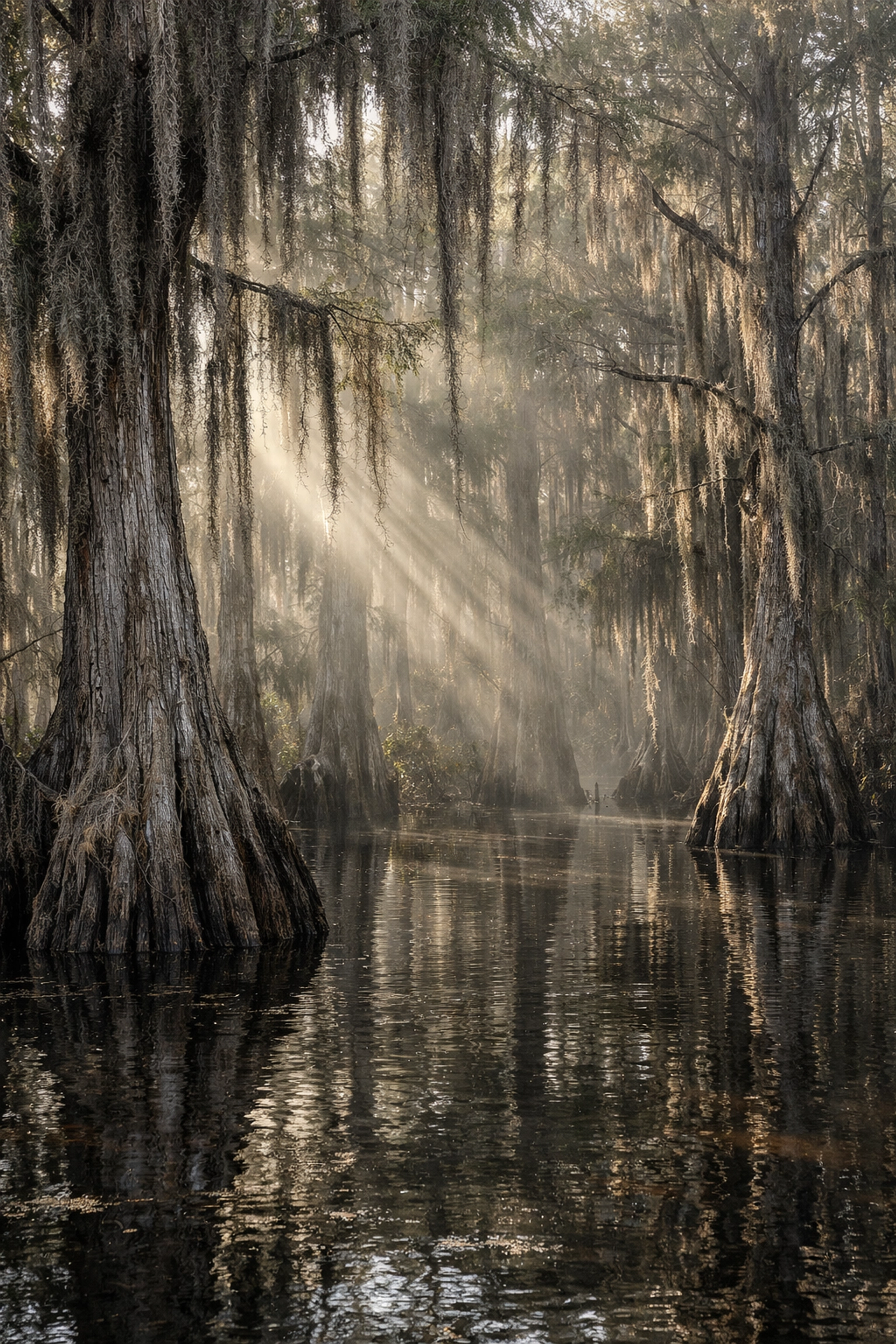
10. Fakahatchee Strand: The "Amazon of North America"
For the truly adventurous fine art photographer, Fakahatchee Strand Preserve State Park offers a rugged experience. This is the largest cypress strand in the world. It is a place of deep shadows and vibrant life. Walking the "Big Cypress" trails here allows you to get into the swamp, literally. The perspective you gain from being waist-deep in the water (with a very sturdy tripod) creates an immersive image that captures the primordial essence of Florida.
| Location | Primary Subjects | Best Time to Visit |
|---|---|---|
| Anhinga Trail | Alligators, Anhingas, Herons | Early Morning |
| Shark Valley | Snail Kites, Wading Birds | Sunrise / Late Afternoon |
| Mahogany Hammock | Barred Owls, Passerines | Before Sunset |
| Pahayokee | Wide landscapes, Cypress trees | Sunrise |
| Mrazek Pond | Spoonbills, Wood Storks | Dry Season (Feb-March) |
| Flamingo | Crocodiles, Ospreys, Manatees | Golden Hour |
| Janes Scenic Drive | Orchids, Alligators, Deer | All Day (Overcast is best) |
Essential Gear for Your Everglades Expedition
To maximize your success at these Everglades photography locations, you need to be prepared. This isn't just about having the most expensive camera; it's about having the right tools for the environment.
- Long Telephoto Lens: A 100-400mm or 150-600mm is your bread and butter. It allows you to fill the frame with wildlife without disturbing their natural behavior.
- Wide-Angle Lens: Essential for those vast Pahayokee sunrises.
- Circular Polarizer: Vital for cutting through the glare on the water and saturating the deep greens of the hammocks.
- Sturdy Tripod: Between the low light of the hammocks and the long waits for wildlife action, your arms will thank you.
- Insect Repellent & Sun Protection: The Everglades is beautiful, but it can be harsh. Don't let a swarm of mosquitoes ruin your "decisive moment."
Elevating Your Vision
Capture is only half the battle. To truly stand out in the world of fine art, your editing must be as intentional as your composition. By integrating the Ultimate Lightroom Preset Collection into your workflow, you ensure that your Everglades images possess the clarity, depth, and color accuracy required for high-end prints.
The Everglades is a place of constant change. From the shifting tides at Flamingo to the seasonal drying of Mrazek Pond, every visit offers a new perspective. By focusing your efforts on these top ten locations, you are positioning yourself to capture the very best of what this ecosystem has to offer.
For more insights on how to elevate your work, explore our site for a deep dive into hundreds of tutorials and guides. Whether you are a seasoned pro or just starting your journey, our commitment is to provide you with the knowledge and tools to turn your passion into art. Don't forget to grab your Everglades Photography Guide today and start planning your next masterpiece. Happy shooting!


