
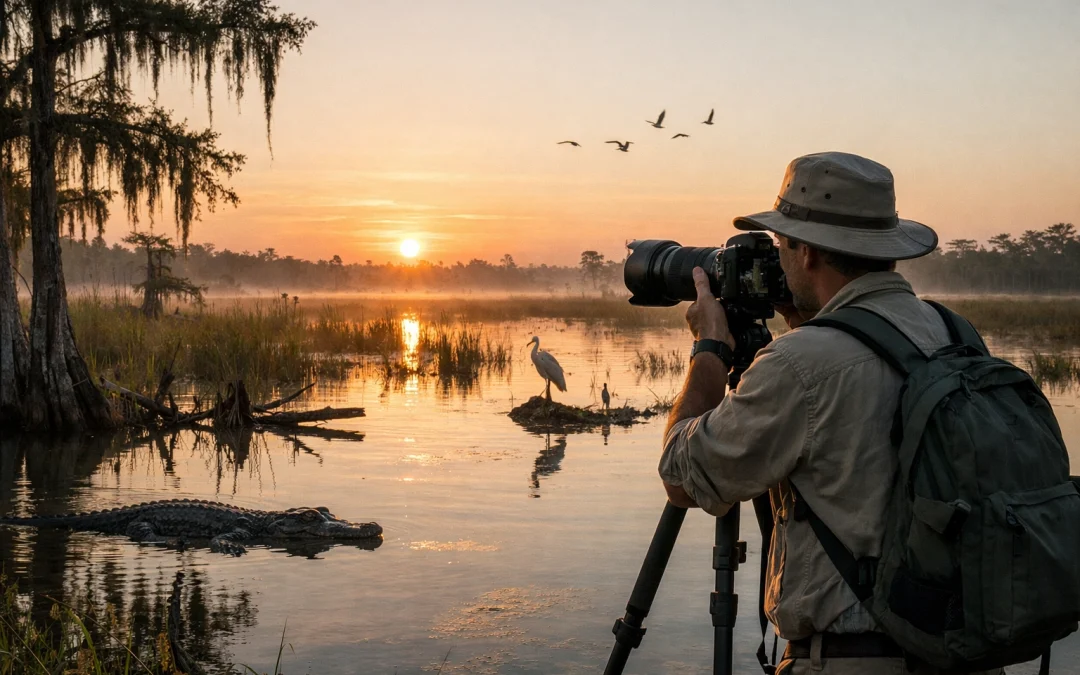
Just as the first light hits the vast expanse of the "River of Grass," you realize that the Everglades is not just a swamp: it is a sprawling, living canvas waiting for your lens. Many photographers arrive at the gates of Everglades National Park feeling overwhelmed by its sheer size, but your experience is about to be different. Whether you are chasing the prehistoric stare of an American Alligator or the delicate silhouette of a Great Blue Heron against a pastel sunrise, this guide ensures you are positioned exactly where the magic happens.
Stepping into the Everglades is a rite of passage for any serious creator. It is a place where landscape photography Everglades enthusiasts and wildlife hunters find a common ground. But let’s be real: without a plan, you’re just a person with a heavy bag getting bitten by mosquitoes. I’m here to make sure you navigate this ecosystem like a pro, capturing fine art shots that look like they belong in a gallery.
Mastering Your Gear: The Tools for Success
Before you set foot on the boardwalks, your gear bag needs a reality check. You aren't just taking snapshots; you are crafting fine art. This means your equipment must be as versatile as the environment is unpredictable.
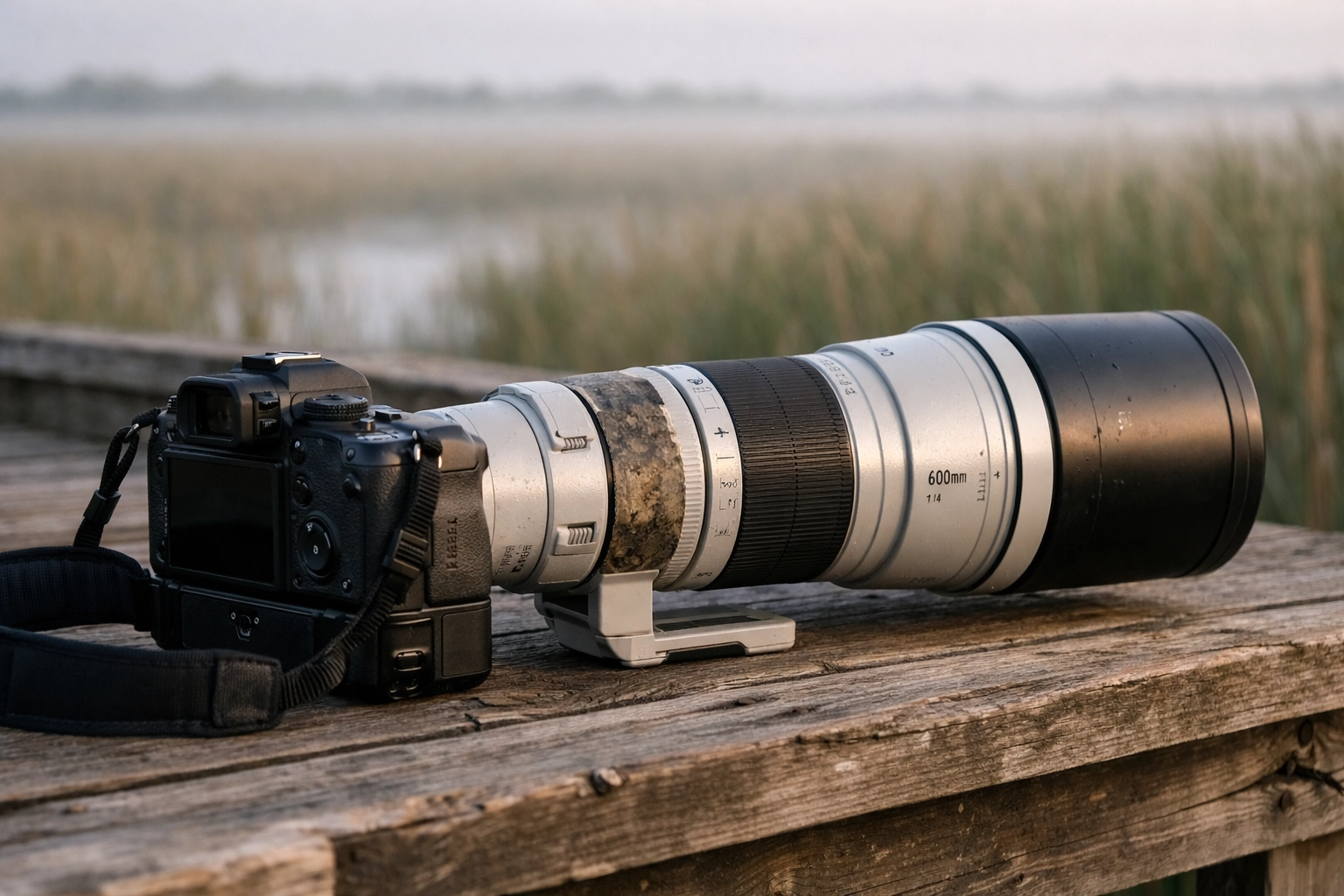
For wildlife photography Everglades sessions, a long lens is your best friend. I’m talking about something in the 150-600mm range. The animals here are often approachable, but the extra reach allows you to capture those tight, intimate portraits that reveal the texture of a bird’s feathers or the scales on a reptile's back. Conversely, for the wide-open vistas, a sturdy tripod and a wide-angle lens (16-35mm) are non-negotiable for those sharp-as-a-tack sunrise shots.
To truly elevate your work from "great" to "world-class," how you process your images is just as important as how you shoot them. Using the Ultimate Lightroom Preset Collection provides you with the professional color grading needed to bring out the subtle greens and fiery oranges of the Florida landscape.
1. Anhinga Trail: The Wildlife Goldmine
Your journey starts at the Anhinga Trail. If you only have one day, this is where you spend it. Located near the Royal Palm Visitor Center, this trail is world-renowned for a reason: the wildlife is incredibly habituated to humans.
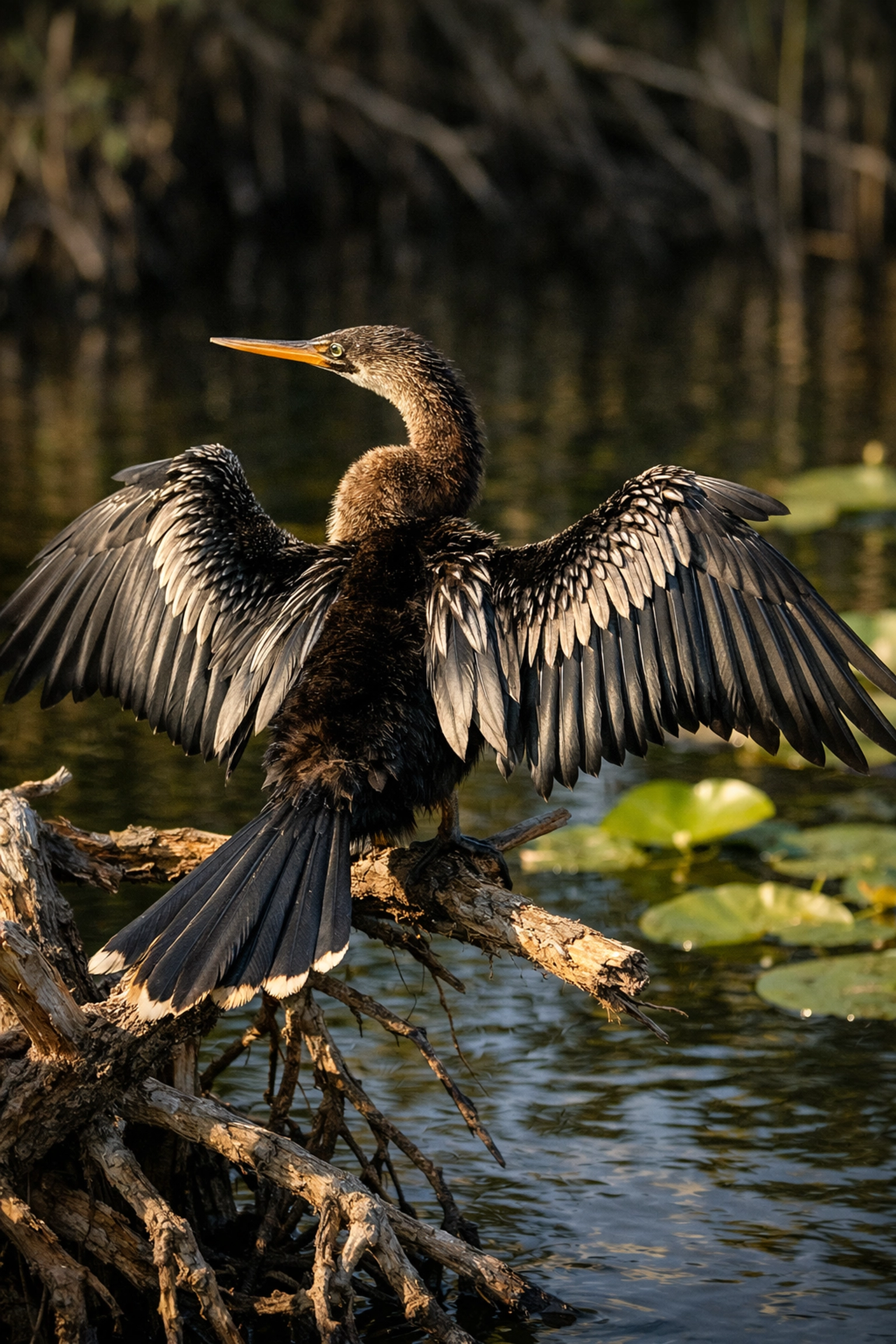
As you walk the boardwalk, you’ll find Anhingas drying their wings and Purple Gallinules skipping across lily pads. This is the premier spot for Everglades photography locations when it comes to proximity. Because the birds are so tame, you can focus on your composition and lighting rather than worrying about spooking your subject. For the best results, arrive at sunrise. The soft, directional light will kiss the sawgrass and provide a clean, golden backdrop for your wildlife portraits.
2. Pahayokee Overlook: The Landscape Icon
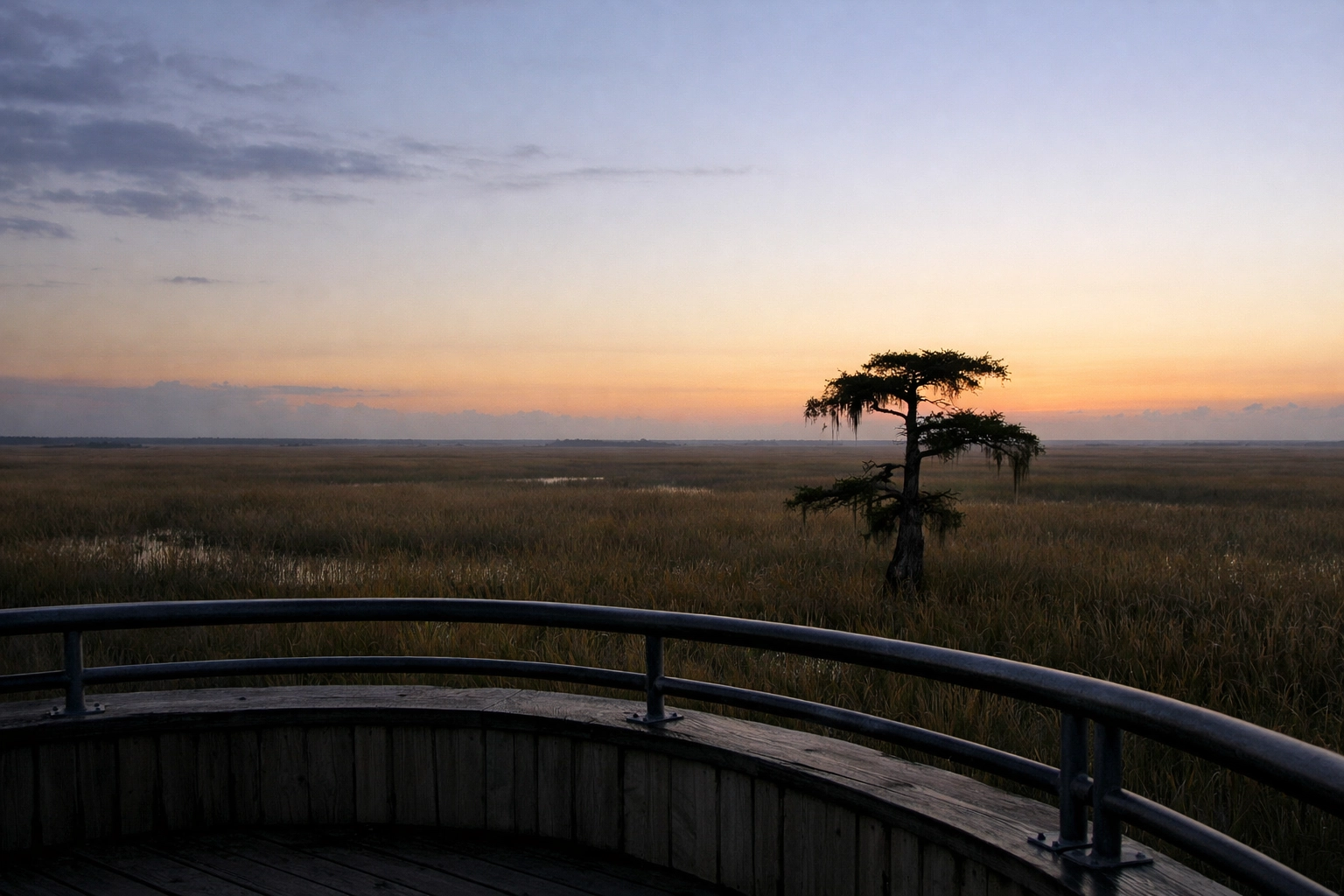
If you’re looking to capture the "River of Grass" in a single frame, Pahayokee Overlook is your destination. This raised observation deck gives you a panoramic view of the sweeping prairies and distant cypress domes.
This is arguably the best spot for landscape photography Everglades at sunrise. As the sun creeps over the eastern horizon, the scattered cypress trees create dramatic silhouettes. Frame your shot with the leading lines of the boardwalk or step into the sawgrass (if water levels allow) for a more immersive perspective. The vastness here is staggering, and a wide-angle lens ensures you capture the immense scale of this unique ecosystem.
3. Shark Valley: The Heart of the Glades
Located about 35 miles west of the hustle and bustle of the city, Shark Valley offers a perspective unlike any other. If you are staying in the city, check out the Miami Self-Driving Photography Guide or book a Private Miami Photography Tour to bridge the gap between urban energy and wild serenity.
At Shark Valley, a 15-mile loop takes you deep into the heart of the marshes. You can bike it, walk it, or take the tram. For photographers, biking is the way to go because it allows you to stop instantly when you spot a snail kite or a cluster of alligators sunning themselves right on the pavement. The 65-foot observation tower at the halfway point provides a bird's-eye view that is unparalleled for capturing the geometry of the water channels winding through the grass.
| Location | Best Photography Type | Optimal Timing |
|---|---|---|
| Anhinga Trail | Wildlife (Birds/Alligators) | Sunrise / Early Morning |
| Pahayokee Overlook | Landscape / Silhouettes | Sunrise |
| Shark Valley | Bird Clusters / Alligators | Early Morning |
| Mahogany Hammock | Owls / Macro / Jungle | Late Afternoon |
| Flamingo | Ospreys / Sunsets / Crocodiles | Sunset |
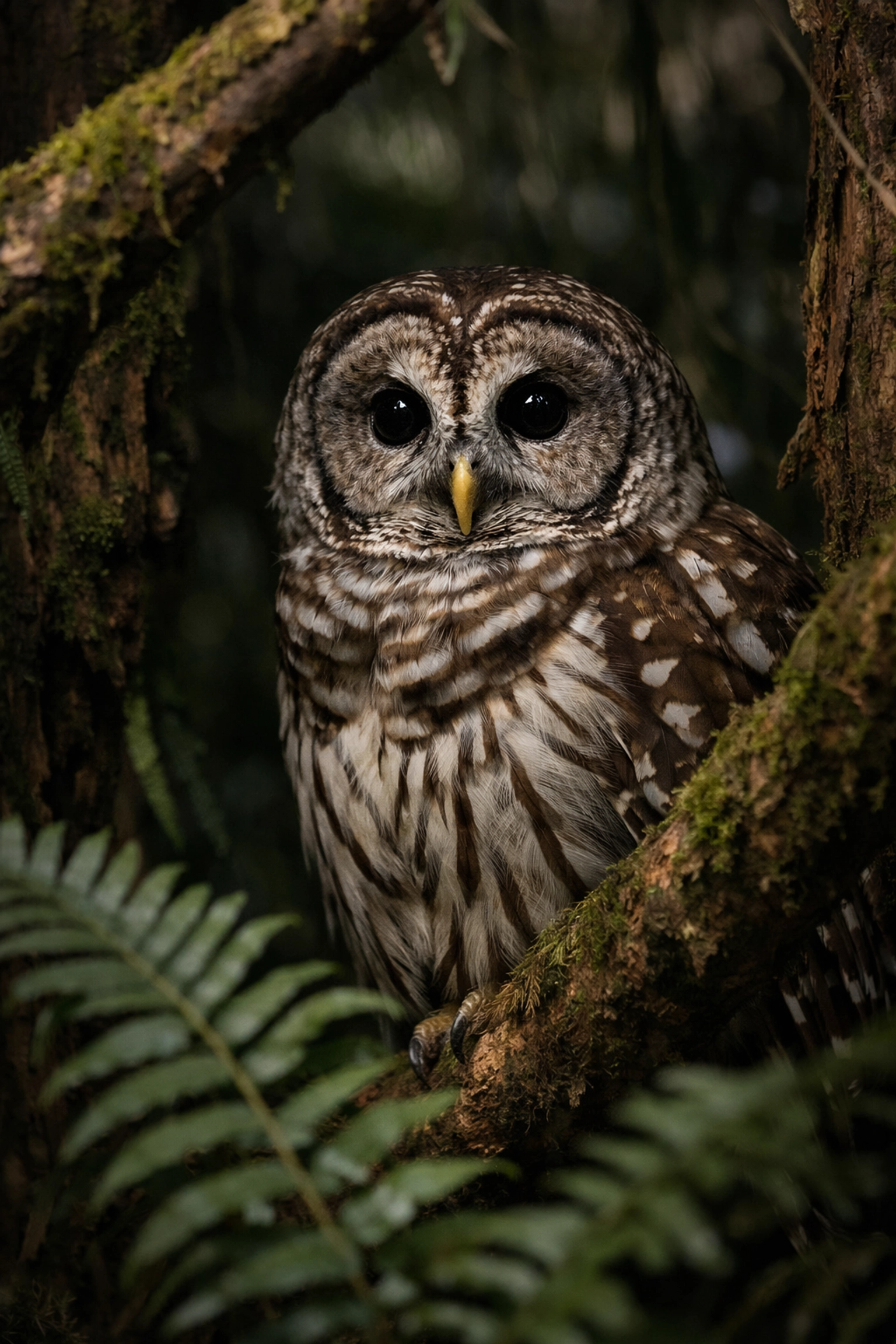
4. Mahogany Hammock: The Barred Owl Sanctuary
Stepping into Mahogany Hammock feels like entering another world. The dense canopy of ancient mahogany trees creates a dark, moody environment that is a stark contrast to the bright prairies.
This location is famous among insiders for its resident Barred Owls. You’ll need to keep your eyes peeled and your ears open for their distinctive "Who cooks for you?" call. A fast prime lens or a high-performance zoom is essential here because the light levels under the canopy can be quite low. The dark, textured bark and lush ferns provide a rich, fine-art background for your subjects.
5. Flamingo: Where the Glades Meet the Sea
At the very end of the main park road lies Flamingo. This is where the freshwater of the Everglades mixes with the saltwater of Florida Bay. It’s a transition zone that offers a completely different set of subjects, including the rare American Crocodile and the West Indian Manatee.
The Flamingo Prairie Trail is your go-to for sunset. The sun sets almost directly down the middle of the trail during certain times of the year, creating a path of light that is a dream for composition. Don't forget to visit Eco Pond nearby; it’s a magnet for wading birds during the dry season. The coastal landscape here, dotted with mangroves, provides a rugged, saltwater aesthetic that rounds out any Everglades portfolio.
6. Turner River Road: The Untamed Frontier
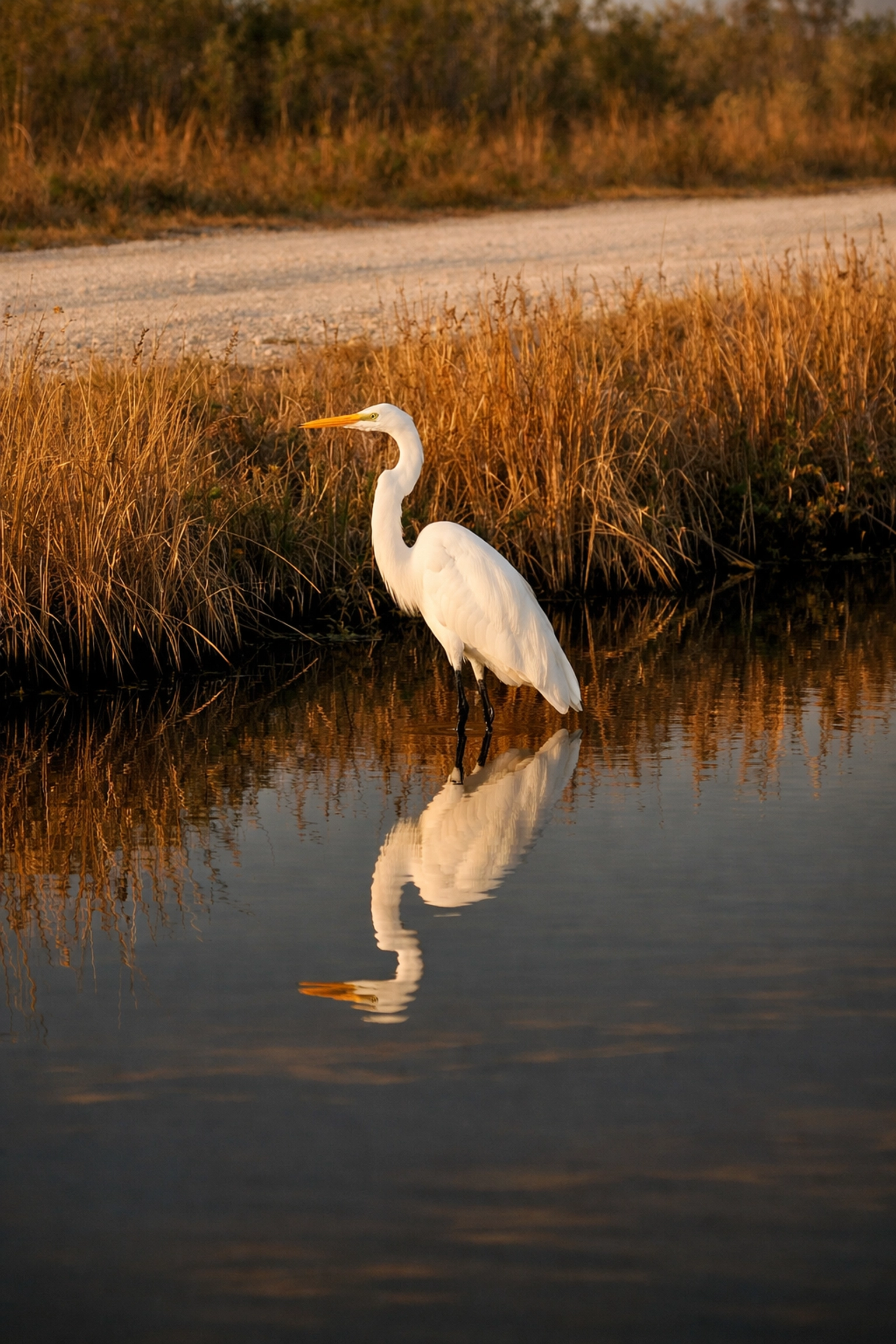
For those who want to get away from the crowds and experience the wilder side of the Big Cypress National Preserve, Turner River Road is a must. This gravel road stretches for miles alongside a canal teeming with life.
In the late afternoon, the sun sits behind you, perfectly illuminating the herons and egrets that line the far side of the canal. This is prime territory for wildlife photography Everglades because you can use your car as a mobile blind, allowing you to get closer to the birds without disturbing them. The reflections in the still canal water can be "smooth as butter," providing a mirrored surface that doubles the impact of your images.
Pro Tips for the Fine Art Photographer
Your success in the Everglades isn't just about showing up; it’s about how you interact with the environment. To ensure your shots stand out, keep these professional standards in mind:
- Patience is Your Greatest Asset: The Everglades doesn't give up its secrets easily. Spend time at one spot rather than rushing through five. Let the wildlife get used to your presence.
- Watch the Water Levels: The park changes drastically between the wet and dry seasons. The dry season (winter) is best for wildlife as animals congregate around the remaining water holes.
- Respect the Subject: Never bait or harass the wildlife. Not only is it illegal, but a stressed animal never makes for a good photo. We are visitors in their home.
- Protection: Wear long sleeves and use bug spray. If you are distracted by mosquitoes, you aren't focusing on your composition.
By following these guidelines, you ensure that every shutter click brings you closer to a masterpiece. If you want the full breakdown of every hidden trail and secret coordinates, you need to grab the Everglades Photography Guide. It is the most comprehensive resource available to help you navigate this complex terrain.
Elevate Your Vision
The Everglades is a place of subtle beauty and raw power. It demands a photographer who is willing to look past the surface and find the stories hidden in the sawgrass. With the right locations, the right gear, and a solid plan, you are well on your way to capturing a body of work that resonates with the spirit of the Florida wild.
For those looking to bring a piece of this wilderness into their homes, you can explore my curated collection of Fine Art Photography Prints. Each piece is a testament to the incredible biodiversity and stunning landscapes found in this national treasure.
This commitment to excellence in every frame is what defines our approach at Edin Studios. We believe that every photographer has a unique voice, and our goal is to provide you with the tools and knowledge to amplify that voice.
For more insights on how to elevate your work, explore our site for a deep dive into hundreds of tutorials and guides at the Edin Chavez Blog.
Hence, with these considerations in mind, grab your gear, respect the "River of Grass," and go capture something unforgettable. Your masterpiece is waiting out there in the mangroves.


