
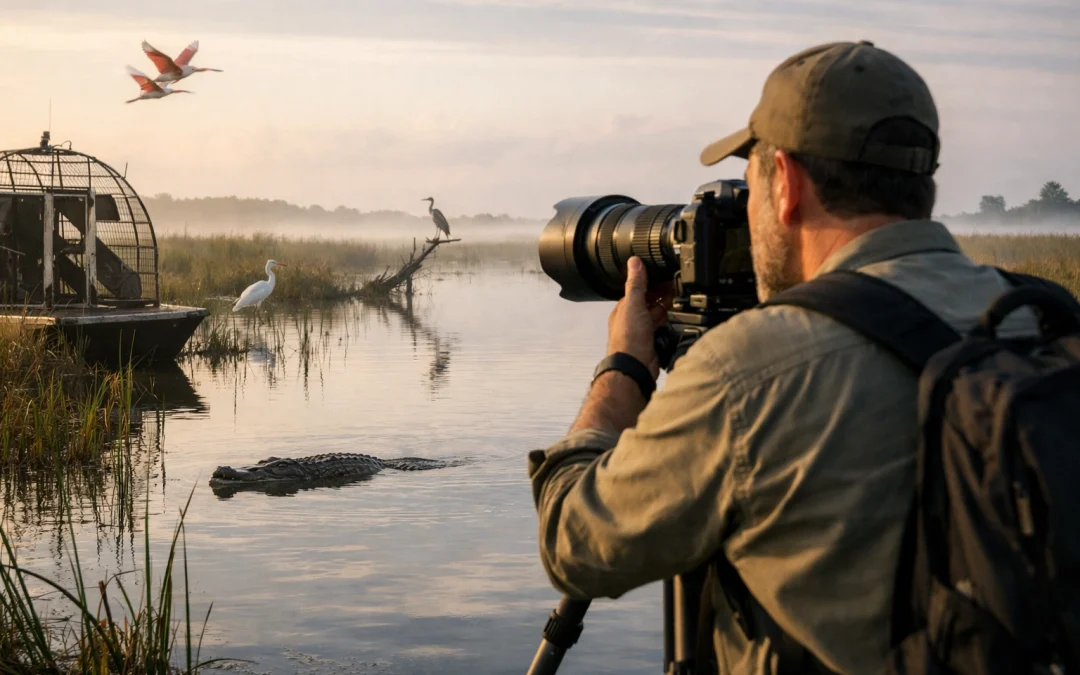
Just as the neon lights of Ocean Drive define the Miami skyline, the raw, untamed wilderness of the Everglades defines the soul of Florida. When you step away from the city's hustle and into the "River of Grass," you aren't just taking photos; you’re capturing a prehistoric world that moves at its own pace. Whether you’re a seasoned pro or just picking up your first mirrorless camera, the Everglades offers a masterclass in patience, lighting, and biodiversity.
As you plan your trip through my Ultimate Miami Photography Guide, you’ll quickly realize that the city and the swamp are two halves of the same coin. While South Beach is about fashion and architecture, the Everglades is about the pulse of nature. If you want a clean, step-by-step plan for where to shoot, when to show up, and how to come home with keeper frames, grab the Everglades Photography Guide and use it as your field playbook. To help you navigate this unique ecosystem, I’ve put together the essential tips you need to master wildlife and landscape photography in Florida’s most iconic national park.
The Gear You Need to Conquer the Swamp
Before you even think about setting foot on a boardwalk, you need to ensure your kit is ready for the specific challenges of a subtropical wetland. The Everglades isn't just a place; it’s an environment that demands versatility from your gear.
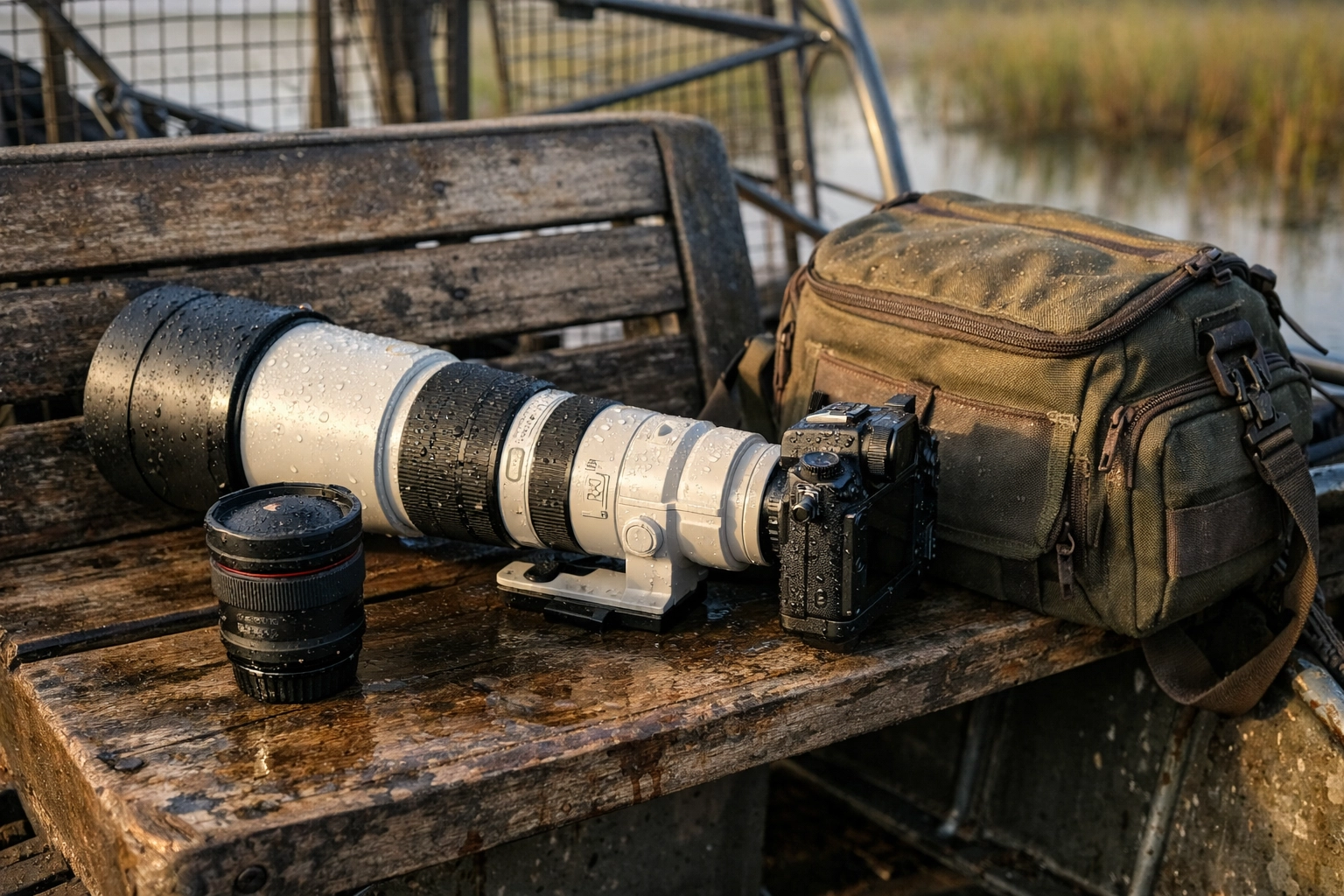
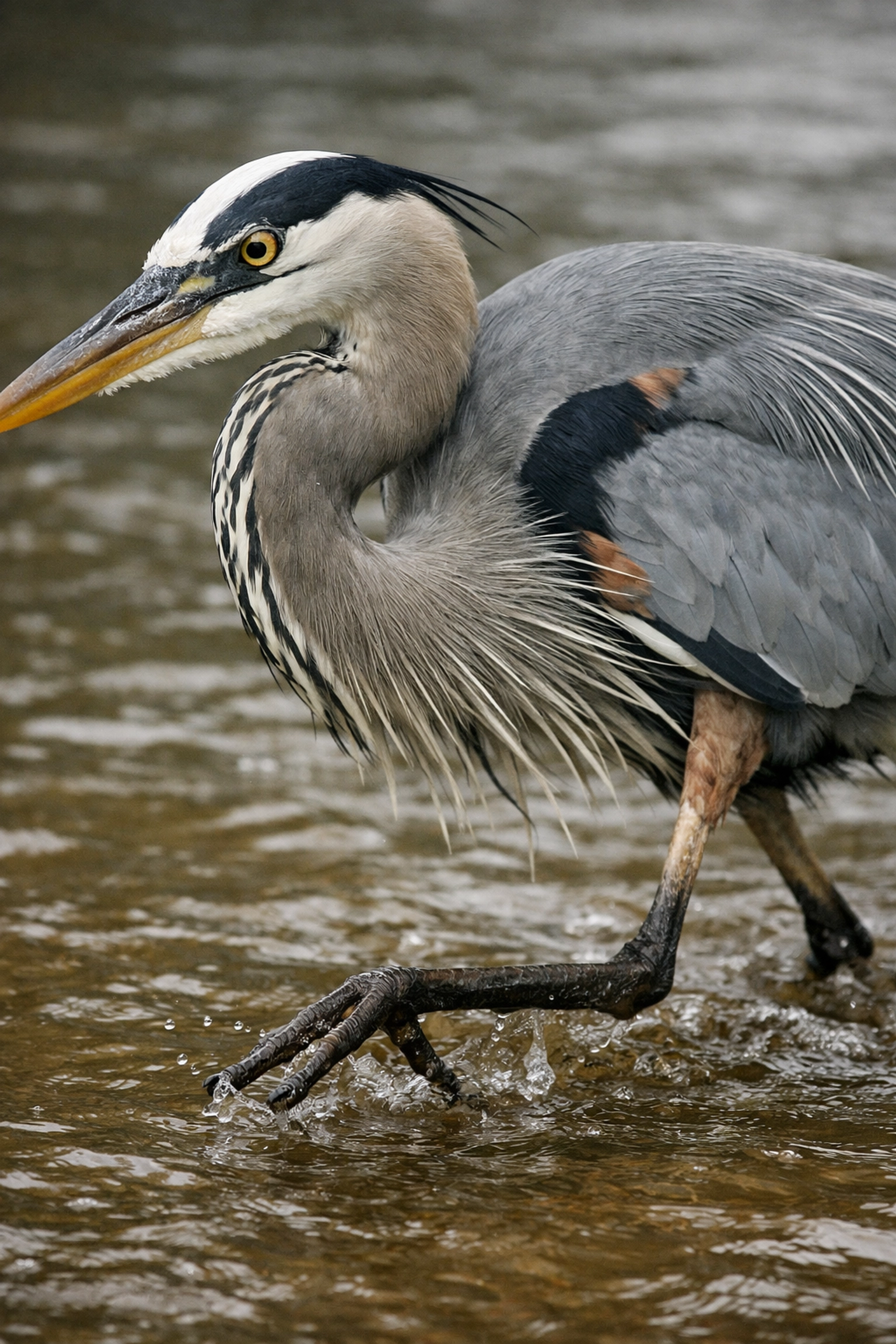
Your primary weapon of choice should be a telephoto lens. If you want to capture the intricate details of a Great Blue Heron’s plumage or the cold stare of an American Alligator from a safe distance, a lens in the 200mm to 600mm range is non-negotiable. This range provides the reach you need to fill the frame without disturbing the wildlife. However, don't leave your wide-angle glass at home. A 16-35mm or 24-70mm lens is essential for those sprawling "River of Grass" landscapes where the sky meets the sawgrass.
| Essential Gear | Purpose | Why You Need It |
|---|---|---|
| Super Telephoto (400mm+) | Wildlife | Ensures you get tight shots of birds and predators safely. |
| Wide Angle (16-35mm) | Landscapes | Captures the massive Florida skies and cypress domes. |
| Sturdy Monopod | Stability | Provides support for heavy lenses during long treks. |
| Circular Polarizer | Reflection Control | Cuts through water glare to see fish and submerged gators. |
| Rain Covers | Protection | Florida weather changes in seconds; keep your electronics dry. |
Timing Your Shots: The Golden Hour and Beyond
In the Everglades, timing isn't just a suggestion; it’s the difference between a portfolio-worthy shot and a midday blowout. Because the landscape is largely flat, the sun can be harsh and unforgiving. By arriving at the park gates before dawn, you position yourself to witness the swamp waking up.
Early morning offers you soft, diffused light and a higher probability of mist rising off the water: a dream for landscape photographers. This is also when wading birds are most active, hunting for breakfast in the shallow marshes. As you transition into the late afternoon, the light turns golden once more, highlighting the textures of the sawgrass and the scales of the reptiles. If you're looking for the ultimate guided experience to hit these spots at the perfect time, check out our Miami Photography Tours where we handle the logistics so you can focus on the shutter.
The Best Locations for Your Florida Portfolio
While the Everglades covers over 1.5 million acres, certain spots stand out as high-yield locations for photographers. By focusing your efforts on these areas, you maximize your chances of seeing the "Big Four": alligators, crocodiles, manatees, and Florida panthers (though you’ll need some serious luck for that last one).
1. Shark Valley
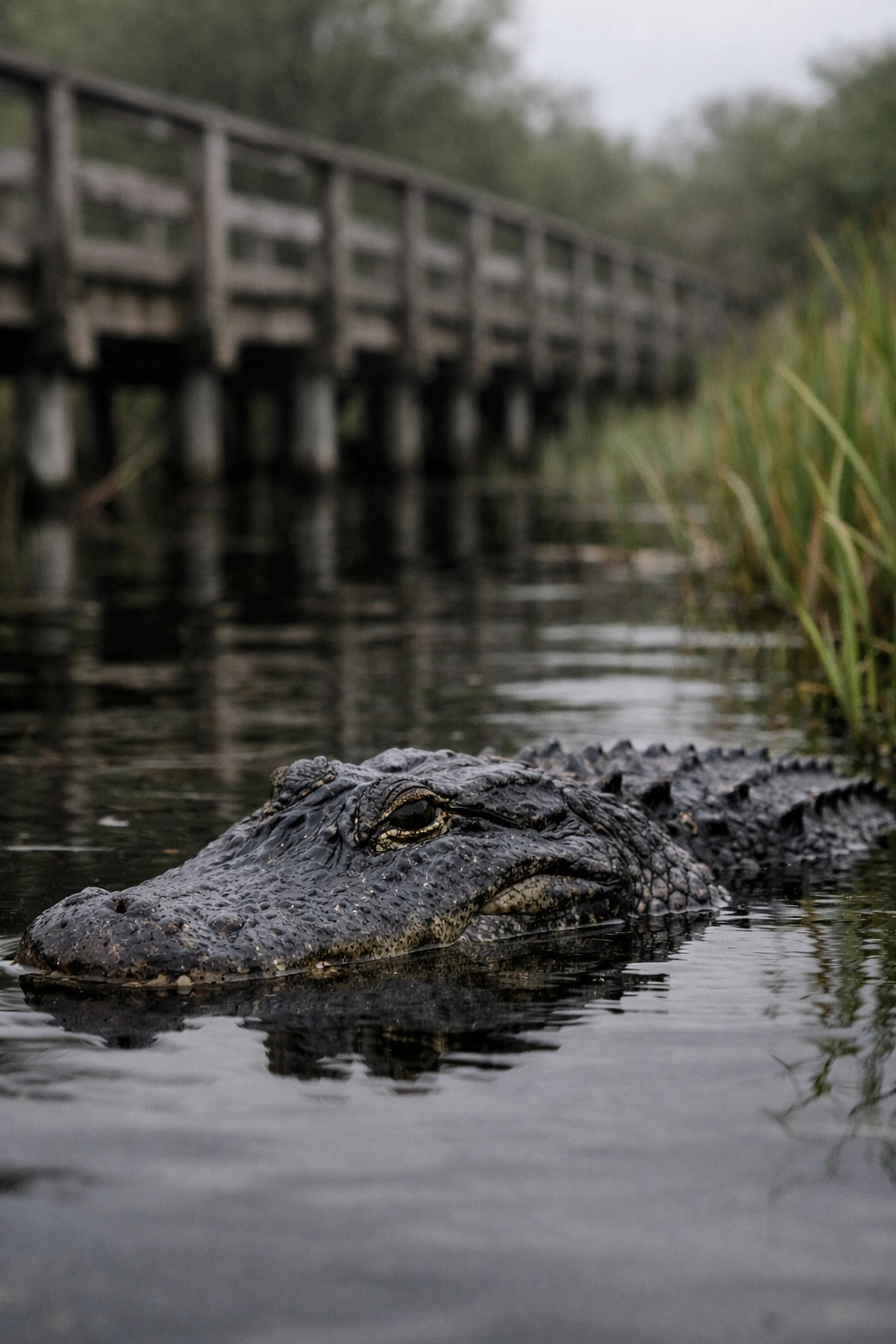
Don’t let the name fool you; you’re looking for gators here, not sharks. The 15-mile loop is a goldmine for wildlife. You can rent a bike or take the tram, but for the best photos, I recommend walking the first mile or two. The alligators here are often right on the edge of the path, providing unparalleled opportunities for low-angle shots.
2. Anhinga Trail
This is arguably the most famous photography spot in the park, and for good reason. The boardwalk takes you right over the marsh, putting you eye-to-eye with Anhingas, herons, and egrets. It’s a target-rich environment where you can practice your bird-in-flight (BIF) techniques without having to hike miles into the brush.
3. Mahogany Hammock
If you want a change of pace from the marshes, head into this ancient hardwood hammock. It’s dark, moody, and home to Barred Owls. The dense canopy provides a completely different aesthetic, focusing more on deep greens and intricate textures.
Mastering the Technical Side of Wildlife
Photographing wildlife in the Florida heat requires a specific technical approach. You aren't just fighting the humidity; you're fighting fast-moving subjects and high-contrast lighting.
First, you must prioritize your shutter speed. To freeze the action of a bird taking flight, you should be shooting at 1/1000s or faster. Don't be afraid to bump up your ISO to maintain these speeds, especially under the canopy of a cypress dome. Modern cameras handle noise incredibly well, and a slightly grainy sharp photo is always better than a clean, blurry one.
Second, your focus needs to be laser-sharp on the animal's eye. If the eye isn't in focus, the entire image will feel disconnected from the viewer. Most mirrorless systems now feature animal eye-autofocus; if your camera has it, use it. It’s a game-changer that allows you to focus on your composition while the camera tracks the movement. Once you’re back home, lock in your signature look fast with the Ultimate Lightroom Preset Collection—it gives you a consistent, painterly baseline for swamp greens and golden-hour highlights without turning your edits into an all-night project.
| Technique | Setting Recommendation | Pro Tip |
|---|---|---|
| Birds in Flight | 1/2000s + Continuous AF | Use "Back Button Focus" to track movement more effectively. |
| Swamp Landscapes | f/11 to f/16 | Use a tripod to allow for lower ISO and maximum sharpness. |
| Macro/Textual | f/4 to f/5.6 | Focus on the patterns of alligator skin or fern leaves. |
Composition: Telling the Story of the "River of Grass"
A common mistake photographers make in the Everglades is focusing solely on the "bird on a stick." While those portraits are great, your portfolio stands out when you include the environment. This is where you tell the story of the ecosystem.
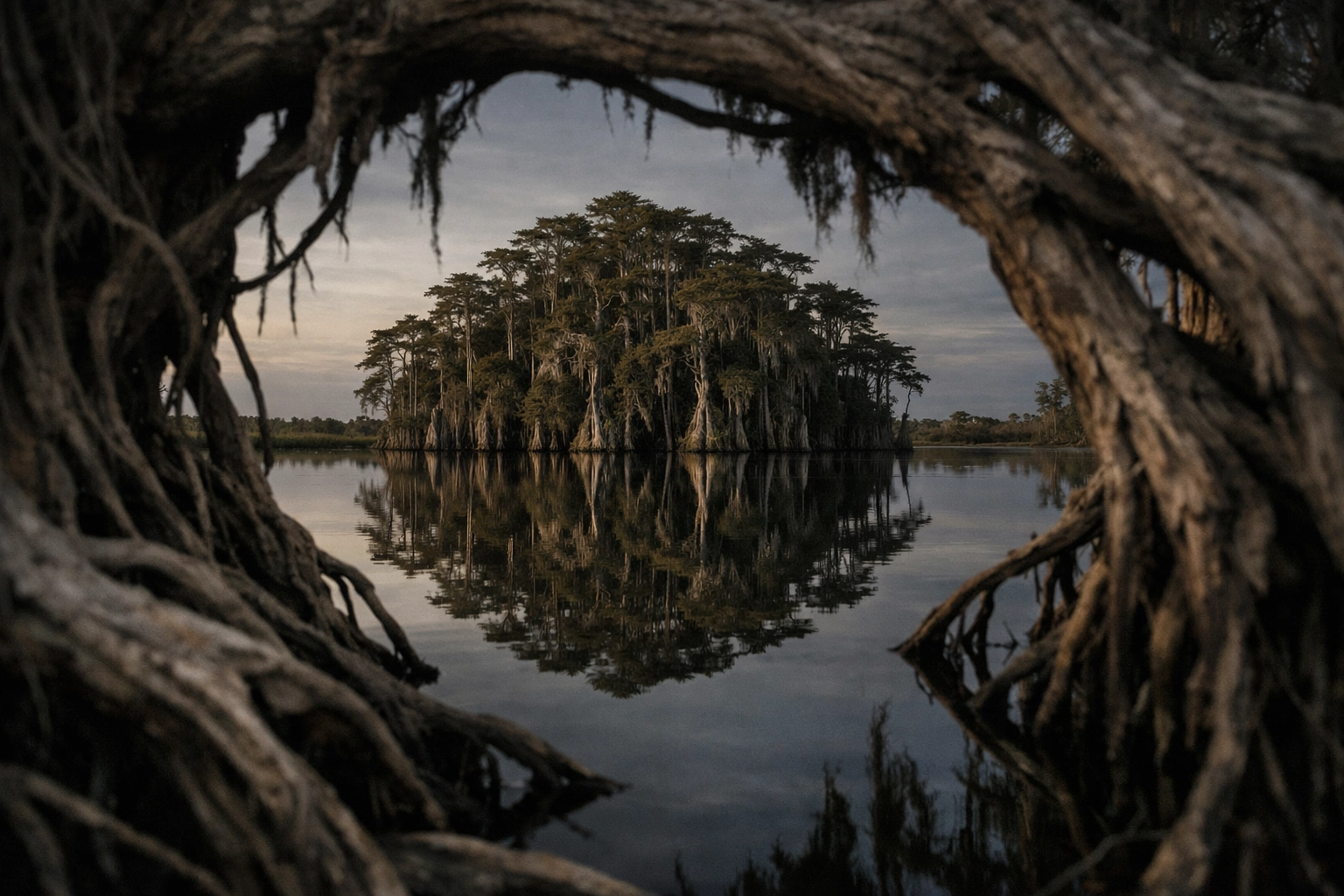
Use the natural lines of the sawgrass or the curves of a mangrove root to lead the viewer’s eye through the frame. Look for reflections: the water in the Everglades is often still, creating perfect mirror images of the sky and trees. By dropping your tripod low to the ground, you can create a more intimate perspective that makes the viewer feel like they are right there in the water with the wildlife. If you want to dive deeper into these artistic techniques, our blog archives are packed with tutorials on visual storytelling.
Safety and Ethics in the Wild
Your safety and the well-being of the animals should always be your top priority. Florida wildlife is beautiful but can be dangerous if you don't respect their space. Never feed the animals; it alters their behavior and can lead to aggressive encounters.
When you're out in the field, stay hydrated and wear polarized sunglasses to protect your eyes from the intense Florida sun. Use bug repellent, but be careful not to get it on your gear, as the chemicals can damage the coatings on your lenses. Remember, we are visitors in their home. By practicing "Leave No Trace" photography, you ensure that these magnificent creatures are there for the next generation of photographers to capture.
Elevate Your Photography Experience
The Everglades is more than just a swamp; it’s a living, breathing landscape that challenges and rewards those who take the time to understand it. By combining the right gear with a deep understanding of light and animal behavior, you’ll walk away with images that truly capture the spirit of Wild Florida.
If you’re ready to take your skills to the next level, I highly recommend checking out our full range of resources. From our Fine Art Prints that show you what’s possible with these landscapes, to our comprehensive Photography Guides, we are dedicated to helping you master your craft.
With these considerations in mind, grab your gear, head south, and discover why the Everglades is a photographer's paradise. Whether you’re joining us for a guided tour or exploring on your own, the "River of Grass" is waiting for you. For more tips on making the most of your time in the Sunshine State, keep an eye on blog.edinchavez.com for our latest updates and location scouting reports. For more insights on how to elevate your work, explore our site (linking to https://blog.edinchavez.com/) for a deep dive into hundreds of tutorials and guides.


