
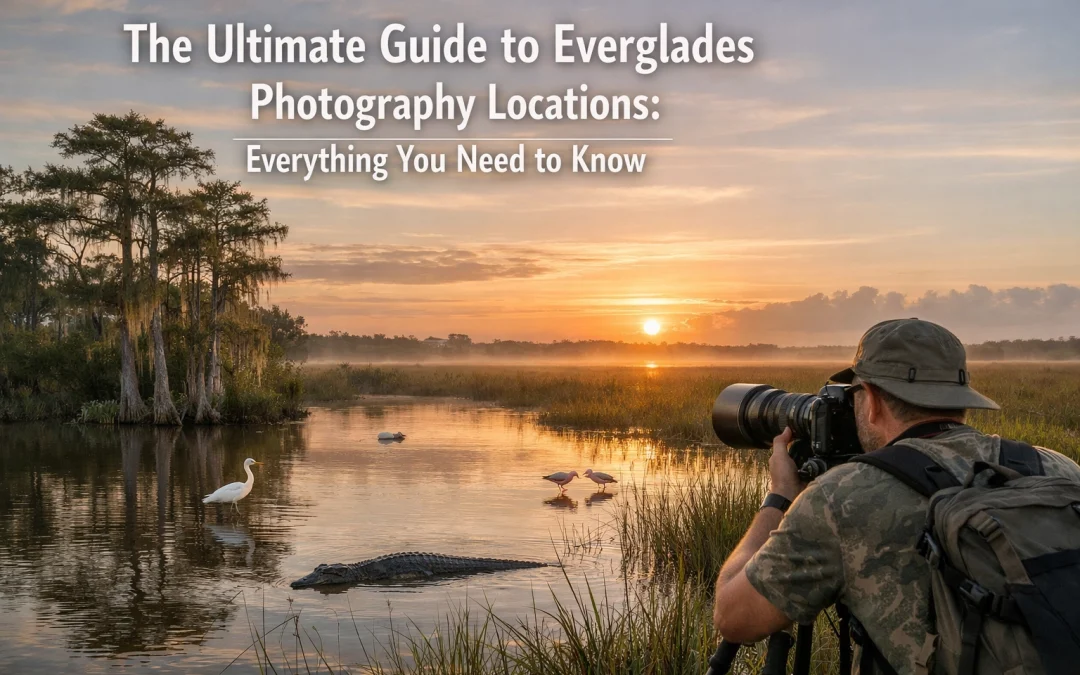
Just as the first light of dawn pierces through the morning mist, the Everglades transforms into a canvas of prehistoric beauty that demands your attention. As a photographer, you aren't just looking for a pretty picture; you are looking to capture the raw, untamed essence of one of the world's most unique ecosystems. Whether you are chasing the perfect silhouette of a Great Blue Heron or the expansive textures of a sawgrass prairie, your success depends entirely on knowing exactly where to stand when the light hits.
Navigating over 1.5 million acres can be daunting, but choosing the right Everglades photography locations ensures your portfolio stands out with professional, fine-art quality. This guide provides the insider knowledge you need to master wildlife photography in the Everglades and elevate your landscape photography in the Everglades to a world-class level.
Preparing Your Kit for the River of Grass
Before you step into the swamp, you must ensure your gear is ready for the humid, often unpredictable environment. This isn't just about having a camera; it’s about having a system that empowers your creativity.
For wildlife, a telephoto lens of at least 300mm is essential for capturing the intricate details of bird feathers or the subtle texture of an alligator's skin. However, for those sweeping vistas, a wide-angle lens allows you to showcase the "River of Grass" in all its glory. Because you will be working around a lot of water and glare, a high-quality polarizing filter is non-negotiable: it cuts through reflections and enriches the deep greens and blues of the landscape.
To truly make your images pop after the shoot, you need a streamlined workflow. Using the Ultimate Lightroom Preset Collection allows you to maintain a consistent, professional aesthetic across your entire gallery, ensuring your fine art vision is realized.
1. Anhinga Trail: The Wildlife Photographer’s Sanctuary
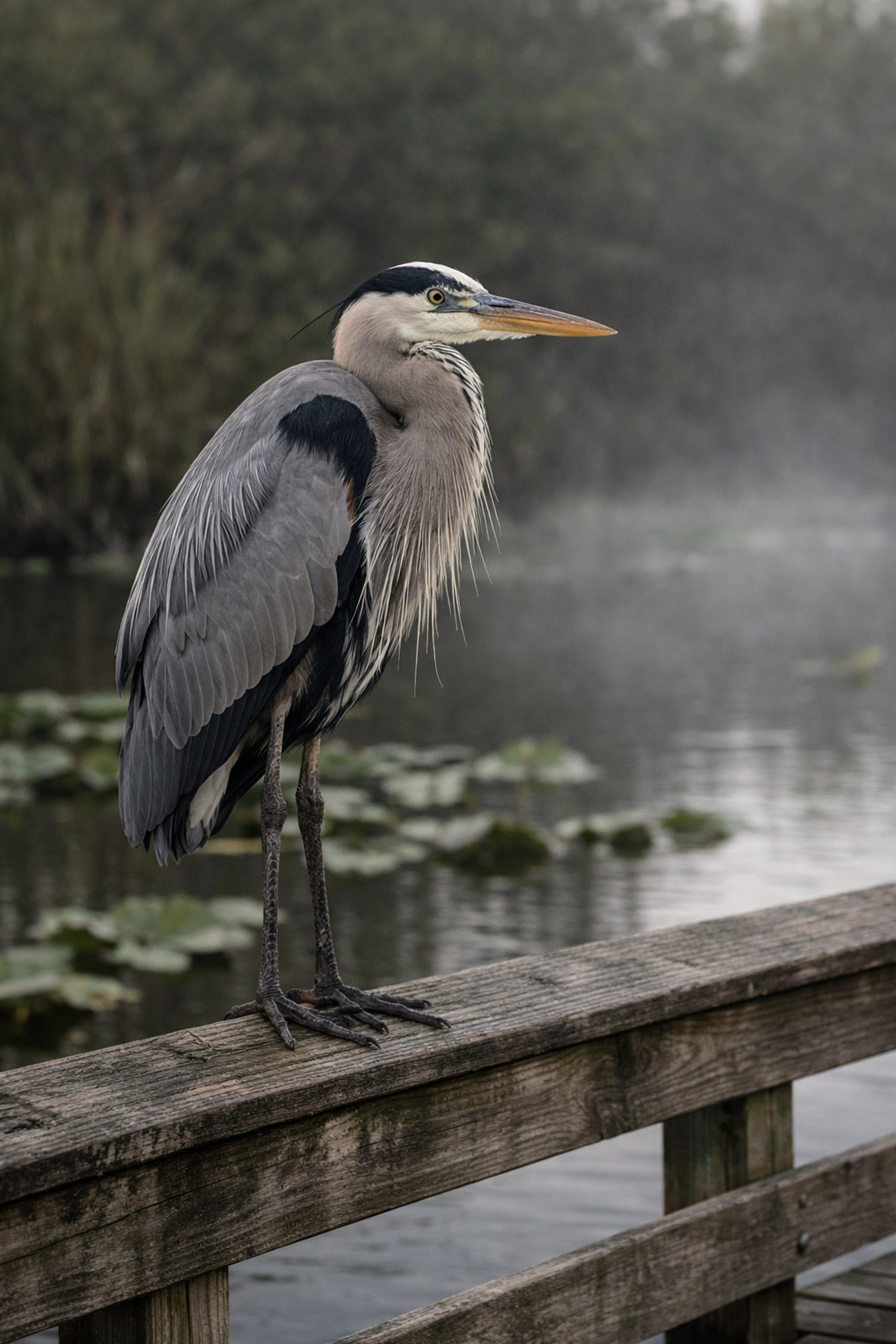
If you want guaranteed encounters with the residents of the swamp, the Anhinga Trail is your premier destination. Located near the Royal Palm Visitor Center, this boardwalk trail positions you directly over the water, providing an unparalleled vantage point for wildlife photography.
As you walk the boardwalk, you will find Anhingas drying their wings, alligators sunning themselves just feet away, and a variety of herons waiting for their next meal. The early morning light here is magical; the mist rising off the slough creates a soft, ethereal atmosphere that elevates a standard wildlife shot into a piece of fine art. By arriving at sunrise, you secure the best light and avoid the crowds, giving you the quiet space needed to wait for that perfect behavioral shot.
2. Shark Valley: Panoramic Vistas and Avian Architecture
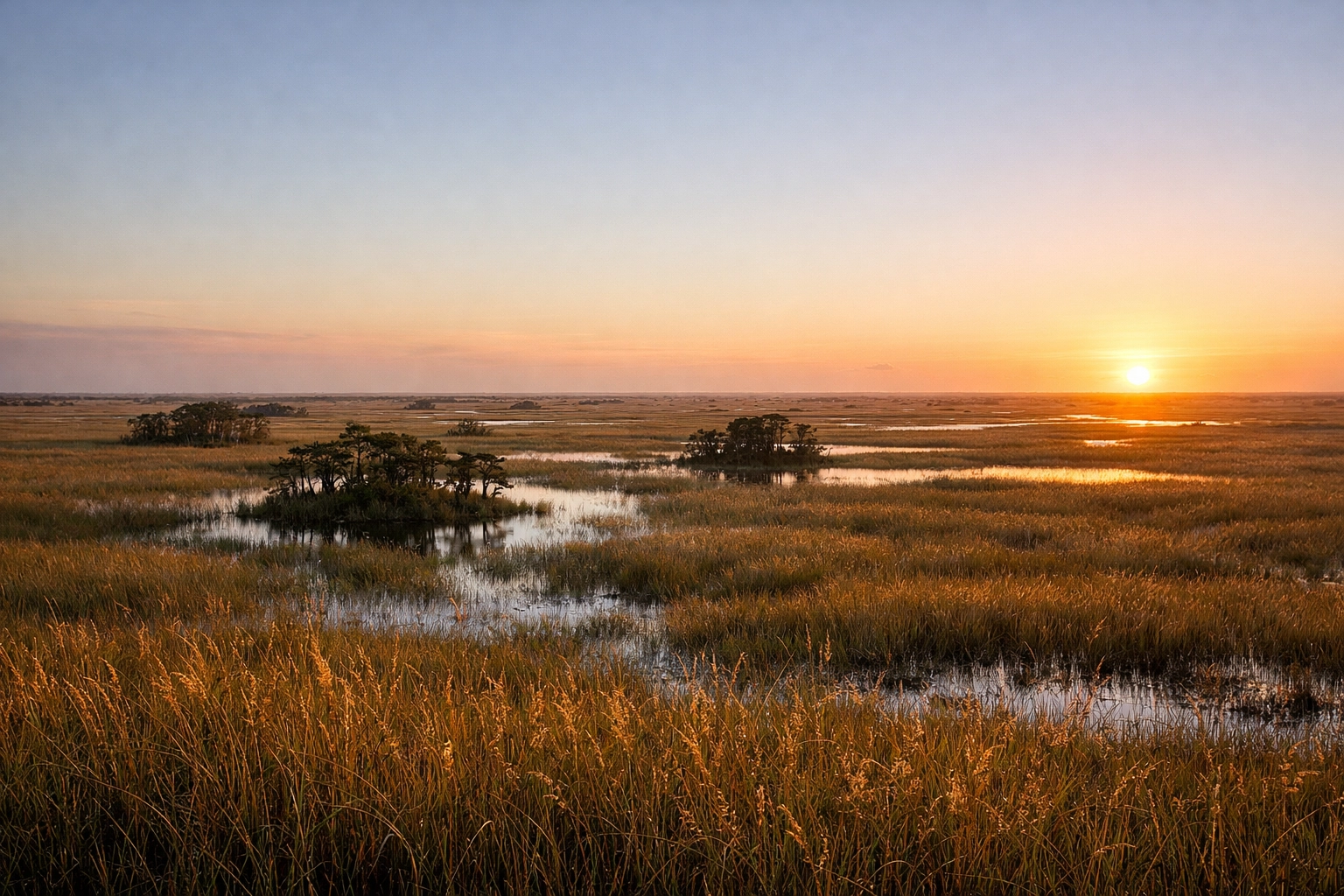
Shark Valley offers a different perspective on the Everglades, characterized by its 15-mile loop that cuts through the heart of the sawgrass prairie. This location is unmatched for capturing the sheer scale of the landscape.
When you reach the observation tower, you are granted a 360-degree view that reveals the intricate patterns of the water flow and vegetation. For the best experience, you should rent a bike. This allows you to stop instantly when you spot a snail kite or a cluster of alligators lounging along the canal. The flat, open landscape makes it a prime spot for landscape photography in the Everglades, especially during the golden hour when the grass turns a brilliant shade of gold.
3. Pahayokee Overlook: The Heart of the Sawgrass
For the quintessential "River of Grass" shot, Pahayokee Overlook is your best bet. This raised observation platform provides an elevated view of the vast prairie, punctuated by distant cypress domes.
This is a spectacular sunrise location. By positioning yourself to shoot toward the east, you can use the silhouettes of the dwarf cypress trees against a vibrant, multi-colored sky. The lack of visual clutter here provides a minimalist aesthetic that is highly sought after in fine art photography. It’s the perfect place to practice your composition, using the leading lines of the boardwalk or the natural curves of the vegetation to guide the viewer’s eye through the frame.
4. Big Cypress National Preserve: The Rugged Frontier
Just west of the main park lies Big Cypress National Preserve. While technically a separate entity, it is an essential part of any Everglades photography expedition. The terrain here is more rugged and the crowds are thinner, providing a sense of solitude that reflects in your work.
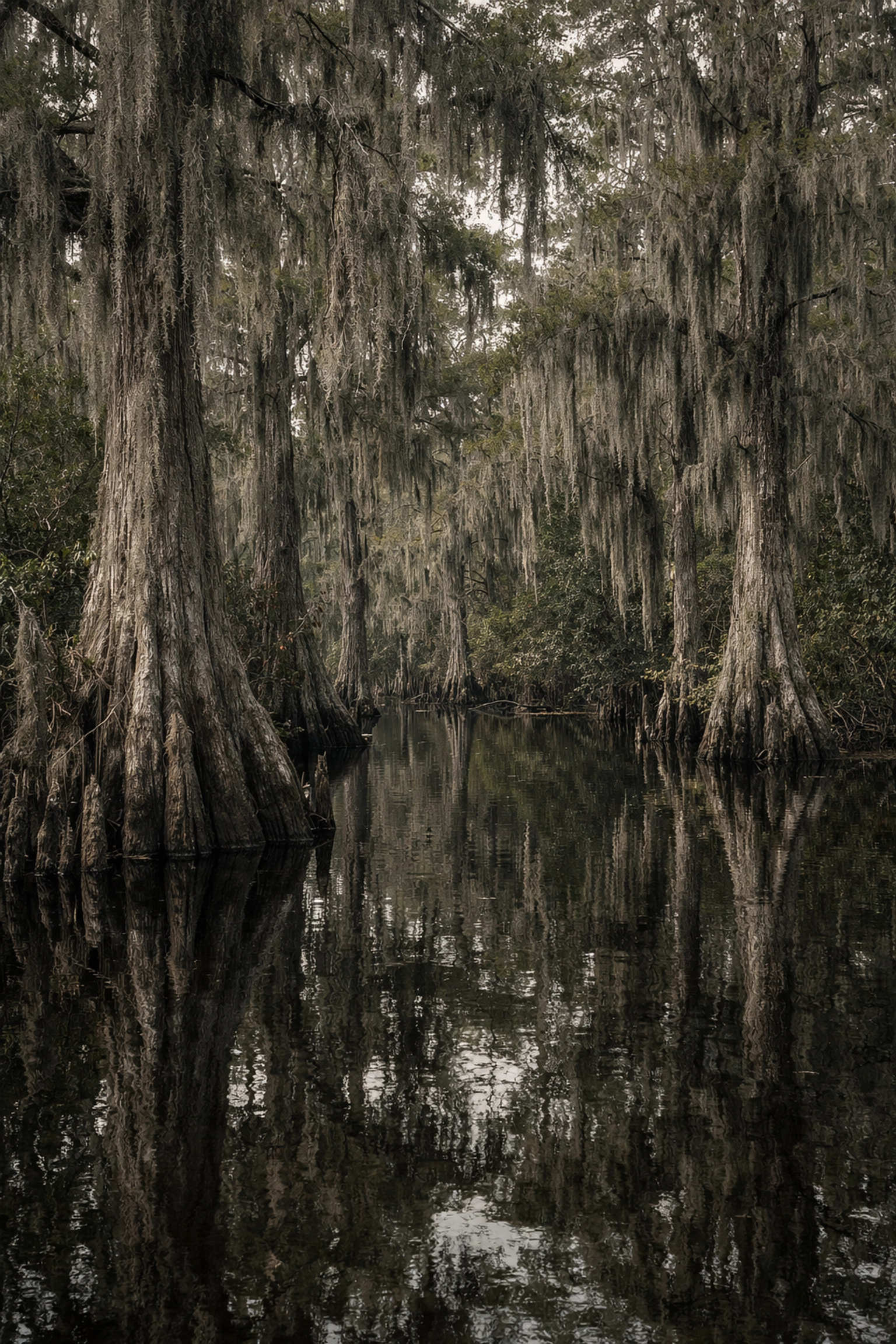
The famous Loop Road is a 24-mile stretch of gravel that puts you deep into the cypress swamps. Here, you can find rare ghost orchids, ancient cypress trees draped in Spanish moss, and the elusive Florida panther if you are incredibly lucky. The dark, moody atmosphere of Big Cypress is a stark contrast to the open prairies of Shark Valley, offering a diverse range of textures for your landscape photography in the Everglades.
5. Flamingo and Eco Pond: Where the Land Meets the Sea
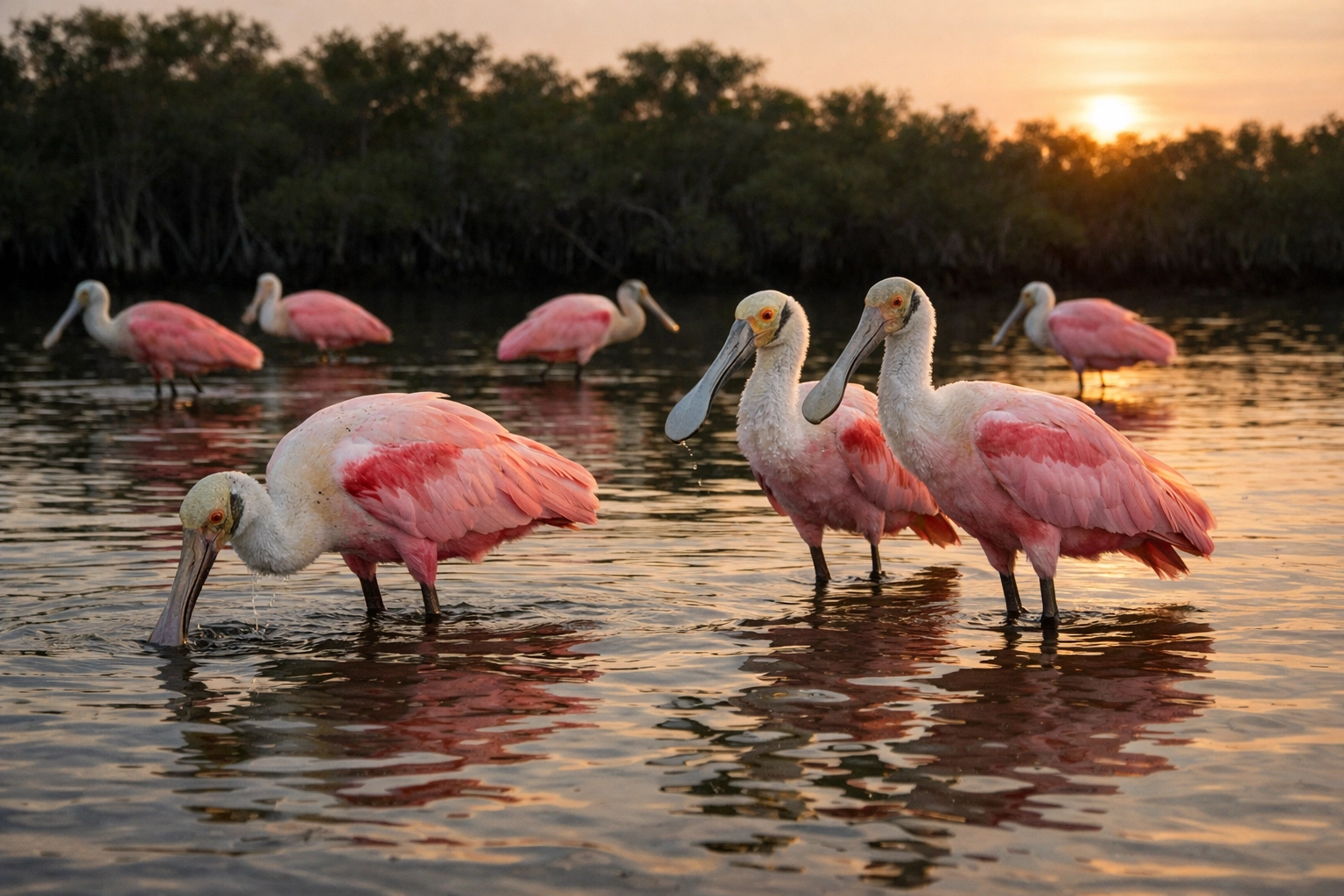
At the southernmost tip of the park lies Flamingo. This coastal transition zone is a hotspot for diverse bird species, including the iconic Roseate Spoonbill and American Crocodile.
Eco Pond, located nearby, is a legendary spot for sunset photography. As the sun dips below the horizon, the pond reflects the fiery sky, and the waterfowl returning to roost provide dynamic silhouettes. The mix of saltwater and freshwater environments ensures that your portfolio will have a wide variety of subjects, from manatees in the marina to ospreys nesting in the mangroves.
Expert Tips for Capturing Fine Art Quality
To truly excel at wildlife photography in the Everglades, you must understand the behavior of your subjects. Patience is your greatest tool. Instead of rushing from one spot to another, pick a location and stay there. By remaining still, you allow the wildlife to become comfortable with your presence, leading to more natural and intimate captures.
Essential Composition Strategies:
- Use Low Angles: Getting down to the eye level of an alligator or a shorebird creates a sense of intimacy and scale that high-angle shots lack.
- Watch the Backgrounds: The Everglades can be busy. Ensure your subject is separated from the background by using a wide aperture (f/2.8 or f/4) to create a pleasing bokeh.
- Follow the Water: Use reflections to create symmetry in your landscapes. The glassy water of the Everglades is perfect for this technique.
If you are starting your journey from the city, many photographers use Miami as their base. To make the most of your time in the region, consider the Miami Self-Driving Photography Guide or even a Private Miami Photography Tour to sharpen your skills before heading into the wild.
Mastering the Light and Seasons
Timing is everything in the Everglades. The dry season (November through April) is generally the best time for photography. As water levels drop, wildlife congregates around the remaining deep-water holes, making them much easier to locate and photograph. The weather is also more pleasant, with fewer mosquitoes and lower humidity.
However, the wet season (May through October) offers dramatic storm clouds and lush, vibrant greens that can result in stunning landscape images. If you choose to visit during this time, ensure you have waterproof gear and are prepared for the heat. No matter when you go, the "golden hours": the hour after sunrise and the hour before sunset: are when the Everglades truly comes alive.
Elevate Your Craft with Professional Guidance
While this guide provides a solid foundation, there is no substitute for the deep, hands-on knowledge found in a comprehensive resource. To truly master these Everglades photography locations, you need the Everglades Photography Guide. This guide goes into granular detail on seasonal shifts, specific GPS coordinates for hidden gems, and advanced techniques tailored to this specific environment.
For those who prefer a more immersive experience, the Capture Everglades Photography Workshop offers one-on-one instruction in the field, helping you see the landscape through the eyes of a professional fine art photographer.
Conclusion
The Everglades is a place of profound silence and sudden, breathtaking action. By visiting the right locations and applying professional techniques, you transform a simple trip into a creative odyssey. Every trail, from the Anhinga to the Loop Road, offers a new opportunity to define your style and capture the soul of the Florida wilderness.
As you build your collection of fine art prints, remember that your gear and your location are just the beginning. Your vision is what brings the "River of Grass" to life. You can see how these techniques translate into finished works by browsing the Edin Fine Art collection or learning more about our professional services at Edin Studios.
Take the next step in your photographic journey today. Secure your copy of the Everglades Photography Guide and start planning your expedition into the heart of the swamp.
For more insights on how to elevate your work, explore our site for a deep dive into hundreds of tutorials and guides at https://blog.edinchavez.com/.


