
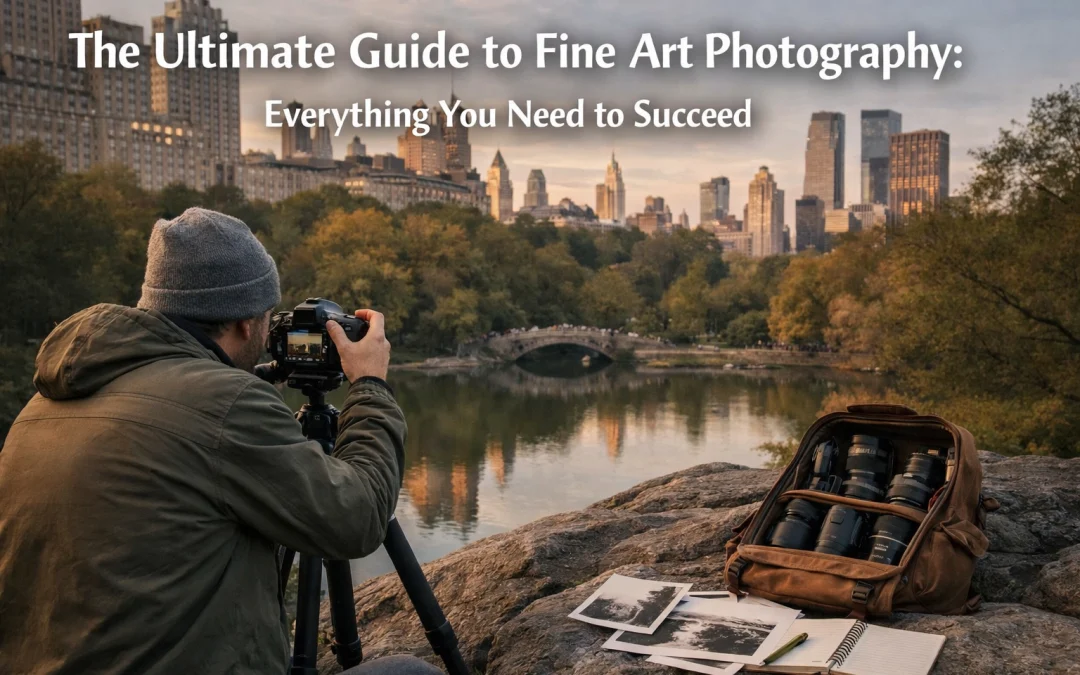
Just as a painter approaches a blank canvas with a specific emotion in mind, you must approach fine art photography with a vision that transcends the reality in front of your lens. Many photographers get stuck in the cycle of documentation: simply recording what is there. However, to truly succeed in the fine art world, you need to shift your perspective from "taking" a photo to "creating" an image. This guide is your roadmap to mastering the technical skills and creative mindset required to produce world-class fine art.
At Edin Chavez Blog, we believe that fine art is the ultimate expression of your personal voice. Whether you are wandering through the neon streets of Manhattan with a New York City photography guide or capturing the stillness of the swamp with an Everglades photography guide, your goal is to infuse your work with intention and soul.
Shifting Your Mindset from Snapshots to Art
The primary difference between a professional snapshot and a piece of fine art is the conceptual foundation. Before you even touch your shutter button, you need to know why you are taking the photo. Fine art photography is about the artist’s vision, not the subject itself.
To begin, you should start brainstorming your ideas away from the camera. Ask yourself what messages you want to convey. Are you exploring themes of solitude, chaos, or perhaps the passage of time? By sketching your shots or mentally rehearsing the composition, you ensure that every element in the frame serves a purpose. This intentionality is what separates a casual hobbyist from a professional featured on Edin Fine Art.
Mastering the Technical Skills of Fine Art Photography
While vision is king, your technical skills are the tools that allow you to execute that vision. You cannot rely on "getting lucky" with your settings. You need to command your camera to behave in ways that reality usually doesn't allow.
In-Camera Movement (ICM) and Motion Blur
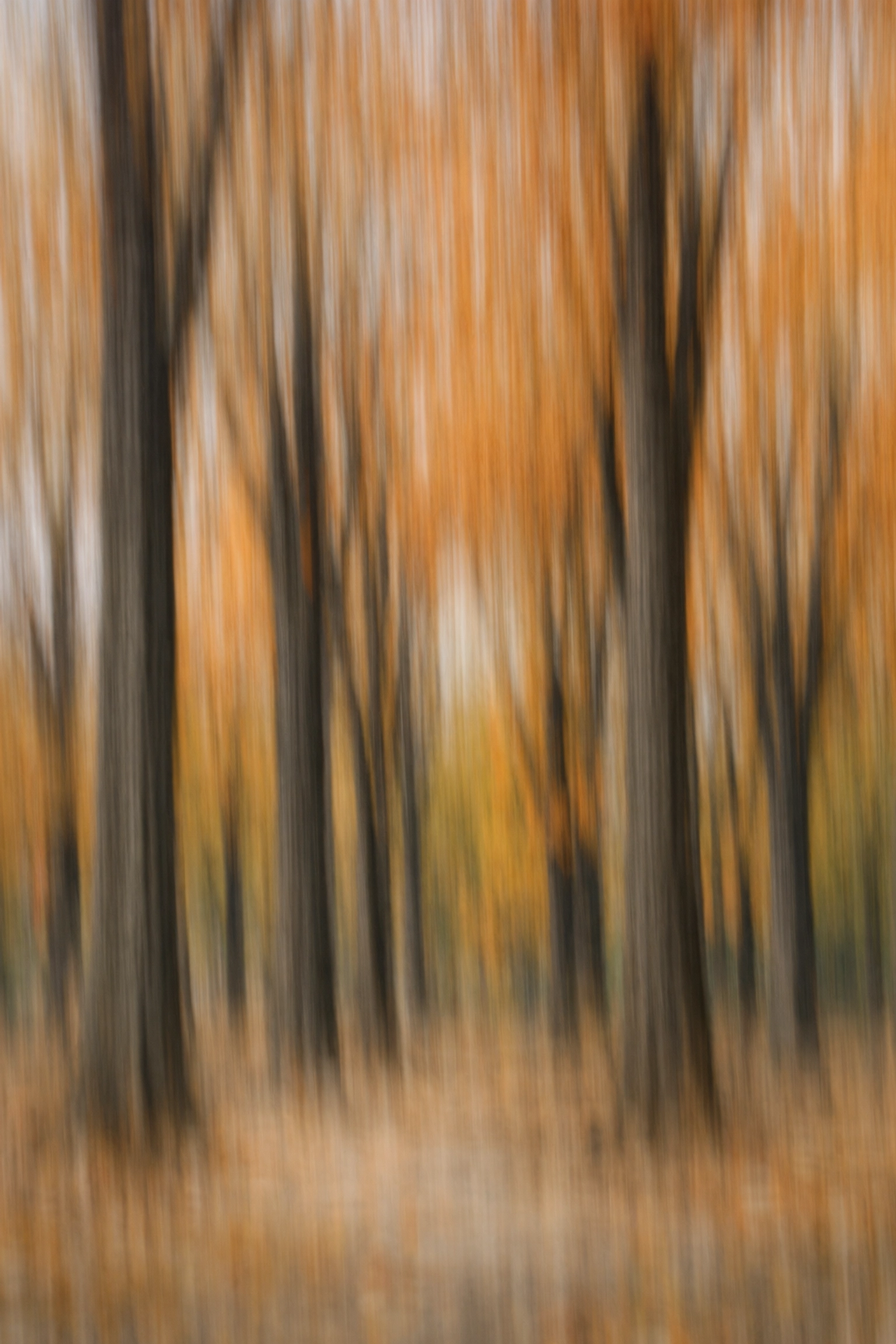
One of the most powerful ways to create ethereal photography is through In-Camera Movement (ICM). By slowing your shutter speed down to 1/15th of a second or longer and intentionally moving your camera during the exposure, you can turn a forest into a series of vertical strokes or a seascape into a smooth wash of color. This technique strips away the literal details and leaves behind the essence of the scene.
The Power of Multiple Exposures
Multiple exposure photography allows you to layer different textures and subjects into a single frame. This creates a depth and complexity that a single shot simply cannot match. You might layer a portrait over a bed of flowers or a cityscape over a textured wall. This builds a narrative that feels like a dream, pulling the viewer into a world that exists only in your imagination.
Creating the Ethereal: Lighting and Composition
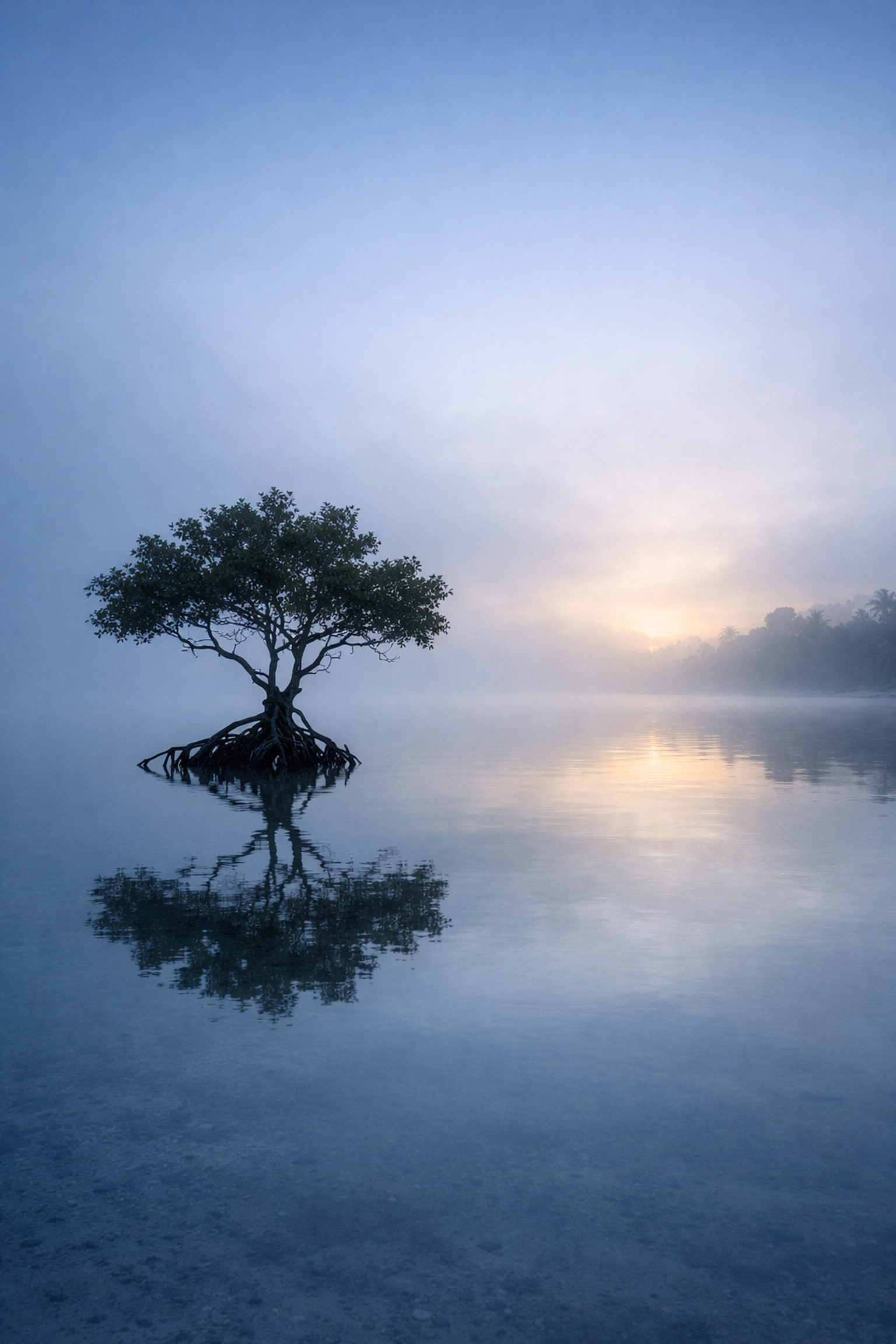
To achieve that sought-after ethereal photography look, you must become a master of light. You aren't just looking for "enough" light; you are looking for light that has a specific quality.
| Lighting Element | Effect on Fine Art |
|---|---|
| Backlighting | Creates a glowing rim around subjects, adding a sense of divinity or mystery. |
| Fog and Mist | Naturally diffuses light and hides distracting backgrounds, focusing on the silhouette. |
| High Key | Overexposing slightly to create a bright, airy, and optimistic mood. |
| Blue Hour | Provides a cool, somber, and tranquil atmosphere that feels otherworldly. |
When you are out in the field: perhaps using a Miami self-driving photography guide to find the perfect coastal sunrise: pay attention to how the light interacts with the atmosphere. Ethereal images often rely on a "softness" that comes from shooting during the fringes of the day.
Dreamy Photography Editing: Bringing Your Vision to Life
The magic doesn't end when you click the shutter; in fact, for many fine art photographers, it’s just beginning. Dreamy photography editing is the process of refining your raw data into a cohesive, emotional piece of art.
The Orton Effect
One of the staple techniques for a dreamy look is the Orton Effect. By layering a sharp version of your image with a blurred, overexposed version, you create a soft glow that feels high-end and painterly. It’s a delicate balance; you want the image to feel soft but not out of focus.
Color Grading for Emotion
Color is one of your most potent storytelling tools. In fine art, you aren't beholden to "true" colors. You can shift your highlights to a warm gold and your shadows to a deep teal to create a cinematic feel. If you want to streamline this process and ensure your work looks professional and consistent, using the Ultimate Lightroom Preset Collection can give you a massive head start.
Digital Textures and Layering
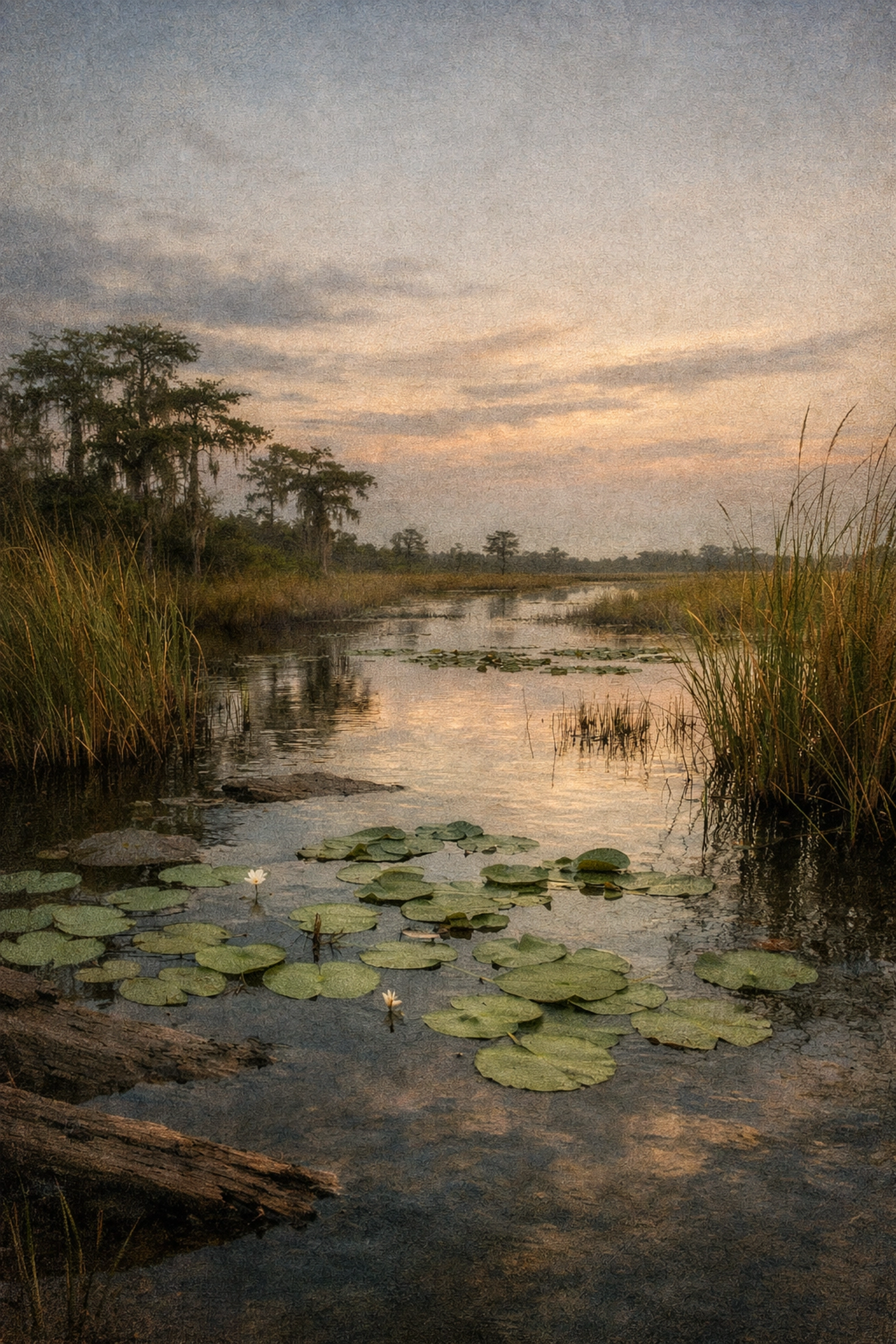
Don't be afraid to bring in outside elements. Adding a subtle paper texture or a light leak overlay can provide a tactile quality to your digital files. This helps bridge the gap between a digital photograph and a physical piece of fine art. When you visit Edin Studios, you'll see how these layers of post-production result in images that demand to be printed and framed.
Building a Cohesive Portfolio
A single great photo is a fluke; a series of great photos is a career. To succeed in galleries and high-end sales, you need to develop a body of work that feels unified. This doesn't mean every photo has to look identical, but they should share a common "DNA": whether that's through your specific use of dreamy photography editing, a consistent color palette, or a recurring theme.
If you’re just starting to build your portfolio and need hands-on guidance, consider booking a private Miami photography tour. Having an expert guide you through the process of seeing and capturing art in a vibrant city like Miami can accelerate your growth by years.
Consistency Checklist for Your Portfolio:
- Subject Matter: Does your work revolve around a specific concept?
- Editing Style: Do your images look like they belong in the same room?
- Tone: Is the emotional impact consistent across the series?
- Presentation: Are your images cropped and formatted with the same level of care?
Professional Development and The Art of Printing
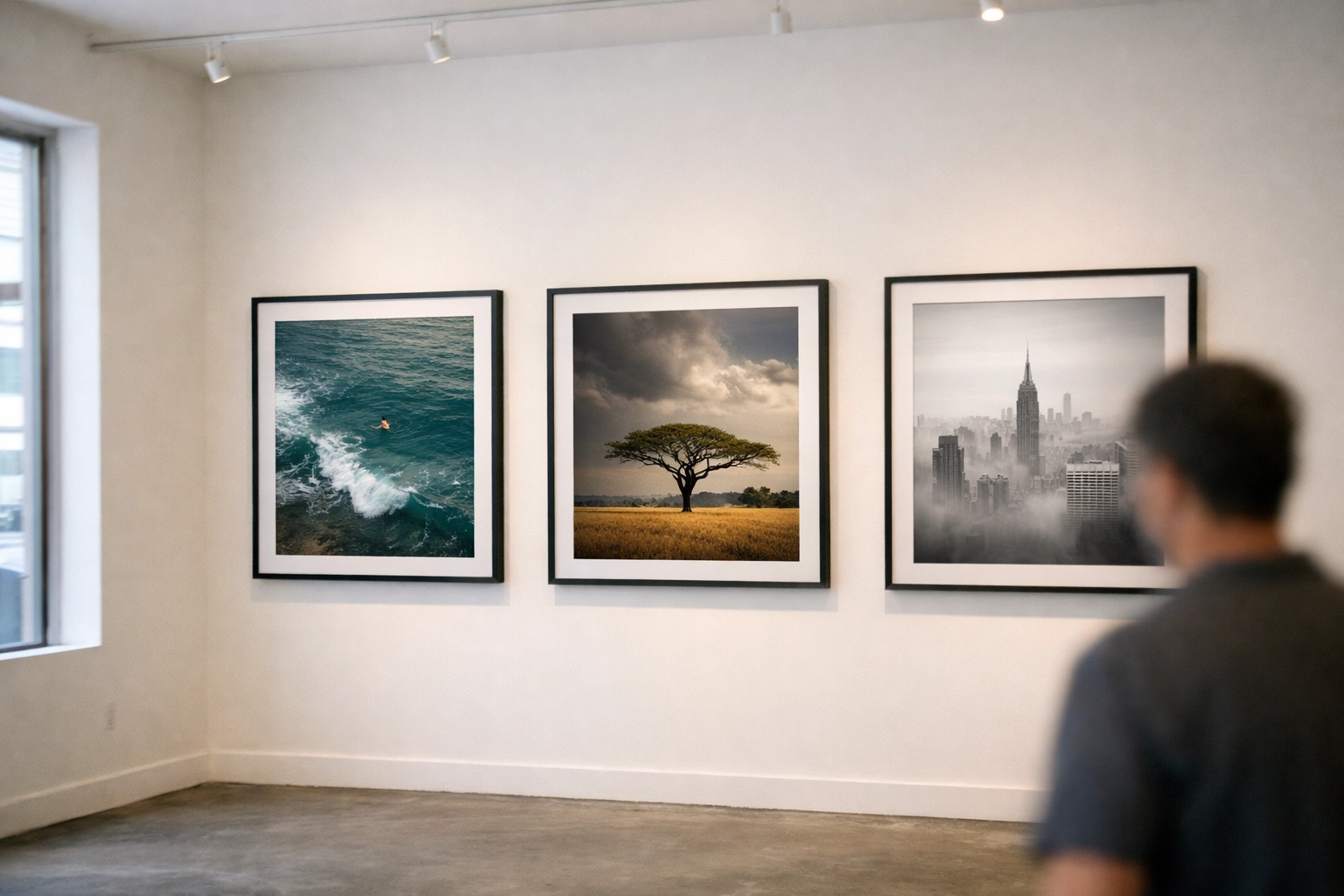
Once you have mastered the art of the ethereal photography style, you must think about how the world will see it. Fine art is meant to be tangible. The transition from a glowing screen to a physical print is where your work truly becomes "fine art."
Understanding different paper types: from high-gloss metallic to heavy matte cotton rag: is essential. Each paper choice changes how the viewer perceives the light and depth in your work. Professional fine art photographers invest as much time into their printing process as they do into their shooting.
Furthermore, you need to learn the business side: writing artist statements, understanding gallery commissions, and building a brand. This is a journey, not a race. Take the time to visit galleries, study coffee table books, and immerse yourself in the works of masters who have come before you.
Taking the Next Step in Your Artistic Journey
Fine art photography is a deeply rewarding pursuit that allows you to share your unique view of the world. It requires a blend of technical mastery and emotional vulnerability. By focusing on your technical skills, embracing the nuances of dreamy photography editing, and constantly pushing the boundaries of your creativity, you will find your voice.
Whether you are capturing the majestic peaks with a Lake Tahoe photography guide or experimenting with textures in your home studio, remember that the most important element in your photography is you. Your perspective is what makes the art "fine."
For more insights on how to elevate your work, explore our site for a deep dive into hundreds of tutorials and guides at Edin Chavez Blog. Be sure to check out the latest collections and services at Edin Studios and see the finished results of these techniques at Edin Fine Art.


