
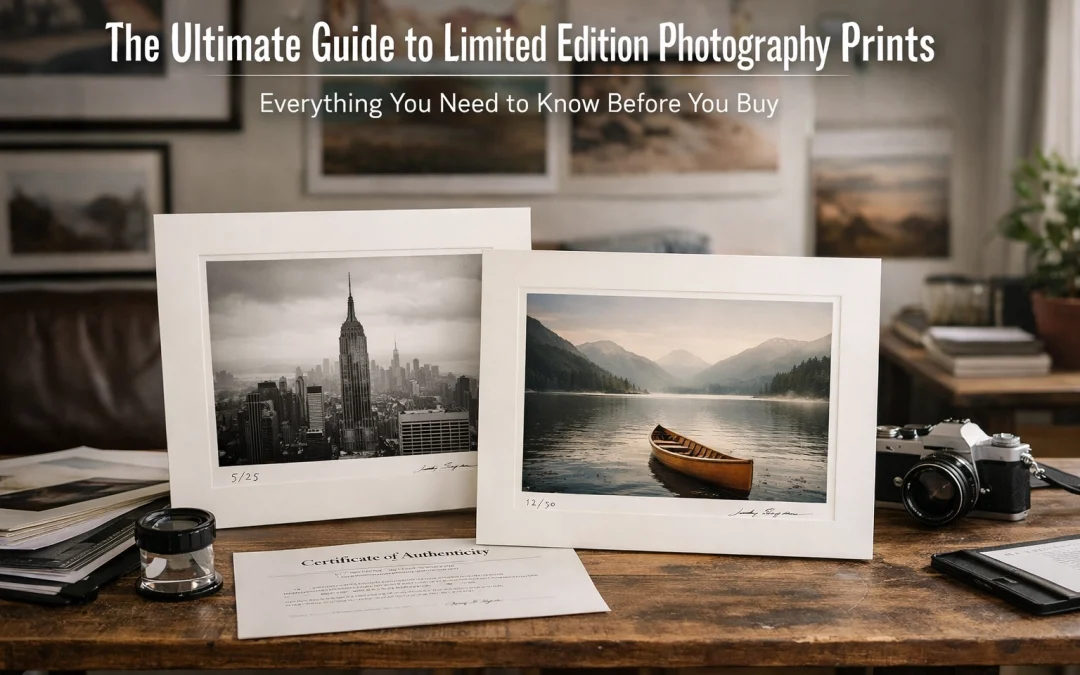
As you begin your journey into the world of high-end art, you’ll quickly realize that collecting photography is about much more than just finding a beautiful image. It’s about securing a piece of history, an investment in craftsmanship, and a tangible connection to a specific moment in time captured by a master of the craft. Whether you are a seasoned curator or a first-time buyer looking to elevate your home, understanding the nuances of limited edition photography prints is essential to making an informed and valuable purchase.
In the fine art world, the distinction between a mass-produced poster and a true gallery piece lies in its scarcity and production quality. When you invest in a piece from Edin Fine Art, you aren't just buying a picture; you are acquiring a curated asset that has been handled with the utmost precision.
What Exactly Are Limited Edition Photography Prints?
Just as a sculptor might only cast a specific number of bronze statues from a mold, a photographer limits the production of a particular image to ensure its exclusivity. When you buy a limited edition print, you are receiving a guarantee that only a predetermined number of those prints will ever exist in that specific format or size. Once that edition is sold out, the artist legally and ethically cannot produce more.
This scarcity is what drives the value of the work. If you’ve ever looked at a stunning skyline shot in our New York City photography guide and thought about how it would look on your wall, you’re seeing the creative potential. But when that shot is transitioned into a limited edition print, it moves from digital media into the realm of fine art.
The Numbering System Explained
When you examine a print, you will usually see a fraction written in the corner, such as "5/25." This is the edition number. The first number tells you which specific print in the series you own, while the second number indicates the total number of prints that will ever be made for that edition.
While some collectors believe the "1/25" is more valuable than "25/25," in the modern world of digital fine art printing, the quality is consistent across the entire run. The value lies in the total edition size: the lower the total number, the higher the individual value of each print.
Why Quality Defines Value: Archival and Museum Standards
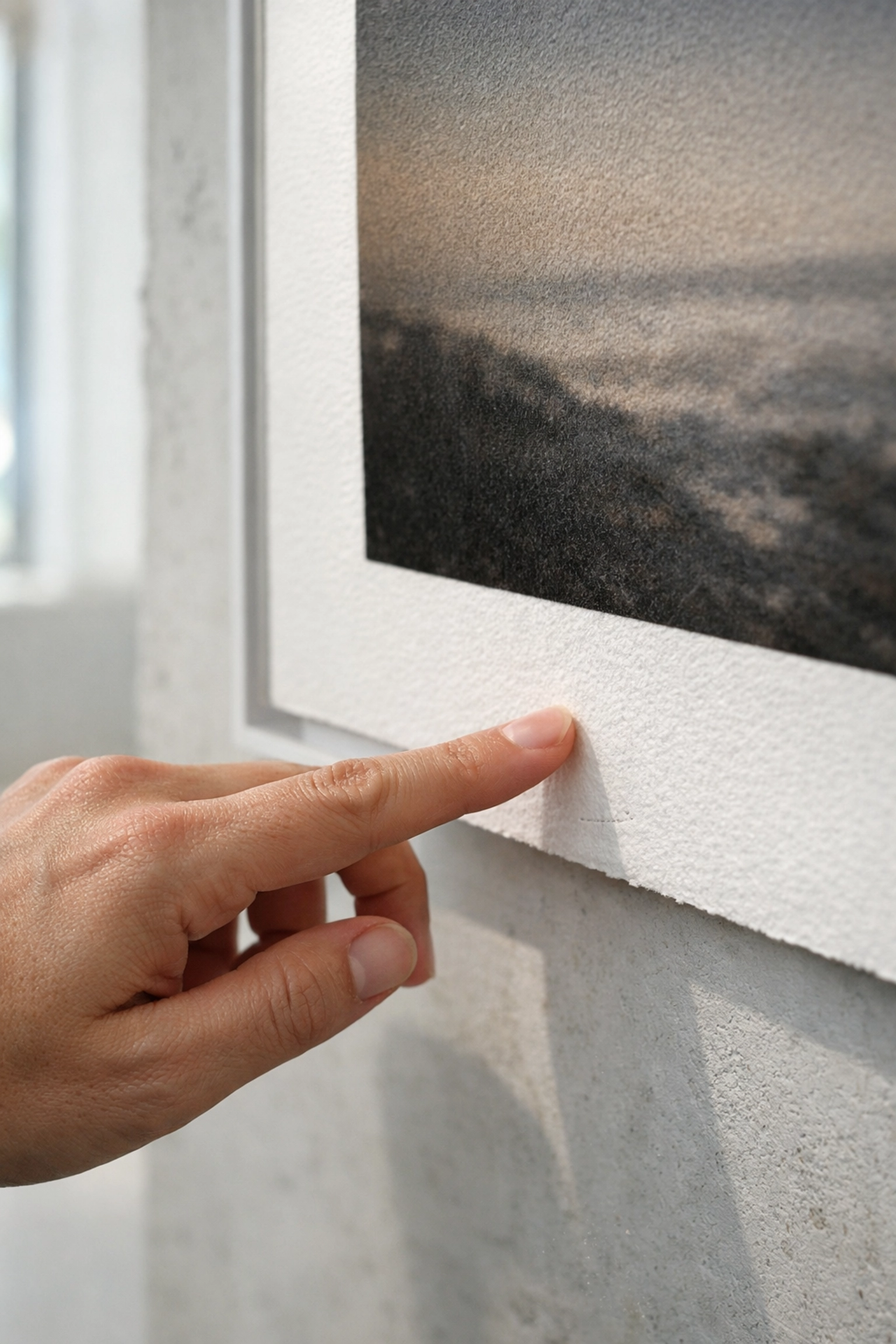
As a collector, you must look beyond the image and scrutinize the physical materials. If a print fades in ten years, it loses both its aesthetic appeal and its financial worth. This is why you should only ever consider museum quality prints and archival prints.
The Anatomy of a High-Value Print
| Feature | Description | Why It Matters for You |
|---|---|---|
| Ink Type | Pigment-based archival inks | Unlike dye-based inks, these won't fade or shift colors for 100+ years. |
| Paper/Substrate | Acid-free cotton rag or Lumachrome Acrylic | Prevents yellowing and ensures the structural integrity of the print. |
| Mounting | Museum-grade Diasec or face-mounting | Protects the print from environmental factors like humidity and UV light. |
| Process | Giclée or Silver Halide | Provides the highest possible resolution and color depth available. |
When we talk about archival prints, we are referring to the chemical stability of the materials. At Edin Studios, we prioritize these standards to ensure that the vibrant colors you see the day you hang the piece remain just as striking for the next generation. For photographers looking to reach this level of color perfection in their own work, using tools like the Ultimate Lightroom Preset Collection is the first step in creating a file worthy of a high-end gallery.
The Power of the Certificate of Authenticity for Art Prints
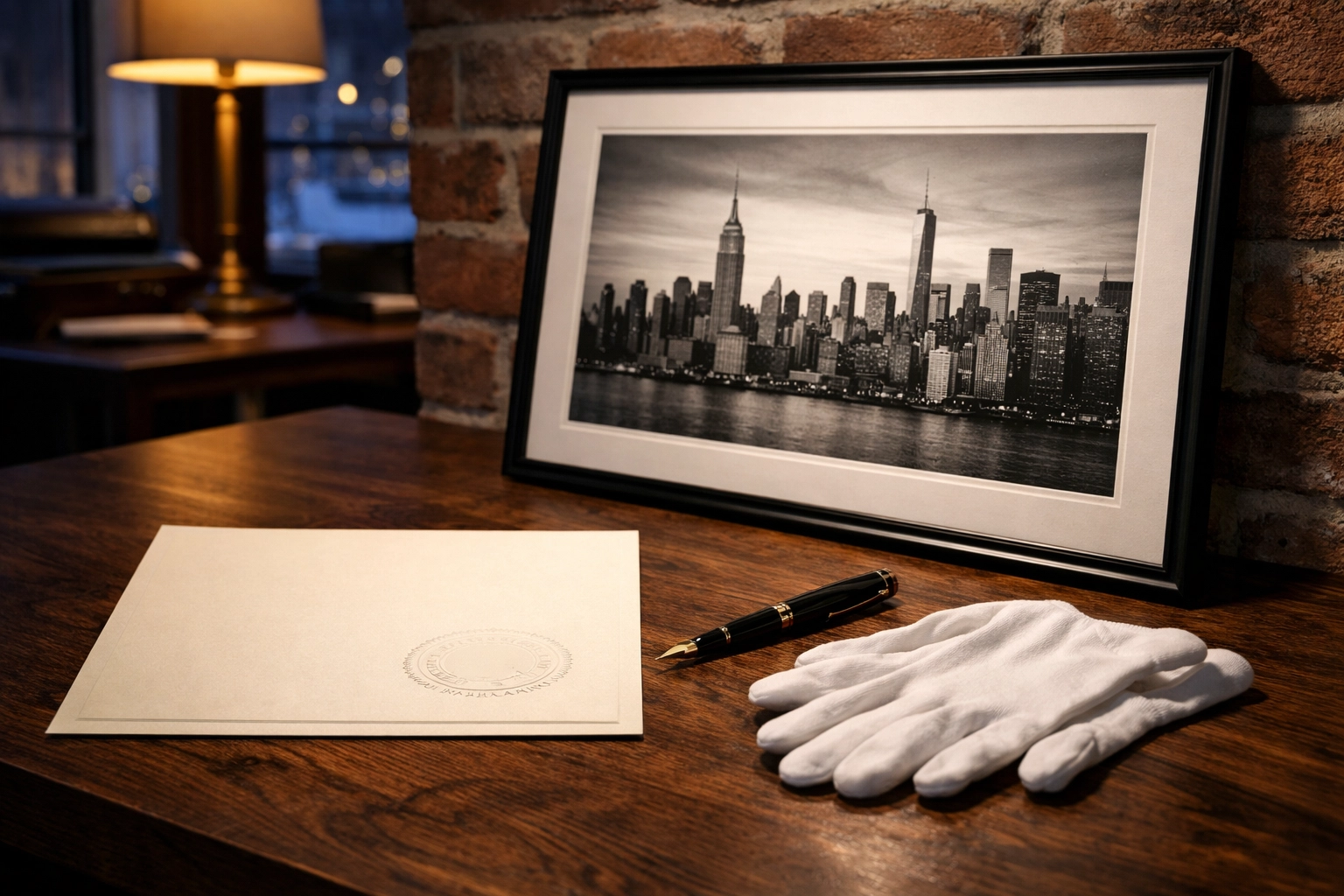
You should never purchase a high-value photography print without a certificate of authenticity (COA) for art prints. Think of this document as the title to a luxury vehicle. It is your proof that the work is a genuine creation of the artist and that it adheres to the limited edition promises made at the time of sale.
A valid COA should include:
- The Title of the Work: The official name of the photograph.
- The Artist’s Signature: Ideally hand-signed by the photographer.
- The Edition Number: Confirming where your piece sits in the series.
- Technical Details: The type of paper, ink, and dimensions used.
- The Date of Production: When the print was actually created.
Without this document, reselling your art in the future becomes significantly more difficult. Collectors and galleries require this provenance to verify that the piece isn't a counterfeit or an unauthorized "open edition" print.
How to Sell Fine Art Photography Prints
If you are an artist reading this, you might be wondering how to sell fine art photography prints to high-end collectors. The transition from hobbyist to fine art professional requires a shift in mindset from "volume" to "value."
By offering limited editions, you are signaling to the market that your work is a collectible asset. You need to provide a narrative for your work: whether it’s the story of trekking through the brush for our Everglades photography guide or capturing the neon pulse of the city on a private Miami photography tour. Collectors buy the story as much as they buy the image.
To succeed in this market, you must:
- Establish Scarcity: Choose edition sizes that reflect your current demand (e.g., editions of 10, 25, or 50).
- Invest in Production: You cannot sell a "limited edition" on cheap luster paper from a local drugstore. It must be a museum quality print.
- Market to Curators: Position your work where collectors look: high-end galleries and dedicated fine art websites.
Understanding Artist Proofs (A.P.)
In your search for the perfect piece, you may encounter prints marked "A.P." instead of a number. These are Artist Proofs. Traditionally, these were the first prints off the press used by the artist to check color and detail. Today, they are often a small subset of prints (usually 10% or less of the total edition size) that the artist keeps for personal use or special sales.
Because there are even fewer Artist Proofs than numbered prints, they often command a 20-50% price premium. If you have the opportunity to acquire an A.P. from a major series: perhaps a rare landscape from our Lake Tahoe photography guide: it can be a very savvy investment.
Curating Your Space: Display and Preservation
Once you have acquired your limited edition photography prints, the way you display them will determine their longevity. Even the best archival prints are susceptible to extreme conditions.
As a knowledgeable collector, you should avoid hanging your high-value pieces in direct sunlight. Even with UV-protective acrylic or glass, prolonged exposure to intense UV rays can eventually degrade the pigments. Instead, consider using dedicated gallery lighting (LEDs with no UV output) to make the colors "pop" without damaging the substrate.
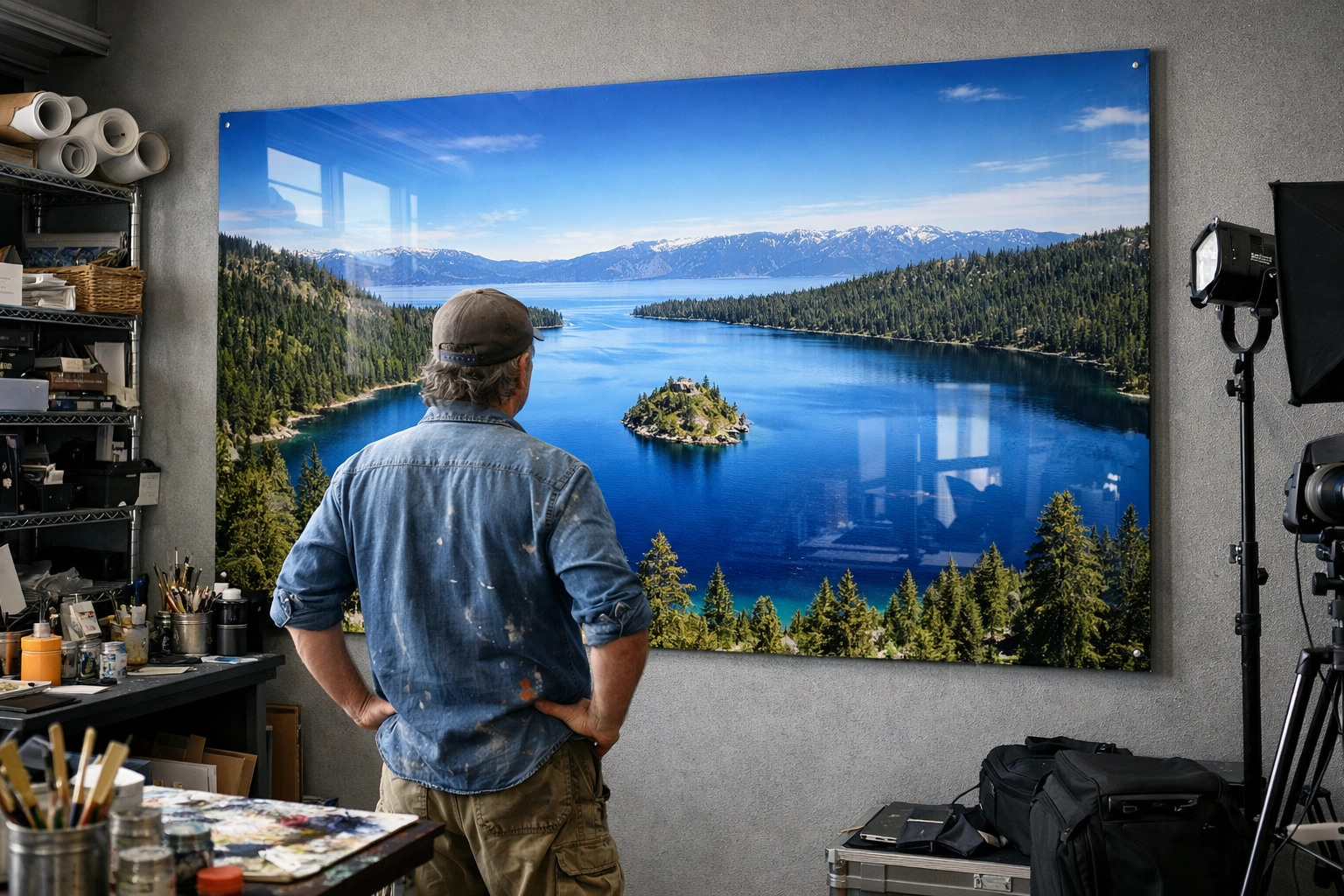
If you are displaying a large-scale piece, such as a 60-inch acrylic mount of a Miami sunset (which you might have learned to shoot using our Miami self-driving photography guide), ensure your wall can support the weight. These pieces are substantial and often require professional hanging hardware to stay secure.
The Investment Value of Photography
Many people ask if photography actually appreciates in value. The answer is a resounding yes: provided you buy from the right artists and focus on limited runs. As an artist's career progresses and they receive more gallery representation or museum exhibitions, the secondary market for their early limited editions can grow significantly.
By focusing on museum quality prints, you are ensuring that the physical object remains in pristine condition, which is a prerequisite for any future resale. When you buy a piece, you aren't just decorating a room; you are becoming a custodian of a piece of visual culture.
For more insights on how to elevate your work, explore our blog for a deep dive into hundreds of tutorials and guides. Whether you are buying or creating, the world of fine art photography offers a lifetime of discovery and beauty.
Hence, with these considerations in mind, you are now equipped to navigate the gallery world with confidence. Whether you’re looking for that one centerpiece that defines your living room or building a diverse portfolio of archival works, remember that the best investment is the one that speaks to you every time you walk past it.


