
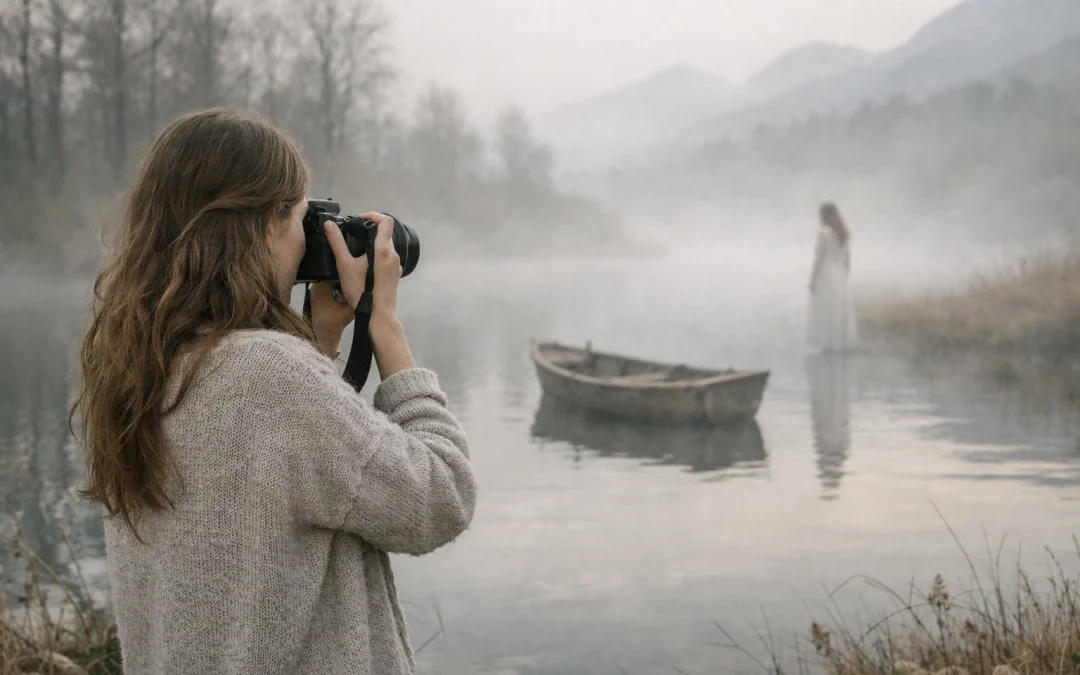
Just as a painter approaches a blank canvas with a specific emotion in mind, you approach your camera to create something that transcends the physical world. Fine art photography isn't about capturing what is standing in front of you; it is about capturing how that subject makes you feel. When you dive into the world of ethereal photography, you are stepping away from the "snapshot" mentality and moving into the realm of visual poetry.
As the CEO of Edin Chavez Blog, I’ve seen countless photographers struggle to bridge the gap between a sharp, technical photo and a piece of art that actually stops someone in their tracks. To master this, you need to stop thinking like a documentarian and start thinking like a storyteller. Whether you are shooting in the heart of a city or the quietest corner of a forest, the goal is to create a mood that feels like a half-remembered dream.
Understanding the Fine Art Photography Mindset
Many beginners believe that fine art photography is simply a matter of applying a filter in post-processing. In reality, your journey begins long before you press the shutter button. This genre is defined by your personal vision. You aren't just showing the world what a tree looks like; you are showing the world your unique perspective on that tree’s existence.
To succeed, you must focus on three pillars: aesthetic appeal, impeccable craftsmanship, and conceptual depth. Your work stands out when it forces the viewer to ask questions. By integrating a narrative into your frames, you empower your audience to connect with your art on a visceral level. This commitment to storytelling is what separates a hobbyist from a professional artist. You can explore more about this creative philosophy at Edin Chavez Blog.
Technical Foundations for Ethereal Photography
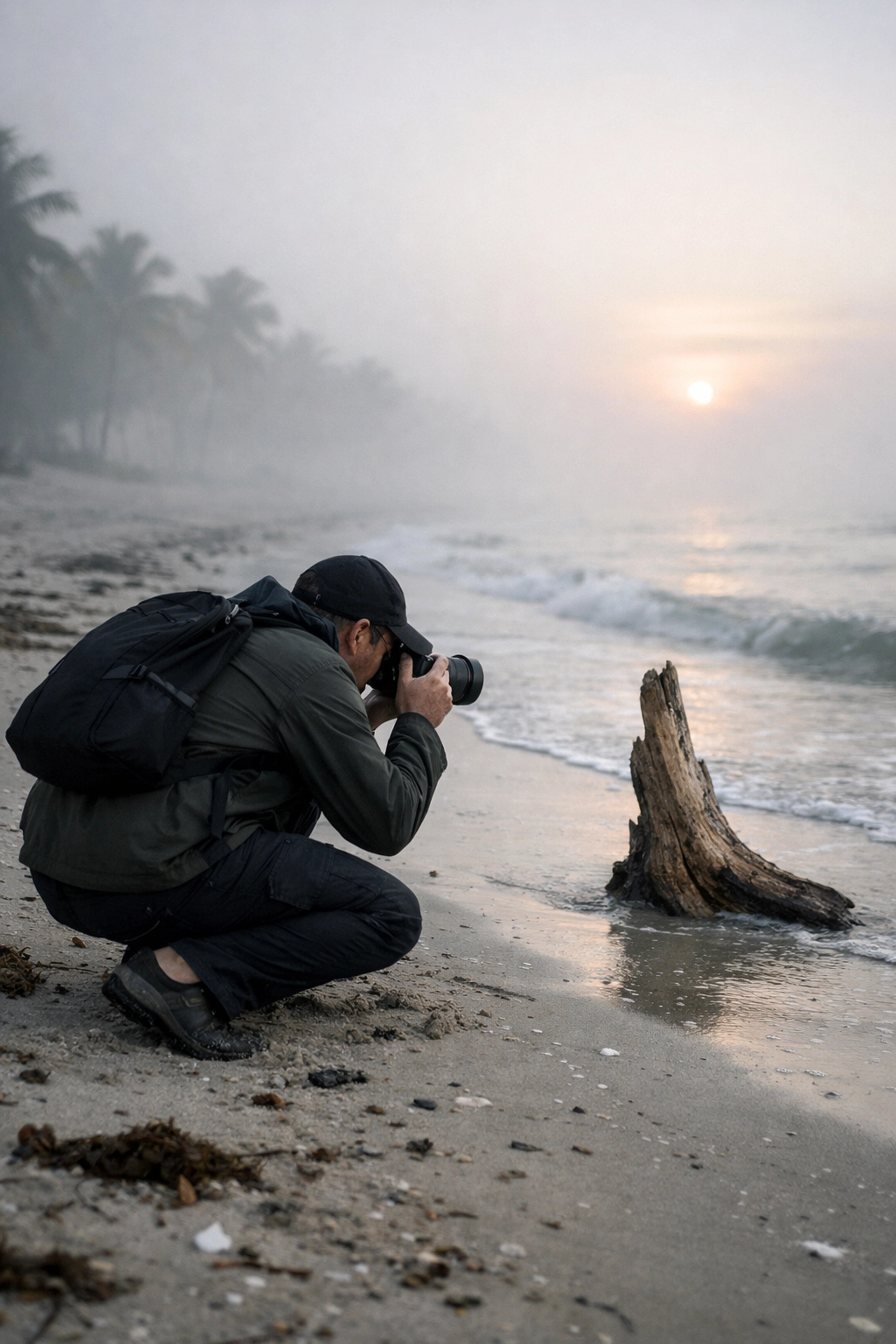
Achieving that "glow" or soft, luminous quality requires a mastery of your gear. Ethereal photography relies heavily on how you manipulate light and depth of field. You want your images to feel as though they are floating, and that starts with your aperture settings.
The Power of Wide Apertures
To create those creamy, blurred backgrounds: often referred to as bokeh: you need to use a wide aperture. Opening your lens to f/1.4, f/1.8, or f/2.8 allows a massive amount of light into your sensor while narrowing your plane of focus. This technique ensures that your subject remains the hero of the shot while the rest of the world melts into a soft, dreamy haze.
Choosing the Right Glass
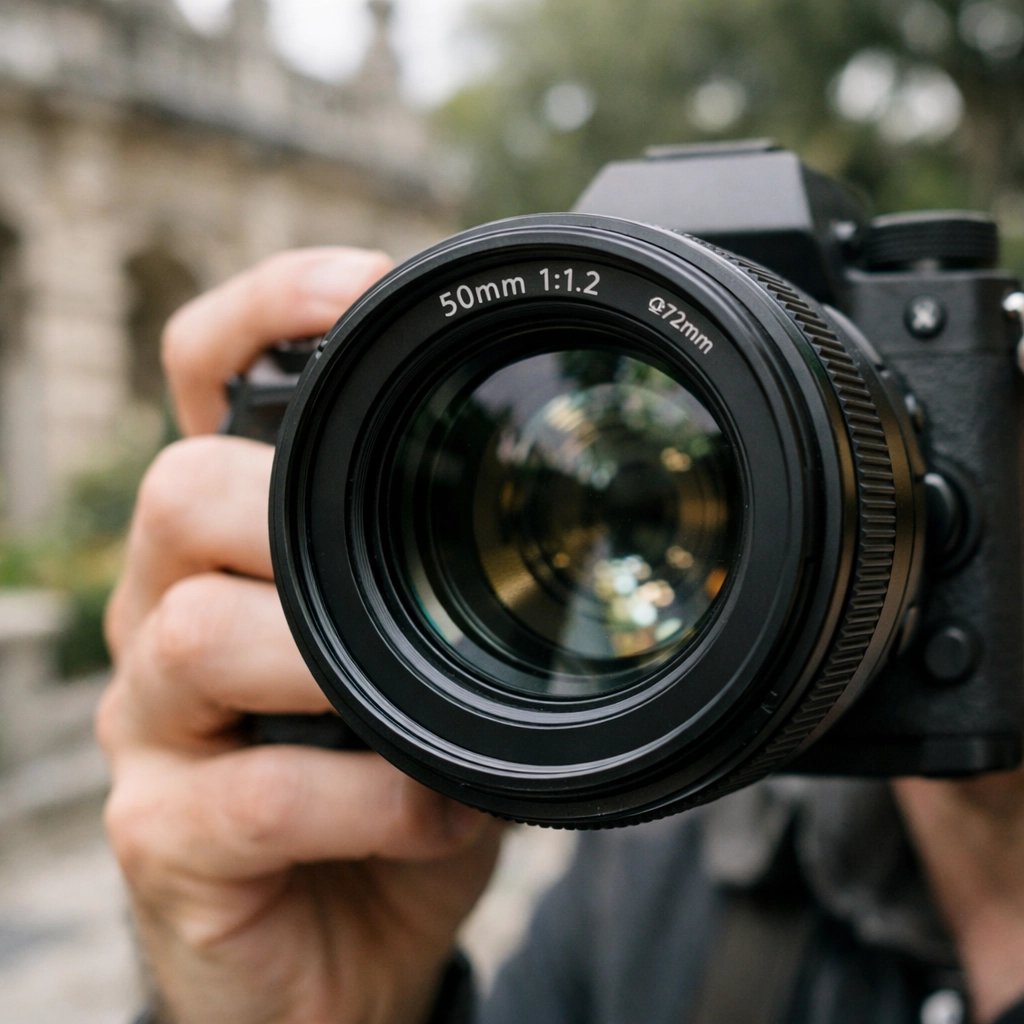
While zoom lenses are convenient, prime lenses are your best friends in the fine art world. Fixed focal lengths like 35mm, 50mm, or 85mm typically offer wider maximum apertures and superior sharpness compared to their zoom counterparts. These lenses provide the clarity you need while delivering the "dreamy" fall-off that defines this style.
| Feature | Prime Lens (35mm/50mm) | Zoom Lens (24-70mm) |
|---|---|---|
| Max Aperture | f/1.2 – f/1.8 (Ultra Wide) | f/2.8 – f/4 (Moderate) |
| Weight | Generally Lightweight | Usually Heavier |
| Bokeh Quality | Smooth and Creamy | Can be "busy" or distracting |
| Sharpness | Exceptional center-to-edge | Good, but often variable |
By using these tools, you provide your images with a professional foundation that props up your creative vision. For more advanced gear insights and specialized techniques, check out Edin Studios.
Mastering Light and Composition
Light is the brush with which you paint your ethereal scenes. To achieve a sense of weightlessness, you should look for soft, diffused light sources. Overcast days, the "Golden Hour" just before sunset, and backlighting are your most powerful allies.
When you backlight a subject, the light wraps around their edges, creating a natural rim light that looks like a halo. This instantly elevates your work into the ethereal realm. You should also study the works of Impressionist painters like Claude Monet. Notice how they didn't focus on hard lines; instead, they used light and color to suggest form. You can emulate this by intentionally slightly overexposing your shots to create a "high-key" look that feels airy and light.
Dreamy Photography Editing: Bringing the Vision to Life
While the capture is vital, dreamy photography editing is where the magic truly happens. Post-processing in the fine art world isn't about "fixing" a photo; it’s about enhancing the mood you’ve already established.
The Orton Effect
One of the most popular techniques in ethereal editing is the Orton Effect. This involves a combination of high detail and soft glow. By duplicating your layer in Photoshop, applying a Gaussian blur, and then blending it back with the original, you create a look that feels both sharp and hazy at the same time. This ensures your images have that sought-after luminosity.
Color Grading for Mood
Your color palette should be intentional. For an ethereal look, you might want to lean toward desaturated pastels or cool blues and soft pinks. Use the HSL (Hue, Saturation, Luminance) sliders in Lightroom to fine-tune these tones. If you want to streamline this process and achieve professional results instantly, I highly recommend using the Ultimate Lightroom Preset Collection. These presets are designed to give your work that polished, fine-art finish with just one click.
Developing Your Artistic Voice
The biggest hurdle for most photographers is moving past the technical and into the conceptual. Your work should be cohesive. This means when someone looks at your portfolio, they should recognize your "hand" in the images. Whether it’s the way you use light or the specific way you handle dreamy photography editing, consistency is key to building a brand as an artist.
- Plan Your Shoots: Don't just walk out and hope for the best. Sketch your ideas. Think about the wardrobe, the location, and the specific time of day.
- Experiment Constantly: Take 100 photos of the same mundane object. Challenge yourself to find 5 ways to make it look otherworldly.
- Study Other Mediums: Look at film, classical paintings, and even poetry to inspire your visual metaphors.
By dedicating time to your craftsmanship, you ensure that every image you produce is a reflection of your inner world.
The Importance of the Physical Print
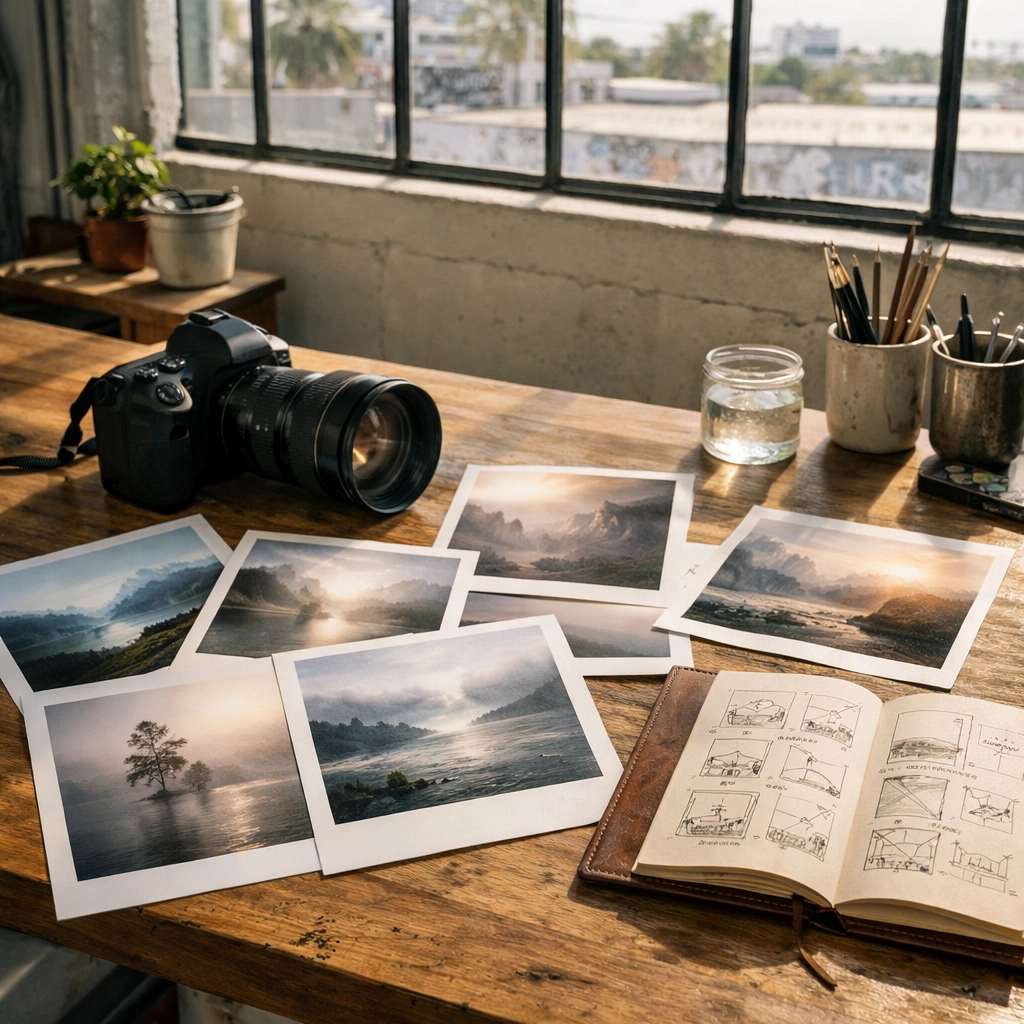
In today’s digital age, it is easy to leave your photos on a hard drive. However, you haven't truly seen your work until you see it printed. Fine art photography is a tactile experience. Seeing your ethereal landscapes on high-quality cotton rag or metallic paper reveals textures and depth that a screen simply cannot replicate.
Printing your work also forces you to be a better photographer. It reveals flaws in your focus or noise in your shadows that you might have missed on your phone. If you want to see how professional fine art is presented to collectors, take a look at the curated galleries at Edin Fine Art. It will give you a benchmark for the quality and presentation you should strive for in your own career.
Final Thoughts on Your Creative Journey
Mastering fine art photography is a marathon, not a sprint. It requires you to be patient with yourself and your gear. By focusing on technical skills like wide apertures and soft lighting, and combining them with sophisticated dreamy photography editing, you empower yourself to create work that is truly unique.
Remember, the most important tool in your kit isn't your camera: it's your vision. Don't be afraid to be controversial or to show a side of the world that only you can see. With these considerations, you are well on your way to transforming from a photographer into a true artist. Keep pushing the boundaries of what is possible, and continue to refine your craft every single day.
Hence, start today by picking one concept, one lens, and one afternoon to lose yourself in the process of creation. Your ethereal masterpiece is waiting to be captured.


