
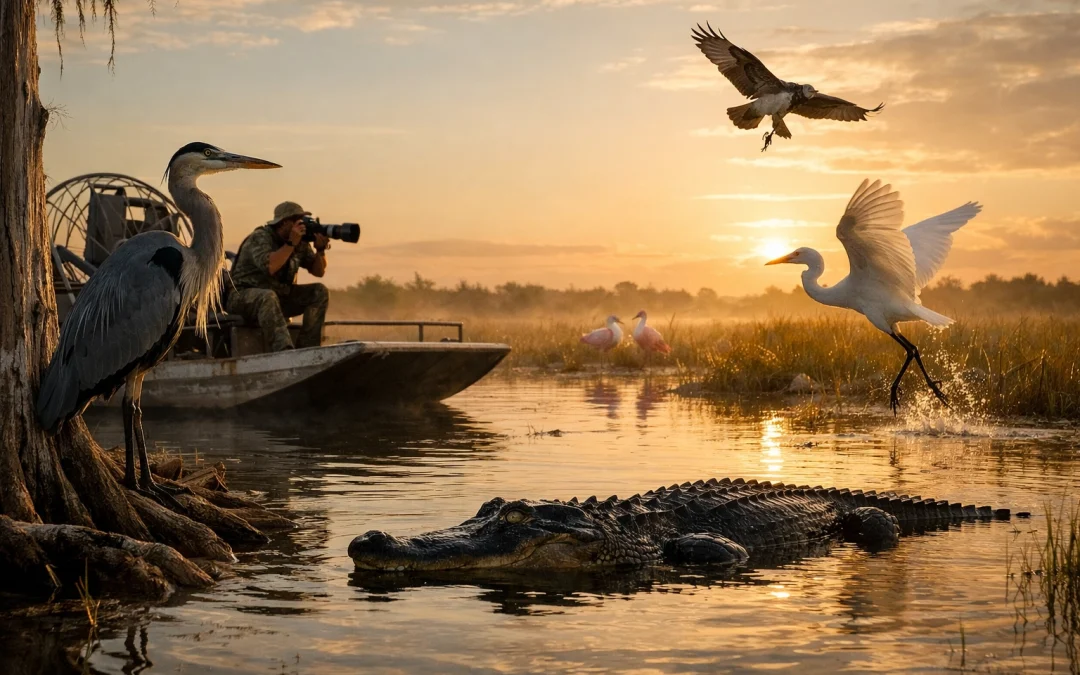
As you stand on the edge of the "River of Grass," the silence of the dawn is broken only by the rhythmic splash of a hunting heron. The Everglades is not merely a swamp; it is a complex, living masterpiece of nature that challenges and rewards your creative eye in ways few other places on Earth can. Whether you are a seasoned professional or a passionate hobbyist, capturing wildlife photography in the Everglades requires more than just a long lens: it requires an understanding of the rhythm of the water and the secret corners where the light hits just right.
Your journey into this UNESCO World Heritage site provides a unique opportunity to document species found nowhere else. To help you navigate this vast wilderness, I have curated a list of the premier Everglades photography locations that will elevate your portfolio and ensure you come home with breathtaking shots.
1. Anhinga Trail (The Gold Standard)
Just as you enter the park near the Royal Palm Visitor Center, the Anhinga Trail greets you as perhaps the most accessible and productive spot for wildlife photography in the Everglades. This self-guided boardwalk trail is legendary for a reason: the wildlife here is remarkably accustomed to human presence.
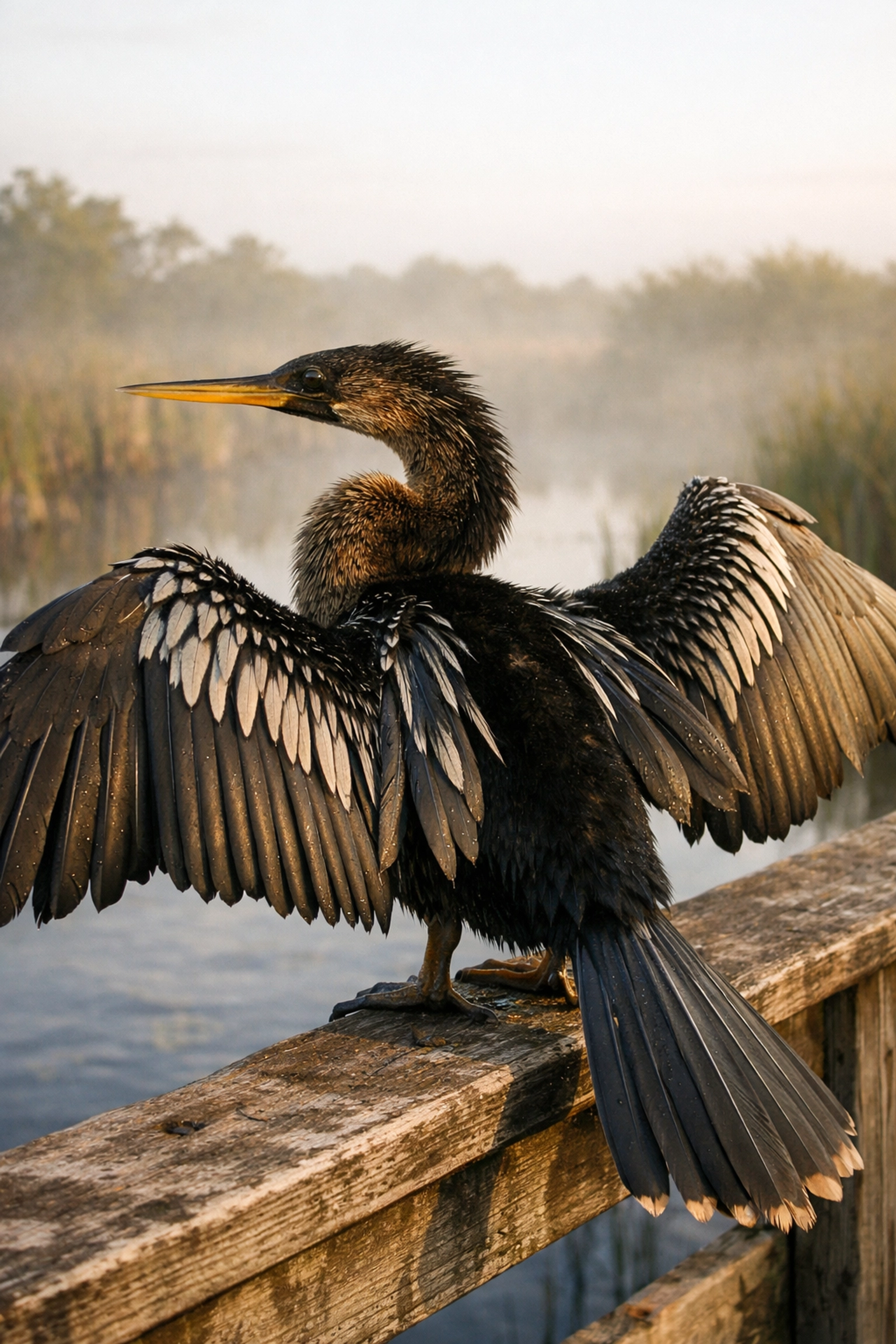
When you walk this path during the early morning hours, you are essentially stepping into a natural studio. You will find Anhingas drying their wings, Great Blue Herons stalking the shallows, and Alligators sunning themselves within mere feet of your lens. Because the birds are non-skittish, you can focus on capturing intricate details: the texture of a feather or the reflection in a reptile’s eye: without the need for extreme camouflage.
2. Shark Valley (The Heart of the Glades)
Located along the Tamiami Trail, Shark Valley offers you a 15-mile loop that cuts directly through the heart of the freshwater marsh. This location is unparalleled for landscape photography in the Everglades, especially if you make the journey to the 45-foot observation tower.
As you bike or take the tram along the loop, keep your eyes peeled for wading birds within 50 feet of the path. The elevation of the tower provides a panoramic perspective that allows you to capture the sheer scale of the sawgrass prairie. For the best results, arrive when the gates open at 8:30 AM to catch the soft morning light illuminating the alligators that frequently lounge right on the pavement.
| Feature | Best For | Recommended Lens |
|---|---|---|
| Observation Tower | Panoramic Landscapes | 16-35mm Wide Angle |
| Tram Road | Bird-in-flight & Gators | 100-400mm Zoom |
| Canal Edge | Close-up Wildlife | 400mm+ Prime |
3. Pa-hay-okee Overlook
If your goal is to capture the quintessential "River of Grass," Pa-hay-okee is your destination. The short boardwalk leads you to a raised platform that overlooks a vast expanse of sawgrass. This spot is a paradise for birders and landscape enthusiasts alike.
To maximize your success here, plan your visit for the late afternoon. With the sun behind you, the golden light hits the marsh, creating a high-contrast environment that makes the diverse bird species pop against the green and gold backdrop. This is the moment to use your Ultimate Lightroom Preset Collection to enhance those warm, swampy tones and bring out the true vibrance of the ecosystem.
4. Eco Pond at Flamingo
As you drive all the way south to the Flamingo area, you encounter Eco Pond. This location stands out for its sunset silhouettes. During the winter months, when water levels drop, the pond becomes a magnet for waterfowl.
You will likely encounter Roseate Spoonbills and Black-necked Stilts feeding in the shallows. The key here is patience; as the sun begins to dip, the sky transforms into a canvas of pinks and purples, providing the perfect backlight for dramatic bird silhouettes. Your experience at Eco Pond will be a highlight of your trip, offering a sense of isolation and peace that is hard to find elsewhere.
5. Mrazek Pond
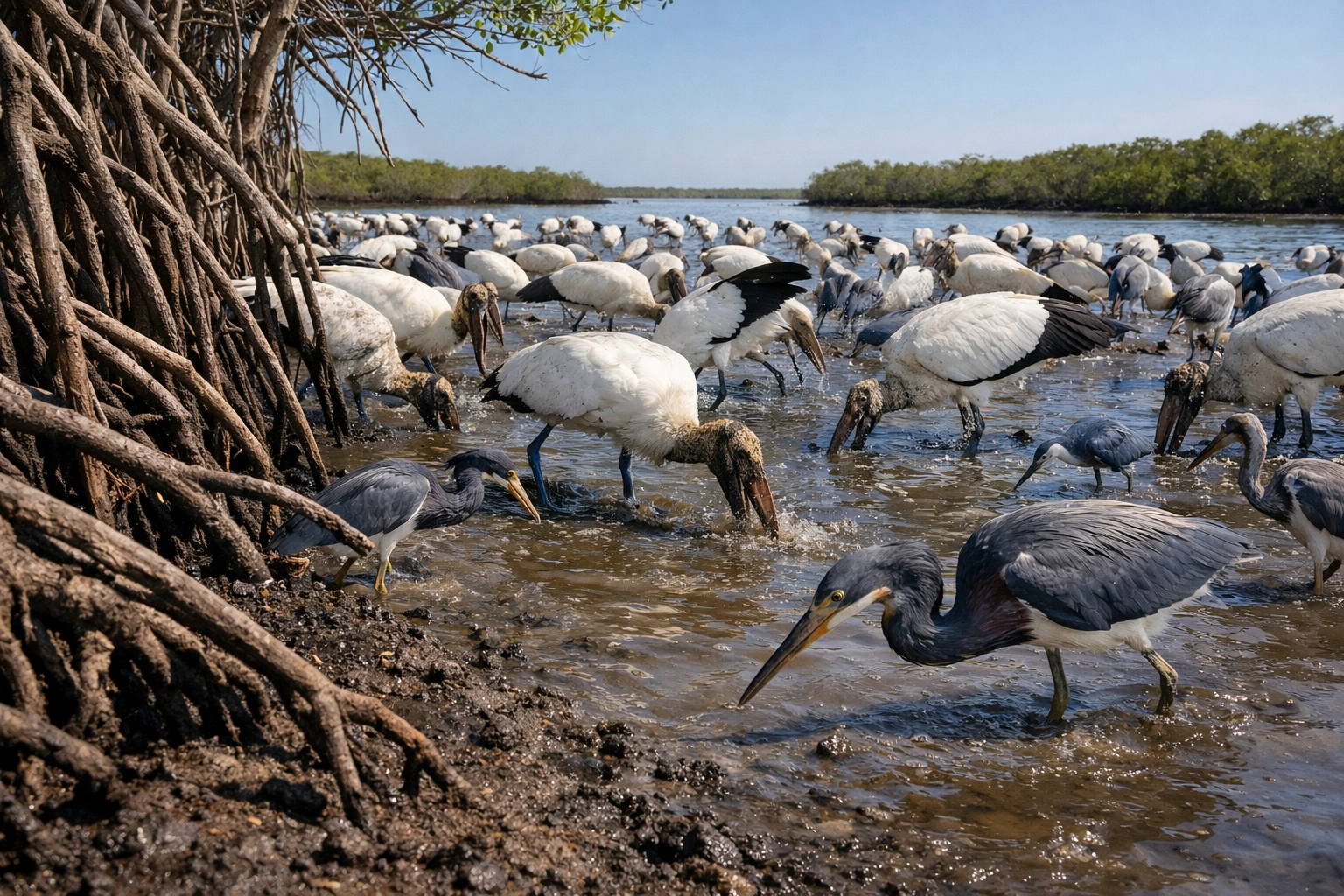
From late February into mid-March, Mrazek Pond becomes one of the most concentrated Everglades photography locations for wading birds. As the dry season progresses, the receding water traps fish in small pools, creating a feeding frenzy that is a dream for any wildlife photographer.
You can expect to see Wood Storks, Tricolored Herons, and Snowy Egrets in staggering numbers. This is where your technical skills are put to the test. Managing the bright whites of the egrets against the dark mangroves requires precision, but the result is a professional, fine-art quality image that you would be proud to display on Edin Fine Art.
6. Nine Mile Pond Canoe Trail
For the more adventurous photographer, the Nine Mile Pond Canoe Trail offers a perspective that few tourists ever see. By taking a kayak or canoe into the shallow waters, you immerse yourself in the aquatic life and hidden rookeries.
Navigating through the mangrove tunnels and open marl prairies allows you to photograph reflections that are smooth as butter. If you are lucky, you might even spot "Croczilla," a massive American crocodile that frequents this area. Capturing a 14-foot predator from the low angle of a kayak will undoubtedly be the crown jewel of your wildlife photography in the Everglades.
7. Mahogany Hammock
Stepping into Mahogany Hammock feels like entering another world. This ancient hardwood forest offers a stark contrast to the open marshes. Here, you swap the wide-angle landscapes for tight, textured shots of the forest floor and canopy.
Your lens will find Barred Owls, Woodpeckers, and even the occasional raccoon hiding among the ferns. The light play through the dense canopy creates a moody, ethereal atmosphere. To ensure your shots look their best, check out the resources at Edin Chavez Photography for tips on shooting in low-light forest conditions.
8. Wakodahatchee Wetlands
While technically located in nearby Delray Beach, no photography trip to the region is complete without a visit to Wakodahatchee. This man-made sanctuary is one of the most prolific birding spots in Florida.
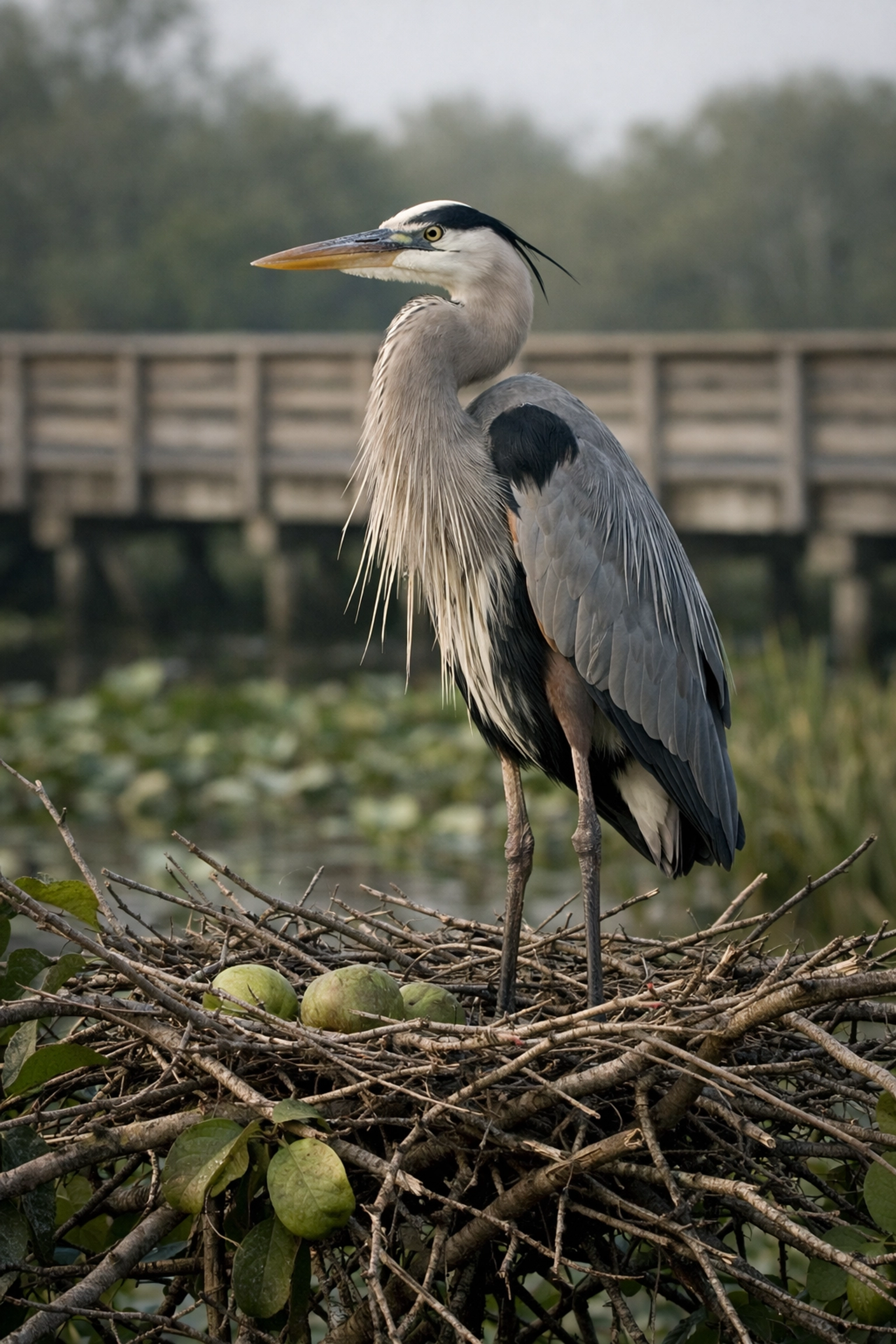
The boardwalk puts you right in the middle of the nesting action. You can photograph Wood Storks and Herons tending to their nests at eye level. This proximity provides an unmatched opportunity for behavioral shots. However, be mindful of the boardwalk vibrations; using a faster shutter speed ensures your images remain tack-sharp even when other visitors are walking by.
9. Big Cypress National Preserve
Connected ecologically to the Everglades, Big Cypress National Preserve offers a more rugged and wild experience. If you explore Loop Road or Sweetwater Strand, you are stepping into the territory of the Florida Panther and the Black Bear.
The 360-degree swamp views at Sweetwater Strand are breathtaking. You will often see otters swimming and catching food in the clear water. Because of the dark cypress canopy, you should be prepared to push your ISO to 2500 or higher. This dedication to capturing the raw, untouched beauty of the swamp is what separates a snapshot from a piece of fine art.
10. Flamingo Marina
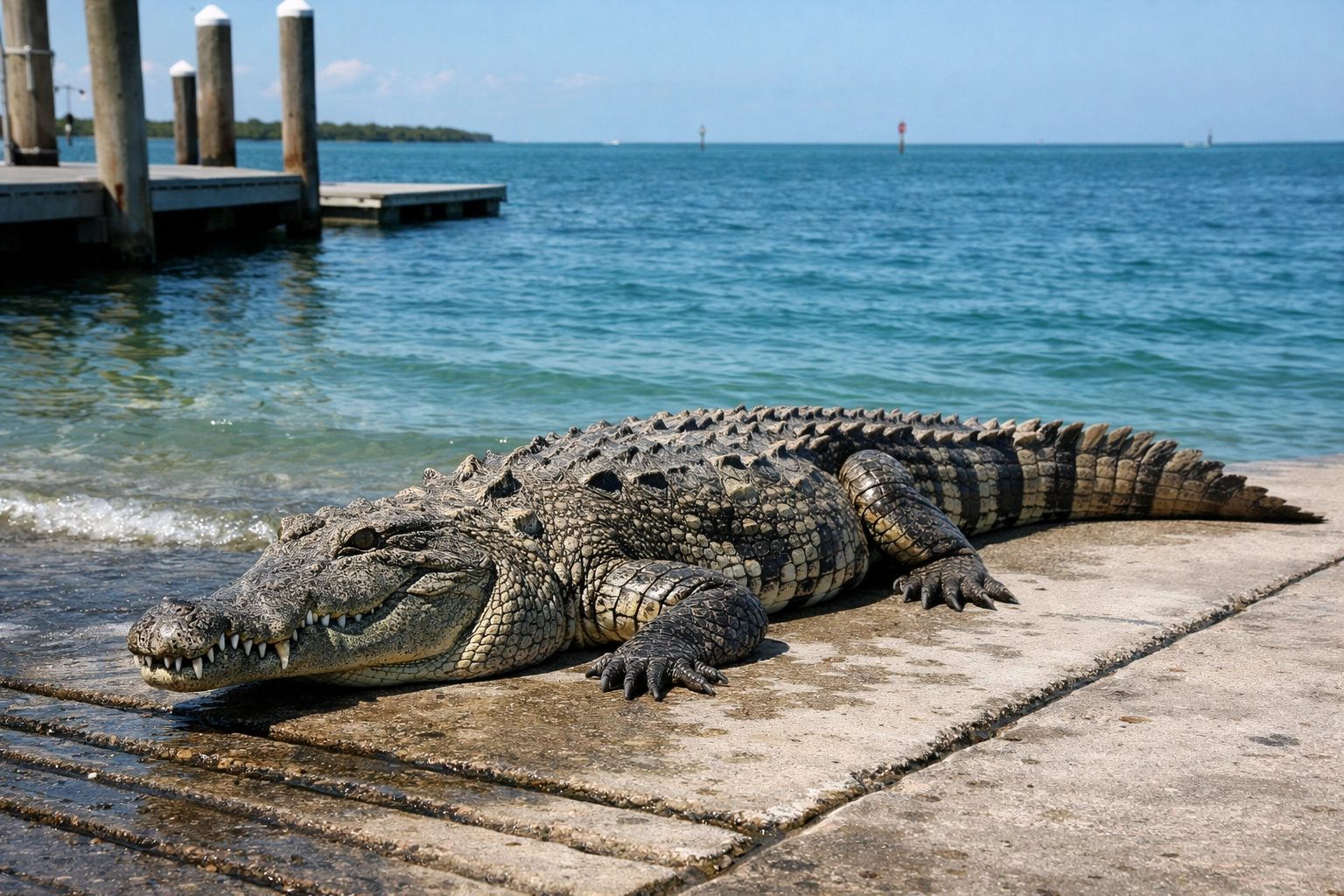
Your final stop should be the Flamingo Marina, the gateway to Florida Bay. This is the premier spot for documenting the American Crocodile, which can often be seen basking on the boat ramps.
Beyond the crocodiles, the marina is a hub for Manatees and Ospreys. The combination of salt and fresh water creates a biological crossroads that guarantees variety in your portfolio. Whether you are shooting from the docks or taking a boat tour into the backcountry, the Flamingo Marina ensures your trip ends on a high note.
Elevate Your Craft
The Everglades is a vast and sometimes intimidating environment. To truly master this landscape, you need a guide that breaks down the best times to visit, the exact GPS coordinates for hidden spots, and the settings required to handle the challenging Florida light.
You can find all of this and more in the Everglades Photography Guide. This comprehensive resource is designed to empower you to skip the guesswork and go straight to the locations that yield the best results.
Essential Tips for Your Visit:
- Timing is Everything: Arrive 30 minutes before sunrise. The first hour of light is your most valuable asset.
- Respect the Wildlife: Never feed or harass the animals. A respectful distance ensures natural behavior and better photos.
- Stay Hydrated: The Florida sun is unforgiving. Your physical comfort is directly tied to your creative stamina.
- Post-Processing: Use a consistent workflow. My Lightroom presets are a great way to start.
By integrating these locations into your itinerary, you are setting yourself up for success. The Everglades is a place of profound beauty and quiet power. With your camera in hand and the right guidance, you are ready to capture the breathtaking wildlife shots that define this incredible ecosystem.
For more inspiration and professional fine art prints, visit Edin Studios and explore the world through my lens. Hence, with these tools and locations at your disposal, your next trip to the Everglades will be nothing short of extraordinary.


